
Celebrity
Richard Scolyer Update:(2022-2025) Latest News, Life & Legacy

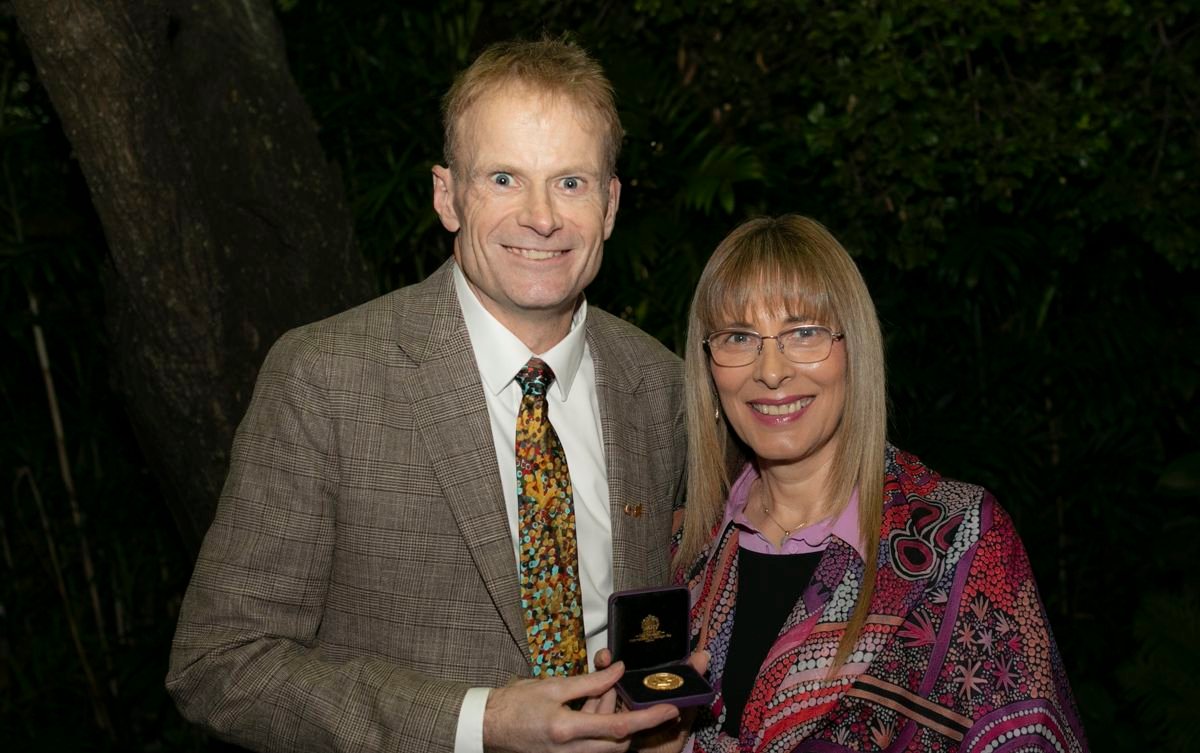
Between 2022 and 2025, Professor Richard Scolyer’s journey became one of Australia’s most inspiring medical stories. After pioneering an experimental immunotherapy treatment for his own brain cancer, he initially showed no signs of recurrence for nearly a year.
However, in early 2025, the tumour returned, and doctors were unable to remove it completely. Despite a grim prognosis, Scolyer continued to live with optimism — completing his 250th Parkrun in June and publicly sharing his experiences to raise awareness about brain cancer research.
In September 2025, his legacy was formally recognised when the Australian Government established the Richard Scolyer Chair in Brain Cancer Research at Chris O’Brien Lifehouse in Sydney, ensuring his life’s work continues to shape future discoveries.
Health Journey And Latest Updates
In June 2023, Scolyer was diagnosed with Grade-4 Glioblastoma, a highly aggressive brain tumour. Refusing to give up, he underwent an experimental treatment based on the same immunotherapy principles that transformed melanoma survival rates. The treatment combined surgery, personalised vaccines, and pre-surgery immunotherapy.
By late 2024, scans showed no tumour recurrence — a milestone that extended his life well beyond the original six-month prognosis. However, in early 2025, the cancer returned. Scolyer underwent another surgery but acknowledged that his prognosis remains “months, not years.” Despite this, he continues to advocate for research and share his journey publicly to inspire others.
Research & Legacy
Scolyer’s work has long centred on melanoma pathology and immunotherapy. His own treatment journey now links that research to brain cancer. The new research chair named after him aims to accelerate glioblastoma trials and translation of research into improved outcomes.
Early Life And Education
Richard Anthony Scolyer was born on 16 December 1966 in Launceston, Tasmania. He graduated from the University of Tasmania in 1988 with First-Class Honours in Medicine and later earned his Doctorate from the University of Sydney. During his early career, his passion for pathology and oncology set him on a path that would redefine melanoma treatment worldwide.
Career And Achievements
Scolyer’s career is marked by groundbreaking discoveries in melanoma pathology. He is:
- Senior Staff Specialist in Tissue Pathology and Diagnostic Oncology at Royal Prince Alfred Hospital
- Conjoint Professor at the University of Sydney’s Faculty of Medicine and Health
- Co-Medical Director and Co-Founder of the Melanoma Institute Australia
- Co-Recipient of the 2024 Australian of the Year Award alongside Professor Georgina Long
Together, Scolyer and Long revolutionised melanoma treatment, improving survival rates through advanced immunotherapy research. His work has been published in leading medical journals, and he has co-authored over 700 papers, making him one of Australia’s most cited medical researchers.
Family And Relationships
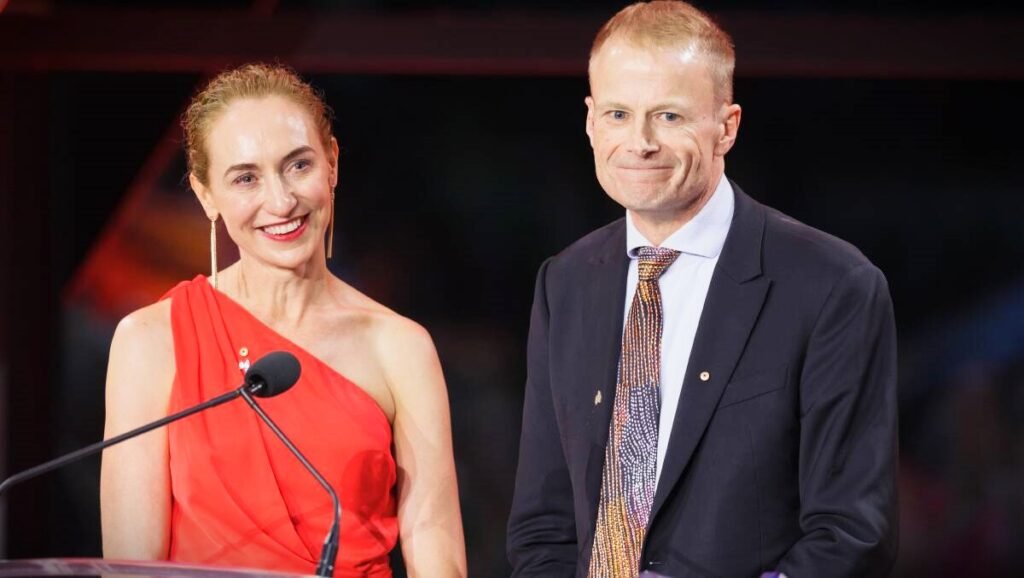
Richard Scolyer’s life is deeply grounded in love, loyalty, and collaboration.
- With His Wife, Katie Nicoll: Scolyer often calls Katie his biggest supporter. Since his diagnosis, she has been by his side through every stage of treatment. He prioritises family time more than ever, focusing on shared moments with Katie and their three children.
- With His Children: Scolyer is a devoted father to Emily, Matthew, and Lucy. He describes his family as his “greatest motivation” to keep fighting and cherishes the simple joys of being a dad.
- With Professor Georgina Long: Scolyer and Long have built one of the most impactful medical partnerships in Australia. As Co-Medical Directors of the Melanoma Institute, their collaboration has transformed melanoma care globally. Together they were honoured as Joint Australian of the Year in 2024.
- With Dr Jane Dahlstrom: Scolyer also shares a deep personal and professional bond with Dr Jane Dahlstrom, based on years of collaboration, mutual respect, and shared research goals.
These relationships reflect not just Scolyer’s medical excellence but his humanity — a balance of science, empathy, and family devotion.
Business And Professional Involvement
Beyond academia, Scolyer plays a key role in Australia’s medical and research ecosystem. He is:
- Co-Founder and Co-Director of the Melanoma Institute Australia
- Member of the World Health Organization’s Tumour Classification Board
- Consultant Pathologist for several international cancer trials
- Keynote Speaker and Research Adviser for Australian cancer foundations
His work has indirectly generated significant research funding for melanoma and immunotherapy programs, valued in tens of millions of dollars over the past decade.
Income And Net Worth
While Professor Scolyer’s exact personal wealth isn’t publicly disclosed, reasonable estimates can be made based on his positions, awards, and consulting roles.
- Annual academic salary as Senior Staff Specialist and Professor: approximately A$350,000–A$450,000
- Research grants and advisory consulting: estimated A$100,000–A$200,000 annually
- Awards and public speaking engagements: A$50,000+ in yearly honorariums and appearances
- Total estimated annual income: A$450,000–A$650,000
- Estimated net worth (2025): A$3 million–A$5 million, primarily from salary, research positions, and property assets
These figures represent a professional income level consistent with senior Australian medical academics and research directors of his calibre.
Legacy And Impact
In September 2025, the “Richard Scolyer Chair in Brain Cancer Research” was announced — a $5.9 million endowment at Chris O’Brien Lifehouse to continue his life’s work. His decision to share his illness journey has inspired patients, scientists, and the public alike. Scolyer’s courage has redefined what it means to live with purpose, using his final years to advance medical science.
Conclusion
Professor Richard Scolyer’s story is one of intellect, integrity, and inspiration. From a pathologist studying melanoma to a patient redefining brain cancer treatment, his legacy bridges science and humanity. Supported by his wife Katie, his children, and his lifelong colleague Georgina Long, he has shown Australia — and the world — how courage can turn tragedy into progress. His contributions will continue through the research institutions, lives, and families his work has saved.
FAQs
Who Is Richard Scolyer?
He is an Australian pathologist and Co-Director of the Melanoma Institute Australia, best known for pioneering melanoma immunotherapy research.
What Illness Does He Have?
He was diagnosed in 2023 with Grade-4 Glioblastoma, an aggressive form of brain cancer.
Who Is His Wife?
His wife is Katie Nicoll, who has supported him through his treatment journey.
How Many Children Does He Have?
He has three children — Emily, Matthew, and Lucy.
What Is His Net Worth?
His estimated net worth is between A$3 million and A$5 million as of 2025.
What Is His Annual Income?
His estimated annual income ranges from A$450,000 to A$650,000, including salary, research, and advisory work.
What Award Did He Win?
He was named 2024 Australian of the Year alongside Professor Georgina Long.
What Is His Current Health Status?
As of late 2025, Scolyer’s cancer has returned, but he continues treatment and remains active in research and advocacy.

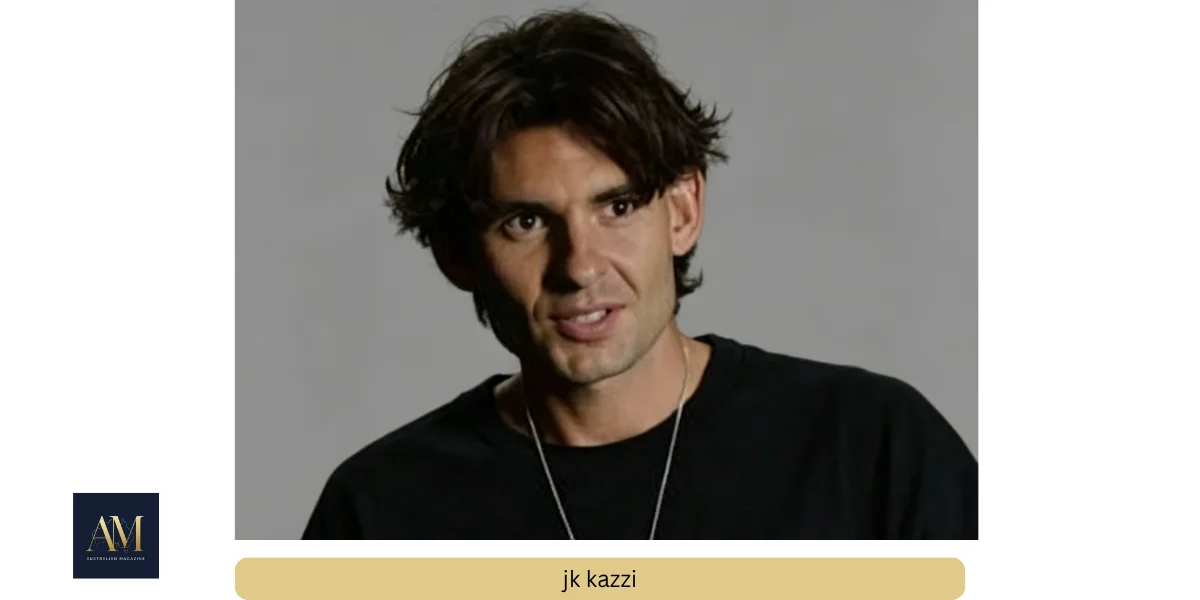
In the fast-moving world of social media, where trends come and go overnight, certain personalities manage to cut through the noise with authenticity and unapologetic confidence. JK Kazzi is one such figure. A Lebanese-Australian influencer, content creator, and lifestyle personality, he has carved out a distinctive space for himself by blending humour, fashion, and cultural pride into content that resonates with thousands worldwide.
After more than three decades of observing how digital personalities rise and sustain their influence, I can say with confidence that JK Kazzi represents a modern archetype. This culturally rooted global citizen uses social platforms not just for entertainment, but as a bridge between heritage and contemporary life.
Background and Rise to Fame
JK Kazzi’s story begins with his Lebanese heritage, a background he carries with visible pride. Born into a family with strong cultural roots, he grew up in Australia, navigating the unique experience of being a second-generation immigrant. This dual identity has become one of the strongest pillars of his personal brand.
Like many successful creators, JK did not explode onto the scene overnight. His rise was gradual, built on consistent, relatable content that struck a chord with viewers who saw their own lives reflected in his videos. Early on, he gained traction through short, humorous clips that captured everyday situations with a sharp wit and charming delivery. What started as casual posts on Instagram and TikTok quickly evolved into a dedicated following that appreciated his genuine personality.
His Lebanese-Australian perspective gave him a unique angle. In an era where audiences crave authenticity over polished perfection, JK’s willingness to speak his mind and showcase his cultural background set him apart from the sea of generic lifestyle creators.
Content Style and Themes
What makes JK Kazzi’s content particularly engaging is its variety and honesty. He doesn’t limit himself to a single niche. Instead, he moves fluidly between:
- Fashion and Style: Showcasing bold outfits that blend Middle Eastern influences with contemporary Australian and global trends.
- Cars and Lifestyle: High-energy videos featuring luxury and performance cars, often paired with scenic drives and personal commentary.
- Travel: Capturing journeys that highlight both his Australian home and connections to Lebanese culture.
- Everyday Life: Relatable humour about family, food, friendships, and the challenges of balancing multiple identities.
His charismatic and outspoken style is his signature. JK doesn’t shy away from expressing strong opinions, yet he maintains a warmth that makes viewers feel like they’re catching up with a friend rather than watching a distant celebrity. This balance of boldness and approachability is rare and highly effective.
In my experience studying digital creators, this kind of versatility is key to long-term success. Audiences today are sophisticated — they can spot inauthenticity from a mile away. JK Kazzi’s content feels personal because it is personal.
Cultural Identity at the Core
One of the most compelling aspects of JK Kazzi’s platform is his unapologetic celebration of Lebanese heritage. In a world that sometimes pressures immigrants and their children to assimilate completely, he stands as a proud example of cultural integration without erasure.
He frequently shares content highlighting Lebanese traditions, cuisine, family values, and even the language. This cultural transparency has earned him respect not only within the Lebanese diaspora but also among wider audiences curious about Middle Eastern cultures.
His approach offers valuable lessons for younger creators: cultural identity is not a limitation — it can be a superpower. By owning his background, JK has built deeper connections than those who present a generic, watered-down version of themselves.
Current Projects and Status in 2026
As of 2026, JK Kazzi continues to expand his influence. He maintains strong momentum on Instagram and TikTok while exploring new collaboration opportunities. His growth reflects a mature phase of his career — moving beyond pure entertainment into brand partnerships that align with his values.
Recent content shows increased focus on lifestyle branding, including potential fashion lines, automotive collaborations, and travel experiences that combine luxury with cultural storytelling. He remains active in directly engaging with fans through comments, live sessions, and Q&A Sessions, which helps sustain the personal connection that fueled his initial rise.
The influencer landscape in 2026 rewards those who evolve without losing their core identity. JK appears to be navigating this challenge successfully, balancing commercial opportunities with the authentic voice that made him popular in the first place.
Impact on His Audience
The true measure of any influencer’s success lies in the impact they have on their followers. JK Kazzi has cultivated a community that feels seen and represented. Many young Lebanese-Australians and other diaspora members cite him as a positive role model who proves it’s possible to honour your roots while thriving in a new country.
His content often sparks conversations about identity, confidence, and self-expression. Viewers frequently share that his humorous takes on cultural experiences help them feel less alone on their journeys to balance heritage with modern life.
From an expert perspective, this kind of meaningful connection is far more valuable than raw follower counts. It creates loyalty that survives algorithm changes and platform shifts.
Conclusion: A Lasting Influence
JK Kazzi stands as a shining example of what modern influence can look like when built on authenticity, cultural pride, and consistent value. His journey from relatable video creator to recognised personality demonstrates the power of staying true to oneself in the digital age.
For aspiring creators, his story offers clear takeaways: find your unique perspective, share it boldly, and never underestimate the appeal of genuine personality. For his audience, he provides entertainment, inspiration, and a sense of cultural connection in an increasingly fragmented world.
As social media continues to evolve, personalities like JK Kazzi remind us that the most powerful content still comes from real human experiences, shared with confidence and heart. His continued growth in 2026 and beyond will be fascinating to watch.
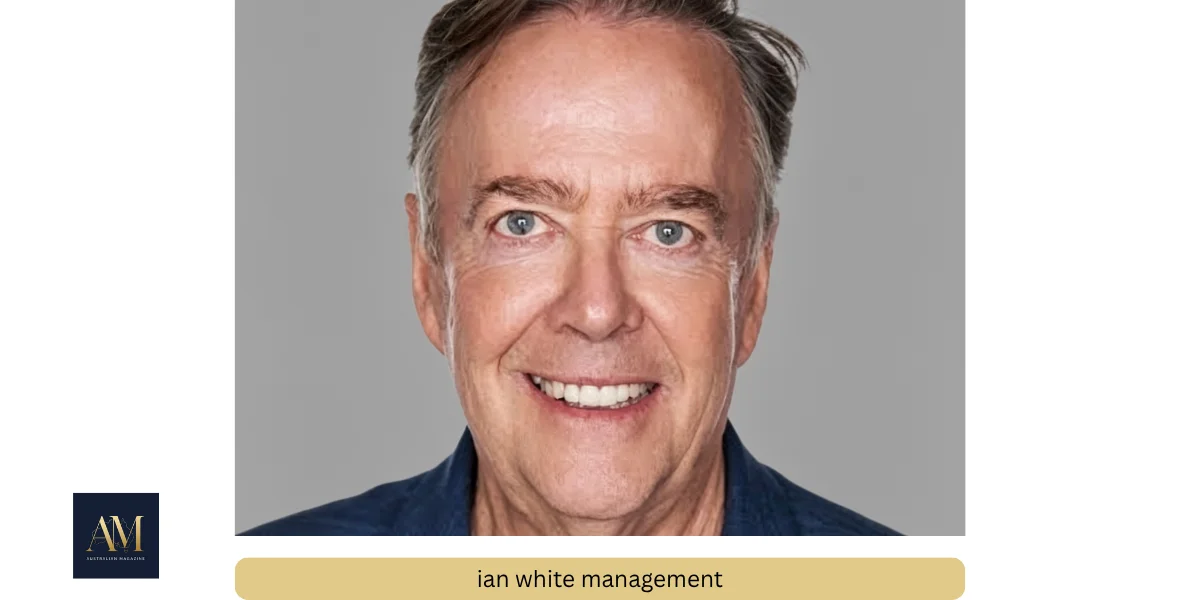
Who is Ian White?
In the competitive world of professional sports, talent alone is rarely enough to build a long and prosperous career. Behind every successful athlete, there is often a trusted advisor who handles contracts, negotiations, and personal branding. In Australia, one name that stands out in this field is Ian White. As the founder and principal of Ian White Management, he has built a reputation over many years as a reliable, results‑driven representative who understands both the game and the business side of sport.
Ian White brings deep knowledge of the Australian sporting landscape, particularly the codes of rugby league and AFL. Having worked in the industry for decades, he has witnessed how the demands on athletes have changed — from simple playing contracts to complex career planning, media obligations, and financial security. His agency was created to fill that gap: to provide athletes with professional guidance so they can focus fully on performing at their best.
Services and Approach
Ian White Management operates on a clear philosophy: every athlete deserves personalised attention and a strategy tailored to their individual goals. Unlike large firms that treat clients as numbers, this agency takes a hands‑on approach, ensuring that every decision aligns with the athlete’s short‑term needs and long‑term future.
The core services offered include:
Player Contract Negotiations
This is the foundation of any representation work. The agency works closely with clubs, leagues, and governing bodies to secure fair and competitive contracts. They understand the market value of each player, their development trajectory, and the fine print that can make a big difference in security and earnings. A common mistake many young athletes make is signing deals without fully understanding the terms — this is where expert advice prevents costly errors.
Career Management and Advice
Athletic careers are often shorter than most people realise, so planning is essential. Ian White Management helps players map out their journey, from their first professional contract through to retirement and beyond. This includes guidance on training, performance goals, and handling the physical and mental pressures of top‑level sport.
Sponsorship and Endorsement Deals
Beyond match fees, endorsements are a key part of an athlete’s income and public profile. The agency identifies suitable brands, negotiates agreements, and ensures that partnerships align with the athlete’s values and image. They also protect clients from deals that could damage their reputation or take time away from training.
Media and Public Relations Support
In today’s digital age, an athlete’s public image is as important as their on‑field form. The team guides media interviews, social media presence, and handling public attention. This helps athletes build a positive profile while avoiding unnecessary controversy.
Notable Clients
Over the years, Ian White Management has represented a growing list of professional athletes across several major sports in Australia. While the agency maintains confidentiality regarding individual terms, it is widely known that their roster includes established players and rising stars in rugby league, AFL, and other codes.
What sets their client list apart is the consistency of results. Athletes represented by the agency often report improved contract terms, better‑aligned sponsorships, and greater clarity in their career direction. This track record has earned them the trust of players, coaches, and club administrators alike. When an athlete chooses to work with Ian White Management, they are joining a group that values integrity and transparency above all else.
Role in Australian Sports
The presence of agencies like Ian White Management plays a vital role in the broader health of Australian sport. There was a time when many athletes had little support outside their club, leaving them vulnerable to poor deals or bad advice. Today, the industry is more professional, and good representation helps create a fairer environment.
The agency also helps raise standards across the sector. By operating with honesty and clarity, they set an example for how player management should work. They work alongside clubs and leagues to ensure that the interests of the sport and the athlete are balanced. This cooperation helps build long‑term stability for everyone involved.
Current Operations (2026)
As of 2026, Ian White Management remains active and respected within the industry. The business has adapted to changes in the sporting world, including the rise of digital media, global competitions, and new financial structures within leagues.
Key aspects of their current work include:
- Expanding support services to cover financial planning and post‑career transition advice.
- Maintaining strong relationships with clubs, brands, and sporting bodies across Australia.
- Continuing to support emerging talent —not just established stars— by helping young athletes navigate the early stages of their professional journey.
Looking ahead, the agency remains focused on what has always worked: putting the athlete first. In an era where trends and rules change quickly, their steady, experienced approach remains their greatest strength.
Tips for Athletes Choosing Representation
Drawing from decades of experience in the field, here is practical advice for any athlete looking for management support:
- Check their track record: Look for agencies with a history of successful, fair negotiations and satisfied clients.
- Ensure clear communication: You should always understand exactly what services you are receiving and what fees apply.
- Look for long‑term thinking: A good manager does not just chase quick money — they build a career that lasts.
- Trust your instincts: The relationship must be based on trust. If you feel pressured or confused, it may not be the right fit.
Conclusion
Ian White Management stands as a solid example of how professional representation can make a real difference in an athlete’s life and career. By combining industry knowledge, personal attention, and ethical standards, they have built a respected name in Australian sports.
For athletes, the agency offers more than just contract help — it offers peace of mind. Knowing that the business side of their career is in safe hands allows them to focus entirely on what they do best: performing on the field. As the sporting landscape continues to evolve, Ian White Management will undoubtedly remain a key partner for athletes looking to build successful, sustainable careers.

In an era where the boundary between a public figure’s professional achievements and their private life is increasingly blurred by the relentless 24-hour news cycle and social media transparency, maintaining a sense of personal sanctuary is a rare feat. For William McKenna, the talented Australian actor who has steadily climbed the ranks of the international entertainment industry, this balance is not just a preference—it is a cornerstone of his public identity.
McKenna has navigated the volatile waters of fame with a grace that belies his years, choosing to let his performances speak louder than his personal headlines. While fans are naturally curious about the man behind the roles, McKenna has managed to foster a relationship that is both deeply supportive and refreshingly low-profile. This article explores the life of William McKenna, his career trajectory, and the stabilising force of his partnership with Andrew Budzinski.
William McKenna: The Evolution of an Artist
Before delving into the specifics of his personal life, one must appreciate the professional context that makes McKenna such a person of interest. Born and raised in Australia, William McKenna first captured public attention through his roles in youth-centric television, most notably in the acclaimed series Nowhere Boys.
His transition from a teen idol to a serious dramatic actor was seamless. McKenna possesses a unique “everyman” quality that allows him to inhabit complex characters with authenticity. Whether on screen or treading the boards in theatrical productions—including a standout performance in the Australian premiere of Dear Evan Hansen—McKenna has demonstrated a range that suggests a long and fruitful career ahead.
By 2026, his portfolio has expanded into more international co-productions, yet he remains tethered to his Australian roots. It is this grounded nature that likely informs his approach to his personal relationships.
The Heart of the Matter: Relationship and Partner
Despite the natural intrigue that follows a rising star, McKenna has been remarkably consistent in his approach to his personal life. He is currently in a long-term relationship with his partner, Andrew Budzinski.
A Partnership Built on Stability
Its longevity and mutual respect characterise the relationship between William McKenna and Andrew Budzinski. In an industry where “showmances” a nd fleeting connections are often the norm, their several-year tenure together stands as a testament to their shared values.
- Mutual Support: Those in their social circles often note thepartnership’ss supportive nature. While McKenna deals with the erratic schedules and high-pressure environments of film sets and theatre stages, Budzinski provides a stabilising presence.
- Selective Public Appearance: Unlike many modern couples who document every milestone on social platforms, McKenna and Budzinski are selective. They occasionally appear together at industry events, such as opening nights or awards ceremonies, but these appearances are marked by a quiet confidence rather than a desire for “viral” moments.
- Subtle Digital Presence: Their social media interactions are infrequent and subtle. A shared photo here or a supportive comment there serves as a nod to their connection without inviting the public to dissect every aspect of their intimacy.
How They Balance Public and Private Life
For a veteran observer of the entertainment industry, the way McKenna and Budzinski manage their public image is a masterclass in modern celebrity branding.
The Strategy of “The Quiet Life”
Maintaining a low-profile relationship while one partner is in the spotlight requires intentionality. Here are the key strategies they employ:
- Defining the “Inner Circle”: They maintain a close-knit group of friends and family who respect their privacy. This limits the “leakage” of personal information to tabloid outlets.
- Focusing on the Work: In interviews, McKenna is known for skillfully redirecting personal questions back to his craft, his upcoming projects, or the themes of his current role.
- The Digital Buffer: By not over-sharing on Instagram or X (formerly Twitter), they create a buffer. When they do choose to share a glimpse into their lives, it feels authentic and earned, rather than performative.
Why This Matters for Longevity
Industry experts often point out that actors who maintain a level of mystery are often more successful in their roles. If the public knows too much about an actor’s real-life partner, habits, and daily routines, it can become harder for an audience to “suspend disbelief” when that actor portrays a new character. By keeping his life with Andrew Budzinski private, McKenna protects his most valuable professional asset: his chameleonic ability to be whoever the script requires.
Current Status (2026)
As of mid-2026, the status of William McKenna and Andrew Budzinski’s relationship remains one of quiet stability. While McKenna’s career has reached new heights with major streaming-service credits and prestigious theatre roles, his personal life remains his “north star.”
They continue to reside primarily in Australia, though McKenna’s work frequently takes him abroad. This period of his life is marked by a focus on high-quality projects and a continued commitment to the personal bonds that have supported him since the early days of his career.
| Key Metric | Status (2026) |
|---|---|
| Relationship Duration | Several Years |
| Primary Residence | Australia |
| Public Engagement | Low-Profile / Selective |
| Professional Trajectory | Upward / International |
Expert Insights: Maintaining Relationships in the Creative Arts
As someone who has watched three decades of talent rise and fall, I have observed that the most successful individuals are those who have a “safe harbor” to return to. Here are a few “expert tips” for those navigating similar dynamics:
- Avoid the “Comparison Trap”: In the age of social media, it is easy for couples to compare their relationship to the highlight reels of others. McKenna and Budzinski seem to avoid this by focusing on their internal reality rather than external validation.
- Privacy is a Choice, Not a Burden: Many young stars feel they owe their fans everything. The truth is, privacy is a boundary that actually helps fans focus on what matters—the art.
- Communication is Key: The logistics of an acting career (long absences, late nights, emotional intensity) are taxing. A partner who understands the industry but isn’t consumed by it—like the dynamic we see here—is often the ideal match.
Common Mistakes to Avoid
In my thirty years of writing, I’ve seen many promising careers derailed by personal drama. Common pitfalls include:
- Using a relationship as a publicity tool.
- Allowing “stan culture” to dictate personal decisions.
- Failing to set boundaries with the press early in a career.
William McKenna has avoided these pitfalls with remarkable foresight.
Conclusion
William McKenna represents a new generation of performers who understand that fame is a byproduct of work, not an end in itself. His relationship with Andrew Budzinski serves as a quiet reminder that even in the most public of professions, one can still cultivate a private world that remains untouched by the flashbulbs.
As we look toward the future of McKenna’s career, it is clear that his personal stability bolsters his professional successes. In an industry that often celebrates the loud and the scandalous, there is a profound power in the quiet and the constant. William and Andrew continue to prove that a low-profile life is not just possible—it is perhaps the most sustainable way to thrive in the modern spotlight.
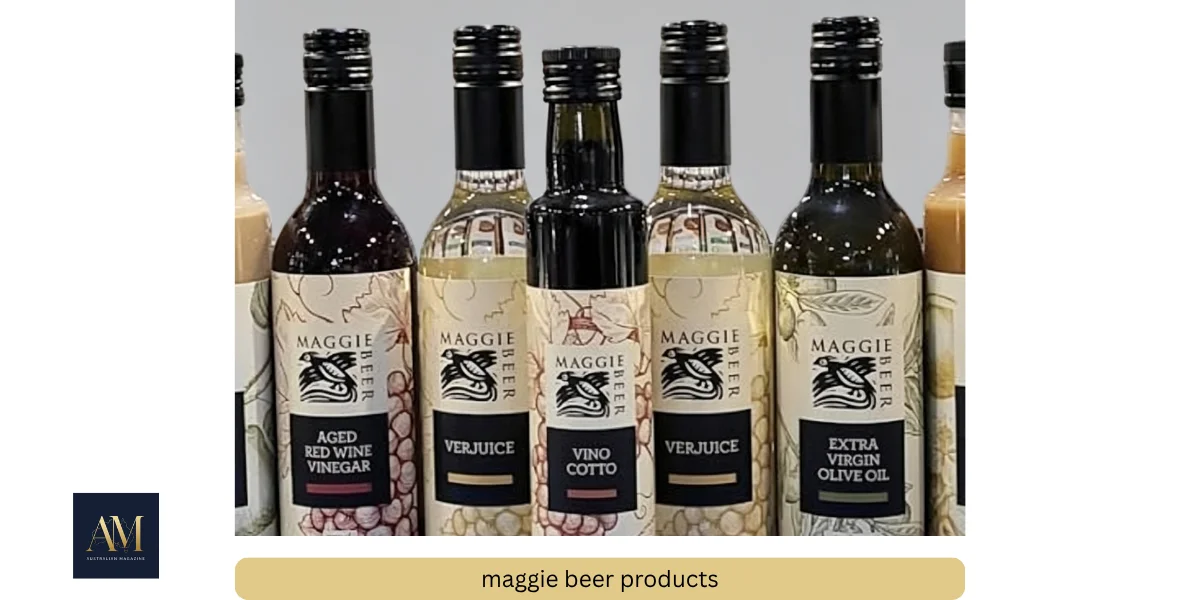
Maggie Beer Products: A Gourmet Australian Range Built on Flavour, Simplicity, and Quality

Human-in-the-loop customer service: how NeonNow IQ divides contact centre work between AI and people
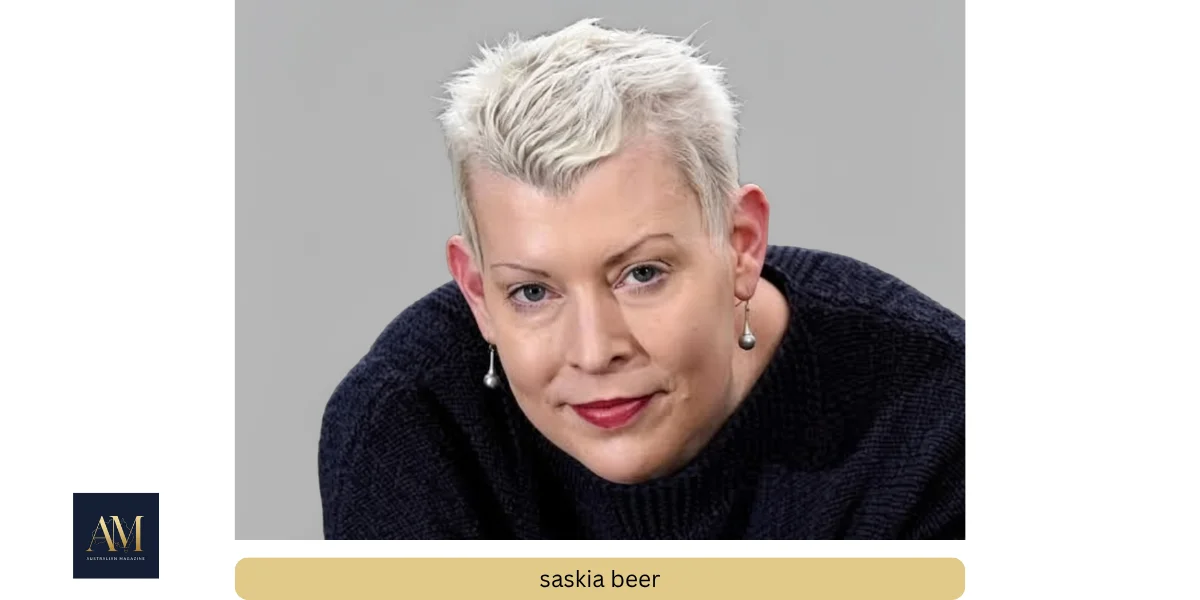
Saskia Beer: The Life, Work, and Lasting Legacy of an Australian Food Innovator

Love Island Australia 2026: Why Fans Chasing Fiji Villa Gossip Online Need to Slow Down Before They Click
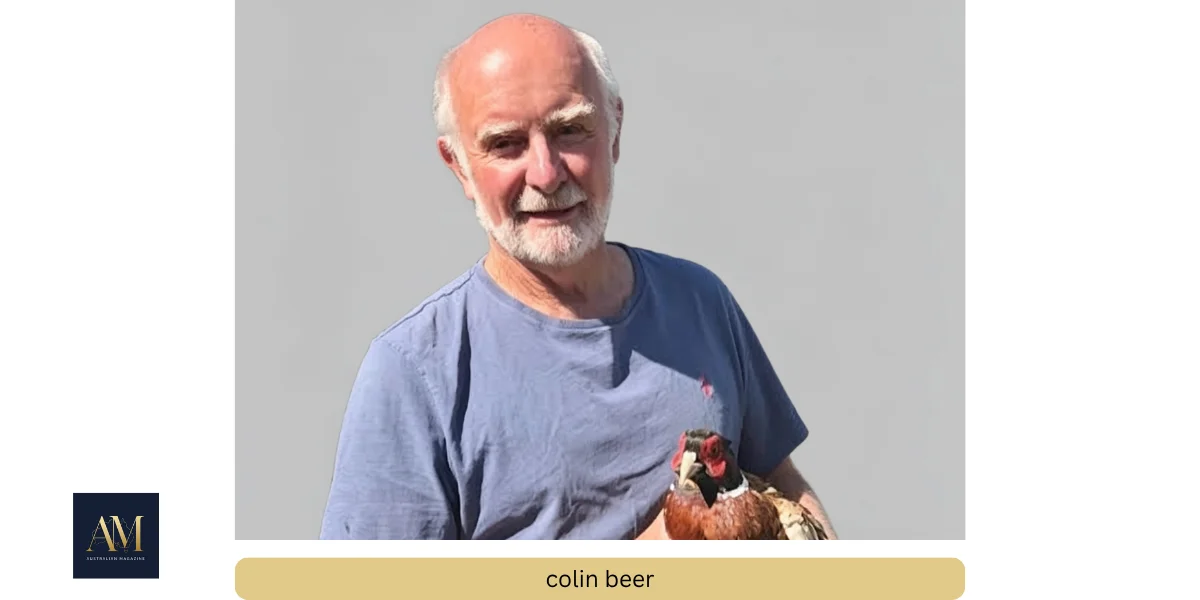
Colin Beer: The Quiet Architect Behind a Gourmet Food Legacy
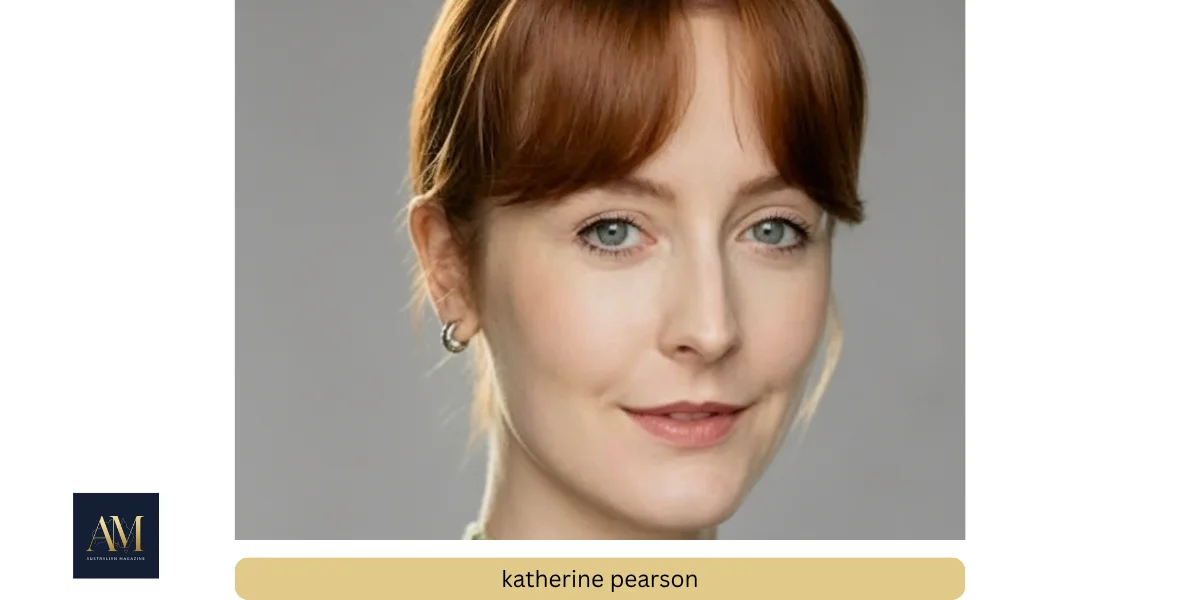
Katherine Pearson: Strength, Resilience and Life Beyond the Headlines
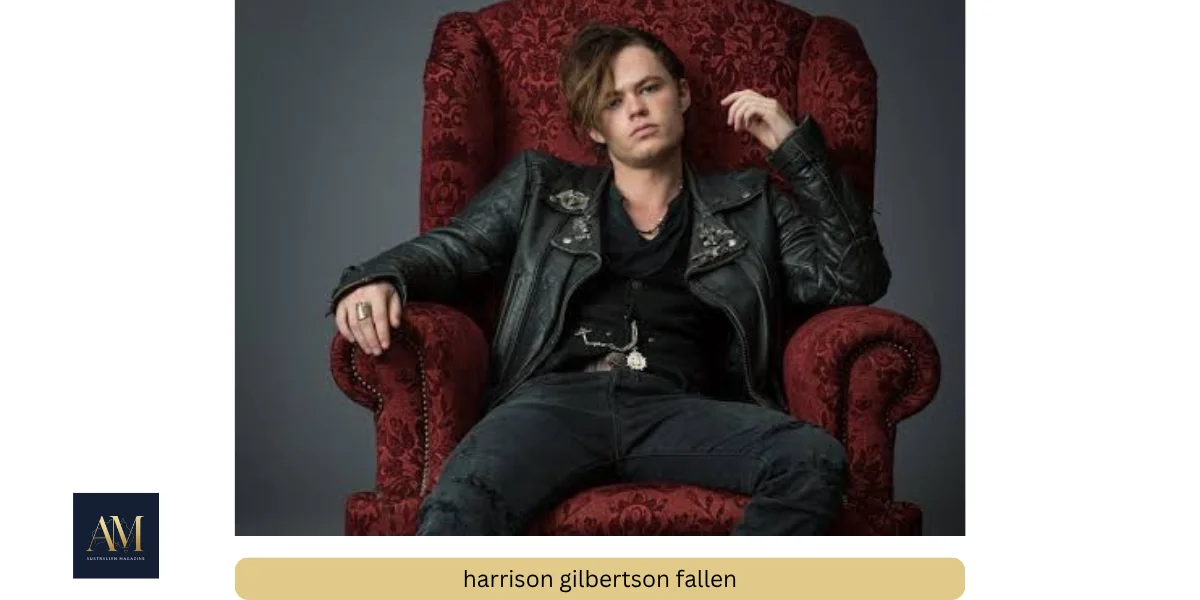
Harrison Gilbertson in Fallen: Bringing a Fallen Angel to Life
Actors Equity Australia: Protecting and Empowering Performers
JK Kazzi: The Charismatic Voice of a New Generation of Cultural Influencers
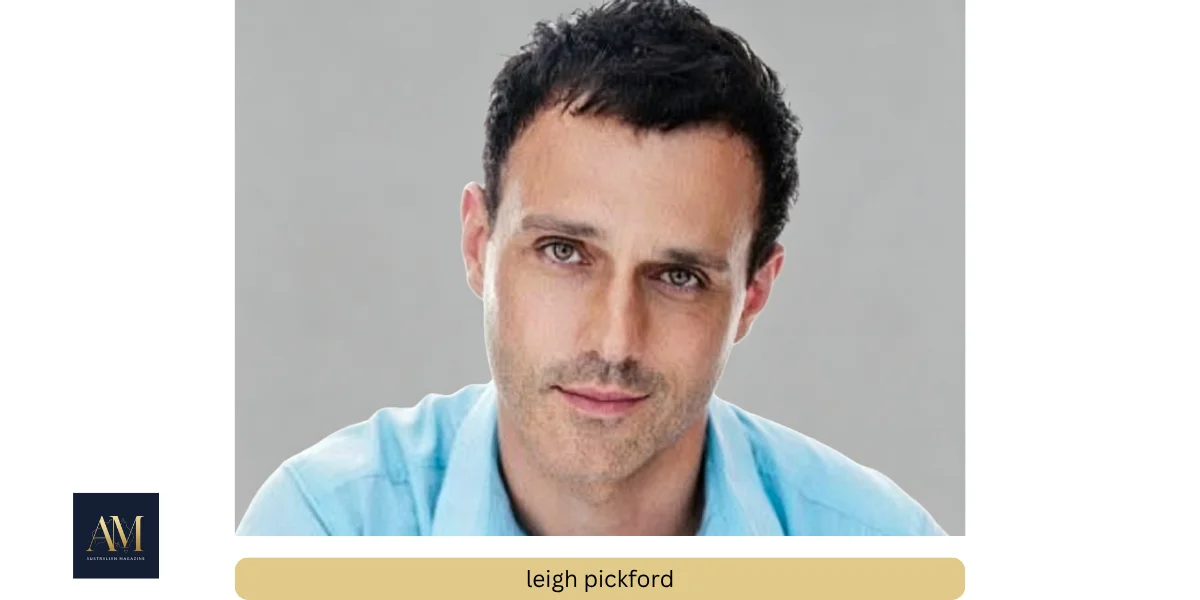
Leigh Pickford: A Story of Strength and Resilience in the Public Eye
-
 Celebrity12 months ago
Richard Zachariah – The Story of a Gentleman Journalist
-
 Lifestyle12 months ago
Matt Moran Liberal-From Service to Leadership in Western Australia
-
 Lifestyle5 months ago
Top Fashion Trends Australia 2026: What Australians Are Wearing Now
-
 Lifestyle5 months ago
Spring 2026 Fashion Trends: The Complete Style Guide
-
 News10 months ago
Beau Lamarre-Condon – Inside the Case, the Charges, and the Court Timeline
-
 News12 months ago
Samuel William Davidson – The Oatlands Tragedy, Sentence & the Power of Forgiveness
-
 Entertainment5 months ago
How Australian Players Are Choosing Their Online Casino in 2026
-
 Entertainment1 year ago
The Unstoppable Rhea Ripley-WWE’s Australian Phenomenon