
News
Justin Gatto’s Final Days-Inside the Life That Shocked Melbourne

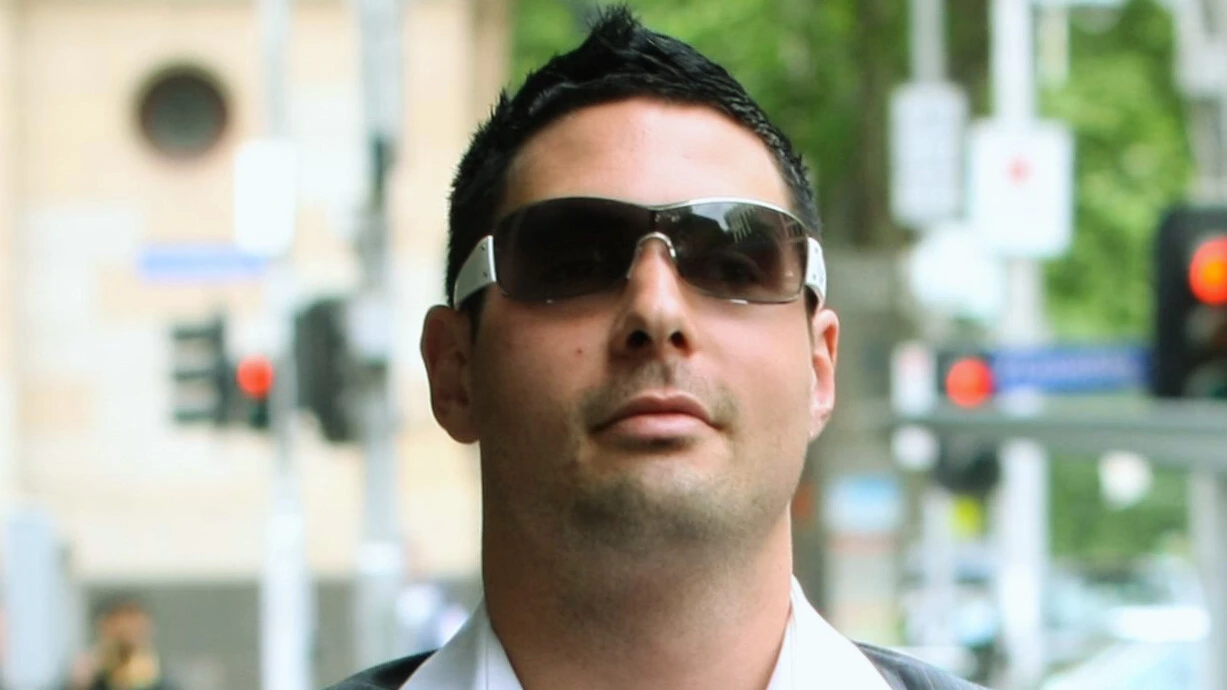
The name justin gatto is closely linked with Melbourne’s gangland history, but his own story is far more personal and human than any underworld headline. Known as the son of high-profile Melbourne identity Mick Gatto, Justin grew up in a close family, worked in the construction industry, loved boxing, battled serious injuries from a car crash and faced ongoing struggles with addiction and mental health before his death in 2018.
This blog looks at the life of justin gatto through what has been reported in trusted Australian media: his family background, working life, the 2008 crash that almost killed him, the night he died in Melbourne’s CBD, his funeral, and how his story has become part of wider conversations about mental health and grief.
Who Was Justin Gatto? Early Life & Family Background
When Australians hear the name justin gatto, it is usually in connection with his father, Melbourne underworld figure Mick Gatto. Mick became widely known during the city’s gangland era and for his high-profile acquittal over the shooting of Andrew “Benji” Veniamin.
Public reporting shows that Justin Christopher Gatto was one of Mick and Cheryle Gatto’s children and grew up in a tight-knit family. Different outlets describe his place in the family slightly differently: some reports refer to him as the eldest son, while others describe him as the youngest of Mick’s four children, highlighting how coverage is not completely consistent on this point.
What is clear is that justin gatto was deeply woven into family life. His parents and siblings Damien and Sarah were publicly mentioned in funeral notices and tributes, where they spoke of his “happy smile” and sense of fun, and asked mourners to remember him by supporting mental health services.
There is little public information about Justin’s schooling or childhood milestones, and major outlets have generally respected the family’s privacy on those details. What has been reported paints a picture of a son, brother, friend and colleague who was loved by those around him and who moved between family, work and sport rather than the criminal activity often associated with his father’s name.
Justin Gatto, Mick Gatto & Melbourne’s Underworld Reputation
Any discussion of justin gatto inevitably involves the figure of Mick Gatto. Mick’s notoriety dates back to the Melbourne gangland wars, when he became one of the most recognisable faces linked to the city’s criminal underworld. He was acquitted of murder on self-defence grounds and has since been portrayed in books, documentaries and news coverage as both a survivor and a controversial identity.
Justin’s life unfolded in the shadow of that reputation. However, there is no evidence from public reporting that justin gatto himself was involved in organised crime. Instead, he is described as someone who worked in a legitimate job, enjoyed boxing and struggled with personal issues that are sadly familiar for many families: addiction, mental health challenges and the aftermath of serious physical injury.
Media often used the phrase “son of underworld figure Mick Gatto” when reporting on Justin’s death, not because of his own criminal record, but because of the public interest attached to his father’s past. That framing drew attention to his story, but it can also risk reducing him to a side character in someone else’s narrative. Looking carefully at the available facts allows us to see justin gatto as an individual, not just an extension of his father’s reputation.

Working Life of Justin Gatto-Cranes, Boxing & Everyday Routine
Beyond the headlines, justin gatto had an ordinary working life. Australian news reports record that he worked as a rigger for his father’s crane company in Melbourne. This kind of role is physically demanding: riggers are responsible for lifting, moving and securing heavy loads on construction and industrial sites, often in challenging conditions and under strict safety rules.
Those same reports also describe justin gatto as a keen boxing enthusiast. Boxing has long been part of Mick Gatto’s world, with images of training rings and boxing events associated with his wider circle. In Justin’s case, boxing appears to have been a personal interest – a way to stay fit, channel energy and connect with a sporting community.
There is limited public detail about his day-to-day routine, but combining crane rigging with boxing suggests a physically strong person used to hard work and discipline. It also makes the later accounts of his injuries and health battles more striking, because they show how quickly a single incident can change the course of a working life.
The 2008 Car Crash That Nearly Killed Justin Gatto
One of the most significant events in justin gatto’s life before his death was a serious car crash in 2007, which became public through court reporting the following year. According to a Herald Sun article reproduced in evidence to Victoria’s Royal Commission into the Management of Police Informants, Justin lost control of his BMW in Parkville on 28 November 2007 and collided with an oncoming four-wheel drive.
The court was told that justin gatto had nodded off behind the wheel after a long shift at work. He was travelling slowly – around 15 km/h in a 60 km/h zone – when the car left the road, mounted the kerb and slid into the other vehicle. The other driver suffered injuries including a fractured tailbone, while Justin himself was left in a critical condition.
Justin’s injuries were severe: a punctured lung, a fractured elbow, a dislocated hip and a blood clot that almost killed him. He spent about a month in hospital, including time in intensive care. In Melbourne Magistrates’ Court he pleaded guilty to careless driving and initially received a six-month licence suspension and a fine. On appeal, a County Court judge reduced the disqualification to one month, accepting that he needed his licence to continue working after his recovery.
This episode shows justin gatto not as a hardened criminal but as a worker who made a serious mistake with long-term consequences for his health. It also illustrates how close he came to death years before his actual passing in 2018, reinforcing the sense that his life was marked by brushes with mortality and extended recovery.
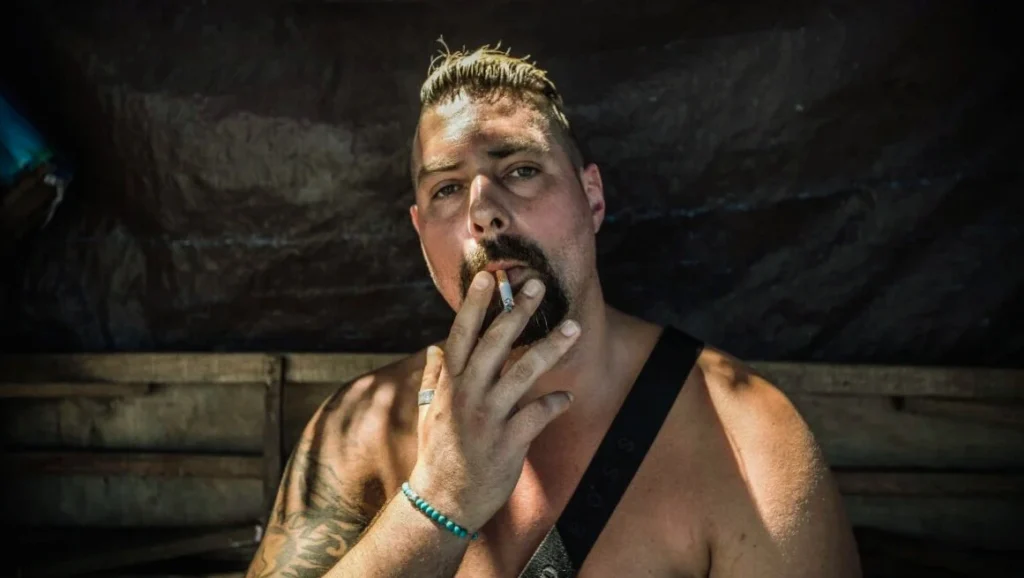
Addiction, Mental Health & the Private Struggles of Justin Gatto
Public coverage in the years before and after his death confirms that justin gatto faced ongoing battles with addiction and mental health. Reports noted that he spoke openly about addiction and mental illness in the period leading up to his death, describing how he was trying to rebuild his life and at one point saying he felt “alive again”.
Although the full interview is not reproduced in detail in open sources, the summaries make it clear that justin gatto was dealing with issues that thousands of Australians recognise: substance dependence, emotional distress and the long shadow of earlier trauma. These struggles cannot be separated from the physical injuries he suffered in the 2008 crash, which may have involved strong pain medication and long rehabilitation, as well as the pressure of growing up with a famous – and controversial – surname.
Friends and family tributes after his death emphasised both his bright personality and the pain he carried. At his funeral, a written message described his “happy smile and sense of fun”, before acknowledging that he was now at peace and “free from all pain”. The invitation to support Headspace, a youth mental health organisation, in his honour further underlined that mental health was central to his story.
Talking about addiction and mental illness in the context of justin gatto is not about speculation; it is about recognising what he himself had spoken about publicly, and what his family signalled by directing support towards mental health services.
How Did Justin Gatto Die? What We Know About the Night in Melbourne
The death of justin gatto on 30 October 2018 drew heavy media attention across Australia. A man who died after falling from a central Melbourne apartment block in the early hours of the morning was later identified as Justin, the son of Mick Gatto.
He was found near an apartment building on Spencer Street, in Melbourne’s CBD, just after midnight. At the time, police said the death was not being treated as suspicious and that a report would be prepared for the coroner. Some coverage described him as a Docklands man, reflecting where he had been living.
Justin gatto died four days after his 34th birthday, a detail mentioned in funeral reports that underlined how young he still was. There has been no public release of a detailed coronial report, and responsible outlets have avoided speculating about his exact state of mind or the precise circumstances beyond the fall itself.
What can be reported clearly is that his death was sudden, that it occurred in the middle of the city, and that authorities did not allege foul play. Combined with the earlier reporting on addiction and mental illness, this has led many to discuss his death in the context of mental health, without claiming to know exactly what he was experiencing in his final moments.
Funeral of Justin Gatto & How He Was Remembered
Nine days after his death, justin gatto was farewelled at a funeral service that showed how many lives he had touched. A packed Requiem Mass was held at St Ignatius’ Catholic Church in Richmond on 9 November 2018, following a rosary the same morning.
Hundreds of mourners attended, including family, friends and well-known figures such as former bikie enforcer Toby Mitchell and construction union leader John Setka. Mick Gatto served as a pallbearer, walking alongside the silver coffin with gold detailing as it left the church. The service began with Louis Armstrong’s “What a Wonderful World” and ended with “Over the Rainbow” by Israel Kamakawiwo’ole – songs often associated with reflection, grief and hope.
Printed tributes in the funeral order of service remembered justin gatto for his warmth and humour. One message spoke of his “happy smile and sense of fun” and of the joy he brought to the lives he touched. Another line described him as a “beautiful soul” whose memory would be treasured.
Death and funeral notices invited mourners to donate to Headspace instead of sending flowers, echoing what the family said were Justin’s wishes. After the Mass, he was laid to rest in a private burial attended only by his closest relatives.
For many Australians, the images from that day – Mick Gatto in dark suit and sunglasses, his wife seated nearby receiving condolences, and a community lining up quietly to pay respects – remain some of the most powerful pictures associated with justin gatto.

Justin Gatto, Headspace & Ongoing Conversations About Mental Health
One of the most important legacies of justin gatto’s story is the way it has been linked to mental health awareness. By directing donations to Headspace at his funeral and in public notices, the family used a moment of grief to support services that help young people dealing with anxiety, depression, substance use and related issues.
Headspace provides counselling, early intervention and support for those aged 12 to 25, including programs aimed at addiction and suicidal thoughts. Highlighting this organisation in connection with justin gatto sent a clear message: that mental health struggles deserve treatment, understanding and practical help rather than stigma.
Major news outlets that reported on his death also included contact details for Lifeline and Beyond Blue, something that has become standard practice when stories involve self-harm, suicide or serious mental distress. This reflects a broader shift in Australian media standards: the focus is not just on what happened, but on making sure readers who feel at risk know where to find help.
In that sense, the way justin gatto’s life and death were covered has contributed to national conversations about addiction and mental health. His story is a reminder that such struggles can affect any family, regardless of their public profile.
Legacy of Justin Gatto in Melbourne Media & Public Memory
Years after his passing, justin gatto continues to be mentioned in Australian media, usually in the context of pieces about his father or retrospectives on Melbourne’s underworld era. Articles about Mick Gatto’s later life sometimes refer back to Justin’s death as one of the family’s deepest wounds.
Tributes posted on social media at the time of his death emphasised that “no family deserves to have this happen to them”, acknowledging both the shock of his passing and the compassion many felt towards the Gattos despite Mick’s notoriety.
For those who knew him personally, justin gatto is remembered less as a news subject and more as a son, brother, friend and colleague. The public record – car crash reports, court documents, interviews about addiction, death notices and funeral coverage – tells us that he was industrious, physically strong, sociable and sometimes in deep pain.
His legacy also sits within a wider context: the way Australian society talks about children of high-profile figures, the pressures that come with a famous surname, and the need to discuss addiction and mental illness without judgement. By paying attention to the detail in verified reporting, it is possible to move beyond the simple label of “underworld identity’s son” and see justin gatto as a complex person whose life cannot be summed up in a single headline.
Final Thoughts & Support Services
The story of justin gatto is a reminder that behind every headline about an “underworld figure’s son” is a real person with relationships, work, passions and vulnerabilities. His life included serious injury, addiction and mental health struggles, but also strong family ties, hard work on construction sites and a love of boxing. His death at 34 was a tragedy that continues to echo through his family, friends and the city of Melbourne.
If you or someone you know is affected by issues similar to those raised in this story, help is available in Australia:
Lifeline – 13 11 14 – 24/7 crisis support
Beyond Blue – 1300 22 4636 – mental health support and information
Reaching out for support is a sign of strength, not weakness – and stories like that of justin gatto underline how vital those services can be.
FOR MORE RELATED ARTICLES VISIT US AT AUSTRALIANMAGAZINE.COM.AU


In today’s media landscape, certain individuals find themselves thrust into the spotlight not by choice, but through circumstances that test their character. Leigh Pickford is one such person. An Australian woman whose life has drawn public attention due to deeply personal and legal matters, she has come to represent quiet strength and the human capacity to endure hardship while maintaining dignity.
Having followed public stories involving ordinary people facing extraordinary challenges for over thirty years, I’ve learned that these narratives often reveal more about society’s values than about the individuals themselves. Leigh Pickford’s journey offers powerful insights into resilience, privacy, and the complexities of living life under scrutiny.
Background
Leigh Pickford is based in Australia, where she has navigated life away from the limelight for much of her earlier years. Like many Australians, her story is rooted in everyday realities — family, community, and personal aspirations. However, specific events brought her into the public consciousness, turning private struggles into matters of broader interest.
What stands out in her background is the ordinary foundation from which her story unfolded. This relatability is perhaps why her experiences have resonated with so many. She represents countless individuals who face unexpected trials without the armour of fame or fortune.
Key Events
Leigh Pickford gained media coverage due to a series of personal and legal challenges that tested her resilience in profound ways. While the specifics of these events are complex and often deeply personal, they highlighted issues many face, but few discuss openly — matters involving justice, personal boundaries, and emotional endurance.
Throughout these difficult periods, Pickford demonstrated a level of composure that drew both sympathy and admiration. Public records and media reports portrayed her as someone determined to stand her ground and seek resolution through proper channels, even when the process was lengthy and emotionally draining.
In my experience covering similar stories, individuals like Leigh often become unintentional symbols. Their cases bring attention to systemic issues — whether in legal processes, support for those facing personal crises, or the role of media in shaping public perception.
Public Response
The public reaction to Leigh Pickford’s story has been mixed but notably compassionate in many circles. Many Australians followed her journey with interest, seeing in her experience reflections of their own vulnerabilities or those of their loved ones.
Social media played a significant role, with supporters offering messages of encouragement and calling for fairness. Others engaged in more critical discussions about privacy rights and the ethics of media coverage in personal legal matters.
This duality is common in high-profile personal stories. On the one hand, public attention can provide a sense of solidarity; on the other, it can intensify pressure on the individual at the centre. Leigh appears to have handled this delicate balance with notable grace, focusing on her own path rather than getting lost in the noise of public opinion.
Lessons on Resilience and Privacy
From an expert perspective shaped by decades of observing human stories, Leigh Pickford’s experience underscores several important truths:
- Strength is often quiet. True resilience doesn’t always look dramatic — it frequently appears as persistence, dignity, and the choice to keep moving forward.
- Privacy remains precious. In an age of constant sharing, protecting one’s personal boundaries becomes an act of self-preservation.
- Support systems matter. Family, legal counsel, and community networks play crucial roles in helping individuals weather storms.
- Media narratives evolve. Initial coverage may focus on drama, but deeper stories often reveal nuance and human complexity over time.
For anyone facing similar challenges, Leigh’s story serves as a reminder that seeking professional guidance, setting boundaries, and prioritising mental wellbeing are essential steps.
Current Life (2026)
As of 2026, Leigh Pickford continues to focus on her personal life and any ongoing matters related to her journey. Reports suggest she has maintained a relatively low public profile, concentrating on rebuilding stability and moving forward after years of intense attention.
This phase reflects a common pattern among those who have endured prolonged public scrutiny — a return to normalcy and private healing. While she may not seek the spotlight, her earlier experiences have left a lasting impression on those who followed her story.
Her current approach appears grounded and forward-looking, emphasising personal growth over continued public engagement. This choice deserves respect and highlights the importance of allowing individuals space to recover and redefine their lives on their own terms.
Conclusion: The Enduring Power of Human Resilience
Leigh Pickford’s story is ultimately one of human resilience in the face of adversity. While the details of her challenges are unique, the themes of strength, dignity, and perseverance are universal. In sharing aspects of her journey with the public, whether willingly or through circumstance, she has contributed to broader conversations about justice, privacy, and support for those navigating difficult times.
For readers, her experience offers valuable perspective: life can change unexpectedly, but the human spirit possesses remarkable capacity for recovery. As we move further into 2026 and beyond, stories like Leigh’s remind us to approach public narratives with empathy and to value the quiet strength that often goes unseen.
In a world quick to judge and even quicker to move on to the next headline, remembering the real people behind the stories — their struggles, their growth, and their right to privacy — remains as important as ever.

Many stories make their way into the public eye, but not all belong to people who sought that attention. Katherine Pearson is one such individual — an Australian woman whose life unexpectedly became a subject of media coverage and public discussion due to personal and legal circumstances. What began as private matters soon unfolded into a story that captured the nation’s curiosity, offering a clear example of how quickly life can change when circumstances bring you into the public eye.
Over time, Katherine Pearson has become known not just for the events that brought her into the news, but for the way she navigated those challenges. Her journey is defined by resilience, a commitment to privacy, and the determination to move forward despite scrutiny. This article explores her background, the key events that shaped her public profile, how people responded to her story, and where she is focusing her life as of 2026.
Background
Katherine Pearson is based in Australia, where she spent the majority of her early years living a quiet, private life. Before the events that brought her into the spotlight, there was little public information about her — she was focused on her personal responsibilities, family, and daily life, just like millions of others.
Her entry into public awareness was not a choice or a career move. It came when her personal circumstances intersected with legal and public matters that attracted the interest of news outlets and observers. This shift from private citizen to someone regularly mentioned in the media was sudden and unplanned, requiring her to adapt to a reality most people never have to face.
Throughout this transition, one consistent quality became clear: her desire to protect her own dignity and the privacy of those close to her. She did not seek fame or publicity, and her actions over the years have reflected a preference for letting facts speak for themselves rather than seeking attention or sympathy.
Key Events
The turning point in Katherine Pearson’s public profile came from a series of events that unfolded gradually, drawing increasing attention as details emerged. These events centred on complex personal and legal challenges that raised questions and sparked discussion across Australia.
While the specifics of these matters have been reported in various news sources, it is important to focus on the broader context of how they affected her life:
Initial Public Awareness: Coverage began when her situation became linked to formal proceedings and investigations. At this early stage, information was still limited, leading to a mix of accurate reporting and public speculation.
Growing Scrutiny
As the process continued, interest grew. Media outlets followed developments closely, and details — sometimes incomplete or taken out of context — began to circulate. This period brought significant pressure, as her personal life became open to interpretation and discussion by strangers.
Clarifying the Narrative
Over time, Katherine Pearson chose to share certain aspects of her experience. This was done not to gain attention, but to address misinformation, provide clarity, and ensure that her side of the story was understood. She spoke with measured care, focusing on facts rather than emotion.
Navigating Uncertainty: Every step of the journey required balancing legal obligations, personal boundaries, and the public’s interest. It was a complex path, and one that tested her patience and resolve at every stage.
One of the most important lessons from this period is the difference between verified facts and assumptions. As with many stories in the public domain, not everything reported was fully accurate, and distinguishing between the two required careful attention from readers and observers.
Public Response
When a private individual finds themselves in the news, reactions are almost always mixed — and Katherine Pearson’s case was no exception. The public response reflected a wide range of perspectives, offering insight into how society views people caught in difficult circumstances.
Support and Empathy
A large portion of the public responded with understanding and respect. Many recognised that being under constant media observation during a difficult time adds a heavy burden that no one should have to carry. People expressed sympathy for the stress and disruption she faced, and emphasised that everyone deserves the space to work through personal challenges without constant oversight.
Curiosity and Debate
Naturally, the story also sparked curiosity. People wanted to understand the context, the legal process, and how such situations unfold. This led to broader conversations about media responsibility, the line between public interest and private life, and how individuals are treated once they enter the public eye. These discussions highlighted important questions about privacy and fairness in the modern media landscape.
Key Takeaways for Readers
From Katherine Pearson’s experience, there are valuable lessons that apply to how we consume and respond to news stories:
Look for verified information: It is easy to form opinions based on headlines or incomplete reports, but reliable understanding requires seeking out confirmed facts.
Respect personal boundaries: Even when information is available, there is a difference between being informed and invading someone’s private life.
Recognise strength in quiet persistence: Facing public attention while dealing with personal challenges requires great inner strength, and moving forward without giving in to pressure is a notable achievement.
Current Life (2026)
As of 2026, the intense period of media attention has settled significantly. Katherine Pearson has entered a new chapter, where her focus has returned to what matters most: her personal life, family, and future stability.
She continues to handle any remaining matters related to her past with the same careful, thoughtful approach she has shown from the beginning. There is no indication that she seeks further public attention; instead, her priority is to restore the sense of normalcy disrupted by events in previous years.
Those who follow her story will note that her current choices reflect a clear intention: to leave the spotlight behind and live life on her own terms. This decision is itself a sign of how far she has come — from someone caught in a situation beyond her control, to someone who has reclaimed ownership of her own path.
Conclusion
Katherine Pearson’s story is not one of fame, achievement, or public ambition. It is a story about what happens when ordinary life intersects with extraordinary circumstances, and how a person responds to pressure, scrutiny, and uncertainty.
From her quiet beginnings in Australia, through the challenges that brought her into the public eye, to her focus on stability and privacy in 2026, her journey highlights the importance of resilience and self‑determination. It reminds us that behind every headline, there is a real person with feelings, rights, and a life that goes far beyond the details reported in the news.
For readers, her experience offers a valuable perspective: to look beyond the surface of any story, to respect the humanity of those involved, and to recognise that strength is often found not in being in the spotlight, but in having the courage to move forward and rebuild when the attention fades.

In the landscape of public interest, some stories do not come from the worlds of film, music, or politics, but from ordinary individuals whose lives become part of the broader conversation. Darci McDonald is one such name. An Australian woman who stepped into the spotlight not by choice but through a series of personal and legal developments that captured national media attention offers a compelling look at resilience, privacy, and how to move forward under public scrutiny.
Over the years, Darci McDonald has navigated the difficult line between living her life and being the subject of news reports and public discussion. While her story has been told in various outlets, it is important to look beyond the headlines to understand the full picture—where she came from, what challenges she faced, how the public responded, and where she stands today in 2026.
Background
Darci McDonald is based in Australia, and her early life remained largely private before she became known to the wider public. Like many people, she spent her formative years away from cameras and media attention, focused on personal growth, family, and community life. This background of normalcy makes her later experience all the more notable: the shift from a private citizen to someone whose name appeared regularly in news reports.
Her entry into public awareness began when she became associated with specific events and legal matters that drew significant coverage. It is important to note that the focus of this attention was not on her career or public achievements, but on personal circumstances that unfolded in the public domain. This distinction is key—she was not a public figure seeking fame but an individual whose life circumstances brought her into the media’s view.
Throughout this period, one consistent trait emerged: her determination to maintain her dignity amid external scrutiny. Those who have followed her story recognize that she has always prioritized her well-being and the stability of her personal life, even in the face of intense scrutiny.
Key Events
The turning point in Darci McDonald’s public profile came from a series of events that unfolded over time, leading to widespread media coverage. These events centered on legal and personal challenges that raised questions, sparked discussion, and brought her name into homes across Australia.
While the details of these matters have been reported in various news sources, the core of the story lies in how she responded to them:
Initial Attention: The first reports emerged when her personal situation intersected with legal proceedings, prompting curiosity from the public and journalists alike.
Media Scrutiny: As the story developed, coverage increased, leading to both factual reporting and speculation. This period tested her ability to protect her privacy while the facts were being established.
Sharing Her Journey: In time, Darci McDonald chose to share certain aspects of her experience. This was not done to seek sympathy, but to offer clarity, address misinformation, and highlight the reality of living through such challenges.
Navigating Complexities: Every step of the process involved balancing legal requirements, personal boundaries, and the public’s right to information—a challenge that many people never have to face.
One important observation from her journey is the difference between verified facts and public speculation. As with many stories in the media, some reports were based on confirmed details, while others relied on assumptions. Darci McDonald’s approach remained consistent: to let the facts speak for themselves and focus on what mattered most to her future.
Public Response
When a private individual becomes a subject of news, the public reaction is almost always mixed—and Darci McDonald’s case was no exception.
Support and Empathy
A large portion of the public responded with understanding. Many recognized that being in the spotlight under difficult circumstances is a heavy burden, and expressed respect for her ability to keep moving forward. Comments from readers and viewers often highlighted the importance of privacy, noting that everyone deserves the chance to work through personal struggles without constant observation.
Curiosity and Debate
At the same time, the story sparked natural curiosity. People wanted to understand the background of the events, the legal context, and how such situations unfold. This led to discussions about media responsibility, the line between public interest and private life, and how individuals are treated once they are in the news.
Lessons for Readers
From a broader perspective, Darci McDonald’s story offers useful insights:
Respect Boundaries: Even when information is available, respecting the privacy of those involved is essential.
Seek Verified Information: Not everything reported in the media is fully accurate; looking for reliable sources helps avoid forming opinions based on speculation.
Strength in Adversity: Her ability to stay focused on her well-being serves as a reminder that challenges can be faced with resilience.
Current Life (2026)
As of 2026, Darci McDonald has entered a new chapter. The intense media attention that surrounded her in previous years has settled, allowing her to refocus on what matters most: her personal life, family, and future goals.
Recent updates make it clear that her priority is stability and normalcy. She continues to handle any remaining matters related to her past with the same measured approach she has always shown. There is no indication of seeking further public attention; instead, she appears committed to living life on her own terms, away from the constant gaze of the media.
Looking at her journey up to this point, it is evident that her experience has shaped her perspective. She has demonstrated that even when circumstances force you into the public eye, it is possible to retain your sense of self and move toward a more peaceful future.
Conclusion
Darci McDonald’s story is not one of fame or celebrity achievement, but of resilience. It is a reminder that life can change unexpectedly, and that facing challenges with composure and determination makes all the difference.
From a private life in Australia to becoming a subject of national attention, and finally to finding balance again in 2026, her journey shows that the most important progress is often quiet and personal. For readers, it offers a valuable lesson: look beyond headlines, respect the humanity behind every story, and recognize that strength often lies in the choice to keep moving forward.
As Darci McDonald continues to focus on her personal life, her story remains a testament to the fact that, no matter what challenges arise, the path forward is always possible with patience and resolve.

Maggie Beer Products: A Gourmet Australian Range Built on Flavour, Simplicity, and Quality

Human-in-the-loop customer service: how NeonNow IQ divides contact centre work between AI and people

Saskia Beer: The Life, Work, and Lasting Legacy of an Australian Food Innovator

Love Island Australia 2026: Why Fans Chasing Fiji Villa Gossip Online Need to Slow Down Before They Click

Colin Beer: The Quiet Architect Behind a Gourmet Food Legacy

Ian White Management: Guiding Athletes to Success
Katherine Pearson: Strength, Resilience and Life Beyond the Headlines

Harrison Gilbertson in Fallen: Bringing a Fallen Angel to Life

Actors Equity Australia: Protecting and Empowering Performers

JK Kazzi: The Charismatic Voice of a New Generation of Cultural Influencers
-
 Celebrity12 months ago
Richard Zachariah – The Story of a Gentleman Journalist
-
 Lifestyle12 months ago
Matt Moran Liberal-From Service to Leadership in Western Australia
-
 Lifestyle5 months ago
Top Fashion Trends Australia 2026: What Australians Are Wearing Now
-
 Lifestyle5 months ago
Spring 2026 Fashion Trends: The Complete Style Guide
-
 News10 months ago
Beau Lamarre-Condon – Inside the Case, the Charges, and the Court Timeline
-
 News12 months ago
Samuel William Davidson – The Oatlands Tragedy, Sentence & the Power of Forgiveness
-
 Entertainment5 months ago
How Australian Players Are Choosing Their Online Casino in 2026
-
 Entertainment1 year ago
The Unstoppable Rhea Ripley-WWE’s Australian Phenomenon