
Lifestyle
Curl Types: Complete Hair Pattern Guide


Understanding curl types can completely change the way you care for your hair. Many people spend years buying the wrong products, fighting frizz, using too much heat or copying routines that were never designed for their texture. The problem is not always the hair. Often, it is the method.
Curl types give you a simple starting point. They help you understand whether your hair is straight, wavy, curly or coily, and how tight or loose the pattern is. This can guide your choice of shampoo, conditioner, leave-in products, gels, creams, brushes, drying methods and styling routines.
The most widely recognised system is the Andre Walker Hair Typing System. It divides hair into four main groups: Type 1, Type 2, Type 3 and Type 4. Each group is then divided into A, B and C subcategories.
However, the modern approach in 2026 is more balanced. Curl type matters, but it is not everything. Porosity, density, strand thickness, scalp health, climate and damage history can be just as important.
What Are Curl Types?
Curl types describe the natural shape or pattern of your hair. The system begins with straight hair and moves toward tighter curls and coils.
The four main types are:
- Type 1: Straight hair
- Type 2: Wavy hair
- Type 3: Curly hair
- Type 4: Coily or kinky hair
The letter system explains variation within each group. “A” usually means the loosest version of that type. “B” means more definition. “C” usually means the tightest or most textured version in that group.
For example, 2A hair has soft, loose waves, while 2C hair has stronger, thicker waves. 4A hair has defined coils, while 4C hair often has a tighter zigzag pattern with less visible definition.
Type 1: Straight Hair
Type 1 hair has little to no natural curl pattern. It usually lies flat or smooth from root to tip.
1A Hair
1A hair is very straight, fine and often silky. It may struggle to hold curls because the strand is smooth and lightweight. This hair type can become oily quickly because scalp oils travel easily down the hair shaft.
Best care approach: use lightweight shampoos, avoid heavy oils and choose volumising products if the hair feels flat.
1B Hair
1B hair is straight but has more body than 1A. It may hold a bend or wave slightly better and usually has medium thickness.
Best care approach: use light conditioners, avoid heavy styling creams and add texture sprays for movement.
1C Hair
1C hair is straight but thicker and sometimes slightly coarse. It can develop frizz and may resist curling tools.
Best care approach: use smoothing products, heat protection and lightweight anti-frizz serums.
Type 2: Wavy Hair
Type 2 hair sits between straight and curly. It forms an S-shaped pattern but does not usually create full ringlets.
2A Hair
2A hair has soft, loose waves. It is often fine and can be weighed down easily by heavy creams or oils.
Best care approach: use a lightweight mousse, a gentle gel, or a sea-salt styling spray. Avoid thick butters.
2B Hair
2B hair has more defined S-shaped waves, often beginning around the mid-lengths. It may frizz at the crown and lose shape if brushed dry.
Best care approach: apply product to damp hair, scrunch gently and use a diffuser on low heat if needed.
2C Hair
2C hair has thick, strong waves that may almost look curly in some sections. It often frizzes easily and needs more moisture than 2A or 2 B hair.
Best care approach: use leave-in conditioner, curl cream in small amounts and a gel to hold definition.
Type 3: Curly Hair
Type 3 hair forms visible curls or ringlets. It usually needs more moisture than straight or wavy hair because natural oils have a harder time travelling down the curved strand.
3A Hair
3A curls are large, loose and springy. They may flatten if weighed down but respond well to lightweight curl creams and gels.
Best care approach: use hydrating shampoo, conditioner, leave-in spray and soft-hold gel.
3B Hair
3B curls are tighter, bouncier and more voluminous. They may form corkscrew shapes and need good moisture control.
Best care approach: use curl cream, leave-in conditioner and gel applied in sections for even coverage.
3C Hair
3C curls are tight, dense and full. They often have strong volume and may experience dryness or tangling.
Best care approach: deep-condition regularly, detangle gently with conditioner, and use richer creams or styling butters as needed.
Type 4: Coily or Kinky Hair
Type 4 hair has the tightest curl pattern. It may form coils, zigzags or compact curls. It is often naturally dry and fragile because scalp oils struggle to move along the strand.
4A Hair
4A hair has defined, tight coils, often with an S-shaped pattern. It can show good curl definition when properly moisturised.
Best care approach: use rich conditioners, leave-in creams, gentle detangling and protective styling.
4B Hair
4B hair has a more angular, Z-shaped pattern. It may shrink significantly and needs careful handling.
Best care approach: use moisture layering, creamy leave-ins, gentle stretching methods and low-manipulation styles.
4C Hair
4C hair has the tightest pattern and often less visible definition. It can be very dense, delicate and prone to dryness.
Best care approach: prioritise moisture, protective styles, gentle detangling, deep conditioning and sealing products.
How to Find Your Curl Type
The best time to identify your curl type is after washing, conditioning, and letting your hair dry without heat styling, brushing, or heavy products.
Follow these steps:
- Wash your hair gently.
- Condition and detangle.
- Rinse and avoid brushing after washing.
- Let the hair air-dry or diffuse lightly.
- Look at the natural pattern.
- Check different sections of your head.
Many people have more than one curl type. You may have 2C waves near the crown and 3A curls underneath. You may have 3C curls at the front and 4A coils at the back. This is completely normal.
Do not force your whole head into one category. Use curl type as a guide, not a strict label.
Why Curl Type Matters
Curl type helps you make better choices. It can guide how much moisture, hold and styling control your hair needs.
For example, 2A hair may collapse under heavy creams, while 4C hair may need richer moisturising products. 3B curls may benefit from gel for definition, while 1C hair may only need smoothing serum and heat protection.
Curl type can help with:
- choosing shampoo and conditioner;
- deciding between mousse, cream or gel;
- choosing a brush or comb;
- understanding drying methods;
- planning salon cuts;
- managing frizz;
- protecting hair from breakage.
But curl type is only one part of the picture.
The Modern View: Porosity, Density and Elasticity
In 2026, many hair experts recommend looking beyond curl type. Three other factors are especially important.
Porosity describes how well your hair absorbs and holds moisture. Low-porosity hair resists water and product, while high-porosity hair absorbs moisture quickly but can lose it just as fast.
Density refers to how much hair you have on your head. Low-density curls can be weighed down easily, while high-density curls may need sectioning and stronger hold.
Elasticity shows how well your hair stretches and returns to its original length without breaking. Poor elasticity can indicate damage, dryness, or a protein-moisture imbalance.
This is why two people with 3B curls may need completely different routines. One may have fine, low-porosity hair. The other may have coarse, high-porosity hair. Their curl type is similar, but their product needs differ.
Best Care Tips for Curl Types
A strong curly hair routine does not have to be complicated. Start with the basics.
For waves, keep products light and avoid over-conditioning. Use mousse or gel for shape.
For curls, focus on hydration, definition and frizz control. Apply products while hair is wet.
For coils, prioritise moisture, protection and gentle handling. Use leave-ins, creams and protective styles.
For all curl types:
- avoid brushing dry curls;
- sleep on satin or silk;
- use a microfibre towel or cotton T-shirt;
- deep condition when hair feels dry;
- clarify when products build up;
- protect hair from excessive heat;
- trim regularly to prevent split ends.
The best routine is the one your hair responds to, not the one that looks most popular online.
Common Mistakes to Avoid
One common mistake is buying products only because they mention your curl type. Always consider porosity, density and hair condition.
Another mistake is using too much product. More product does not always mean better definition.
A third mistake is brushing curls when dry. This often causes frizz and breakage.
A fourth mistake is copying someone else’s routine exactly. Their curl type, water quality, climate, and hair history may differ from yours.
A fifth mistake is expecting perfect curls every day. Natural hair changes with weather, sleep, humidity and health.
Conclusion
Curl types are a useful starting point for understanding your natural hair. The Andre Walker system, from Type 1 straight hair to Type 4 coily hair, gives people a simple language for describing texture and choosing products.
But the best hair care goes deeper than a chart. Your porosity, density, elasticity, damage level and lifestyle all influence what your hair needs.
The goal is not to fit perfectly into 2A, 3C or 4B. The goal is to understand your hair well enough to care for it confidently.
When you stop fighting your natural pattern and start working with it, your hair becomes easier to manage, healthier to wear and more beautiful in its own way.
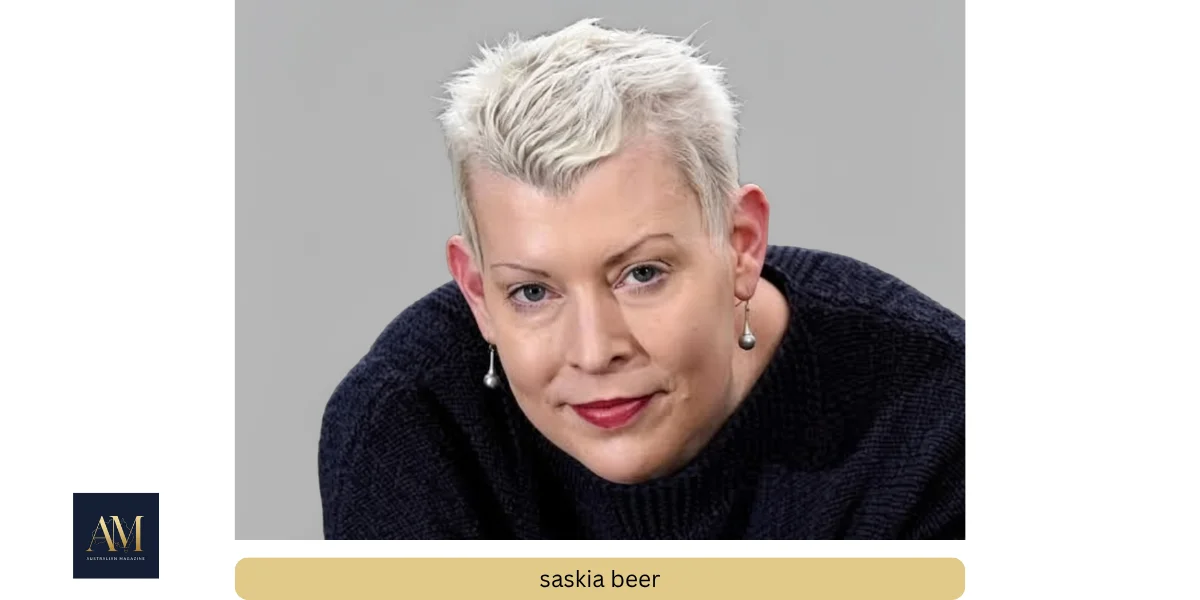
Saskia Beer was more than a food producer or farmer. She was a quiet force in Australian food culture — a woman who combined practical farming knowledge, culinary skill, and a deep respect for natural produce into a career that changed the way many people thought about ethical food. Her story is not only one of family heritage, but of innovation, determination, and a belief that good food should be grown with patience and care.
Born in the Barossa Valley in the early 1970s, Saskia Beer grew up surrounded by one of Australia’s best-known food families. As the eldest daughter of celebrated chef and food educator Maggie Beer and Colin Beer, she was raised in an environment where cooking, farming, and hospitality were part of everyday life. That background shaped her values early on, but Saskia did not simply follow a familiar path. She built something of her own.
Early Life in the Barossa Valley
Saskia Beer’s childhood on Pheasant Farm in the Barossa Valley gave her a hands-on education that few people ever receive. She learned the rhythm of farm life from an early age — how food is raised, how seasons shape production, and why quality begins long before something reaches the kitchen.
That upbringing mattered. It grounded her in the realities of farming and helped form the philosophy that would guide her adult work: food should be real, thoughtful, and grown with respect for both the land and the animals.
Unlike many people who enter the food world from the restaurant side alone, Saskia understood production at its source. She knew what it took to raise animals responsibly, manage a farm sustainably, and create products that chefs and home cooks could trust.
Building Saskia Beer Farm Produce
In 1997, Saskia Beer founded what became known as Saskia Beer Farm Produce, originally operating under names such as Barossa Chooks and Saskia’s Chooks. This was not just a business; it was a statement of values.
At a time when conversations about ethical farming and sustainable food were still less mainstream than they are today, Saskia was already focused on:
- free-range poultry
- slow-grown meat
- chemical-free production methods
- speciality foods made with integrity
- natural, vegetarian feed formulas
These were not marketing slogans. They were the foundation of her work.
Her approach reflected a long-term vision: produce food that tasted better because it was raised better. That idea now sounds obvious to many consumers, but Saskia was working in that space before it became widely celebrated. She understood that good farming is not about speed or volume alone. It is about patience, animal welfare, and consistency.
A Pioneer in Sustainable Food
Saskia Beer earned respect because she did something that is still difficult: she balanced commercial success with principle. She did not treat sustainability as an accessory. It was central to the way she worked.
Her focus on natural feed formulas and chemical-free methods helped position her as an early leader in Australia’s sustainable food movement. She became known for proving that ethical farming and quality products could go hand in hand.
That kind of leadership matters because it changes expectations. Farmers, chefs, and consumers begin to see that better standards are possible. In Saskia’s case, her work helped normalise ideas that are now central to modern food conversations.
What made her approach stand out
- She prioritised animal welfare over convenience.
- She built trust through consistent quality.
- She showed that Premium food starts at the farm.
- She treated farming as a craft, not just a business.
The Beer Girls and a Family Tradition of Hospitality
Saskia also co-founded a catering business with her sister Elli, known as The Beer Girls. This venture extended her food philosophy into events and hospitality, bringing the family’s culinary heritage to a wider audience across South Australia.
The Beer Girls reflected another important aspect of Saskia’s personality: collaboration. She was not just a producer working behind the scenes. She understood presentation, service, and the role of food in bringing people together.
That combination — producer, caterer, innovator — gave her work unusual breadth. She could think about food from the soil to the plate, which is one reason her influence was so widely felt.
Television Appearances and Public Recognition
Saskia Beer’s expertise also reached television audiences. She appeared on The Cook and the Chef between 2006 and 2008, and later featured on MasterChef Australia in 2013.
These appearances helped introduce her work to a broader public, but they also confirmed something that those in the food world already knew: she had genuine authority. She spoke with the confidence of someone who had lived the work, not simply studied it.
In television settings, authentic specialists stand out quickly. Saskia did because her knowledge came from experience. She understood ingredients, farming systems, and culinary use with equal fluency.
Philosophy and Legacy
Saskia Beer’s guiding philosophy is often captured in the phrase:
“Real food, grown slowly, prepared with love.”
That line is powerful because it distils her entire approach. It speaks to patience, craft, and care. It also reflects a worldview that has become increasingly relevant as people look for food systems that are healthier, more transparent, and more sustainable.
Her products reached respected restaurants and markets, demonstrating real demand for the kind of food she championed. But perhaps her greater legacy lies in how she influenced attitudes. She showed that farming could be ethical without sacrificing excellence.
After her passing, her name continued to carry meaning through tributes, family remembrance, and the creation of the Saskia Beer Churchill Fellowship, established in her honour to support young farmers and food innovators. That kind of recognition suggests a legacy that goes beyond personal success. It points to a life that inspired others to think bigger and better about food.
Personal Life and Passing
In April 2019, Saskia Beer married Petar Jercic. He and their three children survived her. Her death on February 14, 2020, at the age of 46, came as a shock to many who knew her work and admired her contribution to Australia’s food landscape.
She passed away peacefully in her sleep, and the response to her death reflected the depth of her impact. People remembered not only what she built, but how she built it: with generosity, discipline, and a clear moral compass.
Lessons from Saskia Beer’s Life
There are several practical lessons that food professionals, farmers, and entrepreneurs can take from Saskia Beer’s career:
- Start with the product, not the branding.
Saskia’s reputation came from quality and consistency. - Respect the process.
Slow-grown, chemical-free production requires patience, but it builds trust. - Know your market, but stay true to your values.
She proved that principle and commercial viability do not have to conflict. - Build across the whole food chain.
Farming, production, catering, and education all reinforced one another in her work. - Let your work speak for itself.
Saskia was not known for hype. She was known for substance.
Common Mistakes Her Career Helps Us Avoid
Her story also highlights mistakes that many food businesses still make:
- Chasing speed at the expense of quality
- Treating sustainability as a trend rather than a principle
- Ignoring the connection between production and taste
- Failing to educate consumers about how food is raised
- Building a brand without a clear identity or values
Saskia Beer’s career shows the opposite approach: define your standards, stick to them, and let the results build your reputation.
Looking Ahead: Why Her Legacy Still Matters
Saskia Beer’s influence remains relevant because the food world is still moving toward many of the ideas she embraced early. Consumers want traceability, ethical sourcing, and better animal welfare. Young producers want models that prove sustainability can be practical, not just aspirational.
Her legacy sits at the intersection of all those trends. She was ahead of her time in some ways, but her values now feel increasingly current.
Conclusion
Saskia Beer’s life was short, but her impact was deep. She brought together family tradition, farming knowledge, entrepreneurial spirit, and a genuine respect for good food. Through Saskia Beer Farm Produce, The Beer Girls, and her broader influence on Australian food culture, she helped shape a more thoughtful approach to producing and enjoying food.
What stands out most is not only what she achieved, but how she achieved it. She believed in doing things properly, even when that meant taking the slower route. That is why her name still matters. Saskia Beer left behind more than a business legacy — she left a standard for integrity in food, and that is something worth remembering.
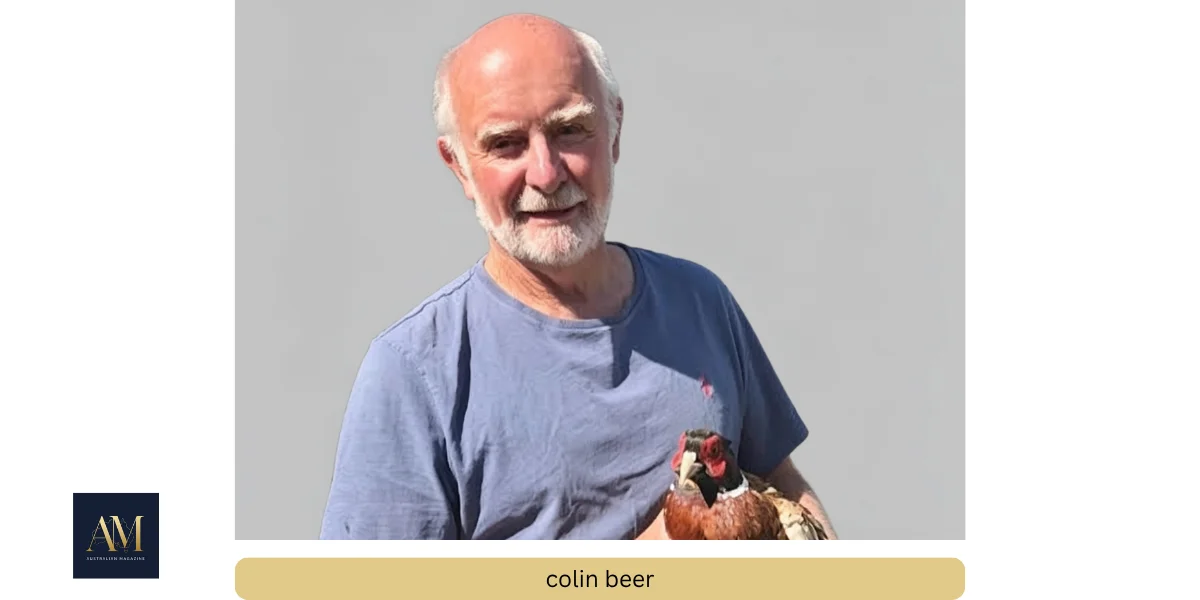
In Australian food history, some names are remembered because they appear on television or in cookbooks. Others are remembered for building something lasting, practical, and influential behind the scenes. Colin Beer belongs firmly in the second group.
Best known as the co-founder of Pheasant Farm in South Australia’s Barossa Valley, Colin Beer helped shape one of the country’s most distinctive gourmet food businesses. Working alongside his wife, Maggie Beer AO, he played a central role in turning farming, retail, tourism, and artisanal production into a model that would influence Australia’s speciality food sector for decades.
What makes his story compelling is that it is not just about business success. It is about vision: seeing value in quality produce, understanding how to connect farm and table, and building a brand around authenticity long before “farm-to-table” became a marketing cliché.
Who Is Colin Beer?
Colin Beer is an Australian businessman, farmer, and food industry pioneer. He has been active since the 1970s and is widely recognised for his contribution to the development of Premium Australian food products, particularly through the Barossa Valley enterprise he helped establish with Maggie Beer.
He is also known as the husband of celebrity chef, author, and food entrepreneur Maggie Beer. But reducing him to that role alone would miss the point. Colin Beer was not simply a supportive partner; he was a hands-on builder of a business that helped put the Barossa Valley on the gourmet map.
The Beginning of a Food Legacy
The foundation of Colin Beer’s influence was laid in the 1970s. At that time, Australian food culture was very different from what it is today. There was far less emphasis on artisanal production, regional provenance, or speciality retail. Much of the modern appetite for quality local produce had yet to emerge.
That is why the Beer family’s early work mattered so much.
A major turning point came with Colin Beer’s Churchill Fellowship in 1978. During this study trip, he examined commercial game bird farming in Europe and the United States. That experience helped inspire the business model that followed. It was not just a research trip; it was a blueprint for a new way of thinking about farming and food production.
Why the Fellowship Mattered
The fellowship helped shape several important business ideas:
- Farming could be more than commodity production; speciality food products could create stronger value than raw outputs alone;
- visitors would be interested in the story behind the food;
- quality and originality could become competitive advantages.
These ideas may sound obvious now, but at the time they were forward-thinking.
Pheasant Farm and the Barossa Valley Breakthrough
In 1979, Colin Beer and Maggie Beer opened their first farm shop through Pheasant Farm in the Barossa Valley. What began as a small-scale operation eventually became one of Australia’s best-known gourmet food brands.
The business did not rely on one revenue stream. Instead, it combined several elements:
- farming;
- tourism;
- retail;
- specialty food production.
That mix was one of its strengths. Visitors were not only buying food; they were buying an experience. They could see the environment, understand the product, and connect emotionally with the brand.
Products That Built the Reputation
Pheasant Farm became known for Premium items such as:
- pâté;
- verjuice;
- speciality foods focused on natural quality.
These products helped establish a reputation for craftsmanship and integrity. In an industry where shortcuts can be tempting, the Beer business stood out by leaning into authenticity and careful production.
Colin Beer’s Role in a Changing Food Culture
Colin Beer’s contribution goes beyond the success of a single business. He helped demonstrate a broader model for rural entrepreneurship in Australia.
His work showed that a farm could be:
- a production site,
- a destination,
- a retail brand,
- and a cultural asset.
That approach influenced how many later producers thought about building food businesses. Instead of selling only ingredients, they began selling identity, story, and trust.
A Practical Business Lesson
One of the most valuable lessons from Colin Beer’s career is that niche products can outperform generic ones when they are supported by strong branding and consistent quality. That lesson still applies today.
For example, a producer of artisanal preserves, cheeses, or condiments may not compete on volume, but can succeed through:
- clear origin stories;
- distinctive packaging;
- direct customer relationships;
- and a reputation for excellence.
Colin Beer understood this early.
The Partnership with Maggie Beer
Any account of Colin Beer would be incomplete without acknowledging the partnership that defined much of his public legacy. His relationship with Maggie Beer became one of the most recognisable collaborations in Australian food.
Their work together mattered because it fused complementary strengths: farming, product development, public-facing communication, and brand-building. Maggie Beer went on to become a household name through cookbooks, media, and advocacy. At the same time, Colin Beer remained closely associated with the practical and entrepreneurial foundations that made that success possible.
Their partnership is often remembered as a landmark in Australian food history because it represented a new kind of success story: regional, family-based, quality-driven, and deeply tied to place.
Television and Public Recognition
Colin Beer also appeared on television. He featured in 21 episodes of the ABC series The Cook and the Chef from 2006 to 2009, appearing as himself and supporting Maggie Beer on screen.
This mattered for more than visibility. It helped bring the behind-the-scenes reality of food production to a wider audience. Viewers could see that great food does not begin in a studio kitchen. It begins on farms, in workshops, and in working relationships built over years.
What Sets Colin Beer Apart?
Many people contribute to a successful business. Fewer help create a model that lasts. Colin Beer stands out because his work combined several qualities that are often missing when businesses are built too quickly.
His strengths included:
- long-term thinking rather than short-term sales;
- respect for product quality;
- willingness to innovate from research and travel;
- understanding the value of place-based branding;
- ability to integrate agriculture and hospitality into a single ecosystem.
These are not glamorous traits, but they are the traits that build durable enterprises.
Common Mistakes He Avoided
There are also useful lessons in what Colin Beer did not do.
1. He did not chase mass-market sameness
Instead of trying to be everything to everyone, the Beer business stayed focused on distinctive, Premium products.
2. He did not separate production from experience
The business was not only about making food. It was about telling the story of the food.
3. He did not ignore the value of tourism
Many producers treat tourism as an afterthought. Beer recognised it as part of the business model.
4. He did not rely on branding alone
The brand worked because the product quality supported it.
Legacy and Future Outlook
Colin Beer’s legacy remains important because the food industry now values many of the things he helped champion decades ago: traceability, provenance, local identity, artisanal quality, and customer experience.
Today’s consumers increasingly want to know:
- where food comes from;
- how it is made;
- who made it;
- and why it matters.
That is exactly the kind of thinking Colin Beer helped normalise.
His story also has future relevance for small producers and regional entrepreneurs. As markets become more crowded, businesses that can combine authenticity, quality, and a clear point of view are more likely to endure. In that sense, the Beer model still feels modern.
Final Thoughts
Colin Beer may not be as publicly famous as some food personalities, but his contribution is substantial. He helped build a business that changed the way Australians think about regional food, farming, and gourmet retail.
From the Churchill Fellowship in 1978 to the launch of Pheasant Farm in 1979 and beyond, his career reflects the power of curiosity, discipline, and long-term vision. Together with Maggie Beer, he helped transform a Barossa Valley farm into an enduring symbol of Australian food excellence.
For anyone interested in food entrepreneurship, rural innovation, or the history of Australian gourmet culture, Colin Beer is a name worth remembering.
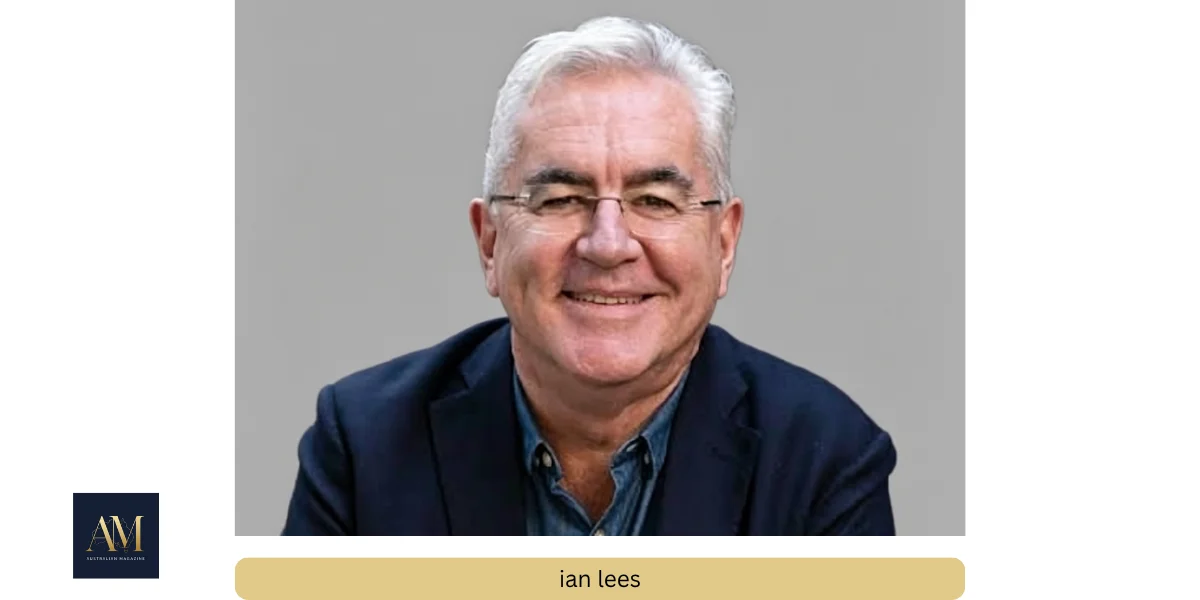
Every leader remembers the moment the ground shifted beneath them — the day they stopped managing a single team and started leading other leaders. It’s a transition that looks straightforward on an org chart and feels anything but in real life. Few people have spent as much time studying that exact moment of change as Ian Lees, an Australian leadership coach and author whose work has quietly shaped how a generation of senior leaders think about growth, identity, and influence.
This article looks at who Ian Lees is, what he has built, and why his approach to leadership development continues to resonate with executives across the private, public, and not-for-profit sectors.
Early Career and the Making of a Coach
Long before Ian Lees became known as an author, he built his reputation the way most respected coaches do: in the room, working directly with leaders wrestling with real decisions. His coaching practice grew out of a simple observation, repeated across dozens of organisations — the skills that make someone an excellent individual contributor or team leader are rarely the same skills needed to lead other leaders.
Rather than treating leadership development as a checklist of competencies, Lees approached it as a question of identity: how leaders see themselves, how that self-image shapes their decisions, and how it either expands or limits the impact they can have. That grounding in what’s often called an “ontological” view of leadership — focused on a person’s way of being, not just their behaviours — became the foundation of everything he later built.
Key Contributions: Optimal Future and “Becoming a Leader of Leaders”
Today, Ian Lees is best known as the lead coach at Optimal Future, a specialist coaching practice built around a straightforward mission: helping leaders create the best possible future for themselves, their teams, and their organisations. Through Optimal Future, he works with senior, emerging, and high-potential leaders who are stepping into bigger, more complex roles and need to lead with clarity rather than simply survive the transition.
His most visible contribution to the field is his book, Becoming a Leader of Leaders: How to Succeed in Bigger Jobs and Still Have a Life. The book distils years of coaching conversations into a practical guide for one of the most demanding transitions in any career — moving from leading a team to leading other leaders. Rather than offering generic management theory, it walks readers through recognisable, relatable scenarios: the newly promoted manager drowning in two ringing phones, the brilliant engineer suddenly responsible for sixty people, the team lead who has the new title but hasn’t yet given herself permission, mentally, to own the bigger role.
A few of the ideas at the heart of the book include:
- Managing yourself in the moment so that decisions come from clarity rather than reactivity.
- Giving yourself the promotion in your own head before the organisation fully catches up with it.
- Creating space for the leaders who report to you so they can actually lead, rather than waiting to be told what to do.
- Integrating your team’s work with the wider organisation, so both stay relevant as circumstances change.
The book has drawn praise from senior figures in leadership development and academia, including a Deputy Vice-Chancellor at the University of Wollongong, who described it as a practical, self-reflective guide to one of the toughest transitions leaders face. Coaching and organisational development professionals at large government agencies and international banks have echoed that view, praising the book’s combination of real-world examples with deeper theory.
Public Profile: A Coach Known for Substance Over Style
Ian Lees has built his public profile the old-fashioned way — through the quality of his work rather than self-promotion. His writing on the Optimal Future leadership blog covers themes that go well beyond generic management advice: the psychological weight of leadership transitions, the fear many leaders feel presenting to senior executives, the discipline required to stay calm and effective in the moment, and the often-overlooked emotional toll of scaling a role from a handful of direct reports to dozens.
He has also lent his experience to other coaching organisations, including as the lead voice behind coaching methodologies built on ontological principles — approaches that treat personal growth and professional development as two sides of the same coin, rather than separate tracks. This reputation for depth, rather than quick fixes, has made him a trusted voice for organisations trying to prepare their next generation of senior leaders for genuinely bigger jobs, not just bigger titles.
Common Mistakes Leaders Make (In Lees’s View)
Drawing on the patterns highlighted throughout his coaching work and writing, a few recurring mistakes stand out:
- Continuing to solve problems directly instead of building the judgement of the leaders who now report to you.
- Waiting for a new title to feel earned rather than actively stepping into the identity of the bigger role.
- Underestimating the emotional difficulty of the transition, treating it as purely technical or logistical.
- Failing to integrate the team’s work with the broader organisation, which leaves both increasingly disconnected over time.
Current Activities (2026)
As of 2026, Ian Lees continues to lead coaching engagements through Optimal Future, working with leaders across complex organisations who are navigating exactly the kind of transition his book addresses. His coaching philosophy — rooted in self-awareness, sustainable performance, and genuine influence rather than control — remains just as relevant in a workplace still adjusting to hybrid work, generational change, and rising expectations of senior leaders. New coaching clients continue to receive his book as a companion to their sessions, reflecting how closely his writing and his day-to-day coaching practice are intertwined.
Looking Ahead
The demand for thoughtful, identity-based leadership coaching shows no sign of slowing down. As organisations flatten their structures and push accountability further down the chain, more professionals will find themselves thrust into “leader of leaders” roles earlier in their careers — often with less preparation than the moment deserves. Coaches like Ian Lees, who focus on the internal shift required alongside the external skills, are likely to remain in demand precisely because that gap between title and readiness isn’t closing anytime soon.
Conclusion
Ian Lees represents a particular kind of leadership expert — one who has resisted the temptation to reduce leadership development to slogans or quick frameworks. Through his coaching practice at Optimal Future and his book Becoming a Leader of Leaders, he has offered a grounded, human alternative: help people become who they need to be, and the skills tend to follow. For anyone standing at the edge of a bigger job and wondering if they’re ready, his work offers a reassuring message — readiness isn’t something you wait for. It’s something you build, deliberately, one honest conversation at a time.

Human-in-the-loop customer service: how NeonNow IQ divides contact centre work between AI and people
Saskia Beer: The Life, Work, and Lasting Legacy of an Australian Food Innovator

Love Island Australia 2026: Why Fans Chasing Fiji Villa Gossip Online Need to Slow Down Before They Click
Colin Beer: The Quiet Architect Behind a Gourmet Food Legacy

Melissa Agnew: Mastering the Art of Authentic Voice in Australian Media
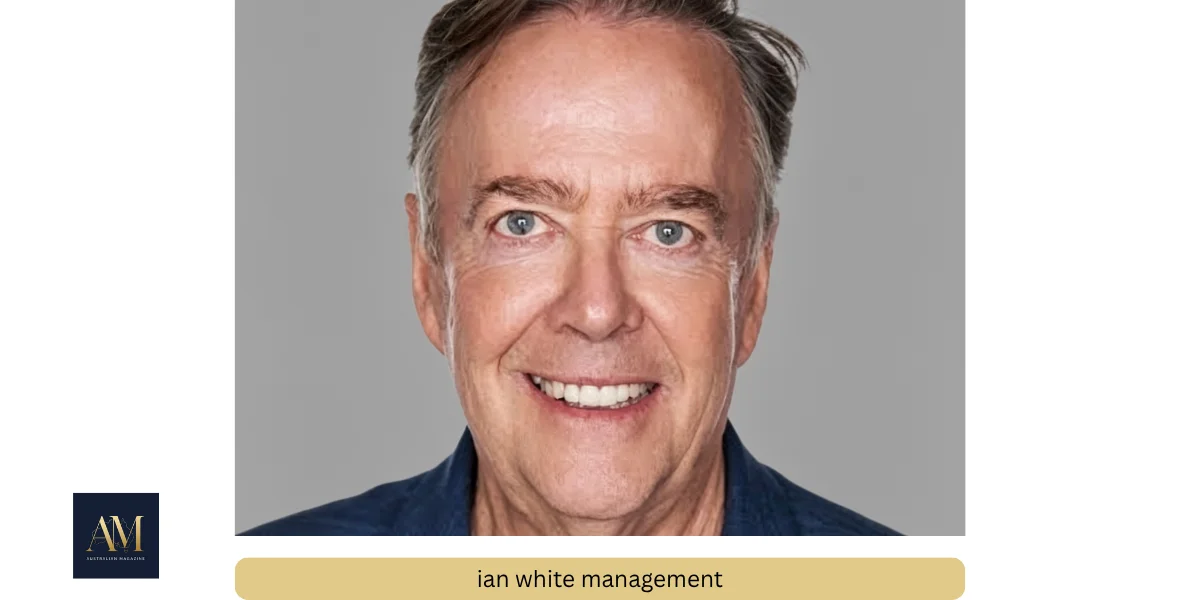
Ian White Management: Guiding Athletes to Success
Katherine Pearson: Strength, Resilience and Life Beyond the Headlines
Harrison Gilbertson in Fallen: Bringing a Fallen Angel to Life

Actors Equity Australia: Protecting and Empowering Performers
JK Kazzi: The Charismatic Voice of a New Generation of Cultural Influencers
-
 Celebrity12 months ago
Richard Zachariah – The Story of a Gentleman Journalist
-
 Lifestyle5 months ago
Top Fashion Trends Australia 2026: What Australians Are Wearing Now
-
 Lifestyle12 months ago
Matt Moran Liberal-From Service to Leadership in Western Australia
-
 Lifestyle5 months ago
Spring 2026 Fashion Trends: The Complete Style Guide
-
 News10 months ago
Beau Lamarre-Condon – Inside the Case, the Charges, and the Court Timeline
-
 News12 months ago
Samuel William Davidson – The Oatlands Tragedy, Sentence & the Power of Forgiveness
-
 Entertainment5 months ago
How Australian Players Are Choosing Their Online Casino in 2026
-
 Entertainment1 year ago
The Unstoppable Rhea Ripley-WWE’s Australian Phenomenon