
Entertainment
Nyree Reynolds-The Wiradjuri Artist Who Turned Art into Activism

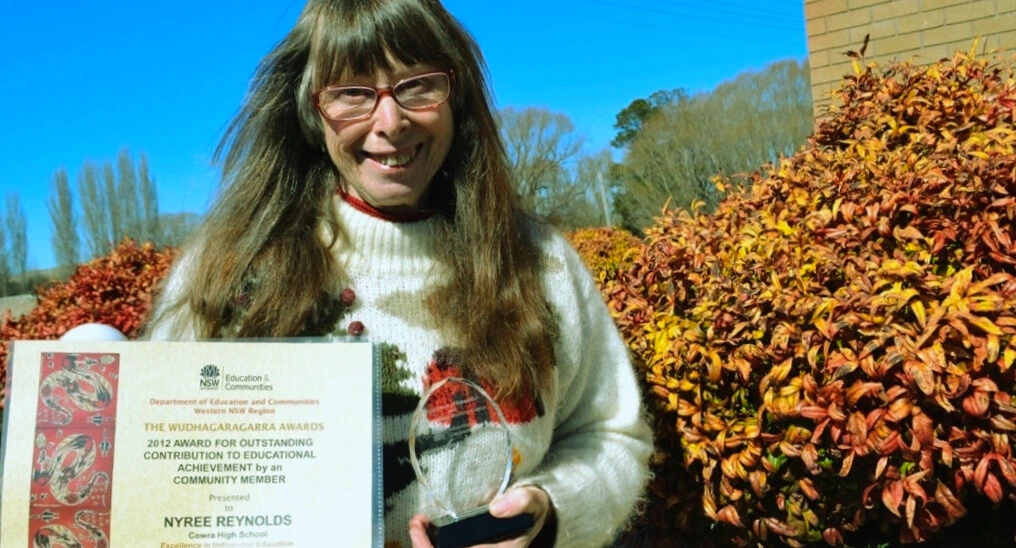
Wiradjuri artist Nyree Reynolds transformed her art into activism, using her paintings to honour the Stolen Generations & defend sacred Country. Her leadership in protecting the Belubula (Bilabula) River through a landmark Section 10 heritage order reshaped Australia’s approach to Aboriginal heritage protection & cultural law reform.
Introduction
The story of Nyree (Ngari) Reynolds is one of the quiet power, endurance & deep connection to Country. A Wiradjuri woman born in Wollongong in 1948, she has lived through an Australia that often silenced First Nations voices yet through her art, her words & her unyielding love for the land, she found a way to make those voices echo across generations.
Reynolds isn’t just an artist; she’s a truth teller, cultural guardian & activist who transformed her paintings into tools of education & resistance. Her journey from painting the pain of the Stolen Generations to challenging a billion dollar mining project represents how creativity & courage can protect both heritage & environment.
When she stood up to defend the Belubula River (Bilabula) against a tailings dam proposed by Regis Resources, she did more than safeguard water & she revived a conversation about cultural responsibility, environmental justice & what reconciliation really means. Her success forced Australia to reckon with its moral duty toward sacred land, even when money & politics pressed against it.
Through every challenge illness, criticism & systemic resistance Reynolds stood firm, guided by ancestors & a belief that “all water is sacred.” Her life & work show that art is not decoration; it’s declaration. This is the story of Nyree Reynolds, the woman who painted truth & protected Country.
Early Life & Wiradjuri Roots
Born in Wollongong, New South Wales, in 1948, Nyree Reynolds traces her lineage to a Wiradjuri woman born in the 1820s, describing herself as a “very light-skinned descendant” of that ancestor. Her dual connection to the Illawarra coast, where she was born & the Central West region of NSW, where she now lives, has profoundly shaped her identity.
These two landscapes ocean & inland are reflected in her art. The sands of Wollongong speak to her beginnings, while the ochre of the Central West mirrors the strength of Wiradjuri Country. She grew up hearing stories that connected spirit, songlines & the natural world, forming a foundation that would later become the emotional heart of her work.
Over time, her life became a bridge between generations between the past that endured colonisation & a future that seeks to reclaim dignity through truth telling.
The Artistic Journey of Nyree Reynolds
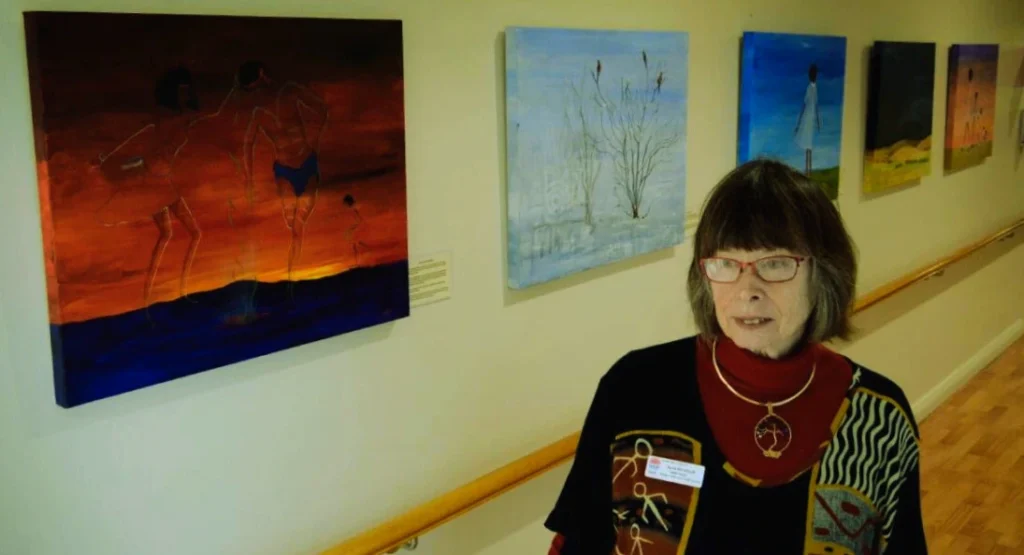
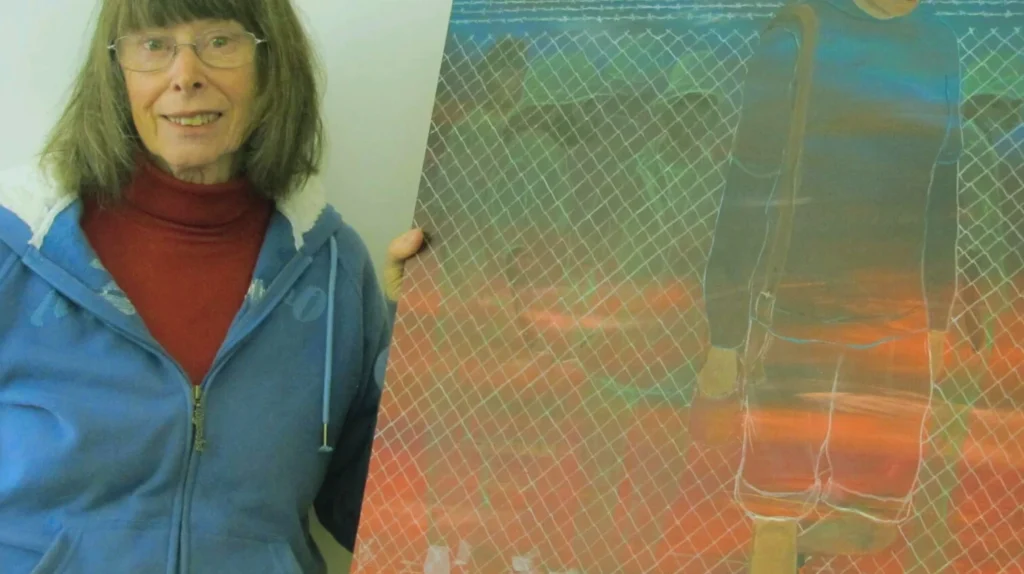
As a Wiradjuri artist and educator, Reynolds developed the style that intertwines storytelling with social commentary. Her paintings often depict children from the Stolen Generations blending into the landscape, symbolising their forced removal from Country & identity.
Using red ochre sourced from the Mudgee district and sand from the Illawarra region, she creates earthy textures that literally bind her work to the land. The ochre represents the enduring spirit of Wiradjuri Country, while the sand pays tribute to her birthplace.
“As an Aboriginal woman of the Wiradjuri Nation, I like to tell stories through my paintings,” she once explained.
Her art isn’t decorative but documentary a canvas based record of survival & memory. Each painting is a visual act of resistance, ensuring that the erased stories of Aboriginal children, families & communities are seen, felt & remembered.
She has also worked as an art tutor, teaching others to channel emotion & ancestry into creativity. Her achievements include winning the NSW Parliamentary Art Prize & producing billboard artworks along the Mid-Western Highway large scale tributes to the spirit of Wiradjuri Country & its people.
The 2000 Walk for Reconciliation-A Defining Moment
On 28 May 2000, more than 250,000 Australians walked across the Sydney Harbour Bridge in one of the most powerful public gestures of unity in modern history. Among them was Nyree Reynolds. For her, the Walk for Reconciliation was more than symbolic; it was transformative.
Above the crowd, a plane wrote one word in the sky “SORRY.” That image stayed with her forever.
“I didn’t have my camera, but my mind became my camera, and that vision will never be lost.”
This experience reignited her artistic purpose. The walk reminded her that reconciliation was not just about politics but about truth and truth, she believed, could be painted.
“Sorry” (2006)-Painting the Pain and Healing
Six years after that walk, Reynolds painted her most recognisable work — Sorry (2006). Created with acrylic, red ochre & sand on canvas, it captured the complex emotions surrounding the reconciliation movement & the ongoing trauma of the Stolen Generations.
The painting’s earthy tones & symbolic imagery became a conversation between past and present. In 2020, the Australian Museum digitally collected Sorry, preserving it as part of the nation’s artistic and cultural record.
For Reynolds, art was both healing and political. It was her way of ensuring that stories of displacement, resilience, and identity remained part of Australia’s conscience.
The 2008 National Apology-Hope & Hard Truths
When Prime Minister Kevin Rudd delivered the National Apology to the Stolen Generations in 2008, it was a historic & emotional moment. For Nyree Reynolds, it was deeply personal.
She welcomed the acknowledgment but warned that words must lead to change.
“Sorry means that you don’t do it again,” she said plainly.
Despite the promise of progress, the reality was confronting-by 2016–17, 17,664 First Nations children were in out-of-home care-double the number before the apology. To Reynolds, that statistic proved that reconciliation was unfinished business. Her art continued to reflect the gap between political gestures & lived experiences.
Fighting for the Aboriginal Flag
In 2012, Nyree Reynolds was photographed campaigning for the Aboriginal flag to fly permanently in Blayney, central NSW. It was a simple but powerful act of pride to see the flag, once banned, representing her people in everyday spaces.
More than a decade later, in 2023, when the Aboriginal flag finally became free for public use, Reynolds said she was “over the moon.” For her, it wasn’t just a win for symbolism but a reminder that persistence pays off a theme that would soon define the next chapter of her life.
Health Challenges & Ongoing Strength
In 2020, Reynolds faced a life-changing diagnosis: mesothelioma, a rare cancer caused by asbestos exposure. She also suffered from vocal dysphoria, which paralysed her vocal cords.
But even illness couldn’t quiet her. She continued to speak & paint for Country. When she appeared before the NSW Independent Planning Commission during hearings about the McPhillamys Gold Project, she spoke through pain and breathlessness.
“This mine freaks me out,” she said. “To kill the Belubula by putting cement in the springs was unthinkable.”
Her voice may have weakened, but her conviction grew stronger.
The Section 10 Application-Protecting the Belubula (Bilabula) River
In 2021, after pleas from her community, Nyree Reynolds lodged a Section 10 application under the Aboriginal & Torres Strait Islander Heritage Protection Act (ATSHIP) to protect the headwaters and 35 natural springs of the Belubula (Bilabula) River near Blayney.
Backed by the Wiradyuri Traditional Owners Central West Aboriginal Corporation (WTOCWAC), she argued that the proposed Regis Resources tailings dam would desecrate sacred land and threaten the river that sustained generations.
“It’s only a tiny river, but it’s our river,” she said. “The ancestors would be grateful to see it saved.”
The application underwent a three-year review a long and exhausting process for Reynolds, who continued to advocate even as her health declined.
2024-The Belubula River Victory
On 13 August 2024, Federal Environment Minister Tanya Plibersek issued a partial Section 10 declaration, officially announced on 16 August 2024. The decision protected the headwaters, springs, and river from mining interference, effectively blocking the tailings dam.
Plibersek said:
“Protecting cultural heritage and development are not mutually exclusive. We can have both.”
The ruling forced Regis Resources to write off $192 million, halt trading on the ASX, and reconsider its $1 billion project. The mine would have produced 2 million ounces of gold, processed 60 million tonnes of ore, created 580 construction and 290 operational jobs, and generated $30 million in council revenue — but it was no longer viable.
For Reynolds, the decision was spiritual, not economic.
“Those waters are sacred — all water is sacred,” she said. “I just hope our ancestors are proud of us.”
Backlash & Political Division
While the Wiradjuri community celebrated, others were outraged. Prominent Indigenous and political figures Roy Ah-See, Jacinta Nampijinpa Price, and Warren Mundine criticised the decision, calling it a “mockery of culture” and “a disgrace.”
They argued that the ruling cost Indigenous Australians economic opportunity. Local leaders said the project would have lifted the region’s economy & created hundreds of jobs. The Environmental Defenders Office (EDO), which supported Reynolds’ legal efforts, was accused by opponents of “weaponising” Section 10 heritage laws.
Despite the controversy, Reynolds stood by her actions. To her, it was not about politics it was about protecting a sacred songline that linked generations of Wiradjuri people.
National Impact & Heritage Reform
The Belubula River decision reignited a national conversation about heritage laws, environmental justice, and cultural authority. Mining bodies warned of rising sovereign risk, saying federal ministers could now derail major projects even after full state approvals.
Yet for many, the decision represented justice after decades of neglect — a corrective moment following the destruction of Juukan Gorge in 2020.
Plibersek acknowledged the need for clearer laws, announcing plans for reforms that would define “who speaks for Country” & embed free, prior, and informed consent (FPIC) principles.
“Our goal is to remove uncertainty & make it clear who represents Country,” she said.
So far, only Western Australia has implemented partial reforms, leaving much of Australia reliant on outdated state legislation.
The case also resonated politically after the failed Voice to Parliament referendum, prompting the government to act on heritage protection to restore public confidence in its commitment to Indigenous Australians.
Philosophy & Legacy of Nyree Reynolds
Through her paintings, words, and courage, Nyree Reynolds has become a symbol of resistance and renewal. Her philosophy is grounded in ancestral wisdom:
“Stay on our songline, talk straight, and tell the truth.”
Her story demonstrates that the defence of Country is inseparable from identity. Art, activism, and heritage converge in her life’s work — proving that one person, rooted in culture and guided by ancestors, can move the nation toward justice.
Reynolds’ impact now stretches beyond art galleries and museums. She represents every First Nations person who has fought to protect land, water, and culture. Her legacy will endure in every young Wiradjuri artist who paints with purpose, and in every river that flows unspoiled because someone cared enough to say no.
“All water is sacred,” she reminds us — a truth that runs like a songline through her art, her activism, and her life.
FAQs
Who is Nyree Reynolds?
Nyree (Ngari) Reynolds is a Wiradjuri artist and elder from New South Wales known for her storytelling through art and her successful campaign to protect the Belubula River from mining damage.
What is Nyree Reynolds known for?
She is celebrated for her painting Sorry (2006), her advocacy for the Stolen Generations, and her leadership in lodging a Section 10 heritage protection order that stopped a $1 billion goldmine project.
What is the significance of the Belubula River (Bilabula)?
The river holds spiritual and cultural significance for the Wiradjuri people, featuring in ancient songlines and initiation traditions. Reynolds’ activism protected its sacred headwaters and springs.
Why was the McPhillamys Gold Project controversial?
Although it promised jobs and economic growth, the project’s tailings dam threatened sacred Wiradjuri land. Reynolds’ Section 10 application led to its cancellation in 2024.
What is Nyree Reynolds’ lasting impact?
She redefined how Australia views Indigenous heritage, proving that art and activism can influence law and protect sacred land. Her legacy continues through ongoing cultural preservation efforts.
Entertainment
Love Island Australia 2026: Why Fans Chasing Fiji Villa Gossip Online Need to Slow Down Before They Click

Sophie Monk is back behind the microphone, the Fiji villa is locked and loaded, and the Love Island Australia 2026 cast dropped this morning to the kind of group chat chaos only a new season can cause. Within hours, fans had already picked their favourites, screenshotted bios, and started hunting for every Islander’s Instagram before the premiere even airs on October 26.
That hunger for early intel is exactly what makes this season different from past ones. Where Love Island fandom used to live entirely on official recap accounts and the show’s own app, it now sprawls across fan-run polls, prediction threads, group betting pools with mates, and dozens of accounts claiming to post “leaked” villa updates before they’re official. Most of it is harmless fun. Some of it is not, and the gap between the two is getting harder to spot.
This isn’t really a story about reality TV. It’s a story about what happens when a fandom moves faster than the platforms built to protect it.
The Fan Economy Around a Reality Show Moves Faster Than the Show Itself
By the time contestants walk into the villa, there’s already a parallel universe running alongside the broadcast. Fans build spreadsheets ranking couples by “will they last.” Group chats run informal prediction pools for who gets dumped first. Instagram accounts spring up overnight promising “exclusive” cast interviews that never actually existed.
None of that is new, exactly. What’s changed is the scale and the sophistication of the accounts exploiting it. The Federal Trade Commission has documented how scammers impersonate public figures on social media specifically to extract money or personal details from fans who think they’re interacting with the real person or a legitimate fan project. Love Island Islanders, mid-season, are exactly the kind of fast-rising, low-security-awareness targets that pattern describes. A contestant goes from unknown to recognisable in about 72 hours. Their real accounts are brand new or barely verified. Fake ones multiply before the villa doors even open.
Add in the side culture of informal mate-to-mate wagering that follows every reality season (who gets eliminated first, who cracks a showmance by week two) and you’ve got fans typing card details into apps and sites they found through a group chat link, not through any search they’d normally trust.
Where the Actual Risk Sits, and How Aussies Are Working Around It
Here’s the part that doesn’t get said enough: the scam risk isn’t really about Love Island. It’s about the unofficial layer of apps, prediction sites, and “watch party” portals that spring up around any big cultural moment and disappear just as fast.
Take streaming. Plenty of fans who miss a live episode go looking for a free stream rather than waiting for the catch-up. A 2025 analysis from Help Net Security found illegal IPTV and streaming operations had grown into an organised, genuinely profitable criminal industry, one that routinely bundles malware or payment-skimming scripts into the same sites fans use to catch a missed episode. It’s not a fringe problem. ChannelLife Australia reported that Australians using illegal streaming sources face roughly triple the cybercrime exposure of those sticking to licensed platforms.
The same instinct, chase convenience first, ask questions never, is exactly what drags fans into dodgy corners when the fan activity around a show shifts from watching to playing along for money. Mates running a cheeky pool on who wins the season, or fans dabbling in real-money prediction games tied to the show, often land on the first site a group chat link points them to. That’s backwards. The sites worth using are licensed, transparent about terms, and don’t bury their payout rules in the fine print, and working out how Australians pick a safe site to play real money games really just comes down to checking licensing, reading withdrawal terms before depositing, and never trusting a platform because a group chat vouched for it. Australia’s regulatory settings have actually tightened around this exact problem this year, with the Interactive Gambling Amendment (Gambling Reform) Act 2026 becoming law in August, bringing stricter ad rules and more enforcement muscle against illegal operators. Worth keeping that one sentence in your back pocket too: if you ever feel like tracking a show has tipped into something you can’t put down, BeGambleAware.org and similar services exist for exactly that reason.
Fake Fan Accounts Are the Bigger Everyday Risk
Scams tied to reality TV rarely announce themselves as scams. They show up as a DM from “Sophie Monk’s team” offering an early cast interview. A comment thread promising a giveaway if you click a link and enter your details. AARP’s reporting on celebrity impersonation notes that AI-generated voice and video are making these impersonations convincing enough to fool people who’d normally spot a scam in two seconds. A grainy voice note that sounds vaguely like a contestant is no longer a reliable tell.
What actually helps: checking whether an account was created this year or has a verification badge that matches the platform’s actual system, not a fake badge pasted into a profile picture. Reverse-searching a profile photo takes ten seconds and kills most fakes instantly. And treating any request for payment information, gift cards, or “verification deposits” from a fan account as an automatic red flag, full stop.
Group Chat Pools Are Fun. Unverified Links Are Not.
Nearly every Love Island season produces at least one group chat running an informal pool on outcomes. Someone sets up a shared spreadsheet, someone else finds an app that lets people vote and track “odds” for fun. Mostly fine. Where it goes wrong is when one person in the chat shares a link to a site nobody actually checked first, and five mates deposit money into it because a friend sent it.
That single habit, trusting a link because a friend trusts it, is the common thread running through almost every story about fans losing money around a cultural moment like this one. It was true during the Bachelor seasons. It’ll be true again before this Love Island season wraps in November.
FAQ: Following Love Island Australia 2026 Without Getting Burned
When does Love Island Australia 2026 premiere? The new season premieres Monday, October 26, with Sophie Monk returning as host. The Fiji villa cast was officially revealed today, October 9, giving fans several weeks to get familiar with contestants before the show airs.
How can I tell if a Love Island fan account is fake? Check the account creation date, look for a genuine platform verification badge rather than one pasted into the photo, and reverse-image search the profile picture. Fake accounts rarely hold up under either check.
Is it safe to stream Love Island from unofficial sites? Generally, no. Unofficial streaming sources carry meaningfully higher malware and payment-fraud risk than licensed platforms, according to recent Australian cybercrime data. Stick to the official broadcaster or its approved catch-up service.
Why are reality TV contestants common scam targets? They go from unknown to widely recognised within days, with little established online security or verified presence. Scammers exploit that gap before fans learn which accounts are genuine, often within the first week of a season.
What should I do if I think I’ve been scammed by a fake fan account? Stop all contact immediately, report the account to the platform, and if money or card details were shared, contact your bank straight away. Keep screenshots as evidence before the account gets deleted.
Love Island Australia’s new season is going to dominate group chats for the next six weeks regardless of any of this. That’s fine. Watch it, argue about the couples, run the mate’s pool if that’s your thing. Just slow down for the ten seconds it takes to check who’s actually on the other end of a link before you click it.

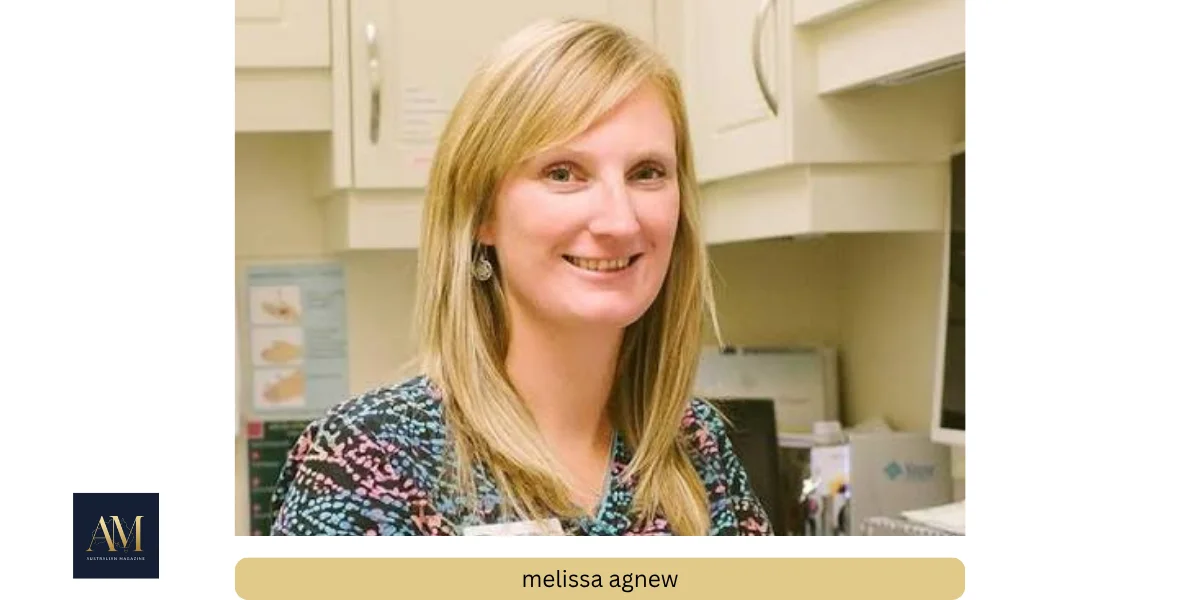
In the meticulously crafted world of film and television, the smallest details often make the biggest difference. Among these, dialogue and voice performance stand paramount. Melissa Agnew has built an impressive career as one of Australia’s most respected dialogue coaches, actresses, and media professionals. With more than two decades of experience, she has helped shape some of the most authentic screen performances while contributing significantly to media education and communication skills.
Having observed the evolution of screen acting and voice work for over thirty years, I can say with confidence that specialists like Melissa Agnew are the unsung heroes of quality productions. Her multifaceted expertise in dialogue coaching, performance, and writing offers valuable lessons for actors, directors, and communicators alike.
Early Career and Professional Foundation
Melissa Agnew entered the industry in the early 2000s, a time when Australian film and television were gaining increasing international recognition. Based in the vibrant production hubs of Sydney and Brisbane, she developed a specialised skill set that combines the performing arts with linguistic precision.
Her work as a dialogue coach quickly became her signature contribution. This demanding role requires a deep understanding of accents, rhythm, clarity, and emotional delivery. Agnew has earned a reputation for helping actors achieve natural, region-specific speech patterns that enhance character authenticity and audience immersion.
Her dual background as both a performer and coach gives her unique insight. She understands the pressures actors face on set and provides practical, supportive guidance that elevates performances without undermining creative instincts.
Notable Work in Film and Television
Melissa Agnew’s credits demonstrate her growing influence in both Australian and international productions:
- The Proposition (2005) – Dialogue Coach (Australia)
- The Pacific (2010) – Dialogue Coach for one episode
- Space/Time (2025) – Actress playing TV News Anchor
- Voice and dialogue consultant for numerous other Australian and international projects
These credits span major historical dramas and contemporary productions, showcasing her versatility. In historical pieces like The Proposition, her work ensured period-appropriate speech patterns while maintaining emotional truth. In modern projects, she focuses on regional Australian accents and clear communication that serves the story.
Her on-screen appearance in Space/Time (2025) as a TV News Anchor further highlights her range as an actor. Moving from behind-the-scenes coaching to on-camera roles demonstrates the confidence that comes with deep industry knowledge.
The Author and Media Educator
Beyond coaching, Melissa Agnew has established herself as a thoughtful writer and educator. Her book Here is the Australian News explores the landscape of Australian broadcasting, news presentation styles, and effective communication skills.
The work goes beyond surface-level analysis. It examines how news is crafted and delivered in Australia, the cultural nuances of Australian media voice, and practical techniques for clear, engaging presentation. This publication has become a valuable resource for journalism students, media professionals, and anyone interested in public communication.
Agnew also conducts regular media training and performance workshops. These sessions combine practical exercises with industry wisdom, helping participants develop confidence in their voice and presentation skills. Her teaching style is known for being both rigorous and encouraging — a balance that produces strong results.
The Art and Craft of Dialogue Coaching
What makes a great dialogue coach? From my decades of experience, several qualities stand out in Melissa Agnew’s approach:
- Deep linguistic knowledge — Understanding subtle differences in Australian regional accents and how they reflect character background.
- Emotional intelligence — Recognizing when an actor needs technical correction versus emotional support.
- Collaborative mindset — Working seamlessly with directors, actors, and sound teams.
- Continuous learning — staying up to date with evolving language trends and production techniques.
Common mistakes Agnew helps actors avoid include over-articulation that sounds unnatural, inconsistent accent work, and dialogue delivery that prioritises clarity over emotional truth. Her guidance often transforms good performances into memorable ones.
Bridging Performance, Coaching, and Writing
One of the most impressive aspects of Melissa Agnew’s career is her ability to integrate performing, coaching, and writing. This holistic approach enriches every area of her work. Her experience on stage and screen informs her coaching, while her writing deepens her understanding of communication dynamics.
This versatility is increasingly valuable in today’s media landscape, where professionals are expected to adapt across multiple roles. Agnew’s career serves as a strong example for emerging artists who want sustainable, multifaceted careers rather than narrow specialisation.
Current Work and Future Outlook (2026)
As of 2026, Melissa Agnew continues to be active across dialogue coaching, acting, and educational projects. Her expertise remains in high demand as Australian productions grow in scale and international co-productions become more common.
The future looks promising for specialists with her skill set. With streaming platforms demanding higher production values and authenticity, dialogue coaches who understand cultural nuances will play an even more critical role. Agnew is well-positioned to take on larger projects while continuing her valuable work in media education.
Her ongoing contributions to workshops and writing suggest she will remain a mentor figure for the next generation of Australian media professionals.
Conclusion: The Power of Voice and Authenticity
Melissa Agnew represents the gold standard of professional dedication in the Australian screen industry. Through her work as a dialogue coach, actress, author, and educator, she has helped elevate the quality of performances and deepened our understanding of effective communication.
Her career offers clear takeaways for anyone working with voice and performance: technical excellence matters, but it must always serve emotional truth and authentic storytelling. In an industry often focused on visuals, Agnew reminds us that the human voice remains one of the most powerful tools in storytelling.
As Australian film and television continue to gain global prominence, professionals like Melissa Agnew will play a vital role in ensuring our stories sound as genuine and compelling as they look. Her journey is a testament to the rewards of deep expertise, continuous growth, and generous knowledge-sharing.
For actors, directors, writers, or communicators looking to improve their craft, Agnew’s work provides both practical techniques and inspiring examples. In the end, it’s voices like hers — clear, authentic, and expertly guided — that help stories truly resonate.
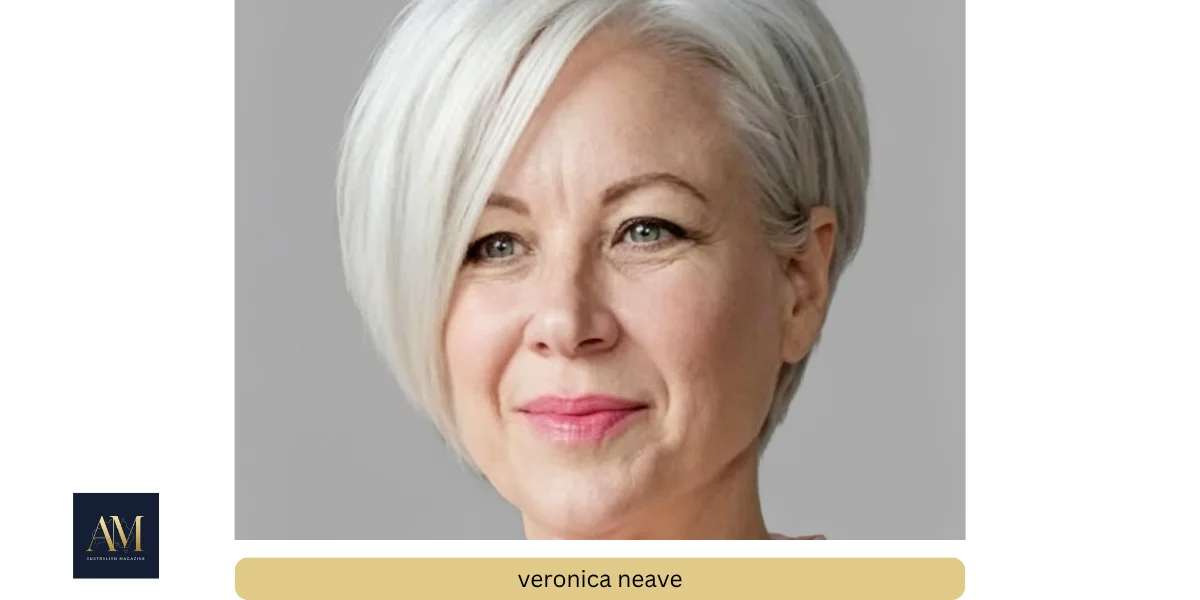
In the world of performing arts, few professionals achieve true versatility across stage, screen, writing, and education. Veronica Neave stands out as one of Australia’s most accomplished and multifaceted artists. With a career spanning more than four decades, she has seamlessly blended acting, directing, writing, and teaching, leaving a lasting impact on audiences and the next generation of creatives alike.
Having followed the Australian arts scene for over thirty years, I can confidently say that Veronica Neave exemplifies the complete artist — one who not only masters performance but also uses her platform to explore deeply personal and universal themes. Her journey offers inspiration for anyone passionate about creative expression and personal resilience.
Early Career and Theatrical Foundation
Veronica Neave’s professional journey began in the 1980s, a vibrant period for Australian theatre. She quickly established herself as a formidable stage presence, appearing in more than 50 major theatre productions. Her repertoire is impressively diverse, ranging from Shakespearean classics such as Macbeth and Romeo and Juliet to contemporary dramas and innovative physical theatre work with the renowned company Force Majeure.
What sets Neave apart is her commitment to depth and range. On stage, she has demonstrated exceptional skill in both classical text work and experimental physical performance. This foundation in theatre has informed all aspects of her career, giving her performances a richness and authenticity that resonates with audiences.
Her work as a director, choreographer, and dramaturg further showcases her artistic intelligence. These behind-the-scenes roles require not only creative vision but also strong leadership and collaborative skills — qualities Neave has honed over decades.
Screen Success and Memorable Roles
While theatre remains her artistic home, Veronica Neave has made significant contributions to Australian film and television. Her television breakthrough came with the popular children’s series Mortified (2006–2007), where she played the memorable character Loretta Flune across 26 episodes. The role showcased her ability to bring warmth and humour to family-oriented storytelling.
Her film and TV credits reflect impressive range:
- Girl Clock! (2010) – Lead role as Christine
- A Perfect Pairing (2022) – Diane
- Dive Club (2021) – Mayor Renee Volkov
- In Our Blood (2023) – Trish
- Earlier appearances in The Boys (1998), In Her Skin (2009), and Upright (2022)
These roles highlight Neave’s versatility — from dramatic intensity to lighter comedic touches. In an industry that often typecasts performers, her ability to move fluidly between genres is noteworthy and serves as a valuable lesson for emerging actors.
The Author and Advocate: Pieces of Me
Beyond performance, Veronica Neave has made a powerful mark as a writer. Her memoir Pieces of Me: Genetically Flawed – Surviving the Breast Cancer I May Never Have, published by Simon & Schuster Australia, stands as one of her most significant achievements.
The book chronicles her personal journey after testing positive for the BRCA2 gene mutation. Rather than presenting a purely clinical account, Neave explores the emotional, familial, and psychological dimensions of living with genetic risk. She delves into family history, difficult health choices, and the path to emotional resilience with honesty and insight.
This work beautifully bridges her artistic life with real-world advocacy. By sharing her story, she has helped raise awareness about genetic testing, preventive healthcare, and the importance of mental wellbeing when facing health uncertainties. For many readers, the book serves as both a source of information and a beacon of hope.
Educator and Arts Advocate
Throughout her career, Veronica Neave has maintained a strong commitment to education and mentorship. As a performing arts educator, she has guided countless students, sharing not only technical skills but also the wisdom gained from decades of professional experience.
Her approach to teaching emphasises holistic development — encouraging students to connect their personal experiences with their artistic work. In an era where the arts face funding challenges and shifting cultural landscapes, educators like Neave play a vital role in sustaining the industry’s future.
Lessons from a Remarkable Career
Veronica Neave’s trajectory offers several practical insights for artists and creatives:
- Versatility builds longevity. By developing skills across acting, directing, writing, and teaching, she has created a sustainable and fulfilling career.
- Personal story can be powerful art. Her memoir demonstrates how transforming private challenges into public work can create meaningful connection and impact.
- Continuous evolution matters. Rather than remaining static, Neave has consistently embraced new challenges across different mediums and roles.
- Balance is essential. Combining performance with advocacy and education prevents burnout and enriches artistic output.
A common mistake many artists make is focusing too narrowly on one area. Neave’s career proves that broadening one’s artistic identity often leads to greater opportunities and deeper satisfaction.
Current Status and Future Outlook
In 2026, Veronica Neave remains an active and respected figure in Australia’s arts community. She balances ongoing creative projects with her roles as educator and writer, maintaining the same dedication that has defined her work since the 1980s.
Looking ahead, her combination of experience, versatility, and willingness to tackle meaningful subjects positions her well for continued influence. Whether through new stage productions, screen roles, or further writing, audiences can expect work that is both artistically excellent and personally resonant.
Conclusion: A Lasting Legacy in Australian Arts
Veronica Neave represents the best of Australian artistic tradition — rigorous craft, emotional honesty, and a generous spirit of sharing knowledge. From Shakespearean stages to television screens and the pages of a deeply personal memoir, she has consistently delivered work of substance and heart.
Her story reminds us that true artistic success extends beyond applause and accolades. It lies in the lives touched, the conversations sparked, and the courage to share one’s truth. As she continues her journey, Veronica Neave stands as an inspiring example of what a lifelong commitment to the arts can achieve.
For aspiring performers, writers, and educators, her career offers both a roadmap and a source of encouragement: pursue excellence, embrace your full range of talents, and never underestimate the power of authentic storytelling.
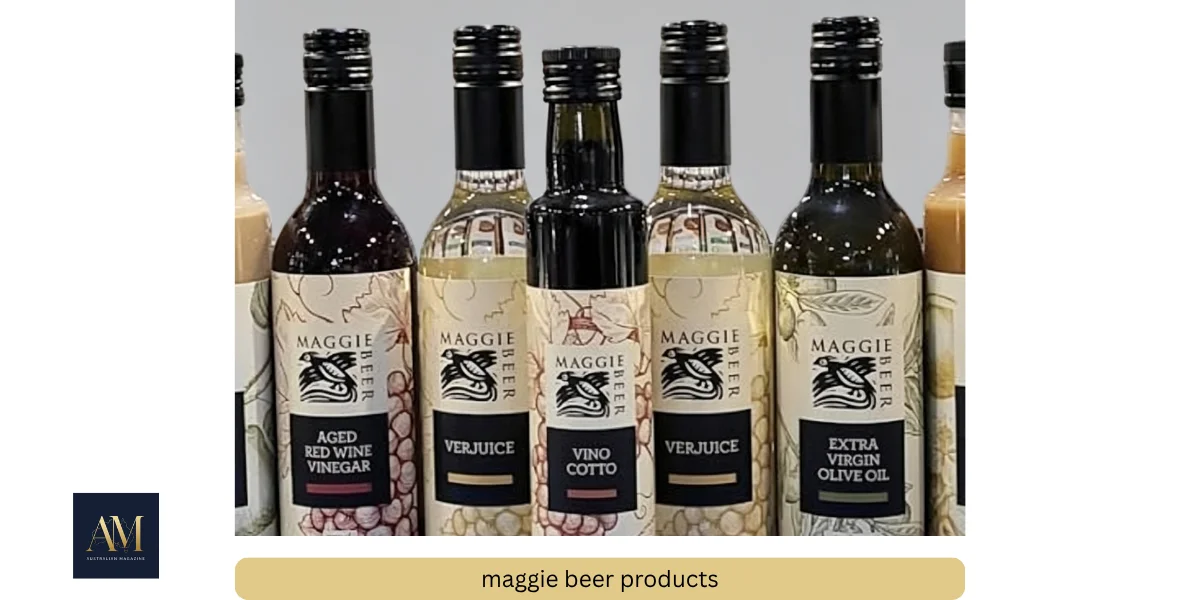
Maggie Beer Products: A Gourmet Australian Range Built on Flavour, Simplicity, and Quality

Human-in-the-loop customer service: how NeonNow IQ divides contact centre work between AI and people
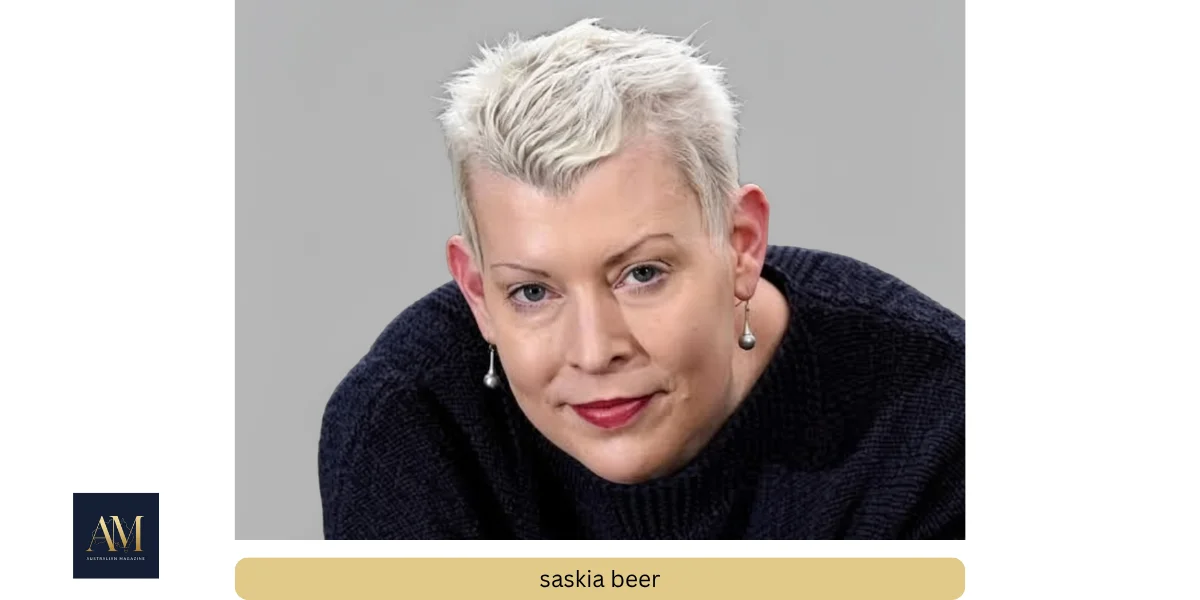
Saskia Beer: The Life, Work, and Lasting Legacy of an Australian Food Innovator

Love Island Australia 2026: Why Fans Chasing Fiji Villa Gossip Online Need to Slow Down Before They Click
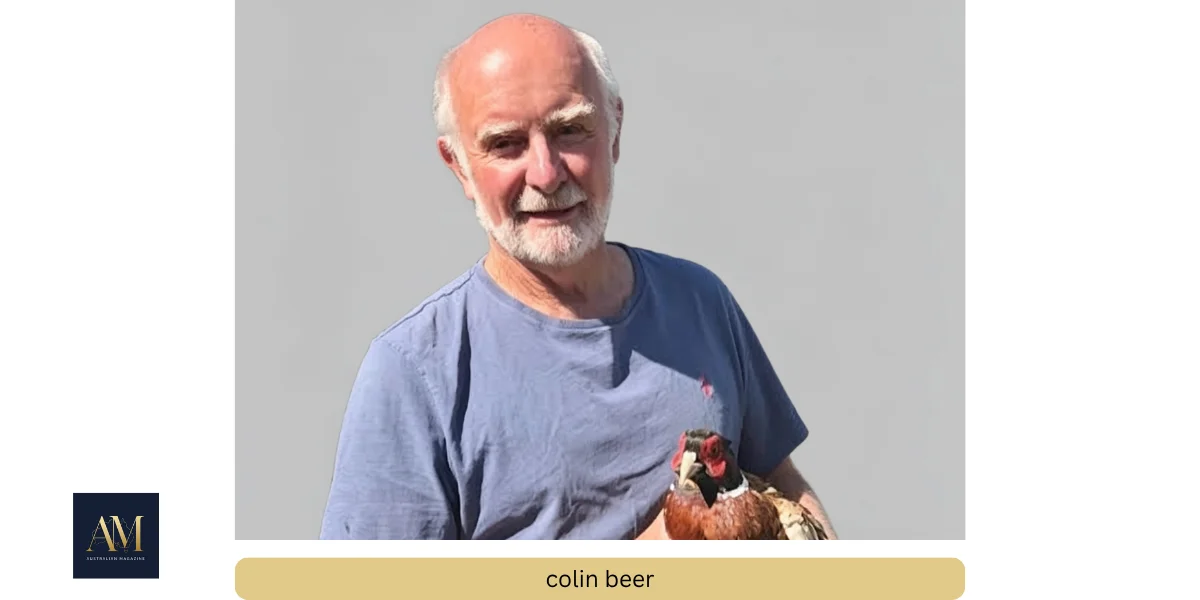
Colin Beer: The Quiet Architect Behind a Gourmet Food Legacy
Katherine Pearson: Strength, Resilience and Life Beyond the Headlines
Harrison Gilbertson in Fallen: Bringing a Fallen Angel to Life
Actors Equity Australia: Protecting and Empowering Performers
JK Kazzi: The Charismatic Voice of a New Generation of Cultural Influencers
Leigh Pickford: A Story of Strength and Resilience in the Public Eye
-
 Celebrity12 months ago
Richard Zachariah – The Story of a Gentleman Journalist
-
 Lifestyle12 months ago
Matt Moran Liberal-From Service to Leadership in Western Australia
-
 Lifestyle5 months ago
Top Fashion Trends Australia 2026: What Australians Are Wearing Now
-
 Lifestyle5 months ago
Spring 2026 Fashion Trends: The Complete Style Guide
-
 News10 months ago
Beau Lamarre-Condon – Inside the Case, the Charges, and the Court Timeline
-
 News12 months ago
Samuel William Davidson – The Oatlands Tragedy, Sentence & the Power of Forgiveness
-
 Entertainment5 months ago
How Australian Players Are Choosing Their Online Casino in 2026
-
 Entertainment1 year ago
The Unstoppable Rhea Ripley-WWE’s Australian Phenomenon