
Lifestyle
Inside the Wild Life of Tasha Paige-Australia’s Most Controversial OnlyFans Star


Tasha Paige has spent the past two years living inside a whirlwind. At just 23, the Gold Coast creator has become one of Australia’s most recognisable OnlyFans personalities — a woman who skyrocketed from casual TikTok storytelling to seven-figure earning power, international travel, an enormous audience and a reputation built equally on charisma, controversy and brutal honesty. Her name has headlined everything from pregnancy updates and abortion debates to explosive funeral drama and an eye-watering $176,000 tax bill. In the process, she has become one of the most talked-about young women in the Australian online adult industry.
Her rise, like most internet phenomena, wasn’t planned. It unfolded through unscripted moments, candid confessions, and chaotic life events she often shared in real time. But as the spotlight intensified, every private decision became public property — especially when the world discovered just how much she earns, who she dates, what she believes, and how she deals with her most vulnerable moments being weaponised online.
This is the full story of Tasha Paige: her career, her fame, her trauma, her scandals and the heavy personal price that has followed every viral post.
The Making of an Online Sensation-Tasha Paige
Tasha first broke into the public eye with TikTok videos documenting the behind-the-scenes reality of making adult content. Unlike polished influencers, she presented her life with raw humour — talking openly about filming with men, keeping a “roster”, navigating awkward encounters, juggling relationships and earning the kind of money most young Australians couldn’t fathom. Audiences loved her lack of filter and the way she dismantled the glamorised fantasy of sex work.
Within months, she had amassed more than 270,000 TikTok followers, more than 120,000 Instagram followers, and a rapidly growing subscription base on OnlyFans. The chemistry between her unfiltered personality and the highly profitable adult-content economy turned her into one of Australia’s top earners on the platform.
By late 2023, she was earning well into the six-figure monthly range. She eventually revealed she had “cracked a seven-figure income” overall, even though her income for the previous financial year fell under that threshold. Her success was clear — but so were the complications that came with it.
The Tax Bill That Shocked Australia
Her first major nationwide headline came in July 2023 when she discovered she owed $86,000 to the Australian Taxation Office. She posted a TikTok in disbelief, admitting, “I’m going to cry. Moment of silence, please, for my bank account.”
That moment went viral — earning sympathy, mockery and endless debate about how much Australian content creators should expect to pay in tax. But the real shock came months later when her accountant re-reviewed her financials.
The revised bill was not $86,000. It was $176,000.
Her reaction was a mix of anger, shock and reluctant acceptance. “My tax bill is actually $150,000 for the last twelve months. Not including the $26,000 I need to pay for GST because apparently my body is an object — that’s why I have to pay GST now.”
Her frustration ran deeper than the money. She believed sex work was still treated as illegitimate, even as the government took a significant cut. “I’m paying all this to a government that doesn’t even recognise sex work as real work.”
She admitted the stress caused her to start vaping again. “If I don’t laugh, I’ll cry.”
The debate intensified when finance experts pointed out that OnlyFans is an overseas platform, meaning GST should not apply to overseas subscriptions. Her accountant confirmed overseas income is generally GST-free, complicating the question of whether she needed to pay the full $26,000. But by then, the story had already gone viral, and the tax office had already demanded the sum.
Regardless of the technicalities, one fact became clear: Tasha was earning far more than most of her critics realised. Comments on her viral tax videos shifted quickly from sympathy to astonishment. “How much did you make babe? That has to be at least a $300,000 pay packet.” Another wrote, “You’re making bank girl.” Others were blunt: “What did you expect? We all pay tax.”
The tax story marked the beginning of a new wave of public scrutiny — one that would intensify with each new chapter of her life.
Pregnancy, Shock & the Beginning of a Personal Crisis
On January 2, 2024, Tasha posted a TikTok holding a positive pregnancy test. She looked stunned, waving it at the camera, saying: “I’m pregnant. Happy New Year. It all caught up with me.”
Fans were instantly divided. Some congratulated her. Others questioned whether she intended to continue the pregnancy. Some comments were jokey, others cruel. “So we running to the clinic orrr?” one wrote. Another said, “Congrats? I guess?” Many urged compassion: “Your body, your choice.”
At the time, she admitted she didn’t know whether she would keep the baby. She was not in a relationship with the father, though the two were amicable.
For a week, the internet speculated and debated her future — unaware of the emotional conflict she was facing privately.

The Abortion & the Violation That Changed Everything
About a week later, Tasha made the painful decision to end her pregnancy. Her reasons were personal, complex, and tied to both her mental health and her relationship situation. She planned to share the story in her own time to help destigmatise abortion — a common healthcare experience in Australia.
But before she could, a stranger exposed her.
A woman recognised her at an abortion clinic, took photos of her wearing the same shirt she had worn in a TikTok video, and posted the images to TikTok. She also posted the location of the clinic and included a photo of Tasha’s partner without permission.
Tasha was devastated. “Being pregnant and then deciding that termination is the best thing to do is extremely personal. It is simply not acceptable for anyone, let alone a stranger, to violate my privacy this way.”
The woman who posted the images was a mother of four — something that made the betrayal more painful. Tasha had been planning to speak about it publicly, but the leak forced her to share it earlier than she intended.
Some commenters attacked her for not using birth control, prompting her to explain she relied on ovulation tracking rather than hormonal contraception. But the judgement added another layer of distress to an already traumatic moment.
The incident pushed her to consider legal action.
She later explained that the weight of the abortion only truly hit her once she saw the images circulating online. The experience contributed to a wave of emotional vulnerability that would resurface soon in another, even more devastating moment.
Tasha Paige-Funeral Scandal That Split the Internet
In February 2024, Tasha attended the funeral of six-week-old baby Cash, the son of fellow influencer Veruca Salt (Kimberly Summer Hartley). She had been pregnant around the same time Veruca lost her infant to sudden infant death syndrome. The grief, combined with her unresolved emotions following her abortion, created a volatile emotional state.
What happened next became one of the most dramatic controversies of the year.
According to Salt, Tasha drank heavily at the funeral, became emotional, upset other guests and made deeply inappropriate comments, including a shocking remark about the infant. She allegedly referred to the grieving mother as a “bad bitch” repeatedly and, according to witnesses, filmed moments at the funeral without permission.
Salt also claimed Tasha compared her abortion to Salt’s grief, saying she “understood the pain,” something Salt insisted she never encouraged.
Tasha later explained her side. Before the funeral, she told friends she wasn’t emotionally ready to attend. She had only just gone through a termination and worried it would trigger her. Her friends insisted she should still go for support. She brought tequila as a gift because Salt had once mentioned she liked it, and she said many people at the event were drinking together.
But she admitted she became hysterical. She drove there not intending to drink, but grief, alcohol and emotional overload collided badly. The next morning she sent Salt a message apologising for her behaviour, taking accountability and acknowledging she never expected forgiveness.
For six months, the situation stayed private — until mid-2024 when Salt publicly revealed what happened after Tasha posted online complaining that Salt never thanked her for a baby shower gift. Salt said the issue had nothing to do with gifts and that she had been quietly protecting Tasha’s dignity by not sharing the funeral details sooner.
Once the story went public, outrage exploded. Tasha was attacked online, harassed and even threatened by teenagers. But she repeated that she had apologised the day after the funeral and had already accepted blame long before it became a public scandal.
The funeral controversy remains one of the darkest chapters of her public journey — one that both her supporters and critics continue to debate.
Viral Fame, Dating Struggles & the Lonely Side of Success
Beyond scandal, one of the most relatable threads in Tasha’s story is her struggle with relationships. Despite financial success and a massive following, she has repeatedly said it’s nearly impossible to find a partner who can handle her career.
She explained that many men are intimidated, insecure or convinced she must be looking for someone wealthy. In reality, she said she wants nothing more than a man who supports himself, treats her with respect and doesn’t rely on her financially. “Wealth isn’t my goal within dating. It’s feeling secure with the person I’m with.”
Some men, she said, have told her she should “expect to be treated like meat” because of her job. One refused to date her because she was ready to buy property before him. Others judge her without knowing anything beyond her content.
She remains clear about what she wants: a partner who can meet her halfway, is comfortable in his masculinity and sees her as a person, not a financial opportunity.
Her experience mirrors that of other Australian adult creators who have spoken publicly about the loneliness of success. Fame increases options — but decreases compatibility. Her brand is built on bravery, but her personal life exposes vulnerabilities she rarely shows outside her most honest posts.
The Fundraiser Backlash & Another Internet Storm
In early 2025, Tasha attempted something positive: raising money for the Black Dog Institute in honour of someone she lost to depression. She asked followers to donate even one dollar and promised free access to her OnlyFans as thanks.
The fundraiser had a $5000 goal but stalled at around $2793 after days. Twelve thousand people viewed her story, but not one donated during a 24-hour period. Frustrated, she posted a blunt message calling them out.
“I know we’re in a recession, but come on now.”
She said she wasn’t asking them to buy a subscription but to contribute to a cause that saves lives. Yet the harsh response from some corners of the internet painted her as entitled — while others argued that people often expect creators to give but never give back.
The backlash became another reminder that for Tasha, every attempt at vulnerability becomes a public debate.
Tasha Paige-Living Under a Microscope
Tasha’s life is a cycle of raw honesty followed by viral judgement. Her career survival depends on exposure; her emotional wellbeing depends on privacy — a contradiction few people navigate well.
Her content is built on irreverence and humour, but behind it sits a catalogue of difficult experiences: a traumatic abortion, a public shaming, a funeral meltdown, an overwhelming tax bill, a heavily criticised dating life, a seven-figure income that invites envy, and a reputation that swings between empowerment and controversy.
Throughout all this, she repeatedly says she does not regret her career. She credits it with giving her freedom, financial power, stability for her family and the ability to travel the world. She acknowledges that it brings challenges but insists it has also brought opportunities and community.
“I’ve met so many incredible people along the way. My career has opened so many doors for me.”
But she also knows fame is a double-edged sword — especially when your job is the subject of societal judgement, moral debate and intense public curiosity.

The Real Tasha-More Than a Scandal
Behind the headlines, Tasha paints herself as a young woman trying to survive adulthood under abnormal circumstances. She works hard, supports her loved ones, makes her own money, owns her mistakes and continues creating content despite backlash. She is vulnerable, flawed, ambitious and outspoken — a combination that explains both her popularity and her controversies.
She has acknowledged every wrong turn, apologised where needed, spoken openly about her traumas and continues to push back against stigma directed at sex workers.
Her story is not just a series of scandals — it is a portrait of what happens when a complex person becomes a public symbol. She is a reminder that success does not guarantee stability, fame does not shield from pain, and being online does not erase the need for compassion.
Her journey is ongoing, and her future as a creator remains wide open. But one thing is clear: Tasha Paige has become one of the most compelling & complicated — figures in Australia’s digital culture.
FOR MORE RELATED ARTICLES VISIT US AT AUSTRALIANMAGAZINE.COM.AU

“Pretty girls” is a phrase people use casually, but it carries far more weight than it first appears. On the surface, it simply refers to women or girls seen as physically attractive. In reality, it opens the door to a much larger conversation about beauty standards, social perception, psychology, privilege, and self-worth.
For generations, attractiveness has shaped how people are treated. It influences first impressions, relationships, hiring decisions, friendships, and even confidence. Yet beauty is never just about appearance. It is also about culture, timing, personality, and the meaning society attaches to looks. That is why the topic of pretty girls is not just about fashion or aesthetics — it is about how people are valued, judged, and understood.
What Does “Pretty Girls” Really Mean?
At its simplest, the phrase refers to girls or women perceived as physically attractive. But beauty is not fixed. What one culture, era, or community considers pretty may differ completely from what another does.
For example:
- In one setting, soft features may be admired.
- In another, strong features or bold style may be preferred.
- In one decade, slimness may be idealised.
- In another, curves, natural texture, or individuality may be celebrated.
This is why beauty should never be treated as universal or permanent. It is a moving target shaped by media, fashion, social norms, and personal taste.
The Power of Beauty Standards
Beauty standards are one of the most influential forces behind the idea of pretty girls. They shape who gets praised, who gets noticed, and who is overlooked.
Where beauty standards come from
Beauty standards are often formed by:
- movies and television
- social media and influencers
- advertising and fashion industries
- local traditions and cultural expectations
- peer pressure and family influence
When certain images are repeated often enough, people begin to believe they represent the “ideal.” That creates pressure, especially for young girls, who may feel they must look a certain way to be accepted.
The problem with narrow ideals
The danger is not beauty itself, but narrowness. When only one type of face, body, skin tone, or style is celebrated, many people feel invisible. That can lead to insecurity, comparison, and low self-esteem.
A healthier view of beauty recognises variety. Pretty can mean elegant, natural, bold, unique, radiant, or unconventional. It does not belong to one look.
Pretty Privilege: The Advantage People Rarely Admit
One of the most important ideas tied to attractiveness is pretty privilege. This refers to the unearned advantages attractive people may receive simply because others respond positively to their appearance.
This is closely linked to the psychological concept known as the halo effect. When someone is seen as attractive, people often assume they are also:
- kinder
- smarter
- more trustworthy
- more capable
- more successful
That assumption is not always conscious, but it is powerful.
Real-world examples of pretty privilege
Pretty privilege can show up in everyday life:
- a person may receive friendlier treatment in shops or restaurants
- attractive applicants may be viewed more favourably in interviews
- students may be given the benefit of the doubt more often
- social media users with attractive photos may gain followers faster
This does not mean attractive people have no problems. It means they may start with social advantages that others do not receive.
The Hidden Pressure of Being Seen as Pretty
Many people imagine that being called pretty is only a compliment. But for some women and girls, it can become a burden.
Constant appearance pressure
If someone is known mainly for being attractive, they may feel forced to maintain that image at all times. That can mean:
- anxiety about ageing
- fear of weight gain or skin changes
- pressure to wear makeup or dress a certain way
- stress when they do not “look good enough”
Being reduced to appearance
Another common struggle is being valued only for looks. A pretty girl may feel that people:
- ignore her opinions
- underestimate her intelligence
- assume she has an easy life
- dismiss her achievements as appearance-based
That creates a frustrating contradiction: beauty can open doors, but it can also shut down deeper recognition.
Stereotypes and unfair assumptions
One of the oldest stereotypes is that attractive women are somehow less intelligent or less serious. This is not only unfair; it is also lazy thinking. Appearance and intelligence have no direct connection. Yet stereotypes persist because people often confuse surface impressions with truth.
True Beauty Goes Deeper
A meaningful conversation about pretty girls must move beyond appearance. Real beauty is not just facial symmetry, smooth skin, or fashionable clothing. It is also character.
Qualities that create lasting beauty
- confidence without arrogance
- kindness in how someone treats others
- intelligence and curiosity
- emotional maturity
- integrity and self-respect
- a warm, authentic personality
These traits often make someone more attractive over time because they shape how a person feels about being around them. Physical beauty may catch attention quickly, but inner qualities build respect and lasting admiration.
A practical example
Two people may both be considered attractive. But the one who listens well, speaks with kindness, and carries herself with confidence often leaves a stronger impression. That is because people remember how someone makes them feel, not just how they look.
What Psychology Tells Us About Attraction
Research consistently shows that attractiveness affects human judgment. People are more likely to respond positively to someone they find physically appealing, even when they know very little about that person.
This happens because the brain relies on shortcuts. Appearance becomes a signal, and the mind fills in the gaps. The problem is that these shortcuts can distort fairness.
Common psychological biases tied to attractiveness
- assuming attractive people are more competent
- assuming they are more sociable
- assuming they are more successful
- overlooking flaws because of positive first impressions
The good news is that awareness helps. Once people understand these biases, they can begin to question them rather than follow them automatically.
Common Mistakes People Make When Talking About Pretty Girls
This topic is often discussed carelessly. That creates confusion and harm.
1. Treating beauty as the main measure of worth
A person is much more than appearance. Reducing someone to looks strips away individuality.
2. Assuming beauty equals happiness
Attractive people may still struggle with insecurity, loneliness, pressure, or emotional pain.
3. Using beauty to excuse bad behaviour
Being pretty does not make someone more valuable than others, nor does it cancel out poor character.
4. Ignoring diversity
There is no single “pretty girl” type. Beauty exists across skin tones, body types, ages, facial features, and styles.
5. Confusing attention with respect
Being noticed is not the same as being understood, valued, or respected.
Expert Tips for a Healthier View of Beauty
If we want a better culture around beauty, we need better habits.
For individuals
- value character as much as appearance
- avoid comparing yourself to filtered images
- notice beauty in diversity, not just one ideal
- build confidence through skills, purpose, and self-respect
- remember that attraction changes across time and context
For parents and educators
- praise effort, kindness, and intelligence, not just looks
- avoid teaching girls that appearance is their main asset
- encourage media literacy so beauty standards are questioned, not absorbed unquestioningly
For society
- promote broader representation in media and advertising
- celebrate different styles of beauty
- challenge comments that reduce women to appearance alone
The Future of Beauty: More Inclusive, More Human
The modern view of beauty is slowly changing. Social media has had mixed effects, but it has also helped widen the definition of attractive. More people now see beauty in:
- natural hair and textures
- different body shapes
- darker skin tones
- mature faces
- unconventional features
- personal style and self-expression
This shift matters. It moves the conversation from perfection to authenticity. And authenticity is far more sustainable than chasing a single ideal that keeps changing.
The future of beauty is likely to be more inclusive, more personal, and less rigid. That is a healthier direction for everyone.
Conclusion
The phrase “pretty girls” may sound simple, but it sits at the intersection of beauty, psychology, and social power. Yes, attractiveness can bring advantages. But it can also bring pressure, stereotypes, and unrealistic expectations.
The most valuable lesson is this: beauty matters, but it should never be the whole story. Confidence, kindness, intelligence, and character create a deeper kind of appeal — one that lasts far longer than any trend.
In the end, the healthiest definition of pretty is not about fitting an image. It is about expressing a full, real, and confident self.
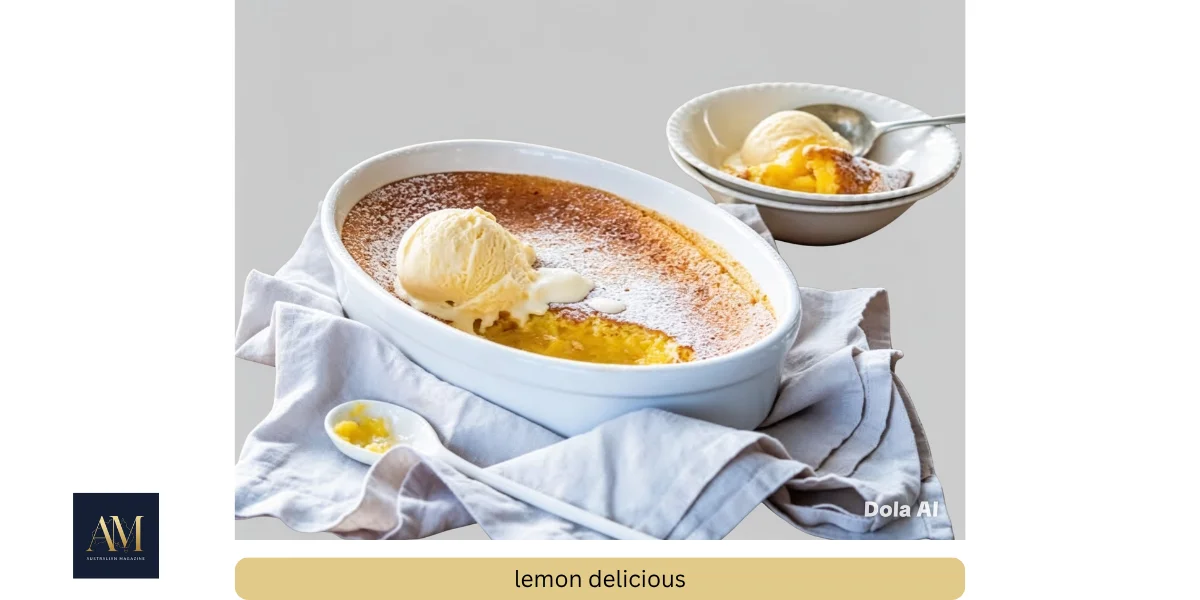
Lemon Delicious is one of those desserts that feels timeless the moment you taste it. Soft, warm, and gently tangy, it delivers the kind of comfort that only a true home-style pudding can provide. At first glance, it looks simple, but when bake,d it performs its famous little trick: a light sponge forms on top while a silky lemon custard settles underneath. That two-layer transformation is part of its charm, and it is exactly why the dessert has remained a favourite in Australian kitchens for generations.
What makes Lemon Delicious especially appealing is its balance. It is sweet without being heavy, sharp without being sour, and comforting without feeling dull. That is a difficult combination to get right, which is why well-made versions stand out. Maggie Beer’s take on the dish adds another layer of depth by using fresh lemons and a touch of Seville marmalade, giving the pudding a richer citrus profile and a more rounded finish.
Why Lemon Delicious Has Lasting Appeal
There is a reason this dessert continues to survive changing food trends. It is practical, affordable, and deeply satisfying. It also relies on ingredients most home cooks already have on hand.
Lemon Delicious works so well because it offers:
- bright citrus flavour
- a soft, custardy texture
- an appealing contrast between sponge and sauce
- a warm, nostalgic feel
- simple ingredients with impressive results
That combination makes it ideal for family meals, casual entertaining, and cool-weather desserts. It is the sort of dish that feels familiar even when served for the first time.
Maggie Beer’s Version: A Thoughtful Twist on a Classic
Maggie Beer’s Lemon Delicious recipe respects the traditional dessert while enhancing it in a very sensible way. The addition of Seville marmalade is particularly smart. Seville oranges have a naturally intense, slightly bitter citrus character, and when used careful,ly they deepen the pudding’s flavour without overwhelming it.
Her version includes:
- unsalted butter
- caster sugar
- lemon zest and juice
- Seville marmalade
- separated eggs
- self-raising flour
- full-cream milk
This is a classic ingredient list, but the method and citrus layering give the dessert a more polished result. It tastes like a homely pudding that has been refined by experience.
How the Magic Happens
The “magic” of Lemon Delicious lies in its structure. During baking, the batter separates into two distinct layers:
- The top rises and becomes light and sponge-like.
- The bottom stays softer and transforms into a creamy lemon custard.
This happens because of the way the egg whites are folded into the mixture and how the pudding bakes gently in a water bath. The bain-marie helps regulate heat, preventing the custard from becoming rubbery or overcooked.
That is the secret: not mystery, but temperature control and a well-balanced batter.
Step-by-Step Method Explained
Maggie Beer’s method is straightforward, but a few details matter.
1. Prepare the baking dish
Grease a 1.5-litre baking dish or four ramekins, then place them inside a deep roasting pan. This setup allows you to create a water bath later. It is an important step, not a decorative one.
2. Cream butter and sugar
Cream the softened butter and caster sugar until pale and fluffy. This helps create the right texture in the top layer.
3. Add citrus flavour
Stir in the lemon zest and marmalade. This is where the pudding starts to develop real character. The zest gives freshness, while the marmalade adds depth.
4. Beat in the egg yolks
Add the yolks one at a time. This builds richness and helps bind the mixture.
5. Fold in the flour and milk
Add the self-raising flour, then the milk, then the lemon juice. The batter will look thin. That is correct. Many home cooks panic at this stage and think they have done something wrong.
6. Whisk and fold the egg whites
Whisk the whites to soft peaks, then fold in one-third first before gently incorporating the rest. This is what gives the pudding lift.
7. Bake in a water bath
Pour the mixture into the dish, fill the roasting pan halfway with hot water, and bake at 160°C fan 150°C for 35–40 minutes until golden and set.
8. Serve warm
Dust with icing sugar and serve while still warm.
Expert Tips for Better Results
Even a simple dessert benefits from careful technique. Here are a few practical tips:
- Use fresh lemons. Bottled juice will not give the same brightness.
- Zest before juicing. It is much easier that way.
- Do not overwhisk the egg whites. Soft peaks are enough.
- Fold gently. Overmixing will knock out the air and reduce the sponge effect.
- Keep the water bath steady. Hot water should come halfway up the dish, not higher.
- Serve promptly. Lemon Delicious is at its best warm and freshly baked.
These small details make a large difference in the final texture.
Common Mistakes to Avoid
Lemon Delicious is forgiving, but several common mistakes can undermine it.
Using too much lemon juice
The dessert should taste bright and balanced, not aggressively sharp. Too much acidity can weaken the structure and throw off the sweetness.
Skipping the water bath
Without it, the custard can bake too quickly and lose its silky texture.
Overbaking
The top should be golden and set, but the base should remain creamy. If baked too long, the custard can become dry or curdled.
Folding too roughly
The pudding depends on air in the egg whites. Rough handling flattens the texture.
Serving it cold
This dessert is designed to be eaten warm. Cold Lemon Delicious loses much of its appeal.
How to Serve Lemon Delicious
This pudding is versatile enough to suit both simple family meals and more polished dinners. The classic accompaniments are:
- lightly whipped cream
- vanilla ice cream
- crème fraîche
- extra lemon zest
- a small spoonful of marmalade on the side
For a more elegant presentation, serve it in individual ramekins with a dusting of icing sugar and a few curls of lemon zest. For a home-style feel, bring the whole dish to the table and let everyone serve themselves.
Why Maggie Beer’s Twist Works So Well
Maggie Beer has always understood how to deepen a classic without overcomplicating it. In this dessert, the Seville marmalade adds a layered citrus note that complements the lemon rather than competing with it. It is subtle, but that subtlety is exactly what makes it effective.
The result is a dessert with more character, more complexity, and a slightly fuller flavour than a standard version. It still feels familiar, but it has more personality.
Future Outlook: Why This Dessert Still Matters
In a food world often dominated by elaborate trends, Lemon Delicious has staying power because it delivers real value. It is inexpensive, uses everyday ingredients, and rewards good technique. That matters more than ever.
As more people return to comfort baking and simple desserts with proper flavour, dishes like this remain relevant. They remind us that excellent food does not need to be complicated. It needs to be well made.
That is why Lemon Delicious still deserves a place on the table. It is heritage cooking at its best: humble, smart, and deeply satisfying.
Conclusion
Lemon Delicious is more than a nostalgic dessert. It is a beautifully balanced Australian classic that continues to earn its place because it simply works. The contrast between the soft sponge and the lemon custard gives it a unique appeal, while Maggie Beer’s version adds a refined citrus depth through fresh lemons and Seville marmalade.
For home cooks, it offers a reliable dessert with a touch of theatre. For diners, it delivers warmth, comfort, and brightness in one bowl. And for anyone who values timeless cooking, it remains a reminder that the best recipes are often the ones that combine simplicity with care.
Lifestyle
Maggie Beer Products: A Gourmet Australian Range Built on Flavour, Simplicity, and Quality

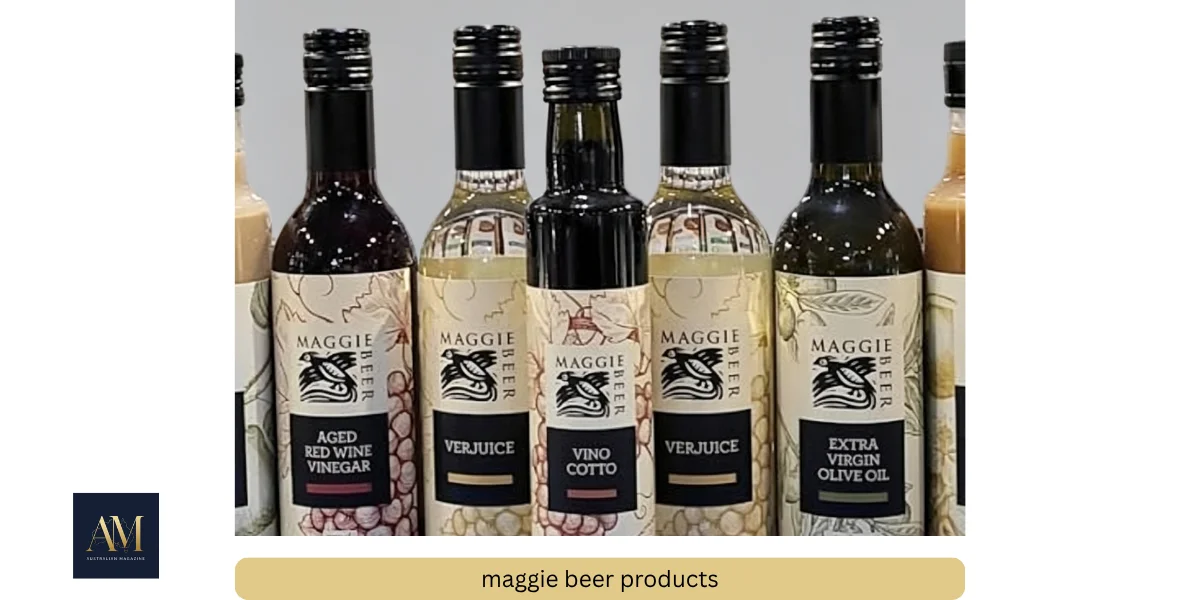
Maggie Beer products have earned a special place in Australian kitchens because they do something many food brands struggle to achieve: they feel both Premium and practical. Inspired by the Barossa Valley and made with a strong emphasis on natural ingredients, the range is designed for people who want flavour without fuss. From verjuice and fruit pastes to stocks, cheeses, preserves, and gift hampers, Maggie Beer’s products are built around one clear idea — good food starts with good ingredients.
What makes the range stand out is not just its reputation, but its consistency. These are products that home cooks can use every day, while still feeling worthy of a dinner party table. That balance is the real strength of the brand.
The Signature of the Range: Verjuice
If there is one product that best represents Maggie Beer’s philosophy, it is verjuice. This unfermented juice made from unripe grapes is one of the most distinctive pantry staples in Australian cooking. It is sharp, fresh, and gently acidic, making it incredibly useful in both savoury and sweet applications.
Verjuice is commonly used to:
- deglaze a pan after cooking meat
- brighten sauces and dressings
- balance richer flavours
- add acidity without the harshness of vinegar or lemon
For example, a splash of verjuice in a pan after searing chicken or lamb can lift the entire dish. It adds complexity without overpowering the main ingredients. That is exactly why it has remained one of the brand’s flagship products.
Fruit Pastes, Vinegars, and Oils: Small Products, Big Impact
Maggie Beer’s fruit pastes are another strong example of thoughtful food design. Varieties such as:
- Quince & Champagne
- Plum & Shiraz
- Fig & Brandy
- Pear & Vanilla
are particularly popular for being versatile and elegant. They pair beautifully with cheese boards, roasted meats, and desserts. A little goes a long way, which is often what consumers want from a Premium pantry item.
The same applies to the range of vinegars and oils. Products like Aged Red Wine Vinegar, Vino Cotto, Extra Virgin Olive Oil, and Verjuice Vinegar are the kind of ingredients that help cooks build flavour from the ground up.
Expert tip
When using Premium vinegars or fruit pastes, less is usually more. Start with a small amount, taste, and build gradually. These products are designed to enhance, not dominate.
Stocks, Sauces, and Dressings for Everyday Cooking
One of the strengths of Maggie Beer products is that they are not limited to special occasions. The stocks and sauces are a good example of that practicality.
Popular items include:
- Natural Beef Stock
- Chicken Stock
- Vegetable Stock
- Red Wine Finishing Sauce
- Lemon & Verjuice Dressing
These products save time and help home cooks achieve a more refined result. A good stock can transform a soup, risotto, or casserole. A finishing sauce can give a roast dinner the depth it needs. A well-made dressing can turn simple greens into something memorable.
For busy households, this matters. The brand offers convenience without the shortcuts that often weaken flavour.
Pâtés, Terrines, and Cheese Selection
Maggie Beer has also built a strong reputation in the Premium entertaining space. Her pâtés and terrines include favourites such as:
- Classic Pheasant Farm Pâté
- Duck Pâté
- Chicken Liver Pâté
These products suit grazing platters, starters, and elegant casual entertaining. They work especially well when paired with good crackers, fruit paste, and cheese.
The cheese range includes classics and indulgent options such as:
- Camembert
- Brie
- Truffle Brie
- Triple Cream Brie
- Vintage Cheddar
- Caramelised Onion Cheddar
The appeal here is obvious: these are foods that invite sharing. They are easy to serve, but they still feel special.
Common mistake
A common mistake with cheese boards is overloading them with too many competing flavours. Maggie Beer products work best when they are allowed to shine. Choose one or two cheeses, one fruit paste, a cracker, and a savoury spread. Simplicity usually tastes better.
Crackers, Wafers, and the Art of Pairing
No gourmet range is complete without supporting products, and Maggie Beer’s crackers and wafers do exactly that. Artisan crackers and fig & nut wafers provide texture and balance, especially when used with cheese, pâté, or preserves.
A good cracker should not just fill space on a board. It should support the other elements. That is where these products excel. They are sturdy enough to hold toppings, but delicate enough not to overwhelm them.
Drinks, Jams, and Dessert Sauces
The sweeter side of the range is just as appealing. Maggie Beer products include:
- Sparkling Chardonnay
- Sparkling Ruby Cabernet
- Quince Jelly
- Plum Jam
- Fig Jam
- Lemon Butter
- Caramel Sauce
- Chocolate Sauce
- Verjuice Syrup
These items are useful because they move easily between everyday use and entertaining. A spoonful of jam on toast, a drizzle of caramel on dessert, or a glass of non-alcoholic sparkling with a meal — each product has a clear purpose.
This is one of the reasons the brand works so well. It covers a broad range of occasions without losing its identity.
Hampers, Gifts, Cookbooks, and Homewares
Maggie Beer products are not limited to food alone. The brand also extends into gifting and lifestyle, with ready-made hampers such as:
- Absolute Essentials
- Cheese & Wine
- Grazing Hamper
- Sweet Treats
These are practical gifts because they take the guesswork out of Premium entertaining. They also reflect the brand’s strongest selling point: an easy way to give something that feels thoughtful.
The broader product universe includes:
- cookbooks such as Maggie’s Table, Recipe for Life, and Maggie’s Kitchen
- homewares like cheeseboards, aprons, rolling pins, and tea towels
This makes the brand feel complete. It is not only a food range; it is a full gourmet lifestyle experience.
Where to Buy Maggie Beer Products
In Australia, Maggie Beer products are widely available through:
- Coles
- Woolworths
- independent delis
- the official website
- the Barossa Farm Shop
Internationally, availability is more limited and usually depends on gourmet importers.
For consumers, this distribution model matters. It means the products are both accessible and special. You do not have to hunt them down in a niche store, but they still have the feel of a Premium find.
How to Use the Range Well
For best results, think of Maggie Beer products as building blocks rather than one-off purchases.
Here are a few practical combinations:
- Cheese board upgrade
Camembert, fig paste, fig & nut wafers, and sparkling non-alcoholic wine. - Easy roast dinner enhancement
Chicken stock, red wine finishing sauce, and verjuice for balance. - Elegant dessert plate
Lemon butter, caramel sauce, and fresh fruit. - Quick entertaining platter
Duck pâté, artisan crackers, quince jelly, and cheddar.
These combinations work because they follow a simple principle: balance richness, acidity, sweetness, and texture.
Future Outlook
The future of Maggie Beer products looks strong because the brand is aligned with where food culture is heading. Consumers increasingly want:
- natural ingredients
- transparent sourcing
- Premium pantry staples
- convenient entertaining options
- foods that feel both local and authentic
That gives the range long-term relevance. In a market full of short-lived food trends, Maggie Beer products continue to stand out because they are rooted in taste, not hype.
Conclusion
Maggie Beer products have become iconic for good reason. They combine Barossa-inspired character, natural ingredients, and practical use in a way that few gourmet brands manage. Whether it is verjuice, fruit paste, stock, cheese, preserves, or a thoughtfully assembled hamper, each product reflects a clear and confident food philosophy.
For home cooks, the range offers reliable ways to improve everyday meals. For entertainers, it brings polish and ease. And for gift buyers, it provides something genuinely worthwhile. That combination of quality, versatility, and authenticity is what keeps Maggie Beer products at the top of Australia’s gourmet food conversation.
Pretty Girls: Beauty, Bias, and the Bigger Picture
Big Sky Publishing: An Australian Publisher with a Distinctive Voice
Lemon Delicious: The Classic Australian Dessert That Never Goes Out of Style
Maggie Beer Products: A Gourmet Australian Range Built on Flavour, Simplicity, and Quality

Human-in-the-loop customer service: how NeonNow IQ divides contact centre work between AI and people

JK Kazzi: The Charismatic Voice of a New Generation of Cultural Influencers

Leigh Pickford: A Story of Strength and Resilience in the Public Eye

Veronica Neave: A Multifaceted Force in Australian Arts

Melissa Agnew: Mastering the Art of Authentic Voice in Australian Media

Love Island Australia 2026: Why Fans Chasing Fiji Villa Gossip Online Need to Slow Down Before They Click
-
 Celebrity12 months ago
Richard Zachariah – The Story of a Gentleman Journalist
-
 Lifestyle12 months ago
Matt Moran Liberal-From Service to Leadership in Western Australia
-
 Lifestyle5 months ago
Top Fashion Trends Australia 2026: What Australians Are Wearing Now
-
 Lifestyle5 months ago
Spring 2026 Fashion Trends: The Complete Style Guide
-
 News10 months ago
Beau Lamarre-Condon – Inside the Case, the Charges, and the Court Timeline
-
 News9 months ago
Margaret Beazley- From Federal Court Judge to NSW Governor
-
 Celebrity11 months ago
Why the Neil Patrick Harris Amy Winehouse Cake Went Viral Again
-
 News12 months ago
Samuel William Davidson – The Oatlands Tragedy, Sentence & the Power of Forgiveness