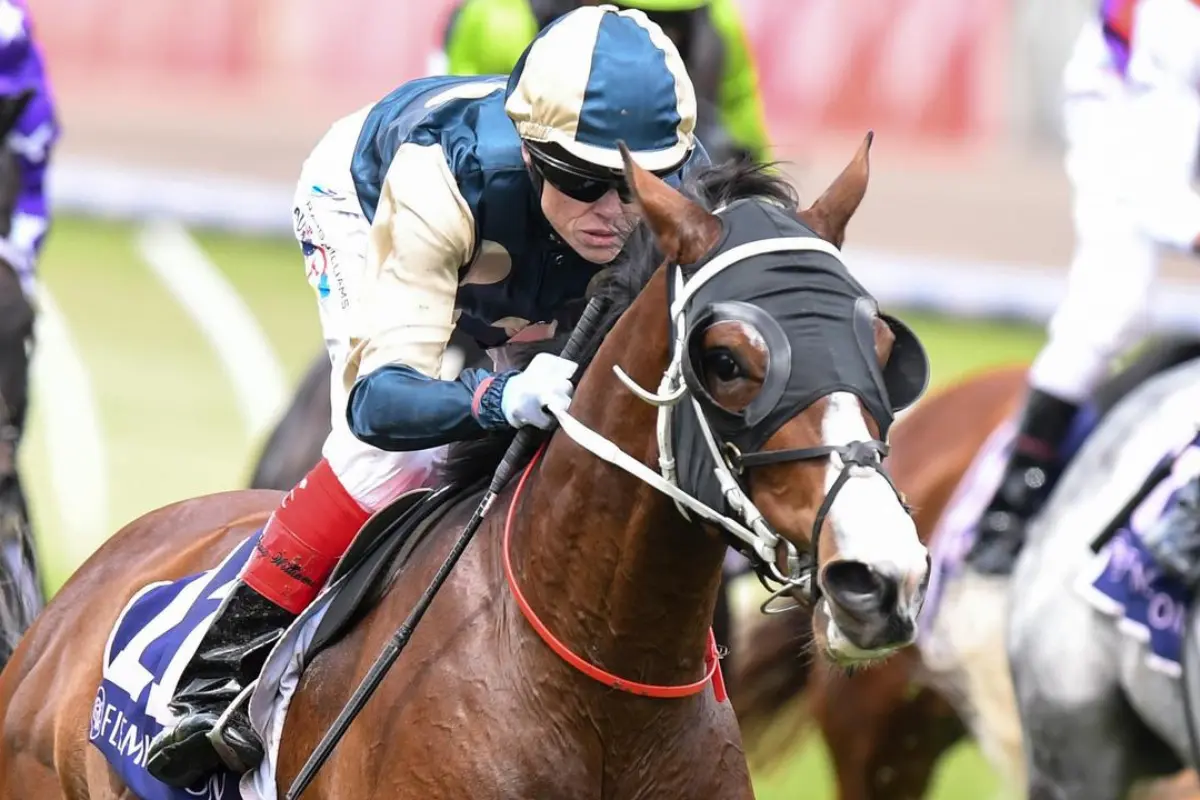

The Soulcombe Horse story reflects an elite imported stayer shaped by patience, resilience, and tactical racing intelligence in Australia’s toughest staying contests. His journey through the Melbourne Cup, injury setbacks, and careful campaign management highlights how talent and timing define success at the highest level.
Introduction
The soulcombe horse is recognised in Australian racing as an imported stayer with proven Group 1 form, shaped by elite training, careful campaign planning, and high-level Cups performance. His profile reflects a blend of European stamina and Australian racecraft, built through experience at the highest level.
Quick Bio
| Aspect | Details | Brief Explanation |
| Name | Soulcombe | Established stayer with elite racing profile |
| Type | Gelding | Calm temperament aids long-distance racing |
| Pedigree | Frankel | Elite bloodline known for class and stamina |
| Trainer | Chris Waller | Specialist in European imports and Cups horses |
| Racing Base | Australia | Adapted well to local tempo and tracks |
| Signature Win | Queen’s Cup | Breakthrough Flemington performance |
| Major Result | 2023 Melbourne Cup runner-up | Proven two-mile stamina |
| Racing Style | Strong finisher | Relies on tactical speed late |
| Key Challenge | Barrier manners | Slow starts affected positioning |
| Ownership | Ozzie Kheir group | Patient campaign management |
The Rise of an Imported Stayer
The soulcombe horse entered Australian racing with a profile that immediately stood out, not through hype but through performance, pedigree, and intent. As an imported stayer and Group 1 performer, Soulcombe arrived carrying the expectations that follow a Frankel gelding, yet he quickly justified them by adapting to Flemington, Australian tracks, and the demands of elite staying races. From my experience watching European imports transition locally, few settle as cleanly as Soulcombe, and his early runs confirmed he belonged among Melbourne Cup contenders rather than developmental projects.
His breakout moment came through the Queen’s Cup, where the soulcombe horse displayed a rare mix of stamina, tactical speed, and a late turn of foot that Australian staying races often reward. That performance reframed him from an interesting import into a genuine Cups campaign horse, setting a clear path through races like the Underwood Stakes, Turnbull Stakes, and ultimately the Melbourne Cup.
The Melbourne Cup Campaign That Defined Him
Every serious stayer earns identity in the Melbourne Cup, and the soulcombe horse carved his place by finishing runner-up in the 2023 Melbourne Cup behind Without A Fight. That effort reflected not only ability but durability across a demanding preparation shaped by Chris Waller, whose handling of European stayers relies on patience rather than constant racing. I’ve seen many Cup horses peak too early; Soulcombe did the opposite by building progressively.
Leading into the Cup, his form through the Heatherlie Handicap, Underwood Stakes, and Turnbull Stakes showed a horse peaking at the right time. Even when things went wrong earlier in the Caulfield Cup, where a missed start of five to six lengths cost him position, the soulcombe horse still closed strongly. That closing effort told seasoned watchers he remained a serious two-mile threat despite tactical setbacks.
Gear Changes, Barrier Manners, and Racing Intelligence
The soulcombe horse never lacked engine, but small details shaped his outcomes. Barrier manners, slow starts, and pre-race behaviour forced Chris Waller to adjust gear, blinkers, and pre-race routines. Removing blinkers may sound minor, but I’ve learned that such decisions often unlock horses that already understand racing. Trackwork feedback, rider input, and morning gallops all suggested Soulcombe worked cleaner without blinkers, a move that aligned with his natural rhythm.
Allowing Joao Moreira to let the horse stretch his legs before the start added sharpness, while moving away from the pony routine helped him stay mentally engaged. These refinements mattered because Australian Cups reward tactical speed, not just raw stamina, and the soulcombe horse needed every chance to use his strengths at the right time.
Injury Setbacks and the Reality of Elite Racing
High-level racing rarely follows a straight line, and the soulcombe horse faced repeated tests through injury setbacks that delayed his return after the Melbourne Cup. Issues involving an off-fore leg injury, extended rehabilitation, and precautionary spells sent him back to the paddock when connections hoped for a Group 2 Hollindale Stakes return over 1800m at the Gold Coast.
From an ownership perspective, decisions like these define responsible management. Ozzie Kheir, acting as managing part-owner, consistently prioritised horse welfare, awaiting scan results before committing to any spring campaign. In my view, this patience preserved the long-term value of the soulcombe horse, even when frustration naturally followed interrupted plans.
Ownership Strength and Stablemate Context
The soulcombe horse benefits from a strong ownership group that understands top-level racing cycles. Shared interests with horses like Buckaroo, the Underwood Stakes winner and Caulfield Cup runner-up, and Interpretation, the Bendigo Cup winner trained by Ciaron Maher and David Eustace, place Soulcombe within a broader strategic framework rather than isolated ambition.
This approach reflects a deeper understanding of Australian racing, where timing, placement, and adaptability often matter as much as raw ability. European sourcing, patient conditioning, and selective targets shaped Soulcombe into more than just another imported stayer.
Measuring Against Rivals Like Vauban
Any modern Cup discussion eventually circles Vauban, and comparisons remain unavoidable. While Vauban, trained by Willie Mullins and ridden by Ryan Moore, entered as favourite, the soulcombe horse offered a different threat profile. Where European stayers sometimes rely on relentless tempo, Australian Cups demand tactical awareness, especially when races slow mid-run and sprint late.
Agents like Mathew Becker openly acknowledged that if the race turned into a muddling tempo, or if a runner like Vauban faced traffic near the fence, horses with a sharp turn of foot could capitalise. The soulcombe horse fitted that scenario better than many realised, which explains why connections stated they would not swap him for any runner in the field.
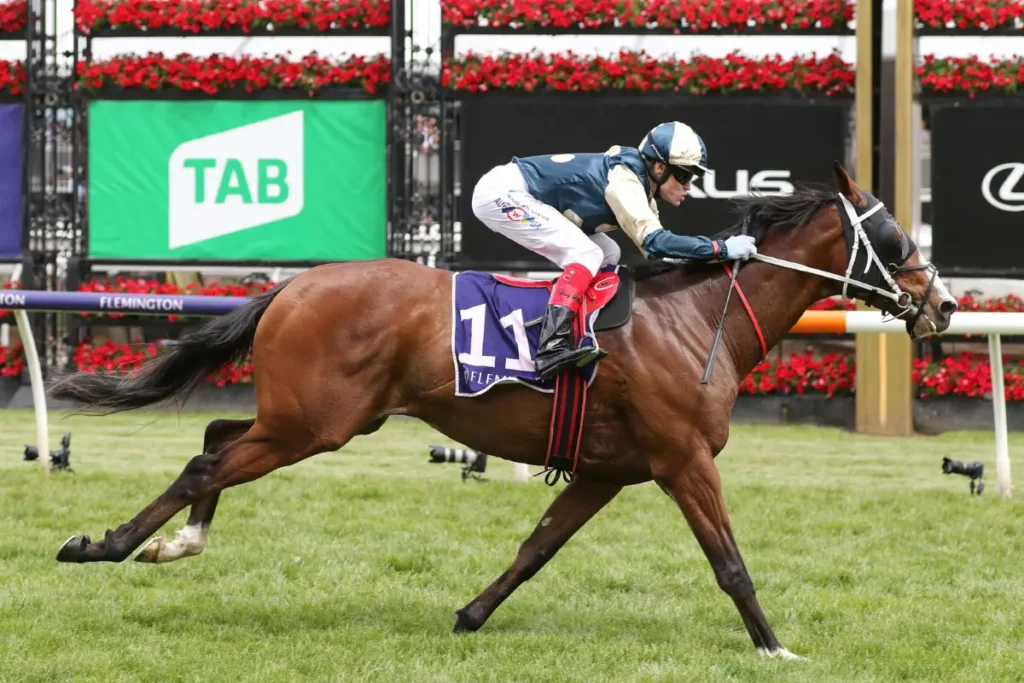
A Career Still Defined by Potential
The soulcombe horse stands as a reminder that elite stayers rarely follow predictable scripts. His journey blends talent, injury management, gear adjustments, and race-day nuance, all within the unforgiving environment of Australian Group racing. From my professional standpoint, his story reflects why Cup horses earn respect beyond trophies; they reveal resilience through adversity.
If soundness aligns with opportunity, the soulcombe horse still owns the profile to influence future spring campaigns, whether through Cups, weight-for-age contests, or selective international paths. Racing rarely grants second chances easily, but horses with this combination of form, stamina, and tactical speed often find their moment again.



Leave a Reply