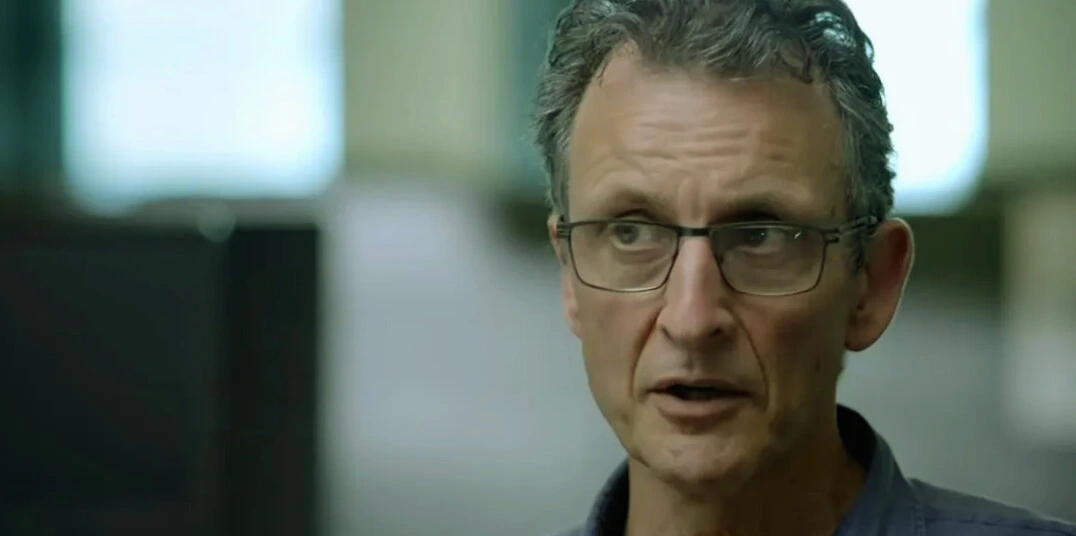

Richard Guilliatt is one of the few journalists in Australia who can balance intelligence, honesty, and the art of storytelling. Guilliatt is a great example of modern journalism because he lets facts breathe instead of forcing them into headlines. He is known for his in-depth reporting, calm voice, and interest in how truth connects with history and culture.
Richard Guilliatt has written for some of the most respected magazines in the world for more than 30 years. He has also written well-known books and helped set standards for investigative reporting at The Weekend Australian Magazine. His work is a masterclass in how to be persistent, independent, and let a story unfold on its own terms.
Richard Guilliatt’s Early Life and Background
Richard Guilliatt was born in the UK, but he and his family later moved to Australia, where he started a lifelong love of writing. Not much is known about his early family life, which is probably because he wanted to keep the focus on work rather than his personal life. However, his journey to a new country and his early experiences clearly shaped his view of the world.
Guilliatt has said in interviews that he has always been fascinated by words and curious about things. Living between continents as a child exposed him to different cultures, histories, and media traditions, which would later shape the way he reported on events in other countries. Australia gave him the tools he needed to write honestly, and Britain gave him a sense of history.
School and First Steps into Journalism
Guilliatt’s formal education naturally led him to writing, but his real professional training started when he started working in newsrooms in the late 1970s. He started working as a cadet journalist at The Truth newspaper in 1978. At the time, it was one of the busiest and most chaotic places to learn.
The Truth newsroom was rough around the edges, but it was very useful. Reporters had to meet tight deadlines, use simple language, and learn how to find stories that mattered to regular people. Guilliatt has said that those first few years were “an initiation into storytelling that never left me.” The experience taught him that the journalist’s most important tools are clarity and curiosity.
Guilliatt worked for a few years as a local reporter before moving to The Age in Melbourne. There, he honed his feature-writing voice and developed the calm, observational style that would later define his long-form work. His bylines started to show up on articles that combined investigation with empathy, looking at changes in society, what drives people, and moral complexity.
Richard Guilliatt’s Move Abroad: The New York Years
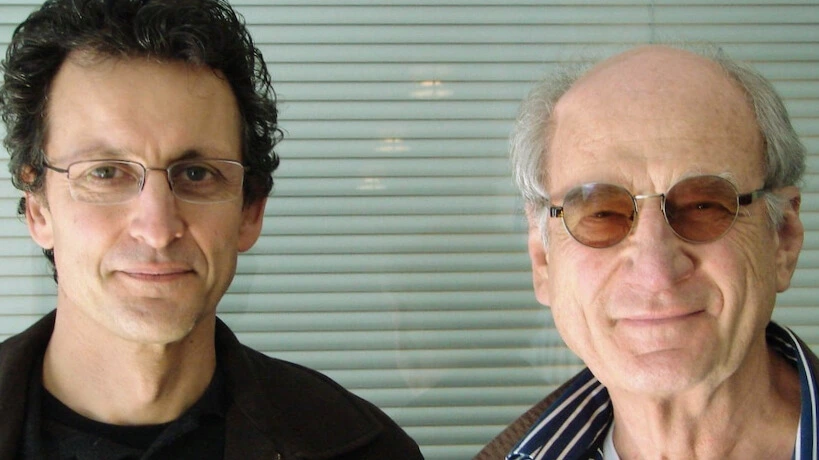
Richard Guilliatt made a brave move in 1986 when he moved to New York City, which was then one of the most competitive places in the world for media. The choice changed everything. Instead of working in one newsroom, he worked as a freelance journalist for big international news organizations like The Independent, The Sunday Times Magazine, The New York Times, and The Los Angeles Times.
Guilliatt was able to take part in some of the most interesting cultural and political conversations in the world while living in New York in the late 1980s. During this time, he wrote about international politics, social trends, and human-interest stories, always based on thorough research and clear writing.
He later thought about that time with his usual modesty:
“It’s part of the job description that you should be ready to write a lot of different kinds of stories.”
That ability to do many things became one of his trademarks. Whether profiling artists, unpacking social panics, or investigating historical controversies, Guilliatt approached every subject with the same steady curiosity.
Go back to Australia and The Weekend Australian Magazine
Richard Guilliatt came home after living abroad for years. He brought with him an international perspective and a new appreciation for how deep local stories can be. He became a senior writer and important voice at The Weekend Australian Magazine in 2006 and has been there ever since.
Guilliatt’s long-form features in The Australian have covered a wide range of topics, including political scandals, scientific ethics, forgotten parts of history, and the contradictions of modern culture. He takes his time when he writes, often spending months researching before publishing. The result is journalism that lasts.
One editor at The Australian once described him as “the antidote to the clickbait era” — a writer whose commitment to depth and accuracy reminds readers what investigative reporting can achieve when it resists haste.
Books by Richard Guilliatt – The Investigator as Historian Talk of the Devil (1996)
Talk of the Devil: Repressed Memory and the Ritual Abuse Witch-Hunt was Guilliatt’s first big book. It dealt with one of the most controversial topics of the 1990s: the wave of alleged “Satanic ritual abuse” cases in Australia and other countries. Using court records, psychological research, and interviews, Guilliatt showed how false memories, bad therapy techniques, and media coverage worked together to ruin lives and reputations.
People liked the book because it was brave and fair. Rather than sensationalising the issue, Richard Guilliatt dissected the mechanisms of collective hysteria and the role of institutions in fuelling moral panic. Long before the time of viral conspiracy theories, it became a touchstone for journalists and psychologists who were looking into false information.
Guilliatt later said that the project changed how he thought about his job:
“The job of a reporter isn’t just to expose wrongdoing; it’s also to figure out how we make our own myths.”
That understanding would shape a lot of his later work.
The Wolf (2009) with Peter Hohnen
Guilliatt and historian Peter Hohnen wrote The Wolf: How One German Raider Terrorised Australia — and the Southern Oceans in the First World War more than ten years later. The book tells the amazing story of a German commerce raider that sailed the Indian and Pacific Oceans during World War I, laying mines, capturing merchant ships, and avoiding Allied navies for more than a year.
The Wolf combined careful research with a strong story, which led to comparisons with the best historical thrillers. It was nominated for a number of literary awards and became a bestseller all over Australia. Historians liked it because it made both sides of the war story more real and showed how the war affected Australia from afar.
Guilliatt talked about why he was so interested in interviews:
“History isn’t just what happened; it’s also what we remember and what we choose to forget.” Writing The Wolf was about bringing back a story that Australia had almost lost.
Richard Guilliatt’s Investigative Style and Themes
Richard Guilliatt has always had the same style: calm, precise, and understanding, but not afraid to call out lies or hypocrisy. His writing style combines storytelling with in-depth research, which lets readers feel both the pace of a story and the weight of the evidence behind it.
His long-form investigations for The Weekend Australian Magazine have looked into:
- Manipulating the media and the truth: including stories about wellness influencers and the pseudoscience culture.
- Health and identity: examining memory, trauma, and moral panic—recurring themes from Talk of the Devil
- Sports and morals, like how professional sports deal with concussions.
- Historical rediscovery: bringing back to life parts of Australia’s past that have been forgotten in a literary way.
The tone of Guilliatt’s work is what sets it apart. Instead of moralizing, he gives facts in a balanced and nuanced way. He talked about his method on a Penmanship podcast in 2017:
- “I like stories that show a contradiction, where people’s good intentions clash with systems that don’t work.”
That quiet observation explains why his articles are still readable years later: they are based on both empathy and evidence.
Awards and Praise
Richard Guilliatt has been praised by other craftsmen who value skill over show. He won the Walkley Award for magazine feature writing in 2000 for his work exposing manipulation in public narratives. This is Australia’s highest honor for journalists. The award made him known as one of the best investigative journalists in the country.
He has also been nominated for many media awards for his books and magazine articles. Guilliatt, on the other hand, rarely talks about these accomplishments in public. People who work with him often say he’s “allergic to self-promotion” and would rather let his writing speak for itself.
His peers see him as part of a small group of Australian journalists, along with people like David Marr and Kate McClymont, who still believe in long-form reporting even though newsrooms are getting smaller and digital timelines are getting faster.
Work Ethic and Philosophy
When you listen to Guilliatt talk about journalism, you can hear a mix of curiosity, doubt, and compassion. He thinks that to write well, you have to understand people, not judge them. His coworkers at The Australian say that he often spends months interviewing sources, looking through archives, and checking facts before turning in a story that seems easy to read but is based on a lot of research.
He once told a journalism student, “You can’t rush a story that matters.” “You haven’t listened enough if it still feels raw or unclear.”
That kind of patience is hard to find in an industry that moves quickly. Guilliatt’s method reminds younger reporters that trust is what keeps journalism going in a time of doubt, and that trust is built on accuracy and empathy.
Teaching and being a mentor
Richard Guilliatt isn’t a formal academic, but he has been asked to speak at journalism conferences and writer festivals many times. There, he talks about investigative methods and narrative discipline. He informally mentors new journalists by giving them advice on how to balance evidence with the art of storytelling.
His main piece of advice, which he gave in interviews, is simple:
“The best stories are the ones that even surprise you.” You won’t find the truth if you go in thinking you already know how it ends.
That idea—curiosity first, conclusion later—has become a quiet motto for the next generation of Australian writers who look up to him.
Individual Privacy and Character
Richard Guilliatt, on the other hand, keeps his private life completely private. There aren’t any public records that go into detail about his parents, marriage, or kids. His work, on the other hand, gives the best picture of his values: humility, fairness, and self-control.
People who know him say he is kind, funny, and humble. They say he would rather listen than talk. His lack of interest in chasing after famous people has only made him more credible. A peer called Guilliatt “a journalist’s journalist” in an age when many journalists become brands.
What they do now and how they affect things
Richard Guilliatt is still a senior writer for The Weekend Australian Magazine as of the middle of the 2020s. A lot of people read and quote his essays and investigations in Australian media. His most recent work shows that more and more people are interested in the relationship between technology, truth, and social trust. It looks at how false information spreads and how journalism can fight it.
Guilliatt’s calm, clear voice can be heard in podcasts and panel discussions about narrative nonfiction, investigative ethics, and the growth of Australian journalism. He has a unique ability to connect the past to the present because he is both aware of history and curious about the present.
He once said, “The truth is usually complicated, and that’s what makes it worth chasing.”
That sentence sums up his life’s work: making hard-to-read things easier to read and reminding people that the first job of journalism is not to make people angry but to help them understand.
Richard Guilliatt’s Legacy
Richard Guilliatt has been a reporter for a long time, as shown by the headlines. He is one of Australia’s most famous storytellers, based on how much influence he has. His work spans continents, mediums, and eras, but they all share a common moral center: the idea that truth, no matter how inconvenient, deserves time and attention.
Guilliatt has spent his whole life turning information into insight. He has done everything from finding false memories to writing about wars that have been forgotten, from teaching younger journalists to questioning the blind spots in his own profession.
His writing lasts not because it yells, but because it hears.
In an industry that is often defined by urgency, Richard Guilliatt offers a slower, more human view of journalism. In this view, words still matter, empathy shapes evidence, and every story starts with curiosity instead of assumption.
He once said, “The job is to ask the next question.” Then the next one after that.
That might be why people in Australian newsrooms respect him, not as a celebrity but as a standard.



Leave a Reply