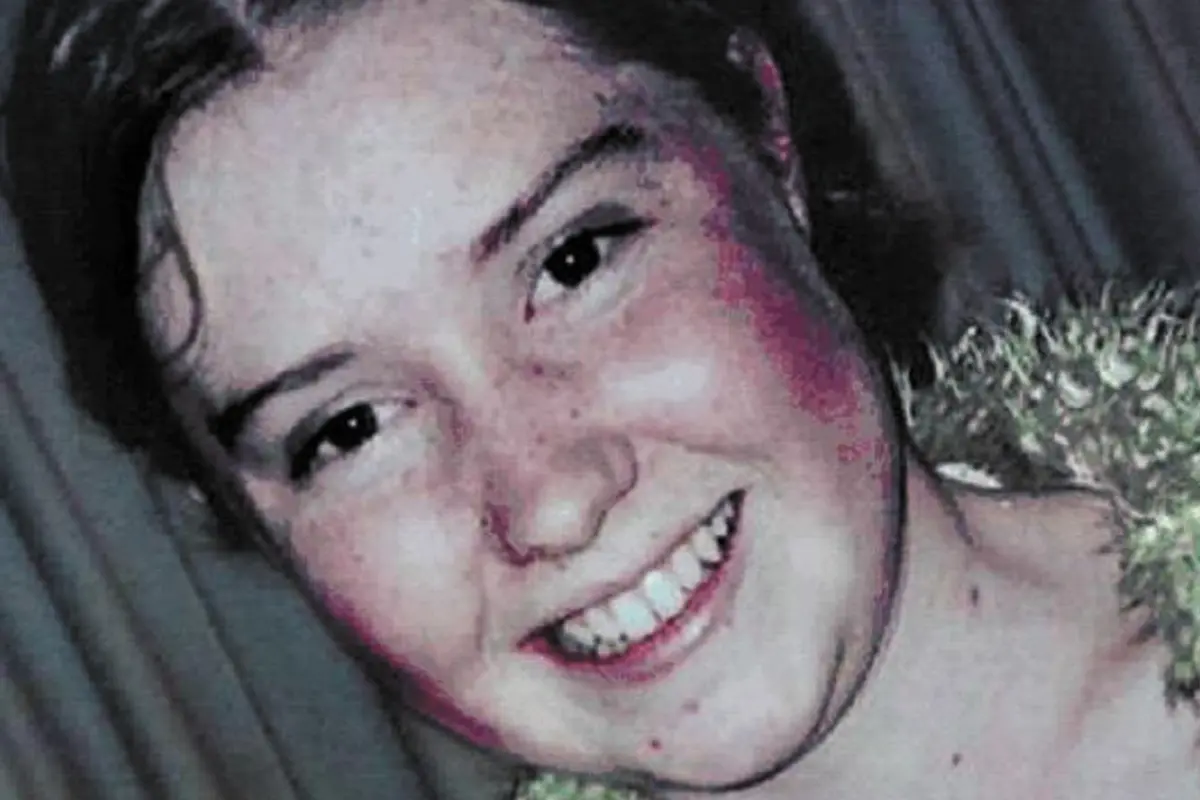

Jason Nicklason was the last known person to see Niamh Maye, an 18-year-old from Armidale, alive during her gap year fruit-picking trip in Southern NSW. Despite extensive investigations, coronial inquests, and a $250,000 reward, Niamh’s disappearance remains unsolved, leaving a lasting impact on her family and community. Media coverage, including podcasts and websites, continues to explore Jack’s role and the mysterious timeline of events.
Introduction / Background
The story of Jason Nicklason intersects tragically with the disappearance of Niamh Maye, a bright and ambitious 18-year-old from Armidale, NSW. During her gap year, she engaged in fruit picking across various orchards in Batlow and Tumut, seeking both experience and a way to earn casual money. Niamh had a strong academic background with impressive HSC results and had secured a place at UTS to study film production, showing her dedication to both education and personal growth. Her plans for Easter with her family, including sister Fionnuala and brother Kieron, never came to fruition, as she vanished during a short regional journey that has since become one of Australia’s most enduring missing person cases.
Her disappearance reflects the risks faced by youth undertaking independent travel, especially when navigating regional areas far from home. The combination of camping, holiday plans, and fruit-picking work created a complex backdrop for what should have been a simple travel plan, highlighting how quickly innocent trips can turn into life-altering events. Over the past 22 years, the story of Niamh Maye has been pieced together through police reports, witness accounts, coronial inquests, and media coverage, emphasizing the long-lasting consequences of one fateful decision in a teenager’s life.
In reflecting on Niamh’s youth and planning, it becomes evident that her adventurous spirit and determination to make the most of her gap year were typical of ambitious students. Yet, the combination of regional travel, reliance on casual transport, and interactions with unpredictable individuals like Jason Nicklason created a scenario that would challenge even the most careful and prepared young person. The Australian regional setting, with its vast landscapes and sparse population, adds a layer of complexity to investigations, as events in areas like Batlow, Jingellic, and Tumut are harder to monitor and document, leaving critical gaps in the timeline.
Disappearance Details
Niamh Maye’s journey home began with seemingly mundane complications. On March 27, she encountered difficulties with her bus ticket from Batlow to Cootamundra, which she had planned to use to meet her friend Joel in Sydney. She never arrived, and her carefully packed backpack, containing clothing, camera, camping gear, and cookware, remained missing. What should have been a routine Easter weekend trip evolved into a complex missing case, punctuated by unaccounted hours, hitchhiking attempts, and disrupted regional transport schedules.
Her itinerary, though carefully designed, faced several obstacles, including delays, oversold bus tickets, and the challenges of moving across rural transit networks. Niamh’s responsibility and foresight—having booked and paid for her ticket—highlight her maturity and planning skills. Yet the unpredictability of regional logistics and the presence of unknown factors, such as fellow travelers and unexpected encounters, created vulnerabilities that eventually left her missing.
Even after the journey began, Niamh’s short-term decisions, like traveling to camp at Jingellic, introduced additional variables. She relied on friends and casual transport arrangements, which in hindsight exposed her to risks inherent in remote travel. This scenario illustrates the dangers of regional and holiday travel for young people, emphasizing the need for constant awareness, contingency planning, and the importance of sharing itineraries with family. The unaccounted hours and misaligned travel plans during her journey remain critical focal points in understanding the timeline of her disappearance.
The physical setting of the region also complicated the case. Sparse roads, dense forests, and isolated orchards in Southern New South Wales created areas where a person could disappear without a trace, making search and rescue operations particularly challenging. The distance between Batlow, Jingellic, and Tumut, along with the nature of the terrain, added complexity to investigations, requiring air and land searches and extensive coordination between local and regional police units.
Jason “Jack” Nicklason’s Role
Jason Nicklason, also known as Jack, plays a pivotal role in the disappearance of Niamh Maye. He offered her a lift in his black HT Holden Hearse from the Jingellic campground to Tumut, accompanied by Garth Gemmell. Jack claimed to have dropped her off along the side of Gocup Road so she could hitchhike, a story that remains highly disputed. Within hours of this incident, he sold his vehicle, an action that raised immediate suspicion and scrutiny.
Observations from friends and community members suggested a noticeable shift in Jack’s behavior after Niamh’s disappearance. He became withdrawn, moody, and depressed, with some reports linking these changes to drug abuse. His later involvement in a violent assault and rape in Brisbane, during which he attempted to evade law enforcement, culminated in his death by suicide while in custody.
The timeline of Jack’s interactions with Niamh, coupled with his unexplained absences during unaccounted hours, and the sale of his vehicle, make him the last known person to see her alive and the central figure in ongoing investigations. Analyzing his behavioral patterns, movements, and interactions with witnesses provides insight into the difficulties faced by authorities in reconstructing events accurately.
Jack’s story underscores the complex interplay between personal decisions, criminal behavior, and their consequences on innocent individuals. His actions highlight the challenges of investigative work in regional settings, where gaps in witness accounts, timelines, and transport tracking can leave critical questions unanswered for decades.
Investigation / Coronial Inquest
Following Niamh’s disappearance, authorities conducted extensive investigations, culminating in a coronial inquest in 2012 in Glen Innes, presided over by Coroner Hugh Dillon. The inquest established that Niamh likely died near Tumut around March 30-31, 2002, though the exact circumstances remain unclear. Despite searches and investigative efforts, no new arrests occurred, and Jack’s suicide complicated further inquiry. No other named suspects emerged, leaving a trail of unresolved questions.
The inquest report revealed gaps in evidence collection, reliance on hearsay, and procedural challenges that prevented conclusive outcomes. Witnesses were limited, timelines were uncertain, and the rural nature of the region made it difficult to verify statements. This inquest demonstrates how even systematic legal processes face obstacles when evidence is scarce and witness reliability is variable.
The investigation highlighted the need for meticulous attention to procedural protocols, proper case documentation, and reliance on expert testimony. It also illustrates the enduring emotional toll on families and investigators alike when closure is delayed or incomplete. Understanding these investigative challenges sheds light on why the disappearance remains unsolved and why Jason Nicklason continues to occupy a central role in discussions about the case.
Family Impact
The impact of Niamh’s disappearance on her family, including Anne and Brian Maye, has been profound. Their lives have been marked by decades of grief, mourning, and uncertainty, symbolized by daily acts such as lighting candles in memory of their daughter. The loss created a gaping hole in family milestones, including weddings, grandchildren, and birthdays.
Anne and Brian’s approach reflects remarkable resilience and acceptance. They found ways to preserve Niamh’s spirit through rituals, memory, and a continued search for justice. Emotional coping, reflection, and the desire for closure demonstrate how families navigate the complex aftermath of missing person cases. This human perspective provides a critical lens for understanding the consequences of Niamh’s disappearance beyond the investigative and legal framework.
The story also emphasizes the psychological impact of unresolved cases on parents, siblings, and extended family. While the passage of time can offer some perspective, it cannot replace the loss experienced or provide the certainty families desperately seek. The enduring hope of discovering Niamh’s fate illustrates the intersection of personal grief, public inquiry, and legal accountability in missing person cases.
Media Coverage / Podcasts
In recent years, the story has received renewed attention through the Casefile Podcast, which launched a 12-part series titled Missing Niamh. The podcast combines journalism, investigative reporting, and storytelling, exploring the complex web of events surrounding Niamh’s disappearance.
The family also created the website missingniamh.com, serving as a digital archive and a platform to encourage public participation. Media coverage provides not only factual updates but also insight into the regional lifestyle of fruit picking, holiday travel, and the broader social context in which Jason Nicklason became involved.
These media efforts highlight how modern platforms can amplify attention, maintain public interest, and provide new avenues for information gathering. Podcasts, websites, and social media engagement illustrate the evolving tools available to support unsolved missing person cases.
Rewards / Recent Updates
Recognizing the importance of community participation, NSW Police announced a $250,000 reward in 2023 for information leading to the discovery of Niamh’s remains, arrest, or conviction of those responsible. The reward incentivizes the public to contribute tips, ensuring that even small pieces of evidence are valued in reconstructing events.
The reward underscores the ongoing commitment of law enforcement to resolve this long-standing case. By highlighting the significance of every clue, authorities aim to close the decades-long gap in knowledge surrounding Niamh’s disappearance and to hold Jason Nicklason and any potential accomplices accountable. Public cooperation, combined with meticulous investigative work, remains essential to providing justice and closure for the family.



Leave a Reply