

This article explores the Mitchell Callaway case in depth, focusing on the legal process, medical evidence, and coronial findings surrounding the death of a nine-month-old baby. It explains how the murder charge was withdrawn, why uncertainty remained, and how authorities balanced evidence, accountability, and ongoing investigation.
Introduction
The case involving Mitchell Callaway gained national attention because it unfolded slowly across courts in Central West New South Wales, shaped by a long investigation, contested medical evidence, and strict legal standards. As a former X Factor contestant and former X Factor participant, his public identity shifted dramatically when the death of a baby placed him at the center of a serious legal case. From experience following coronial and criminal matters, cases like this show how justice systems operate when certainty remains difficult to reach.
From Entertainment to Legal Scrutiny
Before legal proceedings began, Mitchell David Callaway was known mainly for his appearance in entertainment rather than any involvement with the courts. Once allegations emerged, public attention intensified due to his media background, which amplified scrutiny at every stage of the investigation. This shift from public figure to subject of legal examination created a complex environment where perception and legal process often collided.
Background of the Case
The case centered on the death of a nine-month-old baby girl who was in care during July 2018 at a home in Binnaway, a small town in western New South Wales. Mitchell David Callaway, then 39, became linked to the incident because of his role at the time, which led to extended police and coronial attention. The local community remained deeply affected as the matter progressed over several years.
Emergency Response and Timeline
On July 23 2018, emergency services received a call shortly after 10am reporting the baby as unresponsive, triggering an urgent response. NSW Ambulance paramedics transported her to Coonabarabran Hospital, where doctors worked to save her life. Despite sustained medical efforts, the baby’s death prompted mandatory medical and legal review procedures.
Medical Findings and Evidence
An official autopsy produced the core medical evidence examined by the courts, revealing significant head injuries, including a skull fracture and bruising. These findings raised immediate concerns due to the infant’s age and vulnerability. Medical reports formed the foundation for later expert testimony and legal argument.
Uncertainty in Medical Interpretation
Despite clear injuries, medical experts could not establish a single explanation for how or when the harm occurred. They advised the coroner that the injuries were consistent with accidental infliction or deliberate infliction, leaving open competing interpretations. The exact cause of death, timing, and progression of the injuries remained unknown, limiting legal certainty.
Coronial Inquest Begins
A formal coronial inquest began in December 2022 to address unanswered questions surrounding the baby’s death. The process examined medical records, emergency responses, and witness accounts without assigning criminal guilt. Coronial proceedings focus on understanding circumstances rather than determining responsibility.
Legal Escalation and Murder Charge
In 2023, authorities charged Mr Callaway with murder, which temporarily halted the coronial process. Police alleged that a fatal assault occurred while he was babysitting, with medical discussion referencing cardiac arrest linked to the injuries. This escalation marked the most serious phase of the case.
Sole Care Period Under Scrutiny
Investigators focused closely on the 90 minutes during which Mr Callaway acted as sole carer before the baby became unresponsive. This time frame became central because no independent witnesses were present. Sole-care periods often carry significant weight in child death investigations.
Murder Charge Withdrawal
In December 2024, the Office of the Director of Public Prosecutions reviewed the strength of the case. After assessing two medical reports submitted by the defence, prosecutors withdrew the single murder charge, citing concerns about proving intent beyond reasonable doubt. The reports suggested possible natural causes, weakening the prosecution’s position.
Court Decision and Dismissal
The case concluded in Dubbo Local Court, where the charge was formally dismissed and Mitchell David Callaway was excused. This decision ended active criminal proceedings without a trial. The outcome reflected evidentiary standards rather than a definitive explanation of events.
Coroner’s Final Findings
Following the withdrawal, Deputy State Coroner Rebecca Hosking resumed the coronial inquest and delivered her findings. She determined the death was sudden and unnatural, caused by a series of head injuries linked to blunt force trauma. Her conclusions focused on medical likelihood rather than criminal liability.
Rejection of Natural Cause Arguments
The coroner rejected medical evidence that attributed the death solely to natural causes, noting broader expert consensus. However, applying the balance of probabilities, she could not legally classify the death as a homicide. This standard limited the scope of her determination.
Strong Possibility and Police Referral
Despite these limits, the coroner stated that homicide remained a strong possibility. She recommended referral of the case to NSW Police and the unsolved homicide team for further investigation. This recommendation ensured the matter remained open for future review.
Inconsistent Accounts Raised Concern
During proceedings, the coroner highlighted inconsistent accounts provided to police regarding the time alone spent with the baby. These variations affected investigative confidence and raised further questions. Consistency often plays a critical role in assessing reliability.
Verification Challenges
Mr Callaway reported visits to a service station and supermarket during the relevant period. Authorities attempted to verify these claims using CCTV footage, but could not confirm them. The absence of verification added complexity without establishing guilt.
Scene Examination Findings
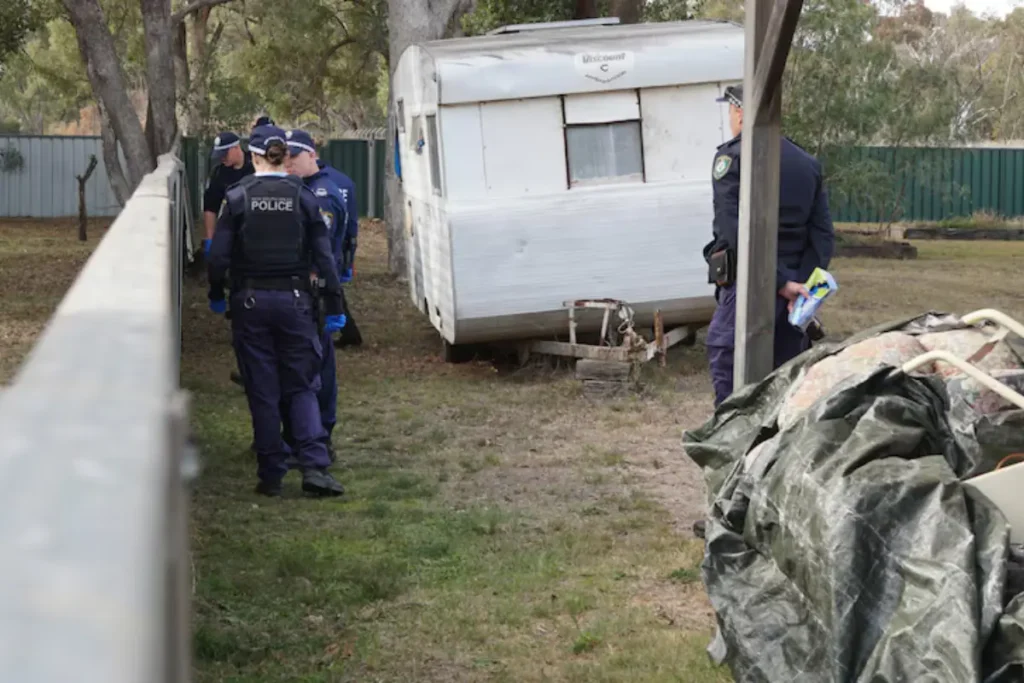
Investigators examined the scene thoroughly and reported no physical evidence of vomiting, contradicting earlier explanations. Such discrepancies often raise investigative concerns but do not provide definitive answers. Scene analysis remains a key component of case assessment.
Family Statements and Emotional Impact
The baby’s mother delivered an emotional statement, describing her daughter as joyful, deeply loved, and central to her life. She spoke openly about enduring pain, trauma, and permanent absence. Her testimony highlighted the human cost beyond legal outcomes.
Community Response and Sympathy
The wider community continued to feel the impact of the tragic loss, with friends and family expressing grief and support. Public acknowledgment of shared sorrow played a role throughout proceedings. The coroner formally expressed sympathy, recognizing the emotional harm caused.
Legal Status After Charge Withdrawal
After the dismissal, Mr Callaway remained not facing charges related to the baby’s death. He consistently denied harming the child throughout the process. This status reflects current legal standing rather than moral judgment.
Media Confusion and Unrelated Reporting
Some coverage mistakenly associated the case with Jason Mitchell and Gene Callaway, creating confusion. Those stories focused on an unscripted docuseries, farming, PTSD, purpose, YouTube, and Agrihood, alongside sexual misconduct allegations, firearms, and controlled substance matters that were clearly unrelated and properly excluded.
Why This Case Matters
From a professional standpoint, this case demonstrates how justice systems manage uncertainty. Courts, coroners, and NSW Police rely on verified evidence rather than assumptions. When facts remain unknown, caution guides outcomes.
Understanding the Role of the Coroner
Many people assume the coroner assigns blame, but that is not the role of the office. Coroners identify cause, context, and risk factors. This distinction shaped the final outcome of the Mitchell Callaway case.
Balancing Accountability and Proof
Public opinion often demands clear answers, while legal systems demand proof that meets defined standards. This tension shaped every stage of the proceedings. The case illustrates how accountability and evidence do not always align neatly.




Leave a Reply