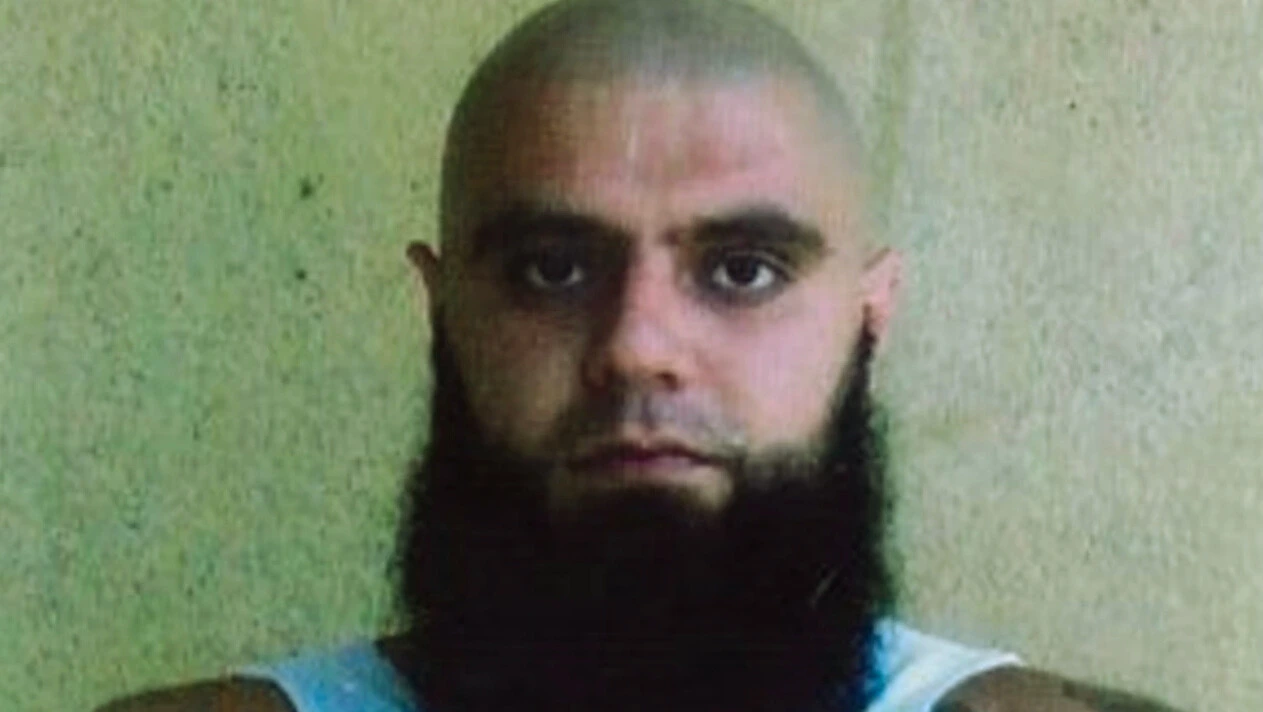

Farhad Qaumi “The Afghan” was the feared leader of the Brothers 4 Life Blacktown chapter, responsible for one of Sydney’s most violent gang wars. His role in multiple murders, suburban shootings and organised crime led to a 60-year prison sentence and the collapse of his faction. Today, his story remains a key reference point in Australia’s fight against gang violence and high-risk organised-crime networks.
Who Is Farhad Qaumi?
Farhad “The Afghan” Qaumi is an Afghan-born Australian gang figure best known as the Blacktown boss of the Brothers 4 Life (B4L) crime gang in Sydney. His rise to prominence came during the brutal internal feud between the Bankstown and Blacktown chapters in 2013, a conflict that resulted in multiple deaths, widespread shootings and innocent bystanders being caught in the crossfire across Sydney’s west.
In June 2017, the NSW Supreme Court sentenced Farhad Qaumi to 60 years in prison, including a non-parole period of 43 years, after a marathon trial involving dozens of charges. These included the contract murder of standover man Joe Antoun and the killing of Brothers 4 Life member Mahmoud “Hammer” Hamzy.
Early Life, Migration & Background of Farhad Qaumi
Much of what is publicly known about the early life of Farhad Qaumi comes from court findings and reporting during his trial.
Born in Afghanistan, he migrated to Australia with his family as a child in the early 1990s, settling in western Sydney. Sentencing remarks described the brothers’ upbringing as a chaotic, traumatic and disrupted childhood, shaped by war and displacement.
The family struggled to adapt after arriving in Australia in 1993, dealing with poverty, instability and social disadvantage. Both Farhad and his brother Mumtaz began offending at a young age and quickly became involved in criminal activity and drug use.
As an adult, he was diagnosed with complex PTSD and a long-term substance-use disorder. A judge later described some of his personality traits as “almost psychopathic”, shaped by early exposure to violence and instability.
How Farhad Qaumi Became a Brothers 4 Life Leader
Brothers 4 Life & the rise of the Blacktown faction
Brothers 4 Life, founded by Bassam Hamzy, expanded across Sydney during the 2000s and became associated with drug trafficking, shootings and extortion. By 2012–2013, the gang had splintered into factions, including the Bankstown chapter, dominated by Lebanese-Australian members, and the Blacktown chapter, which drew heavily from Afghan-Australian circles.
After his release from prison in 2012, Farhad Qaumi rose rapidly within the gang. He reportedly met founder Bassam Hamzy in jail and was given the task of keeping the Bankstown crew in line while reasserting Blacktown’s dominance.
One investigative report referenced a July 2013 meeting where Farhad told his men they were “going to give Sydney something they’ve never seen before”, signalling the violent escalation that followed.
Reputation of Farhad Qaumi as a gang boss
Police and court documents describe him as a fiery, unpredictable and feared leader. He was known for directing others to carry out shootings and attacks and for enforcing discipline within the gang through threats and violence.
A sentencing judge called him the “undisputed and feared” leader of the Blacktown faction, responsible for strategic decisions including targeted shootings and attempted assassinations of rival members.
The Gangland War Linked to Farhad Qaumi
Bankstown vs Blacktown-how the feud exploded
Tensions between the two factions exploded into full-scale violence in 2013. The conflict saw:
- Drive-by shootings
- Ambushes on homes
- Retaliatory attacks in residential streets
- The murder of Mahmoud Hamzy
- The contract killing of Joe Antoun
This gang war played out in suburban areas, putting innocent lives at risk. In one attack on a Blacktown home in November 2013, a 14-year-old girl suffered life-changing injuries after being hit by shotgun pellets.
A sentencing judge later described the spree as a series of planned, pre-meditated shootings carried out with blatant disregard for innocent people.
The murder of Mahmoud “Hammer” Hamzy
On 29 October 2013, Mahmoud Hamzy, cousin of gang founder Bassam Hamzy, was shot dead outside his Revesby home. The Supreme Court later ruled that Farhad and his brother Mumtaz were involved in conspiring to murder Hamzy as part of their strategy to weaken the Bankstown faction.
The murder of Joe Antoun
On 16 December 2013, Sydney standover man Joe Antoun was gunned down at the door of his Strathfield home by a shooter posing as a delivery driver. Moments earlier, Antoun had been with his children.
The court found that Farhad Qaumi organised the “execution-style” killing for a fee that was disguised through kebab shop transactions.
After his arrest, Farhad told officers:
“They tried to kill me… it’s not a secret I’m at war. There’s casualties in war.”
The judge replied that two men were dead and it was “pure good fortune” more were not killed.
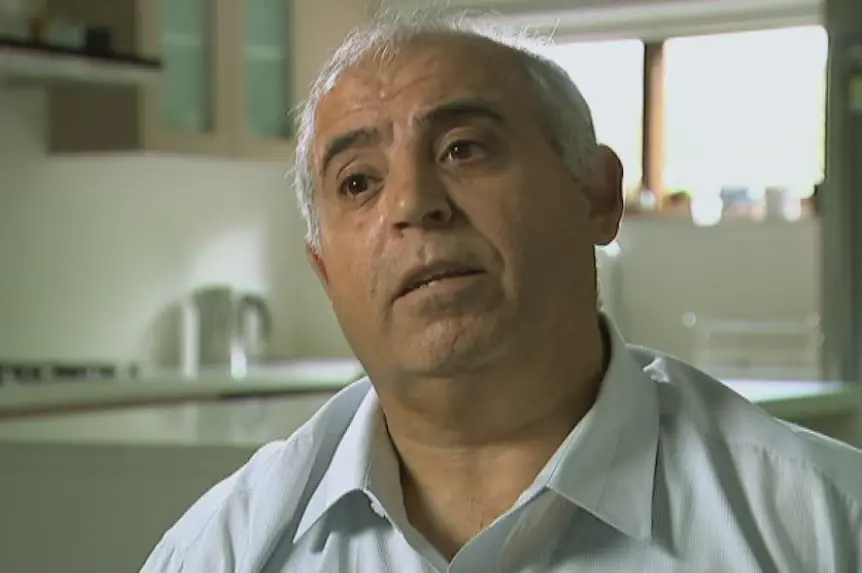
Arrest, Strike Force Sitella & the B4L Takedown
Strike Force Sitella was established to investigate the escalating shootings linked to the Qaumi-led faction. In January 2014, heavily armed police arrested Farhad Qaumi and several associates.
Firearms seized during these raids were matched to multiple shootings across Sydney’s west, marking a major breakthrough in dismantling the Blacktown chapter.
Police described the operation as a significant disruption to organised crime in the region.
The Marathon Trial of Farhad Qaumi
Charges against Farhad Qaumi
The joint trial of Farhad, his brothers Mumtaz and Jamil, and several co-accused became one of the longest and most complex gang prosecutions in NSW history.
Farhad faced 15 serious charges, including:
- Murder
- Conspiracy to murder
- Shoot with intent to murder
- Firearms offences
- Criminal group offences
Mumtaz faced 17 offences, while Jamil faced 18, including attempted murder and drug supply.
Courtroom behaviour & security issues
The proceedings required extreme security measures. After Farhad and his brothers attacked a co-defendant with a pen, the court installed a Perspex barrier in the dock.
All three brothers were classified as extreme high-risk inmates, often refusing to attend hearings and spending long periods in isolation due to behavioural concerns.
Guilty verdicts for Farhad Qaumi
In late 2016, the jury returned guilty verdicts for multiple murders, attempted murders and shootings. The trial featured extensive intercepts, informant evidence, ballistics analysis and hundreds of witnesses.
It was widely viewed as one of the most significant criminal prosecutions ever run against a Sydney gang network.
Sentencing: 60 Years’ Jail for Farhad Qaumi
Key sentencing outcomes
On 16 June 2017, the Qaumi brothers received some of the heaviest sentences in modern NSW criminal history:
- Farhad Qaumi – 60 years (43-year non-parole)
- Mumtaz Qaumi – 50 years (36-year non-parole)
- Jamil Qaumi – 30 years (21-year non-parole)
Collectively, the brothers received around 140 years behind bars. Farhad will be in his late 70s when he becomes eligible for parole.
How the court viewed Farhad
Justice Hamill accepted evidence of Farhad’s PTSD and trauma, reducing moral culpability slightly, but stressed that the organised, violent nature of the crimes and the danger he posed demanded a severe sentence.
The judge highlighted the harm to innocent civilians, including the injured 14-year-old girl, and described the brothers’ actions as “outlandish and lawless violence”.
Life in Supermax-What Happened to Farhad Qaumi After Sentencing
High-security imprisonment
Following sentencing, Farhad Qaumi was detained at Goulburn Supermax, one of Australia’s most secure facilities. He remains an extreme high-risk inmate with strict limits on movement, associations and contact.
He has been caught with contraband, including a mobile phone and steroids, further reinforcing his high-security classification.
Stabbing of Abuzar Sultani
In May 2020, Farhad stabbed convicted hitman Abuzar Sultani inside Goulburn Correctional Centre. The attack was captured on CCTV. Farhad later pleaded guilty to assault causing actual bodily harm and received an additional sentence in 2022.
High Court & AN0M issues
Recent legal reporting has linked Farhad to discussions around challenges to the use of encrypted AN0M communications in major police operations. Even behind bars, his name continues to appear in high-level legal matters involving organised crime.
“Marriage” to a Juror & Other Controversies
A 2025 media investigation revealed allegations that Farhad and his brother Mumtaz built inappropriate relationships with female jurors during their original murder trial. Two jurors were reportedly dismissed after suspicious interactions, and later maintained contact with the brothers from prison.
This controversy also resurfaced in a docu-series examining the wider Brothers 4 Life gang war, highlighting issues around jury security, prison communication and the pressures of high-profile trials.
Mental Health, Trauma & the Farhad Qaumi Case
Expert psychiatric evidence presented during sentencing described Farhad as suffering from longstanding trauma, depression, substance dependency and complex PTSD.
While these conditions reduced his moral blame to some extent, the judge stated that they also raised serious doubts about his ability to rehabilitate.
The case is often cited in discussions about how courts balance trauma-based mitigation with the need to protect the public from high-risk offenders.
Impact of Farhad Qaumi on the Brothers 4 Life Gang
The imprisonment of Farhad Qaumi and his brothers effectively wiped out the Blacktown faction of Brothers 4 Life. Crime reporters have noted that the chapter collapsed entirely once its leadership was removed.
The case drove new policing approaches, including:
- Stronger targeted strike forces
- Greater use of intercepts and forensic technology
- Tighter control of high-risk inmates
- Partnerships between NSW Police and federal agencies
The gang landscape in Sydney continues to evolve, particularly with emerging conflicts between Hamzy-linked associates and the Alameddine network, but the Qaumi brothers’ downfall remains a major turning point.
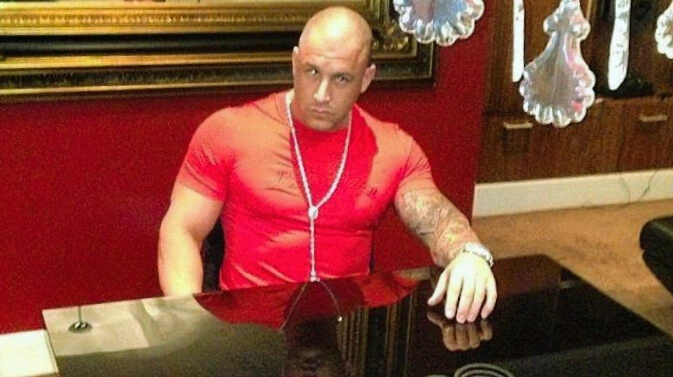
How Australian Media Portrays Farhad Qaumi
Australian media consistently portray Farhad Qaumi as:
- A violent gang leader
- A central figure in one of NSW’s most dangerous gang feuds
- A high-security inmate who still attracts attention
Broadsheet outlets focus on the scale of the violence and the courtroom legal complexity. Tabloid reporting has explored dramatic storylines, including prison attacks, juror controversies and police strike-force operations.
Across all coverage, he is seen as a case study in how unrestrained gang conflict can tear through communities and reshape policing.
Why the Farhad Qaumi Story Still Matters in Australia
The name farhad qaumi remains relevant because his story raises key issues in Australia’s criminal justice landscape:
- Public safety — his gang war highlighted the danger of suburban shootings.
- Policing strategy — the case transformed how authorities approach organised crime.
- Legal complexity — it influenced future mega-trial management and jury protection.
- Social factors — it reflects deeper questions around migration trauma and criminal pathways.
Today, the public record shows a man whose decisions fuelled a violent conflict across Sydney’s west, led to one of the longest criminal sentences in NSW, and continues to shape policy, policing and public understanding of gang crime in Australia.
FOR MORE RELATED ARTICLES VISIT US AT AUSTRALIANMAGAZINE.COM.AU


Leave a Reply