

The case of Alicia Schiller remains one of Victoria’s most confronting crime stories, combining addiction, escalating violence & the tragic killing of a young mother over a $50 dispute. Years later, her attempt to undergo IVF while in prison reignited national debate & introduced complex questions about justice. Today, her story continues to influence discussions about rehabilitation, victims’ voices & the limits of prisoner rights.
Who is Alicia Schiller & Why Her Case Matters
Alicia Jade Schiller is a Victorian woman convicted of murdering her housemate, 31-year-old mother-of-three Tyrelle Evertsen-Mostert, in the Geelong suburb of Norlane in 2014. In 2017, she was sentenced to 20 years’ imprisonment, with a non-parole period of 16 years, after a jury found her guilty of murder.
The incident shocked the community. A dispute over a missing $50 note escalated into lethal violence, fuelled by methamphetamine use & years of instability. Schiller’s actions resulted in Tyrelle’s death inside her own bedroom while one of her young children was in the home.
A decade later, Alicia Schiller resurfaced in national debate when she applied for IVF treatment from within prison—a request initially approved but later withdrawn following intense public backlash. The development reframed her case from a crime story into a broader legal & ethical controversy.
This article refers specifically to Alicia Jade Schiller, the convicted murderer, not others with similar names.
The Norlane House & the Relationship Between Alicia Schiller & Tyrelle Evertsen-Mostert
In 2014, Alicia Schiller lived with Tyrelle Evertsen-Mostert & others in a Norlane home marked by instability, drug use & frequent conflict. The environment was shaped by methamphetamine use, petty crime & fragile relationships. Reports revealed both women were involved with drugs, & that Schiller had battled addiction from a young age.
Tyrelle, a mother of three, tried to maintain a household where distrust & tension were common. On the night of the murder, her partner & one of her children were also inside the home, amplifying the devastating impact of the violence that unfolded.
How the Fatal Night Unfolded-Alicia Schiller & the $50 Argument
The fatal confrontation started over a missing $50 note. Alicia Schiller believed Tyrelle had taken the money for drugs. In the hours before the attack, Schiller made threats reflecting the mounting tension inside the house. The situation turned deadly when she entered Tyrelle’s bedroom armed with a knife.
During the attack, Tyrelle suffered multiple stab wounds, including a deep blow that pierced internal organs. Her mother later described the scene as unforgettable & heartbreaking. Despite emergency intervention, Tyrelle died inside her home, leaving her children without their mother.
Court Proceedings & Sentence for Alicia Schiller
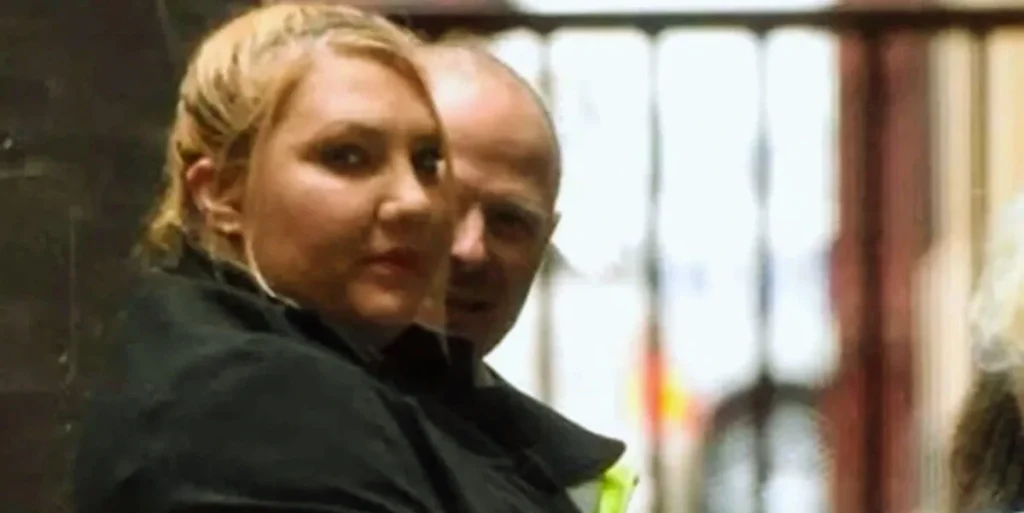
Following the November 2014 stabbing, Alicia Schiller & co-accused Luke Berg were charged with murder. Their early court appearances drew media attention due to Schiller’s behaviour in the dock.
The case proceeded to the Victorian Supreme Court, where prosecutors highlighted three aggravating factors: Schiller armed herself before confronting Tyrelle, she made explicit threats, & she used the knife immediately during the confrontation.
The court also reviewed Schiller’s extensive criminal history, including repeated drug offences & prior violent incidents. Her long-term substance dependence & pattern of aggression were central to the prosecution’s argument that her rehabilitation prospects were poor.
In 2017, Schiller received a 20-year sentence, with the judge describing the killing as deliberate, sustained & influenced by heavy methamphetamine use.
Addiction, Violence & the Background of Alicia Schiller
Although details about Schiller’s childhood are limited, court reports portray a life shaped by early exposure to drugs & chronic instability. She began using drugs at 12, became addicted to heroin in early adulthood & later turned to methamphetamine.
Her criminal history spanned numerous pages, including property offences, violent incidents & drug-related crime. A month before the murder, Schiller allegedly stabbed a man in a separate incident, signalling a troubling escalation.
These factors helped the court form a clearer picture of her background, including her struggles with addiction & the volatility that defined her life.
Appeal Attempt-How the Courts Responded to Alicia Schiller’s Challenge
In 2018, Alicia Schiller appealed her conviction & sentence. Her legal team argued that the judge had misdirected the jury & that the verdict did not account properly for her intoxication or ability to form intent.
The Court of Appeal dismissed the case. Judges ruled that the jury had been properly instructed & that the evidence supported a finding of intent to cause serious injury. The decision confirmed Schiller’s 20-year sentence.
Life in Dame Phyllis Frost Centre for Alicia Schiller
Since her conviction, Alicia Schiller has been held at the Dame Phyllis Frost Centre, Victoria’s maximum-security women’s prison. She has taken part in drug treatment programs & other rehabilitation services available within the facility.
Attention later shifted to a poem she wrote in a prison writing class titled Time Is Not Forever. The piece expressed regret, acknowledged the irreversible harm caused, & reflected on the night that “cost her life” in a moral sense.
Whether these writings reflect meaningful change is unclear, but they added complexity to public perceptions of her character—especially as she sought IVF treatment.
IVF Approval & National Debate-Alicia Schiller & Fertility Treatment in Prison
In late 2024, news emerged that Alicia Schiller had been granted permission to undergo IVF while serving her sentence. Legal provisions allow prisoners access to necessary medical care, including fertility treatment in specific circumstances.
Schiller was required to fund the treatment herself & attend appointments under strict supervision. If IVF had been successful, the child would have lived in a mother-and-child unit inside the prison until age five before being cared for by Schiller’s mother.
Public reaction was fierce. Many Australians questioned how a woman who killed a young mother could be permitted to conceive & raise a child from behind bars. Tyrelle’s family expressed deep hurt, saying Schiller was being offered an opportunity their daughter would never experience again.
Backlash, Ethics & Why Alicia Schiller Withdrew Her IVF Plan
The IVF decision for Alicia Schiller became a major national controversy. Critics argued that allowing violent offenders access to fertility treatment placed their desires above the pain experienced by victims’ families. Others raised concerns about a child’s welfare inside a maximum-security facility & the inevitable separation when the child turned five.
Amid mounting backlash, Schiller withdrew her IVF application. Reports suggested fertility providers were unlikely to proceed even if she continued with the request.
While the immediate controversy ended, the ethical debate it sparked continues to influence discussions about prisoner rights & justice.
Legal & Ethical Issues Highlighted by the Alicia Schiller IVF Case
The Alicia Schiller IVF episode highlighted a difficult intersection of justice, reproductive rights & child welfare. Supporters argue that imprisonment should not equate to permanent reproductive loss, especially for women nearing the end of their fertility window.
Opponents emphasise the gravity of Schiller’s crime & the lifelong trauma endured by Tyrelle’s family. They argue that violent offenders should not access services viewed by many as privileges.
Further concerns relate to the wellbeing of children raised in prisons, emotional development, socialisation & the distress caused by forced separation in early childhood.

Public Opinion, Media Coverage & the Lasting Impact of the Alicia Schiller Story
Since 2014, Alicia Schiller has remained a prominent figure in discussions about methamphetamine-related violence, crime in unstable households & the complexities of rehabilitation. The IVF controversy added another dimension, positioning her case at the centre of national conversations about justice & prisoner entitlements.
For Tyrelle Evertsen-Mostert’s family, the impact is deeply personal. They continue to share their grief, describing lasting emotional wounds & emphasising the importance of keeping victims’ voices central in public debate.
FOR MORE RELATED ARTICLES VISIT US AT AUSTRALIANMAGAZINE.COM.AU




Leave a Reply