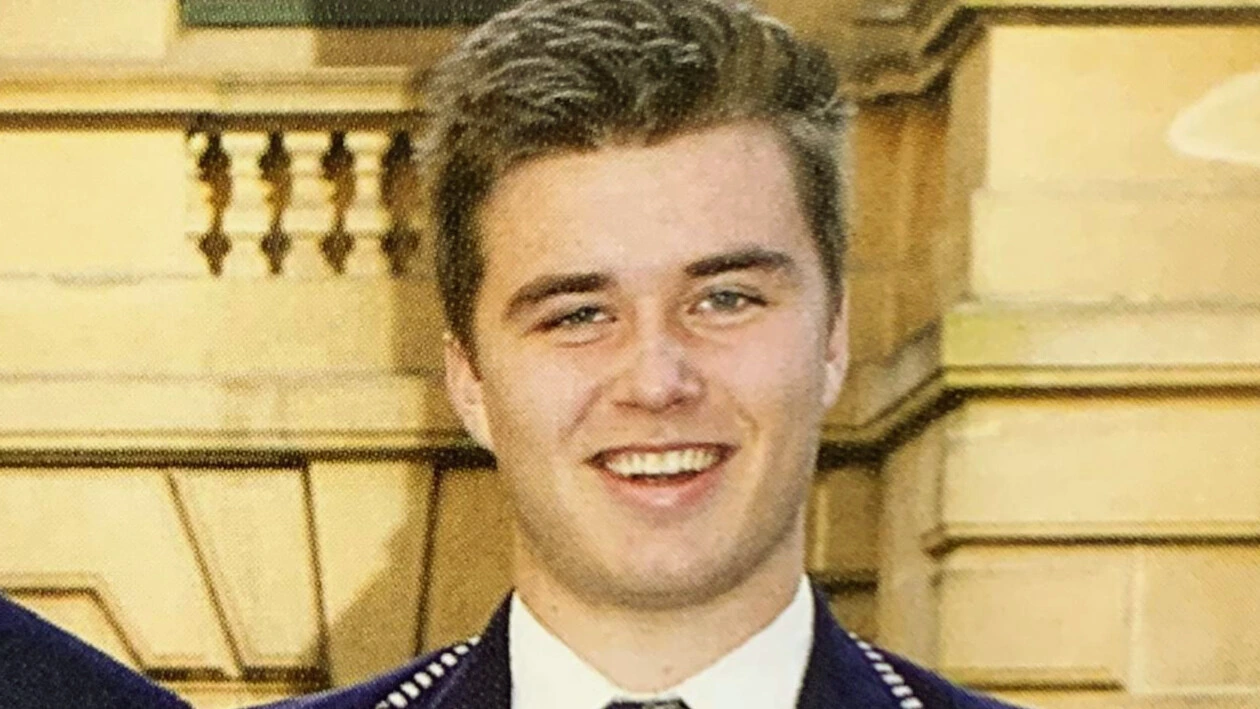

The name Paul Thijssen came to national attention in late 2023 after the death of 21-year-old sports coach Lilie James at St Andrew’s Cathedral School in Sydney. In the months that followed, details emerged through police briefings and a coronial inquest that painted a fuller picture of events, behaviour patterns, missed warning signs, and the policy gaps that experts say demand reform. This article gathers verified reporting and key statements to lay out the facts, the timeline, and the practical lessons Australia is still reckoning with.
“The actual scene itself is quite confronting for the police who turned up.” — NSW Police Superintendent Martin Fileman
Paul Thijssen-Early Life, Education & Move to Australia
Paul Thijssen was born in the Netherlands and later attended St Andrew’s Cathedral School as a student (2015–2017). He was described in school materials as a sports leader and later returned as a sports assistant/coach. After time overseas, he came back to Sydney in 2020, working across sports programs, including cricket and hockey. Colleagues knew him through day-to-day extracurricular activities, after-hours coordination, and occasional coaching arrangements at other schools.
While public tributes were understandably centred on Lilie James, the inquest and media reporting also examined facets of Paul Thijssen’s background: a capable organiser on campus, reportedly personable in public settings, but with private behaviours that would later be characterised in court as controlling and manipulative in intimate contexts. Those contradictions ultimately became central to the inquest’s focus on red flags and the need for better early-warning pathways.
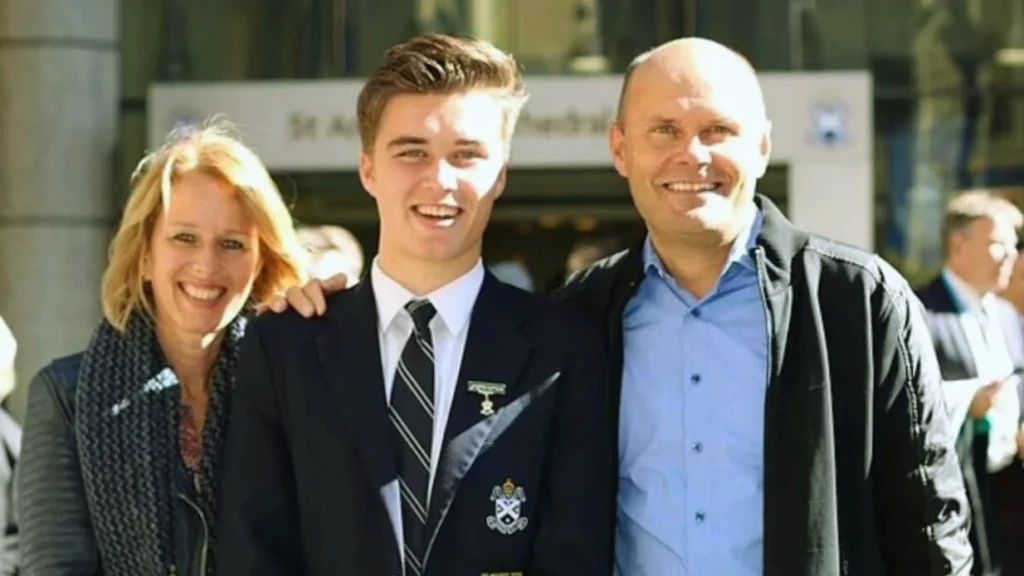
Paul Thijssen & Lilie James-A Short Relationship With Escalating Risks
The relationship between Paul Thijssen and Lilie James was short and, according to evidence later presented, had ended days before the October 2023 attack. Friends and family remembered Lilie as “vibrant”, “independent”, and “adored by all”, while police and inquest materials described conduct by Paul Thijssen that experts associate with coercive control. The court heard allegations of stalking, dry-run “rehearsals”, and social media surveillance, all of which sit within patterns known to precede lethal violence.
Lilie’s parents remembered her as “beautiful, independent, intelligent… with a smile that could light up a room.” They further stated: “We will never recover.”
The inquest also heard that Paul Thijssen misled others about study and visa matters and that he placed a “cleaning in progress” sign to direct Lilie into a specific bathroom area at the school. These alleged steps formed part of a premeditated plan that prosecutors and expert witnesses said reflected a controlling mindset, an inability to accept rejection, and a determination to isolate the victim at a time and place of his choosing.

Paul Thijssen-The Night of the Event — A Verified Timeline
25 October 2023 (evening):
- CCTV captured Lilie James entering a gym bathroom at St Andrew’s Cathedral School; Paul Thijssen followed shortly after.
- An hour later, Paul Thijssen left alone. Evidence later detailed severe head injuries to Lilie.
Later that night:
- Paul Thijssen travelled to Diamond Bay Reserve in Sydney’s east. Reporting and inquest materials describe phone disposal and other steps aimed at concealment.
- He then made a Triple-0 call reporting a body at the school and providing directions to find it before morning activities.
26 October 2023:
- Police discovered Lilie James’s body late on 25 October. The following day they launched a large-scale search for Paul Thijssen, establishing a second crime scene at The Gap/Vaucluse after locating items linked to the case.
- NSW Police publicly described the scene as “confronting” and confirmed the death was being treated as a homicide.
27 October 2023:
- A body later identified as Paul Thijssen was recovered from cliffs in Sydney’s east. Police said no students were physically harmed, and the school implemented immediate crisis and counselling arrangements while HSC/IB cohorts were relocated.
This timeline was later expanded during the coronial inquest with additional CCTV vision and expert testimony, including allegations that Paul Thijssen carried out “dry runs” and rehearsed how to corner Lilie in the bathroom, then locked the door to isolate her.
Paul Thijssen-What the Inquest Revealed
In March 2025, the NSW State Coroner took evidence across several days aimed at understanding the circumstances of Lilie James’s death and whether interventions were possible. For the public and policymakers, the inquest’s value lay not only in reconstructing what happened but also in identifying systemic touchpoints for prevention.
Key findings about Paul Thijssen:
- He allegedly stalked Lilie, monitored social media, and conducted “dry runs” leading up to the attack.
- He allegedly manipulated communications around the time of the murder, including messages sent from Lilie’s phone.
- Expert psychologists described traits consistent with a brittle, narcissistic profile, struggling with rejection and motivated by control.
- There were historical reports of controlling behaviour toward previous partners, suggesting a broader pattern.
Policy themes that emerged:
- Coercive control as an identifiable pattern — how friends, colleagues, and institutions can recognise and escalate concerns earlier.
- School safety & after-hours protocols — balancing open community spaces with risk management once staff are on site outside normal hours.
- Technology-facilitated abuse — stalking and surveillance via digital means, and whether new reporting channels are needed for young adults.
- Visa & work compliance claims — the court heard evidence raising questions about documents and representations; while not determinative of the homicide, such misrepresentations can signal broader dishonesty.
The inquest did not put students on trial or apportion blame to the school community. Rather, it used the case of Paul Thijssen to examine how institutions can become safer through clearer reporting pathways, targeted education about coercive control, and stronger coordination with police and specialist services.
Paul Thijssen & Police Response-What Officers Said
NSW Police emphasised the scale and sensitivity of the operation, the immediate establishment of two crime scenes, and the “confronting” nature of what officers encountered. From the start, detectives treated the case as a homicide and rapidly focused on Paul Thijssen as a person of interest. The second scene at Sydney’s eastern cliffs was critical; items recovered there helped triangulate Paul Thijssen’s final movements and informed the search that located his body.
“The actual scene itself is quite confronting… We established a second crime scene [at the cliffs] and found property associated with the homicide.” — NSW Police
Police subsequently worked with the Coroner, ensuring CCTV, phone records, and witness statements from staff, students’ families and friends were properly considered. The coordinated response was also shaped by privacy and trauma concerns, especially with Year 12 cohorts in exam periods.
Paul Thijssen & The School’s Response-Support, Safety & Communication
St Andrew’s Cathedral School closed immediately after the incident and coordinated with authorities on safety, exams and wellbeing. Parents were assured that no students were physically harmed, and counselling was made available. In a letter to families, the principal vowed not to allow the “horrors of evil” to define the community, and colleagues posted emotional tributes to Lilie’s character, leadership and warmth.
The broader school sector also took stock: how after-hours access should be managed, whether additional duress alarms or access controls are needed, and how to provide staff with training on coercive-control warning signs — especially in young adult relationships that may begin and end rapidly.
Paul Thijssen-Quotes That Shaped the Public Record
- “The actual scene itself is quite confronting for the police who turned up.” — NSW Police Superintendent Martin Fileman
- Lilie James’s family: “She was beautiful, independent, intelligent… with a smile that could light up a room. We are tremendously grateful for the support of our community.”
- St Andrew’s Cathedral School (to parents): A commitment that the community would not be defined by “the horrors of evil.”
These statements anchored the national discussion in the humanity of the victim and the responsibility of institutions to act decisively while supporting those most affected.
Paul Thijssen-What Experts Say About Coercive Control
The inquest placed Paul Thijssen at the centre of its analysis on coercive control. Experts describe coercive control as a pattern of domination — not a single incident — that can involve surveillance, isolation from friends and family, intimidation, and micro-management of daily life. In the Paul Thijssen case, alleged stalking, rehearsals, and online monitoring formed part of that pattern.
Signals colleagues and friends can watch for:
- Sudden, unexplained monitoring of a partner’s movements or social media.
- Attempts to isolate a partner from social circles or to control contact.
- “Dry-run behaviour” — testing doors, spaces, routines that could create isolation.
- Escalation after a breakup, including unexpected appearances at work or sport.
Recommended actions:
- Encourage the person at risk to document incidents, speak to a trusted senior at work or university, and reach out to police or a domestic-violence hotline.
- In workplaces and schools, have clear reporting lines and keep records.
- Consider safety planning (escorts to parking/public transport after hours, team check-ins, and controlled after-hours access to facilities).
Paul Thijssen & School Safety-Practical Measures Organisations Are Considering
The tragedy involving Paul Thijssen forced a discussion across schools, universities and clubs about how to improve safety without creating fortress-like environments.
Practical steps now on agendas:
- Access control & logs after hours, including electronic swipe auditing and automatic lock schedules for areas like gyms and bathrooms.
- Duress alarms & CCTV coverage focused on isolated spaces (change rooms, stairwells, end-of-trip facilities).
- Buddy systems for staff working late, including simple check-in messages on departure/arrival.
- Coercive-control training for managers and team captains in sports programs.
- Incident documentation protocols so red flags are not siloed across departments.
These measures are not foolproof. But the case of Paul Thijssen underscores that layered safeguards and earlier reporting can reduce risk and increase the likelihood that coercive patterns are identified before they escalate.
Paul Thijssen-A Final Word
This case is first and foremost about a young woman whose life and potential were stolen. The focus on Paul Thijssen is not to centre the perpetrator but to understand how his actions fit known patterns of coercive control and how policy, policing, and workplace practice can move earlier and more decisively. The inquest’s testimony — from psychological assessments to CCTV and digital footprints — gives Australia a clearer map of the risks. Listening to those lessons is how communities honour Lilie and work to prevent the next tragedy.
FOR MORE RELATED ARTICLES VISIT US AT AUSTRALIANMAGAZINE.COM.AU



Leave a Reply