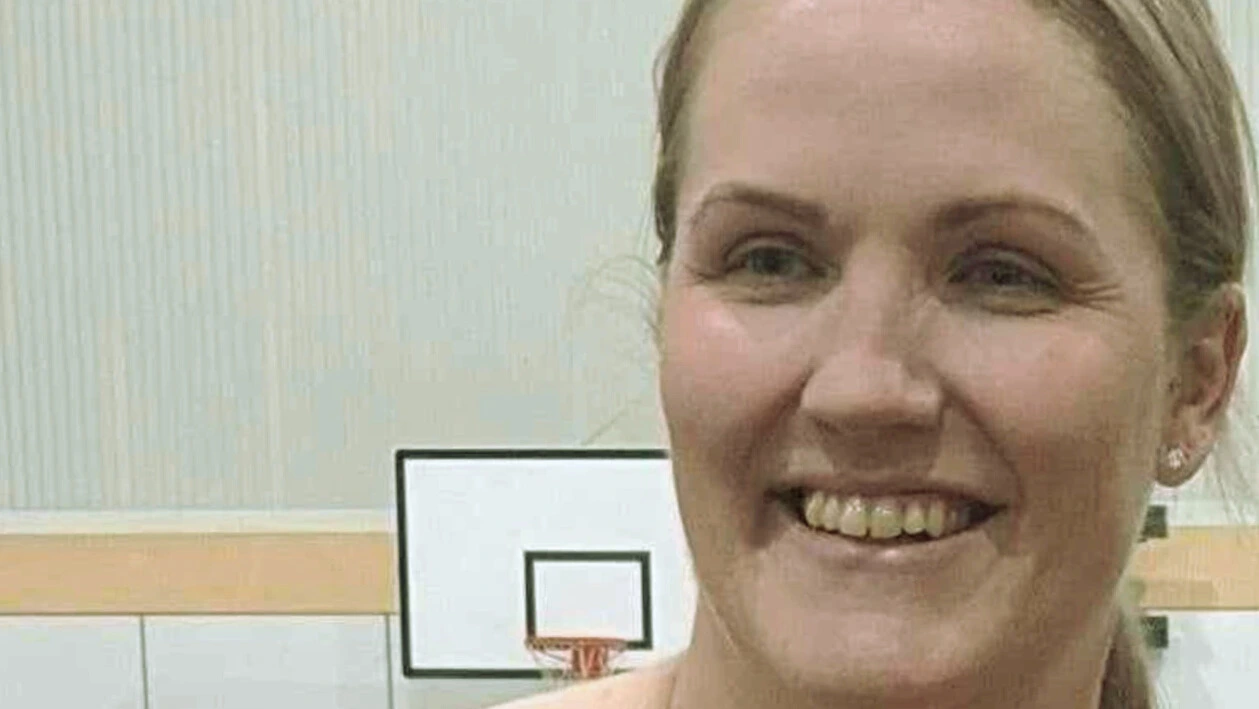

The name Kellie Whiteside has become one of the most disturbing in recent Queensland education history. A former Brisbane primary school teacher and mother-of-three, she was convicted in 2025 for grooming and sexually abusing a student over several years.
Her case exposed major failures within school systems, highlighted the dangers of unchecked power imbalances, and forced Australia to confront uncomfortable truths about female perpetrators, institutional blind spots, and child protection gaps.
This blog breaks down the Kellie Whiteside case in detail—how the grooming unfolded, what the courts found, how the system failed, and what Australian families can learn from the tragedy.
If you find abuse-related content distressing, please consider whether this is safe to read today and reach out to support services if needed.
Background of Kellie Whiteside as a Queensland Teacher
Public reporting about Kellie Whiteside focuses almost entirely on her career and offending rather than her private life. What is publicly known paints a picture many parents and staff found disturbing in hindsight.
Teaching Career in Brisbane
- She worked in several south-east Queensland primary schools, including in the Logan region.
- Former students described her as friendly and approachable, someone who seemed to build quick rapport with children.
- She moved through multiple schools, including a school for vulnerable girls, over a number of years.
What nobody understood at the time was that behind this approachable façade, Kellie Whiteside was slowly manipulating a young student who trusted her deeply.
How Kellie Whiteside Groomed Her Student
The victim, who now publicly identifies as Alliyah, has bravely shared their story to warn others. Their account forms the foundation of everything now known about how Kellie Whiteside groomed them.
1. Gaining Trust Through One-on-One Time
As their primary school teacher, Kellie Whiteside began spending more and more time alone with the child.
- She often kept them in at lunch in a quiet classroom.
- She positioned herself as the one adult who truly “understood” them.
- She began offering emotional support that stepped outside normal boundaries.
To a child already dealing with trauma, this attention created a powerful emotional bond.
2. Targeting a Vulnerable Child
Reports show that Alliyah was dealing with significant personal challenges.
Kellie Whiteside recognised this and took advantage, appearing sympathetic and creating dependency.
3. Moving the Relationship to Social Media
This was a major turning point.
- Whiteside began contacting the child on Instagram and Snapchat.
- She insisted their chats must remain secret.
- Her messages moved from casual to personal, then to sexual.
A school principal would later confirm that this was not the first time concerns had been raised about her social media contact with students.
4. Emotional Manipulation & Isolation
Over time, Kellie Whiteside blurred every boundary:
- She shared adult marital problems with the child.
- She convinced them the relationship was special and private.
- She expanded her influence into the child’s home life.
Eventually, the child believed they were in a real relationship with their teacher, even imagining themselves married to her. This confusion is a hallmark of grooming: a slow erosion of boundaries until the abuse becomes normalised in the child’s mind.
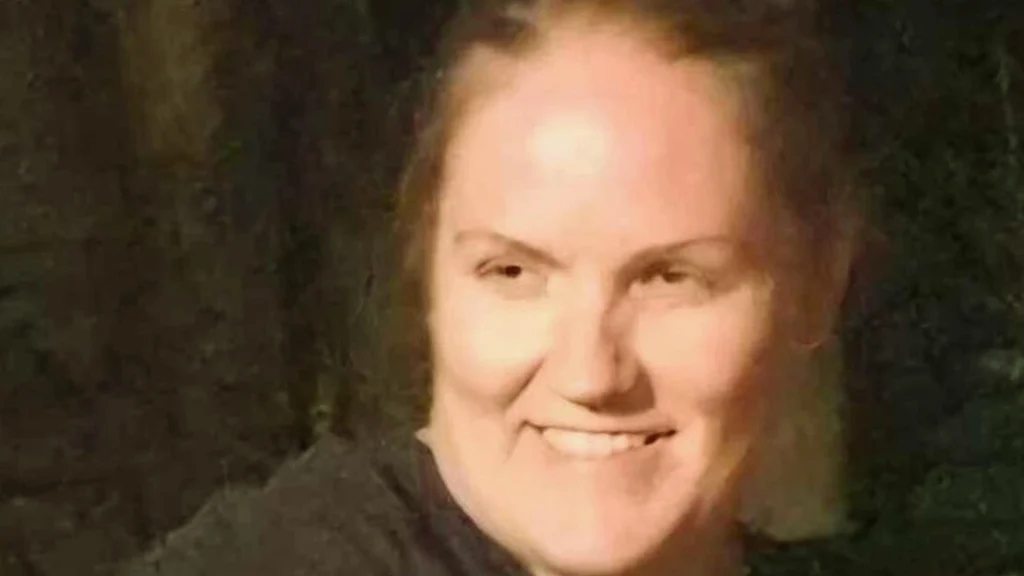
Timeline of the Kellie Whiteside Case
While some details differ slightly across reports, this general timeline reflects the progression of events in the Kellie Whiteside case.
2015 – The Grooming Intensifies
At age 12, Alliyah began receiving intimate messages from Kellie Whiteside.
By March 2015, when the child was still 12, nearly 13, the behaviour became sexual.
2015–2018 – Sexual Abuse Across Multiple Locations
The abuse continued for years. Locations included:
- School grounds
- Public toilets
- A sporting facility
- The victim’s family home
Whiteside also gave the child alcohol and introduced them to sexual content.
2015 Onward – The First Complaints
During this period:
- The family made several complaints to schools and police.
- An internal ethics review was reportedly conducted.
- Despite this, Kellie Whiteside continued teaching.
2018 – Child Turns 16
Under Queensland law at the time, the child ageing out of the legal definition did not lessen the manipulation or power imbalance, but it changed how charges could be framed.
2015–2023 – Manipulative “Relationship” Continues
Even after the sexual offences ended, the emotional control continued for years.
Alliyah later said they cut off friends and family because Whiteside encouraged dependency.
2023 – Police Investigation Begins
After nearly a decade of grooming and manipulation, Alliyah finally reported Kellie Whiteside to police.
Digital evidence played a major role in the investigation.
2024 – Charges Laid
Dozens of charges were filed against Kellie Ann-Marie Whiteside, including:
- Indecent treatment of a child
- Repeated sexual conduct
- Abuse of position of trust
She was stood down from her then-current school during investigations.
2025 – Guilty Plea & Sentencing
In March 2025, Kellie Whiteside pleaded guilty to one count of repeated sexual conduct with a child.
She was sentenced to:
- 5 years in prison
- 2-year non-parole period
Many parents and advocates criticised the sentence as too short given the length and seriousness of the abuse.
Court Findings in the Kellie Whiteside Case
During sentencing, the court heard disturbing details about how Kellie Whiteside abused her role.
The Court Accepted That She:
- Groomed the child over months before beginning sexual conduct
- Used her authority as a teacher to manipulate a vulnerable student
- Introduced the child to alcohol and pornography
- Engaged in abuse inside school grounds and other public and private locations
- Maintained control for years through emotional and psychological manipulation
The sentencing judge described her behaviour as an outrageous breach of trust, stressing the severe and lasting impact on the victim.
The Impact on Alliyah-Trauma, Recovery & Reclaiming Identity
One of the clearest insights into the emotional damage caused by Kellie Whiteside came through Alliyah’s victim impact statement.
They described:
- Years of depression, anxiety and insomnia
- Ongoing nightmares and intrusive memories
- Difficulty forming healthy relationships
- A constant fear of being manipulated again
- A sense that their entire adolescence was stolen
Despite this, Alliyah has shown immense strength in reclaiming their life and identity.
They have spoken publicly to help other survivors recognise warning signs, especially when the abuser is a trusted adult who seems caring on the surface.
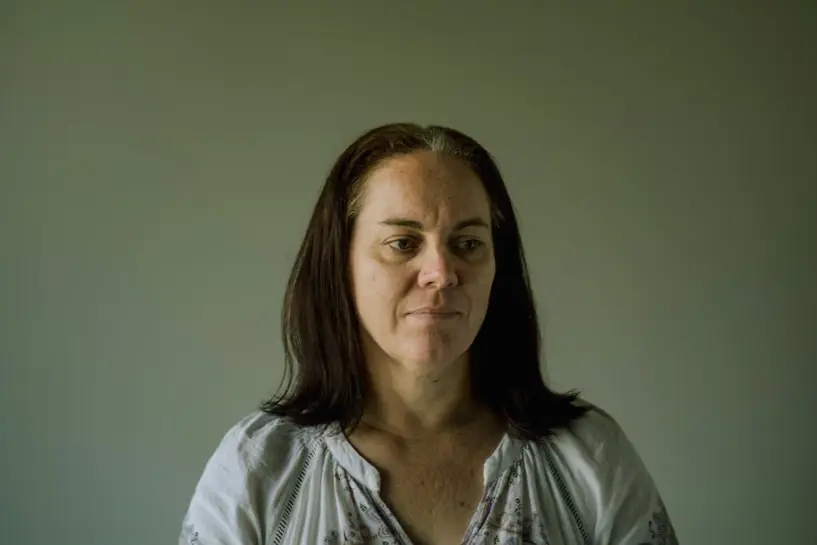
Why Complaints About Kellie Whiteside Were Missed
Perhaps the most shocking revelation in the case is how many warning signs were overlooked or lost.
Key Institutional Failures Include:
- Complaints were made multiple times by family members.
- At least one internal review occurred, but the records did not follow her across schools.
- When she applied for new roles, her file did not show prior concerns.
- She was later employed in a school specifically for vulnerable girls.
- There was inconsistent reporting between schools, departments and police.
These failures have led to widespread criticism of how education departments track and escalate concerns about staff behaviour.
Gender Stereotypes & the “Unicorn Case” Label
A significant theme in reporting on Kellie Whiteside is how gender stereotypes may have contributed to her avoiding early intervention.
Why Gender Played a Role
- Female perpetrators are often wrongly perceived as less dangerous.
- People may interpret inappropriate behaviour as “overly caring” rather than predatory.
- Some authorities reportedly saw the case as rare or unusual—hence the “unicorn case” label.
- Friends and family of the victim later said they may have reacted differently if the teacher had been male.
The Kellie Whiteside case shows clearly that abuse is not defined by gender but by behaviour.
Institutional Responses & Reforms After the Case
Following widespread media coverage and public outrage, Queensland education authorities acknowledged that the system had failed.
What Authorities Have Committed To
- Reviewing how complaints are recorded and stored
- Ensuring concerns follow staff between schools
- Developing stronger behaviour-flagging systems
- Improving training on grooming warning signs
- Encouraging earlier escalation of boundary issues
- Reviewing the accuracy of hiring checks across departments
Advocates argue that the case should trigger long-term reform, not just reactive policy updates.
Lessons for Australian Parents & Schools
The Kellie Whiteside case serves as a harsh reminder that abuse can occur anywhere, even in environments meant to protect children.
1. Predators Don’t Fit a Single Stereotype
Teachers can be warm, friendly, highly trusted—and still dangerous.
Assumptions about gender or personality should never override behavioural warnings.
2. Watch for Boundary-Breaking Behaviours
Red flags include:
- Excessive one-on-one time
- Secret messaging
- Sharing adult personal issues
- Showing favouritism
- Isolating the child from peers or family
These behaviours are early signs of grooming.
3. Listen to Behavioural Changes in Children
Grooming often makes children feel conflicted, not scared.
Look for:
- Sudden secrecy
- Emotional shifts
- Withdrawal from friends
- Discomfort when discussing a certain adult
4. Report & Persist
If something feels wrong:
- Document concerns
- Notify the school
- Follow up if no action is taken
- Escalate to the education department or police if necessary
The Kellie Whiteside case shows the cost of inaction.
Support Services for Anyone Affected
If you or someone you know has been affected by abuse:
- 1800RESPECT – 1800 737 732
- Lifeline – 13 11 14
- Beyond Blue – 1300 22 4636
- Headspace – Support for young people
These services offer confidential counselling and guidance.
FOR MORE RELATED ARTICLES VISIT US AT AUSTRALIANMAGAZINE.COM.AU

Leave a Reply