
News
Helen Rosamond-Inside the NAB Fraud That Shocked Australia

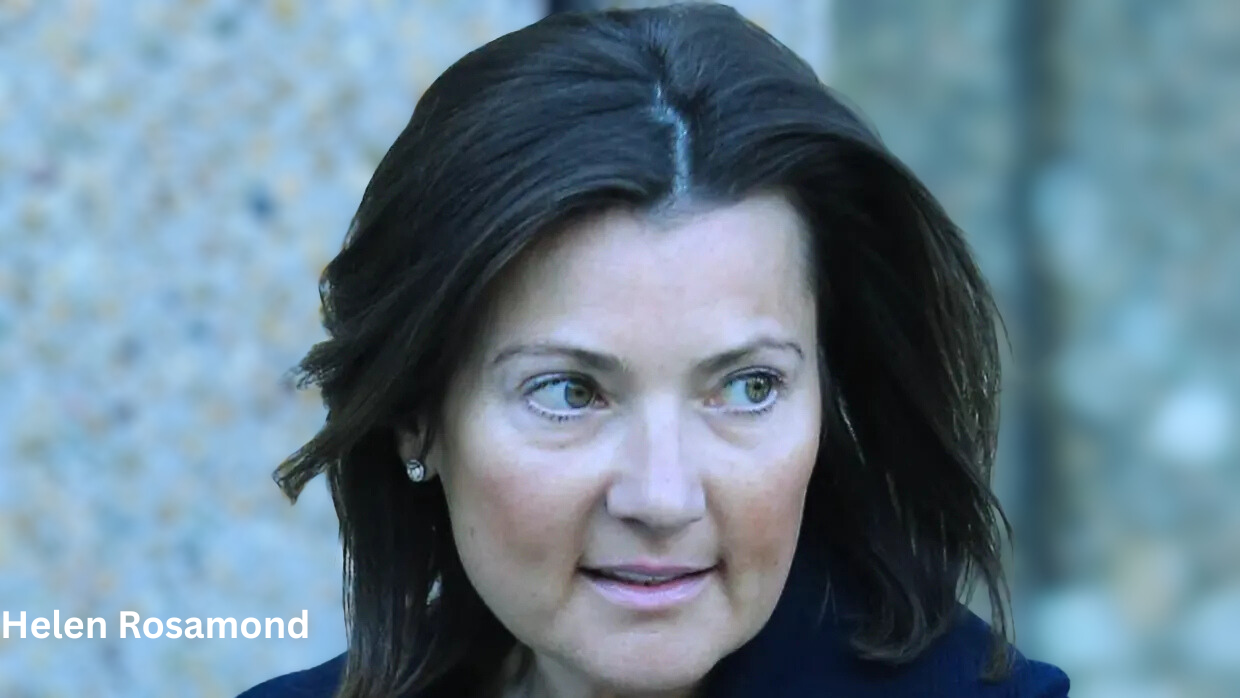
From luxury holidays and designer homes to prison walls at Silverwater Correctional Complex, the story of Helen Mary Rosamond is one of greed, deception, and downfall. Between 2013 and 2018, the Sydney businesswoman and event manager defrauded the National Australia Bank (NAB) of millions through falsified invoices — a scheme Judge Robert Sutherland later described as “breathtaking in its audacity.” Her conviction exposed systemic corporate blind spots, shattered reputations, and reshaped NAB’s internal controls forever.
Early Career & the Rise of Human Group
Helen Rosamond began her career as the founder and director of Human Group, a North Sydney-based event management company. The firm built a reputation for organising executive retreats, leadership workshops & large-scale corporate functions.
By 2006, Human Group had become one of NAB’s trusted service providers, handling exclusive corporate events & senior management programs. It was during a conference in Hong Kong that Rosamond met Rosemary Rogers, a powerful NAB insider who served as Chief of Staff to bank CEOs Cameron Clyne & Andrew Thorburn.
Their professional connection soon turned personal & eventually, criminal. The two referred to each other as “bestie” & “sister from another mother.” That friendship would become the foundation of one of Australia’s most audacious corporate frauds.
The Beginning of the NAB Fraud Scheme (2013–2017)
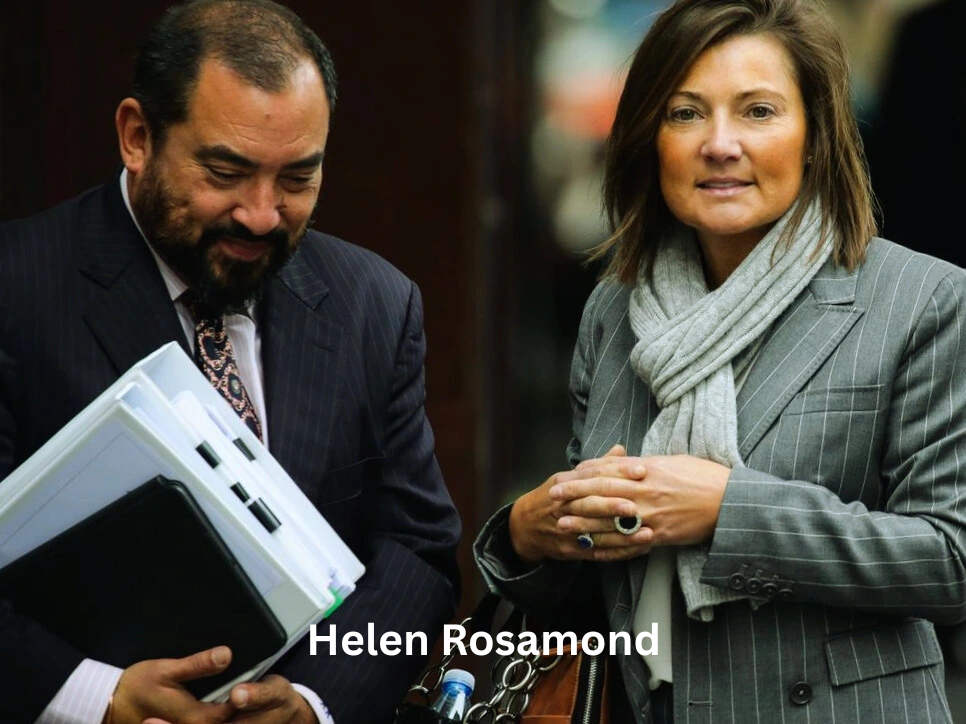
Between 2013 and 2017, Helen Rosamond and Rosemary Rogers orchestrated a series of false and inflated invoices through Human Group. Rogers, who held an extraordinary delegation of authority allowing her to approve NAB expenses up to $20 million, ensured that every fraudulent invoice sailed through internal checks.
Rosamond’s company billed the bank for legitimate corporate expenses-but secretly added huge sums for personal indulgences. The deception was intricate, repetitive & carefully planned.
According to Judge Sutherland, this was “no temporary dipping-into-the-till crime but a persistent course of conduct based on greed rather than need.”
Lavish Lifestyle Built on Deception
The millions embezzled through the NAB fraud funded a lifestyle of extreme luxury. Rosamond and Rogers spent freely on overseas holidays, private transfers & extravagant gifts. Court documents revealed that Rosamond:
- Paid $228,747 to an interior designer to decorate her Potts Point terrace.
- Spent $372,611 to landscape her Mosman property.
- Claimed $100,000 in rent and $86,413 for renovations.
- Paid $17,888 for artwork and $14,358 for a lavish 40th birthday event featuring ice sculptures & singing waiters.
Rogers benefited even more directly. Her kickbacks totalled over $5.5 million, including:
- A $1.5 million house & an additional $380,000 deposit.
- A BMW, a $115,000 boat, and a $172,000 European holiday.
A $620,000 U.S. trip for eight people with a private jet. - A luxury holiday at the Saffire Freycinet resort in Tasmania worth nearly $30,000.
The pair’s scheme was concealed within legitimate corporate budgets under codenames such as “Project Eagle” a fraudulent invoice tied to the recruitment of former NSW Premier Mike Baird in 2017.

How the NAB Fraud Escaped Detection
Rogers’ internal power made oversight nearly impossible. Her ability to authorise spending up to $20 million without secondary approval effectively removed all scrutiny. NAB executives, including CEO Andrew Thorburn, later testified they were unaware of her exceptional authority.
Judge Sutherland remarked:
“Such an extraordinary delegation enabled Rogers to escape the scrutiny & internal auditing which might otherwise have been expected to take place within such an institution.”
The fraud continued undetected for nearly five years. During that time, Rosamond & Rogers became inseparable-speaking almost daily, sharing family holidays & maintaining the illusion of professional collaboration.
The Whistleblower That Unravelled It All
In late 2017, an anonymous whistleblower letter reached NAB’s internal ethics team. The tip prompted an internal investigation, which exposed a string of suspicious invoices linked to Human Group.
Within weeks, NAB terminated its contract with the company. Rosemary Rogers resigned & the bank referred the matter to NSW Police and the Department of Public Prosecutions.
By the time the investigation concluded, the loss to NAB was estimated between $7 million and $9.8 million, with Rosamond personally gaining $4.4 million & Rogers about $5.5 million.
Arrest & Bail Proceedings (2019–2020)
Helen Rosamond was arrested in March 2019 and charged with 74 counts of fraud & corruption. She pleaded not guilty.
During her early hearings, she attempted to have her strict bail conditions softened, calling them “unnecessary.” She argued that she was tied to Sydney through her children & work.
However, Judge Michael Adams refused her application, warning he could instead authorise police to call her twice daily to confirm her whereabouts. Her barrister quickly withdrew the request.
Rosamond was also granted permission to use an encrypted messaging service to communicate with her children-but was ordered to surrender her phone password if police requested it.
During this time, NAB also launched civil proceedings in the Supreme Court seeking restitution for the millions defrauded.
The 2022 Trial-Helen Rosamond Found Guilty
After years of legal delays, the trial began in August 2022 at the NSW District Court before Judge Robert Sutherland.
Rosamond faced 60 counts of corruptly giving benefits & 32 counts of dishonestly obtaining or attempting to obtain a financial advantage by deception.
The jury deliberated over 92 charges, returning verdicts across two sessions in November. Rosamond was found guilty of 59 counts of giving corrupt benefits & 31 counts of obtaining or attempting to obtain a financial advantage. She was acquitted on two minor charges.
Judge Sutherland described the case as one requiring “extraordinary attention & diligence” from the jury due to its complexity.
Following her conviction, prosecutors immediately sought to revoke her bail, arguing the seriousness of the crimes warranted custody.
On 6 December 2022, the judge agreed, saying:
“It is beyond reasonable argument that she will receive a full-time prison sentence.”
Rosamond bowed silently before being escorted by correctional officers to custody.
Inside the Sentencing Hearings (2023)
Rosamond’s sentence hearings began in April 2023. The defence presented psychological evidence attempting to contextualise her conduct.
Clinical psychologist Dr Marianne Plahn testified that Rosamond showed symptoms of adjustment disorder, narcissistic personality disorder & attachment disorder, possibly linked to “pressure, abuse, unhappiness & financial stress.”
Dr Plahn said:
“She really felt that she wanted to have that opportunity to say sorry to His Honour. That came from a very truthful place.”
However, Crown prosecutor Katrina Mackenzie rejected the argument that mental illness influenced her crimes, saying Rosamond’s remorse appeared calculated:
“You don’t have to have a disorder to falsely express remorse.”
The judge noted that Rosamond described Rogers as “dangerous, highly toxic & manipulative,” claiming she was drawn into a coercive relationship. Yet Sutherland dismissed this narrative, finding both women “equally culpable” & their partnership “symbiotic.”
Judge Robert Sutherland’s Final Verdict (July 2023)
On 20 July 2023, the Downing Centre District Court was packed as Judge Sutherland delivered a two-and-a-half-hour sentencing decision.
He labelled the NAB fraud “stunning in its extravagance” & “breathtaking in its audacity.”
Rosamond was sentenced to a maximum of 15 years in prison, with a non-parole period of eight years-making her eligible for release in December 2030.
He emphasised that the fraud was deliberate, premeditated & persisted for years:
“This was no act of desperation. It was a pursuit of greed, grandiosity & self-gratification.”
The court also heard that Rosamond attempted to defraud NAB again in 2018, after Rogers had already left the bank, by submitting a further $3.3 million fraudulent invoice.
NAB’s Reaction & Institutional Reforms
Following the sentencing, NAB issued a statement acknowledging its failures & thanking the anonymous whistleblower for coming forward.
Group Executive Sharon Cook said:
“NAB acknowledges its prior failures in not having sufficient controls and processes. After we became aware of the fraud, we overhauled our internal systems, reducing expense delegations & introducing additional checks.”
The case became a turning point for corporate governance within the bank, prompting significant procedural changes & enhanced whistle-blower protection mechanisms.
Restitution & Financial Fallout (2024)
In February 2024, Helen Rosamond appeared via audiovisual link from Silverwater Correctional Complex for a restitution hearing.
Representing herself, she told the court she had no assets, no savings & no future earning capacity, stating her life prospects post-release were “dismal.”
She revealed she had filed for bankruptcy from her prison cell. The District Court nonetheless ordered that $1.25 million be repaid to NAB from the proceeds of her remaining property.
The order marked the formal end of the financial proceedings against her.
Life Inside Silverwater Correctional Complex
Since her imprisonment, Helen Rosamond has been held at Silverwater Correctional Complex, where sources say she maintains a quiet routine.
Reports from her psychologist indicate she is “admired by other inmates and staff,” & continues to show interest in rehabilitation programs. She is expected to apply for parole in December 2030 but faces significant financial & social barriers upon release.
The Case Against Rosemary Rogers
Rosemary Rogers-the other half of the partnership-pleaded guilty in 2020 to 64 charges, including corruptly receiving benefits & obtaining financial advantage by deception.
She was sentenced in 2021 to eight years in prison with a non-parole period of four years and nine months.
Rogers admitted in court that she knowingly received kickbacks, stating, “Helen was funding a lifestyle that I had.”
Her cooperation as the prosecution’s key witness earned her a sentencing discount, though the judge maintained she was equally responsible for enabling the fraud.
Broader Implications & Lessons for Corporate Australia
The Helen Rosamond NAB fraud case became one of Australia’s most studied examples of internal governance failure. It demonstrated how personal relationships & unchecked authority can bypass even major institutional safeguards.
The case triggered national discussion around ethics in corporate culture, executive accountability & the power imbalance between vendors & senior staff.
Legal analysts have described it as a “landmark moment in Australian corporate history,” not just for the scale of deception but for the complacency that allowed it to continue for years.
Where Things Stand Now
As of late 2024, Helen Rosamond remains in custody, serving her sentence. She will be eligible for parole in 2030, aged in her mid-fifties. Her company, Human Group, is defunct & her professional reputation permanently destroyed.
Meanwhile, NAB has strengthened compliance controls & improved internal auditing practices to prevent similar breaches.
The whistleblower who exposed the scheme remains anonymous but is widely credited with saving the bank millions & restoring integrity to its governance systems.
Conclusion-The Rise & Fall of Helen Rosamond
The downfall of Helen Rosamond is more than a story of corporate crime-it’s a cautionary tale about trust, ambition & unchecked influence.
What began as a business partnership between two high-achieving women devolved into a multimillion dollar deception that shook the foundation of one of Australia’s biggest banks.
From lavish European holidays to courtroom confessions, her journey embodies how quickly success can unravel when ethics are compromised for greed.
Today, her name-Helen Rosamond-remains synonymous with one of Australia’s most audacious corporate scandals, a case that reshaped not only NAB’s systems but the nation’s broader conversation about integrity, power & accountability in business.


In today’s media landscape, certain individuals find themselves thrust into the spotlight not by choice, but through circumstances that test their character. Leigh Pickford is one such person. An Australian woman whose life has drawn public attention due to deeply personal and legal matters, she has come to represent quiet strength and the human capacity to endure hardship while maintaining dignity.
Having followed public stories involving ordinary people facing extraordinary challenges for over thirty years, I’ve learned that these narratives often reveal more about society’s values than about the individuals themselves. Leigh Pickford’s journey offers powerful insights into resilience, privacy, and the complexities of living life under scrutiny.
Background
Leigh Pickford is based in Australia, where she has navigated life away from the limelight for much of her earlier years. Like many Australians, her story is rooted in everyday realities — family, community, and personal aspirations. However, specific events brought her into the public consciousness, turning private struggles into matters of broader interest.
What stands out in her background is the ordinary foundation from which her story unfolded. This relatability is perhaps why her experiences have resonated with so many. She represents countless individuals who face unexpected trials without the armour of fame or fortune.
Key Events
Leigh Pickford gained media coverage due to a series of personal and legal challenges that tested her resilience in profound ways. While the specifics of these events are complex and often deeply personal, they highlighted issues many face, but few discuss openly — matters involving justice, personal boundaries, and emotional endurance.
Throughout these difficult periods, Pickford demonstrated a level of composure that drew both sympathy and admiration. Public records and media reports portrayed her as someone determined to stand her ground and seek resolution through proper channels, even when the process was lengthy and emotionally draining.
In my experience covering similar stories, individuals like Leigh often become unintentional symbols. Their cases bring attention to systemic issues — whether in legal processes, support for those facing personal crises, or the role of media in shaping public perception.
Public Response
The public reaction to Leigh Pickford’s story has been mixed but notably compassionate in many circles. Many Australians followed her journey with interest, seeing in her experience reflections of their own vulnerabilities or those of their loved ones.
Social media played a significant role, with supporters offering messages of encouragement and calling for fairness. Others engaged in more critical discussions about privacy rights and the ethics of media coverage in personal legal matters.
This duality is common in high-profile personal stories. On the one hand, public attention can provide a sense of solidarity; on the other, it can intensify pressure on the individual at the centre. Leigh appears to have handled this delicate balance with notable grace, focusing on her own path rather than getting lost in the noise of public opinion.
Lessons on Resilience and Privacy
From an expert perspective shaped by decades of observing human stories, Leigh Pickford’s experience underscores several important truths:
- Strength is often quiet. True resilience doesn’t always look dramatic — it frequently appears as persistence, dignity, and the choice to keep moving forward.
- Privacy remains precious. In an age of constant sharing, protecting one’s personal boundaries becomes an act of self-preservation.
- Support systems matter. Family, legal counsel, and community networks play crucial roles in helping individuals weather storms.
- Media narratives evolve. Initial coverage may focus on drama, but deeper stories often reveal nuance and human complexity over time.
For anyone facing similar challenges, Leigh’s story serves as a reminder that seeking professional guidance, setting boundaries, and prioritising mental wellbeing are essential steps.
Current Life (2026)
As of 2026, Leigh Pickford continues to focus on her personal life and any ongoing matters related to her journey. Reports suggest she has maintained a relatively low public profile, concentrating on rebuilding stability and moving forward after years of intense attention.
This phase reflects a common pattern among those who have endured prolonged public scrutiny — a return to normalcy and private healing. While she may not seek the spotlight, her earlier experiences have left a lasting impression on those who followed her story.
Her current approach appears grounded and forward-looking, emphasising personal growth over continued public engagement. This choice deserves respect and highlights the importance of allowing individuals space to recover and redefine their lives on their own terms.
Conclusion: The Enduring Power of Human Resilience
Leigh Pickford’s story is ultimately one of human resilience in the face of adversity. While the details of her challenges are unique, the themes of strength, dignity, and perseverance are universal. In sharing aspects of her journey with the public, whether willingly or through circumstance, she has contributed to broader conversations about justice, privacy, and support for those navigating difficult times.
For readers, her experience offers valuable perspective: life can change unexpectedly, but the human spirit possesses remarkable capacity for recovery. As we move further into 2026 and beyond, stories like Leigh’s remind us to approach public narratives with empathy and to value the quiet strength that often goes unseen.
In a world quick to judge and even quicker to move on to the next headline, remembering the real people behind the stories — their struggles, their growth, and their right to privacy — remains as important as ever.

Many stories make their way into the public eye, but not all belong to people who sought that attention. Katherine Pearson is one such individual — an Australian woman whose life unexpectedly became a subject of media coverage and public discussion due to personal and legal circumstances. What began as private matters soon unfolded into a story that captured the nation’s curiosity, offering a clear example of how quickly life can change when circumstances bring you into the public eye.
Over time, Katherine Pearson has become known not just for the events that brought her into the news, but for the way she navigated those challenges. Her journey is defined by resilience, a commitment to privacy, and the determination to move forward despite scrutiny. This article explores her background, the key events that shaped her public profile, how people responded to her story, and where she is focusing her life as of 2026.
Background
Katherine Pearson is based in Australia, where she spent the majority of her early years living a quiet, private life. Before the events that brought her into the spotlight, there was little public information about her — she was focused on her personal responsibilities, family, and daily life, just like millions of others.
Her entry into public awareness was not a choice or a career move. It came when her personal circumstances intersected with legal and public matters that attracted the interest of news outlets and observers. This shift from private citizen to someone regularly mentioned in the media was sudden and unplanned, requiring her to adapt to a reality most people never have to face.
Throughout this transition, one consistent quality became clear: her desire to protect her own dignity and the privacy of those close to her. She did not seek fame or publicity, and her actions over the years have reflected a preference for letting facts speak for themselves rather than seeking attention or sympathy.
Key Events
The turning point in Katherine Pearson’s public profile came from a series of events that unfolded gradually, drawing increasing attention as details emerged. These events centred on complex personal and legal challenges that raised questions and sparked discussion across Australia.
While the specifics of these matters have been reported in various news sources, it is important to focus on the broader context of how they affected her life:
Initial Public Awareness: Coverage began when her situation became linked to formal proceedings and investigations. At this early stage, information was still limited, leading to a mix of accurate reporting and public speculation.
Growing Scrutiny
As the process continued, interest grew. Media outlets followed developments closely, and details — sometimes incomplete or taken out of context — began to circulate. This period brought significant pressure, as her personal life became open to interpretation and discussion by strangers.
Clarifying the Narrative
Over time, Katherine Pearson chose to share certain aspects of her experience. This was done not to gain attention, but to address misinformation, provide clarity, and ensure that her side of the story was understood. She spoke with measured care, focusing on facts rather than emotion.
Navigating Uncertainty: Every step of the journey required balancing legal obligations, personal boundaries, and the public’s interest. It was a complex path, and one that tested her patience and resolve at every stage.
One of the most important lessons from this period is the difference between verified facts and assumptions. As with many stories in the public domain, not everything reported was fully accurate, and distinguishing between the two required careful attention from readers and observers.
Public Response
When a private individual finds themselves in the news, reactions are almost always mixed — and Katherine Pearson’s case was no exception. The public response reflected a wide range of perspectives, offering insight into how society views people caught in difficult circumstances.
Support and Empathy
A large portion of the public responded with understanding and respect. Many recognised that being under constant media observation during a difficult time adds a heavy burden that no one should have to carry. People expressed sympathy for the stress and disruption she faced, and emphasised that everyone deserves the space to work through personal challenges without constant oversight.
Curiosity and Debate
Naturally, the story also sparked curiosity. People wanted to understand the context, the legal process, and how such situations unfold. This led to broader conversations about media responsibility, the line between public interest and private life, and how individuals are treated once they enter the public eye. These discussions highlighted important questions about privacy and fairness in the modern media landscape.
Key Takeaways for Readers
From Katherine Pearson’s experience, there are valuable lessons that apply to how we consume and respond to news stories:
Look for verified information: It is easy to form opinions based on headlines or incomplete reports, but reliable understanding requires seeking out confirmed facts.
Respect personal boundaries: Even when information is available, there is a difference between being informed and invading someone’s private life.
Recognise strength in quiet persistence: Facing public attention while dealing with personal challenges requires great inner strength, and moving forward without giving in to pressure is a notable achievement.
Current Life (2026)
As of 2026, the intense period of media attention has settled significantly. Katherine Pearson has entered a new chapter, where her focus has returned to what matters most: her personal life, family, and future stability.
She continues to handle any remaining matters related to her past with the same careful, thoughtful approach she has shown from the beginning. There is no indication that she seeks further public attention; instead, her priority is to restore the sense of normalcy disrupted by events in previous years.
Those who follow her story will note that her current choices reflect a clear intention: to leave the spotlight behind and live life on her own terms. This decision is itself a sign of how far she has come — from someone caught in a situation beyond her control, to someone who has reclaimed ownership of her own path.
Conclusion
Katherine Pearson’s story is not one of fame, achievement, or public ambition. It is a story about what happens when ordinary life intersects with extraordinary circumstances, and how a person responds to pressure, scrutiny, and uncertainty.
From her quiet beginnings in Australia, through the challenges that brought her into the public eye, to her focus on stability and privacy in 2026, her journey highlights the importance of resilience and self‑determination. It reminds us that behind every headline, there is a real person with feelings, rights, and a life that goes far beyond the details reported in the news.
For readers, her experience offers a valuable perspective: to look beyond the surface of any story, to respect the humanity of those involved, and to recognise that strength is often found not in being in the spotlight, but in having the courage to move forward and rebuild when the attention fades.

In the landscape of public interest, some stories do not come from the worlds of film, music, or politics, but from ordinary individuals whose lives become part of the broader conversation. Darci McDonald is one such name. An Australian woman who stepped into the spotlight not by choice but through a series of personal and legal developments that captured national media attention offers a compelling look at resilience, privacy, and how to move forward under public scrutiny.
Over the years, Darci McDonald has navigated the difficult line between living her life and being the subject of news reports and public discussion. While her story has been told in various outlets, it is important to look beyond the headlines to understand the full picture—where she came from, what challenges she faced, how the public responded, and where she stands today in 2026.
Background
Darci McDonald is based in Australia, and her early life remained largely private before she became known to the wider public. Like many people, she spent her formative years away from cameras and media attention, focused on personal growth, family, and community life. This background of normalcy makes her later experience all the more notable: the shift from a private citizen to someone whose name appeared regularly in news reports.
Her entry into public awareness began when she became associated with specific events and legal matters that drew significant coverage. It is important to note that the focus of this attention was not on her career or public achievements, but on personal circumstances that unfolded in the public domain. This distinction is key—she was not a public figure seeking fame but an individual whose life circumstances brought her into the media’s view.
Throughout this period, one consistent trait emerged: her determination to maintain her dignity amid external scrutiny. Those who have followed her story recognize that she has always prioritized her well-being and the stability of her personal life, even in the face of intense scrutiny.
Key Events
The turning point in Darci McDonald’s public profile came from a series of events that unfolded over time, leading to widespread media coverage. These events centered on legal and personal challenges that raised questions, sparked discussion, and brought her name into homes across Australia.
While the details of these matters have been reported in various news sources, the core of the story lies in how she responded to them:
Initial Attention: The first reports emerged when her personal situation intersected with legal proceedings, prompting curiosity from the public and journalists alike.
Media Scrutiny: As the story developed, coverage increased, leading to both factual reporting and speculation. This period tested her ability to protect her privacy while the facts were being established.
Sharing Her Journey: In time, Darci McDonald chose to share certain aspects of her experience. This was not done to seek sympathy, but to offer clarity, address misinformation, and highlight the reality of living through such challenges.
Navigating Complexities: Every step of the process involved balancing legal requirements, personal boundaries, and the public’s right to information—a challenge that many people never have to face.
One important observation from her journey is the difference between verified facts and public speculation. As with many stories in the media, some reports were based on confirmed details, while others relied on assumptions. Darci McDonald’s approach remained consistent: to let the facts speak for themselves and focus on what mattered most to her future.
Public Response
When a private individual becomes a subject of news, the public reaction is almost always mixed—and Darci McDonald’s case was no exception.
Support and Empathy
A large portion of the public responded with understanding. Many recognized that being in the spotlight under difficult circumstances is a heavy burden, and expressed respect for her ability to keep moving forward. Comments from readers and viewers often highlighted the importance of privacy, noting that everyone deserves the chance to work through personal struggles without constant observation.
Curiosity and Debate
At the same time, the story sparked natural curiosity. People wanted to understand the background of the events, the legal context, and how such situations unfold. This led to discussions about media responsibility, the line between public interest and private life, and how individuals are treated once they are in the news.
Lessons for Readers
From a broader perspective, Darci McDonald’s story offers useful insights:
Respect Boundaries: Even when information is available, respecting the privacy of those involved is essential.
Seek Verified Information: Not everything reported in the media is fully accurate; looking for reliable sources helps avoid forming opinions based on speculation.
Strength in Adversity: Her ability to stay focused on her well-being serves as a reminder that challenges can be faced with resilience.
Current Life (2026)
As of 2026, Darci McDonald has entered a new chapter. The intense media attention that surrounded her in previous years has settled, allowing her to refocus on what matters most: her personal life, family, and future goals.
Recent updates make it clear that her priority is stability and normalcy. She continues to handle any remaining matters related to her past with the same measured approach she has always shown. There is no indication of seeking further public attention; instead, she appears committed to living life on her own terms, away from the constant gaze of the media.
Looking at her journey up to this point, it is evident that her experience has shaped her perspective. She has demonstrated that even when circumstances force you into the public eye, it is possible to retain your sense of self and move toward a more peaceful future.
Conclusion
Darci McDonald’s story is not one of fame or celebrity achievement, but of resilience. It is a reminder that life can change unexpectedly, and that facing challenges with composure and determination makes all the difference.
From a private life in Australia to becoming a subject of national attention, and finally to finding balance again in 2026, her journey shows that the most important progress is often quiet and personal. For readers, it offers a valuable lesson: look beyond headlines, respect the humanity behind every story, and recognize that strength often lies in the choice to keep moving forward.
As Darci McDonald continues to focus on her personal life, her story remains a testament to the fact that, no matter what challenges arise, the path forward is always possible with patience and resolve.

Melissa Agnew: Mastering the Art of Authentic Voice in Australian Media
Leigh Pickford: A Story of Strength and Resilience in the Public Eye

Veronica Neave: A Multifaceted Force in Australian Arts

JK Kazzi: The Charismatic Voice of a New Generation of Cultural Influencers

Actors Equity Australia: Protecting and Empowering Performers

The Enigma of Sirius Black: Exploring the Canonical Truth and the Quest for a Wife

Ian White Management: Guiding Athletes to Success

Comedy Lounge Perth: Where Laughter Comes to Life
Katherine Pearson: Strength, Resilience and Life Beyond the Headlines

Harrison Gilbertson in Fallen: Bringing a Fallen Angel to Life
-
 Celebrity11 months ago
Richard Zachariah – The Story of a Gentleman Journalist
-
 Lifestyle5 months ago
Top Fashion Trends Australia 2026: What Australians Are Wearing Now
-
 Lifestyle5 months ago
Spring 2026 Fashion Trends: The Complete Style Guide
-
 Lifestyle12 months ago
Matt Moran Liberal-From Service to Leadership in Western Australia
-
 News11 months ago
Samuel William Davidson – The Oatlands Tragedy, Sentence & the Power of Forgiveness
-
 News10 months ago
Beau Lamarre-Condon – Inside the Case, the Charges, and the Court Timeline
-
 Entertainment12 months ago
The Unstoppable Rhea Ripley-WWE’s Australian Phenomenon
-
 Entertainment5 months ago
How Australian Players Are Choosing Their Online Casino in 2026