
News
Richard Pusey-The Story of Australia’s Most Hated Man

Richard Pusey’s name has become synonymous with moral outrage in Australia. Once a successful mortgage broker in Melbourne, he became nationally reviled after filming and mocking dying police officers during the 2020 Eastern Freeway crash. Over the years, Pusey’s life spiralled through a long record of legal troubles, psychological instability & public disgust. His story is one of privilege, defiance & a continual clash between the law & social conscience.
Early Life & Family Background of Richard Pusey
Richard Paul Pusey was born in 1978 in Melbourne, Victoria. He grew up in the city’s bayside suburbs with his mother-a nurse-his father, a tiler, and two brothers. As a child, he was known to be restless and disruptive. By age 10, Pusey was already working as a paperboy, showing early independence but also defiance toward authority.
He attended six primary schools before enrolling at Mount Eliza Secondary College. Teachers and peers later recalled him as cocky & argumentative, often at the centre of classroom conflicts. Within two weeks of Year 10, Pusey was expelled after being accused of involvement in the theft of computers and musical instruments. The operation was described by classmates as a “serious piece of engineering,” with culprits entering through a ceiling cavity.
By adolescence, Pusey had built a reputation as “angry & arrogant.” Parents in the local community allegedly warned their children to avoid socialising with the Pusey siblings. Though his family was kind & hard-working, his behaviour became increasingly erratic, leading to estrangement that lasted for years.
Early Career & Rise as a Mortgage Broker
Pusey’s early working life was varied. He began in takeaway shops & later worked as a train station assistant before becoming a tram driver for several years. Following a traffic accident, he was dismissed & briefly tried nursing before completing a certificate in financial management.
In 2005, he entered the finance sector, launching a mortgage brokerage career that flourished during Melbourne’s property boom. Pusey founded companies IKnow (Vic) Pty Ltd & later ISwitchNow Pty Ltd, both authorised under Australian Life Insurance Distribution Pty Ltd.
Between 2011 and 2017, Pusey filed multiple false compliance statements to financial regulators. Despite this, his career prospered-in 2012, he was even listed among Australia’s top 100 brokers. Known for luxury cars, designer clothes & property investments, Pusey appeared to live a life of success. Behind the scenes, however, his temper & manipulative behaviour were leaving a trail of lawsuits & enemies.
A Pattern of Conflict & Harassment
From 2008 onwards, Pusey’s criminal record began to grow. That year, he was convicted of intentionally causing injury during a domestic altercation, earning a suspended sentence. Over the next decade, he was repeatedly charged with property damage, assault, road-rage incidents, & harassment.
In 2016, he was filmed in a disturbing confrontation with a cancer patient-shouting that she should “get some more f***ing cancer.” Around the same time, he clashed with Frankston City Council & neighbours over petty disputes, reportedly sabotaging property sales by blasting music during open inspections & blocking driveways with rubbish bins.
A real-estate agent later described him as “arrogant, rude, and verbally abusive-a name & face I’ll never forget.”
In 2018, Pusey was jailed for three months for reckless conduct endangering life after opening a gas bottle inside a crowded Fitzroy bar. Witnesses said the hiss from the escaping gas sounded “like a jet engine.” The crowd fled in terror before a bystander turned the valve off. It was a glimpse of the chaos that would define his future.
The Eastern Freeway Crash-April 2020
On the afternoon of 22 April 2020, Senior Constable Lynette Taylor & First Constable Glen Humphris pulled over Pusey’s black Porsche 911 for driving at 149 km/h on Melbourne’s Eastern Freeway. Two additional officers-Senior Constable Kevin King & Constable Joshua Prestney-arrived shortly after.
At approximately 5:36 pm, while Pusey was urinating on the roadside, a truck driven by Mohinder Singh veered out of its lane & ploughed into the four officers. All were killed instantly or within minutes. Singh, later found to be sleep-deprived, hallucinating & high on methamphetamine, was later sentenced to 22 years in prison for culpable driving causing death.
Pusey, unharmed and standing metres away, pulled out his phone. For more than three minutes, he filmed the dying officers while making vile remarks. His footage captured the scene in chilling detail:
“There you go. Amazing, absolutely amazing. All I wanted was to go home & have some sushi … now you’ve fed my fing car.”
He turned the camera toward the wreckage and continued:
“That is f***ing justice, absolutely amazing.”
Instead of calling for help, Pusey left the scene, hitching a ride with a passer-by. Police arrested him the next day.
Charges & Rare Legal Precedent
Pusey was charged with speeding, reckless conduct endangering serious injury, drug possession (for traces of MDMA & cannabis) & the rarely used offence of outraging public decency-a charge with no statutory maximum sentence.
He pleaded guilty in March 2021 after months of negotiation. The plea spared a drawn-out trial, with Judge Trevor Wraight noting that Pusey had “facilitated the course of justice.” Nevertheless, Wraight called his conduct “heartless, cruel & disgraceful.”
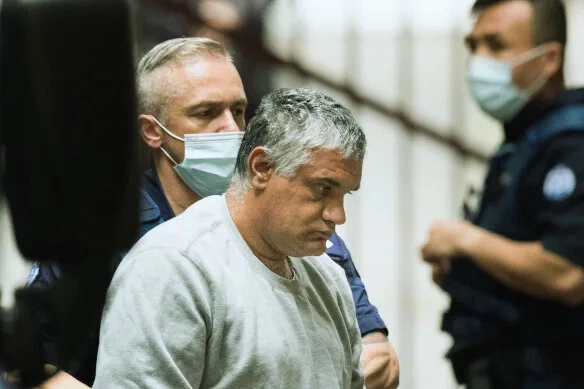
On 28 April 2021, Pusey was sentenced to 10 months in prison, a $1,000 fine & a two-year good behaviour bond. He had already served 296 days, meaning he would be released within a week. The judge emphasised that Pusey was not being sentenced for causing the officers’ deaths-only for his reprehensible behaviour afterward.
Families of the victims expressed outrage. Lynette Taylor’s husband said the penalty was “totally inappropriate for this offending.” The Police Association described Pusey as “a soulless coward.”
Wraight himself acknowledged that the “public has demonised” Pusey, calling him “probably the most hated man in Australia.”
Aftermath-Media Backlash & Mental Health
Following the sentencing, Pusey’s home was vandalised with graffiti reading “vermin” & “die.” He received multiple death threats. In custody, he was kept in protective isolation & placed on suicide watch.
Psychiatric evaluations diagnosed him with a complex mixture of antisocial, borderline, narcissistic, and paranoid personality subtypes, along with severe emotional dysregulation. Dr Adam Deacon, who assessed him, described Pusey as “hot-headed, impulsive & volatile-a man who struggles every day to keep his mouth shut.”
His mental instability was consistent with decades of erratic behaviour-but it did little to earn public sympathy.
Subsequent Offences & Assault Charges (2021)
After his initial release, Pusey was arrested again within six weeks. During a police standoff at his Fitzroy apartment, he sent messages to officers reading:
“I’ll kill everyone then. Say sorry and I’ll forgive you. If not, I will hang person.”
He was charged with assault after dragging a woman up two flights of stairs, showing her a noose hanging from the ceiling. The victim declined to give a statement, but the court deemed the assault serious.
In August 2021, Magistrate Hayley Bate sentenced Pusey to 120 days imprisonment-time already served-along with a two-year good behaviour bond, $3,300 in fines & mandatory psychiatric treatment. She described his behaviour as “repugnant” & noted that he “deliberately seeks to interfere with the sense of safety of those who encounter him.”
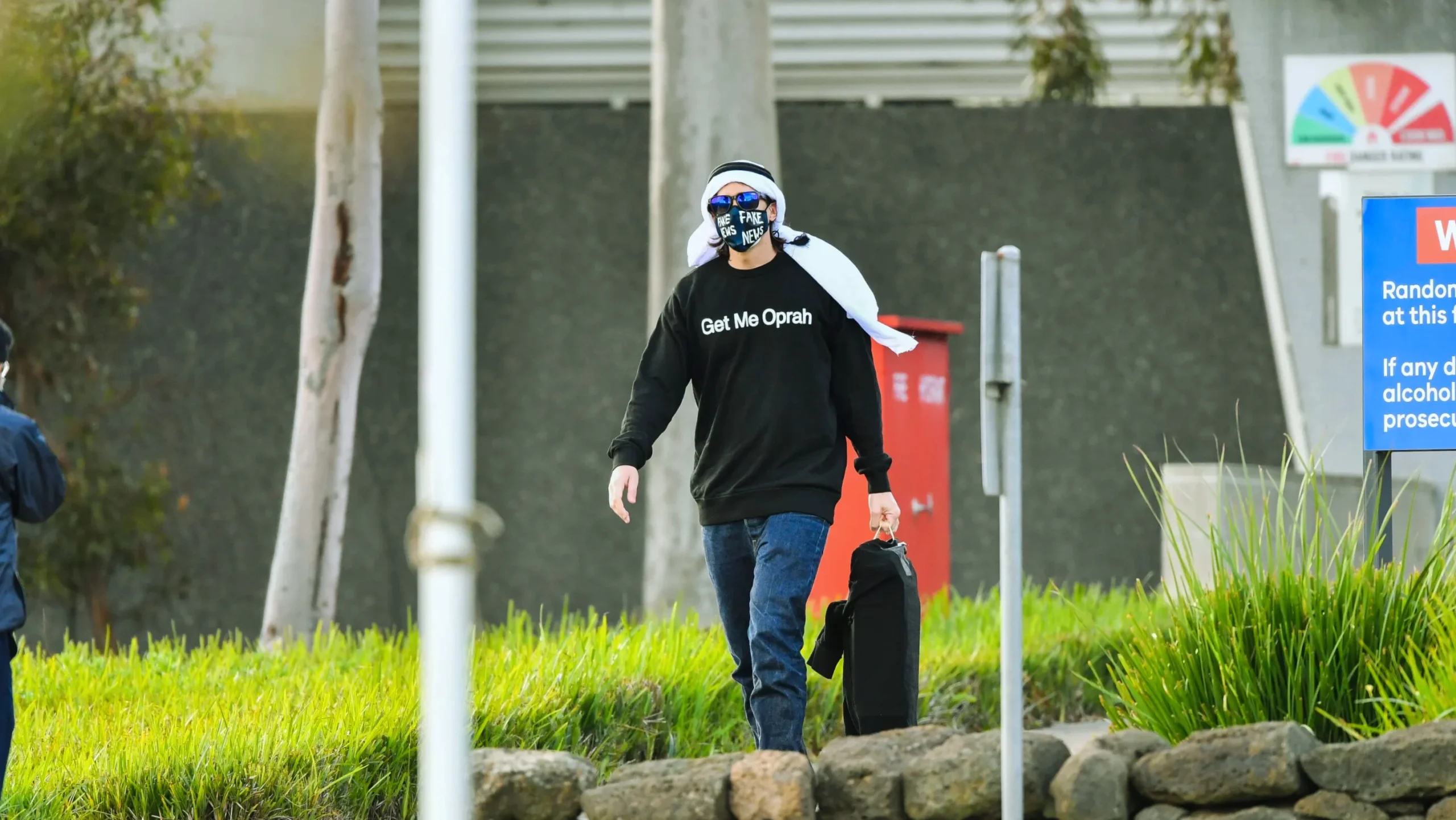
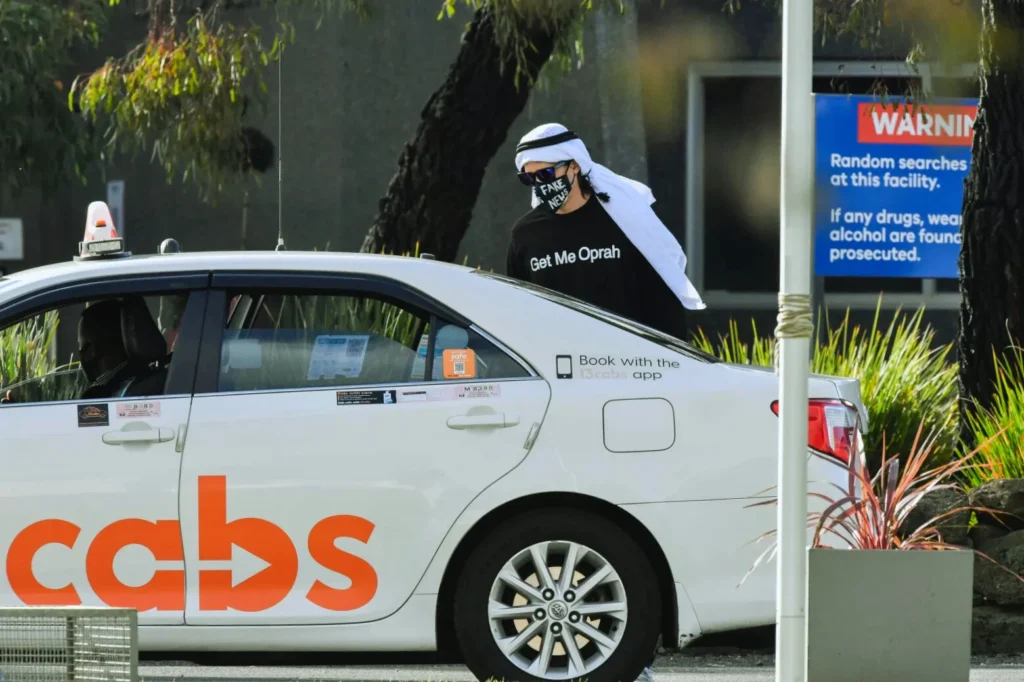
Pusey left Ravenhall Correctional Centre wearing sunglasses, a mask that read “FAKE NEWS”, and a hoodie emblazoned with “GET ME OPRAH.” His lawyer told the court he feared for his safety upon release.
ASIC 10-Year Ban from Finance
Simultaneously, the Australian Securities & Investments Commission (ASIC) revoked Pusey’s financial services licence. He was banned for 10 years from providing credit or financial advice after regulators found he had lodged seven false statements between 2011 & 2017 & lacked “the attributes of honesty, good character & judgment.”
ASIC noted that Pusey “has no regard for the law” & is not a fit and proper person to work in financial services. The ban, effective 6 August 2021, was recorded on ASIC’s Banned & Disqualified Persons Register.
The Graphic Photo Case (2022)
In December 2022, Pusey faced new charges for sending “terribly graphic” images of the Eastern Freeway crash to the Australian Financial Complaints Authority (AFCA) while disputing a $2.2 million insurance claim for his damaged Porsche.
The photos, showing the deceased officers, caused profound distress to AFCA staff. Magistrate Michelle Mykytowycz described it as “hard to conceive of a more serious example” of the offence of using a carriage service to cause offence.
She added:
“Once seen, these images cannot be unseen. Their use was gratuitous & denied the dignity the officers deserved.”
Pusey was sentenced to 10 months in prison but released days later due to time served. Mykytowycz said his actions reflected a “continued attitude of disobedience of the law” & personally thanked first responders after viewing the evidence herself.
Further Legal Troubles & 2023 Arrest Warrants
In November 2023, Victoria Police issued public warrants for Pusey’s arrest after he failed to comply with court orders. Described as a 45-year-old known to frequent the Melbourne CBD and northern suburbs, Pusey was wanted for two counts of contravening a court directive.
His re-emergence reignited public anger & renewed debate about whether Australia’s justice system had adequately deterred his behaviour.
2025 Update-Ongoing Court Proceedings
By 2025, Pusey was once again facing legal scrutiny after failing to appear in a Yarra City Council case. The court authorised substituted service after three unsuccessful attempts to locate him. While details remain limited, authorities confirmed ongoing monitoring due to the risk of recidivism & mental health instability.
Despite repeated warnings & court-mandated treatment, there has been little sign of rehabilitation. Pusey’s interactions with the justice system continue to oscillate between defiance, self-pity & brief remorse.
Psychiatric Evaluation & Personality Profile
Forensic assessments across several hearings have painted a consistent picture:
- Antisocial and narcissistic traits marked by manipulation, lack of empathy & inflated self-importance.
- Borderline tendencies leading to impulsive outbursts & unstable relationships.
- Paranoid features fuelling hostility toward perceived authority figures.
These traits explain his pattern of targeting neighbours, strangers & institutions-often with a mix of entitlement and spite. Judge Bate summarised him as “a man who reacts to common interactions with outrage, disdain & immaturity.”
Richard Pusey & Public Perception
Public opinion on Richard Pusey has been overwhelmingly negative. Across Australia, he remains a symbol of moral decay-a man who mocked heroism and violated basic decency. Yet a few contrarian voices have questioned whether intense media vilification contributed to his psychological collapse.
Judge Wraight acknowledged that Pusey had endured “an enormous amount of public antipathy,” but stopped short of suggesting that public hatred diminished his culpability.
In the eyes of the community, Pusey became not just a criminal, but a reflection of society’s limits on empathy-a test of how far forgiveness can go when human dignity is violated.
Broader Lessons & Legal Legacy
The Eastern Freeway tragedy remains the single worst loss of police life in Victorian history. It also reshaped legal discourse by reviving the archaic British charge of outraging public decency-rarely used since the 18th century.
Legal scholars noted that the case redefined public morality as a legitimate component of criminal justice. As one barrister wrote, “Certain failures to respect human dignity are not merely disgusting but anathema to civilisation itself.”
The tragedy also exposed systemic failures in mental health & substance monitoring. Both Pusey & truck driver Mohinder Singh had histories of psychological instability & substance abuse-underscoring what the 2020 Victorian Mental Health inquiry later called “a breakdown between care, community & consequence.”
Where Richard Pusey Stands Now
As of 2025, Richard Pusey remains banned from financial services & under a good-behaviour bond. He lives a largely reclusive life, monitored by authorities & still occasionally pursued for outstanding warrants. Despite repeated opportunities for rehabilitation, his public persona as Australia’s most hated man endures.
His story continues to provoke questions about justice, mental illness & moral responsibility. Was Pusey a symptom of a failing system-or a man who simply rejected empathy altogether? For now, the answer lies somewhere between tragedy & warning.
Conclusion
Richard Pusey’s journey from a middle-class upbringing to infamy reflects a life defined by defiance & disdain. Each act-from the gas-bottle stunt in Fitzroy to the Eastern Freeway recording-deepened his alienation from society. Though the law has punished him repeatedly, the stain on his name may never fade.
In the end, the story of Richard Pusey is not just about one man’s moral collapse. It is a mirror of how society grapples with cruelty, justice & redemption & whether some acts are simply beyond forgiveness.

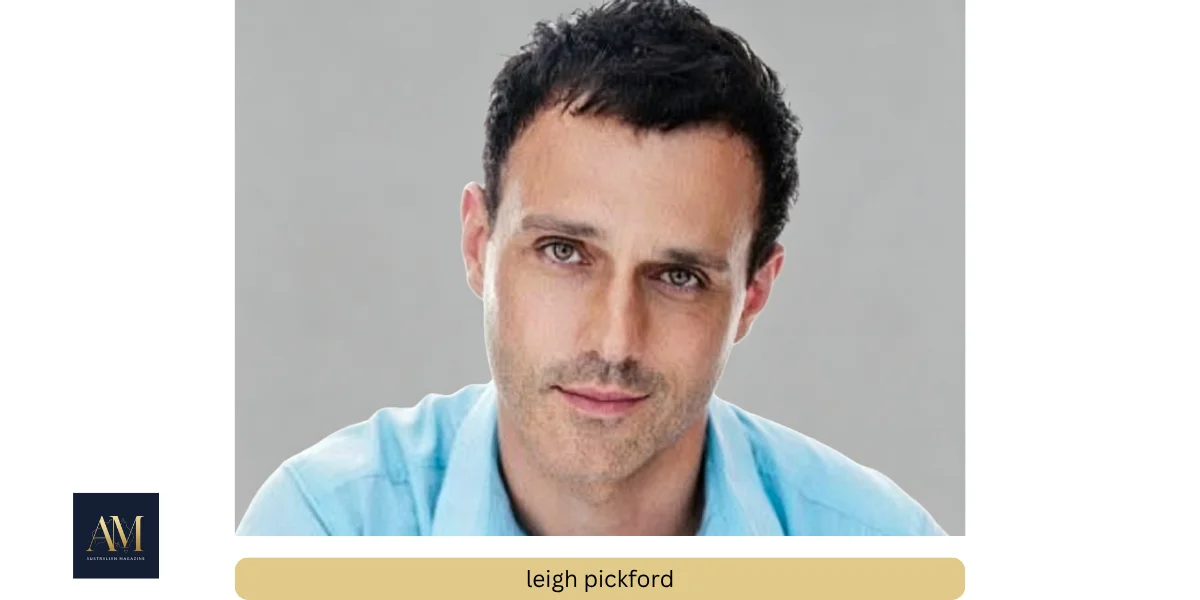
In today’s media landscape, certain individuals find themselves thrust into the spotlight not by choice, but through circumstances that test their character. Leigh Pickford is one such person. An Australian woman whose life has drawn public attention due to deeply personal and legal matters, she has come to represent quiet strength and the human capacity to endure hardship while maintaining dignity.
Having followed public stories involving ordinary people facing extraordinary challenges for over thirty years, I’ve learned that these narratives often reveal more about society’s values than about the individuals themselves. Leigh Pickford’s journey offers powerful insights into resilience, privacy, and the complexities of living life under scrutiny.
Background
Leigh Pickford is based in Australia, where she has navigated life away from the limelight for much of her earlier years. Like many Australians, her story is rooted in everyday realities — family, community, and personal aspirations. However, specific events brought her into the public consciousness, turning private struggles into matters of broader interest.
What stands out in her background is the ordinary foundation from which her story unfolded. This relatability is perhaps why her experiences have resonated with so many. She represents countless individuals who face unexpected trials without the armour of fame or fortune.
Key Events
Leigh Pickford gained media coverage due to a series of personal and legal challenges that tested her resilience in profound ways. While the specifics of these events are complex and often deeply personal, they highlighted issues many face, but few discuss openly — matters involving justice, personal boundaries, and emotional endurance.
Throughout these difficult periods, Pickford demonstrated a level of composure that drew both sympathy and admiration. Public records and media reports portrayed her as someone determined to stand her ground and seek resolution through proper channels, even when the process was lengthy and emotionally draining.
In my experience covering similar stories, individuals like Leigh often become unintentional symbols. Their cases bring attention to systemic issues — whether in legal processes, support for those facing personal crises, or the role of media in shaping public perception.
Public Response
The public reaction to Leigh Pickford’s story has been mixed but notably compassionate in many circles. Many Australians followed her journey with interest, seeing in her experience reflections of their own vulnerabilities or those of their loved ones.
Social media played a significant role, with supporters offering messages of encouragement and calling for fairness. Others engaged in more critical discussions about privacy rights and the ethics of media coverage in personal legal matters.
This duality is common in high-profile personal stories. On the one hand, public attention can provide a sense of solidarity; on the other, it can intensify pressure on the individual at the centre. Leigh appears to have handled this delicate balance with notable grace, focusing on her own path rather than getting lost in the noise of public opinion.
Lessons on Resilience and Privacy
From an expert perspective shaped by decades of observing human stories, Leigh Pickford’s experience underscores several important truths:
- Strength is often quiet. True resilience doesn’t always look dramatic — it frequently appears as persistence, dignity, and the choice to keep moving forward.
- Privacy remains precious. In an age of constant sharing, protecting one’s personal boundaries becomes an act of self-preservation.
- Support systems matter. Family, legal counsel, and community networks play crucial roles in helping individuals weather storms.
- Media narratives evolve. Initial coverage may focus on drama, but deeper stories often reveal nuance and human complexity over time.
For anyone facing similar challenges, Leigh’s story serves as a reminder that seeking professional guidance, setting boundaries, and prioritising mental wellbeing are essential steps.
Current Life (2026)
As of 2026, Leigh Pickford continues to focus on her personal life and any ongoing matters related to her journey. Reports suggest she has maintained a relatively low public profile, concentrating on rebuilding stability and moving forward after years of intense attention.
This phase reflects a common pattern among those who have endured prolonged public scrutiny — a return to normalcy and private healing. While she may not seek the spotlight, her earlier experiences have left a lasting impression on those who followed her story.
Her current approach appears grounded and forward-looking, emphasising personal growth over continued public engagement. This choice deserves respect and highlights the importance of allowing individuals space to recover and redefine their lives on their own terms.
Conclusion: The Enduring Power of Human Resilience
Leigh Pickford’s story is ultimately one of human resilience in the face of adversity. While the details of her challenges are unique, the themes of strength, dignity, and perseverance are universal. In sharing aspects of her journey with the public, whether willingly or through circumstance, she has contributed to broader conversations about justice, privacy, and support for those navigating difficult times.
For readers, her experience offers valuable perspective: life can change unexpectedly, but the human spirit possesses remarkable capacity for recovery. As we move further into 2026 and beyond, stories like Leigh’s remind us to approach public narratives with empathy and to value the quiet strength that often goes unseen.
In a world quick to judge and even quicker to move on to the next headline, remembering the real people behind the stories — their struggles, their growth, and their right to privacy — remains as important as ever.
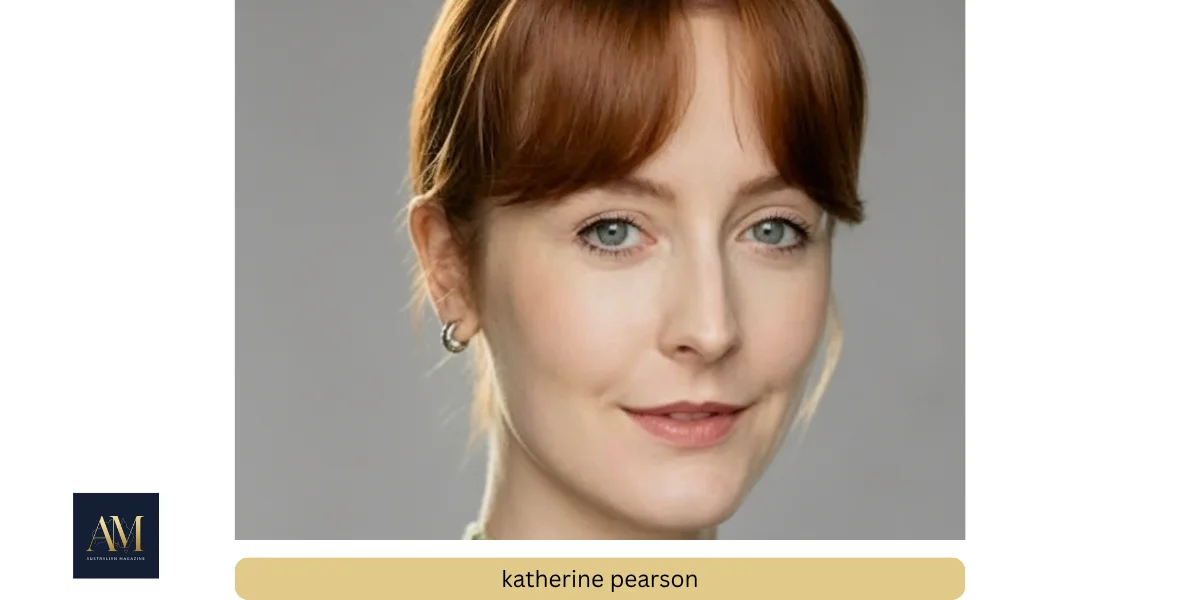
Many stories make their way into the public eye, but not all belong to people who sought that attention. Katherine Pearson is one such individual — an Australian woman whose life unexpectedly became a subject of media coverage and public discussion due to personal and legal circumstances. What began as private matters soon unfolded into a story that captured the nation’s curiosity, offering a clear example of how quickly life can change when circumstances bring you into the public eye.
Over time, Katherine Pearson has become known not just for the events that brought her into the news, but for the way she navigated those challenges. Her journey is defined by resilience, a commitment to privacy, and the determination to move forward despite scrutiny. This article explores her background, the key events that shaped her public profile, how people responded to her story, and where she is focusing her life as of 2026.
Background
Katherine Pearson is based in Australia, where she spent the majority of her early years living a quiet, private life. Before the events that brought her into the spotlight, there was little public information about her — she was focused on her personal responsibilities, family, and daily life, just like millions of others.
Her entry into public awareness was not a choice or a career move. It came when her personal circumstances intersected with legal and public matters that attracted the interest of news outlets and observers. This shift from private citizen to someone regularly mentioned in the media was sudden and unplanned, requiring her to adapt to a reality most people never have to face.
Throughout this transition, one consistent quality became clear: her desire to protect her own dignity and the privacy of those close to her. She did not seek fame or publicity, and her actions over the years have reflected a preference for letting facts speak for themselves rather than seeking attention or sympathy.
Key Events
The turning point in Katherine Pearson’s public profile came from a series of events that unfolded gradually, drawing increasing attention as details emerged. These events centred on complex personal and legal challenges that raised questions and sparked discussion across Australia.
While the specifics of these matters have been reported in various news sources, it is important to focus on the broader context of how they affected her life:
Initial Public Awareness: Coverage began when her situation became linked to formal proceedings and investigations. At this early stage, information was still limited, leading to a mix of accurate reporting and public speculation.
Growing Scrutiny
As the process continued, interest grew. Media outlets followed developments closely, and details — sometimes incomplete or taken out of context — began to circulate. This period brought significant pressure, as her personal life became open to interpretation and discussion by strangers.
Clarifying the Narrative
Over time, Katherine Pearson chose to share certain aspects of her experience. This was done not to gain attention, but to address misinformation, provide clarity, and ensure that her side of the story was understood. She spoke with measured care, focusing on facts rather than emotion.
Navigating Uncertainty: Every step of the journey required balancing legal obligations, personal boundaries, and the public’s interest. It was a complex path, and one that tested her patience and resolve at every stage.
One of the most important lessons from this period is the difference between verified facts and assumptions. As with many stories in the public domain, not everything reported was fully accurate, and distinguishing between the two required careful attention from readers and observers.
Public Response
When a private individual finds themselves in the news, reactions are almost always mixed — and Katherine Pearson’s case was no exception. The public response reflected a wide range of perspectives, offering insight into how society views people caught in difficult circumstances.
Support and Empathy
A large portion of the public responded with understanding and respect. Many recognised that being under constant media observation during a difficult time adds a heavy burden that no one should have to carry. People expressed sympathy for the stress and disruption she faced, and emphasised that everyone deserves the space to work through personal challenges without constant oversight.
Curiosity and Debate
Naturally, the story also sparked curiosity. People wanted to understand the context, the legal process, and how such situations unfold. This led to broader conversations about media responsibility, the line between public interest and private life, and how individuals are treated once they enter the public eye. These discussions highlighted important questions about privacy and fairness in the modern media landscape.
Key Takeaways for Readers
From Katherine Pearson’s experience, there are valuable lessons that apply to how we consume and respond to news stories:
Look for verified information: It is easy to form opinions based on headlines or incomplete reports, but reliable understanding requires seeking out confirmed facts.
Respect personal boundaries: Even when information is available, there is a difference between being informed and invading someone’s private life.
Recognise strength in quiet persistence: Facing public attention while dealing with personal challenges requires great inner strength, and moving forward without giving in to pressure is a notable achievement.
Current Life (2026)
As of 2026, the intense period of media attention has settled significantly. Katherine Pearson has entered a new chapter, where her focus has returned to what matters most: her personal life, family, and future stability.
She continues to handle any remaining matters related to her past with the same careful, thoughtful approach she has shown from the beginning. There is no indication that she seeks further public attention; instead, her priority is to restore the sense of normalcy disrupted by events in previous years.
Those who follow her story will note that her current choices reflect a clear intention: to leave the spotlight behind and live life on her own terms. This decision is itself a sign of how far she has come — from someone caught in a situation beyond her control, to someone who has reclaimed ownership of her own path.
Conclusion
Katherine Pearson’s story is not one of fame, achievement, or public ambition. It is a story about what happens when ordinary life intersects with extraordinary circumstances, and how a person responds to pressure, scrutiny, and uncertainty.
From her quiet beginnings in Australia, through the challenges that brought her into the public eye, to her focus on stability and privacy in 2026, her journey highlights the importance of resilience and self‑determination. It reminds us that behind every headline, there is a real person with feelings, rights, and a life that goes far beyond the details reported in the news.
For readers, her experience offers a valuable perspective: to look beyond the surface of any story, to respect the humanity of those involved, and to recognise that strength is often found not in being in the spotlight, but in having the courage to move forward and rebuild when the attention fades.

In the landscape of public interest, some stories do not come from the worlds of film, music, or politics, but from ordinary individuals whose lives become part of the broader conversation. Darci McDonald is one such name. An Australian woman who stepped into the spotlight not by choice but through a series of personal and legal developments that captured national media attention offers a compelling look at resilience, privacy, and how to move forward under public scrutiny.
Over the years, Darci McDonald has navigated the difficult line between living her life and being the subject of news reports and public discussion. While her story has been told in various outlets, it is important to look beyond the headlines to understand the full picture—where she came from, what challenges she faced, how the public responded, and where she stands today in 2026.
Background
Darci McDonald is based in Australia, and her early life remained largely private before she became known to the wider public. Like many people, she spent her formative years away from cameras and media attention, focused on personal growth, family, and community life. This background of normalcy makes her later experience all the more notable: the shift from a private citizen to someone whose name appeared regularly in news reports.
Her entry into public awareness began when she became associated with specific events and legal matters that drew significant coverage. It is important to note that the focus of this attention was not on her career or public achievements, but on personal circumstances that unfolded in the public domain. This distinction is key—she was not a public figure seeking fame but an individual whose life circumstances brought her into the media’s view.
Throughout this period, one consistent trait emerged: her determination to maintain her dignity amid external scrutiny. Those who have followed her story recognize that she has always prioritized her well-being and the stability of her personal life, even in the face of intense scrutiny.
Key Events
The turning point in Darci McDonald’s public profile came from a series of events that unfolded over time, leading to widespread media coverage. These events centered on legal and personal challenges that raised questions, sparked discussion, and brought her name into homes across Australia.
While the details of these matters have been reported in various news sources, the core of the story lies in how she responded to them:
Initial Attention: The first reports emerged when her personal situation intersected with legal proceedings, prompting curiosity from the public and journalists alike.
Media Scrutiny: As the story developed, coverage increased, leading to both factual reporting and speculation. This period tested her ability to protect her privacy while the facts were being established.
Sharing Her Journey: In time, Darci McDonald chose to share certain aspects of her experience. This was not done to seek sympathy, but to offer clarity, address misinformation, and highlight the reality of living through such challenges.
Navigating Complexities: Every step of the process involved balancing legal requirements, personal boundaries, and the public’s right to information—a challenge that many people never have to face.
One important observation from her journey is the difference between verified facts and public speculation. As with many stories in the media, some reports were based on confirmed details, while others relied on assumptions. Darci McDonald’s approach remained consistent: to let the facts speak for themselves and focus on what mattered most to her future.
Public Response
When a private individual becomes a subject of news, the public reaction is almost always mixed—and Darci McDonald’s case was no exception.
Support and Empathy
A large portion of the public responded with understanding. Many recognized that being in the spotlight under difficult circumstances is a heavy burden, and expressed respect for her ability to keep moving forward. Comments from readers and viewers often highlighted the importance of privacy, noting that everyone deserves the chance to work through personal struggles without constant observation.
Curiosity and Debate
At the same time, the story sparked natural curiosity. People wanted to understand the background of the events, the legal context, and how such situations unfold. This led to discussions about media responsibility, the line between public interest and private life, and how individuals are treated once they are in the news.
Lessons for Readers
From a broader perspective, Darci McDonald’s story offers useful insights:
Respect Boundaries: Even when information is available, respecting the privacy of those involved is essential.
Seek Verified Information: Not everything reported in the media is fully accurate; looking for reliable sources helps avoid forming opinions based on speculation.
Strength in Adversity: Her ability to stay focused on her well-being serves as a reminder that challenges can be faced with resilience.
Current Life (2026)
As of 2026, Darci McDonald has entered a new chapter. The intense media attention that surrounded her in previous years has settled, allowing her to refocus on what matters most: her personal life, family, and future goals.
Recent updates make it clear that her priority is stability and normalcy. She continues to handle any remaining matters related to her past with the same measured approach she has always shown. There is no indication of seeking further public attention; instead, she appears committed to living life on her own terms, away from the constant gaze of the media.
Looking at her journey up to this point, it is evident that her experience has shaped her perspective. She has demonstrated that even when circumstances force you into the public eye, it is possible to retain your sense of self and move toward a more peaceful future.
Conclusion
Darci McDonald’s story is not one of fame or celebrity achievement, but of resilience. It is a reminder that life can change unexpectedly, and that facing challenges with composure and determination makes all the difference.
From a private life in Australia to becoming a subject of national attention, and finally to finding balance again in 2026, her journey shows that the most important progress is often quiet and personal. For readers, it offers a valuable lesson: look beyond headlines, respect the humanity behind every story, and recognize that strength often lies in the choice to keep moving forward.
As Darci McDonald continues to focus on her personal life, her story remains a testament to the fact that, no matter what challenges arise, the path forward is always possible with patience and resolve.

Melissa Agnew: Mastering the Art of Authentic Voice in Australian Media
Leigh Pickford: A Story of Strength and Resilience in the Public Eye

Veronica Neave: A Multifaceted Force in Australian Arts
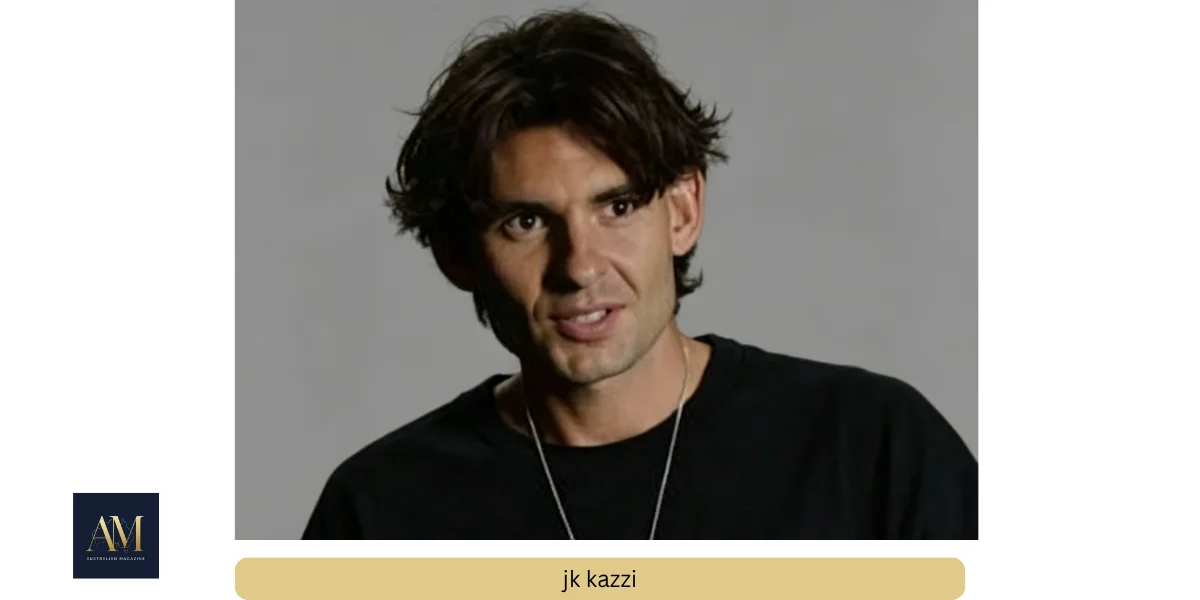
JK Kazzi: The Charismatic Voice of a New Generation of Cultural Influencers
Actors Equity Australia: Protecting and Empowering Performers
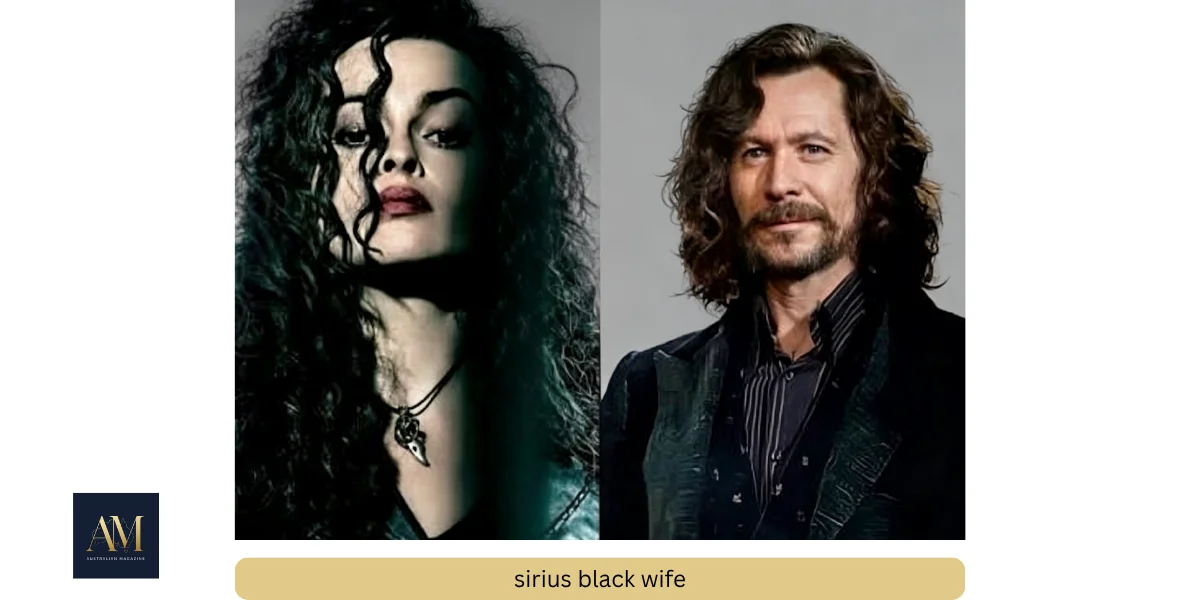
The Enigma of Sirius Black: Exploring the Canonical Truth and the Quest for a Wife

Ian White Management: Guiding Athletes to Success

Comedy Lounge Perth: Where Laughter Comes to Life
Katherine Pearson: Strength, Resilience and Life Beyond the Headlines
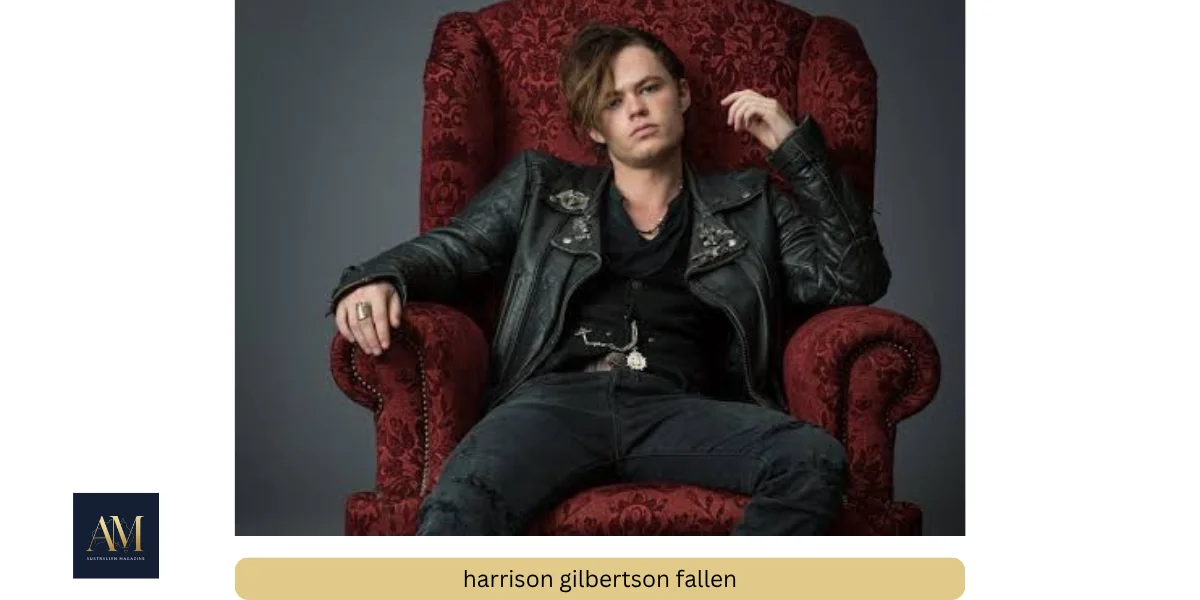
Harrison Gilbertson in Fallen: Bringing a Fallen Angel to Life
-
 Celebrity11 months ago
Richard Zachariah – The Story of a Gentleman Journalist
-
 Lifestyle5 months ago
Top Fashion Trends Australia 2026: What Australians Are Wearing Now
-
 Lifestyle5 months ago
Spring 2026 Fashion Trends: The Complete Style Guide
-
 Lifestyle12 months ago
Matt Moran Liberal-From Service to Leadership in Western Australia
-
 News10 months ago
Beau Lamarre-Condon – Inside the Case, the Charges, and the Court Timeline
-
 News11 months ago
Samuel William Davidson – The Oatlands Tragedy, Sentence & the Power of Forgiveness
-
 Entertainment12 months ago
The Unstoppable Rhea Ripley-WWE’s Australian Phenomenon
-
 Entertainment5 months ago
How Australian Players Are Choosing Their Online Casino in 2026