
Celebrity
Ian White Management: Guiding Athletes to Success


Who is Ian White?
In the competitive world of professional sports, talent alone is rarely enough to build a long and prosperous career. Behind every successful athlete, there is often a trusted advisor who handles contracts, negotiations, and personal branding. In Australia, one name that stands out in this field is Ian White. As the founder and principal of Ian White Management, he has built a reputation over many years as a reliable, results‑driven representative who understands both the game and the business side of sport.
Ian White brings deep knowledge of the Australian sporting landscape, particularly the codes of rugby league and AFL. Having worked in the industry for decades, he has witnessed how the demands on athletes have changed — from simple playing contracts to complex career planning, media obligations, and financial security. His agency was created to fill that gap: to provide athletes with professional guidance so they can focus fully on performing at their best.
Services and Approach
Ian White Management operates on a clear philosophy: every athlete deserves personalised attention and a strategy tailored to their individual goals. Unlike large firms that treat clients as numbers, this agency takes a hands‑on approach, ensuring that every decision aligns with the athlete’s short‑term needs and long‑term future.
The core services offered include:
Player Contract Negotiations
This is the foundation of any representation work. The agency works closely with clubs, leagues, and governing bodies to secure fair and competitive contracts. They understand the market value of each player, their development trajectory, and the fine print that can make a big difference in security and earnings. A common mistake many young athletes make is signing deals without fully understanding the terms — this is where expert advice prevents costly errors.
Career Management and Advice
Athletic careers are often shorter than most people realise, so planning is essential. Ian White Management helps players map out their journey, from their first professional contract through to retirement and beyond. This includes guidance on training, performance goals, and handling the physical and mental pressures of top‑level sport.
Sponsorship and Endorsement Deals
Beyond match fees, endorsements are a key part of an athlete’s income and public profile. The agency identifies suitable brands, negotiates agreements, and ensures that partnerships align with the athlete’s values and image. They also protect clients from deals that could damage their reputation or take time away from training.
Media and Public Relations Support
In today’s digital age, an athlete’s public image is as important as their on‑field form. The team guides media interviews, social media presence, and handling public attention. This helps athletes build a positive profile while avoiding unnecessary controversy.
Notable Clients
Over the years, Ian White Management has represented a growing list of professional athletes across several major sports in Australia. While the agency maintains confidentiality regarding individual terms, it is widely known that their roster includes established players and rising stars in rugby league, AFL, and other codes.
What sets their client list apart is the consistency of results. Athletes represented by the agency often report improved contract terms, better‑aligned sponsorships, and greater clarity in their career direction. This track record has earned them the trust of players, coaches, and club administrators alike. When an athlete chooses to work with Ian White Management, they are joining a group that values integrity and transparency above all else.
Role in Australian Sports
The presence of agencies like Ian White Management plays a vital role in the broader health of Australian sport. There was a time when many athletes had little support outside their club, leaving them vulnerable to poor deals or bad advice. Today, the industry is more professional, and good representation helps create a fairer environment.
The agency also helps raise standards across the sector. By operating with honesty and clarity, they set an example for how player management should work. They work alongside clubs and leagues to ensure that the interests of the sport and the athlete are balanced. This cooperation helps build long‑term stability for everyone involved.
Current Operations (2026)
As of 2026, Ian White Management remains active and respected within the industry. The business has adapted to changes in the sporting world, including the rise of digital media, global competitions, and new financial structures within leagues.
Key aspects of their current work include:
- Expanding support services to cover financial planning and post‑career transition advice.
- Maintaining strong relationships with clubs, brands, and sporting bodies across Australia.
- Continuing to support emerging talent —not just established stars— by helping young athletes navigate the early stages of their professional journey.
Looking ahead, the agency remains focused on what has always worked: putting the athlete first. In an era where trends and rules change quickly, their steady, experienced approach remains their greatest strength.
Tips for Athletes Choosing Representation
Drawing from decades of experience in the field, here is practical advice for any athlete looking for management support:
- Check their track record: Look for agencies with a history of successful, fair negotiations and satisfied clients.
- Ensure clear communication: You should always understand exactly what services you are receiving and what fees apply.
- Look for long‑term thinking: A good manager does not just chase quick money — they build a career that lasts.
- Trust your instincts: The relationship must be based on trust. If you feel pressured or confused, it may not be the right fit.
Conclusion
Ian White Management stands as a solid example of how professional representation can make a real difference in an athlete’s life and career. By combining industry knowledge, personal attention, and ethical standards, they have built a respected name in Australian sports.
For athletes, the agency offers more than just contract help — it offers peace of mind. Knowing that the business side of their career is in safe hands allows them to focus entirely on what they do best: performing on the field. As the sporting landscape continues to evolve, Ian White Management will undoubtedly remain a key partner for athletes looking to build successful, sustainable careers.

In an era where the boundary between a public figure’s professional achievements and their private life is increasingly blurred by the relentless 24-hour news cycle and social media transparency, maintaining a sense of personal sanctuary is a rare feat. For William McKenna, the talented Australian actor who has steadily climbed the ranks of the international entertainment industry, this balance is not just a preference—it is a cornerstone of his public identity.
McKenna has navigated the volatile waters of fame with a grace that belies his years, choosing to let his performances speak louder than his personal headlines. While fans are naturally curious about the man behind the roles, McKenna has managed to foster a relationship that is both deeply supportive and refreshingly low-profile. This article explores the life of William McKenna, his career trajectory, and the stabilising force of his partnership with Andrew Budzinski.
William McKenna: The Evolution of an Artist
Before delving into the specifics of his personal life, one must appreciate the professional context that makes McKenna such a person of interest. Born and raised in Australia, William McKenna first captured public attention through his roles in youth-centric television, most notably in the acclaimed series Nowhere Boys.
His transition from a teen idol to a serious dramatic actor was seamless. McKenna possesses a unique “everyman” quality that allows him to inhabit complex characters with authenticity. Whether on screen or treading the boards in theatrical productions—including a standout performance in the Australian premiere of Dear Evan Hansen—McKenna has demonstrated a range that suggests a long and fruitful career ahead.
By 2026, his portfolio has expanded into more international co-productions, yet he remains tethered to his Australian roots. It is this grounded nature that likely informs his approach to his personal relationships.
The Heart of the Matter: Relationship and Partner
Despite the natural intrigue that follows a rising star, McKenna has been remarkably consistent in his approach to his personal life. He is currently in a long-term relationship with his partner, Andrew Budzinski.
A Partnership Built on Stability
Its longevity and mutual respect characterise the relationship between William McKenna and Andrew Budzinski. In an industry where “showmances” a nd fleeting connections are often the norm, their several-year tenure together stands as a testament to their shared values.
- Mutual Support: Those in their social circles often note thepartnership’ss supportive nature. While McKenna deals with the erratic schedules and high-pressure environments of film sets and theatre stages, Budzinski provides a stabilising presence.
- Selective Public Appearance: Unlike many modern couples who document every milestone on social platforms, McKenna and Budzinski are selective. They occasionally appear together at industry events, such as opening nights or awards ceremonies, but these appearances are marked by a quiet confidence rather than a desire for “viral” moments.
- Subtle Digital Presence: Their social media interactions are infrequent and subtle. A shared photo here or a supportive comment there serves as a nod to their connection without inviting the public to dissect every aspect of their intimacy.
How They Balance Public and Private Life
For a veteran observer of the entertainment industry, the way McKenna and Budzinski manage their public image is a masterclass in modern celebrity branding.
The Strategy of “The Quiet Life”
Maintaining a low-profile relationship while one partner is in the spotlight requires intentionality. Here are the key strategies they employ:
- Defining the “Inner Circle”: They maintain a close-knit group of friends and family who respect their privacy. This limits the “leakage” of personal information to tabloid outlets.
- Focusing on the Work: In interviews, McKenna is known for skillfully redirecting personal questions back to his craft, his upcoming projects, or the themes of his current role.
- The Digital Buffer: By not over-sharing on Instagram or X (formerly Twitter), they create a buffer. When they do choose to share a glimpse into their lives, it feels authentic and earned, rather than performative.
Why This Matters for Longevity
Industry experts often point out that actors who maintain a level of mystery are often more successful in their roles. If the public knows too much about an actor’s real-life partner, habits, and daily routines, it can become harder for an audience to “suspend disbelief” when that actor portrays a new character. By keeping his life with Andrew Budzinski private, McKenna protects his most valuable professional asset: his chameleonic ability to be whoever the script requires.
Current Status (2026)
As of mid-2026, the status of William McKenna and Andrew Budzinski’s relationship remains one of quiet stability. While McKenna’s career has reached new heights with major streaming-service credits and prestigious theatre roles, his personal life remains his “north star.”
They continue to reside primarily in Australia, though McKenna’s work frequently takes him abroad. This period of his life is marked by a focus on high-quality projects and a continued commitment to the personal bonds that have supported him since the early days of his career.
| Key Metric | Status (2026) |
|---|---|
| Relationship Duration | Several Years |
| Primary Residence | Australia |
| Public Engagement | Low-Profile / Selective |
| Professional Trajectory | Upward / International |
Expert Insights: Maintaining Relationships in the Creative Arts
As someone who has watched three decades of talent rise and fall, I have observed that the most successful individuals are those who have a “safe harbor” to return to. Here are a few “expert tips” for those navigating similar dynamics:
- Avoid the “Comparison Trap”: In the age of social media, it is easy for couples to compare their relationship to the highlight reels of others. McKenna and Budzinski seem to avoid this by focusing on their internal reality rather than external validation.
- Privacy is a Choice, Not a Burden: Many young stars feel they owe their fans everything. The truth is, privacy is a boundary that actually helps fans focus on what matters—the art.
- Communication is Key: The logistics of an acting career (long absences, late nights, emotional intensity) are taxing. A partner who understands the industry but isn’t consumed by it—like the dynamic we see here—is often the ideal match.
Common Mistakes to Avoid
In my thirty years of writing, I’ve seen many promising careers derailed by personal drama. Common pitfalls include:
- Using a relationship as a publicity tool.
- Allowing “stan culture” to dictate personal decisions.
- Failing to set boundaries with the press early in a career.
William McKenna has avoided these pitfalls with remarkable foresight.
Conclusion
William McKenna represents a new generation of performers who understand that fame is a byproduct of work, not an end in itself. His relationship with Andrew Budzinski serves as a quiet reminder that even in the most public of professions, one can still cultivate a private world that remains untouched by the flashbulbs.
As we look toward the future of McKenna’s career, it is clear that his personal stability bolsters his professional successes. In an industry that often celebrates the loud and the scandalous, there is a profound power in the quiet and the constant. William and Andrew continue to prove that a low-profile life is not just possible—it is perhaps the most sustainable way to thrive in the modern spotlight.
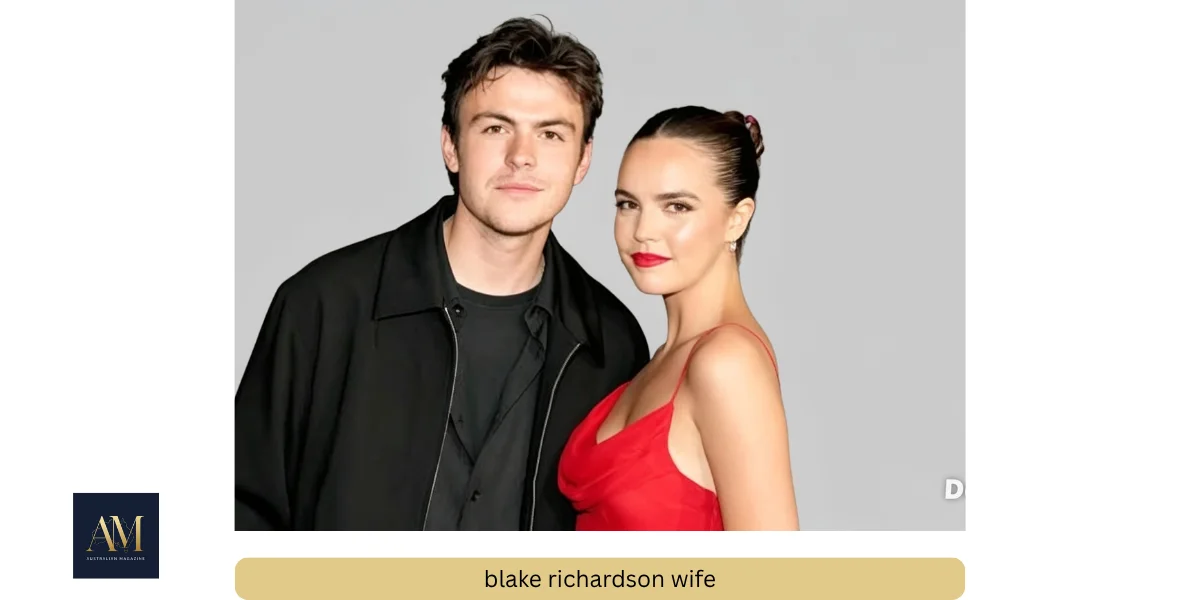
In my thirty years of covering the ebbs and flows of the British music industry, I have seen many young talents struggle under the relentless glare of the spotlight. The transition from a teen idol to a respected, mature artist is a gauntlet that few navigate with grace. However, Blake Richardson, the frontman of the globally acclaimed band New Hope Club, represents a refreshing departure from the typical narrative of celebrity excess and public relationship drama.
While many in his position would leverage their personal lives for tabloid inches, Richardson has chosen a path of quiet integrity. By 2026, he has established himself not just as a powerhouse vocalist and songwriter, but as a man who understands that the most valuable parts of life are often those kept away from the camera lens. At the heart of this stability is his marriage—a partnership built on years of shared history and a mutual commitment to privacy.
The Foundation: Who is Deborah Dreyfus?
In the inner circles of the music world and among the most dedicated sections of the fanbase, the name Deborah Dreyfus is spoken of with respect. Unlike the “influencer” partners often seen trailing behind modern musicians, Dreyfus has maintained an intentionally understated profile.
As a veteran observer of these dynamics, I find her approach commendable. In an era where “oversharing” is the currency of the digital age, Deborah Dreyfus has remained the steady anchor for Richardson. She is not merely “the wife of a singer”; she is a partner who has been present through the gruelling tours, the late-night studio sessions, and the evolution of New Hope Club from a promising trio to a mainstay of the international music scene.
Key Attributes of Their Partnership
- Longevity: Their relationship was not a whirlwind celebrity romance but a bond nurtured over several years before they ever considered marriage.
- Privacy as a Priority: They have mastered the “low-key” lifestyle, choosing to celebrate milestones in intimate settings rather than through sponsored social media posts.
- Mutual Support: Those close to the couple often remark that Dreyfus provides a sense of normalcy essential to an artist constantly dealing with the artificiality of fame.
Blake Richardson: The Evolution of a Global Artist
To understand why his marriage is so significant, one must understand the professional pressure Richardson operates under. New Hope Club emerged during a pivotal moment in the British pop revival. Blake, alongside bandmates Reece Bibby and George Smith, successfully bridged the gap between traditional boy band appeal and genuine musical artistry.
Richardson’s background is steeped in a deep appreciation for the classics—The Beatles, Oasis, and Paul McCartney—influences that are evident in his melodic sensibilities. As he has matured, so has his music. By 2026, his work reflects a deeper emotional resonance, likely informed by the stability and perspective he finds in his domestic life.
The Secret Ceremony: A Masterclass in Intimacy
In my experience, the way a celebrity chooses to marry says everything about their long-term intentions. Richardson and Dreyfus opted for a private ceremony that caught much of the media off guard. By avoiding a “paparazzi-friendly” wedding, they sent a clear message: this union is for us, not for the public.
Choosing a private ceremony offers several advantages for high-profile couples:
- Emotional Authenticity: Without the pressure of being “on” for the cameras, the couple can focus entirely on their vows.
- Security and Comfort: Private venues allow family and friends to celebrate without the intrusion of uninvited guests.
- Longevity Strategy: Starting a marriage away from the tabloid cycle reduces the external pressure that often causes celebrity relationships to fracture.
Expert Insight: Navigating Relationship Challenges in the Music Industry
Having watched dozens of couples navigate the music industry, I can tell you that the “rock star” lifestyle is the greatest enemy of a healthy marriage. Long tours, constant travel, and the adulation of fans create a “bubble” that can be difficult for a partner to enter.
Richardson’s success in his marriage likely stems from a few specific practices that I recommend to any public figure:
| Practice | Why It Works |
|---|---|
| Scheduled Disconnection | Setting aside “no-phone” periods where the couple can focus on each other without digital distractions. |
| Tour Inclusion | Bringing a partner on the road when possible, but also respecting their need for an independent career. |
| Strict Boundaries | Deciding early on what parts of their home life are off-limits to the media and fans. |
Common Mistakes Young Stars Make (And Why Blake Avoided Them)
One of the most frequent errors I see young celebrities make is the “Publicity Relationship.” This is when a couple uses their romantic life to boost their social media engagement. While this provides a short-term boost in “likes,” it creates a toxic environment for the relationship itself.
Richardson avoided this by:
- Never “Teasing” the Relationship: He didn’t use his partner as a prop for music video promotion or cryptic Instagram captions.
- Respecting Anonymity: By keeping his wife’s life private, he allowed her to maintain her own identity and professional life.
- Quality over Quantity: When he does share glimpses of his life, they are meaningful and rare, which paradoxically increases the respect fans have for him.
The Outlook for 2026 and Beyond
As we move through 2026, the trajectory for Blake Richardson and his wife remains one of quiet growth. Blake continues to balance the high-octane demands of the music industry—new albums, global tours, and creative collaborations—with a grounded home life.
The future looks bright for the couple. In the music industry, “boring” is often a synonym for “stable,” and in the context of a marriage, stability is the ultimate goal. I expect Richardson to continue producing his best work yet, fueled by the security of a loving partnership that doesn’t need external validation to thrive.
Conclusion: A Blueprint for Modern Stardom
Blake Richardson’s relationship with Deborah Dreyfus serves as a blueprint for the modern artist. In a world that demands every detail of a person’s life be public, their choice to remain private is a radical and healthy act.
As a writer who has seen the “flash in the pan” romances of the nineties and the social media-driven breakups of the 2010s, I find the Richardson-Dreyfus story to be one of the most encouraging of this decade. It proves that you can be a global star, a respected musician, and a devoted husband without losing yourself to the machinery of fame.
Their story is a reminder that while the music might belong to the world, the heart should belong only to those we choose to share it with. For Blake Richardson, that choice has clearly been the foundation of his continued success and personal happiness.
Few operas have survived a rocky opening night to become one of the most performed works on the planet. Carmen managed exactly that. Georges Bizet’s 1875 masterpiece was met with a lukewarm, even hostile, reception at its Paris premiere — and yet, within a few short years, it had become one of the most beloved and frequently staged operas in history. At the heart of that enduring appeal lies its lyrics: sharp, sensual, theatrical words that turn a simple story of love and jealousy into one of the most-quoted scores in classical music.
This article walks through Carmen’s story, its most famous arias and their lyrics in translation, and why the opera still fills concert halls a century and a half later.
Introduction to Carmen
Carmen premiered at the Opéra-Comique in Paris on March 3, 1875, with music by French composer Georges Bizet and a libretto written by Henri Meilhac and Ludovic Halévy, based on a novella by Prosper Mérimée. It tells the story of Carmen, a fiercely independent Roma woman working in a cigarette factory in Seville, and Don José, the soldier whose obsession with her spirals into tragedy.
What makes Carmen unusual, even by opera standards, is how unapologetically it centres a woman who refuses to be tamed, owned, or controlled — a theme that runs directly through its most famous lyrics.
Plot Summary
The opera unfolds in four acts, moving from a sunlit town square to a smuggler’s hideout in the mountains and finally to the tension of a bullring.
- Act I introduces Carmen at the cigarette factory, where she captivates the soldier Don José with her boldness and charm, despite his engagement to the gentle Micaëla.
- Act II finds Carmen in a tavern, where she meets the celebrated bullfighter Escamillo, setting up a rivalry that will define the rest of the story.
- Act III takes the action into smuggler territory, where Don José’s jealousy and possessiveness begin to consume him, even as Carmen pulls away.
- Act IV ends outside a bullring in Seville, where Don José confronts Carmen one final time, culminating in the opera’s famous, devastating conclusion.
It’s a story built on desire, freedom, and the danger of trying to possess another person — themes that the opera’s lyrics express with remarkable directness.
Famous Arias with Lyrics
A handful of arias have made Carmen instantly recognisable, even to people who have never set foot in an opera house.
1. The Habanera – “L’amour est un oiseau rebelle”
Sung by Carmen in Act I, the Habanera is arguably the most famous aria in all of opera. Its opening line translates to:
“Love is a rebellious bird that none can tame…”
The aria continues to describe love as something wild and untameable — approach it too eagerly, and it slips away; ignore it, and it comes looking for you. It’s Carmen’s own philosophy set to music, and it immediately establishes her as a character who plays by her own rules.
2. The Toreador Song – “Votre toast, je peux le rendre”
Introduced by Escamillo in Act II, this aria translates to:
“Your toast, I can return it…”
Escamillo uses the song to describe the thrill and danger of the bullring, drawing a clear parallel between his profession and the emotional bullfight unfolding between Carmen and Don José. It’s bold, brassy, and built to be sung by a commanding baritone voice — which is exactly why it has become a signature piece for opera singers auditioning to prove their stage presence.
3. The Flower Song – “La fleur que tu m’avais jetée”
Sung by Don José in Act II, this aria is the emotional opposite of the Toreador Song — tender, aching, and vulnerable. Don José reflects on how he kept the flower Carmen once threw at him, and how it sustained him through everything that followed. Where Carmen and Escamillo perform with swagger, Don José’s aria reveals a man already losing control of his own emotions — a quiet warning of the tragedy to come.
A tip for newcomers: if you only listen to one aria before seeing Carmen live, make it the Flower Song. It tells you more about Don José’s psychological unravelling than pages of programme notes ever could.
Cultural Impact
Carmen’s influence reaches far beyond the opera house. The Habanera and Toreador Song have been referenced, parodied, and sampled across film, television, and advertising for decades, often used as shorthand for passion, danger, or Spanish flair — despite the opera itself being written by French composers and librettists.
The opera has also shaped how audiences think about female characters on stage. Carmen was a strikingly modern figure for 1875: independent, sexually confident, and unwilling to be controlled by any man, a portrayal that was scandalous at the time and is still discussed by scholars and performers today.
Why It Remains Popular
A few reasons explain why Carmen continues to sell out opera houses across the world:
- Instantly memorable melodies — the Habanera and Toreador Song are recognisable even to people who have never seen the opera.
- A story built on real tension — obsession, jealousy, and freedom are universal themes that don’t age.
- A complex, magnetic lead character — Carmen remains one of the most compelling roles in the mezzo-soprano repertoire.
- Accessibility — unlike some operas that lean heavily on mythology or historical politics, Carmen’s plot is easy to follow, even for first-time opera-goers.
Common Mistakes When Approaching Carmen’s Lyrics
- Assuming the lyrics are simply romantic. Many of Carmen’s lines, especially in the Habanera, are as much a warning as a love song.
- Reading English translations as literal. Opera translations often prioritise rhythm and singability over word-for-word accuracy so that meaning can shift slightly between versions.
- Overlooking Don José’s arias. Audiences often focus on Carmen and Escamillo, missing how much the Flower Song reveals about the opera’s real tragedy.
Conclusion
More than 150 years after its rocky premiere, Carmen’s lyrics still carry the same charge they did in 1875 — bold, theatrical, and unafraid of a woman who refuses to be tamed. Whether it’s the defiant swagger of the Habanera, the flamboyant confidence of the Toreador Song, or the quiet heartbreak of the Flower Song, Bizet and his librettists created words that do more than tell a story — they capture the exact moment desire tips into obsession. That, more than any single melody, is why Carmen has never stopped being performed.
Ian White Management: Guiding Athletes to Success

Comedy Lounge Perth: Where Laughter Comes to Life
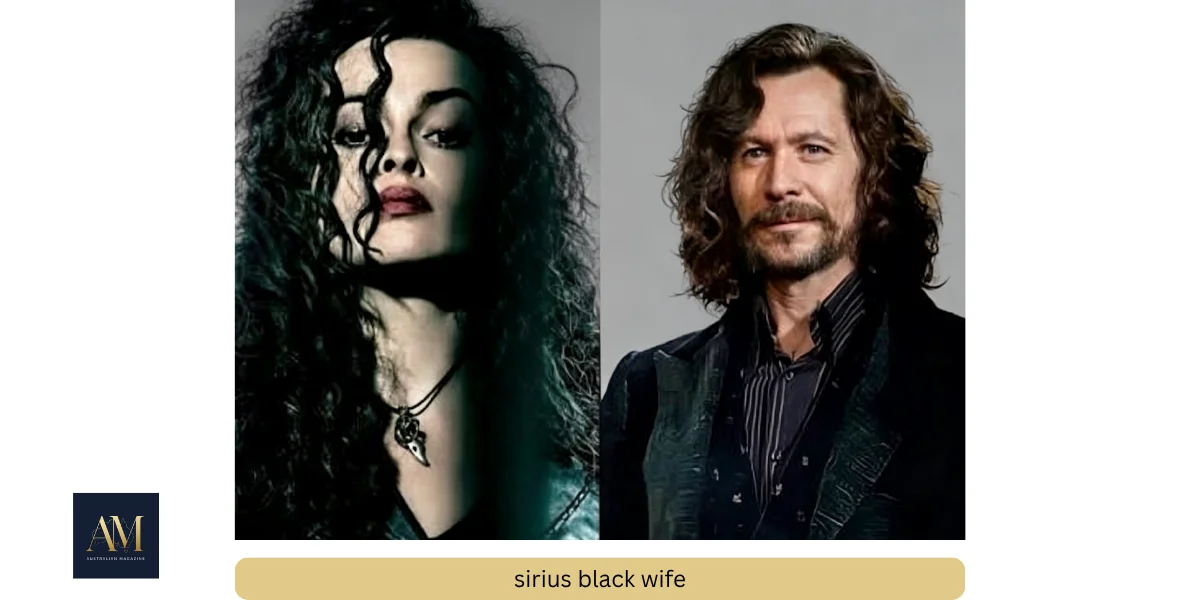
The Enigma of Sirius Black: Exploring the Canonical Truth and the Quest for a Wife
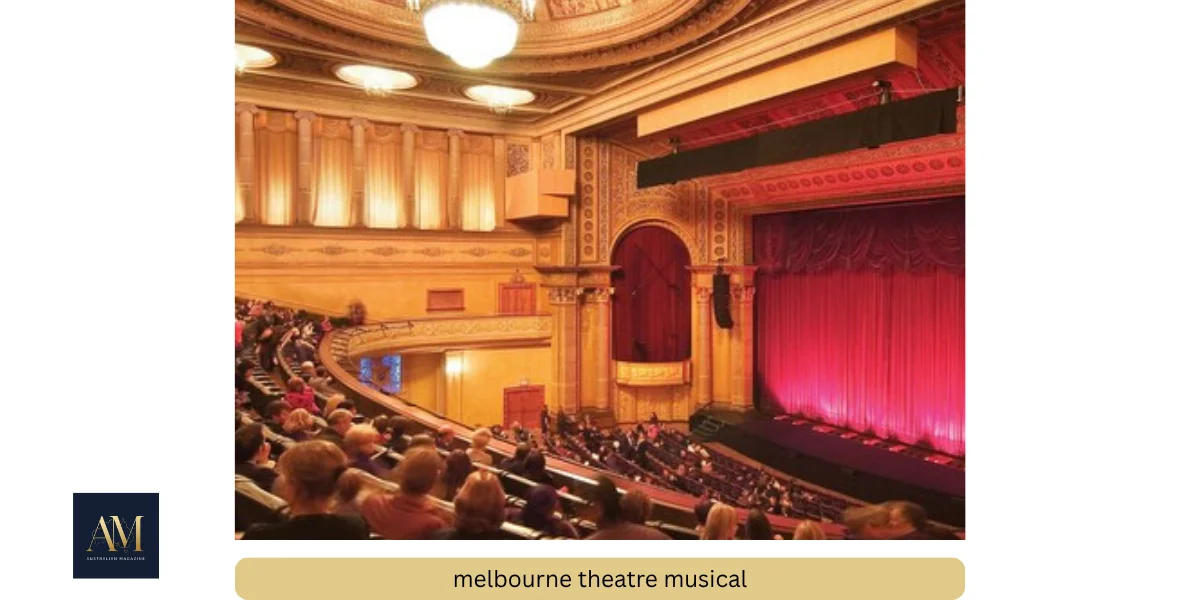
The Velvet Curtain: A Senior Expert’s Guide to Melbourne’s 2026 Musical Theatre Renaissance
William McKenna: A Masterclass in Balancing Fame and Personal Privacy
The Enigma of Sirius Black: Exploring the Canonical Truth and the Quest for a Wife

Luca Sardelis: Talent, Versatility and Rising Career in Australian Screen
King Gizzard & The Lizard Wizard: The Melbourne Story Behind a Global Rock Phenomenon

Darci McDonald: Resilience, Public Attention, and Life in 2026

Mumford & Sons Brisbane: A Folk-Rock Connection Built on Energy, Emotion, and Sing-Alongs
-
 Celebrity11 months ago
Richard Zachariah – The Story of a Gentleman Journalist
-
 Lifestyle4 months ago
Top Fashion Trends Australia 2026: What Australians Are Wearing Now
-
 News11 months ago
Greg Lynn Appeal-Full Timeline of the High Country Murder Case
-
 Lifestyle10 months ago
Tina Arena Husband-Marriage, Long-Term Partner & Where Things Stand Now
-
 Celebrity9 months ago
Why the Neil Patrick Harris Amy Winehouse Cake Went Viral Again
-
 News11 months ago
Samuel William Davidson – The Oatlands Tragedy, Sentence & the Power of Forgiveness
-
 Lifestyle4 months ago
Spring 2026 Fashion Trends: The Complete Style Guide
-
 Celebrity3 months ago
Lady Gaga Nude: Art, Fashion and the Power of Body Expression