
Finance
Orchestra Victoria Salary: 2026 Pay Rates, Allowances and Career Guide

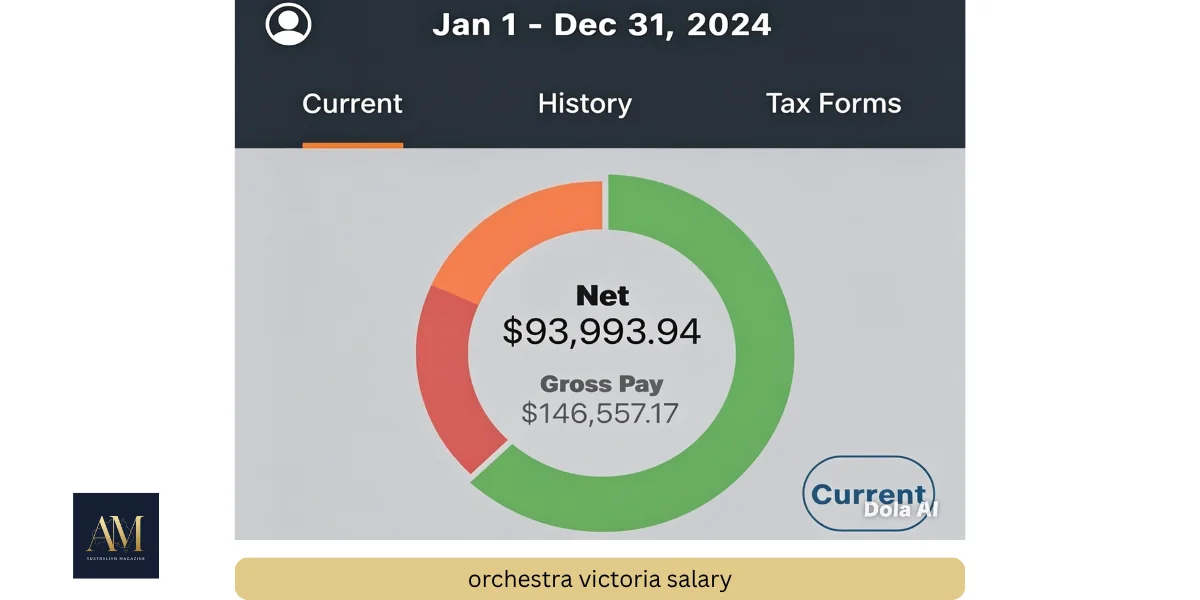
Orchestra Victoria is one of Australia’s important professional orchestras, based in Melbourne and closely associated with opera, ballet, concert repertoire, musical theatre, film and other major performance work. For musicians, it offers something rare in the arts sector: structured orchestral employment with negotiated wages, formal classifications and clear conditions.
When people search for “Orchestra Victoria salary,” they are often looking for a simple number. The real answer is more layered. A musician’s pay depends on whether they are full-time or casual, whether they are a Tutti player, Principal, Section Principal or Concertmaster, and whether additional allowances apply.
The most reliable source of salary information is the Orchestra Victoria Enterprise Agreement 2025–2028. This agreement sets annualised salaries, casual call rates, penalty payments and allowances for musicians covered by the agreement.
Orchestra Victoria Overview
Orchestra Victoria is not a casual pickup orchestra. It is a professional ensemble with a long history and a specialised role in Victoria’s performing arts ecosystem. It performs in partnership with major companies including The Australian Ballet, Opera Australia and Victorian Opera.
This means its musicians require flexibility, stamina and stylistic range. Opera and ballet work demand different skills from symphonic concert work. Players must follow conductors, singers, dancers, stage timing and complex production schedules.
That kind of work requires professional discipline, which is reflected in the salary structure.
Full-Time Orchestra Victoria Salary in 2026
From February 1, 2026, Orchestra Victoria’s full-time musician salaries are set across several classifications.
For Tutti musicians, the 2026 annualised salaries are:
- Level A: A$79,091.10
- Level B: A$84,484.52
- Level C: A$89,877.93
- Level D: A$96,619.43
- Level E: A$103,359.80
For Principal musicians, the 2026 annualised salaries are:
- Level A: A$92,574.08
- Level B: A$97,966.38
- Level C: A$103,359.80
- Level D: A$110,100.16
- Level E: A$116,840.53
For Section Principals, the 2026 annualised salaries are:
- Level A: A$97,966.38
- Level B: A$103,359.80
- Level C: A$108,752.09
- Level D: A$115,492.46
- Level E: A$122,232.83
Concertmasters, Deputy Concertmasters, and Associate Concertmasters are paid at least the Section Principal Level E rate, which is A$122,232.83 as of February 1, 2026.
These figures are annualised salaries for ordinary hours of work. They do not necessarily represent the total possible income in every case, because additional payments and allowances may apply.
What “Annualised Salary” Means
An annualised salary is a set yearly salary that covers ordinary hours under the agreement. In Orchestra Victoria’s case, the agreement states that full-time musicians are paid annualised salaries for ordinary hours, and those salary figures include certain built-in elements.
These include annual leave loading, dress allowance, laundry allowance and some reasonable additional non-playing calls within the roster cycle.
This is important because a musician’s salary is not calculated in the same way as a simple hourly job. Orchestral work is organised around calls, rehearsals, performances, travel, production schedules and roster cycles.
A musician may not work the same visible hours every week, but the agreement defines how ordinary work, extra calls and penalties are handled.
Casual Musician Pay in 2026
Casual musicians are paid per call rather than through a full-time annual salary. From February 1, 2026, Orchestra Victoria’s casual call rates are:
- Tutti Musician: A$243.70 per call
- Principal: A$282.60 per call
- Section Principal: A$298.15 per call
A “call” is a defined work period, such as a rehearsal, performance or other scheduled musical duty. Casual musicians may also receive applicable allowances depending on the work required.
Casual orchestral work can be attractive for skilled freelancers, but it is less predictable than a full-time role. Income depends on availability, engagement frequency, instrument demand and the orchestra’s programming needs.
Additional Payments and Penalties
Orchestra Victoria’s agreement also includes additional payments when musicians work beyond certain limits or under specific conditions.
These may apply where a musician works extra calls beyond roster limits, performs duties at a higher classification, appears on stage in costume or makeup, plays chamber music, doubles on another instrument, or works in situations requiring specific allowances.
Additional payments are not “bonuses” in the casual corporate sense. They are structured industrial entitlements designed to compensate musicians for extra work, specialist duties or unusual conditions.
This distinction matters. A musician should not assume extra income automatically applies every week. It depends on the actual work scheduled.
Allowances
Allowances form a significant part of understanding orchestral compensation. In 2026, Orchestra Victoria’s agreement includes allowances for areas such as:
- instrument use;
- doubling;
- substitution;
- meals;
- stage appearance;
- higher duties;
- front desk work;
- set-up or tuning;
- chamber music;
- soloist work;
- heavy or bulky instrument transport;
- touring travel;
- accommodation;
- meals and incidentals while travelling.
For example, a musician required to play an additional instrument may receive a doubling allowance. A player required to appear on stage in costume or makeup may receive a stage appearance allowance. Touring musicians may receive travel-related allowances.
These payments recognise that orchestral work often involves more than sitting in a chair and playing notes.
Superannuation and Leave Benefits
Like other Australian employees, Orchestra Victoria musicians are covered by superannuation obligations and employment entitlements under relevant law and the enterprise agreement.
The agreement also includes provisions for annual leave, personal leave, compassionate leave, parental leave, long service leave and workplace protections.
For full-time musicians, these conditions are a major part of the overall employment value. A salary figure alone does not capture the security of paid leave, structured rosters, formal dispute procedures and workplace protections.
In the arts sector, where freelance work can be unstable, permanent orchestral employment remains highly valued.
How Salaries Are Determined
Orchestra Victoria salaries are determined through enterprise bargaining. The 2025–2028 Enterprise Agreement covers Orchestra Victoria, its musicians and the relevant employee representative framework.
This means salary rates are not randomly chosen by individual negotiation for each player. They are set by classification, role and level under the agreement.
Several factors influence pay:
- role classification;
- seniority level;
- whether the musician is full-time or casual;
- principal or section leadership duties;
- higher duties;
- extra calls;
- touring requirements;
- specialist instrument work.
A Tutti player and a Section Principal may sit in the same orchestra, but their responsibilities are different. A Section Principal may lead a section, prepare parts, advise on musical matters and carry greater artistic responsibility. The higher salary reflects that leadership role.
Comparison With Other Australian Orchestras
Orchestra Victoria salaries sit within the broader Australian professional orchestra sector, but comparisons must be made carefully. Different orchestras have different agreements, seasons, funding models, rosters, touring requirements and role structures.
A major symphony orchestra may have different base salaries from those of an opera or ballet orchestra. Some orchestras perform more symphonic concerts, while Orchestra Victoria’s work is heavily tied to staged productions.
The fair comparison is not only salary. Musicians should consider:
- workload;
- repertoire;
- job security;
- leave entitlements;
- artistic opportunities;
- location;
- cost of living;
- touring demands;
- career progression;
- workplace culture.
A higher salary in one orchestra may come with different workload expectations. A lower-visibility base may still be attractive if the role offers stability, artistic satisfaction, and strong conditions.
Career Prospects at Orchestra Victoria
A full-time position with Orchestra Victoria is highly competitive. Professional orchestral jobs usually require years of training, advanced instrumental ability, audition preparation and performance experience.
Career progression may involve moving from casual work to contract work, from Tutti to Principal roles, or from section leadership to Concertmaster-level responsibility. However, these opportunities depend on vacancies, auditions and artistic assessment.
For young musicians, Orchestra Victoria can represent a serious career goal, but it is not an easy pathway. The standard is high, and the audition process is demanding.
Practical Example
Imagine a clarinet player wins a full-time Principal-level position beginning in 2026 at Level A. The starting annual salary would be A$92,574.08, plus superannuation and any applicable allowances.
If that musician performs higher duties, travels for approved touring work, appears in a staged context requiring costume or makeup, or works extra calls under the agreement, additional payments may apply.
By contrast, a casual Tutti player engaged for ten calls at the 2026 rate of A$243.70 would earn A$2,437 before considering any applicable allowances or tax.
The two musicians may play in the same production, but their employment models are very different.
Common Mistakes About Orchestra Victoria Salary
One common mistake is quoting only a broad estimate such as A$80,000 to A$120,000. That is close in general terms, but the official 2026 figures are more precise.
Another mistake is assuming all orchestra musicians earn the same salary. Classification matters greatly.
A third mistake is treating allowances as guaranteed income. They apply only when the relevant conditions are met.
A fourth mistake is comparing full-time salaries with casual call rates without understanding the difference between permanent employment and freelance engagement.
A fifth mistake is ignoring benefits. Paid leave, superannuation, structured rosters and workplace protections are part of total employment value.
Expert Tip for Musicians
If you are applying for an Orchestra Victoria position, read the enterprise agreement before auditioning. Many musicians focus only on repertoire and salary, but the agreement explains how the job actually works.
Look closely at:
- classification level;
- trial period;
- roster cycle;
- call limits;
- leave provisions;
- overtime;
- touring;
- instrument allowances;
- higher duties;
- casual versus full-time rules.
Understanding the conditions helps you make a better career decision.
Future Salary Outlook
The 2025–2028 agreement includes scheduled annual increases. From February 1, 2027 and February 1, 2028, salaries rise again by 2.5% each year under the agreement.
This gives musicians and applicants a clearer view of pay progression over the term of the agreement. Future salary changes after 2028 will depend on the next bargaining round, funding conditions and the broader performing arts economy.
Like many arts organisations, Orchestra Victoria operates in a sector where public funding, production demand, ticket sales and cultural policy all matter. Salaries are therefore tied not only to market value, but also to the financial health of the performing arts system.
Conclusion
Orchestra Victoria salaries in 2026 are clearly defined under the Orchestra Victoria Enterprise Agreement 2025–2028. Full-time annualised salaries range from A$79,091.10 for a Level A Tutti musician to at least A$122,232.83 for Concertmaster-level roles. Casual call rates range from A$243.70 to A$298.15 depending on classification.
The headline salary, however, is only part of the picture. Musicians may also receive allowances, penalty payments, superannuation, leave entitlements and workplace protections. Role level, employment type and actual working conditions all affect total compensation.
For performers, Orchestra Victoria offers a serious professional pathway in one of Australia’s most specialised orchestral environments. It is demanding work, but for musicians who thrive in opera, ballet and staged performance, it can be a rewarding and stable career.
The best way to understand Orchestra Victoria’s salary is not through rumours or estimates, but through the official agreement. In professional music, precision matters — both on the page and in the pay packet.
Finding a working Myer discount code can feel like a small victory. Whether you are shopping for fashion, beauty, homewares, toys, luggage, appliances or gifts, even a modest saving can make a difference. But in 2026, the smartest way to save at Myer isn’t always to hunt for a random coupon code. In many cases, the best discounts are already built into Myer’s official sales, member offers and automatic checkout promotions.
That is the first thing every shopper should understand. Myer does not rely heavily on traditional promo codes as some online-only retailers do. Instead, the department store often runs large seasonal sales, category discounts, MYER one member offers, clearance events and free-delivery promotions.
So if you are searching for “Myer discount code,” the better question is: where is the real saving today?
Does Myer Have Discount Codes in July 2026?
Myer’s official discount code information states that it generally does not offer traditional Myer coupon codes. Instead, it promotes deals that are automatically applied at checkout. That means shoppers may not always need to enter a code to receive the advertised discount.
This is important because many third-party coupon websites list codes that may be expired, limited in availability, unverified, or not accepted at checkout. A code may look attractive, but if it does not work, it wastes time and creates frustration.
In July 2026, Myer’s official offers include active sale events such as Stocktake Sale Closeout Offers and Toy Sale Catalog Offers. These are more reliable than random codes because they are promoted directly through Myer.
Why Myer Uses Sales Instead of Traditional Codes
Department stores usually operate differently from small online retailers. Myer sells thousands of products across many categories, including fashion, beauty, electronics, homewares, toys, fragrances, bedding, furniture and luggage. Because of that variety, broad sitewide codes are not always practical.
A sitewide 20% code could affect margins across too many brands and product types. Instead, Myer often runs category-specific deals, such as:
- percentage discounts on women’s clothing;
- sale prices on selected beauty brands;
- toy catalog offers;
- luggage and travel discounts;
- appliance markdowns;
- cookware promotions;
- gifts with beauty purchases;
- MYER one member-only deals.
This approach allows Myer to discount selected products while still protecting Premium brands and excluded categories.
How to Use a Myer Discount Code at Checkout
If you do have a valid Myer promo code, the process is simple.
First, visit Myer’s official website and choose your products. Add the items to your shopping bag, then proceed to checkout. During checkout, look for the promo code or offer code field. Enter the code exactly as shown, including capital letters if required, then apply it before payment.
Before finalizing the order, check that the discount has actually appeared in the total. Never assume a code has worked just because you entered it.
A sensible checkout checklist is:
- confirm the code has not expired;
- check minimum spend rules;
- check brand exclusions;
- check whether sale items are excluded;
- make sure you are logged in if it is a member offer;
- confirm the final price before paying.
If the discount does not appear, the code may not apply to your items.
MYER one: The Best Long-Term Saving Tool
For regular Myer shoppers, MYER one is one of the best ways to save. Myer’s official guidance says MYER one members can receive exclusive offers, early access to major promotions, personalized offers and birthday rewards.
This matters because many of Myer’s best savings are not public coupon codes. They may be member previews, targeted offers or special shopping events.
If you shop at Myer several times a year, joining MYER one can be more useful than searching coupon sites every time. Members may receive:
- early access to major sales;
- exclusive member pricing;
- personalized promotions;
- reward benefits;
- birthday offers;
- advance notice of shopping events.
The key is to make sure you are logged in when shopping online or entering your MYER one number at checkout.
July 2026 Myer Sales to Watch
July is a strong shopping period because it follows the end of the financial year and often includes stocktake clearance. In July 2026, Myer’s official promotions include Stocktake Sale Closeout Offers and Toy Sale Catalog Offers.
These sale periods are useful for shoppers looking for:
- winter fashion;
- luggage;
- appliances;
- toys;
- beauty products;
- homewares;
- bedding;
- cookware;
- gifts.
The advantage of shopping during official sale windows is that many prices are already reduced. You do not need to rely on a separate code.
Best Categories for Myer Savings
Not all Myer categories discount equally. Some areas are more likely to offer strong savings than others.
Fashion
Fashion is one of the most frequently discounted categories. Look for offers on women’s clothing, men’s fashion, footwear, sleepwear, underwear and accessories.
Beauty
Beauty discounts can be more selective because many brands tightly control pricing. However, gifts with purchase and selected brand promotions can offer excellent value.
Toys
Toy sale events are especially useful for families planning birthdays, school holidays or early Christmas shopping.
Homewares
Cookware, bedding, towels, small appliances and décor are often included in seasonal sales.
Luggage and Travel
Travel gear can be deeply discounted during major sale events, especially suitcases, bags, and accessories.
How to Find Real Myer Offers
The safest place to check is Myer’s official website. Start with the sale, clearance, latest news, and MYER one sections. These are more reliable than coupon pages that recycle old codes.
A smart routine is:
- Check Myer’s official “What’s On” page.
- Visit the Sale or Clearance section.
- Log in to your MYER one account.
- Check whether your item has automatic discounts.
- Compare online and in-store pricing.
- Test any code before payment.
- Check delivery fees before deciding.
Sometimes the best saving is not a code. It may be free delivery, a bundle offer, a clearance price or a gift with purchase.
Free Delivery and Click & Collect
Delivery fees can reduce the value of a discount. Myer’s official discount-code page notes free standard shipping on orders over $99 within Australia. That means a shopper close to the threshold may save more by adding a useful item than by paying shipping.
Click & Collect is also worth considering. It can help avoid delivery fees and may be convenient if your local store has stock available.
Before choosing delivery, compare:
- standard delivery cost;
- free-delivery threshold;
- click-and-collect availability;
- delivery timing;
- return options.
Good savings are not only about the product price. They are about the full order cost.
Common Mistakes With Myer Discount Codes
One common mistake is trusting every third-party coupon website. Many list expired or unverified codes.
Another mistake is assuming Myer always has a sitewide code. Myer’s official position is that many discounts are automatic rather than code-based.
A third mistake is forgetting to log in as a MYER one member. If an offer is member-only, it may not appear unless your account is recognized.
A fourth mistake is ignoring exclusions. Premium brands, beauty products, electrical goods and sale items may have different rules.
A fifth mistake is paying for delivery when a small adjustment could qualify the order for free shipping.
Expert Tip: Stack Savings Carefully
The best Myer savings often come from combining smart timing with official offers.
For example, you might buy during a stocktake sale, choose items already reduced, log in as a MYER one member, qualify for free delivery, and use Click & Collect if faster. Even without a coupon code, the total savings can be greater than a small promo code discount.
The expert approach is not “find any code.” It is “reduce the final cost.”
Are WELCOME10 or Similar Codes Active?
Shoppers often search for codes such as WELCOME10, MYSale or VIP-style codes. These may appear on coupon websites or in past promotions, but they should not be assumed to be active unless Myer confirms them or they work at checkout.
If you find one, test it. If the discount does not apply before payment, do not rely on it.
The safest wording is this: Myer may occasionally run targeted or limited offers, but current official savings are more commonly delivered through sales and MYER one benefits.
Future Outlook for Myer Discounts
In 2026 and beyond, Myer is likely to continue focusing on major sales events, loyalty member offers, and automatic promotions rather than broad public coupon codes. This fits the wider retail trend. Large department stores want customers to join loyalty programs so offers can be personalized.
For shoppers, that means the best strategy is to combine:
- MYER one membership;
- official sale timing;
- clearance shopping;
- email alerts;
- app checking;
- delivery-threshold planning;
- careful checkout review.
The days of relying only on a single coupon code are fading. Smarter saving now comes from understanding the full shopping system.
Conclusion
A Myer discount code can be useful if it is valid. Still, in July 2026 the best Myer savings often come from official sales, MYER one member offers, automatic checkout discounts and free-delivery thresholds.
Myer’s own guidance makes it clear that traditional coupon codes are not always the main way to save. Instead, shoppers should check current sale events, log in to their MYER one account, compare offers by category, and confirm discounts before payment.
The smartest Myer shopper does not waste time chasing every random code online. They use verified offers, shop during major sale periods and focus on the final price.
If you want to save at Myer in July 2026, start with the official sale pages, check your MYER one offers, and only use a discount code if it actually applies at checkout. That is the reliable way to turn a good shop into a better deal.

I started using PayID for casino deposits about eighteen months ago after getting frustrated with the inconsistency of international bank transfers. Some platforms processed them within an hour. Others took three business days and charged conversion fees in both directions. PayID cut through all of that. The transfer goes through, it shows up in the casino balance within a minute, and the whole thing uses the same banking app I already use for everything else. If you’re an Australian casino player who hasn’t switched to PayID yet, you’re probably making your deposit experience harder than it needs to be.
How PayID Deposits Work at Online Casinos
PayID uses the New Payments Platform infrastructure, which processes transfers between Australian bank accounts in near real time. When an offshore casino that accepts PayID provides you with their PayID address, typically a mobile number or email registered to their receiving account, you initiate the transfer the same way you’d send money to anyone else in Australia.
The process from the player side is straightforward: navigate to the casino cashier, select PayID, enter the deposit amount, and use your banking app to send funds to the provided PayID address. Include the reference number if the casino requires one. Funds typically appear in your casino balance within 60 to 90 seconds.
On the infrastructure side, the NPP settles the transaction immediately between the sending bank and the receiving account. There’s no intermediary payment processor holding funds for confirmation. The settlement is final and near-instant.
What Australian PayID Casino Players Should Know
Not every casino that lists PayID on its payment page has implemented it to the same standard. Some platforms have built genuine NPP integration that processes both deposits and withdrawals through the same infrastructure. Others accept PayID deposits but fall back on manual bank transfers for withdrawals, reintroducing the delays PayID was supposed to eliminate.
The distinction matters when you’re evaluating platforms. A casino that can receive your PayID deposit in 90 seconds should be able to send a withdrawal back to your PayID-linked account at a similar speed. If the withdrawal page shows a 3-5 business day estimate for a method you’d expect to be instant, something in their implementation isn’t right.
For a detailed comparison of which Australian PayID casino options have actually implemented this correctly, Kansas Avenue’s analysis guide covers the specific platforms where the two-way NPP integration has been verified through testing.
AUD Handling and Currency Clarity
Australian players should confirm that a casino handles AUD natively before making a PayID deposit. Some offshore platforms accept PayID in AUD but hold account balances in USD, converting at their own exchange rate. This introduces hidden fees that aren’t obvious until you compare what you sent to what arrived in your balance.
The cleanest setup is a casino that accepts PayID deposits in AUD, maintains your balance in AUD, and processes PayID withdrawals to your bank in AUD without any conversion. A handful of offshore casinos have this fully built out for the Australian market.
Setting Deposit Limits Through Your Bank
PayID’s speed is one of its best features for casino deposits, but it also means that making an impulsive additional deposit is easy when you’re in the middle of a session. Most Australian banks allow you to set daily transfer limits for PayID, specifically, which is a practical way to apply a hard spending cap without relying on willpower.
Some Australian banking apps also offer gambling-specific blocking features. Commonwealth Bank, NAB, and ANZ have all introduced controls that allow you to block transactions to gambling merchants through the app. These are worth setting up proactively if you want an extra layer of protection.
Responsible Gambling Support for Australians
If gambling is causing concern for you or someone you know, Gambling Help Online provides free, confidential support through their 24/7 helpline at 1800 858 858. The Gambling Help Online support resources also include online chat and a self-assessment tool that can help identify whether gambling has moved from recreation to something that needs attention.
The Practical Verdict on PayID for Australian Casino Players
PayID has become the most practical deposit method for Australian casino players because it combines genuine speed with the familiarity of your existing banking infrastructure. The casinos that have built proper NPP integration deliver on the promise of fast deposits and equally fast withdrawals. The ones that haven’t are easy to identify once you know what to look for. Use PayID on a platform that handles both directions of the transaction through genuine NPP infrastructure, confirms AUD handling upfront, and you’ll have a significantly smoother banking experience than the older payment method alternatives.

Joseph Gutnick is an Australian mining magnate, philanthropist, and former political advisor to Netanyahu. His career spans corporate ventures, mining projects, and community leadership, while his faith-driven philanthropy supports Jewish communities worldwide. Despite corporate challenges, he remains influential in business, politics, and social initiatives.
Introduction
Joseph Gutnick, the Australian mining magnate, has built a career that intertwines politics, business, and philanthropy. From advising Netanyahu to managing companies across Australia, his influence stretches from the mining sector to Jewish communities worldwide. He once guided King Bibi, and though their friendship evolved, his principles continue to shape his decisions. Whether in Melbourne or Tasmania, he demonstrates a keen eye for entrepreneurship, leadership, and accountability. In his view, a CEO must resign if the company underperforms, reflecting the philosophy he applies to all ventures.
His journey spans decades, marked by interviews with prominent media, visits to Israel, and deep engagement with Diaspora Jewry. Chabad teachings and the guidance of the Rebbe, Menachem Mendel Schneerson, inspired him to transition from teaching to the mining industry. As a philanthropist and rabbi, he balances spiritual guidance with real-world business acumen, making him a unique figure who blends religious, corporate, and social leadership. Over the years, he has also witnessed the evolution of Jewish communities in places like Melbourne, Jerusalem, and Tasmania, learning to adapt his approach to both business and philanthropy depending on local challenges.
From early career lessons to international influence, Joseph Gutnick has demonstrated an ability to combine strategic thinking, financial insight, and faith-driven purpose. His life reflects the principle that strong leadership requires a balance between ethical responsibility, risk-taking, and dedication to community welfare. He is recognized for blending business vision with social conscience, making him a figure of inspiration for both entrepreneurs and Jewish communities around the globe.
Political Views
In his political perspective, Joseph Gutnick does not hesitate to critique leadership. He once advised Netanyahu, observing the handling of Hamas and Gaza events, including the tragic October 7, 2023, incident. He emphasizes accountability and believes leaders should take responsibility for their flaws. While he respects the Diaspora and the Jewish communities, he criticizes leaders who show favoritism, focusing on personal narcissism instead of principled governance. His approach to political leadership is grounded in lessons he learned from historical leaders like Yitzhak Shamir, valuing principled decision-making, integrity, and fairness.
He highlights the need for elections, fair treatment of Palestinians, and a balanced approach toward international partners like Saudi Arabia and Mohammed bin Salman. He believes diplomacy should not compromise ethical standards, and that leaders must prioritize long-term stability over short-term political gains. Having interacted with key policymakers, Joseph Gutnick often draws on real-world examples to illustrate how leadership choices impact Diaspora Jewry, Jewish welfare, and international relations.
His political involvement also emphasizes transparency in governance. For instance, he has commented on the creation of commissions of inquiry to investigate governmental failures, noting that avoiding responsibility damages public trust. While he once envisioned potential leaders like Ayelet Shaked taking on key roles, he stresses that true leadership requires vision, fairness, and the ability to listen to diverse voices. By combining political insight, historical perspective, and ethical guidance, Joseph Gutnick maintains a unique voice in the discussion on Israeli governance and global Jewish concerns.
ASIC Disqualification and Corporate Career
Despite his achievements, Joseph Gutnick faced significant challenges in his corporate career. The Australian Securities and Investments Commission (ASIC) disqualified him from managing corporations for four years due to his roles in Merlin Diamonds, Axis Consultants, and Legend International Holdings. Loans totaling $13,752,124.78 and the mismanagement of $43,209,965 owed to unsecured creditors highlighted failures in corporate governance and financial oversight. While ASIC detailed issues such as operating companies while insolvent, failing to maintain financial records, and improper loans between related entities, Gutnick emphasizes his learning from these experiences.
He remains a shareholder in ventures like Mazel Resources, applying lessons in entrepreneurship, project management, and strategic investment in critical minerals like fluorspar in Tasmania. Over the years, he has refined his approach to corporate responsibility, demonstrating that setbacks can serve as powerful lessons. His journey highlights the importance of ethical decision-making, financial diligence, and maintaining transparency with shareholders and regulators.
Joseph Gutnick’s corporate experience also underscores resilience in the face of public scrutiny. He continues to pursue mining interests while maintaining oversight of operational management and governance structures. His approach demonstrates that combining entrepreneurial vision with accountability is essential for sustainable success. Through careful management, mentoring, and hands-on involvement, he reinforces the principles of corporate ethics, strategic leadership, and responsible risk-taking.
Business Ventures and Mining Interests
Joseph Gutnick continues to pursue mining interests with unwavering focus. His work with Mazel Resources aims to produce critical minerals, ensuring sustainable operations across Tasmania. From ASX-listed companies to private ventures, he demonstrates resilience despite setbacks in Axis Consultants, Legend International Holdings, and Merlin Diamonds. By integrating entrepreneurial insight with hands-on oversight, he balances shareholder rights with project execution, ensuring efficiency, profitability, and ethical responsibility.
His mining ventures reflect both long-term strategy and responsiveness to industry shifts. In Tasmania, fluorspar projects contribute to Australia’s critical mineral production, while ensuring environmental and social standards. Across Victoria and other regions, he leverages past experience to improve financial management, risk assessment, and operational oversight. He also emphasizes mentorship, guiding junior executives and encouraging ethical decision-making.
From initial exploration to project completion, Joseph Gutnick’s approach demonstrates that business success requires adaptability, foresight, and ethical conduct. His business model integrates lessons learned from previous insolvency issues, emphasizing transparency, financial rigor, and alignment with long-term goals. By blending entrepreneurial drive with corporate responsibility, he reinforces his status as a visionary mining magnate, combining profitability with principled leadership.
Philanthropy and Religious Engagement
A pillar of Joseph Gutnick’s life is his commitment to Chabad and Jewish communities worldwide. Following guidance from Menachem Mendel Schneerson, the Rebbe, he transformed from a teacher to a rabbi and philanthropist, funding initiatives in Jerusalem and the Galilee. His donations, project support, and spiritual guidance highlight the intersection of religious leadership and social responsibility.
Through mentorship, community service, and active engagement in Hassidim networks, he fosters Jewish education, promotes spiritual leadership, and advocates for ethical behavior. Even while not holding formal Chabad leadership roles in Israel, he influences global Jewish welfare through advisory roles, project sponsorship, and philanthropic activity, blending his faith with practical action.
Joseph Gutnick believes that philanthropy goes beyond funding projects—it involves guiding communities, encouraging leadership, and nurturing cultural and spiritual values. His approach combines faith-driven vision with practical oversight, ensuring that contributions to Jerusalem, Melbourne, and Tasmania have lasting impact. Through his work, he inspires both individuals and organizations to integrate ethical principles into business, leadership, and daily life.
Personal Life and Residences
Joseph Gutnick divides his time between Melbourne, Tasmania, and Jerusalem, maintaining homes that reflect both comfort and functionality. His lifestyle balances wealth, career commitments, and active involvement in Jewish communities. In Melbourne, he oversees business matters; in Tasmania, he manages mining projects; and in Jerusalem, he engages with philanthropy and religious affairs.
He values urban beauty, sustainable development, and maintaining the cultural character of cities. From participating in local initiatives to supporting Jewish education, he integrates personal experiences, leadership insight, and a commitment to community welfare. His life demonstrates that balancing personal, professional, and philanthropic roles requires strategic planning, ethical responsibility, and a vision for long-term impact.
By actively engaging with Jewish communities, mentoring young leaders, and overseeing strategic projects, Joseph Gutnick embodies a holistic approach to business, faith, and public service. His residences, whether in Tasmania, Melbourne, or Jerusalem, serve as centers of decision-making, reflection, and philanthropy, reflecting his dedication to ethical leadership and community impact.

Actors Equity Australia: Protecting and Empowering Performers

Katherine Pearson: Strength, Resilience and Life Beyond the Headlines

Harrison Gilbertson in Fallen: Bringing a Fallen Angel to Life

Ian White Management: Guiding Athletes to Success
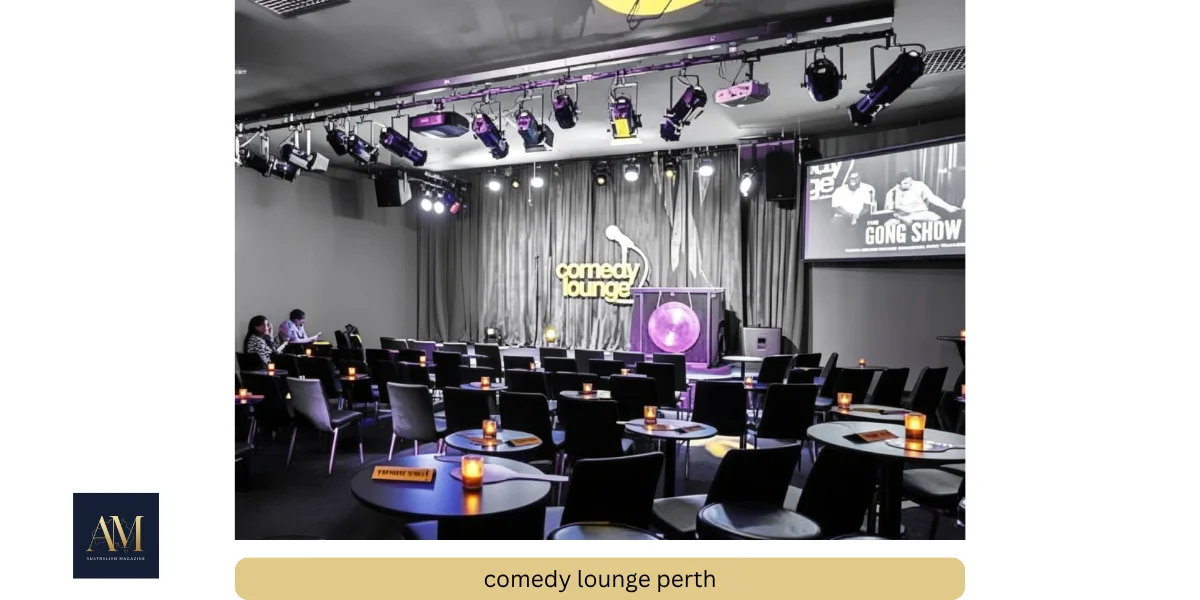
Comedy Lounge Perth: Where Laughter Comes to Life

The Enigma of Sirius Black: Exploring the Canonical Truth and the Quest for a Wife

Luca Sardelis: Talent, Versatility and Rising Career in Australian Screen
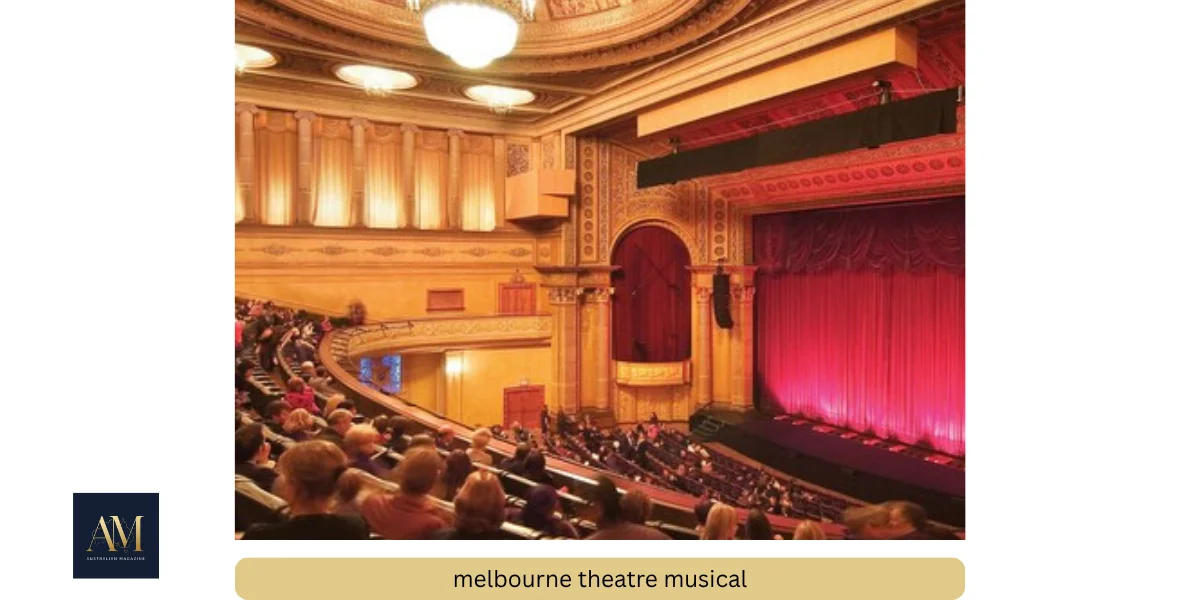
The Velvet Curtain: A Senior Expert’s Guide to Melbourne’s 2026 Musical Theatre Renaissance

William McKenna: A Masterclass in Balancing Fame and Personal Privacy
Ian White Management: Guiding Athletes to Success
-
 Celebrity11 months ago
Richard Zachariah – The Story of a Gentleman Journalist
-
 Lifestyle4 months ago
Top Fashion Trends Australia 2026: What Australians Are Wearing Now
-
 Lifestyle4 months ago
Spring 2026 Fashion Trends: The Complete Style Guide
-
 News11 months ago
Samuel William Davidson – The Oatlands Tragedy, Sentence & the Power of Forgiveness
-
 Entertainment12 months ago
The Unstoppable Rhea Ripley-WWE’s Australian Phenomenon
-
 Celebrity10 months ago
Why the Neil Patrick Harris Amy Winehouse Cake Went Viral Again
-
 News9 months ago
Beau Lamarre-Condon – Inside the Case, the Charges, and the Court Timeline
-
 News11 months ago
Greg Lynn Appeal-Full Timeline of the High Country Murder Case