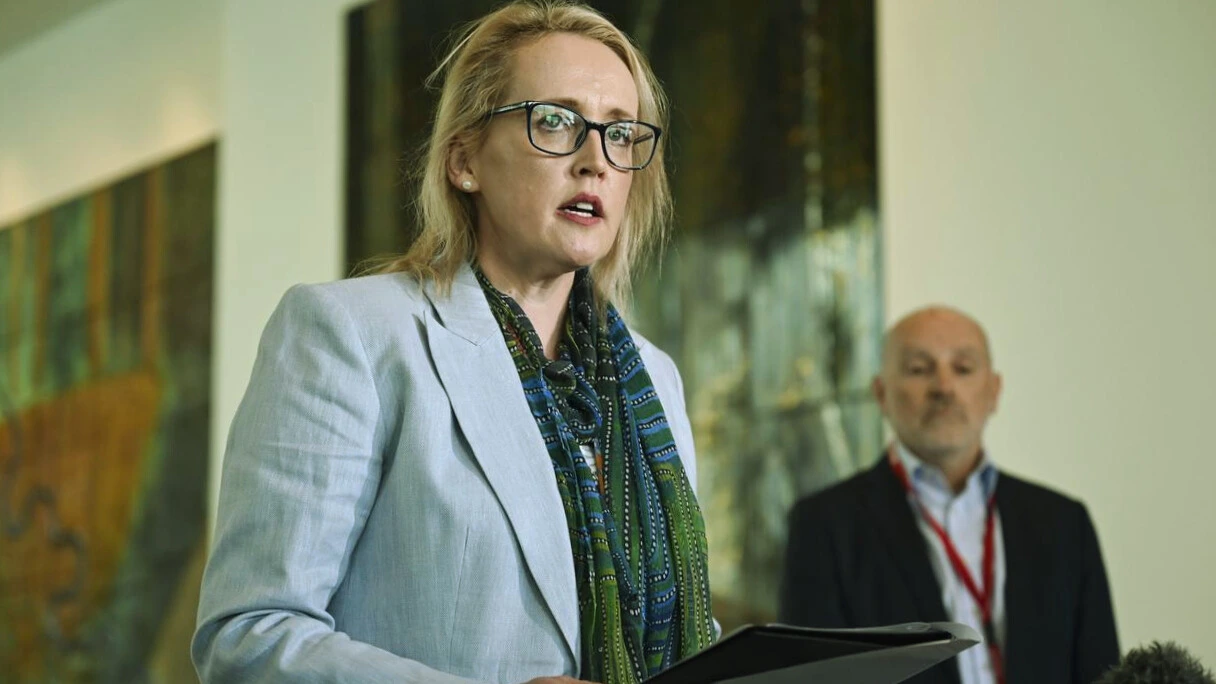

The name Jo Tarnawsky has become central to national conversations about workplace bullying, power dynamics, and psychological safety inside Australian political institutions. Her story spans more than two decades of public service across diplomacy, development policy, the Governor-General’s office, and the highest levels of parliamentary leadership. Today, she is known not only for her long career at home and abroad but also for exposing issues that many insiders were reluctant to discuss publicly.
Her experience — rising through international diplomatic ranks, becoming chief of staff to a Deputy Prime Minister, and later taking legal action after raising a bullying complaint — highlights the pressures, risks, and cultural shortcomings faced by many government employees. It also reflects how one person’s courage to speak up can reshape national discussions about accountability and mental health in demanding workplaces.
This long-form blog explores the full picture of Jo Tarnawsky: her background, her diplomatic achievements, her leadership roles, the allegations that changed her career, the legal battle that followed, and how her story continues to influence Australian political culture.
Early Life, Education & the Spark That Started a Public Service Career
Public information about Jo Tarnawsky’s upbringing is scarce, but one detail she has shared repeatedly gives insight into her passion for public life. As a young teenager, she won a national competition focusing on environmental issues, giving her the opportunity to visit Parliament House and meet the prime minister. That moment left a lasting impression on her, shaping her ambition to one day serve the country through government and international work.
This childhood experience — seeing how leadership decisions affected real-world issues — planted the seeds of a career in diplomacy, policy and later political strategy. It also instilled a sense of duty and purpose that would guide her through decades of public service.
From school to university, she leaned toward disciplines involving governance, public policy, international affairs and organisational leadership. While her academic history is not publicly detailed, her early work indicates a strong foundation in political science, administration, diplomatic studies, or related fields frequently found in senior public sector careers.
Her story is not one of privilege or celebrity, but of professional dedication — a quiet rise through the ranks of Australia’s diplomatic and public-sector institutions.
Jo Tarnawsky’s Diplomatic Rise-A Career Built Overseas
Before becoming a prominent figure in Canberra’s political sphere, Jo Tarnawsky spent years serving Australia internationally. Her diplomatic work in Italy and at the United Nations’ Rome-based food agencies formed a major part of her professional identity.
Representing Australia at the United Nations’ Food Agencies
Rome is home to several major multilateral organisations, including:
- The Food and Agriculture Organization (FAO)
- The World Food Programme (WFP)
- The International Fund for Agricultural Development (IFAD)
These organisations shape global responses to hunger, food insecurity and agricultural development — issues that directly affect vulnerable communities around the world. Jo Tarnawsky represented Australia in these forums as a senior diplomat. Her role involved negotiation, policy representation, coordination with humanitarian programs, and advising the Australian government on global development matters.
Her work placed her at the centre of international conversations about agriculture, food distribution, climate resilience, humanitarian support and sustainable farming. It also required sensitivity to global politics, development goals and economic challenges faced by various regions.
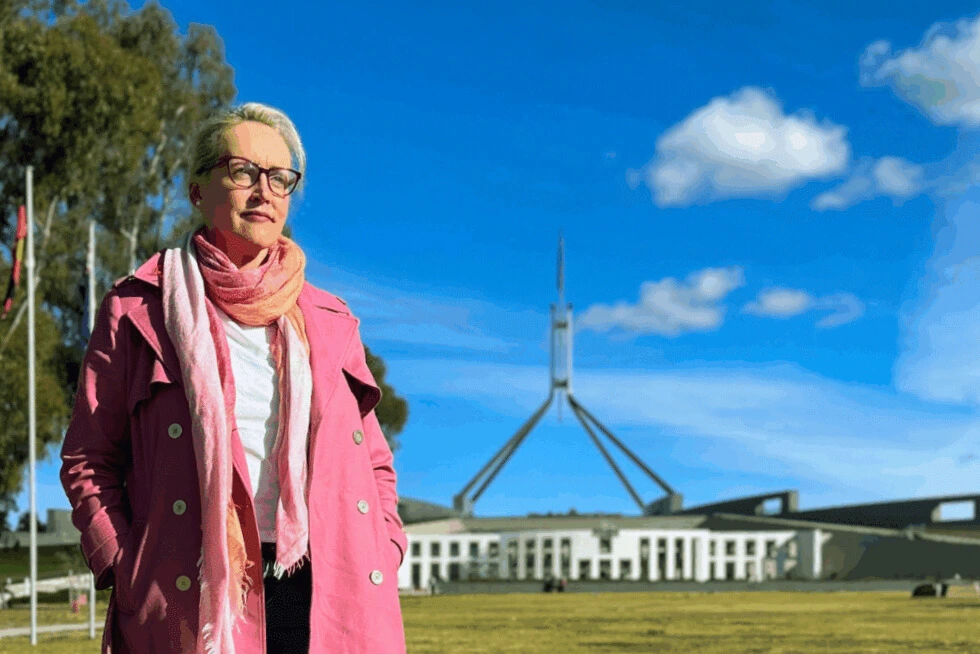
Deputy Ambassador & Deputy Permanent Representative
In Rome, she served as Deputy Ambassador and Deputy Permanent Representative to these multilateral agencies. This is a prestigious position typically held by experienced diplomats trusted with managing Australia’s strategic relationships and policy positions.
Her responsibilities included:
- Supporting the ambassador and acting as second-in-command
- Managing complex diplomacy with member countries
- Overseeing development and humanitarian policy negotiations
- Representing Australia at high-level meetings and diplomatic events
- Coordinating with UN agencies, NGOs, and international partners
For a diplomat, such a posting is a major achievement and reflects the Australian government’s confidence in her abilities.
Chargé d’Affaires — Leading the Embassy
At one point, Jo Tarnawsky stepped up as Chargé d’Affaires, effectively becoming acting ambassador during a transition between permanent ambassadors. This made her the highest-ranking Australian representative in Italy for that period.
Chargé positions are entrusted only to senior diplomats capable of:
- Running the day-to-day operations of an embassy
- Maintaining political and bilateral relationships
- Hosting delegations and representing national interests
- Managing consular matters and high-level communication
- Ensuring diplomatic continuity during leadership transitions
Her appointment to this role confirmed her place among Australia’s top diplomatic figures at the time.
Jo Tarnawsky’s Senior Public Service Roles in Australia
After returning from abroad, Jo Tarnawsky took on several significant roles within Australia’s domestic public service. These included leadership positions that required deep knowledge of governance, operations, compliance and strategic planning.
Deputy Official Secretary at the Office of the Governor-General
One of her most respected positions was serving as Deputy Official Secretary in the Office of the Governor-General. The Official Secretary oversees the office’s administrative, constitutional and ceremonial activities, and the deputy role is one of the most trusted executive positions in the institution.
Her responsibilities in this capacity included:
- Supporting constitutional processes
- Managing ceremonial events
- Overseeing staff and organisational functions
- Advising on governance and protocol
- Ensuring smooth coordination between the office and government agencies
This role demonstrates her expertise in leadership and administration at the highest levels of Australian governance.
Other Public-Sector Leadership Roles
Over roughly two decades in the Australian Public Service, Jo Tarnawsky:
- Managed teams and coordinated policy initiatives
- Oversaw government programs and operational reforms
- Led complex organisational functions
- Worked closely with senior ministers and public officials
Her broad experience meant she was not a newcomer when she later entered the political office environment — she already had years of high-pressure, high-stakes work behind her.
Becoming Chief of Staff to Australia’s Deputy Prime Minister
The turning point of her career — and ultimately the centre of her later conflict — came in 2022 when she became Chief of Staff to Deputy Prime Minister Richard Marles.
This role placed her at the heart of Australian politics, where daily responsibilities included:
- Coordinating political strategy
- Managing ministerial staff
- Handling national security information
- Overseeing media and stakeholder engagement
- Ensuring smooth operation of the Deputy PM’s office
- Managing relationships with defence officials
Chiefs of staff are instrumental in shaping policy direction, managing staff performance, and controlling the inner workings of a minister’s office. They are often considered the minister’s most trusted adviser.
For Jo Tarnawsky, this was both a professional milestone and a role that would later define a major part of her public story.
Jo Tarnawsky’s Bullying Allegations-What Happened Inside the Deputy PM’s Office
In 2023–2024, everything changed.
Initial Complaint
Jo Tarnawsky raised concerns about the conduct of a senior colleague, stating that:
- The behaviour was undermining
- The environment had become hostile
- She felt her authority and decisions were being dismissed
- Her complaints were not taken seriously
She alleged that the internal response to her concerns was slow, inadequate and dismissive.
Feeling “Exiled” From Her Own Workplace
After raising the complaint, she said she experienced:
- Removal of responsibilities
- Being told to take leave
- Being transferred to a temporary role
- Restricted access to her former office
- Isolation from staff and decision-making
- Loss of position and status
Her statement “it was a dream until it was a nightmare” captured the emotional and professional fallout.
Mental Health Consequences
She spoke publicly about:
- Panic attacks
- Emotional distress
- Feelings of isolation
- Mental-health decline
- Long-term trauma
Her account humanised an issue often dismissed within high-pressure work environments.
Public Reaction
The reaction was swift and intense:
- Women’s leadership groups expressed support
- Public servants saw echoes of their own workplace fears
- Political commentators debated accountability
- The opposition demanded transparency
- Media outlets highlighted systemic issues within political offices
Her decision to speak publicly shifted her case from a private complaint to a national conversation about political culture.
Federal Court Case-Tarnawsky v Commonwealth of Australia
The situation escalated when Jo Tarnawsky filed a Federal Court claim, alleging that she suffered prohibited adverse action under the Fair Work Act.
Her allegations focused on:
- Being sidelined after raising a complaint
- Being placed in a diminished role
- Losing access to her workplace
- Suffering retaliation in response to her concerns
- Experiencing a worsening of mental health because of workplace decisions
Importantly, Jo Tarnawsky did not claim that ministers personally engaged in bullying. Instead, she argued that the institutional response to her complaint constituted unlawful treatment.
High Stakes for the Government
The case placed:
- the Commonwealth
- senior government figures
- ministerial office culture
under scrutiny.
It reignited debate about whether recent parliamentary reforms — introduced after the Brittany Higgins case — were working in practice.
Settlement & Departure From Public Service After 20 Years
In 2025, Jo Tarnawsky reached a confidential settlement with the Commonwealth, bringing the court case to an end.
Key outcomes included:
- She voluntarily left the Australian Public Service
- No adverse findings were made against individuals
- The settlement details were not publicly disclosed
- Both sides avoided a lengthy legal battle
In her public statement, she emphasised that employees must feel safe to raise concerns “without fear of reprisal,” reinforcing the core message of her entire experience.
Jo Tarnawsky After the Case-A New Voice for Workplace Safety
Since leaving government, Jo Tarnawsky has emerged as a speaker and advocate on:
- Workplace bullying
- Psychological safety
- Organisational leadership
- Women’s experiences in high-pressure roles
- Accountability and cultural reform
Her story has resonated across industries because her experience is not unique — many workplaces still struggle to support complainants and address misconduct effectively.
Key Themes of Her Advocacy
- The Hidden Cost of Speaking Up
Many employees fear retaliation, exclusion or damage to their careers. - Mental Health as a Workplace Safety Issue
Emotional injury can be as severe as physical injury. - Leadership Responsibility
Leaders must ensure that complaint handling is fair, respectful and timely. - The Importance of Cultural Change
Rules and policies mean little if behaviour does not change. - Creating Safe Channels for Employees
Workers must trust the system before they will use it.
Growing Public Presence
Today, Jo Tarnawsky appears in:
- Leadership podcasts
- Women’s executive events
- Media discussions
- Workplace culture workshops
- Advocacy networks
Her experience has positioned her as a trusted voice on improving workplace environments in government and beyond.
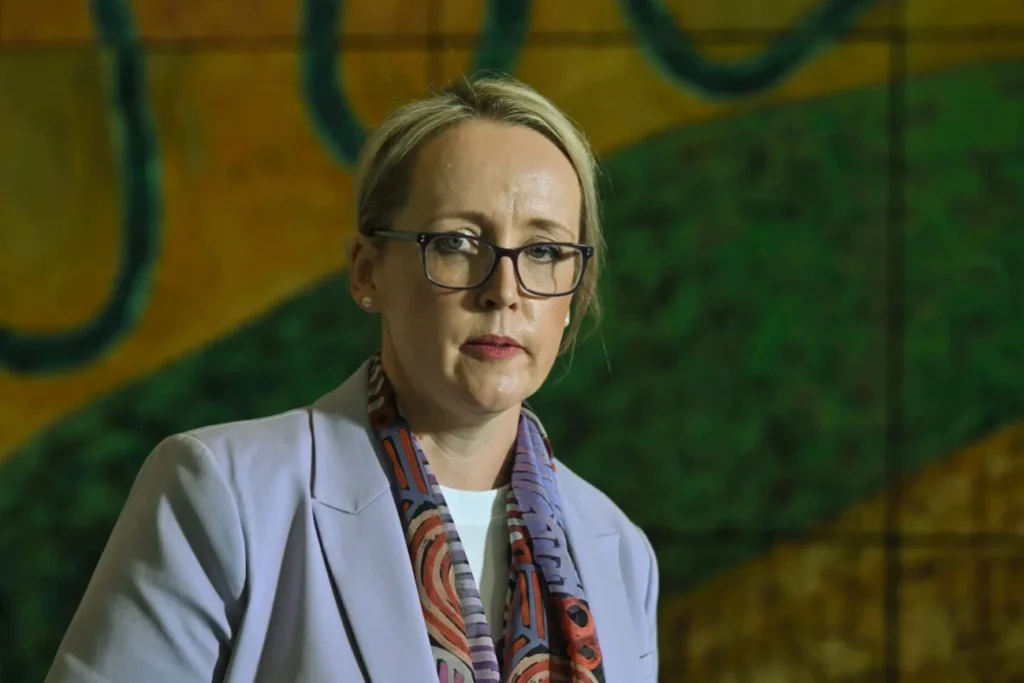
Why the Jo Tarnawsky Story Matters for Australia
The significance of her story extends far beyond an individual dispute. It has become symbolic of:
1. The Power Imbalances in Political Offices
Ministerial workplaces operate with immense pressure, limited oversight and intense loyalty structures.
2. The Gap Between Reform & Reality
Policies exist, but implementation often fails those who need protection most.
3. The Precarious Position of Senior Staff
Even the most senior advisers can be vulnerable when raising concerns.
4. The Mental-Health Fallout from Workplace Issues
Bullying and exclusion harm more than reputations — they damage wellbeing.
5. The Importance of Speaking Up
Her courage encourages employees across Australia to seek fairness and safety.
6. The Need for Greater Accountability
Systems must protect complainants, not penalise them.
The Legacy of Jo Tarnawsky
The story of Jo Tarnawsky is a story of resilience, courage and leadership. It shows how one individual’s experience can expose deeper systemic problems and inspire national conversations about how we treat people at work — especially in environments defined by power, stress and political stakes.
From international diplomacy to senior political leadership, from silent suffering to public advocacy, Jo Tarnawsky’s journey highlights the urgent need for safer workplaces, better support systems, and genuine cultural reform across Australian institutions.
Her voice will continue shaping discussions about:
- psychological safety
- workplace accountability
- respect and fairness
- women’s leadership
- public-sector culture
- the human cost of organisational failures
Her legacy is still unfolding — but she has already left an undeniable mark on Australian political and workplace history.
FOR MORE RELATED ARTICLES VISIT US AT AUSTRALIANMAGAZINE.COM.AU




Leave a Reply