
News
Jo Tarnawsky-The Diplomat Who Challenged Canberra’s Culture

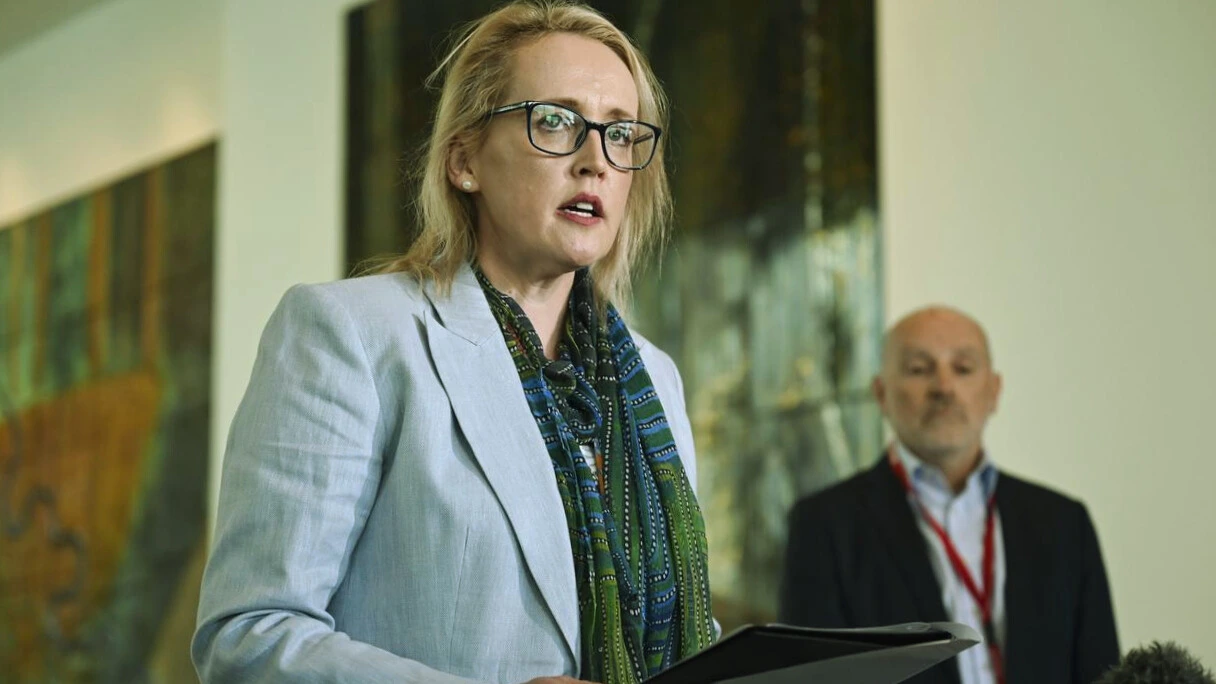
The name Jo Tarnawsky has become central to national conversations about workplace bullying, power dynamics, and psychological safety inside Australian political institutions. Her story spans more than two decades of public service across diplomacy, development policy, the Governor-General’s office, and the highest levels of parliamentary leadership. Today, she is known not only for her long career at home and abroad but also for exposing issues that many insiders were reluctant to discuss publicly.
Her experience — rising through international diplomatic ranks, becoming chief of staff to a Deputy Prime Minister, and later taking legal action after raising a bullying complaint — highlights the pressures, risks, and cultural shortcomings faced by many government employees. It also reflects how one person’s courage to speak up can reshape national discussions about accountability and mental health in demanding workplaces.
This long-form blog explores the full picture of Jo Tarnawsky: her background, her diplomatic achievements, her leadership roles, the allegations that changed her career, the legal battle that followed, and how her story continues to influence Australian political culture.
Early Life, Education & the Spark That Started a Public Service Career
Public information about Jo Tarnawsky’s upbringing is scarce, but one detail she has shared repeatedly gives insight into her passion for public life. As a young teenager, she won a national competition focusing on environmental issues, giving her the opportunity to visit Parliament House and meet the prime minister. That moment left a lasting impression on her, shaping her ambition to one day serve the country through government and international work.
This childhood experience — seeing how leadership decisions affected real-world issues — planted the seeds of a career in diplomacy, policy and later political strategy. It also instilled a sense of duty and purpose that would guide her through decades of public service.
From school to university, she leaned toward disciplines involving governance, public policy, international affairs and organisational leadership. While her academic history is not publicly detailed, her early work indicates a strong foundation in political science, administration, diplomatic studies, or related fields frequently found in senior public sector careers.
Her story is not one of privilege or celebrity, but of professional dedication — a quiet rise through the ranks of Australia’s diplomatic and public-sector institutions.
Jo Tarnawsky’s Diplomatic Rise-A Career Built Overseas
Before becoming a prominent figure in Canberra’s political sphere, Jo Tarnawsky spent years serving Australia internationally. Her diplomatic work in Italy and at the United Nations’ Rome-based food agencies formed a major part of her professional identity.
Representing Australia at the United Nations’ Food Agencies
Rome is home to several major multilateral organisations, including:
- The Food and Agriculture Organization (FAO)
- The World Food Programme (WFP)
- The International Fund for Agricultural Development (IFAD)
These organisations shape global responses to hunger, food insecurity and agricultural development — issues that directly affect vulnerable communities around the world. Jo Tarnawsky represented Australia in these forums as a senior diplomat. Her role involved negotiation, policy representation, coordination with humanitarian programs, and advising the Australian government on global development matters.
Her work placed her at the centre of international conversations about agriculture, food distribution, climate resilience, humanitarian support and sustainable farming. It also required sensitivity to global politics, development goals and economic challenges faced by various regions.
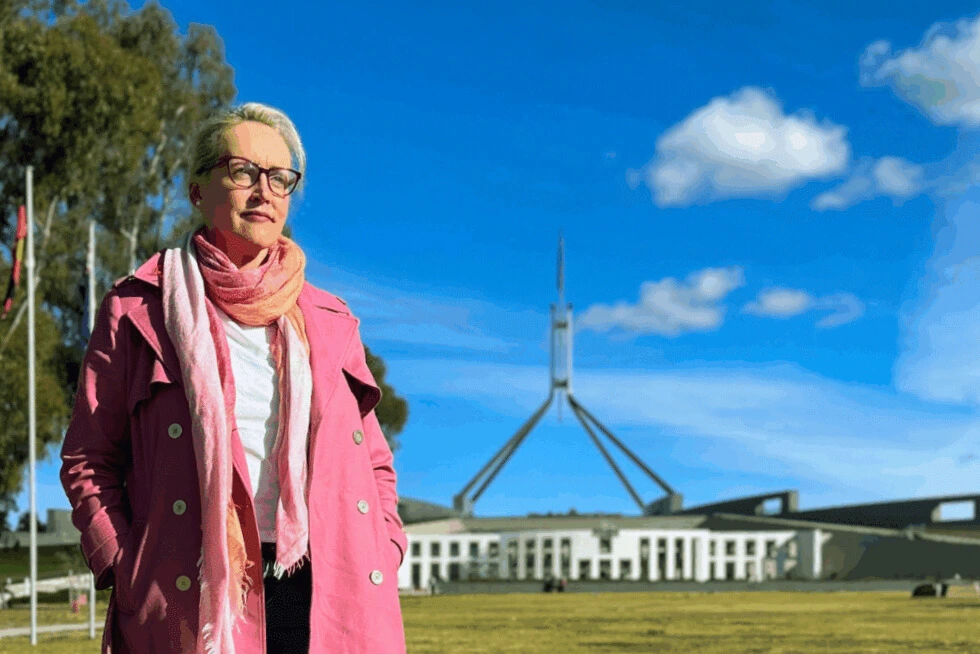
Deputy Ambassador & Deputy Permanent Representative
In Rome, she served as Deputy Ambassador and Deputy Permanent Representative to these multilateral agencies. This is a prestigious position typically held by experienced diplomats trusted with managing Australia’s strategic relationships and policy positions.
Her responsibilities included:
- Supporting the ambassador and acting as second-in-command
- Managing complex diplomacy with member countries
- Overseeing development and humanitarian policy negotiations
- Representing Australia at high-level meetings and diplomatic events
- Coordinating with UN agencies, NGOs, and international partners
For a diplomat, such a posting is a major achievement and reflects the Australian government’s confidence in her abilities.
Chargé d’Affaires — Leading the Embassy
At one point, Jo Tarnawsky stepped up as Chargé d’Affaires, effectively becoming acting ambassador during a transition between permanent ambassadors. This made her the highest-ranking Australian representative in Italy for that period.
Chargé positions are entrusted only to senior diplomats capable of:
- Running the day-to-day operations of an embassy
- Maintaining political and bilateral relationships
- Hosting delegations and representing national interests
- Managing consular matters and high-level communication
- Ensuring diplomatic continuity during leadership transitions
Her appointment to this role confirmed her place among Australia’s top diplomatic figures at the time.
Jo Tarnawsky’s Senior Public Service Roles in Australia
After returning from abroad, Jo Tarnawsky took on several significant roles within Australia’s domestic public service. These included leadership positions that required deep knowledge of governance, operations, compliance and strategic planning.
Deputy Official Secretary at the Office of the Governor-General
One of her most respected positions was serving as Deputy Official Secretary in the Office of the Governor-General. The Official Secretary oversees the office’s administrative, constitutional and ceremonial activities, and the deputy role is one of the most trusted executive positions in the institution.
Her responsibilities in this capacity included:
- Supporting constitutional processes
- Managing ceremonial events
- Overseeing staff and organisational functions
- Advising on governance and protocol
- Ensuring smooth coordination between the office and government agencies
This role demonstrates her expertise in leadership and administration at the highest levels of Australian governance.
Other Public-Sector Leadership Roles
Over roughly two decades in the Australian Public Service, Jo Tarnawsky:
- Managed teams and coordinated policy initiatives
- Oversaw government programs and operational reforms
- Led complex organisational functions
- Worked closely with senior ministers and public officials
Her broad experience meant she was not a newcomer when she later entered the political office environment — she already had years of high-pressure, high-stakes work behind her.
Becoming Chief of Staff to Australia’s Deputy Prime Minister
The turning point of her career — and ultimately the centre of her later conflict — came in 2022 when she became Chief of Staff to Deputy Prime Minister Richard Marles.
This role placed her at the heart of Australian politics, where daily responsibilities included:
- Coordinating political strategy
- Managing ministerial staff
- Handling national security information
- Overseeing media and stakeholder engagement
- Ensuring smooth operation of the Deputy PM’s office
- Managing relationships with defence officials
Chiefs of staff are instrumental in shaping policy direction, managing staff performance, and controlling the inner workings of a minister’s office. They are often considered the minister’s most trusted adviser.
For Jo Tarnawsky, this was both a professional milestone and a role that would later define a major part of her public story.
Jo Tarnawsky’s Bullying Allegations-What Happened Inside the Deputy PM’s Office
In 2023–2024, everything changed.
Initial Complaint
Jo Tarnawsky raised concerns about the conduct of a senior colleague, stating that:
- The behaviour was undermining
- The environment had become hostile
- She felt her authority and decisions were being dismissed
- Her complaints were not taken seriously
She alleged that the internal response to her concerns was slow, inadequate and dismissive.
Feeling “Exiled” From Her Own Workplace
After raising the complaint, she said she experienced:
- Removal of responsibilities
- Being told to take leave
- Being transferred to a temporary role
- Restricted access to her former office
- Isolation from staff and decision-making
- Loss of position and status
Her statement “it was a dream until it was a nightmare” captured the emotional and professional fallout.
Mental Health Consequences
She spoke publicly about:
- Panic attacks
- Emotional distress
- Feelings of isolation
- Mental-health decline
- Long-term trauma
Her account humanised an issue often dismissed within high-pressure work environments.
Public Reaction
The reaction was swift and intense:
- Women’s leadership groups expressed support
- Public servants saw echoes of their own workplace fears
- Political commentators debated accountability
- The opposition demanded transparency
- Media outlets highlighted systemic issues within political offices
Her decision to speak publicly shifted her case from a private complaint to a national conversation about political culture.
Federal Court Case-Tarnawsky v Commonwealth of Australia
The situation escalated when Jo Tarnawsky filed a Federal Court claim, alleging that she suffered prohibited adverse action under the Fair Work Act.
Her allegations focused on:
- Being sidelined after raising a complaint
- Being placed in a diminished role
- Losing access to her workplace
- Suffering retaliation in response to her concerns
- Experiencing a worsening of mental health because of workplace decisions
Importantly, Jo Tarnawsky did not claim that ministers personally engaged in bullying. Instead, she argued that the institutional response to her complaint constituted unlawful treatment.
High Stakes for the Government
The case placed:
- the Commonwealth
- senior government figures
- ministerial office culture
under scrutiny.
It reignited debate about whether recent parliamentary reforms — introduced after the Brittany Higgins case — were working in practice.
Settlement & Departure From Public Service After 20 Years
In 2025, Jo Tarnawsky reached a confidential settlement with the Commonwealth, bringing the court case to an end.
Key outcomes included:
- She voluntarily left the Australian Public Service
- No adverse findings were made against individuals
- The settlement details were not publicly disclosed
- Both sides avoided a lengthy legal battle
In her public statement, she emphasised that employees must feel safe to raise concerns “without fear of reprisal,” reinforcing the core message of her entire experience.
Jo Tarnawsky After the Case-A New Voice for Workplace Safety
Since leaving government, Jo Tarnawsky has emerged as a speaker and advocate on:
- Workplace bullying
- Psychological safety
- Organisational leadership
- Women’s experiences in high-pressure roles
- Accountability and cultural reform
Her story has resonated across industries because her experience is not unique — many workplaces still struggle to support complainants and address misconduct effectively.
Key Themes of Her Advocacy
- The Hidden Cost of Speaking Up
Many employees fear retaliation, exclusion or damage to their careers. - Mental Health as a Workplace Safety Issue
Emotional injury can be as severe as physical injury. - Leadership Responsibility
Leaders must ensure that complaint handling is fair, respectful and timely. - The Importance of Cultural Change
Rules and policies mean little if behaviour does not change. - Creating Safe Channels for Employees
Workers must trust the system before they will use it.
Growing Public Presence
Today, Jo Tarnawsky appears in:
- Leadership podcasts
- Women’s executive events
- Media discussions
- Workplace culture workshops
- Advocacy networks
Her experience has positioned her as a trusted voice on improving workplace environments in government and beyond.
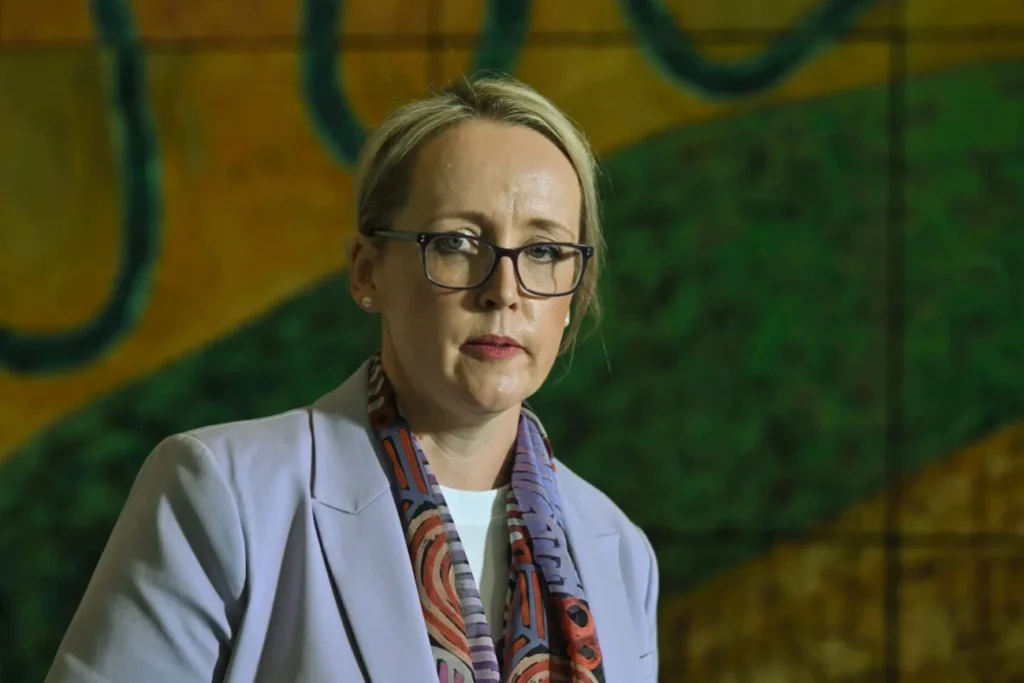
Why the Jo Tarnawsky Story Matters for Australia
The significance of her story extends far beyond an individual dispute. It has become symbolic of:
1. The Power Imbalances in Political Offices
Ministerial workplaces operate with immense pressure, limited oversight and intense loyalty structures.
2. The Gap Between Reform & Reality
Policies exist, but implementation often fails those who need protection most.
3. The Precarious Position of Senior Staff
Even the most senior advisers can be vulnerable when raising concerns.
4. The Mental-Health Fallout from Workplace Issues
Bullying and exclusion harm more than reputations — they damage wellbeing.
5. The Importance of Speaking Up
Her courage encourages employees across Australia to seek fairness and safety.
6. The Need for Greater Accountability
Systems must protect complainants, not penalise them.
The Legacy of Jo Tarnawsky
The story of Jo Tarnawsky is a story of resilience, courage and leadership. It shows how one individual’s experience can expose deeper systemic problems and inspire national conversations about how we treat people at work — especially in environments defined by power, stress and political stakes.
From international diplomacy to senior political leadership, from silent suffering to public advocacy, Jo Tarnawsky’s journey highlights the urgent need for safer workplaces, better support systems, and genuine cultural reform across Australian institutions.
Her voice will continue shaping discussions about:
- psychological safety
- workplace accountability
- respect and fairness
- women’s leadership
- public-sector culture
- the human cost of organisational failures
Her legacy is still unfolding — but she has already left an undeniable mark on Australian political and workplace history.
FOR MORE RELATED ARTICLES VISIT US AT AUSTRALIANMAGAZINE.COM.AU


Big Sky Publishing is one of the clearest examples of what independent publishing can achieve when guided by purpose rather than scale alone. Based in Newport, New South Wales, this 100% Australian-owned publisher has built a strong identity around local stories, national memory, and books that speak directly to Australian readers. In a market crowded with global imprints and commercial churn, Big Sky has carved out a reputation for authenticity, editorial care, and subject matter that matters.
What makes the company especially interesting is not just what it publishes, but how it publishes. Big Sky combines the reach of traditional publishing with a sharp focus on Australian content, supported by wide distribution through Simon & Schuster Australia. That balance has helped it grow into a respected name across military history, biography, true stories, current affairs, lifestyle, Indigenous perspectives, and children’s publishing.
What Is Big Sky Publishing?
Big Sky Publishing is an independent Australian book publisher established to champion local stories and Australian voices. Its catalogue reflects a clear editorial mission: to preserve, explain, and celebrate the country’s history, culture, and lived experience.
Unlike many publishers that chase trends across every category, Big Sky has built depth in carefully chosen areas. That focus gives the brand consistency and credibility. Readers know what to expect: well-produced books, strong research, and a commitment to authenticity.
The Publishing Identity Behind Big Sky
A publisher’s identity is often defined by three things: the stories it chooses, the standards it keeps, and the audience it serves. Big Sky performs strongly in all three.
1. Local and independent
Being independently owned matters. It allows Big Sky to support Australian authors and projects that larger multinational houses might otherwise overlook. It also means editorial decisions can be made with local relevance in mind, rather than only global commercial appeal.
2. Traditional publishing model
Big Sky operates through the classic publishing process:
- manuscript development
- editing
- design and production
- marketing
- distribution
That is important because it signals a full-service approach. Authors are not just handed a logo and a stock template; they benefit from editorial support and market-facing production standards.
3. Strong distribution reach
Through distribution by Simon & Schuster Australia, Big Sky titles gain access to a much wider retail network than many small publishers can reach on their own. That helps its books appear in bookstores, online retailers, and direct sales channels with far greater visibility.
Core Genres and Publishing Strengths
Big Sky’s list is broad enough to attract different readers, but focused enough to remain coherent. Its strengths sit in areas where research, clarity, and credibility matter.
Military history and Australiana
This is one of Big Sky’s signature areas. The publisher is especially well known for books dealing with Australia’s wartime past, military heritage, and national identity. Its role as the official publisher for the Australian Army History Unit adds weight to this reputation.
These books appeal to:
- history readers
- veterans and defence communities
- families researching service records
- educators and institutions
- anyone interested in Australian identity
A strong military history title does more than recount battles. It places events in context, explains their significance, and preserves the human stories behind the record. Big Sky’s focus on accuracy makes it well suited to this kind of publishing.
Biography and true stories
Readers are drawn to real lives because they reveal larger truths. Big Sky publishes memoirs, personal journeys, and lived experiences that resonate with authenticity. This is a category where the publisher’s editorial restraint matters. Good biography is not about exaggeration; it is about clarity, honesty, and structure.
True crime and current affairs
In true crime and current affairs, trust is everything. Readers expect careful reporting, sound evidence, and a serious tone. Big Sky’s strength here is its reputation for well-researched, reliable content rather than sensationalism.
Health, lifestyle, and self-help
This category broadens the publisher’s audience and adds practical value. Well-made lifestyle books need to be accessible, useful, and clearly written. Big Sky’s experience with straightforward, reader-friendly nonfiction gives it an advantage here.
Indigenous culture
Publishing Indigenous histories and perspectives requires sensitivity, consultation, and editorial discipline. Big Sky’s inclusion of this area shows an awareness that Australian publishing should reflect the full breadth of the nation’s stories, not just its dominant narratives.
Children’s books
Branded as “little books with big messages,” Big Sky’s children’s titles are designed to be both entertaining and meaningful. Picture books, early readers, and educational stories serve an important role: they introduce values, language, and ideas in a format children can absorb easily.
Why Big Sky Publishing Stands Out
There are many publishers in Australia, but Big Sky has a few traits that make it distinctive.
It values authenticity
Readers can usually sense when a book has been treated carelessly. Big Sky has built a reputation for books that feel grounded, researched, and purposeful. That matters enormously in nonfiction, where trust is the product.
It supports Australian stories.
There is real value in a publisher that prioritises local material. Australian stories often need a champion because they may not fit the assumptions of larger international markets. Big Sky fills that role well.
It offers professional production standards.s
Independent does not mean amateur. Big Sky’s books are expected to meet the same editorial and design standards readers would associate with major trade publishers.
It reaches both niche and general readers.
Some publishers are too specialised to grow widely; others are so broad that they lose identity. Big Sky manages a useful middle ground. It can publish specialist military history and still appeal to general readers looking for engaging nonfiction or children’s titles.
Practical Examples of the Big Sky Approach
Consider what this model looks like in practice.
- A military history title may combine archival research, veteran testimony, maps, photographs, and narrative structure to create a book that is both educational and readable.
- A memoir may be edited not simply for grammar, but for pacing, emotional clarity, and narrative arc so the reader stays engaged from beginning to end.
- A children’s book may use simple language, strong visual rhythm, and a memorable message to deliver a story that parents, teachers, and children can all value.
This is where experienced publishing matters. A strong publisher does not merely print a manuscript; it shapes it for the reader.
Common Mistakes Publishers Avoid — and Big Sky Appears to Avoid Them
Many smaller publishers struggle in predictable ways. Big Sky’s reputation suggests it has learned to avoid several common traps.
Publishing too broadly
A scattered list can weaken brand identity. Big Sky’s focused catalogue gives it a clearer voice.
Neglecting editorial rigor
Poorly edited books quickly damage credibility, especially in nonfiction. Big Sky’s emphasis on accuracy helps protect its reputation.
Ignoring audience fit
Not every good manuscript is a good commercial fit. Big Sky’s genre choices suggest a disciplined understanding of its audience.
Treating distribution as an afterthought
A book that cannot be found will not be read. Strong distribution is a significant advantage, and Big Sky benefits from it through Simon & Schuster Australia.
Future Outlook for Big Sky Publishing
The future looks promising for publishers that can combine specialist credibility with broad reader appeal, and Big Sky is well positioned for that environment.
Several trends support its model:
- continued interest in Australian history and identity
- strong demand for authentic nonfiction
- growing appetite for real-life stories and memoir
- steady interest in children’s books with educational value
- increased attention to Indigenous voices and local perspectives
Digital discovery will continue to matter, but physical books still hold strong cultural and commercial value, especially in history, biography, and children’s publishing. A publisher like Big Sky, with a clear identity and dependable distribution, is well placed to benefit from both formats.
Final Thoughts
Big Sky Publishing has succeeded by staying true to a clear editorial purpose. It champions Australian stories, publishes across meaningful nonfiction and children’s categories, and maintains the professional standards readers expect from a serious publisher.
Its strength lies not in trying to be everything to everyone, but in being recognisable, trustworthy, and distinctly Australian. For readers, that means books with substance. For authors, it means a publisher that values quality and local relevance. For the wider publishing industry, Big Sky is a reminder that independent publishing can be both commercially practical and culturally important.

In today’s media landscape, certain individuals find themselves thrust into the spotlight not by choice, but through circumstances that test their character. Leigh Pickford is one such person. An Australian woman whose life has drawn public attention due to deeply personal and legal matters, she has come to represent quiet strength and the human capacity to endure hardship while maintaining dignity.
Having followed public stories involving ordinary people facing extraordinary challenges for over thirty years, I’ve learned that these narratives often reveal more about society’s values than about the individuals themselves. Leigh Pickford’s journey offers powerful insights into resilience, privacy, and the complexities of living life under scrutiny.
Background
Leigh Pickford is based in Australia, where she has navigated life away from the limelight for much of her earlier years. Like many Australians, her story is rooted in everyday realities — family, community, and personal aspirations. However, specific events brought her into the public consciousness, turning private struggles into matters of broader interest.
What stands out in her background is the ordinary foundation from which her story unfolded. This relatability is perhaps why her experiences have resonated with so many. She represents countless individuals who face unexpected trials without the armour of fame or fortune.
Key Events
Leigh Pickford gained media coverage due to a series of personal and legal challenges that tested her resilience in profound ways. While the specifics of these events are complex and often deeply personal, they highlighted issues many face, but few discuss openly — matters involving justice, personal boundaries, and emotional endurance.
Throughout these difficult periods, Pickford demonstrated a level of composure that drew both sympathy and admiration. Public records and media reports portrayed her as someone determined to stand her ground and seek resolution through proper channels, even when the process was lengthy and emotionally draining.
In my experience covering similar stories, individuals like Leigh often become unintentional symbols. Their cases bring attention to systemic issues — whether in legal processes, support for those facing personal crises, or the role of media in shaping public perception.
Public Response
The public reaction to Leigh Pickford’s story has been mixed but notably compassionate in many circles. Many Australians followed her journey with interest, seeing in her experience reflections of their own vulnerabilities or those of their loved ones.
Social media played a significant role, with supporters offering messages of encouragement and calling for fairness. Others engaged in more critical discussions about privacy rights and the ethics of media coverage in personal legal matters.
This duality is common in high-profile personal stories. On the one hand, public attention can provide a sense of solidarity; on the other, it can intensify pressure on the individual at the centre. Leigh appears to have handled this delicate balance with notable grace, focusing on her own path rather than getting lost in the noise of public opinion.
Lessons on Resilience and Privacy
From an expert perspective shaped by decades of observing human stories, Leigh Pickford’s experience underscores several important truths:
- Strength is often quiet. True resilience doesn’t always look dramatic — it frequently appears as persistence, dignity, and the choice to keep moving forward.
- Privacy remains precious. In an age of constant sharing, protecting one’s personal boundaries becomes an act of self-preservation.
- Support systems matter. Family, legal counsel, and community networks play crucial roles in helping individuals weather storms.
- Media narratives evolve. Initial coverage may focus on drama, but deeper stories often reveal nuance and human complexity over time.
For anyone facing similar challenges, Leigh’s story serves as a reminder that seeking professional guidance, setting boundaries, and prioritising mental wellbeing are essential steps.
Current Life (2026)
As of 2026, Leigh Pickford continues to focus on her personal life and any ongoing matters related to her journey. Reports suggest she has maintained a relatively low public profile, concentrating on rebuilding stability and moving forward after years of intense attention.
This phase reflects a common pattern among those who have endured prolonged public scrutiny — a return to normalcy and private healing. While she may not seek the spotlight, her earlier experiences have left a lasting impression on those who followed her story.
Her current approach appears grounded and forward-looking, emphasising personal growth over continued public engagement. This choice deserves respect and highlights the importance of allowing individuals space to recover and redefine their lives on their own terms.
Conclusion: The Enduring Power of Human Resilience
Leigh Pickford’s story is ultimately one of human resilience in the face of adversity. While the details of her challenges are unique, the themes of strength, dignity, and perseverance are universal. In sharing aspects of her journey with the public, whether willingly or through circumstance, she has contributed to broader conversations about justice, privacy, and support for those navigating difficult times.
For readers, her experience offers valuable perspective: life can change unexpectedly, but the human spirit possesses remarkable capacity for recovery. As we move further into 2026 and beyond, stories like Leigh’s remind us to approach public narratives with empathy and to value the quiet strength that often goes unseen.
In a world quick to judge and even quicker to move on to the next headline, remembering the real people behind the stories — their struggles, their growth, and their right to privacy — remains as important as ever.

Many stories make their way into the public eye, but not all belong to people who sought that attention. Katherine Pearson is one such individual — an Australian woman whose life unexpectedly became a subject of media coverage and public discussion due to personal and legal circumstances. What began as private matters soon unfolded into a story that captured the nation’s curiosity, offering a clear example of how quickly life can change when circumstances bring you into the public eye.
Over time, Katherine Pearson has become known not just for the events that brought her into the news, but for the way she navigated those challenges. Her journey is defined by resilience, a commitment to privacy, and the determination to move forward despite scrutiny. This article explores her background, the key events that shaped her public profile, how people responded to her story, and where she is focusing her life as of 2026.
Background
Katherine Pearson is based in Australia, where she spent the majority of her early years living a quiet, private life. Before the events that brought her into the spotlight, there was little public information about her — she was focused on her personal responsibilities, family, and daily life, just like millions of others.
Her entry into public awareness was not a choice or a career move. It came when her personal circumstances intersected with legal and public matters that attracted the interest of news outlets and observers. This shift from private citizen to someone regularly mentioned in the media was sudden and unplanned, requiring her to adapt to a reality most people never have to face.
Throughout this transition, one consistent quality became clear: her desire to protect her own dignity and the privacy of those close to her. She did not seek fame or publicity, and her actions over the years have reflected a preference for letting facts speak for themselves rather than seeking attention or sympathy.
Key Events
The turning point in Katherine Pearson’s public profile came from a series of events that unfolded gradually, drawing increasing attention as details emerged. These events centred on complex personal and legal challenges that raised questions and sparked discussion across Australia.
While the specifics of these matters have been reported in various news sources, it is important to focus on the broader context of how they affected her life:
Initial Public Awareness: Coverage began when her situation became linked to formal proceedings and investigations. At this early stage, information was still limited, leading to a mix of accurate reporting and public speculation.
Growing Scrutiny
As the process continued, interest grew. Media outlets followed developments closely, and details — sometimes incomplete or taken out of context — began to circulate. This period brought significant pressure, as her personal life became open to interpretation and discussion by strangers.
Clarifying the Narrative
Over time, Katherine Pearson chose to share certain aspects of her experience. This was done not to gain attention, but to address misinformation, provide clarity, and ensure that her side of the story was understood. She spoke with measured care, focusing on facts rather than emotion.
Navigating Uncertainty: Every step of the journey required balancing legal obligations, personal boundaries, and the public’s interest. It was a complex path, and one that tested her patience and resolve at every stage.
One of the most important lessons from this period is the difference between verified facts and assumptions. As with many stories in the public domain, not everything reported was fully accurate, and distinguishing between the two required careful attention from readers and observers.
Public Response
When a private individual finds themselves in the news, reactions are almost always mixed — and Katherine Pearson’s case was no exception. The public response reflected a wide range of perspectives, offering insight into how society views people caught in difficult circumstances.
Support and Empathy
A large portion of the public responded with understanding and respect. Many recognised that being under constant media observation during a difficult time adds a heavy burden that no one should have to carry. People expressed sympathy for the stress and disruption she faced, and emphasised that everyone deserves the space to work through personal challenges without constant oversight.
Curiosity and Debate
Naturally, the story also sparked curiosity. People wanted to understand the context, the legal process, and how such situations unfold. This led to broader conversations about media responsibility, the line between public interest and private life, and how individuals are treated once they enter the public eye. These discussions highlighted important questions about privacy and fairness in the modern media landscape.
Key Takeaways for Readers
From Katherine Pearson’s experience, there are valuable lessons that apply to how we consume and respond to news stories:
Look for verified information: It is easy to form opinions based on headlines or incomplete reports, but reliable understanding requires seeking out confirmed facts.
Respect personal boundaries: Even when information is available, there is a difference between being informed and invading someone’s private life.
Recognise strength in quiet persistence: Facing public attention while dealing with personal challenges requires great inner strength, and moving forward without giving in to pressure is a notable achievement.
Current Life (2026)
As of 2026, the intense period of media attention has settled significantly. Katherine Pearson has entered a new chapter, where her focus has returned to what matters most: her personal life, family, and future stability.
She continues to handle any remaining matters related to her past with the same careful, thoughtful approach she has shown from the beginning. There is no indication that she seeks further public attention; instead, her priority is to restore the sense of normalcy disrupted by events in previous years.
Those who follow her story will note that her current choices reflect a clear intention: to leave the spotlight behind and live life on her own terms. This decision is itself a sign of how far she has come — from someone caught in a situation beyond her control, to someone who has reclaimed ownership of her own path.
Conclusion
Katherine Pearson’s story is not one of fame, achievement, or public ambition. It is a story about what happens when ordinary life intersects with extraordinary circumstances, and how a person responds to pressure, scrutiny, and uncertainty.
From her quiet beginnings in Australia, through the challenges that brought her into the public eye, to her focus on stability and privacy in 2026, her journey highlights the importance of resilience and self‑determination. It reminds us that behind every headline, there is a real person with feelings, rights, and a life that goes far beyond the details reported in the news.
For readers, her experience offers a valuable perspective: to look beyond the surface of any story, to respect the humanity of those involved, and to recognise that strength is often found not in being in the spotlight, but in having the courage to move forward and rebuild when the attention fades.
Big Sky Publishing: An Australian Publisher with a Distinctive Voice

Lemon Delicious: The Classic Australian Dessert That Never Goes Out of Style

Maggie Beer Products: A Gourmet Australian Range Built on Flavour, Simplicity, and Quality

Human-in-the-loop customer service: how NeonNow IQ divides contact centre work between AI and people

Saskia Beer: The Life, Work, and Lasting Legacy of an Australian Food Innovator

Actors Equity Australia: Protecting and Empowering Performers

JK Kazzi: The Charismatic Voice of a New Generation of Cultural Influencers
Leigh Pickford: A Story of Strength and Resilience in the Public Eye

Veronica Neave: A Multifaceted Force in Australian Arts

Melissa Agnew: Mastering the Art of Authentic Voice in Australian Media
-
 Celebrity12 months ago
Richard Zachariah – The Story of a Gentleman Journalist
-
 Lifestyle12 months ago
Matt Moran Liberal-From Service to Leadership in Western Australia
-
 Lifestyle5 months ago
Top Fashion Trends Australia 2026: What Australians Are Wearing Now
-
 Lifestyle5 months ago
Spring 2026 Fashion Trends: The Complete Style Guide
-
 News10 months ago
Beau Lamarre-Condon – Inside the Case, the Charges, and the Court Timeline
-
 News9 months ago
Margaret Beazley- From Federal Court Judge to NSW Governor
-
 Celebrity11 months ago
Why the Neil Patrick Harris Amy Winehouse Cake Went Viral Again
-
 News12 months ago
Samuel William Davidson – The Oatlands Tragedy, Sentence & the Power of Forgiveness