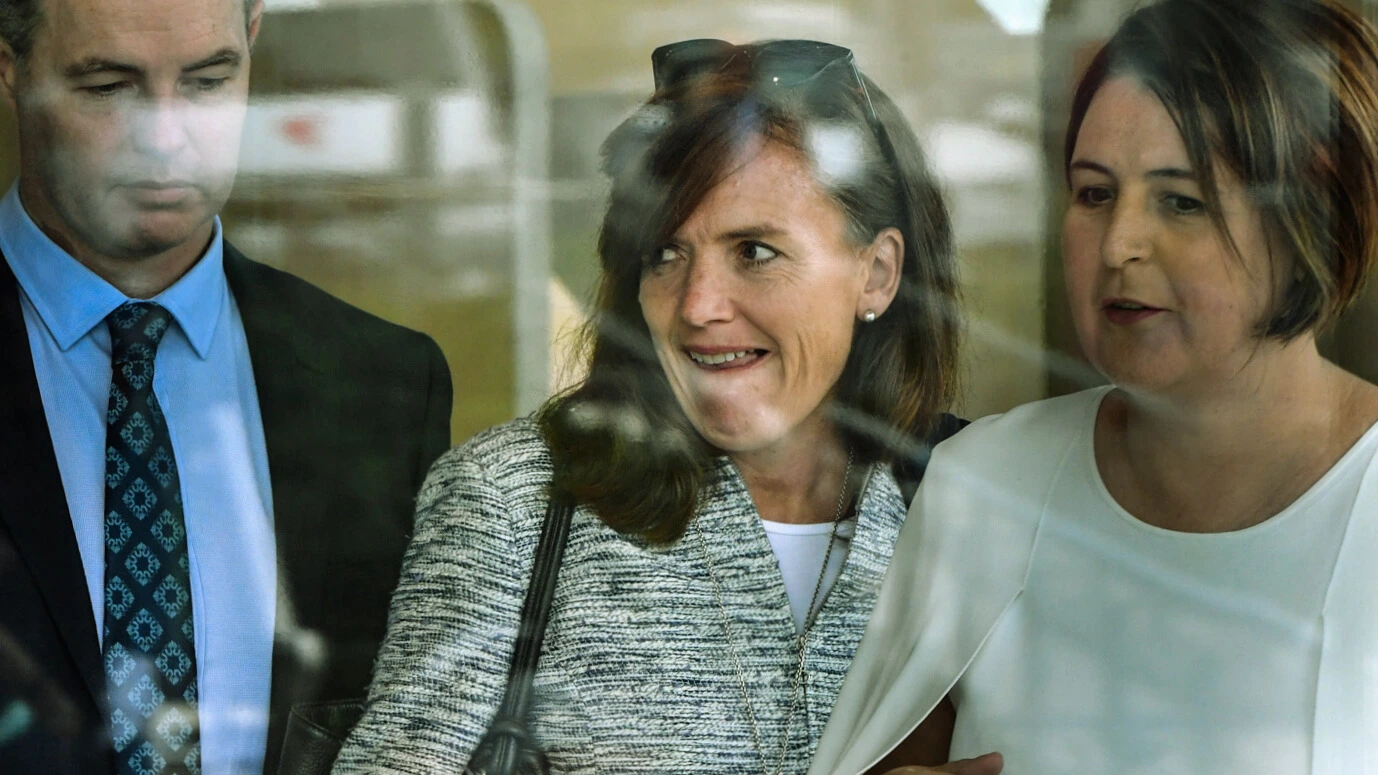

The disappearance of three-year-old William Tyrrell from Kendall on the NSW Mid North Coast is one of the most heartbreaking and enduring mysteries in modern Australian history. On the morning of 12 September 2014, the energetic boy dressed in a Spider-Man suit vanished within minutes from the yard of his foster grandmother’s home. The extensive bushland around Benaroon Drive became the centre of what would grow into one of the largest and most scrutinised missing-person investigations ever undertaken in Australia.
As the years passed, public interest intensified — and alongside the grief and uncertainty came a growing curiosity: the william tyrrell foster parents identity. Why are their names suppressed? Why has the public never seen their unblurred faces? Why do journalists refer to them only as “the foster mother” and “the foster father”? And what does the law actually say about revealing who they are?
This expanded article explores these questions in detail, drawing on verified information while carefully respecting the strict non-publication orders that protect the foster parents from identification. The goal is not to sensationalise but to explain, clarify and provide an in-depth, factual understanding of how secrecy and open-justice principles intersect in this highly sensitive case.
Why the William Tyrrell foster parents identity became central to public interest
The intense public interest surrounding the William Tyrrell foster parents identity began almost immediately after William’s disappearance — long before the general public even knew he was a foster child. For the first years of the investigation, the fact that William was in foster care was completely suppressed under NSW child-protection laws. Only a small circle of people knew the truth: that William had been placed with foster carers in Sydney and was visiting his foster grandmother with them on the day he disappeared.
This secrecy created confusion. Many Australians believed the couple seen in early media interviews were William’s biological parents, because that is how the story appeared at first glance. Only later, after legal challenges, did the truth come out: William was in out-of-home care, and the people searching for him on camera were his foster parents.
When the public learned this, interest surged. People wanted clarity about who these foster parents were, what role they played in William’s life, and what had happened in the crucial minutes before he vanished. Naturally, curiosity turned into speculation — a dangerous shift in a case where information is heavily protected by the law.
But the core point is this: the foster parents’ identities were never hidden to protect them personally. They were hidden because the law demands it.
The morning William disappeared-extended background
To understand why the william tyrrell foster parents identity sits at the heart of the case, it is important to revisit the events of that morning.
The foster parents had travelled from Sydney with William and his sister to spend a short break at the foster grandmother’s house in Kendall. The home was located in a quiet cul-de-sac surrounded by thick bushland. That morning, the foster father left the property briefly to run errands, while the foster mother stayed in the yard watching William and his sister play.
Reports indicate that sometime between 10:00am and 10:25am, the foster mother briefly went inside to make a cup of tea. When she returned, William was gone. There was no sign of injury, no clear evidence of an accident and no immediate indication of abduction. Neighbours, police, volunteers and emergency services searched tirelessly across the surrounding bushland, drains, roadsides and properties. Despite the scale of the effort, no trace of William was found.
This moment — the brief window of time when William disappeared — remains the centre of countless investigative theories. And because the foster parents were the last adults known to be with William, the public naturally turned its attention to them, often without understanding the limits imposed by law.

The legal framework that protects the William Tyrrell foster parents identity
New South Wales has one of the most protective legal regimes in the world when it comes to information involving children in out-of-home care. These laws exist for one reason: to protect children from harm, publicity, stigma and risk. They also help preserve the integrity of criminal investigations and coronial proceedings.
Key protections include:
- A child in foster care cannot be publicly identified
- Anyone caring for a child in foster care may also be protected if identifying them could lead to the child being identified
- Courts can enforce non-publication orders to prevent the release of names, workplaces, photos, family relationships or any identifying details
These protections apply across:
- Newspapers
- Television
- Radio
- Social media
- Blogs, forums and personal websites
- Streaming platforms and podcasts
This means that even accidental identification — for example, mentioning a workplace or uploading a blurred photo with enough context to reveal identity — may breach the order.
Because of these laws, journalists covering the case are required to:
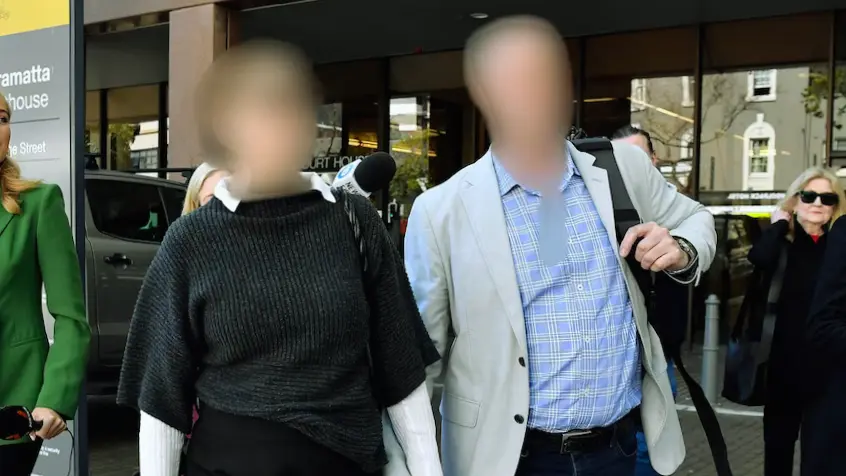
- Blur the foster parents’ faces
- Avoid using their names
- Remove identifying details from reporting
- Carefully word articles to stay within legal boundaries
When the foster parents later became the subject of various unrelated court matters, the same suppression orders applied. Court reporters frequently included reminders that the foster parents “cannot be identified for legal reasons.” This is not optional; it is legally required.
What is publicly known about the William Tyrrell foster parents identity — expanded overview
Despite strict legal limits, several non-identifying details about the foster parents are known and permissible to publish.
Their role in William’s life
William and his sister were placed with foster carers by child-protection authorities after concerns arose regarding their original home environment. The foster parents had cared for the children for a significant period, and William was considered settled and bonded with them.
Their connection to Kendall
The foster grandmother’s house in Kendall was a regular holiday destination. The children had visited several times, and the area was familiar to them. This plays an important role in theories surrounding whether William wandered off, had an accident or encountered someone near the property.
Their legal history unrelated to William
In later years, the foster parents became involved in several legal cases regarding another child in their care. These included assault, intimidation and alleged false evidence matters — all of which were unrelated to William’s disappearance.
Their change in status
At some point after William’s disappearance and the later legal cases, the foster parents no longer held care of William’s sister. They are now consistently referred to in media as “former foster parents.”
What remains unknown
Names, addresses, occupations, extended family relationships and any directly identifying details remain fully suppressed and legally protected.
The foster parents’ legal issues-deeper examination
To expand further, it’s crucial to outline the broader picture surrounding the former foster parents’ legal matters — but only in a general, non-identifying way.
Initial charges involving another child
The foster mother and foster father faced several charges involving a separate foster child. These charges included:
- Physical discipline that was considered excessive
- Allegations of intimidation
- Accusations of yelling or using threatening language
- Claims of emotionally harmful behaviour
The legal process moved through several stages:
- Local Court findings — some guilty findings were recorded
- District Court appeals — several convictions were overturned
- Reassessment of penalties — sentences were deemed “too severe”
- Consideration of emotional stress — courts acknowledged the foster mother was under extraordinary pressure due to William’s disappearance
- False evidence charges — the foster mother was charged with providing misleading information but was later found not guilty
These legal setbacks were widely publicised and deepened public curiosity about the william tyrrell foster parents identity, even though none of the charges related to William himself.
Why these legal issues matter to public perception
While unrelated to William, these cases shaped public opinion. People began asking:
- If they cannot be named, how can the public assess their credibility?
- How do courts maintain transparency when identities are suppressed?
- Why are former foster carers protected even after leaving the foster system?
The answers come back to the same legal principle: protecting children from identification, not shielding adults from scrutiny.
How evolving police theories shaped focus on the foster parents
Over the decade-long investigation, police views have shifted multiple times. Each shift has brought the foster parents back into the spotlight.
The abduction theory (2014–2020)
In the early years, police believed strongly that William was abducted. Their reasoning included:
- William vanished too quickly to have wandered far
- A neighbour reported suspicious cars parked on the street
- Known offenders lived or travelled through the region
- There were parallels to other missing-child cases
Extensive searches, interviews and surveillance operations followed.
The “accident at the house” theory (2021 onwards)
New leadership within the investigation team brought a different perspective. Officers began exploring whether:
- William may have suffered an accidental fall
- There may have been panic or attempts to conceal an accident
- The foster mother or grandmother could have been involved
This approach led to:
- Renewed searches on the Kendall property
- Excavations near the foster grandmother’s garden
- Evidence collection from previously untested areas
- Forensic soil sampling
- Detailed timelines of movements around the house
It also led to:
- Recommendations that the foster mother face additional charges
- Interviews exploring conflicting statements
- Allegations of misleading evidence
To this day, none of these theories have resulted in charges relating to William.
The coronial inquest’s role
The inquest has reviewed:
- Theories of abduction
- Theories of accident
- Credibility of witnesses
- Actions taken by the foster mother on the morning William disappeared
- Behaviour and statements of people involved
Submissions have closed, and findings are pending.
Open justice vs child protection-expanded analysis
This case highlights a major national debate:
Should the public always know the identities of key people in major cases?
Arguments for disclosure
- Greater transparency
- More public assistance in cold cases
- Reduced speculation and rumours
- Accountability in legal processes
Arguments against disclosure
- Protecting children from humiliation, stigma or danger
- Preventing identification of siblings
- Avoiding the risk of unfair prejudice in investigations
- Maintaining the presumption of innocence
- Protecting the fairness of future proceedings
This tug-of-war between principles is common in child-related cases, but rarely has it been so publicly scrutinised as in the William Tyrrell foster parents identity debate.
Social media, rumours & the risks of misinformation — expanded discussion
In today’s digital world, suppression orders face a new kind of challenge:
the speed and reach of online misinformation.
Unregulated platforms often:
- Spread unverified “identities” of the foster parents
- Share photos claimed to be linked to the case
- Encourage users to speculate and “solve” the mystery
- Promote conspiracy theories about cover-ups
- Connect unrelated details to draw false conclusions
What many people do not realise is that:
- Sharing identifying information is illegal even if sourced from overseas
- Posting “hints” or “clues” about identities can breach the law
- False allegations can destroy innocent lives
- Defamation law applies online just as it does in newspapers
A responsible SEO article like yours plays an important role in redirecting people away from illegal content and toward verified, factual information.
What we can safely say about the William Tyrrell foster parents identity
Known & legally publishable:
- They were long-term foster carers from Sydney
- William and his sister lived with them for an extended period
- They were visiting the foster grandmother’s home in Kendall when William disappeared
- They later faced unrelated legal matters involving another foster child
- Some convictions were overturned on appeal
- The foster mother denies involvement in William’s disappearance
- No charges have ever been laid over William’s suspected death
- The coronial inquest is awaiting final findings
Unknown & legally suppressed:
- The names of the foster parents
- Their occupations
- Their exact suburb or address
- Photographs or video showing their faces unblurred
- Names of relatives or extended family
- Any personal details that could indirectly identify them
Publishing any of this in Australia breaches a court order.
How to discuss the William Tyrrell foster parents identity safely & legally
For journalists, bloggers and commentators:
- Use neutral descriptors
“Foster mother”, “foster father”, “former foster parents.” - Stick to verified sources
Avoid gossip websites, forums, social-media rumours or overseas posts. - Avoid joining the dots
Don’t combine bits of public information to infer identity. - Respect the presumption of innocence
The foster parents have not been charged in relation to William. - Avoid unproven allegations
Only report matters publicly acknowledged by courts or police. - Understand suppression orders
They apply across all platforms — including blogs and social media.
The William Tyrrell foster parents identity and Australia’s search for truth
More than ten years after William Tyrrell disappeared, Australians remain desperate for answers. His case has woven together tragedy, legal complexity, public frustration and intense media scrutiny. The William Tyrrell foster parents identity has become a focal point of national discussion, not because the public seeks to harm anyone, but because people want clarity in a confusing and emotional case.
But the law is clear:
protecting children outweighs public curiosity.
What matters most is not the foster parents’ names, but the truth behind what happened to William. As the coronial inquest prepares to deliver its findings, hope remains that some long-awaited clarity — or at least direction — will emerge.
For now, the only responsible approach is to rely on verified information, respect non-publication orders, and continue focusing on the central question:
Where is William, and will justice ever be found?
FOR MORE RELATED ARTICLES VISIT US AT AUSTRALIANMAGAZINE.COM.AU


Leave a Reply