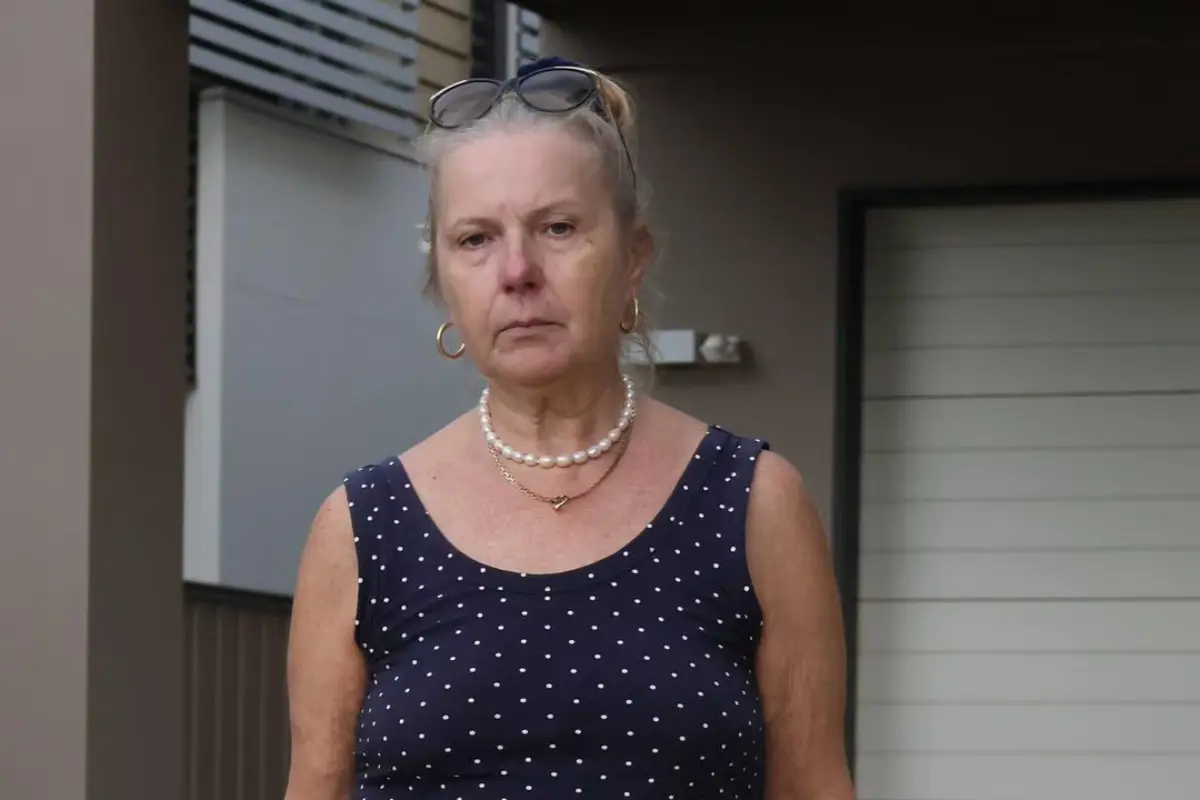

Yolanda Borucki is a former childcare centre manager who became a whistleblower after raising concerns about child abuse and systemic failures. Her case exposed deep flaws in institutional accountability, highlighting the personal cost of speaking up in the Australian justice system.
Introduction
Yolanda Borucki became a central figure in a deeply troubling Australian childcare scandal not because she sought attention, but because the system around her failed repeatedly. As a childcare centre manager working within a Uniting Church childcare centre in Brisbane, she witnessed warning signs tied to abuse allegations that demanded action. Her decision to engage with authorities, raise concerns with police, and later speak to the media placed her on a collision course with institutions meant to protect children. Instead of immediate accountability, the process exposed gaps in investigation, delayed responses, and a disturbing pattern where the whistleblower faced consequences faster than the offender.
Background – Ashley Paul Griffith Case
The case of Ashley Paul Griffith sits at the heart of this story and reflects how institutional trust can blind systems to danger. While employed at a childcare centre, concerns emerged about inappropriate behaviour involving a child, triggering internal alarm but limited external response. A police investigation cited lack of evidence, allowing Griffith to return to work, a decision that later proved catastrophic. Subsequent discoveries linked him to child sexual abuse material, online offences, and a scale of wrongdoing that shocked Australia, Brisbane, and even Italy, where victims also surfaced.
As evidence mounted, the reality became impossible to ignore. Courts later confirmed 307 child sexual offences committed over nearly 20 years, revealing how long exploitation continued under institutional oversight. His eventual conviction, followed by life imprisonment with a 27 years non-parole period, closed the criminal chapter but opened public debate on how systems failed children so thoroughly. The spotlight shifted from the offender alone to the layers of authorities, oversight bodies, and reporting mechanisms that allowed abuse to persist.
Early Warnings and Internal Reporting
Before arrests and headlines, Yolanda Borucki acted through internal channels as any responsible childcare centre manager would. She raised concerns with authorities and engaged with police, expecting formal investigation and protective action. These early warnings reflected professional duty rather than activism, rooted in safeguarding children rather than exposing institutions. Despite these efforts, the response lacked urgency, reinforcing a culture where reporting does not always translate into intervention.
The delay proved costly. When police cited insufficient proof and allowed Griffith to resume work, the system signalled that caution outweighed child protection. This moment marked a critical failure point, where procedural hesitation overpowered common-sense safeguarding. For Borucki, this was not just a professional frustration but a moral crossroads that later shaped every decision she made.
Turning to the Media
When institutional channels stalled, Yolanda Borucki chose public media exposure as a last resort. Her A Current Affair appearance aimed to highlight reporting failures, not to sensationalise abuse. She described alleged indecent behaviour, internal childcare provider investigation outcomes, and the lack of decisive action. This move reframed the conversation, shifting public attention toward accountability rather than silence.
Media involvement changed everything. What began as professional concern escalated into national scrutiny, placing Borucki under a spotlight that institutions could no longer control. While the broadcast amplified the voices of unheard families, it also triggered defensive reactions from organisations now exposed to criticism. This moment illustrates how whistleblowing often escalates conflict rather than resolving it.
Charges Against Yolanda Borucki
Soon after speaking publicly, Yolanda Borucki faced a charged allegation that reframed her actions as criminal conduct. Prosecutors accused her of computer hacking, claiming unauthorised access to a restricted computer. The case centred on a work computer, 17 emails, and confidential documents sent to a personal email, Channel Nine, and A Current Affair. Authorities alleged this caused financial detriment exceeding $5,000, following a data breach report by the Uniting Church to the Queensland Police Service.
The framing of these actions raised serious questions. At the time, Borucki still possessed her work phone, work car, and work computer, with existing permission to access systems. The prosecution narrative transformed a whistleblower into an offender, demonstrating how legal tools can shift focus away from systemic failure toward individual punishment.
Court Proceedings & Verdict
The case unfolded at the Brisbane Magistrates Court, where the prosecution carried the burden to prove guilt beyond reasonable doubt. Magistrate Kerrie O’Callaghan examined whether Borucki truly lacked permission, whether computer use occurred as alleged, and whether measurable financial harm or psychological harm affected families and victims. Evidence relied heavily on assumptions rather than documented proof.
The court found these elements unconvincing. With gaps in evidence and inconsistencies in claims, the magistrate issued a not guilty verdict, formally dismissing the charge. This judicial decision reinforced that legal processes must distinguish between malicious breaches and actions taken in public interest, especially when child safety underpins the motive.
Reaction to the Verdict
Inside the courtroom, emotion overtook restraint as Yolanda Borucki shed tears and experienced an emotional breakdown following the ruling. Her husband hugged her while supporters clapped, marking the end of a prolonged legal ordeal. Outside court, defence lawyer Ron Behlau criticised the prosecution process, arguing it should never have progressed, let alone been pursued by both church and police with such intensity.
Public reaction reframed Borucki’s role from defendant to protector. Many described her actions as heroic, highlighting the personal cost of challenging institutions. Calls for an independent inquiry intensified, focusing attention back on systemic failure and the urgent need for accountability rather than punishment of whistleblowers.
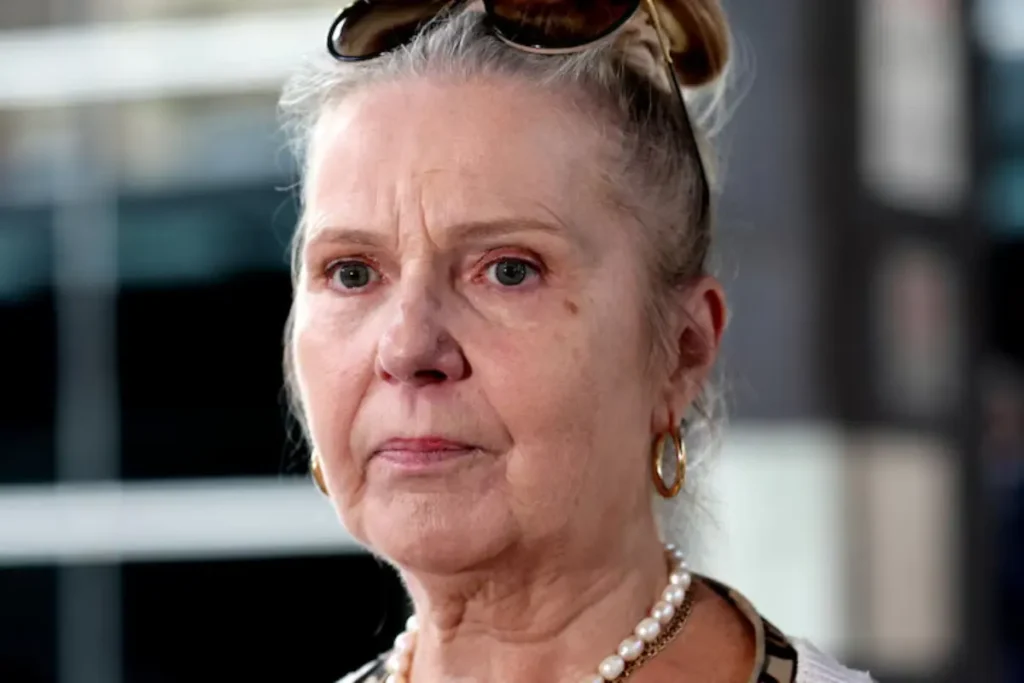
Media Appearance & Police Raid
The aftermath of Borucki’s media appearance intensified when Taskforce Argos conducted a police raid on her Brisbane home on August 15, 2023. This law enforcement response followed allegations of confidential document distribution, reinforcing how rapidly scrutiny can shift once media enters a case. The raid symbolised institutional retaliation more than resolution, deepening public concern over priorities.
For many observers, the sequence raised uncomfortable questions. Why did enforcement escalate against a whistleblower while earlier reports about abuse faced delay? The contrast highlighted structural imbalance within investigative systems, where exposure sometimes triggers defence mechanisms rather than reform.
Employment Consequences for Borucki
Beyond legal pressure, Yolanda Borucki endured severe professional fallout. She received a redundancy notice, followed by dismissal, effectively being sacked from her role. Her blue card suspension barred her from working with children, undermining a career built in the childcare sector. These consequences unfolded despite ongoing permission to access work resources during the period in question.
The timing aligned closely with the arrest of Griffith, reinforcing perceptions of institutional distancing rather than support. This employment termination demonstrates how whistleblowers often lose livelihoods even when courts later confirm innocence, highlighting the hidden cost of integrity.
Legal Representation & Public Support
Strong legal advocacy shaped Borucki’s defence. Jason Murakami, from BMG Legal, brought experience from the Griffith University Innocence Project, known for addressing wrongful convictions. His approach emphasised rule of law, procedural fairness, and evidentiary standards, countering narratives driven by assumption rather than proof.
Community backing grew through social media, particularly the Yellow for Yolanda Facebook page, symbolising solidarity. Supporters framed the case as a broader struggle for transparency, reinforcing that public opinion can balance institutional power when legal processes alone feel insufficient.
Government & Police Response
The fallout triggered official review mechanisms. The Queensland government commissioned an inquiry through the Queensland Family and Child Commission, focusing on systemic review and safeguarding failures. Queensland Police revisited a 2009 complaint, examining whether earlier child abuse claims were ignored.
This renewed accountability process acknowledged that the issue extended beyond one offender or whistleblower. It raised critical questions about institutional memory, investigative thresholds, and how systems prioritise child safety over reputational protection.
Broader Lessons from the Case
The Borucki case highlights uncomfortable truths about whistleblowing in sensitive sectors. It shows how individuals acting in good faith can face legal, professional, and emotional consequences while systemic flaws remain shielded. The contrast between delayed responses to abuse and rapid enforcement against a whistleblower exposes imbalance within protective frameworks.
For professionals, the case underscores the importance of clear protections, transparent reporting pathways, and cultural change. Safeguarding children requires systems that respond decisively to early warnings rather than penalising those who speak up.
FAQs
Was Yolanda Borucki found guilty?
The not guilty outcome resulted in full acquittal at the Brisbane Magistrates Court, confirming a lawful legal outcome grounded in evidence, not assumption.
What was she accused of?
Authorities alleged restricted computer misuse, unauthorised access, confidential information distribution, claimed financial detriment, and lack of employer consent, framed as computer hacking.
Did the court find evidence of harm?
The court found no evidence of financial harm or psychological harm to families, citing reasonable doubt and prosecution failure.
Why did she go to the media?
She pursued public disclosure through media appearance after persistent reporting failures and perceived police inaction, acting as a whistleblower seeking accountability.
What happened to Ashley Paul Griffith?
He received life imprisonment following 307 offences, entering prison as a convicted paedophile after a guilty plea and formal sentencing.




Leave a Reply