
Lifestyle
Sydney To Vancouver – An Aussie Traveller’s Guide To This Long-Haul Route


The Sydney to Vancouver route connects two harbour cities on opposite sides of the Pacific, making it one of the most popular ways for Australians to reach Canada’s west coast. Whether you’re chasing snow in Whistler, attending a business conference, visiting family or starting a working holiday, it’s important to understand the flights, seasons, visas and on-the-ground details before booking.
From direct Sydney to Vancouver flights that take around 14–15 hours to visa requirements, time zones and tips for beating jet lag, this guide explains everything you need to know before you take off.
Sydney To Vancouver Flight Basics – Distance, Time & Route
Flights from Sydney (SYD) to Vancouver (YVR) cover roughly 12,500 kilometres across the Pacific Ocean. Direct services are operated by Qantas and Air Canada, with a typical flying time of 14–15½ hours depending on winds and seasonal scheduling.
Because you’re crossing the International Date Line, you’ll often arrive in Vancouver “earlier” on the same calendar date you left Sydney – a fun quirk that gives you an extra day to explore.
Airlines Operating Sydney To Vancouver Flights
Two major airlines offer direct Sydney to Vancouver flights:
- Qantas (SYD–YVR) – Australia’s flag carrier and oneworld member.
- Air Canada (SYD–YVR) – Canada’s flag carrier and part of Star Alliance.
Both use long-haul aircraft with modern cabins and multiple seating classes including Economy, Premium Economy and Business. Flights increase during the northern summer and ski season.
If direct services are full or costly, consider connecting routes through Asian hubs such as Tokyo or Hong Kong, or North American cities like San Francisco, Los Angeles or Honolulu.

Best Time To Travel Sydney To Vancouver
The best time to fly from Sydney to Vancouver depends on your travel goals — festivals, outdoor fun, or winter sports.
Spring (March–May)
A favourite time for Australian travellers thanks to mild temperatures, cherry blossoms, lower crowds and cheaper hotel rates.
Summer (June–August)
Vancouver’s peak season with long daylight hours, warm weather and a packed schedule of festivals, concerts and outdoor adventures. Expect higher fares and busier attractions.
Autumn (September–November)
Cooler weather and vibrant foliage make this a great shoulder season for sightseeing and road trips, with better accommodation deals.
Winter (December–February)
Ideal for skiing or snowboarding at nearby mountains like Whistler, Grouse or Cypress. Expect festive markets, Christmas lights and colder, shorter days.
Visa & Entry Requirements For Australians Travelling Sydney To Vancouver
Australian passport holders travelling by air to Canada require an Electronic Travel Authorisation (eTA) before boarding. The eTA is linked to your passport, valid for up to five years, and can be applied for online in minutes.
Key points:
- Apply early through the official Government of Canada website.
- Use the same passport for the eTA and your travel.
- If you renew your passport, you’ll need a new eTA.
- Those planning to work, study or stay long-term should apply for the appropriate visa instead.
Booking Sydney To Vancouver Flights – Money-Saving Tips
Flights on this route can be expensive, but a few smart moves can help reduce costs:
Be Flexible With Dates
Shoulder seasons (spring and autumn) usually offer lower fares than the busy summer or Christmas period. Mid-week departures often price better than weekends.
Compare Direct & Connecting Flights
Non-stop Sydney to Vancouver flights are faster but pricier. Connecting via Asia or the US can save money but adds travel time.
Use Points & Loyalty Programs
Both Qantas and Air Canada belong to global alliances, allowing travellers to earn or redeem frequent flyer points. Look for reward seat availability early, especially for the ski season.
Sign Up For Sales Alerts
Subscribe to airline newsletters or fare alert sites to catch price drops. For peak travel in July–August, book at least six to nine months in advance.
Choosing Seats & Cabins On Sydney To Vancouver Flights
A 14-hour flight is no small feat, so seat selection is crucial.
Economy Class
Affordable and reliable. Choose aisle seats for easy movement, or pay extra for exit-row or preferred seating with more legroom.
Premium Economy
Offers wider seats, extra recline, upgraded meals and added comfort for long flights — a popular middle ground between Economy and Business.
Business Class
Perfect for travellers seeking rest or productivity. Enjoy lie-flat beds, premium dining, lounge access and faster boarding. Keep an eye out for points upgrades or limited-time fare specials.
Beating Jet Lag On The Sydney To Vancouver Route
Crossing multiple time zones can be tough. To minimise jet lag:
- Adjust your sleep schedule a few days before departure.
- Drink plenty of water and limit alcohol or caffeine.
- Try to sleep in sync with Vancouver’s night hours.
- Get daylight exposure upon arrival to reset your body clock.
- Stay active after landing instead of napping immediately.
Some airlines are introducing cabin lighting and meal schedules designed to help passengers adjust faster to time changes.
Arriving In Vancouver From Sydney – What To Expect
At Vancouver International Airport (YVR), the arrival process is straightforward.
Immigration & Customs
Have your passport and eTA ready. Officers may ask about your itinerary or accommodation. Declare any restricted items such as food or large sums of cash.
Transport Options
- SkyTrain (Canada Line): Fast and affordable rail link to downtown Vancouver in about 25 minutes.
- Taxis or Rideshare: Easily available outside arrivals; expect 20–30 minutes to the city centre.
- Hotel Shuttles: Many major hotels offer airport transfers.
Vancouver’s compact size and reliable public transport mean you often don’t need a car unless heading out of town.

Things To Do After Flying Sydney To Vancouver
Shake off the jet lag and explore the best of Vancouver.
Must-Do Activities
- Walk or cycle the Stanley Park Seawall for iconic harbour and mountain views.
- Browse artisan foods at Granville Island Public Market.
- Catch the sunset at English Bay Beach.
- Explore Gastown and Yaletown for dining and nightlife.
Easy Day Trips
- Whistler: Two hours north for skiing in winter or hiking in summer.
- Vancouver Island: Reachable by ferry or seaplane for coastal scenery and wildlife.
- Local Mountains: Grouse, Cypress and Seymour offer panoramic views and outdoor activities year-round.
Budgeting For A Sydney To Vancouver Trip
Your total costs depend on season and travel style, but here’s what to expect:
- Flights: Typically the biggest expense. Book early or use points.
- Accommodation: Prices rise in summer and ski season.
- Transport: Public transport passes are good value.
- Food: Ranges from food trucks to fine dining, with excellent seafood.
- Activities: Allow extra for ski passes, tours and entrance fees.
Practical Tips For Sydney To Vancouver Travellers
- Ensure your passport is valid for at least six months beyond your return date.
- Purchase travel insurance to cover health and trip disruptions.
- Pack for layered weather – a light waterproof jacket is essential.
- Keep printed or digital copies of important documents.
- Allow extra time for check-in, especially during holidays.
FAQs About The Sydney To Vancouver Route
Is there a direct flight from Sydney to Vancouver?
Yes. Qantas and Air Canada both operate non-stop services, averaging 14–15 hours.
How many direct flights per week are there?
Schedules vary by season, with around three to five direct flights weekly per airline during peak times.
Do Australians need a visa for Canada?
Most travellers only need an Electronic Travel Authorisation (eTA) for short visits.
When is the best month to travel?
March–May and September–November offer pleasant weather and reasonable fares. Summer (June–August) is ideal for outdoor activities but busier.
Is Vancouver a good base for exploring Canada?
Absolutely. From Vancouver, you can easily reach Whistler, the Rockies, Vancouver Island and other major destinations.
FOR MORE RELATED ARTICLES VISIT US AT AUSTRALIANMAGAZINE.COM.AU
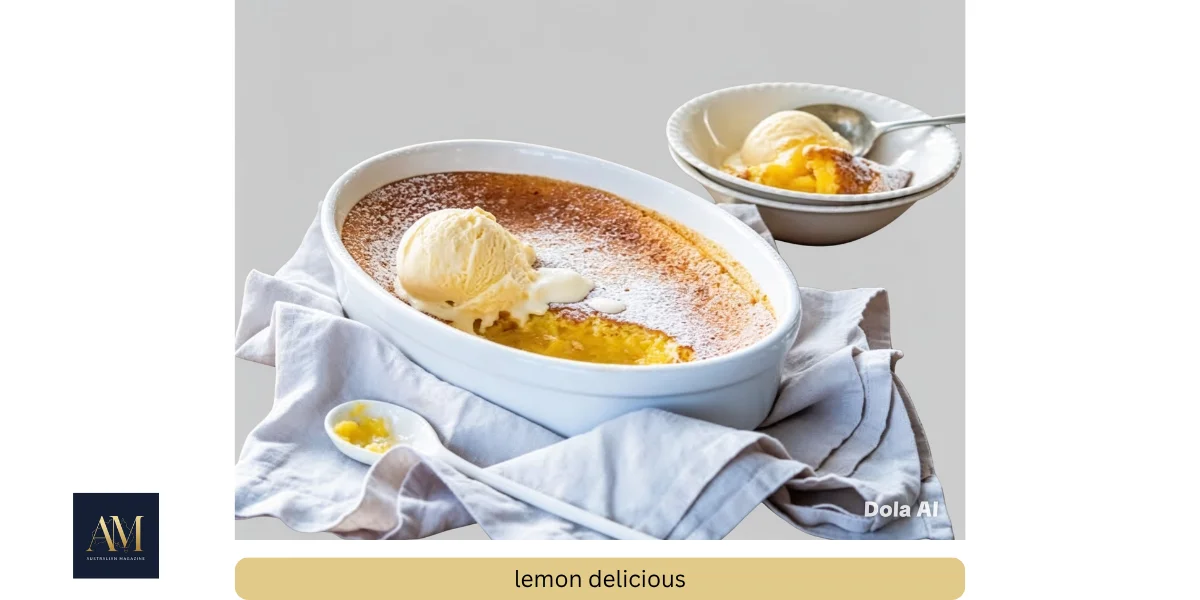
Lemon Delicious is one of those desserts that feels timeless the moment you taste it. Soft, warm, and gently tangy, it delivers the kind of comfort that only a true home-style pudding can provide. At first glance, it looks simple, but when bake,d it performs its famous little trick: a light sponge forms on top while a silky lemon custard settles underneath. That two-layer transformation is part of its charm, and it is exactly why the dessert has remained a favourite in Australian kitchens for generations.
What makes Lemon Delicious especially appealing is its balance. It is sweet without being heavy, sharp without being sour, and comforting without feeling dull. That is a difficult combination to get right, which is why well-made versions stand out. Maggie Beer’s take on the dish adds another layer of depth by using fresh lemons and a touch of Seville marmalade, giving the pudding a richer citrus profile and a more rounded finish.
Why Lemon Delicious Has Lasting Appeal
There is a reason this dessert continues to survive changing food trends. It is practical, affordable, and deeply satisfying. It also relies on ingredients most home cooks already have on hand.
Lemon Delicious works so well because it offers:
- bright citrus flavour
- a soft, custardy texture
- an appealing contrast between sponge and sauce
- a warm, nostalgic feel
- simple ingredients with impressive results
That combination makes it ideal for family meals, casual entertaining, and cool-weather desserts. It is the sort of dish that feels familiar even when served for the first time.
Maggie Beer’s Version: A Thoughtful Twist on a Classic
Maggie Beer’s Lemon Delicious recipe respects the traditional dessert while enhancing it in a very sensible way. The addition of Seville marmalade is particularly smart. Seville oranges have a naturally intense, slightly bitter citrus character, and when used careful,ly they deepen the pudding’s flavour without overwhelming it.
Her version includes:
- unsalted butter
- caster sugar
- lemon zest and juice
- Seville marmalade
- separated eggs
- self-raising flour
- full-cream milk
This is a classic ingredient list, but the method and citrus layering give the dessert a more polished result. It tastes like a homely pudding that has been refined by experience.
How the Magic Happens
The “magic” of Lemon Delicious lies in its structure. During baking, the batter separates into two distinct layers:
- The top rises and becomes light and sponge-like.
- The bottom stays softer and transforms into a creamy lemon custard.
This happens because of the way the egg whites are folded into the mixture and how the pudding bakes gently in a water bath. The bain-marie helps regulate heat, preventing the custard from becoming rubbery or overcooked.
That is the secret: not mystery, but temperature control and a well-balanced batter.
Step-by-Step Method Explained
Maggie Beer’s method is straightforward, but a few details matter.
1. Prepare the baking dish
Grease a 1.5-litre baking dish or four ramekins, then place them inside a deep roasting pan. This setup allows you to create a water bath later. It is an important step, not a decorative one.
2. Cream butter and sugar
Cream the softened butter and caster sugar until pale and fluffy. This helps create the right texture in the top layer.
3. Add citrus flavour
Stir in the lemon zest and marmalade. This is where the pudding starts to develop real character. The zest gives freshness, while the marmalade adds depth.
4. Beat in the egg yolks
Add the yolks one at a time. This builds richness and helps bind the mixture.
5. Fold in the flour and milk
Add the self-raising flour, then the milk, then the lemon juice. The batter will look thin. That is correct. Many home cooks panic at this stage and think they have done something wrong.
6. Whisk and fold the egg whites
Whisk the whites to soft peaks, then fold in one-third first before gently incorporating the rest. This is what gives the pudding lift.
7. Bake in a water bath
Pour the mixture into the dish, fill the roasting pan halfway with hot water, and bake at 160°C fan 150°C for 35–40 minutes until golden and set.
8. Serve warm
Dust with icing sugar and serve while still warm.
Expert Tips for Better Results
Even a simple dessert benefits from careful technique. Here are a few practical tips:
- Use fresh lemons. Bottled juice will not give the same brightness.
- Zest before juicing. It is much easier that way.
- Do not overwhisk the egg whites. Soft peaks are enough.
- Fold gently. Overmixing will knock out the air and reduce the sponge effect.
- Keep the water bath steady. Hot water should come halfway up the dish, not higher.
- Serve promptly. Lemon Delicious is at its best warm and freshly baked.
These small details make a large difference in the final texture.
Common Mistakes to Avoid
Lemon Delicious is forgiving, but several common mistakes can undermine it.
Using too much lemon juice
The dessert should taste bright and balanced, not aggressively sharp. Too much acidity can weaken the structure and throw off the sweetness.
Skipping the water bath
Without it, the custard can bake too quickly and lose its silky texture.
Overbaking
The top should be golden and set, but the base should remain creamy. If baked too long, the custard can become dry or curdled.
Folding too roughly
The pudding depends on air in the egg whites. Rough handling flattens the texture.
Serving it cold
This dessert is designed to be eaten warm. Cold Lemon Delicious loses much of its appeal.
How to Serve Lemon Delicious
This pudding is versatile enough to suit both simple family meals and more polished dinners. The classic accompaniments are:
- lightly whipped cream
- vanilla ice cream
- crème fraîche
- extra lemon zest
- a small spoonful of marmalade on the side
For a more elegant presentation, serve it in individual ramekins with a dusting of icing sugar and a few curls of lemon zest. For a home-style feel, bring the whole dish to the table and let everyone serve themselves.
Why Maggie Beer’s Twist Works So Well
Maggie Beer has always understood how to deepen a classic without overcomplicating it. In this dessert, the Seville marmalade adds a layered citrus note that complements the lemon rather than competing with it. It is subtle, but that subtlety is exactly what makes it effective.
The result is a dessert with more character, more complexity, and a slightly fuller flavour than a standard version. It still feels familiar, but it has more personality.
Future Outlook: Why This Dessert Still Matters
In a food world often dominated by elaborate trends, Lemon Delicious has staying power because it delivers real value. It is inexpensive, uses everyday ingredients, and rewards good technique. That matters more than ever.
As more people return to comfort baking and simple desserts with proper flavour, dishes like this remain relevant. They remind us that excellent food does not need to be complicated. It needs to be well made.
That is why Lemon Delicious still deserves a place on the table. It is heritage cooking at its best: humble, smart, and deeply satisfying.
Conclusion
Lemon Delicious is more than a nostalgic dessert. It is a beautifully balanced Australian classic that continues to earn its place because it simply works. The contrast between the soft sponge and the lemon custard gives it a unique appeal, while Maggie Beer’s version adds a refined citrus depth through fresh lemons and Seville marmalade.
For home cooks, it offers a reliable dessert with a touch of theatre. For diners, it delivers warmth, comfort, and brightness in one bowl. And for anyone who values timeless cooking, it remains a reminder that the best recipes are often the ones that combine simplicity with care.
Lifestyle
Maggie Beer Products: A Gourmet Australian Range Built on Flavour, Simplicity, and Quality

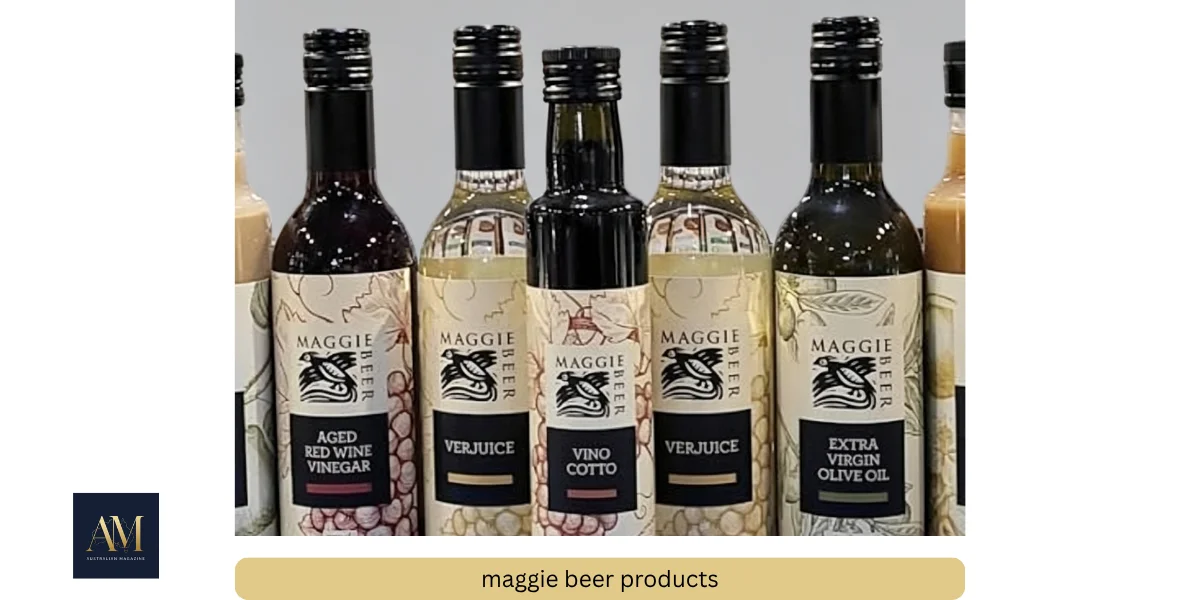
Maggie Beer products have earned a special place in Australian kitchens because they do something many food brands struggle to achieve: they feel both Premium and practical. Inspired by the Barossa Valley and made with a strong emphasis on natural ingredients, the range is designed for people who want flavour without fuss. From verjuice and fruit pastes to stocks, cheeses, preserves, and gift hampers, Maggie Beer’s products are built around one clear idea — good food starts with good ingredients.
What makes the range stand out is not just its reputation, but its consistency. These are products that home cooks can use every day, while still feeling worthy of a dinner party table. That balance is the real strength of the brand.
The Signature of the Range: Verjuice
If there is one product that best represents Maggie Beer’s philosophy, it is verjuice. This unfermented juice made from unripe grapes is one of the most distinctive pantry staples in Australian cooking. It is sharp, fresh, and gently acidic, making it incredibly useful in both savoury and sweet applications.
Verjuice is commonly used to:
- deglaze a pan after cooking meat
- brighten sauces and dressings
- balance richer flavours
- add acidity without the harshness of vinegar or lemon
For example, a splash of verjuice in a pan after searing chicken or lamb can lift the entire dish. It adds complexity without overpowering the main ingredients. That is exactly why it has remained one of the brand’s flagship products.
Fruit Pastes, Vinegars, and Oils: Small Products, Big Impact
Maggie Beer’s fruit pastes are another strong example of thoughtful food design. Varieties such as:
- Quince & Champagne
- Plum & Shiraz
- Fig & Brandy
- Pear & Vanilla
are particularly popular for being versatile and elegant. They pair beautifully with cheese boards, roasted meats, and desserts. A little goes a long way, which is often what consumers want from a Premium pantry item.
The same applies to the range of vinegars and oils. Products like Aged Red Wine Vinegar, Vino Cotto, Extra Virgin Olive Oil, and Verjuice Vinegar are the kind of ingredients that help cooks build flavour from the ground up.
Expert tip
When using Premium vinegars or fruit pastes, less is usually more. Start with a small amount, taste, and build gradually. These products are designed to enhance, not dominate.
Stocks, Sauces, and Dressings for Everyday Cooking
One of the strengths of Maggie Beer products is that they are not limited to special occasions. The stocks and sauces are a good example of that practicality.
Popular items include:
- Natural Beef Stock
- Chicken Stock
- Vegetable Stock
- Red Wine Finishing Sauce
- Lemon & Verjuice Dressing
These products save time and help home cooks achieve a more refined result. A good stock can transform a soup, risotto, or casserole. A finishing sauce can give a roast dinner the depth it needs. A well-made dressing can turn simple greens into something memorable.
For busy households, this matters. The brand offers convenience without the shortcuts that often weaken flavour.
Pâtés, Terrines, and Cheese Selection
Maggie Beer has also built a strong reputation in the Premium entertaining space. Her pâtés and terrines include favourites such as:
- Classic Pheasant Farm Pâté
- Duck Pâté
- Chicken Liver Pâté
These products suit grazing platters, starters, and elegant casual entertaining. They work especially well when paired with good crackers, fruit paste, and cheese.
The cheese range includes classics and indulgent options such as:
- Camembert
- Brie
- Truffle Brie
- Triple Cream Brie
- Vintage Cheddar
- Caramelised Onion Cheddar
The appeal here is obvious: these are foods that invite sharing. They are easy to serve, but they still feel special.
Common mistake
A common mistake with cheese boards is overloading them with too many competing flavours. Maggie Beer products work best when they are allowed to shine. Choose one or two cheeses, one fruit paste, a cracker, and a savoury spread. Simplicity usually tastes better.
Crackers, Wafers, and the Art of Pairing
No gourmet range is complete without supporting products, and Maggie Beer’s crackers and wafers do exactly that. Artisan crackers and fig & nut wafers provide texture and balance, especially when used with cheese, pâté, or preserves.
A good cracker should not just fill space on a board. It should support the other elements. That is where these products excel. They are sturdy enough to hold toppings, but delicate enough not to overwhelm them.
Drinks, Jams, and Dessert Sauces
The sweeter side of the range is just as appealing. Maggie Beer products include:
- Sparkling Chardonnay
- Sparkling Ruby Cabernet
- Quince Jelly
- Plum Jam
- Fig Jam
- Lemon Butter
- Caramel Sauce
- Chocolate Sauce
- Verjuice Syrup
These items are useful because they move easily between everyday use and entertaining. A spoonful of jam on toast, a drizzle of caramel on dessert, or a glass of non-alcoholic sparkling with a meal — each product has a clear purpose.
This is one of the reasons the brand works so well. It covers a broad range of occasions without losing its identity.
Hampers, Gifts, Cookbooks, and Homewares
Maggie Beer products are not limited to food alone. The brand also extends into gifting and lifestyle, with ready-made hampers such as:
- Absolute Essentials
- Cheese & Wine
- Grazing Hamper
- Sweet Treats
These are practical gifts because they take the guesswork out of Premium entertaining. They also reflect the brand’s strongest selling point: an easy way to give something that feels thoughtful.
The broader product universe includes:
- cookbooks such as Maggie’s Table, Recipe for Life, and Maggie’s Kitchen
- homewares like cheeseboards, aprons, rolling pins, and tea towels
This makes the brand feel complete. It is not only a food range; it is a full gourmet lifestyle experience.
Where to Buy Maggie Beer Products
In Australia, Maggie Beer products are widely available through:
- Coles
- Woolworths
- independent delis
- the official website
- the Barossa Farm Shop
Internationally, availability is more limited and usually depends on gourmet importers.
For consumers, this distribution model matters. It means the products are both accessible and special. You do not have to hunt them down in a niche store, but they still have the feel of a Premium find.
How to Use the Range Well
For best results, think of Maggie Beer products as building blocks rather than one-off purchases.
Here are a few practical combinations:
- Cheese board upgrade
Camembert, fig paste, fig & nut wafers, and sparkling non-alcoholic wine. - Easy roast dinner enhancement
Chicken stock, red wine finishing sauce, and verjuice for balance. - Elegant dessert plate
Lemon butter, caramel sauce, and fresh fruit. - Quick entertaining platter
Duck pâté, artisan crackers, quince jelly, and cheddar.
These combinations work because they follow a simple principle: balance richness, acidity, sweetness, and texture.
Future Outlook
The future of Maggie Beer products looks strong because the brand is aligned with where food culture is heading. Consumers increasingly want:
- natural ingredients
- transparent sourcing
- Premium pantry staples
- convenient entertaining options
- foods that feel both local and authentic
That gives the range long-term relevance. In a market full of short-lived food trends, Maggie Beer products continue to stand out because they are rooted in taste, not hype.
Conclusion
Maggie Beer products have become iconic for good reason. They combine Barossa-inspired character, natural ingredients, and practical use in a way that few gourmet brands manage. Whether it is verjuice, fruit paste, stock, cheese, preserves, or a thoughtfully assembled hamper, each product reflects a clear and confident food philosophy.
For home cooks, the range offers reliable ways to improve everyday meals. For entertainers, it brings polish and ease. And for gift buyers, it provides something genuinely worthwhile. That combination of quality, versatility, and authenticity is what keeps Maggie Beer products at the top of Australia’s gourmet food conversation.

Saskia Beer was more than a food producer or farmer. She was a quiet force in Australian food culture — a woman who combined practical farming knowledge, culinary skill, and a deep respect for natural produce into a career that changed the way many people thought about ethical food. Her story is not only one of family heritage, but of innovation, determination, and a belief that good food should be grown with patience and care.
Born in the Barossa Valley in the early 1970s, Saskia Beer grew up surrounded by one of Australia’s best-known food families. As the eldest daughter of celebrated chef and food educator Maggie Beer and Colin Beer, she was raised in an environment where cooking, farming, and hospitality were part of everyday life. That background shaped her values early on, but Saskia did not simply follow a familiar path. She built something of her own.
Early Life in the Barossa Valley
Saskia Beer’s childhood on Pheasant Farm in the Barossa Valley gave her a hands-on education that few people ever receive. She learned the rhythm of farm life from an early age — how food is raised, how seasons shape production, and why quality begins long before something reaches the kitchen.
That upbringing mattered. It grounded her in the realities of farming and helped form the philosophy that would guide her adult work: food should be real, thoughtful, and grown with respect for both the land and the animals.
Unlike many people who enter the food world from the restaurant side alone, Saskia understood production at its source. She knew what it took to raise animals responsibly, manage a farm sustainably, and create products that chefs and home cooks could trust.
Building Saskia Beer Farm Produce
In 1997, Saskia Beer founded what became known as Saskia Beer Farm Produce, originally operating under names such as Barossa Chooks and Saskia’s Chooks. This was not just a business; it was a statement of values.
At a time when conversations about ethical farming and sustainable food were still less mainstream than they are today, Saskia was already focused on:
- free-range poultry
- slow-grown meat
- chemical-free production methods
- speciality foods made with integrity
- natural, vegetarian feed formulas
These were not marketing slogans. They were the foundation of her work.
Her approach reflected a long-term vision: produce food that tasted better because it was raised better. That idea now sounds obvious to many consumers, but Saskia was working in that space before it became widely celebrated. She understood that good farming is not about speed or volume alone. It is about patience, animal welfare, and consistency.
A Pioneer in Sustainable Food
Saskia Beer earned respect because she did something that is still difficult: she balanced commercial success with principle. She did not treat sustainability as an accessory. It was central to the way she worked.
Her focus on natural feed formulas and chemical-free methods helped position her as an early leader in Australia’s sustainable food movement. She became known for proving that ethical farming and quality products could go hand in hand.
That kind of leadership matters because it changes expectations. Farmers, chefs, and consumers begin to see that better standards are possible. In Saskia’s case, her work helped normalise ideas that are now central to modern food conversations.
What made her approach stand out
- She prioritised animal welfare over convenience.
- She built trust through consistent quality.
- She showed that Premium food starts at the farm.
- She treated farming as a craft, not just a business.
The Beer Girls and a Family Tradition of Hospitality
Saskia also co-founded a catering business with her sister Elli, known as The Beer Girls. This venture extended her food philosophy into events and hospitality, bringing the family’s culinary heritage to a wider audience across South Australia.
The Beer Girls reflected another important aspect of Saskia’s personality: collaboration. She was not just a producer working behind the scenes. She understood presentation, service, and the role of food in bringing people together.
That combination — producer, caterer, innovator — gave her work unusual breadth. She could think about food from the soil to the plate, which is one reason her influence was so widely felt.
Television Appearances and Public Recognition
Saskia Beer’s expertise also reached television audiences. She appeared on The Cook and the Chef between 2006 and 2008, and later featured on MasterChef Australia in 2013.
These appearances helped introduce her work to a broader public, but they also confirmed something that those in the food world already knew: she had genuine authority. She spoke with the confidence of someone who had lived the work, not simply studied it.
In television settings, authentic specialists stand out quickly. Saskia did because her knowledge came from experience. She understood ingredients, farming systems, and culinary use with equal fluency.
Philosophy and Legacy
Saskia Beer’s guiding philosophy is often captured in the phrase:
“Real food, grown slowly, prepared with love.”
That line is powerful because it distils her entire approach. It speaks to patience, craft, and care. It also reflects a worldview that has become increasingly relevant as people look for food systems that are healthier, more transparent, and more sustainable.
Her products reached respected restaurants and markets, demonstrating real demand for the kind of food she championed. But perhaps her greater legacy lies in how she influenced attitudes. She showed that farming could be ethical without sacrificing excellence.
After her passing, her name continued to carry meaning through tributes, family remembrance, and the creation of the Saskia Beer Churchill Fellowship, established in her honour to support young farmers and food innovators. That kind of recognition suggests a legacy that goes beyond personal success. It points to a life that inspired others to think bigger and better about food.
Personal Life and Passing
In April 2019, Saskia Beer married Petar Jercic. He and their three children survived her. Her death on February 14, 2020, at the age of 46, came as a shock to many who knew her work and admired her contribution to Australia’s food landscape.
She passed away peacefully in her sleep, and the response to her death reflected the depth of her impact. People remembered not only what she built, but how she built it: with generosity, discipline, and a clear moral compass.
Lessons from Saskia Beer’s Life
There are several practical lessons that food professionals, farmers, and entrepreneurs can take from Saskia Beer’s career:
- Start with the product, not the branding.
Saskia’s reputation came from quality and consistency. - Respect the process.
Slow-grown, chemical-free production requires patience, but it builds trust. - Know your market, but stay true to your values.
She proved that principle and commercial viability do not have to conflict. - Build across the whole food chain.
Farming, production, catering, and education all reinforced one another in her work. - Let your work speak for itself.
Saskia was not known for hype. She was known for substance.
Common Mistakes Her Career Helps Us Avoid
Her story also highlights mistakes that many food businesses still make:
- Chasing speed at the expense of quality
- Treating sustainability as a trend rather than a principle
- Ignoring the connection between production and taste
- Failing to educate consumers about how food is raised
- Building a brand without a clear identity or values
Saskia Beer’s career shows the opposite approach: define your standards, stick to them, and let the results build your reputation.
Looking Ahead: Why Her Legacy Still Matters
Saskia Beer’s influence remains relevant because the food world is still moving toward many of the ideas she embraced early. Consumers want traceability, ethical sourcing, and better animal welfare. Young producers want models that prove sustainability can be practical, not just aspirational.
Her legacy sits at the intersection of all those trends. She was ahead of her time in some ways, but her values now feel increasingly current.
Conclusion
Saskia Beer’s life was short, but her impact was deep. She brought together family tradition, farming knowledge, entrepreneurial spirit, and a genuine respect for good food. Through Saskia Beer Farm Produce, The Beer Girls, and her broader influence on Australian food culture, she helped shape a more thoughtful approach to producing and enjoying food.
What stands out most is not only what she achieved, but how she achieved it. She believed in doing things properly, even when that meant taking the slower route. That is why her name still matters. Saskia Beer left behind more than a business legacy — she left a standard for integrity in food, and that is something worth remembering.

Big Sky Publishing: An Australian Publisher with a Distinctive Voice
Lemon Delicious: The Classic Australian Dessert That Never Goes Out of Style
Maggie Beer Products: A Gourmet Australian Range Built on Flavour, Simplicity, and Quality

Human-in-the-loop customer service: how NeonNow IQ divides contact centre work between AI and people
Saskia Beer: The Life, Work, and Lasting Legacy of an Australian Food Innovator

Actors Equity Australia: Protecting and Empowering Performers

JK Kazzi: The Charismatic Voice of a New Generation of Cultural Influencers

Leigh Pickford: A Story of Strength and Resilience in the Public Eye

Veronica Neave: A Multifaceted Force in Australian Arts

Melissa Agnew: Mastering the Art of Authentic Voice in Australian Media
-
 Celebrity12 months ago
Richard Zachariah – The Story of a Gentleman Journalist
-
 Lifestyle12 months ago
Matt Moran Liberal-From Service to Leadership in Western Australia
-
 Lifestyle5 months ago
Top Fashion Trends Australia 2026: What Australians Are Wearing Now
-
 Lifestyle5 months ago
Spring 2026 Fashion Trends: The Complete Style Guide
-
 News10 months ago
Beau Lamarre-Condon – Inside the Case, the Charges, and the Court Timeline
-
 News9 months ago
Margaret Beazley- From Federal Court Judge to NSW Governor
-
 Celebrity11 months ago
Why the Neil Patrick Harris Amy Winehouse Cake Went Viral Again
-
 News12 months ago
Samuel William Davidson – The Oatlands Tragedy, Sentence & the Power of Forgiveness