
News
The 60-Year Sentence That Ended Farhad Qaumi’s Reign

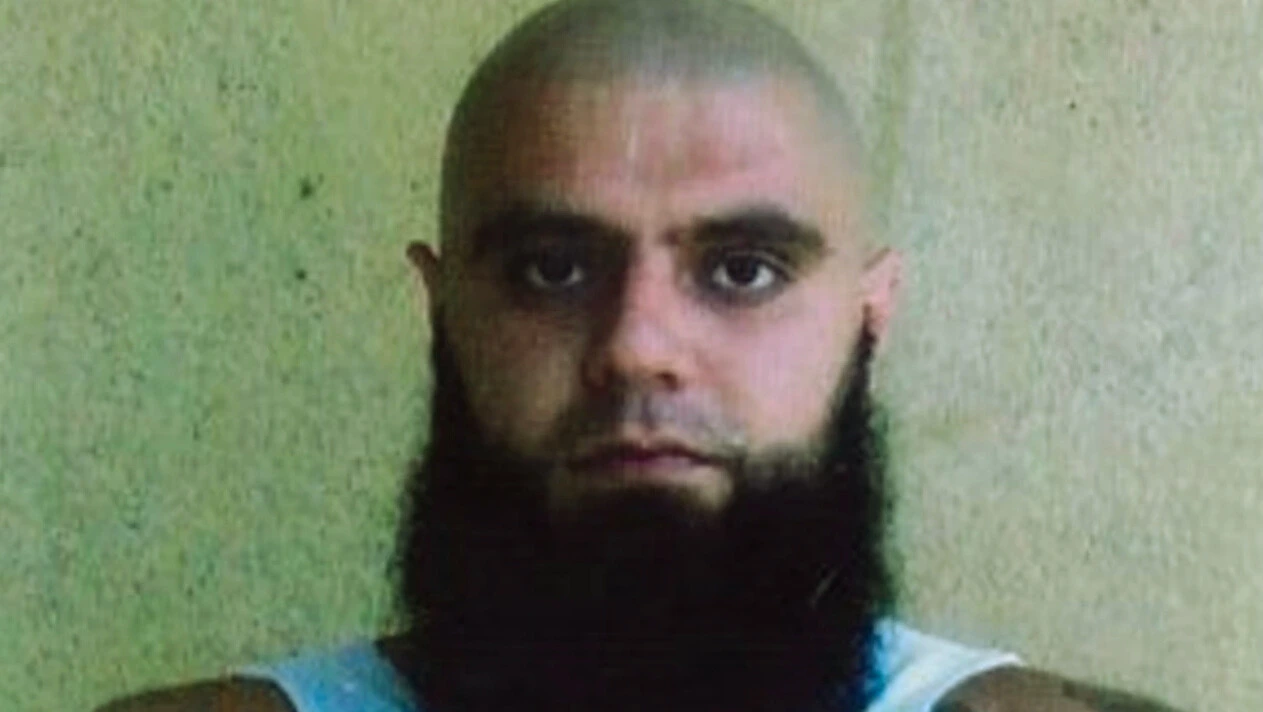
Farhad Qaumi “The Afghan” was the feared leader of the Brothers 4 Life Blacktown chapter, responsible for one of Sydney’s most violent gang wars. His role in multiple murders, suburban shootings and organised crime led to a 60-year prison sentence and the collapse of his faction. Today, his story remains a key reference point in Australia’s fight against gang violence and high-risk organised-crime networks.
Who Is Farhad Qaumi?
Farhad “The Afghan” Qaumi is an Afghan-born Australian gang figure best known as the Blacktown boss of the Brothers 4 Life (B4L) crime gang in Sydney. His rise to prominence came during the brutal internal feud between the Bankstown and Blacktown chapters in 2013, a conflict that resulted in multiple deaths, widespread shootings and innocent bystanders being caught in the crossfire across Sydney’s west.
In June 2017, the NSW Supreme Court sentenced Farhad Qaumi to 60 years in prison, including a non-parole period of 43 years, after a marathon trial involving dozens of charges. These included the contract murder of standover man Joe Antoun and the killing of Brothers 4 Life member Mahmoud “Hammer” Hamzy.
Early Life, Migration & Background of Farhad Qaumi
Much of what is publicly known about the early life of Farhad Qaumi comes from court findings and reporting during his trial.
Born in Afghanistan, he migrated to Australia with his family as a child in the early 1990s, settling in western Sydney. Sentencing remarks described the brothers’ upbringing as a chaotic, traumatic and disrupted childhood, shaped by war and displacement.
The family struggled to adapt after arriving in Australia in 1993, dealing with poverty, instability and social disadvantage. Both Farhad and his brother Mumtaz began offending at a young age and quickly became involved in criminal activity and drug use.
As an adult, he was diagnosed with complex PTSD and a long-term substance-use disorder. A judge later described some of his personality traits as “almost psychopathic”, shaped by early exposure to violence and instability.
How Farhad Qaumi Became a Brothers 4 Life Leader
Brothers 4 Life & the rise of the Blacktown faction
Brothers 4 Life, founded by Bassam Hamzy, expanded across Sydney during the 2000s and became associated with drug trafficking, shootings and extortion. By 2012–2013, the gang had splintered into factions, including the Bankstown chapter, dominated by Lebanese-Australian members, and the Blacktown chapter, which drew heavily from Afghan-Australian circles.
After his release from prison in 2012, Farhad Qaumi rose rapidly within the gang. He reportedly met founder Bassam Hamzy in jail and was given the task of keeping the Bankstown crew in line while reasserting Blacktown’s dominance.
One investigative report referenced a July 2013 meeting where Farhad told his men they were “going to give Sydney something they’ve never seen before”, signalling the violent escalation that followed.
Reputation of Farhad Qaumi as a gang boss
Police and court documents describe him as a fiery, unpredictable and feared leader. He was known for directing others to carry out shootings and attacks and for enforcing discipline within the gang through threats and violence.
A sentencing judge called him the “undisputed and feared” leader of the Blacktown faction, responsible for strategic decisions including targeted shootings and attempted assassinations of rival members.
The Gangland War Linked to Farhad Qaumi
Bankstown vs Blacktown-how the feud exploded
Tensions between the two factions exploded into full-scale violence in 2013. The conflict saw:
- Drive-by shootings
- Ambushes on homes
- Retaliatory attacks in residential streets
- The murder of Mahmoud Hamzy
- The contract killing of Joe Antoun
This gang war played out in suburban areas, putting innocent lives at risk. In one attack on a Blacktown home in November 2013, a 14-year-old girl suffered life-changing injuries after being hit by shotgun pellets.
A sentencing judge later described the spree as a series of planned, pre-meditated shootings carried out with blatant disregard for innocent people.
The murder of Mahmoud “Hammer” Hamzy
On 29 October 2013, Mahmoud Hamzy, cousin of gang founder Bassam Hamzy, was shot dead outside his Revesby home. The Supreme Court later ruled that Farhad and his brother Mumtaz were involved in conspiring to murder Hamzy as part of their strategy to weaken the Bankstown faction.
The murder of Joe Antoun
On 16 December 2013, Sydney standover man Joe Antoun was gunned down at the door of his Strathfield home by a shooter posing as a delivery driver. Moments earlier, Antoun had been with his children.
The court found that Farhad Qaumi organised the “execution-style” killing for a fee that was disguised through kebab shop transactions.
After his arrest, Farhad told officers:
“They tried to kill me… it’s not a secret I’m at war. There’s casualties in war.”
The judge replied that two men were dead and it was “pure good fortune” more were not killed.
Arrest, Strike Force Sitella & the B4L Takedown
Strike Force Sitella was established to investigate the escalating shootings linked to the Qaumi-led faction. In January 2014, heavily armed police arrested Farhad Qaumi and several associates.
Firearms seized during these raids were matched to multiple shootings across Sydney’s west, marking a major breakthrough in dismantling the Blacktown chapter.
Police described the operation as a significant disruption to organised crime in the region.
The Marathon Trial of Farhad Qaumi
Charges against Farhad Qaumi
The joint trial of Farhad, his brothers Mumtaz and Jamil, and several co-accused became one of the longest and most complex gang prosecutions in NSW history.
Farhad faced 15 serious charges, including:
- Murder
- Conspiracy to murder
- Shoot with intent to murder
- Firearms offences
- Criminal group offences
Mumtaz faced 17 offences, while Jamil faced 18, including attempted murder and drug supply.
Courtroom behaviour & security issues
The proceedings required extreme security measures. After Farhad and his brothers attacked a co-defendant with a pen, the court installed a Perspex barrier in the dock.
All three brothers were classified as extreme high-risk inmates, often refusing to attend hearings and spending long periods in isolation due to behavioural concerns.
Guilty verdicts for Farhad Qaumi
In late 2016, the jury returned guilty verdicts for multiple murders, attempted murders and shootings. The trial featured extensive intercepts, informant evidence, ballistics analysis and hundreds of witnesses.
It was widely viewed as one of the most significant criminal prosecutions ever run against a Sydney gang network.
Sentencing: 60 Years’ Jail for Farhad Qaumi
Key sentencing outcomes
On 16 June 2017, the Qaumi brothers received some of the heaviest sentences in modern NSW criminal history:
- Farhad Qaumi – 60 years (43-year non-parole)
- Mumtaz Qaumi – 50 years (36-year non-parole)
- Jamil Qaumi – 30 years (21-year non-parole)
Collectively, the brothers received around 140 years behind bars. Farhad will be in his late 70s when he becomes eligible for parole.
How the court viewed Farhad
Justice Hamill accepted evidence of Farhad’s PTSD and trauma, reducing moral culpability slightly, but stressed that the organised, violent nature of the crimes and the danger he posed demanded a severe sentence.
The judge highlighted the harm to innocent civilians, including the injured 14-year-old girl, and described the brothers’ actions as “outlandish and lawless violence”.
Life in Supermax-What Happened to Farhad Qaumi After Sentencing
High-security imprisonment
Following sentencing, Farhad Qaumi was detained at Goulburn Supermax, one of Australia’s most secure facilities. He remains an extreme high-risk inmate with strict limits on movement, associations and contact.
He has been caught with contraband, including a mobile phone and steroids, further reinforcing his high-security classification.
Stabbing of Abuzar Sultani
In May 2020, Farhad stabbed convicted hitman Abuzar Sultani inside Goulburn Correctional Centre. The attack was captured on CCTV. Farhad later pleaded guilty to assault causing actual bodily harm and received an additional sentence in 2022.
High Court & AN0M issues
Recent legal reporting has linked Farhad to discussions around challenges to the use of encrypted AN0M communications in major police operations. Even behind bars, his name continues to appear in high-level legal matters involving organised crime.
“Marriage” to a Juror & Other Controversies
A 2025 media investigation revealed allegations that Farhad and his brother Mumtaz built inappropriate relationships with female jurors during their original murder trial. Two jurors were reportedly dismissed after suspicious interactions, and later maintained contact with the brothers from prison.
This controversy also resurfaced in a docu-series examining the wider Brothers 4 Life gang war, highlighting issues around jury security, prison communication and the pressures of high-profile trials.
Mental Health, Trauma & the Farhad Qaumi Case
Expert psychiatric evidence presented during sentencing described Farhad as suffering from longstanding trauma, depression, substance dependency and complex PTSD.
While these conditions reduced his moral blame to some extent, the judge stated that they also raised serious doubts about his ability to rehabilitate.
The case is often cited in discussions about how courts balance trauma-based mitigation with the need to protect the public from high-risk offenders.
Impact of Farhad Qaumi on the Brothers 4 Life Gang
The imprisonment of Farhad Qaumi and his brothers effectively wiped out the Blacktown faction of Brothers 4 Life. Crime reporters have noted that the chapter collapsed entirely once its leadership was removed.
The case drove new policing approaches, including:
- Stronger targeted strike forces
- Greater use of intercepts and forensic technology
- Tighter control of high-risk inmates
- Partnerships between NSW Police and federal agencies
The gang landscape in Sydney continues to evolve, particularly with emerging conflicts between Hamzy-linked associates and the Alameddine network, but the Qaumi brothers’ downfall remains a major turning point.

How Australian Media Portrays Farhad Qaumi
Australian media consistently portray Farhad Qaumi as:
- A violent gang leader
- A central figure in one of NSW’s most dangerous gang feuds
- A high-security inmate who still attracts attention
Broadsheet outlets focus on the scale of the violence and the courtroom legal complexity. Tabloid reporting has explored dramatic storylines, including prison attacks, juror controversies and police strike-force operations.
Across all coverage, he is seen as a case study in how unrestrained gang conflict can tear through communities and reshape policing.
Why the Farhad Qaumi Story Still Matters in Australia
The name farhad qaumi remains relevant because his story raises key issues in Australia’s criminal justice landscape:
- Public safety — his gang war highlighted the danger of suburban shootings.
- Policing strategy — the case transformed how authorities approach organised crime.
- Legal complexity — it influenced future mega-trial management and jury protection.
- Social factors — it reflects deeper questions around migration trauma and criminal pathways.
Today, the public record shows a man whose decisions fuelled a violent conflict across Sydney’s west, led to one of the longest criminal sentences in NSW, and continues to shape policy, policing and public understanding of gang crime in Australia.
FOR MORE RELATED ARTICLES VISIT US AT AUSTRALIANMAGAZINE.COM.AU

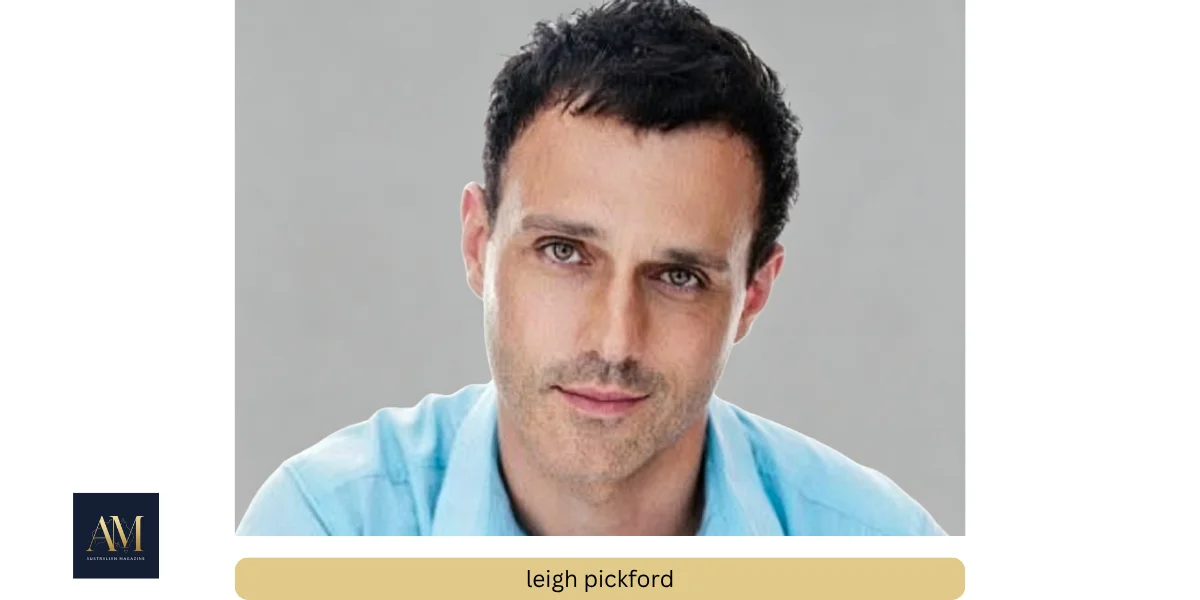
In today’s media landscape, certain individuals find themselves thrust into the spotlight not by choice, but through circumstances that test their character. Leigh Pickford is one such person. An Australian woman whose life has drawn public attention due to deeply personal and legal matters, she has come to represent quiet strength and the human capacity to endure hardship while maintaining dignity.
Having followed public stories involving ordinary people facing extraordinary challenges for over thirty years, I’ve learned that these narratives often reveal more about society’s values than about the individuals themselves. Leigh Pickford’s journey offers powerful insights into resilience, privacy, and the complexities of living life under scrutiny.
Background
Leigh Pickford is based in Australia, where she has navigated life away from the limelight for much of her earlier years. Like many Australians, her story is rooted in everyday realities — family, community, and personal aspirations. However, specific events brought her into the public consciousness, turning private struggles into matters of broader interest.
What stands out in her background is the ordinary foundation from which her story unfolded. This relatability is perhaps why her experiences have resonated with so many. She represents countless individuals who face unexpected trials without the armour of fame or fortune.
Key Events
Leigh Pickford gained media coverage due to a series of personal and legal challenges that tested her resilience in profound ways. While the specifics of these events are complex and often deeply personal, they highlighted issues many face, but few discuss openly — matters involving justice, personal boundaries, and emotional endurance.
Throughout these difficult periods, Pickford demonstrated a level of composure that drew both sympathy and admiration. Public records and media reports portrayed her as someone determined to stand her ground and seek resolution through proper channels, even when the process was lengthy and emotionally draining.
In my experience covering similar stories, individuals like Leigh often become unintentional symbols. Their cases bring attention to systemic issues — whether in legal processes, support for those facing personal crises, or the role of media in shaping public perception.
Public Response
The public reaction to Leigh Pickford’s story has been mixed but notably compassionate in many circles. Many Australians followed her journey with interest, seeing in her experience reflections of their own vulnerabilities or those of their loved ones.
Social media played a significant role, with supporters offering messages of encouragement and calling for fairness. Others engaged in more critical discussions about privacy rights and the ethics of media coverage in personal legal matters.
This duality is common in high-profile personal stories. On the one hand, public attention can provide a sense of solidarity; on the other, it can intensify pressure on the individual at the centre. Leigh appears to have handled this delicate balance with notable grace, focusing on her own path rather than getting lost in the noise of public opinion.
Lessons on Resilience and Privacy
From an expert perspective shaped by decades of observing human stories, Leigh Pickford’s experience underscores several important truths:
- Strength is often quiet. True resilience doesn’t always look dramatic — it frequently appears as persistence, dignity, and the choice to keep moving forward.
- Privacy remains precious. In an age of constant sharing, protecting one’s personal boundaries becomes an act of self-preservation.
- Support systems matter. Family, legal counsel, and community networks play crucial roles in helping individuals weather storms.
- Media narratives evolve. Initial coverage may focus on drama, but deeper stories often reveal nuance and human complexity over time.
For anyone facing similar challenges, Leigh’s story serves as a reminder that seeking professional guidance, setting boundaries, and prioritising mental wellbeing are essential steps.
Current Life (2026)
As of 2026, Leigh Pickford continues to focus on her personal life and any ongoing matters related to her journey. Reports suggest she has maintained a relatively low public profile, concentrating on rebuilding stability and moving forward after years of intense attention.
This phase reflects a common pattern among those who have endured prolonged public scrutiny — a return to normalcy and private healing. While she may not seek the spotlight, her earlier experiences have left a lasting impression on those who followed her story.
Her current approach appears grounded and forward-looking, emphasising personal growth over continued public engagement. This choice deserves respect and highlights the importance of allowing individuals space to recover and redefine their lives on their own terms.
Conclusion: The Enduring Power of Human Resilience
Leigh Pickford’s story is ultimately one of human resilience in the face of adversity. While the details of her challenges are unique, the themes of strength, dignity, and perseverance are universal. In sharing aspects of her journey with the public, whether willingly or through circumstance, she has contributed to broader conversations about justice, privacy, and support for those navigating difficult times.
For readers, her experience offers valuable perspective: life can change unexpectedly, but the human spirit possesses remarkable capacity for recovery. As we move further into 2026 and beyond, stories like Leigh’s remind us to approach public narratives with empathy and to value the quiet strength that often goes unseen.
In a world quick to judge and even quicker to move on to the next headline, remembering the real people behind the stories — their struggles, their growth, and their right to privacy — remains as important as ever.

Many stories make their way into the public eye, but not all belong to people who sought that attention. Katherine Pearson is one such individual — an Australian woman whose life unexpectedly became a subject of media coverage and public discussion due to personal and legal circumstances. What began as private matters soon unfolded into a story that captured the nation’s curiosity, offering a clear example of how quickly life can change when circumstances bring you into the public eye.
Over time, Katherine Pearson has become known not just for the events that brought her into the news, but for the way she navigated those challenges. Her journey is defined by resilience, a commitment to privacy, and the determination to move forward despite scrutiny. This article explores her background, the key events that shaped her public profile, how people responded to her story, and where she is focusing her life as of 2026.
Background
Katherine Pearson is based in Australia, where she spent the majority of her early years living a quiet, private life. Before the events that brought her into the spotlight, there was little public information about her — she was focused on her personal responsibilities, family, and daily life, just like millions of others.
Her entry into public awareness was not a choice or a career move. It came when her personal circumstances intersected with legal and public matters that attracted the interest of news outlets and observers. This shift from private citizen to someone regularly mentioned in the media was sudden and unplanned, requiring her to adapt to a reality most people never have to face.
Throughout this transition, one consistent quality became clear: her desire to protect her own dignity and the privacy of those close to her. She did not seek fame or publicity, and her actions over the years have reflected a preference for letting facts speak for themselves rather than seeking attention or sympathy.
Key Events
The turning point in Katherine Pearson’s public profile came from a series of events that unfolded gradually, drawing increasing attention as details emerged. These events centred on complex personal and legal challenges that raised questions and sparked discussion across Australia.
While the specifics of these matters have been reported in various news sources, it is important to focus on the broader context of how they affected her life:
Initial Public Awareness: Coverage began when her situation became linked to formal proceedings and investigations. At this early stage, information was still limited, leading to a mix of accurate reporting and public speculation.
Growing Scrutiny
As the process continued, interest grew. Media outlets followed developments closely, and details — sometimes incomplete or taken out of context — began to circulate. This period brought significant pressure, as her personal life became open to interpretation and discussion by strangers.
Clarifying the Narrative
Over time, Katherine Pearson chose to share certain aspects of her experience. This was done not to gain attention, but to address misinformation, provide clarity, and ensure that her side of the story was understood. She spoke with measured care, focusing on facts rather than emotion.
Navigating Uncertainty: Every step of the journey required balancing legal obligations, personal boundaries, and the public’s interest. It was a complex path, and one that tested her patience and resolve at every stage.
One of the most important lessons from this period is the difference between verified facts and assumptions. As with many stories in the public domain, not everything reported was fully accurate, and distinguishing between the two required careful attention from readers and observers.
Public Response
When a private individual finds themselves in the news, reactions are almost always mixed — and Katherine Pearson’s case was no exception. The public response reflected a wide range of perspectives, offering insight into how society views people caught in difficult circumstances.
Support and Empathy
A large portion of the public responded with understanding and respect. Many recognised that being under constant media observation during a difficult time adds a heavy burden that no one should have to carry. People expressed sympathy for the stress and disruption she faced, and emphasised that everyone deserves the space to work through personal challenges without constant oversight.
Curiosity and Debate
Naturally, the story also sparked curiosity. People wanted to understand the context, the legal process, and how such situations unfold. This led to broader conversations about media responsibility, the line between public interest and private life, and how individuals are treated once they enter the public eye. These discussions highlighted important questions about privacy and fairness in the modern media landscape.
Key Takeaways for Readers
From Katherine Pearson’s experience, there are valuable lessons that apply to how we consume and respond to news stories:
Look for verified information: It is easy to form opinions based on headlines or incomplete reports, but reliable understanding requires seeking out confirmed facts.
Respect personal boundaries: Even when information is available, there is a difference between being informed and invading someone’s private life.
Recognise strength in quiet persistence: Facing public attention while dealing with personal challenges requires great inner strength, and moving forward without giving in to pressure is a notable achievement.
Current Life (2026)
As of 2026, the intense period of media attention has settled significantly. Katherine Pearson has entered a new chapter, where her focus has returned to what matters most: her personal life, family, and future stability.
She continues to handle any remaining matters related to her past with the same careful, thoughtful approach she has shown from the beginning. There is no indication that she seeks further public attention; instead, her priority is to restore the sense of normalcy disrupted by events in previous years.
Those who follow her story will note that her current choices reflect a clear intention: to leave the spotlight behind and live life on her own terms. This decision is itself a sign of how far she has come — from someone caught in a situation beyond her control, to someone who has reclaimed ownership of her own path.
Conclusion
Katherine Pearson’s story is not one of fame, achievement, or public ambition. It is a story about what happens when ordinary life intersects with extraordinary circumstances, and how a person responds to pressure, scrutiny, and uncertainty.
From her quiet beginnings in Australia, through the challenges that brought her into the public eye, to her focus on stability and privacy in 2026, her journey highlights the importance of resilience and self‑determination. It reminds us that behind every headline, there is a real person with feelings, rights, and a life that goes far beyond the details reported in the news.
For readers, her experience offers a valuable perspective: to look beyond the surface of any story, to respect the humanity of those involved, and to recognise that strength is often found not in being in the spotlight, but in having the courage to move forward and rebuild when the attention fades.

In the landscape of public interest, some stories do not come from the worlds of film, music, or politics, but from ordinary individuals whose lives become part of the broader conversation. Darci McDonald is one such name. An Australian woman who stepped into the spotlight not by choice but through a series of personal and legal developments that captured national media attention offers a compelling look at resilience, privacy, and how to move forward under public scrutiny.
Over the years, Darci McDonald has navigated the difficult line between living her life and being the subject of news reports and public discussion. While her story has been told in various outlets, it is important to look beyond the headlines to understand the full picture—where she came from, what challenges she faced, how the public responded, and where she stands today in 2026.
Background
Darci McDonald is based in Australia, and her early life remained largely private before she became known to the wider public. Like many people, she spent her formative years away from cameras and media attention, focused on personal growth, family, and community life. This background of normalcy makes her later experience all the more notable: the shift from a private citizen to someone whose name appeared regularly in news reports.
Her entry into public awareness began when she became associated with specific events and legal matters that drew significant coverage. It is important to note that the focus of this attention was not on her career or public achievements, but on personal circumstances that unfolded in the public domain. This distinction is key—she was not a public figure seeking fame but an individual whose life circumstances brought her into the media’s view.
Throughout this period, one consistent trait emerged: her determination to maintain her dignity amid external scrutiny. Those who have followed her story recognize that she has always prioritized her well-being and the stability of her personal life, even in the face of intense scrutiny.
Key Events
The turning point in Darci McDonald’s public profile came from a series of events that unfolded over time, leading to widespread media coverage. These events centered on legal and personal challenges that raised questions, sparked discussion, and brought her name into homes across Australia.
While the details of these matters have been reported in various news sources, the core of the story lies in how she responded to them:
Initial Attention: The first reports emerged when her personal situation intersected with legal proceedings, prompting curiosity from the public and journalists alike.
Media Scrutiny: As the story developed, coverage increased, leading to both factual reporting and speculation. This period tested her ability to protect her privacy while the facts were being established.
Sharing Her Journey: In time, Darci McDonald chose to share certain aspects of her experience. This was not done to seek sympathy, but to offer clarity, address misinformation, and highlight the reality of living through such challenges.
Navigating Complexities: Every step of the process involved balancing legal requirements, personal boundaries, and the public’s right to information—a challenge that many people never have to face.
One important observation from her journey is the difference between verified facts and public speculation. As with many stories in the media, some reports were based on confirmed details, while others relied on assumptions. Darci McDonald’s approach remained consistent: to let the facts speak for themselves and focus on what mattered most to her future.
Public Response
When a private individual becomes a subject of news, the public reaction is almost always mixed—and Darci McDonald’s case was no exception.
Support and Empathy
A large portion of the public responded with understanding. Many recognized that being in the spotlight under difficult circumstances is a heavy burden, and expressed respect for her ability to keep moving forward. Comments from readers and viewers often highlighted the importance of privacy, noting that everyone deserves the chance to work through personal struggles without constant observation.
Curiosity and Debate
At the same time, the story sparked natural curiosity. People wanted to understand the background of the events, the legal context, and how such situations unfold. This led to discussions about media responsibility, the line between public interest and private life, and how individuals are treated once they are in the news.
Lessons for Readers
From a broader perspective, Darci McDonald’s story offers useful insights:
Respect Boundaries: Even when information is available, respecting the privacy of those involved is essential.
Seek Verified Information: Not everything reported in the media is fully accurate; looking for reliable sources helps avoid forming opinions based on speculation.
Strength in Adversity: Her ability to stay focused on her well-being serves as a reminder that challenges can be faced with resilience.
Current Life (2026)
As of 2026, Darci McDonald has entered a new chapter. The intense media attention that surrounded her in previous years has settled, allowing her to refocus on what matters most: her personal life, family, and future goals.
Recent updates make it clear that her priority is stability and normalcy. She continues to handle any remaining matters related to her past with the same measured approach she has always shown. There is no indication of seeking further public attention; instead, she appears committed to living life on her own terms, away from the constant gaze of the media.
Looking at her journey up to this point, it is evident that her experience has shaped her perspective. She has demonstrated that even when circumstances force you into the public eye, it is possible to retain your sense of self and move toward a more peaceful future.
Conclusion
Darci McDonald’s story is not one of fame or celebrity achievement, but of resilience. It is a reminder that life can change unexpectedly, and that facing challenges with composure and determination makes all the difference.
From a private life in Australia to becoming a subject of national attention, and finally to finding balance again in 2026, her journey shows that the most important progress is often quiet and personal. For readers, it offers a valuable lesson: look beyond headlines, respect the humanity behind every story, and recognize that strength often lies in the choice to keep moving forward.
As Darci McDonald continues to focus on her personal life, her story remains a testament to the fact that, no matter what challenges arise, the path forward is always possible with patience and resolve.

Maggie Beer Products: A Gourmet Australian Range Built on Flavour, Simplicity, and Quality

Human-in-the-loop customer service: how NeonNow IQ divides contact centre work between AI and people

Saskia Beer: The Life, Work, and Lasting Legacy of an Australian Food Innovator

Love Island Australia 2026: Why Fans Chasing Fiji Villa Gossip Online Need to Slow Down Before They Click
Colin Beer: The Quiet Architect Behind a Gourmet Food Legacy

Ian White Management: Guiding Athletes to Success
Katherine Pearson: Strength, Resilience and Life Beyond the Headlines
Harrison Gilbertson in Fallen: Bringing a Fallen Angel to Life

Actors Equity Australia: Protecting and Empowering Performers

JK Kazzi: The Charismatic Voice of a New Generation of Cultural Influencers
-
 Celebrity12 months ago
Richard Zachariah – The Story of a Gentleman Journalist
-
 Lifestyle12 months ago
Matt Moran Liberal-From Service to Leadership in Western Australia
-
 Lifestyle5 months ago
Top Fashion Trends Australia 2026: What Australians Are Wearing Now
-
 Lifestyle5 months ago
Spring 2026 Fashion Trends: The Complete Style Guide
-
 News10 months ago
Beau Lamarre-Condon – Inside the Case, the Charges, and the Court Timeline
-
 News12 months ago
Samuel William Davidson – The Oatlands Tragedy, Sentence & the Power of Forgiveness
-
 Entertainment5 months ago
How Australian Players Are Choosing Their Online Casino in 2026
-
 Entertainment1 year ago
The Unstoppable Rhea Ripley-WWE’s Australian Phenomenon