
News
The Paul Thijssen Inquest-Red Flags, Coercive Control & Australia’s Wake-Up Call

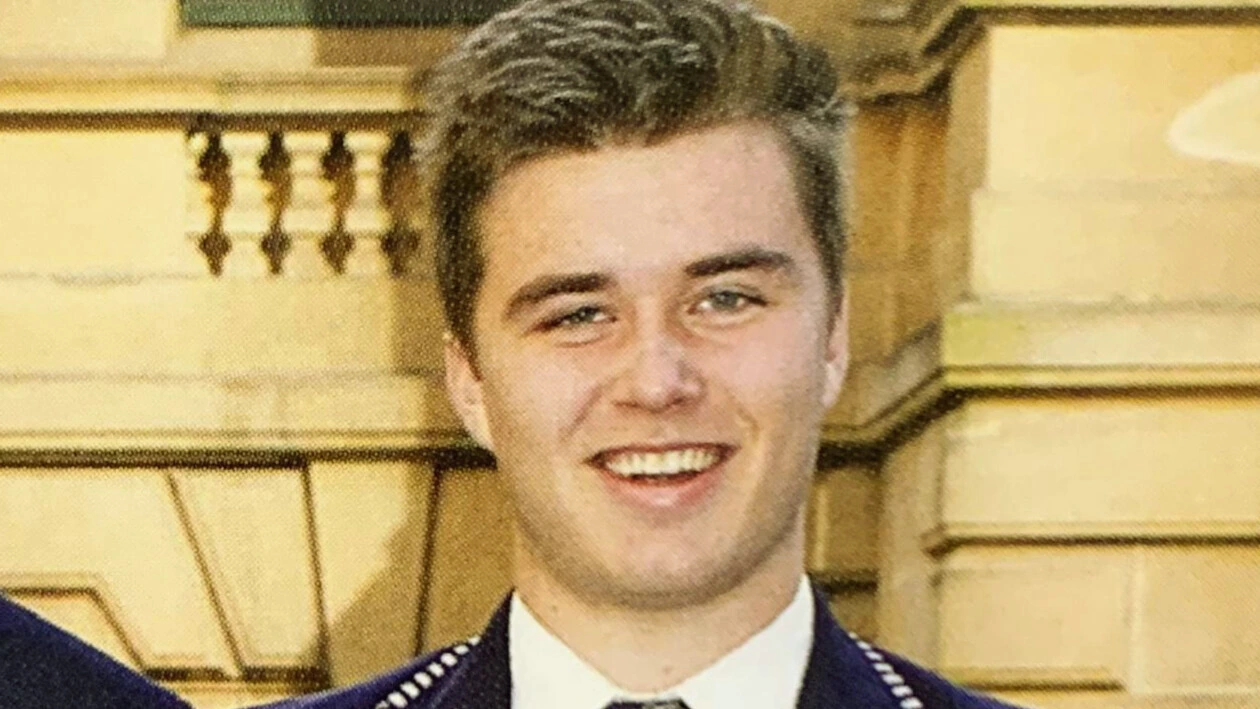
The name Paul Thijssen came to national attention in late 2023 after the death of 21-year-old sports coach Lilie James at St Andrew’s Cathedral School in Sydney. In the months that followed, details emerged through police briefings and a coronial inquest that painted a fuller picture of events, behaviour patterns, missed warning signs, and the policy gaps that experts say demand reform. This article gathers verified reporting and key statements to lay out the facts, the timeline, and the practical lessons Australia is still reckoning with.
“The actual scene itself is quite confronting for the police who turned up.” — NSW Police Superintendent Martin Fileman
Paul Thijssen-Early Life, Education & Move to Australia
Paul Thijssen was born in the Netherlands and later attended St Andrew’s Cathedral School as a student (2015–2017). He was described in school materials as a sports leader and later returned as a sports assistant/coach. After time overseas, he came back to Sydney in 2020, working across sports programs, including cricket and hockey. Colleagues knew him through day-to-day extracurricular activities, after-hours coordination, and occasional coaching arrangements at other schools.
While public tributes were understandably centred on Lilie James, the inquest and media reporting also examined facets of Paul Thijssen’s background: a capable organiser on campus, reportedly personable in public settings, but with private behaviours that would later be characterised in court as controlling and manipulative in intimate contexts. Those contradictions ultimately became central to the inquest’s focus on red flags and the need for better early-warning pathways.
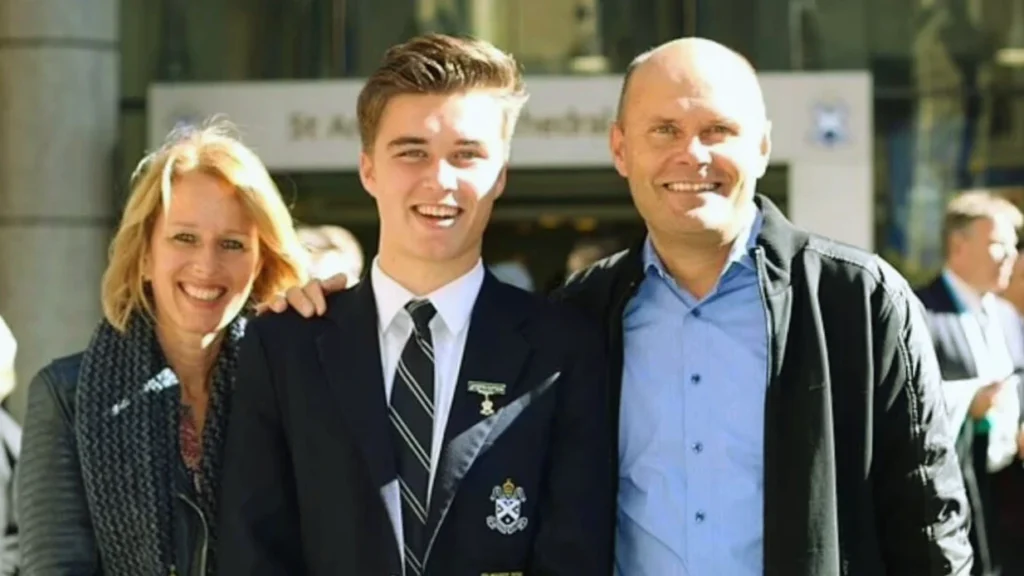
Paul Thijssen & Lilie James-A Short Relationship With Escalating Risks
The relationship between Paul Thijssen and Lilie James was short and, according to evidence later presented, had ended days before the October 2023 attack. Friends and family remembered Lilie as “vibrant”, “independent”, and “adored by all”, while police and inquest materials described conduct by Paul Thijssen that experts associate with coercive control. The court heard allegations of stalking, dry-run “rehearsals”, and social media surveillance, all of which sit within patterns known to precede lethal violence.
Lilie’s parents remembered her as “beautiful, independent, intelligent… with a smile that could light up a room.” They further stated: “We will never recover.”
The inquest also heard that Paul Thijssen misled others about study and visa matters and that he placed a “cleaning in progress” sign to direct Lilie into a specific bathroom area at the school. These alleged steps formed part of a premeditated plan that prosecutors and expert witnesses said reflected a controlling mindset, an inability to accept rejection, and a determination to isolate the victim at a time and place of his choosing.

Paul Thijssen-The Night of the Event — A Verified Timeline
25 October 2023 (evening):
- CCTV captured Lilie James entering a gym bathroom at St Andrew’s Cathedral School; Paul Thijssen followed shortly after.
- An hour later, Paul Thijssen left alone. Evidence later detailed severe head injuries to Lilie.
Later that night:
- Paul Thijssen travelled to Diamond Bay Reserve in Sydney’s east. Reporting and inquest materials describe phone disposal and other steps aimed at concealment.
- He then made a Triple-0 call reporting a body at the school and providing directions to find it before morning activities.
26 October 2023:
- Police discovered Lilie James’s body late on 25 October. The following day they launched a large-scale search for Paul Thijssen, establishing a second crime scene at The Gap/Vaucluse after locating items linked to the case.
- NSW Police publicly described the scene as “confronting” and confirmed the death was being treated as a homicide.
27 October 2023:
- A body later identified as Paul Thijssen was recovered from cliffs in Sydney’s east. Police said no students were physically harmed, and the school implemented immediate crisis and counselling arrangements while HSC/IB cohorts were relocated.
This timeline was later expanded during the coronial inquest with additional CCTV vision and expert testimony, including allegations that Paul Thijssen carried out “dry runs” and rehearsed how to corner Lilie in the bathroom, then locked the door to isolate her.
Paul Thijssen-What the Inquest Revealed
In March 2025, the NSW State Coroner took evidence across several days aimed at understanding the circumstances of Lilie James’s death and whether interventions were possible. For the public and policymakers, the inquest’s value lay not only in reconstructing what happened but also in identifying systemic touchpoints for prevention.
Key findings about Paul Thijssen:
- He allegedly stalked Lilie, monitored social media, and conducted “dry runs” leading up to the attack.
- He allegedly manipulated communications around the time of the murder, including messages sent from Lilie’s phone.
- Expert psychologists described traits consistent with a brittle, narcissistic profile, struggling with rejection and motivated by control.
- There were historical reports of controlling behaviour toward previous partners, suggesting a broader pattern.
Policy themes that emerged:
- Coercive control as an identifiable pattern — how friends, colleagues, and institutions can recognise and escalate concerns earlier.
- School safety & after-hours protocols — balancing open community spaces with risk management once staff are on site outside normal hours.
- Technology-facilitated abuse — stalking and surveillance via digital means, and whether new reporting channels are needed for young adults.
- Visa & work compliance claims — the court heard evidence raising questions about documents and representations; while not determinative of the homicide, such misrepresentations can signal broader dishonesty.
The inquest did not put students on trial or apportion blame to the school community. Rather, it used the case of Paul Thijssen to examine how institutions can become safer through clearer reporting pathways, targeted education about coercive control, and stronger coordination with police and specialist services.
Paul Thijssen & Police Response-What Officers Said
NSW Police emphasised the scale and sensitivity of the operation, the immediate establishment of two crime scenes, and the “confronting” nature of what officers encountered. From the start, detectives treated the case as a homicide and rapidly focused on Paul Thijssen as a person of interest. The second scene at Sydney’s eastern cliffs was critical; items recovered there helped triangulate Paul Thijssen’s final movements and informed the search that located his body.
“The actual scene itself is quite confronting… We established a second crime scene [at the cliffs] and found property associated with the homicide.” — NSW Police
Police subsequently worked with the Coroner, ensuring CCTV, phone records, and witness statements from staff, students’ families and friends were properly considered. The coordinated response was also shaped by privacy and trauma concerns, especially with Year 12 cohorts in exam periods.
Paul Thijssen & The School’s Response-Support, Safety & Communication
St Andrew’s Cathedral School closed immediately after the incident and coordinated with authorities on safety, exams and wellbeing. Parents were assured that no students were physically harmed, and counselling was made available. In a letter to families, the principal vowed not to allow the “horrors of evil” to define the community, and colleagues posted emotional tributes to Lilie’s character, leadership and warmth.
The broader school sector also took stock: how after-hours access should be managed, whether additional duress alarms or access controls are needed, and how to provide staff with training on coercive-control warning signs — especially in young adult relationships that may begin and end rapidly.
Paul Thijssen-Quotes That Shaped the Public Record
- “The actual scene itself is quite confronting for the police who turned up.” — NSW Police Superintendent Martin Fileman
- Lilie James’s family: “She was beautiful, independent, intelligent… with a smile that could light up a room. We are tremendously grateful for the support of our community.”
- St Andrew’s Cathedral School (to parents): A commitment that the community would not be defined by “the horrors of evil.”
These statements anchored the national discussion in the humanity of the victim and the responsibility of institutions to act decisively while supporting those most affected.
Paul Thijssen-What Experts Say About Coercive Control
The inquest placed Paul Thijssen at the centre of its analysis on coercive control. Experts describe coercive control as a pattern of domination — not a single incident — that can involve surveillance, isolation from friends and family, intimidation, and micro-management of daily life. In the Paul Thijssen case, alleged stalking, rehearsals, and online monitoring formed part of that pattern.
Signals colleagues and friends can watch for:
- Sudden, unexplained monitoring of a partner’s movements or social media.
- Attempts to isolate a partner from social circles or to control contact.
- “Dry-run behaviour” — testing doors, spaces, routines that could create isolation.
- Escalation after a breakup, including unexpected appearances at work or sport.
Recommended actions:
- Encourage the person at risk to document incidents, speak to a trusted senior at work or university, and reach out to police or a domestic-violence hotline.
- In workplaces and schools, have clear reporting lines and keep records.
- Consider safety planning (escorts to parking/public transport after hours, team check-ins, and controlled after-hours access to facilities).
Paul Thijssen & School Safety-Practical Measures Organisations Are Considering
The tragedy involving Paul Thijssen forced a discussion across schools, universities and clubs about how to improve safety without creating fortress-like environments.
Practical steps now on agendas:
- Access control & logs after hours, including electronic swipe auditing and automatic lock schedules for areas like gyms and bathrooms.
- Duress alarms & CCTV coverage focused on isolated spaces (change rooms, stairwells, end-of-trip facilities).
- Buddy systems for staff working late, including simple check-in messages on departure/arrival.
- Coercive-control training for managers and team captains in sports programs.
- Incident documentation protocols so red flags are not siloed across departments.
These measures are not foolproof. But the case of Paul Thijssen underscores that layered safeguards and earlier reporting can reduce risk and increase the likelihood that coercive patterns are identified before they escalate.
Paul Thijssen-A Final Word
This case is first and foremost about a young woman whose life and potential were stolen. The focus on Paul Thijssen is not to centre the perpetrator but to understand how his actions fit known patterns of coercive control and how policy, policing, and workplace practice can move earlier and more decisively. The inquest’s testimony — from psychological assessments to CCTV and digital footprints — gives Australia a clearer map of the risks. Listening to those lessons is how communities honour Lilie and work to prevent the next tragedy.
FOR MORE RELATED ARTICLES VISIT US AT AUSTRALIANMAGAZINE.COM.AU


In today’s media landscape, certain individuals find themselves thrust into the spotlight not by choice, but through circumstances that test their character. Leigh Pickford is one such person. An Australian woman whose life has drawn public attention due to deeply personal and legal matters, she has come to represent quiet strength and the human capacity to endure hardship while maintaining dignity.
Having followed public stories involving ordinary people facing extraordinary challenges for over thirty years, I’ve learned that these narratives often reveal more about society’s values than about the individuals themselves. Leigh Pickford’s journey offers powerful insights into resilience, privacy, and the complexities of living life under scrutiny.
Background
Leigh Pickford is based in Australia, where she has navigated life away from the limelight for much of her earlier years. Like many Australians, her story is rooted in everyday realities — family, community, and personal aspirations. However, specific events brought her into the public consciousness, turning private struggles into matters of broader interest.
What stands out in her background is the ordinary foundation from which her story unfolded. This relatability is perhaps why her experiences have resonated with so many. She represents countless individuals who face unexpected trials without the armour of fame or fortune.
Key Events
Leigh Pickford gained media coverage due to a series of personal and legal challenges that tested her resilience in profound ways. While the specifics of these events are complex and often deeply personal, they highlighted issues many face, but few discuss openly — matters involving justice, personal boundaries, and emotional endurance.
Throughout these difficult periods, Pickford demonstrated a level of composure that drew both sympathy and admiration. Public records and media reports portrayed her as someone determined to stand her ground and seek resolution through proper channels, even when the process was lengthy and emotionally draining.
In my experience covering similar stories, individuals like Leigh often become unintentional symbols. Their cases bring attention to systemic issues — whether in legal processes, support for those facing personal crises, or the role of media in shaping public perception.
Public Response
The public reaction to Leigh Pickford’s story has been mixed but notably compassionate in many circles. Many Australians followed her journey with interest, seeing in her experience reflections of their own vulnerabilities or those of their loved ones.
Social media played a significant role, with supporters offering messages of encouragement and calling for fairness. Others engaged in more critical discussions about privacy rights and the ethics of media coverage in personal legal matters.
This duality is common in high-profile personal stories. On the one hand, public attention can provide a sense of solidarity; on the other, it can intensify pressure on the individual at the centre. Leigh appears to have handled this delicate balance with notable grace, focusing on her own path rather than getting lost in the noise of public opinion.
Lessons on Resilience and Privacy
From an expert perspective shaped by decades of observing human stories, Leigh Pickford’s experience underscores several important truths:
- Strength is often quiet. True resilience doesn’t always look dramatic — it frequently appears as persistence, dignity, and the choice to keep moving forward.
- Privacy remains precious. In an age of constant sharing, protecting one’s personal boundaries becomes an act of self-preservation.
- Support systems matter. Family, legal counsel, and community networks play crucial roles in helping individuals weather storms.
- Media narratives evolve. Initial coverage may focus on drama, but deeper stories often reveal nuance and human complexity over time.
For anyone facing similar challenges, Leigh’s story serves as a reminder that seeking professional guidance, setting boundaries, and prioritising mental wellbeing are essential steps.
Current Life (2026)
As of 2026, Leigh Pickford continues to focus on her personal life and any ongoing matters related to her journey. Reports suggest she has maintained a relatively low public profile, concentrating on rebuilding stability and moving forward after years of intense attention.
This phase reflects a common pattern among those who have endured prolonged public scrutiny — a return to normalcy and private healing. While she may not seek the spotlight, her earlier experiences have left a lasting impression on those who followed her story.
Her current approach appears grounded and forward-looking, emphasising personal growth over continued public engagement. This choice deserves respect and highlights the importance of allowing individuals space to recover and redefine their lives on their own terms.
Conclusion: The Enduring Power of Human Resilience
Leigh Pickford’s story is ultimately one of human resilience in the face of adversity. While the details of her challenges are unique, the themes of strength, dignity, and perseverance are universal. In sharing aspects of her journey with the public, whether willingly or through circumstance, she has contributed to broader conversations about justice, privacy, and support for those navigating difficult times.
For readers, her experience offers valuable perspective: life can change unexpectedly, but the human spirit possesses remarkable capacity for recovery. As we move further into 2026 and beyond, stories like Leigh’s remind us to approach public narratives with empathy and to value the quiet strength that often goes unseen.
In a world quick to judge and even quicker to move on to the next headline, remembering the real people behind the stories — their struggles, their growth, and their right to privacy — remains as important as ever.

Many stories make their way into the public eye, but not all belong to people who sought that attention. Katherine Pearson is one such individual — an Australian woman whose life unexpectedly became a subject of media coverage and public discussion due to personal and legal circumstances. What began as private matters soon unfolded into a story that captured the nation’s curiosity, offering a clear example of how quickly life can change when circumstances bring you into the public eye.
Over time, Katherine Pearson has become known not just for the events that brought her into the news, but for the way she navigated those challenges. Her journey is defined by resilience, a commitment to privacy, and the determination to move forward despite scrutiny. This article explores her background, the key events that shaped her public profile, how people responded to her story, and where she is focusing her life as of 2026.
Background
Katherine Pearson is based in Australia, where she spent the majority of her early years living a quiet, private life. Before the events that brought her into the spotlight, there was little public information about her — she was focused on her personal responsibilities, family, and daily life, just like millions of others.
Her entry into public awareness was not a choice or a career move. It came when her personal circumstances intersected with legal and public matters that attracted the interest of news outlets and observers. This shift from private citizen to someone regularly mentioned in the media was sudden and unplanned, requiring her to adapt to a reality most people never have to face.
Throughout this transition, one consistent quality became clear: her desire to protect her own dignity and the privacy of those close to her. She did not seek fame or publicity, and her actions over the years have reflected a preference for letting facts speak for themselves rather than seeking attention or sympathy.
Key Events
The turning point in Katherine Pearson’s public profile came from a series of events that unfolded gradually, drawing increasing attention as details emerged. These events centred on complex personal and legal challenges that raised questions and sparked discussion across Australia.
While the specifics of these matters have been reported in various news sources, it is important to focus on the broader context of how they affected her life:
Initial Public Awareness: Coverage began when her situation became linked to formal proceedings and investigations. At this early stage, information was still limited, leading to a mix of accurate reporting and public speculation.
Growing Scrutiny
As the process continued, interest grew. Media outlets followed developments closely, and details — sometimes incomplete or taken out of context — began to circulate. This period brought significant pressure, as her personal life became open to interpretation and discussion by strangers.
Clarifying the Narrative
Over time, Katherine Pearson chose to share certain aspects of her experience. This was done not to gain attention, but to address misinformation, provide clarity, and ensure that her side of the story was understood. She spoke with measured care, focusing on facts rather than emotion.
Navigating Uncertainty: Every step of the journey required balancing legal obligations, personal boundaries, and the public’s interest. It was a complex path, and one that tested her patience and resolve at every stage.
One of the most important lessons from this period is the difference between verified facts and assumptions. As with many stories in the public domain, not everything reported was fully accurate, and distinguishing between the two required careful attention from readers and observers.
Public Response
When a private individual finds themselves in the news, reactions are almost always mixed — and Katherine Pearson’s case was no exception. The public response reflected a wide range of perspectives, offering insight into how society views people caught in difficult circumstances.
Support and Empathy
A large portion of the public responded with understanding and respect. Many recognised that being under constant media observation during a difficult time adds a heavy burden that no one should have to carry. People expressed sympathy for the stress and disruption she faced, and emphasised that everyone deserves the space to work through personal challenges without constant oversight.
Curiosity and Debate
Naturally, the story also sparked curiosity. People wanted to understand the context, the legal process, and how such situations unfold. This led to broader conversations about media responsibility, the line between public interest and private life, and how individuals are treated once they enter the public eye. These discussions highlighted important questions about privacy and fairness in the modern media landscape.
Key Takeaways for Readers
From Katherine Pearson’s experience, there are valuable lessons that apply to how we consume and respond to news stories:
Look for verified information: It is easy to form opinions based on headlines or incomplete reports, but reliable understanding requires seeking out confirmed facts.
Respect personal boundaries: Even when information is available, there is a difference between being informed and invading someone’s private life.
Recognise strength in quiet persistence: Facing public attention while dealing with personal challenges requires great inner strength, and moving forward without giving in to pressure is a notable achievement.
Current Life (2026)
As of 2026, the intense period of media attention has settled significantly. Katherine Pearson has entered a new chapter, where her focus has returned to what matters most: her personal life, family, and future stability.
She continues to handle any remaining matters related to her past with the same careful, thoughtful approach she has shown from the beginning. There is no indication that she seeks further public attention; instead, her priority is to restore the sense of normalcy disrupted by events in previous years.
Those who follow her story will note that her current choices reflect a clear intention: to leave the spotlight behind and live life on her own terms. This decision is itself a sign of how far she has come — from someone caught in a situation beyond her control, to someone who has reclaimed ownership of her own path.
Conclusion
Katherine Pearson’s story is not one of fame, achievement, or public ambition. It is a story about what happens when ordinary life intersects with extraordinary circumstances, and how a person responds to pressure, scrutiny, and uncertainty.
From her quiet beginnings in Australia, through the challenges that brought her into the public eye, to her focus on stability and privacy in 2026, her journey highlights the importance of resilience and self‑determination. It reminds us that behind every headline, there is a real person with feelings, rights, and a life that goes far beyond the details reported in the news.
For readers, her experience offers a valuable perspective: to look beyond the surface of any story, to respect the humanity of those involved, and to recognise that strength is often found not in being in the spotlight, but in having the courage to move forward and rebuild when the attention fades.

In the landscape of public interest, some stories do not come from the worlds of film, music, or politics, but from ordinary individuals whose lives become part of the broader conversation. Darci McDonald is one such name. An Australian woman who stepped into the spotlight not by choice but through a series of personal and legal developments that captured national media attention offers a compelling look at resilience, privacy, and how to move forward under public scrutiny.
Over the years, Darci McDonald has navigated the difficult line between living her life and being the subject of news reports and public discussion. While her story has been told in various outlets, it is important to look beyond the headlines to understand the full picture—where she came from, what challenges she faced, how the public responded, and where she stands today in 2026.
Background
Darci McDonald is based in Australia, and her early life remained largely private before she became known to the wider public. Like many people, she spent her formative years away from cameras and media attention, focused on personal growth, family, and community life. This background of normalcy makes her later experience all the more notable: the shift from a private citizen to someone whose name appeared regularly in news reports.
Her entry into public awareness began when she became associated with specific events and legal matters that drew significant coverage. It is important to note that the focus of this attention was not on her career or public achievements, but on personal circumstances that unfolded in the public domain. This distinction is key—she was not a public figure seeking fame but an individual whose life circumstances brought her into the media’s view.
Throughout this period, one consistent trait emerged: her determination to maintain her dignity amid external scrutiny. Those who have followed her story recognize that she has always prioritized her well-being and the stability of her personal life, even in the face of intense scrutiny.
Key Events
The turning point in Darci McDonald’s public profile came from a series of events that unfolded over time, leading to widespread media coverage. These events centered on legal and personal challenges that raised questions, sparked discussion, and brought her name into homes across Australia.
While the details of these matters have been reported in various news sources, the core of the story lies in how she responded to them:
Initial Attention: The first reports emerged when her personal situation intersected with legal proceedings, prompting curiosity from the public and journalists alike.
Media Scrutiny: As the story developed, coverage increased, leading to both factual reporting and speculation. This period tested her ability to protect her privacy while the facts were being established.
Sharing Her Journey: In time, Darci McDonald chose to share certain aspects of her experience. This was not done to seek sympathy, but to offer clarity, address misinformation, and highlight the reality of living through such challenges.
Navigating Complexities: Every step of the process involved balancing legal requirements, personal boundaries, and the public’s right to information—a challenge that many people never have to face.
One important observation from her journey is the difference between verified facts and public speculation. As with many stories in the media, some reports were based on confirmed details, while others relied on assumptions. Darci McDonald’s approach remained consistent: to let the facts speak for themselves and focus on what mattered most to her future.
Public Response
When a private individual becomes a subject of news, the public reaction is almost always mixed—and Darci McDonald’s case was no exception.
Support and Empathy
A large portion of the public responded with understanding. Many recognized that being in the spotlight under difficult circumstances is a heavy burden, and expressed respect for her ability to keep moving forward. Comments from readers and viewers often highlighted the importance of privacy, noting that everyone deserves the chance to work through personal struggles without constant observation.
Curiosity and Debate
At the same time, the story sparked natural curiosity. People wanted to understand the background of the events, the legal context, and how such situations unfold. This led to discussions about media responsibility, the line between public interest and private life, and how individuals are treated once they are in the news.
Lessons for Readers
From a broader perspective, Darci McDonald’s story offers useful insights:
Respect Boundaries: Even when information is available, respecting the privacy of those involved is essential.
Seek Verified Information: Not everything reported in the media is fully accurate; looking for reliable sources helps avoid forming opinions based on speculation.
Strength in Adversity: Her ability to stay focused on her well-being serves as a reminder that challenges can be faced with resilience.
Current Life (2026)
As of 2026, Darci McDonald has entered a new chapter. The intense media attention that surrounded her in previous years has settled, allowing her to refocus on what matters most: her personal life, family, and future goals.
Recent updates make it clear that her priority is stability and normalcy. She continues to handle any remaining matters related to her past with the same measured approach she has always shown. There is no indication of seeking further public attention; instead, she appears committed to living life on her own terms, away from the constant gaze of the media.
Looking at her journey up to this point, it is evident that her experience has shaped her perspective. She has demonstrated that even when circumstances force you into the public eye, it is possible to retain your sense of self and move toward a more peaceful future.
Conclusion
Darci McDonald’s story is not one of fame or celebrity achievement, but of resilience. It is a reminder that life can change unexpectedly, and that facing challenges with composure and determination makes all the difference.
From a private life in Australia to becoming a subject of national attention, and finally to finding balance again in 2026, her journey shows that the most important progress is often quiet and personal. For readers, it offers a valuable lesson: look beyond headlines, respect the humanity behind every story, and recognize that strength often lies in the choice to keep moving forward.
As Darci McDonald continues to focus on her personal life, her story remains a testament to the fact that, no matter what challenges arise, the path forward is always possible with patience and resolve.

Lemon Delicious: The Classic Australian Dessert That Never Goes Out of Style

Maggie Beer Products: A Gourmet Australian Range Built on Flavour, Simplicity, and Quality

Human-in-the-loop customer service: how NeonNow IQ divides contact centre work between AI and people

Saskia Beer: The Life, Work, and Lasting Legacy of an Australian Food Innovator

Love Island Australia 2026: Why Fans Chasing Fiji Villa Gossip Online Need to Slow Down Before They Click
Katherine Pearson: Strength, Resilience and Life Beyond the Headlines

Actors Equity Australia: Protecting and Empowering Performers

JK Kazzi: The Charismatic Voice of a New Generation of Cultural Influencers
Leigh Pickford: A Story of Strength and Resilience in the Public Eye

Veronica Neave: A Multifaceted Force in Australian Arts
-
 Celebrity12 months ago
Richard Zachariah – The Story of a Gentleman Journalist
-
 Lifestyle12 months ago
Matt Moran Liberal-From Service to Leadership in Western Australia
-
 Lifestyle5 months ago
Top Fashion Trends Australia 2026: What Australians Are Wearing Now
-
 Lifestyle5 months ago
Spring 2026 Fashion Trends: The Complete Style Guide
-
 News10 months ago
Beau Lamarre-Condon – Inside the Case, the Charges, and the Court Timeline
-
 Celebrity11 months ago
Why the Neil Patrick Harris Amy Winehouse Cake Went Viral Again
-
 News12 months ago
Samuel William Davidson – The Oatlands Tragedy, Sentence & the Power of Forgiveness
-
 News9 months ago
Margaret Beazley- From Federal Court Judge to NSW Governor