
Celebrity
Nikita Tszyu Injured in Car Crash — Zerafa Fight Suddenly Under Threat

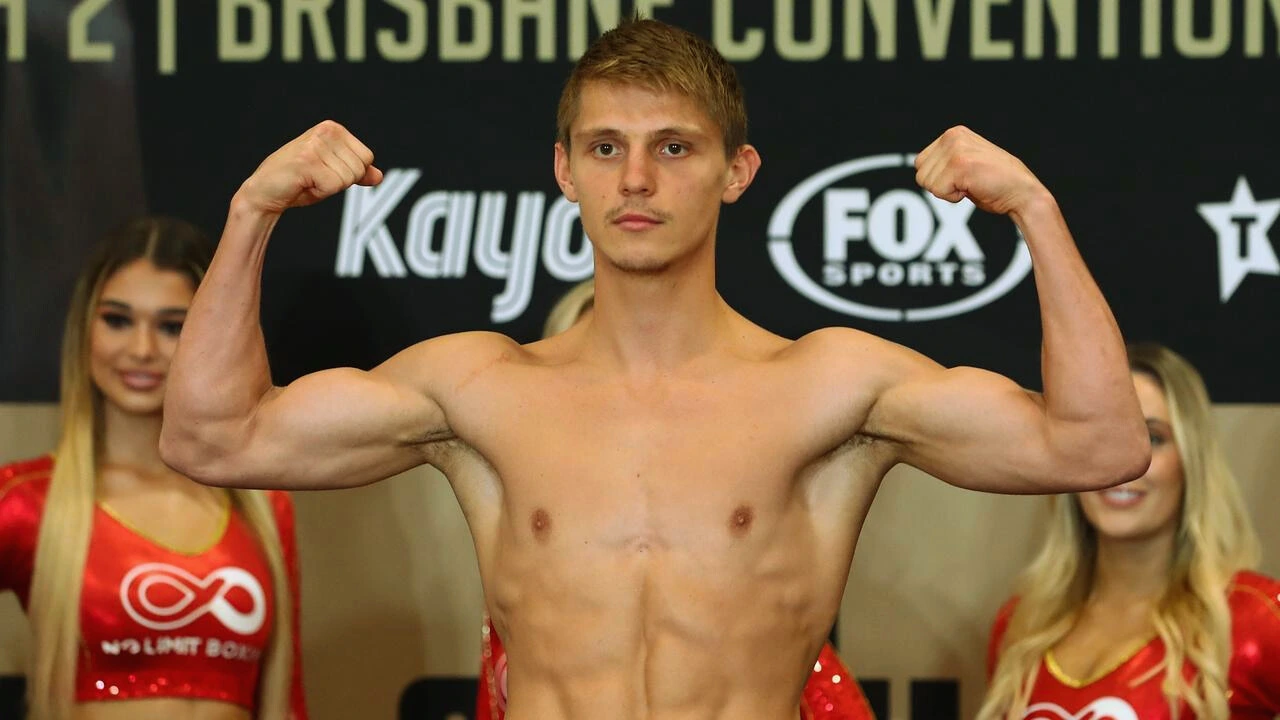
Australian boxing finally gets what it has wanted for five years: Nikita Tszyu vs. Michael Zerafa, a bitter grudge match tied to family pride, trash talk, stalled negotiations, and now a shocking injury scare. The fight, which is set for January 16 at the Brisbane Entertainment Centre at a catchweight of 157 pounds, is at the centre of a crazy few months for the Tszyu camp. It will test the younger brother’s mental toughness, resilience, and dedication to the sport.
What started out as simple hype has turned into something more like a story, with car crashes, weddings that have to be put off, press conference stress, and even a floating boxing ring under Brisbane’s Story Bridge. And the stakes keep getting higher behind every microphone.
Nikita Tszyu’s camp is in limbo after a car accident
The biggest problem came out of nowhere on the weekend of October 14, when Nikita Tszyu’s Jeep Sport Wrangler was hit by another car at an intersection. The undefeated Australian light middleweight was left stiff, sore, and waiting for medical clearance. The impact hit the driver’s side door, where the boxer was sitting.
Manager Glen Jennings gave a very clear description of it.
- “It was a side impact; he got T-boned,” Jennings said. “The woman who crossed the street literally hit his door. We are very thankful and lucky that he was in that car.
- A picture of the Jeep shows a deep dent that goes all the way through the door panel and frame. When emergency services looked at the damage, Jennings said one thing stood out.
- “One of my friends told me that there is a safety rail there. It might have turned out differently if it had been a smaller car. This could have been a lot worse.
- Tszyu has been told to stop all training for at least a week. Doctors want to see how the stiffness, bruising, and full-body jolt respond before letting him move around again.
- Jennings said, “The whole body is a little jumbled and out of whack.” “He’ll take the week off, and we’ll see how he does next week.” These kinds of things make the fire explode.
The car crash made people question whether the original fight submission in December could happen, so it was moved to mid-January in Queensland.
Brisbane Wins Venue Battle After Talks with Gold Coast and Sydney Fall Apart
After talks in Brisbane and the Gold Coast, promoters No Limit Boxing confirmed that the fight will take place at the Brisbane Entertainment Centre. Neither camp wanted to give the other an advantage on their home turf. Tszyu’s base is in Sydney and Zerafa’s is in Victoria, so Queensland was the best place for them to meet.
The Boondall venue has been the site of many major Australian combat events, such as:
- Anthony Mundine and Daniel Geale fought in 2009 and the decision was split.
- Mundine’s win over Garth Wood for revenge
- Jeff Harding’s defence of his world title in 1989
- Two UFC events with Mark Hunt as the main event
- Wrestling show AEW Grand Slam
- Plans for boxing at the Brisbane 2032 Olympics
For boxing fans, a sell-out on January 16 would make it one of the biggest domestic fight nights in the last ten years.
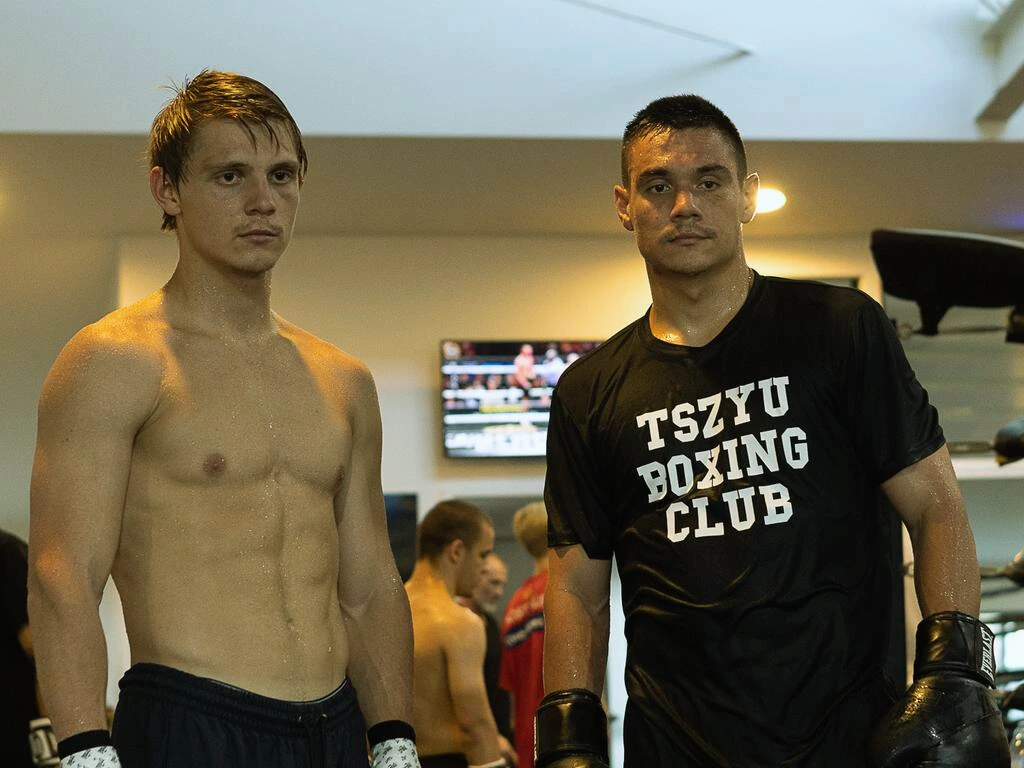
“Evil Thoughts”-Nikita Tszyu Opens Up on Zerafa Rivalry
Zerafa probably thought there would be a polite buildup to the fight, but there wasn’t. Nikita Tszyu talked about the “dark motivation” behind this fight at a press conference in Brisbane on Tuesday, November 11.
Tszyu told Fox Sports, “I’m smiling at him, but in the back of my head I can’t wait to hit him.” “We know that the future is going to be a bloody mess.” Right now, I have a poker face, but behind it, I’m thinking bad things.
Zerafa, on the other hand, acted calm.
“It’s locked in,” Zerafa said. “I’m not ignoring him. We don’t need to be angry; we’ll settle it in the ring.
But the stress is real. George Rose, the boss of No Limit, said that the fighters almost got into the same Uber and the same hotel lift before staff stepped in.
Rose said, “They’ve spent too much time together as individuals.” “I don’t want to be the man in the middle if these two get into a fight.”
Money Demands-Tim Tszyu Wants Zerafa Paid $100K “Maximum”
The fight between the two families started in 2021 when Michael Zerafa pulled out of a fight with Tim Tszyu that had been planned. This made the Tszyu camp very angry. Tim has said he won’t fight Zerafa again until his demands are met.
Tim said he would only fight “Pretty Boy” Zerafa for a seven-figure pay cheque, but there was a catch.
“F*** that.” Tim told Code Sports, “Zerafa gets $100,000, which is how he usually gets paid.” “Then we can have a talk.”
That amount is only a small part of Zerafa’s 2021 purse, and it sends a clear message: in Tszyu negotiations, respect and leverage are not the same thing.
Tim is involved in the money fight, but Nikita is fighting because of the same anger and family pride.
Zerafa Says He’s “Levels Above” and Postpones Wedding
Michael Zerafa has put off his wedding to fiancée Selin in another country so he can focus on training for the fight.
Zerafa said, “People say I ran away from the Tim fight, but that’s not true.” “I fought Kell Brook in England. I fought in Russia and in Las Vegas. “I’ve been in the backyards of my opponents all over the world.”
Zerafa, who is 34-5 with 22 KOs, has won three in a row since being knocked out in two rounds by Erislandy Lara 19 months ago. His most recent win was a first-round finish of Mikey Dahlman on August 20.
“Nikita can hit hard, but there are levels to this sport.” He made a big mistake.
Pedro Diaz Brings Championship Experience to the Corner Shake-Up
There have been a lot of changes in the Tszyu camp since September.
Tim Tszyu, Nikita’s brother, broke up with his long-time coach Igor Goloubev and is now training with Cuban master Pedro Diaz in Miami. Diaz has trained over 20 world champions, such as Miguel Cotto, Guillermo Rigondeaux, Filip Hrgović, and UFC star Vitor Belfort.
The following people are now on Team Tszyu:
- Pedro Diaz is the head coach.
- Osvaldo Nordelo is a doctor and cutman.
- Stefan Hubert is the Serbian national trainer and assistant coach.
- Pedro Diaz Jr. is a possible fourth corner member.
- Omar Iferd is a personal chef.
For the first time in memory, Nikita has made two different Tszyu camps, staying true to the original family corner.
Rankings and the Path to the World Title
This fight isn’t just about settling a score; it could also decide who gets to talk about the world title:
Michael Zerafa:
- No. 5 WBA
- No. 8 WBO
- No. 14 IBF
Nikita Tszyu:
- No. 9 IBF
- No. 12 WBO
A convincing win could put the winner at the top of the list of mandatory challengers for either the IBF or WBO belts in 2026. This is a huge reason for the trash talk.
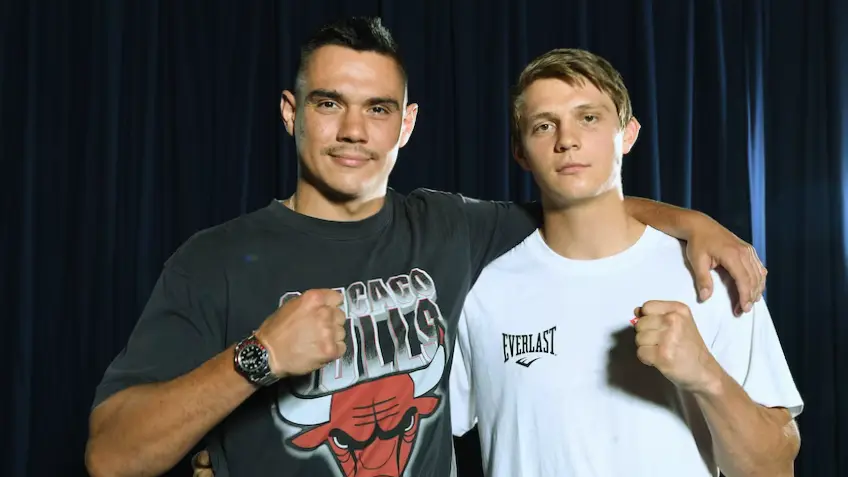
World Title Eliminator on a Full Undercard
No Limit Boxing, the promoter, has made the night much more interesting.
Liam Paro and Paddy Donovan’s fight has been confirmed as an IBF world title eliminator. Paro is ranked No. 2 and Donovan is ranked No. 3. The winner will be next in line for a championship if they win.
Also said:
- Liam Wilson, who used to fight for the world title
- Demsey McKean is a heavyweight who has sparred with Anthony Joshua in the past.
- Billy Polkinghorn is becoming a fan favourite.
- It is one of the best Australian undercards put together in a long time.
Rose said, “This fight is going to shake the country.” “You’ll wish you were there if you’re not.” There won’t be enough tickets.
Conclusion-Injury First, Then Decisions
One week of recovery is all that matters now.
After Nikita has rested, doctors will check for bruises, stiffness, neck rotation, and pressure on the spine. No Limit Boxing won’t be able to lock in final press commitments, travel plans, and sparring load until then.
Jennings said, “We’ll look at it after he has a week off.” “We won’t know anything until then.”
Australian boxing has never seen anything like this before, from car accidents to money requests to weddings that were put off to rings that floated under bridges. On January 16 in Brisbane, the bad blood could finally end, and it could only happen there:
The ring.
FOR MORE RELATED ARTICLES VISIT US AT AUSTRALIANMAGAZINE.COM.AU

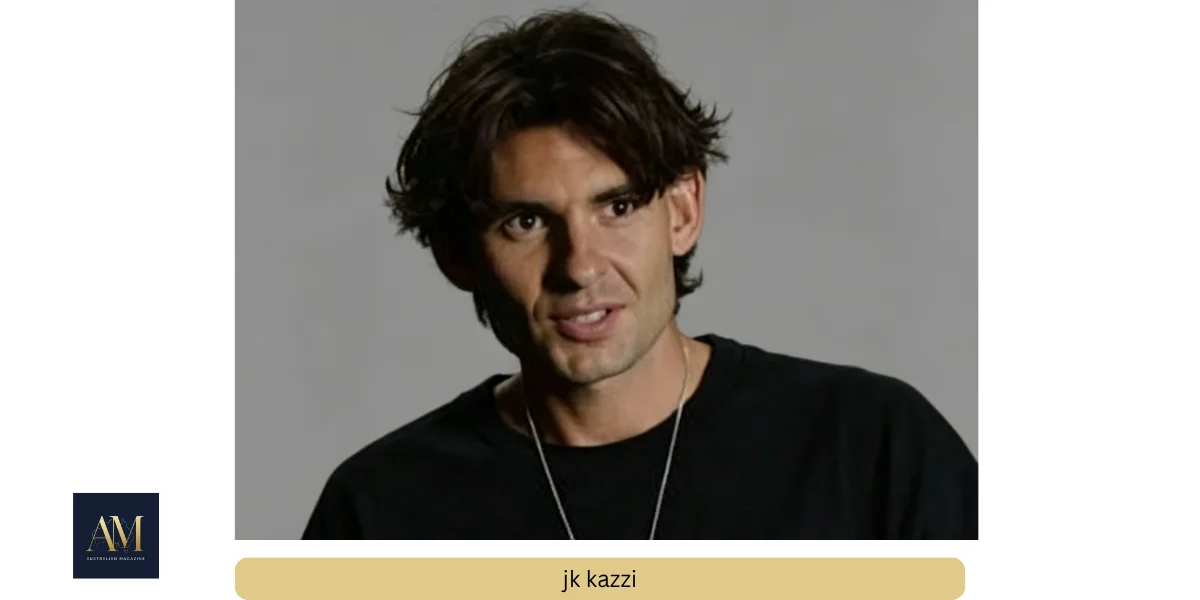
In the fast-moving world of social media, where trends come and go overnight, certain personalities manage to cut through the noise with authenticity and unapologetic confidence. JK Kazzi is one such figure. A Lebanese-Australian influencer, content creator, and lifestyle personality, he has carved out a distinctive space for himself by blending humour, fashion, and cultural pride into content that resonates with thousands worldwide.
After more than three decades of observing how digital personalities rise and sustain their influence, I can say with confidence that JK Kazzi represents a modern archetype. This culturally rooted global citizen uses social platforms not just for entertainment, but as a bridge between heritage and contemporary life.
Background and Rise to Fame
JK Kazzi’s story begins with his Lebanese heritage, a background he carries with visible pride. Born into a family with strong cultural roots, he grew up in Australia, navigating the unique experience of being a second-generation immigrant. This dual identity has become one of the strongest pillars of his personal brand.
Like many successful creators, JK did not explode onto the scene overnight. His rise was gradual, built on consistent, relatable content that struck a chord with viewers who saw their own lives reflected in his videos. Early on, he gained traction through short, humorous clips that captured everyday situations with a sharp wit and charming delivery. What started as casual posts on Instagram and TikTok quickly evolved into a dedicated following that appreciated his genuine personality.
His Lebanese-Australian perspective gave him a unique angle. In an era where audiences crave authenticity over polished perfection, JK’s willingness to speak his mind and showcase his cultural background set him apart from the sea of generic lifestyle creators.
Content Style and Themes
What makes JK Kazzi’s content particularly engaging is its variety and honesty. He doesn’t limit himself to a single niche. Instead, he moves fluidly between:
- Fashion and Style: Showcasing bold outfits that blend Middle Eastern influences with contemporary Australian and global trends.
- Cars and Lifestyle: High-energy videos featuring luxury and performance cars, often paired with scenic drives and personal commentary.
- Travel: Capturing journeys that highlight both his Australian home and connections to Lebanese culture.
- Everyday Life: Relatable humour about family, food, friendships, and the challenges of balancing multiple identities.
His charismatic and outspoken style is his signature. JK doesn’t shy away from expressing strong opinions, yet he maintains a warmth that makes viewers feel like they’re catching up with a friend rather than watching a distant celebrity. This balance of boldness and approachability is rare and highly effective.
In my experience studying digital creators, this kind of versatility is key to long-term success. Audiences today are sophisticated — they can spot inauthenticity from a mile away. JK Kazzi’s content feels personal because it is personal.
Cultural Identity at the Core
One of the most compelling aspects of JK Kazzi’s platform is his unapologetic celebration of Lebanese heritage. In a world that sometimes pressures immigrants and their children to assimilate completely, he stands as a proud example of cultural integration without erasure.
He frequently shares content highlighting Lebanese traditions, cuisine, family values, and even the language. This cultural transparency has earned him respect not only within the Lebanese diaspora but also among wider audiences curious about Middle Eastern cultures.
His approach offers valuable lessons for younger creators: cultural identity is not a limitation — it can be a superpower. By owning his background, JK has built deeper connections than those who present a generic, watered-down version of themselves.
Current Projects and Status in 2026
As of 2026, JK Kazzi continues to expand his influence. He maintains strong momentum on Instagram and TikTok while exploring new collaboration opportunities. His growth reflects a mature phase of his career — moving beyond pure entertainment into brand partnerships that align with his values.
Recent content shows increased focus on lifestyle branding, including potential fashion lines, automotive collaborations, and travel experiences that combine luxury with cultural storytelling. He remains active in directly engaging with fans through comments, live sessions, and Q&A Sessions, which helps sustain the personal connection that fueled his initial rise.
The influencer landscape in 2026 rewards those who evolve without losing their core identity. JK appears to be navigating this challenge successfully, balancing commercial opportunities with the authentic voice that made him popular in the first place.
Impact on His Audience
The true measure of any influencer’s success lies in the impact they have on their followers. JK Kazzi has cultivated a community that feels seen and represented. Many young Lebanese-Australians and other diaspora members cite him as a positive role model who proves it’s possible to honour your roots while thriving in a new country.
His content often sparks conversations about identity, confidence, and self-expression. Viewers frequently share that his humorous takes on cultural experiences help them feel less alone on their journeys to balance heritage with modern life.
From an expert perspective, this kind of meaningful connection is far more valuable than raw follower counts. It creates loyalty that survives algorithm changes and platform shifts.
Conclusion: A Lasting Influence
JK Kazzi stands as a shining example of what modern influence can look like when built on authenticity, cultural pride, and consistent value. His journey from relatable video creator to recognised personality demonstrates the power of staying true to oneself in the digital age.
For aspiring creators, his story offers clear takeaways: find your unique perspective, share it boldly, and never underestimate the appeal of genuine personality. For his audience, he provides entertainment, inspiration, and a sense of cultural connection in an increasingly fragmented world.
As social media continues to evolve, personalities like JK Kazzi remind us that the most powerful content still comes from real human experiences, shared with confidence and heart. His continued growth in 2026 and beyond will be fascinating to watch.
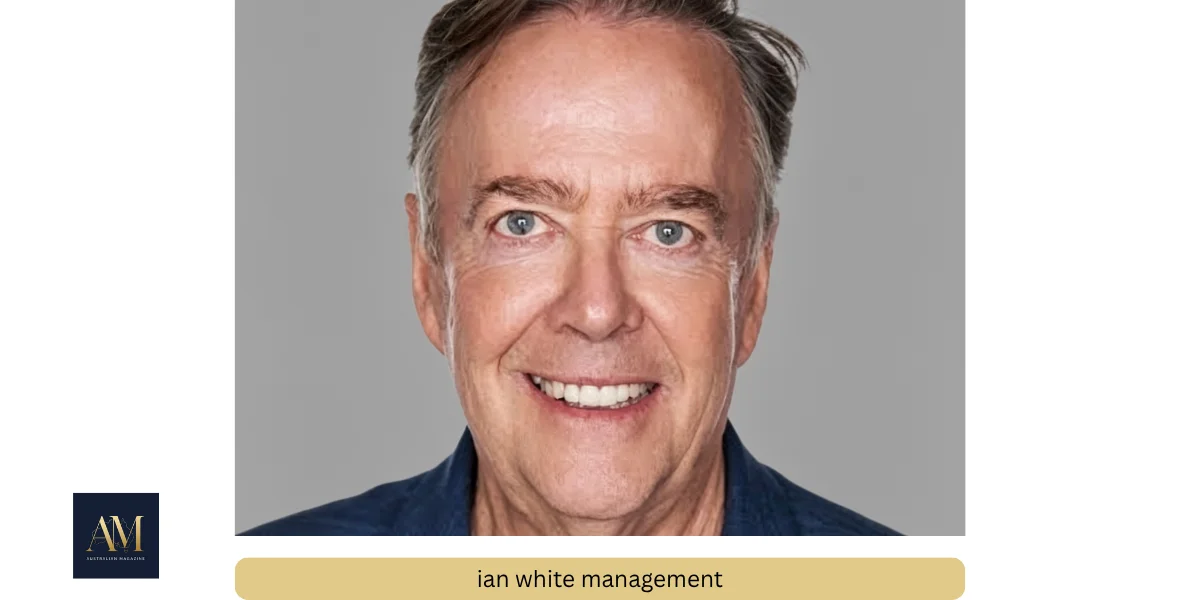
Who is Ian White?
In the competitive world of professional sports, talent alone is rarely enough to build a long and prosperous career. Behind every successful athlete, there is often a trusted advisor who handles contracts, negotiations, and personal branding. In Australia, one name that stands out in this field is Ian White. As the founder and principal of Ian White Management, he has built a reputation over many years as a reliable, results‑driven representative who understands both the game and the business side of sport.
Ian White brings deep knowledge of the Australian sporting landscape, particularly the codes of rugby league and AFL. Having worked in the industry for decades, he has witnessed how the demands on athletes have changed — from simple playing contracts to complex career planning, media obligations, and financial security. His agency was created to fill that gap: to provide athletes with professional guidance so they can focus fully on performing at their best.
Services and Approach
Ian White Management operates on a clear philosophy: every athlete deserves personalised attention and a strategy tailored to their individual goals. Unlike large firms that treat clients as numbers, this agency takes a hands‑on approach, ensuring that every decision aligns with the athlete’s short‑term needs and long‑term future.
The core services offered include:
Player Contract Negotiations
This is the foundation of any representation work. The agency works closely with clubs, leagues, and governing bodies to secure fair and competitive contracts. They understand the market value of each player, their development trajectory, and the fine print that can make a big difference in security and earnings. A common mistake many young athletes make is signing deals without fully understanding the terms — this is where expert advice prevents costly errors.
Career Management and Advice
Athletic careers are often shorter than most people realise, so planning is essential. Ian White Management helps players map out their journey, from their first professional contract through to retirement and beyond. This includes guidance on training, performance goals, and handling the physical and mental pressures of top‑level sport.
Sponsorship and Endorsement Deals
Beyond match fees, endorsements are a key part of an athlete’s income and public profile. The agency identifies suitable brands, negotiates agreements, and ensures that partnerships align with the athlete’s values and image. They also protect clients from deals that could damage their reputation or take time away from training.
Media and Public Relations Support
In today’s digital age, an athlete’s public image is as important as their on‑field form. The team guides media interviews, social media presence, and handling public attention. This helps athletes build a positive profile while avoiding unnecessary controversy.
Notable Clients
Over the years, Ian White Management has represented a growing list of professional athletes across several major sports in Australia. While the agency maintains confidentiality regarding individual terms, it is widely known that their roster includes established players and rising stars in rugby league, AFL, and other codes.
What sets their client list apart is the consistency of results. Athletes represented by the agency often report improved contract terms, better‑aligned sponsorships, and greater clarity in their career direction. This track record has earned them the trust of players, coaches, and club administrators alike. When an athlete chooses to work with Ian White Management, they are joining a group that values integrity and transparency above all else.
Role in Australian Sports
The presence of agencies like Ian White Management plays a vital role in the broader health of Australian sport. There was a time when many athletes had little support outside their club, leaving them vulnerable to poor deals or bad advice. Today, the industry is more professional, and good representation helps create a fairer environment.
The agency also helps raise standards across the sector. By operating with honesty and clarity, they set an example for how player management should work. They work alongside clubs and leagues to ensure that the interests of the sport and the athlete are balanced. This cooperation helps build long‑term stability for everyone involved.
Current Operations (2026)
As of 2026, Ian White Management remains active and respected within the industry. The business has adapted to changes in the sporting world, including the rise of digital media, global competitions, and new financial structures within leagues.
Key aspects of their current work include:
- Expanding support services to cover financial planning and post‑career transition advice.
- Maintaining strong relationships with clubs, brands, and sporting bodies across Australia.
- Continuing to support emerging talent —not just established stars— by helping young athletes navigate the early stages of their professional journey.
Looking ahead, the agency remains focused on what has always worked: putting the athlete first. In an era where trends and rules change quickly, their steady, experienced approach remains their greatest strength.
Tips for Athletes Choosing Representation
Drawing from decades of experience in the field, here is practical advice for any athlete looking for management support:
- Check their track record: Look for agencies with a history of successful, fair negotiations and satisfied clients.
- Ensure clear communication: You should always understand exactly what services you are receiving and what fees apply.
- Look for long‑term thinking: A good manager does not just chase quick money — they build a career that lasts.
- Trust your instincts: The relationship must be based on trust. If you feel pressured or confused, it may not be the right fit.
Conclusion
Ian White Management stands as a solid example of how professional representation can make a real difference in an athlete’s life and career. By combining industry knowledge, personal attention, and ethical standards, they have built a respected name in Australian sports.
For athletes, the agency offers more than just contract help — it offers peace of mind. Knowing that the business side of their career is in safe hands allows them to focus entirely on what they do best: performing on the field. As the sporting landscape continues to evolve, Ian White Management will undoubtedly remain a key partner for athletes looking to build successful, sustainable careers.

In an era where the boundary between a public figure’s professional achievements and their private life is increasingly blurred by the relentless 24-hour news cycle and social media transparency, maintaining a sense of personal sanctuary is a rare feat. For William McKenna, the talented Australian actor who has steadily climbed the ranks of the international entertainment industry, this balance is not just a preference—it is a cornerstone of his public identity.
McKenna has navigated the volatile waters of fame with a grace that belies his years, choosing to let his performances speak louder than his personal headlines. While fans are naturally curious about the man behind the roles, McKenna has managed to foster a relationship that is both deeply supportive and refreshingly low-profile. This article explores the life of William McKenna, his career trajectory, and the stabilising force of his partnership with Andrew Budzinski.
William McKenna: The Evolution of an Artist
Before delving into the specifics of his personal life, one must appreciate the professional context that makes McKenna such a person of interest. Born and raised in Australia, William McKenna first captured public attention through his roles in youth-centric television, most notably in the acclaimed series Nowhere Boys.
His transition from a teen idol to a serious dramatic actor was seamless. McKenna possesses a unique “everyman” quality that allows him to inhabit complex characters with authenticity. Whether on screen or treading the boards in theatrical productions—including a standout performance in the Australian premiere of Dear Evan Hansen—McKenna has demonstrated a range that suggests a long and fruitful career ahead.
By 2026, his portfolio has expanded into more international co-productions, yet he remains tethered to his Australian roots. It is this grounded nature that likely informs his approach to his personal relationships.
The Heart of the Matter: Relationship and Partner
Despite the natural intrigue that follows a rising star, McKenna has been remarkably consistent in his approach to his personal life. He is currently in a long-term relationship with his partner, Andrew Budzinski.
A Partnership Built on Stability
Its longevity and mutual respect characterise the relationship between William McKenna and Andrew Budzinski. In an industry where “showmances” a nd fleeting connections are often the norm, their several-year tenure together stands as a testament to their shared values.
- Mutual Support: Those in their social circles often note thepartnership’ss supportive nature. While McKenna deals with the erratic schedules and high-pressure environments of film sets and theatre stages, Budzinski provides a stabilising presence.
- Selective Public Appearance: Unlike many modern couples who document every milestone on social platforms, McKenna and Budzinski are selective. They occasionally appear together at industry events, such as opening nights or awards ceremonies, but these appearances are marked by a quiet confidence rather than a desire for “viral” moments.
- Subtle Digital Presence: Their social media interactions are infrequent and subtle. A shared photo here or a supportive comment there serves as a nod to their connection without inviting the public to dissect every aspect of their intimacy.
How They Balance Public and Private Life
For a veteran observer of the entertainment industry, the way McKenna and Budzinski manage their public image is a masterclass in modern celebrity branding.
The Strategy of “The Quiet Life”
Maintaining a low-profile relationship while one partner is in the spotlight requires intentionality. Here are the key strategies they employ:
- Defining the “Inner Circle”: They maintain a close-knit group of friends and family who respect their privacy. This limits the “leakage” of personal information to tabloid outlets.
- Focusing on the Work: In interviews, McKenna is known for skillfully redirecting personal questions back to his craft, his upcoming projects, or the themes of his current role.
- The Digital Buffer: By not over-sharing on Instagram or X (formerly Twitter), they create a buffer. When they do choose to share a glimpse into their lives, it feels authentic and earned, rather than performative.
Why This Matters for Longevity
Industry experts often point out that actors who maintain a level of mystery are often more successful in their roles. If the public knows too much about an actor’s real-life partner, habits, and daily routines, it can become harder for an audience to “suspend disbelief” when that actor portrays a new character. By keeping his life with Andrew Budzinski private, McKenna protects his most valuable professional asset: his chameleonic ability to be whoever the script requires.
Current Status (2026)
As of mid-2026, the status of William McKenna and Andrew Budzinski’s relationship remains one of quiet stability. While McKenna’s career has reached new heights with major streaming-service credits and prestigious theatre roles, his personal life remains his “north star.”
They continue to reside primarily in Australia, though McKenna’s work frequently takes him abroad. This period of his life is marked by a focus on high-quality projects and a continued commitment to the personal bonds that have supported him since the early days of his career.
| Key Metric | Status (2026) |
|---|---|
| Relationship Duration | Several Years |
| Primary Residence | Australia |
| Public Engagement | Low-Profile / Selective |
| Professional Trajectory | Upward / International |
Expert Insights: Maintaining Relationships in the Creative Arts
As someone who has watched three decades of talent rise and fall, I have observed that the most successful individuals are those who have a “safe harbor” to return to. Here are a few “expert tips” for those navigating similar dynamics:
- Avoid the “Comparison Trap”: In the age of social media, it is easy for couples to compare their relationship to the highlight reels of others. McKenna and Budzinski seem to avoid this by focusing on their internal reality rather than external validation.
- Privacy is a Choice, Not a Burden: Many young stars feel they owe their fans everything. The truth is, privacy is a boundary that actually helps fans focus on what matters—the art.
- Communication is Key: The logistics of an acting career (long absences, late nights, emotional intensity) are taxing. A partner who understands the industry but isn’t consumed by it—like the dynamic we see here—is often the ideal match.
Common Mistakes to Avoid
In my thirty years of writing, I’ve seen many promising careers derailed by personal drama. Common pitfalls include:
- Using a relationship as a publicity tool.
- Allowing “stan culture” to dictate personal decisions.
- Failing to set boundaries with the press early in a career.
William McKenna has avoided these pitfalls with remarkable foresight.
Conclusion
William McKenna represents a new generation of performers who understand that fame is a byproduct of work, not an end in itself. His relationship with Andrew Budzinski serves as a quiet reminder that even in the most public of professions, one can still cultivate a private world that remains untouched by the flashbulbs.
As we look toward the future of McKenna’s career, it is clear that his personal stability bolsters his professional successes. In an industry that often celebrates the loud and the scandalous, there is a profound power in the quiet and the constant. William and Andrew continue to prove that a low-profile life is not just possible—it is perhaps the most sustainable way to thrive in the modern spotlight.

Maggie Beer Products: A Gourmet Australian Range Built on Flavour, Simplicity, and Quality

Human-in-the-loop customer service: how NeonNow IQ divides contact centre work between AI and people
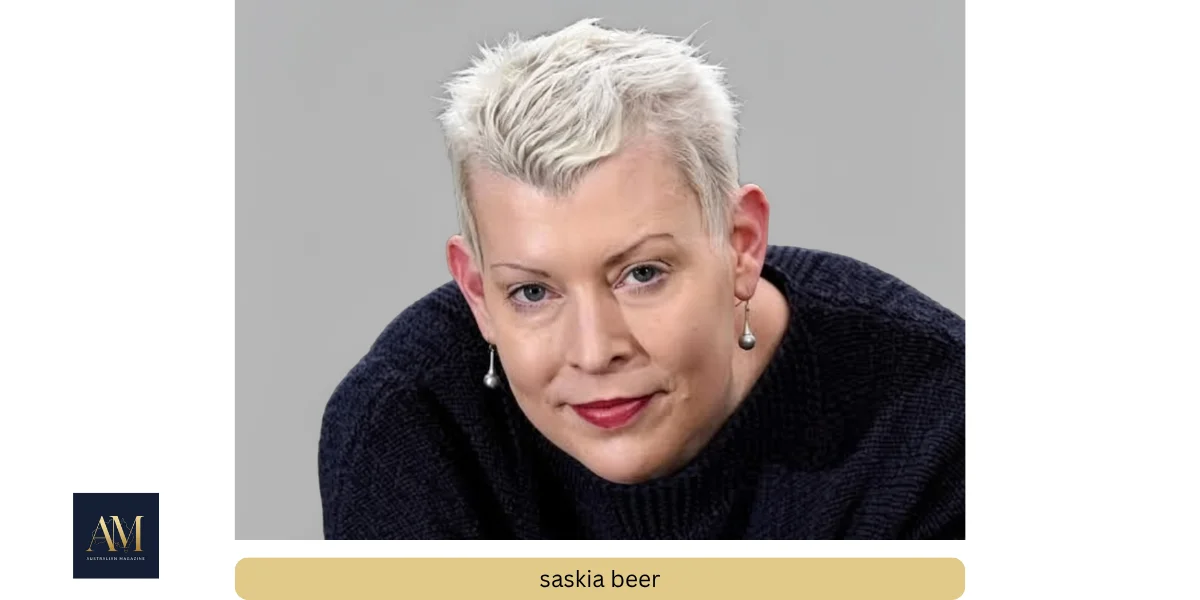
Saskia Beer: The Life, Work, and Lasting Legacy of an Australian Food Innovator

Love Island Australia 2026: Why Fans Chasing Fiji Villa Gossip Online Need to Slow Down Before They Click
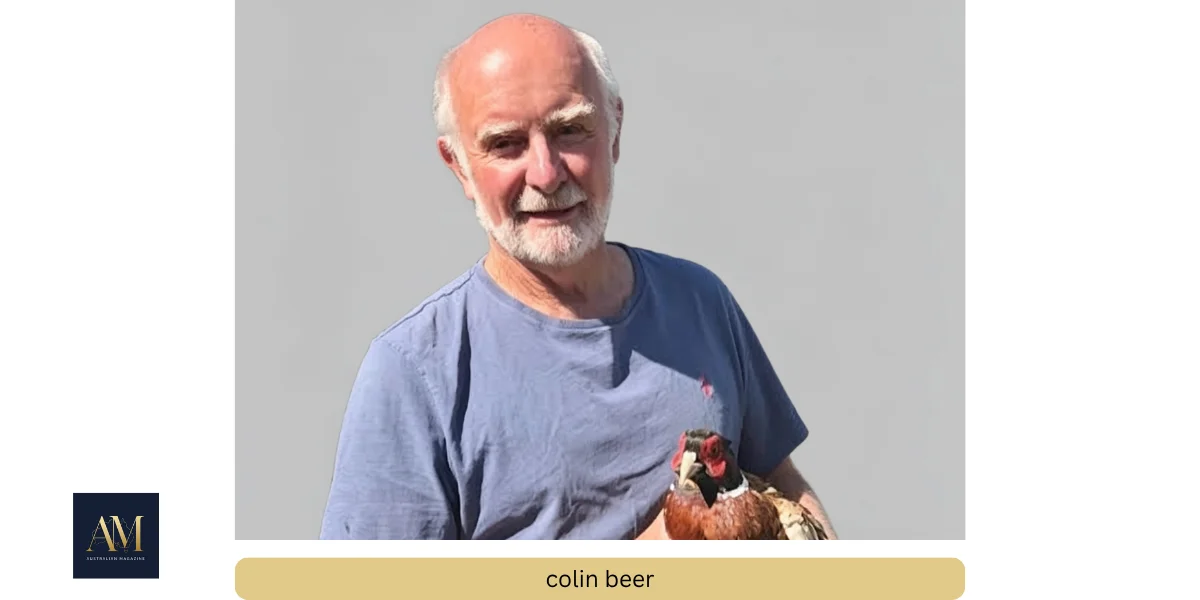
Colin Beer: The Quiet Architect Behind a Gourmet Food Legacy
Ian White Management: Guiding Athletes to Success
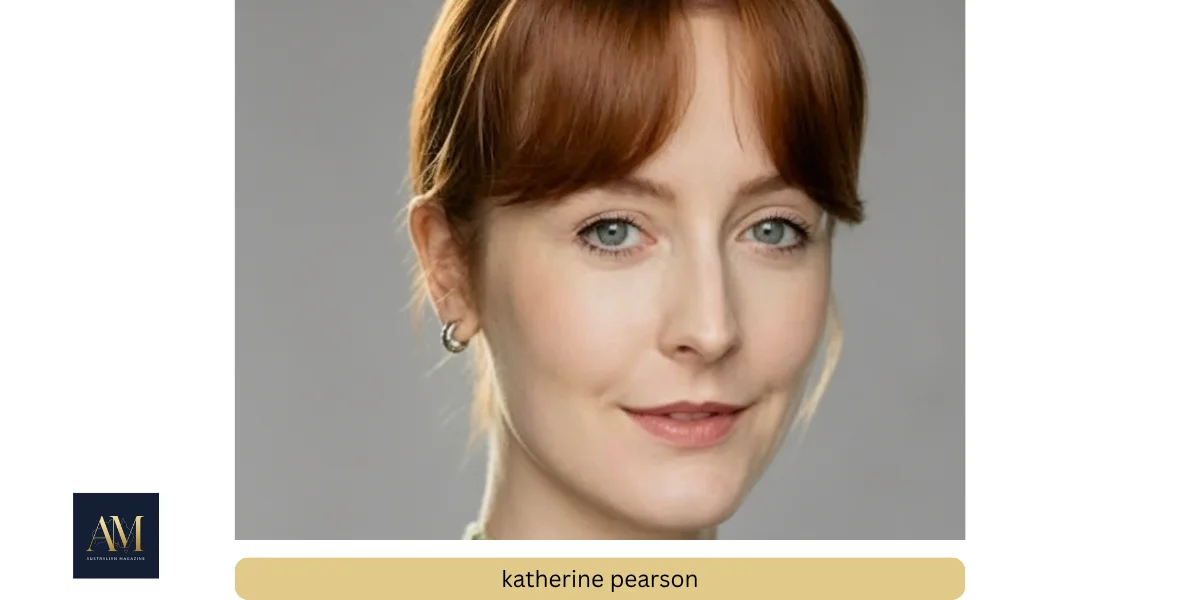
Katherine Pearson: Strength, Resilience and Life Beyond the Headlines
Harrison Gilbertson in Fallen: Bringing a Fallen Angel to Life
Actors Equity Australia: Protecting and Empowering Performers
JK Kazzi: The Charismatic Voice of a New Generation of Cultural Influencers
-
 Celebrity12 months ago
Richard Zachariah – The Story of a Gentleman Journalist
-
 Lifestyle12 months ago
Matt Moran Liberal-From Service to Leadership in Western Australia
-
 Lifestyle5 months ago
Top Fashion Trends Australia 2026: What Australians Are Wearing Now
-
 Lifestyle5 months ago
Spring 2026 Fashion Trends: The Complete Style Guide
-
 News10 months ago
Beau Lamarre-Condon – Inside the Case, the Charges, and the Court Timeline
-
 News12 months ago
Samuel William Davidson – The Oatlands Tragedy, Sentence & the Power of Forgiveness
-
 Entertainment5 months ago
How Australian Players Are Choosing Their Online Casino in 2026
-
 Entertainment1 year ago
The Unstoppable Rhea Ripley-WWE’s Australian Phenomenon