
Entertainment
Ed Gein Netflix-Charlie Hunnam’s Chilling Transformation Uncovered

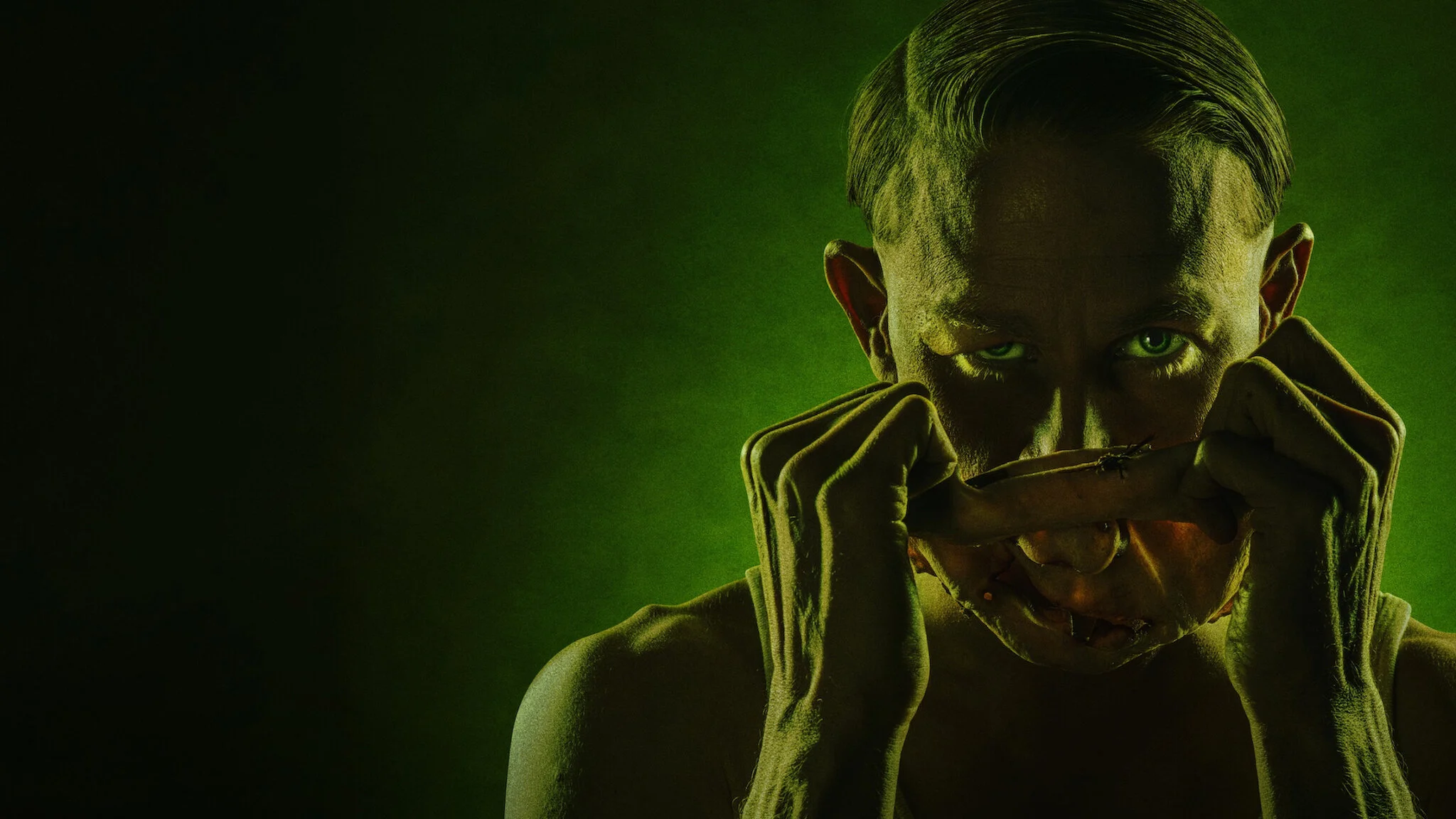
Ed Gein Netflix’s Monster: The Ed Gein Story shows how Charlie Hunnam changed into the infamous killer, his relationship with Adeline Watkins, and how Gein influenced horror movies like Psycho and The Texas Chain Saw Massacre. It also goes into detail about Gein’s abusive childhood, his schizophrenia diagnosis, his arrest, and his lasting impact on true crime and pop culture.
An Introduction to the Ed Gein Netflix Series
Ryan Murphy and Ian Brennan’s true-crime anthology, Monster: The Ed Gein Story, is the third book in the series. After the global hits Jeffrey Dahmer (2022) and the Menendez brothers (2024), this new season focuses on Ed Gein, the Wisconsin murderer and grave robber whose gruesome crimes inspired horror movies like Psycho and The Texas Chain Saw Massacre. All eight episodes were released at once on October 3, 2025, at 3 a.m. ET and 12 a.m. PT.
Charlie Hunnam’s Change for Ed Gein on Netflix
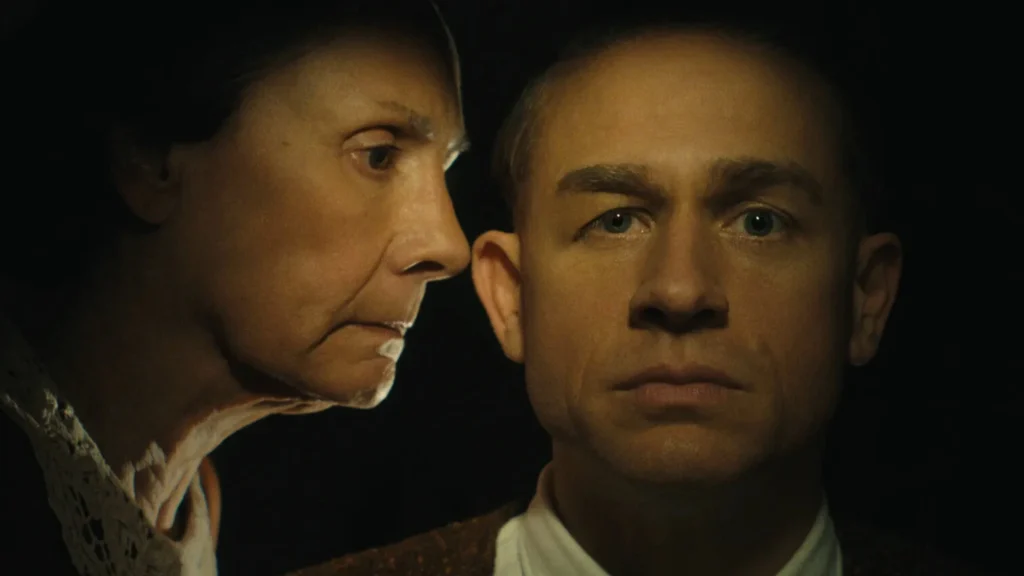
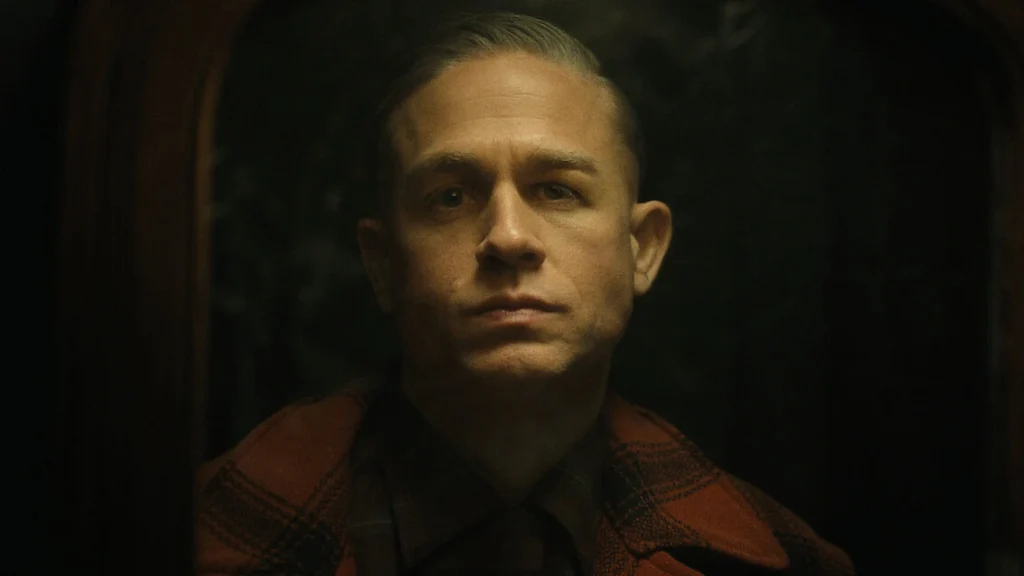
To play Gein, British actor Charlie Hunnam, who is best known for Sons of Anarchy, went through one of his most extreme changes. He lost 30 pounds to look like Gein’s thin body and kept a voice that sounded like a child’s throughout the filming.
- Hunnam got his hands on a rare 70-minute tape made two days after Gein’s arrest. He used the murderer’s strange tone and inflection to shape his performance.
- He thought about how his broken relationship with Augusta, Gein’s overbearing mother, affected his mind when she told him every day that he should have been a girl.
- Hunnam said that he often freaked out early on because he thought the role was “too bleak.” But he kept going after Sarah Paulson told him to “look deep and find it.”
- Filming in freezing Chicago weather made him almost starve; his coworkers said he was always hungry but completely dedicated.
- He even went to Gein’s unmarked grave after the movie was done and told the killer that their journey together was over.
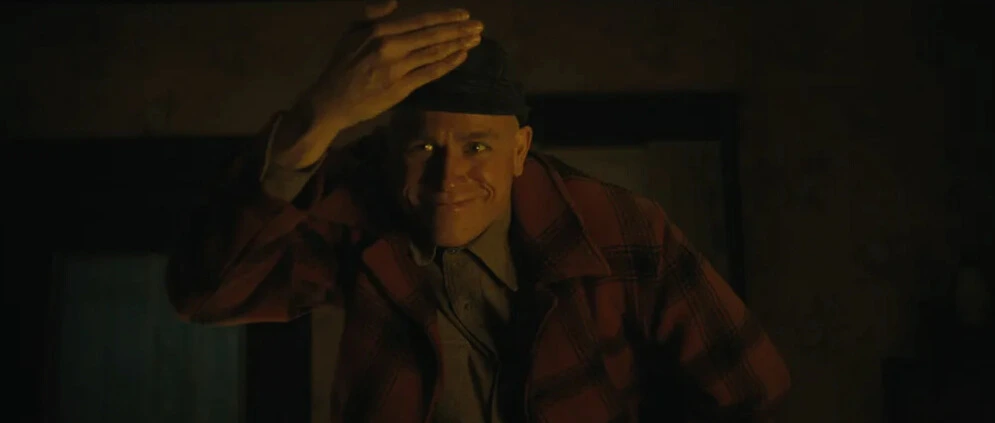
Ed’s Mother, Augusta Gein, Haunted Him
Laurie Metcalf plays Augusta Gein, who is the main character in Ed Gein Netflix. Augusta was very religious and kept her sons away from women, telling them that women were “handmaidens of the devil.”
- Gein took care of her after she had several strokes before she died.
- Gein turned her room into a shrine after she died. He later admitted to killing women who looked like her.
- Augusta’s control over Ed’s life is similar to Alfred Hitchcock’s Psycho, where Norman Bates’ obsession with his mother was based on Gein.
Reports say that Metcalf agreed to the role without reading a script because he trusted Murphy’s vision.
Adeline Watkins-What is true and what is not in Ed Gein Netflix
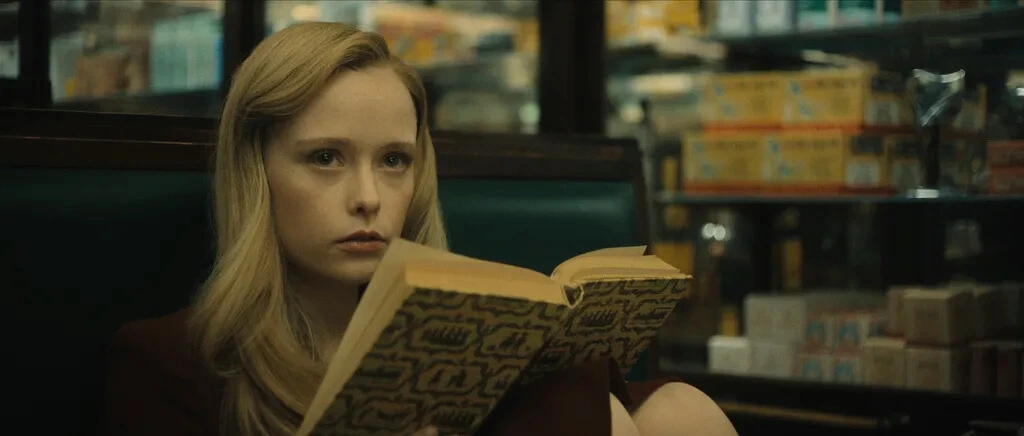
Adeline Watkins, played by Suzanna Son, is one of the most talked-about characters in the series.
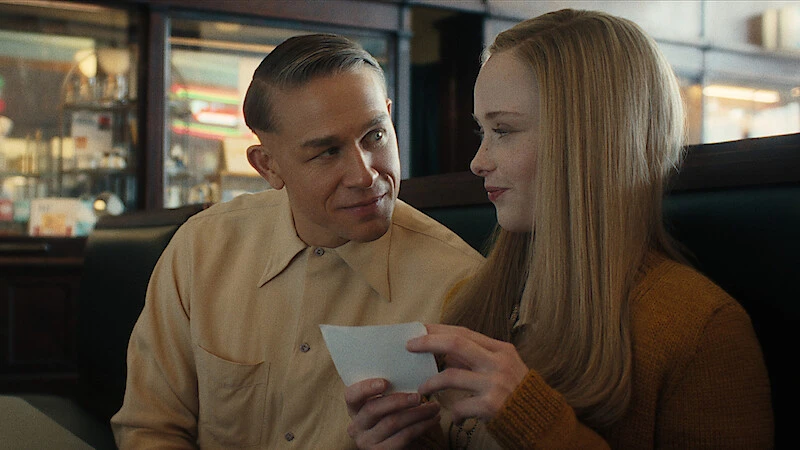
- The show makes her out to be Ed’s girlfriend, going with him on trips to steal graves, feeding his obsessions, and even saying yes to his proposal.
- Watkins said in an interview from 1957 that she had a 20-year relationship with Gein. She called him “kind, polite, and sweet” and said that sometimes she felt like she “took advantage” of him.
- She said he asked her to marry him on their last date in 1955.
- But Watkins changed his mind within a few weeks, saying the story was “blown out of proportion.” She made it clear that their relationship lasted only seven months, during which time they went to a few movies and bars together, but she had never been to his house.
- At first, her mother said Gein was “sweet,” but Watkins later said she never used that word.
Netflix made her role bigger so that she could be a vessel for Ed’s fantasies, which blurred the line between what was real and what was not.
The Crimes That Led to Ed Gein on Netflix
Ed Gein was found guilty of only two murders: Mary Hogan in 1954 and Bernice Worden in 1957. But his crimes were much worse than that.
- He dug up graves in Plainfield, Wisconsin, and took body parts home with him.
- Police found furniture made from human remains, a “woman suit” made of skin, and body parts turned into bowls, masks, and lampshades.
- Worden’s body was found tied up in his barn, and Hogan’s head was found in his house.
The show doesn’t shy away from gruesome details, even recreating the shower scene from Hitchcock’s Psycho with a lot of nudity and violence, which critics said was exploitative.
Ed Gein Netflix-Influences from Hollywood and Horror
One of the more ambitious storylines is the show’s look at Gein’s cultural impact:
- Tom Hollander plays Alfred Hitchcock, who is having trouble with his wife Alma’s disapproval as he turns Robert Bloch’s Gein-inspired novel into Psycho.
- Joey Pollari plays Anthony Perkins, the nervous actor who was chosen to play Norman Bates.
- Will Brill plays Tobe Hooper, who made The Texas Chain Saw Massacre using images from the Vietnam War and Gein’s legacy.
- There are also ties to The Silence of the Lambs, like the disturbing scene where Buffalo Bill tucks in.
Critics said the show was “connecting dots with crayons” because it hints at cultural analysis but doesn’t go into much detail.
Ed Gein Netflix Supporting Cast
Laurie Metcalf plays Augusta Gein
One of the most important parts for Metcalf is playing Gein’s overbearing mother. She is known for Lady Bird and Roseanne, and she has a chillingly austere presence that shows Augusta’s religious zealotry and her suffocating control over Ed.
Suzanna Son plays Adeline Watkins
Suzanna Son (Red Rocket) plays Adeline, Gein’s confusing “girlfriend.” Her performance makes people wonder if Adeline was real, made up, or both.
Tom Hollander plays Alfred Hitchcock
Hollander, who is heavily made up, plays Hitchcock during the time of Psycho, showing the master filmmaker struggling to adapt Gein’s story.
Alma Reville is played by Olivia Williams
Williams plays Hitchcock’s wife, Alma, who is a quiet voice of reason that Hitchcock ignores as he becomes obsessed with turning Gein into a movie.
Anthony Perkins played by Joey Pollari
Pollari, who is best known for Looking, captures Perkins’ nervous charm as he becomes Norman Bates.
Ilse Koch is played by Vicky Krieps
Krieps plays Koch, a Nazi war criminal. Her scenes with Gein show how disgusting it is that pulp magazines are connected to his obsessions.
Lesley Manville plays the part of Bernice Worden
The actress who was nominated for an Oscar plays Gein’s last murder victim, which makes the show more real by showing how his crimes hurt people.
Evelyn Hartley is played by Addison Rae
Rae plays Evelyn Hartley, a real babysitter who went missing in 1953. Historically, her disappearance was never linked to Gein, but Netflix makes it a part of his dark world.
Sheriff Schley is played by Tyler Jacob Moore
Moore plays the Wisconsin sheriff who arrested Gein in 1957. He said that working on the set was “genuinely shocking” because of Hunnam’s disturbing performance.
Ryan Murphy’s Obsession with Ed Gein
For Murphy, Ed Gein Netflix is for you. He first saw Psycho when he was 8 years old and was scared by the shower scene. He later learned from an encyclopedia that Norman Bates was based on Gein.
- Murphy says that every generation makes up its own bogeyman. Gein’s story is still scary because he seemed like a “simple farm boy” hiding his evil urges.
- Ian Brennan, one of the show’s creators, said this season was the “most impressive” of his career. He said it asks the question, “Are monsters born or made?”
Ed Gein Netflix-Nazi Crimes and Ilse Koch
The show controversially includes Ilse Koch, a Nazi war criminal known as the “Bitch of Buchenwald,” played by Vicky Krieps.
- In the show, Adeline gives Gein comics about Koch, which makes him interested in things made from human skin.
- Graphic recreations of Nazi parties and atrocities were criticized for fetishism and exploitation, which is similar to the problems Murphy has had in American Horror Story.
Evelyn Hartley Subplot-Where Fiction and Reality Meet
Addison Rae plays Evelyn Hartley, a real babysitter who went missing in 1953, which is another creative choice. Even though she was never connected to Gein in real life, the series imagines her disappearance in his orbit, which has led to criticism for mixing fact and fiction.
How critics reacted to Ed Gein on Netflix
There have been mixed reviews:
- The Guardian (Lucy Mangan) called it “unforgivable” for being obsessed with depravity.
- Daniel Fienberg from The Hollywood Reporter says: It was called “a thematically ambitious mess.”
- RogerEbert.com (Brian Tallerico): He didn’t like how it “shallowly recreated” crimes, but he did like how it tried to look at how pop culture affects people.
- Many critics pointed out hypocrisy: they condemned society’s obsession with true crime while enjoying lurid shows themselves.
Ed Gein’s Cultural Legacy
Historians say Gein is still the archetypal monster in America:
- Harold Schechter called him the “first all-American monster,” showing how the 1950s were both wholesome and dark in small towns.
- Adam Golub said that today’s obsession with true crime brings back the same famous names over and over again. “It was simply Ed’s turn,” he said.
- Critics say the series doesn’t have to deal with issues of retraumatization that plagued the Dahmer season because the families of the victims have long since died.
The future of Netflix’s Monster Series
Netflix has already said that Season 4 will be about Lizzie Borden. Future seasons might be about Aileen Wuornos and Elizabeth Báthory. There are rumors that Charlie Hunnam will come back in a different role.
CLICK HERE TO WATCH : Monster-The Ed Gein Story
The Netflix show Ed Gein has two sides
Monster-The Ed Gein Story tries to show the human side of the horror, but it could end up glorifying his terrible deeds. Charlie Hunnam’s scary performance, Laurie Metcalf’s chilling Augusta, and Suzanna Son’s mysterious Adeline anchor a series that is beautiful to look at but morally divisive.
At its heart, it asks: do monsters come into being or are they made? The answer, like Gein himself, may be hidden in the darkest parts of America’s nightmares.
FAQ’S
Is the Ed Gein story on Netflix?
Yes, Monster: The Ed Gein Story, which came out on Netflix on October 3, 2025, tells the story.
What is the Netflix movie about Ed Gein?
Monster: The Ed Gein Story is not a movie; it’s an eight-episode series.
Charlie Hunnam, where can I see the Ed Gein story?
Only Netflix has it.
Is Ed Gein really being played by Charlie Hunnam?
Yes, Charlie Hunnam plays Ed Gein in the Netflix show.
READ MORE : The Fate of Ophelia Lyrics – A Shakespearean Love Story by Taylor Swift

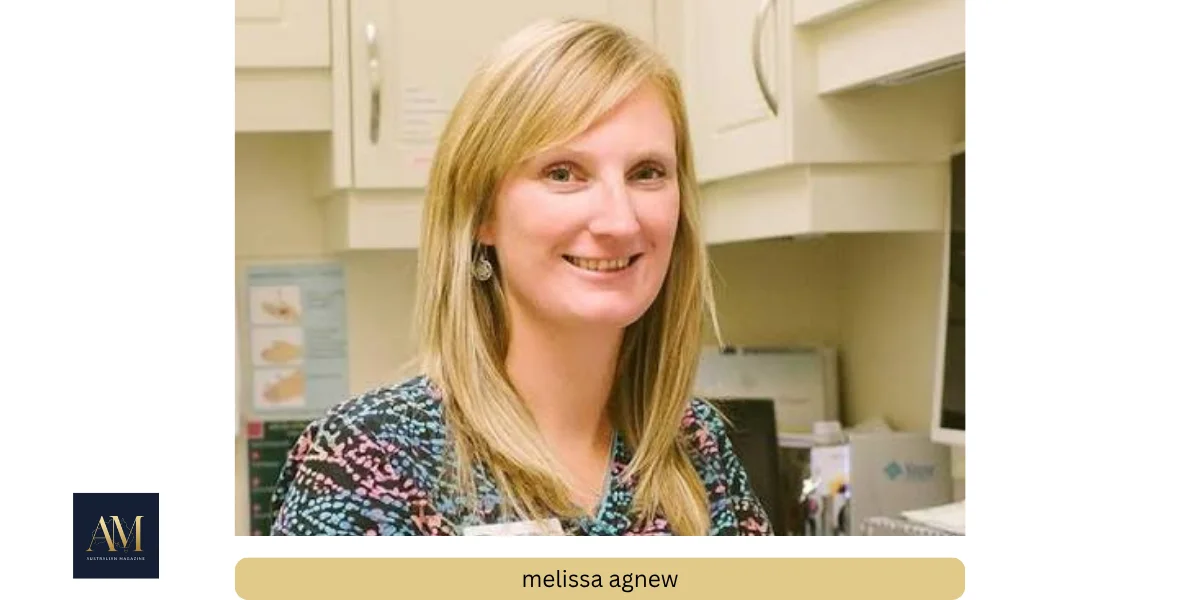
In the meticulously crafted world of film and television, the smallest details often make the biggest difference. Among these, dialogue and voice performance stand paramount. Melissa Agnew has built an impressive career as one of Australia’s most respected dialogue coaches, actresses, and media professionals. With more than two decades of experience, she has helped shape some of the most authentic screen performances while contributing significantly to media education and communication skills.
Having observed the evolution of screen acting and voice work for over thirty years, I can say with confidence that specialists like Melissa Agnew are the unsung heroes of quality productions. Her multifaceted expertise in dialogue coaching, performance, and writing offers valuable lessons for actors, directors, and communicators alike.
Early Career and Professional Foundation
Melissa Agnew entered the industry in the early 2000s, a time when Australian film and television were gaining increasing international recognition. Based in the vibrant production hubs of Sydney and Brisbane, she developed a specialised skill set that combines the performing arts with linguistic precision.
Her work as a dialogue coach quickly became her signature contribution. This demanding role requires a deep understanding of accents, rhythm, clarity, and emotional delivery. Agnew has earned a reputation for helping actors achieve natural, region-specific speech patterns that enhance character authenticity and audience immersion.
Her dual background as both a performer and coach gives her unique insight. She understands the pressures actors face on set and provides practical, supportive guidance that elevates performances without undermining creative instincts.
Notable Work in Film and Television
Melissa Agnew’s credits demonstrate her growing influence in both Australian and international productions:
- The Proposition (2005) – Dialogue Coach (Australia)
- The Pacific (2010) – Dialogue Coach for one episode
- Space/Time (2025) – Actress playing TV News Anchor
- Voice and dialogue consultant for numerous other Australian and international projects
These credits span major historical dramas and contemporary productions, showcasing her versatility. In historical pieces like The Proposition, her work ensured period-appropriate speech patterns while maintaining emotional truth. In modern projects, she focuses on regional Australian accents and clear communication that serves the story.
Her on-screen appearance in Space/Time (2025) as a TV News Anchor further highlights her range as an actor. Moving from behind-the-scenes coaching to on-camera roles demonstrates the confidence that comes with deep industry knowledge.
The Author and Media Educator
Beyond coaching, Melissa Agnew has established herself as a thoughtful writer and educator. Her book Here is the Australian News explores the landscape of Australian broadcasting, news presentation styles, and effective communication skills.
The work goes beyond surface-level analysis. It examines how news is crafted and delivered in Australia, the cultural nuances of Australian media voice, and practical techniques for clear, engaging presentation. This publication has become a valuable resource for journalism students, media professionals, and anyone interested in public communication.
Agnew also conducts regular media training and performance workshops. These sessions combine practical exercises with industry wisdom, helping participants develop confidence in their voice and presentation skills. Her teaching style is known for being both rigorous and encouraging — a balance that produces strong results.
The Art and Craft of Dialogue Coaching
What makes a great dialogue coach? From my decades of experience, several qualities stand out in Melissa Agnew’s approach:
- Deep linguistic knowledge — Understanding subtle differences in Australian regional accents and how they reflect character background.
- Emotional intelligence — Recognizing when an actor needs technical correction versus emotional support.
- Collaborative mindset — Working seamlessly with directors, actors, and sound teams.
- Continuous learning — staying up to date with evolving language trends and production techniques.
Common mistakes Agnew helps actors avoid include over-articulation that sounds unnatural, inconsistent accent work, and dialogue delivery that prioritises clarity over emotional truth. Her guidance often transforms good performances into memorable ones.
Bridging Performance, Coaching, and Writing
One of the most impressive aspects of Melissa Agnew’s career is her ability to integrate performing, coaching, and writing. This holistic approach enriches every area of her work. Her experience on stage and screen informs her coaching, while her writing deepens her understanding of communication dynamics.
This versatility is increasingly valuable in today’s media landscape, where professionals are expected to adapt across multiple roles. Agnew’s career serves as a strong example for emerging artists who want sustainable, multifaceted careers rather than narrow specialisation.
Current Work and Future Outlook (2026)
As of 2026, Melissa Agnew continues to be active across dialogue coaching, acting, and educational projects. Her expertise remains in high demand as Australian productions grow in scale and international co-productions become more common.
The future looks promising for specialists with her skill set. With streaming platforms demanding higher production values and authenticity, dialogue coaches who understand cultural nuances will play an even more critical role. Agnew is well-positioned to take on larger projects while continuing her valuable work in media education.
Her ongoing contributions to workshops and writing suggest she will remain a mentor figure for the next generation of Australian media professionals.
Conclusion: The Power of Voice and Authenticity
Melissa Agnew represents the gold standard of professional dedication in the Australian screen industry. Through her work as a dialogue coach, actress, author, and educator, she has helped elevate the quality of performances and deepened our understanding of effective communication.
Her career offers clear takeaways for anyone working with voice and performance: technical excellence matters, but it must always serve emotional truth and authentic storytelling. In an industry often focused on visuals, Agnew reminds us that the human voice remains one of the most powerful tools in storytelling.
As Australian film and television continue to gain global prominence, professionals like Melissa Agnew will play a vital role in ensuring our stories sound as genuine and compelling as they look. Her journey is a testament to the rewards of deep expertise, continuous growth, and generous knowledge-sharing.
For actors, directors, writers, or communicators looking to improve their craft, Agnew’s work provides both practical techniques and inspiring examples. In the end, it’s voices like hers — clear, authentic, and expertly guided — that help stories truly resonate.
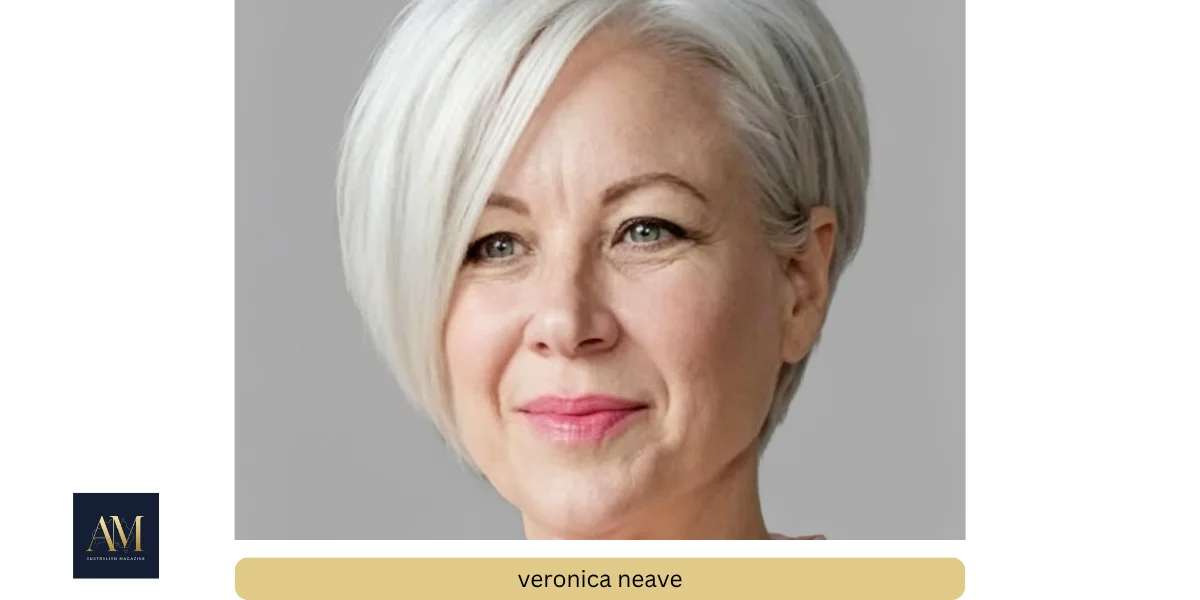
In the world of performing arts, few professionals achieve true versatility across stage, screen, writing, and education. Veronica Neave stands out as one of Australia’s most accomplished and multifaceted artists. With a career spanning more than four decades, she has seamlessly blended acting, directing, writing, and teaching, leaving a lasting impact on audiences and the next generation of creatives alike.
Having followed the Australian arts scene for over thirty years, I can confidently say that Veronica Neave exemplifies the complete artist — one who not only masters performance but also uses her platform to explore deeply personal and universal themes. Her journey offers inspiration for anyone passionate about creative expression and personal resilience.
Early Career and Theatrical Foundation
Veronica Neave’s professional journey began in the 1980s, a vibrant period for Australian theatre. She quickly established herself as a formidable stage presence, appearing in more than 50 major theatre productions. Her repertoire is impressively diverse, ranging from Shakespearean classics such as Macbeth and Romeo and Juliet to contemporary dramas and innovative physical theatre work with the renowned company Force Majeure.
What sets Neave apart is her commitment to depth and range. On stage, she has demonstrated exceptional skill in both classical text work and experimental physical performance. This foundation in theatre has informed all aspects of her career, giving her performances a richness and authenticity that resonates with audiences.
Her work as a director, choreographer, and dramaturg further showcases her artistic intelligence. These behind-the-scenes roles require not only creative vision but also strong leadership and collaborative skills — qualities Neave has honed over decades.
Screen Success and Memorable Roles
While theatre remains her artistic home, Veronica Neave has made significant contributions to Australian film and television. Her television breakthrough came with the popular children’s series Mortified (2006–2007), where she played the memorable character Loretta Flune across 26 episodes. The role showcased her ability to bring warmth and humour to family-oriented storytelling.
Her film and TV credits reflect impressive range:
- Girl Clock! (2010) – Lead role as Christine
- A Perfect Pairing (2022) – Diane
- Dive Club (2021) – Mayor Renee Volkov
- In Our Blood (2023) – Trish
- Earlier appearances in The Boys (1998), In Her Skin (2009), and Upright (2022)
These roles highlight Neave’s versatility — from dramatic intensity to lighter comedic touches. In an industry that often typecasts performers, her ability to move fluidly between genres is noteworthy and serves as a valuable lesson for emerging actors.
The Author and Advocate: Pieces of Me
Beyond performance, Veronica Neave has made a powerful mark as a writer. Her memoir Pieces of Me: Genetically Flawed – Surviving the Breast Cancer I May Never Have, published by Simon & Schuster Australia, stands as one of her most significant achievements.
The book chronicles her personal journey after testing positive for the BRCA2 gene mutation. Rather than presenting a purely clinical account, Neave explores the emotional, familial, and psychological dimensions of living with genetic risk. She delves into family history, difficult health choices, and the path to emotional resilience with honesty and insight.
This work beautifully bridges her artistic life with real-world advocacy. By sharing her story, she has helped raise awareness about genetic testing, preventive healthcare, and the importance of mental wellbeing when facing health uncertainties. For many readers, the book serves as both a source of information and a beacon of hope.
Educator and Arts Advocate
Throughout her career, Veronica Neave has maintained a strong commitment to education and mentorship. As a performing arts educator, she has guided countless students, sharing not only technical skills but also the wisdom gained from decades of professional experience.
Her approach to teaching emphasises holistic development — encouraging students to connect their personal experiences with their artistic work. In an era where the arts face funding challenges and shifting cultural landscapes, educators like Neave play a vital role in sustaining the industry’s future.
Lessons from a Remarkable Career
Veronica Neave’s trajectory offers several practical insights for artists and creatives:
- Versatility builds longevity. By developing skills across acting, directing, writing, and teaching, she has created a sustainable and fulfilling career.
- Personal story can be powerful art. Her memoir demonstrates how transforming private challenges into public work can create meaningful connection and impact.
- Continuous evolution matters. Rather than remaining static, Neave has consistently embraced new challenges across different mediums and roles.
- Balance is essential. Combining performance with advocacy and education prevents burnout and enriches artistic output.
A common mistake many artists make is focusing too narrowly on one area. Neave’s career proves that broadening one’s artistic identity often leads to greater opportunities and deeper satisfaction.
Current Status and Future Outlook
In 2026, Veronica Neave remains an active and respected figure in Australia’s arts community. She balances ongoing creative projects with her roles as educator and writer, maintaining the same dedication that has defined her work since the 1980s.
Looking ahead, her combination of experience, versatility, and willingness to tackle meaningful subjects positions her well for continued influence. Whether through new stage productions, screen roles, or further writing, audiences can expect work that is both artistically excellent and personally resonant.
Conclusion: A Lasting Legacy in Australian Arts
Veronica Neave represents the best of Australian artistic tradition — rigorous craft, emotional honesty, and a generous spirit of sharing knowledge. From Shakespearean stages to television screens and the pages of a deeply personal memoir, she has consistently delivered work of substance and heart.
Her story reminds us that true artistic success extends beyond applause and accolades. It lies in the lives touched, the conversations sparked, and the courage to share one’s truth. As she continues her journey, Veronica Neave stands as an inspiring example of what a lifelong commitment to the arts can achieve.
For aspiring performers, writers, and educators, her career offers both a roadmap and a source of encouragement: pursue excellence, embrace your full range of talents, and never underestimate the power of authentic storytelling.
Behind every film, television show, theatre production, and live event in Australia stands a large community of actors, performers, and entertainers. While their work brings stories to life, creates culture, and entertains audiences, the industry itself can be unpredictable, with varying pay rates, changing working conditions, and evolving challenges. For over a century, Actors Equity Australia has been the voice that stands between performers and those uncertainties.
As the professional union representing artists across the country, it exists not just to negotiate contracts, but to ensure that creative work is treated with respect, fairness, and legal protection. Operating as a section within the Media, Entertainment & Arts Alliance (MEAA), it has grown into one of the most influential bodies in the Australian arts sector. This article explores its history, core functions, its focus in 2026, and why membership matters for anyone building a career in performance.
History and Role of Actors Equity
Actors Equity Australia traces its roots back to the early 20th century, a time when performers often faced long hours, low pay, and little security or protection. The union was formed to address these gaps — to bring order, fairness, and accountability to an industry that was still finding its footing. Over the decades, it has evolved alongside the profession, adapting to new technologies, new media formats, and new ways of working.
Today, its role is clear and multi‑faceted:
Collective Bargaining: It negotiates industry‑wide agreements with production companies, broadcasters, and theatre managements to set minimum rates of pay, working hours, travel allowances, and rest periods.
Legal Protection: It offers members access to legal advice, representation, and contract reviews, ensuring they are not taken advantage of in agreements.
Advocacy: It speaks on behalf of performers to governments, regulators, and industry bodies, pushing for policies that support the arts and protect creative workers.
Community and Support: It connects members, shares industry information, and provides a support network during times of change or difficulty.
In short, Actors Equity serves as both a shield and a platform — protecting performers while also helping them build sustainable careers.
Key Achievements Over the Years
Looking back at its history, the union’s impact is visible in nearly every aspect of the modern Australian entertainment industry. Many of the standards we take for granted today were hard‑won through its efforts.
Some of its most significant achievements include:
Establishing Minimum Rates: Before these agreements existed, pay could vary wildly from one production to another. Actors Equity introduced clear, consistent minimums that ensure even entry‑level performers receive fair compensation.
Improving Working Conditions: It has secured rules on set safety, adequate rest breaks, limits on working hours, and proper accommodation and travel provisions. This has reduced the risk of injury and burnout.
Protecting Australian Content: It has consistently campaigned to ensure local stories and talent remain central to Australian screens and stages, supporting quotas and funding for domestic productions.
Fair Treatment in New Media: As streaming services and digital platforms emerged, the union worked to extend protections and fair payment structures to these new areas, ensuring performers are not left behind as technology changes.
These wins demonstrate a core principle: that a strong industry depends on a strong, supported workforce.
Current Campaigns and Focus Areas (2026)
By 2026, the entertainment landscape looks very different from what it did even a decade ago. Streaming services dominate viewing habits, artificial intelligence is changing how content is created, and the industry is still adjusting to shifts that began during the global pandemic. Actors Equity Australia is actively addressing these changes with clear priorities.
Fair Pay and Streaming Rights
One of the biggest ongoing challenges is ensuring that performers receive fair remuneration when their work appears on international streaming platforms. Unlike traditional television, where royalties and residuals are well‑defined, streaming models have often been less transparent. The union is currently negotiating to establish clearer payment structures, ensuring that success on global platforms translates into fair earnings for the actors involved.
Safety and Wellbeing
Workplace safety remains a top concern. This includes physical safety on sets and stages, as well as mental health support. The union has pushed for stronger policies to prevent harassment, bullying, and unsafe working practices, and in 2026 it continues to update guidelines to reflect best practices in all areas of production.
Artificial Intelligence and Digital Rights
As AI technology advances, new questions have emerged about how performers’ likenesses, voices, and performances can be used. Actors Equity is leading discussions to establish legal boundaries and fair compensation for the use of digital replicas or recordings beyond their original purpose. This is one of the most important issues facing performers today, and the union is working to ensure rights are protected before practices become standard.
Diversity and Inclusion
The union also advocates for greater representation across all areas of the industry — including gender, cultural background, age, and ability. It supports initiatives that ensure opportunities are open to all, and that the stories told on Australian screens and stages reflect the full diversity of the nation.
How It Supports Members
For those who join, Actors Equity offers more than just representation in negotiations. It provides a comprehensive support system designed to make a career in performance more stable and less stressful.
Key benefits include:
Contract Review: Professional advice to ensure any agreement is fair, legal, and in the member’s best interest.
Legal Assistance: Access to legal experts who understand the specific issues facing performers.
Insurance and Financial Protection: Members often have access to income protection, public liability insurance, and other coverage that can be difficult to secure individually.
Industry Updates and Resources: Regular updates on upcoming projects, regulatory changes, and opportunities for professional development.
Collective Strength: Perhaps the most valuable benefit is the power of belonging to a group. When individuals speak alone, their voices can be ignored; when they speak together through their union, they can effect real change.
How to Join
Membership in Actors Equity Australia is open to professional performers working across film, television, theatre, radio, commercials, and live events. There are different membership categories to suit different stages of a career — from those just starting to established professionals.
The process is straightforward:
Check Eligibility: Applicants usually need to provide evidence of professional work, such as contracts, credits, or letters of engagement.
Submit Application: Applications are processed through the MEAA website, which oversees Actors Equity.
Pay Fees: Membership fees are structured to be affordable and are often tax‑deductible as a professional expense.
A common mistake new performers make is waiting until they encounter a problem before joining. The best time to become a member is at the start of your career, so you have protection and support from day one.
Conclusion
Actors Equity Australia stands as a vital pillar of the Australian entertainment industry. For more than a century, it has turned the challenges of working in a creative field into standards of fairness, safety, and respect. It has evolved from a small group of concerned artists into a strong, forward‑looking organisation that guides the industry through every new era.
In 2026, as the industry faces new questions around technology, distribution, and rights, the role of the union is more important than ever. Whether you are an established actor, a rising talent, or someone interested in how the business of performance works, Actors Equity Australia represents the principle that creative work deserves fair treatment, and that every performer deserves the chance to build a secure and fulfilling career.
Melissa Agnew: Mastering the Art of Authentic Voice in Australian Media
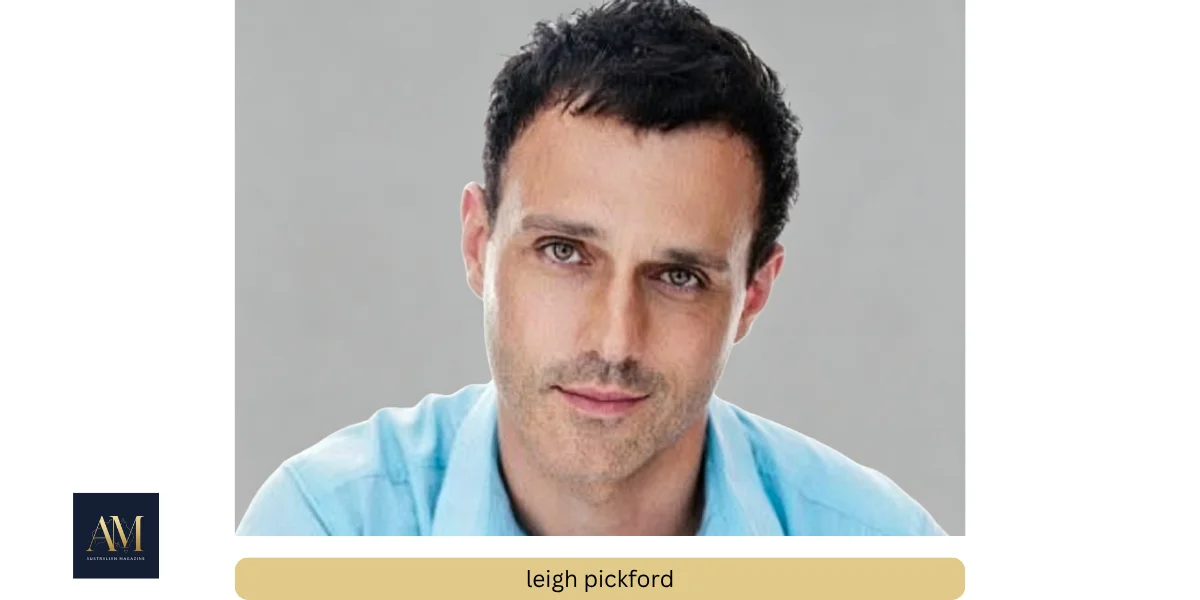
Leigh Pickford: A Story of Strength and Resilience in the Public Eye
Veronica Neave: A Multifaceted Force in Australian Arts
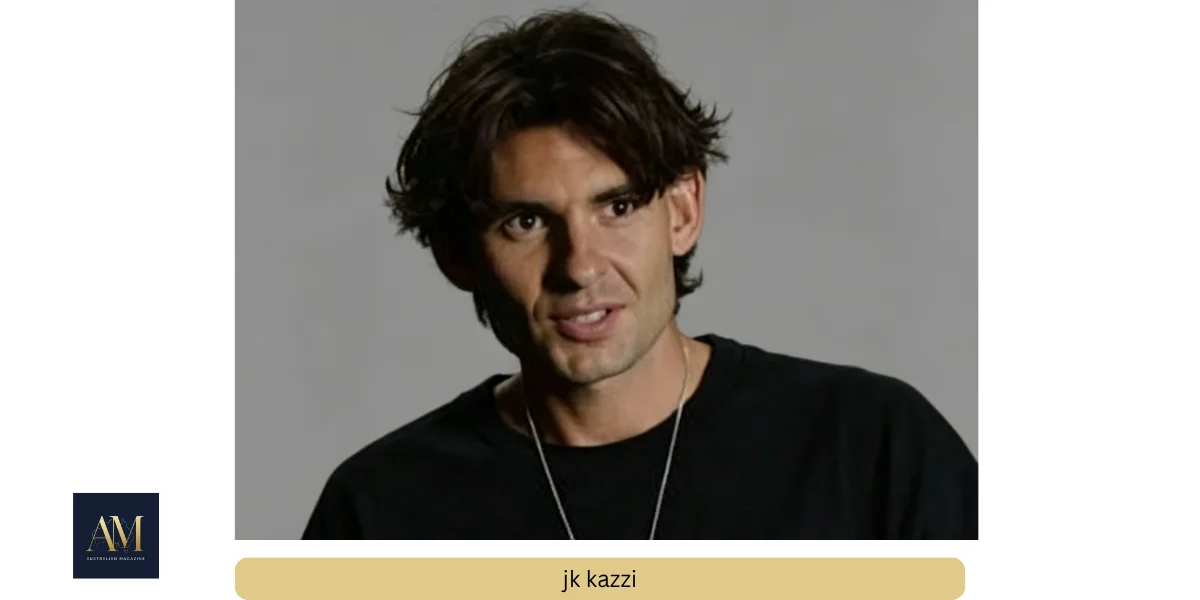
JK Kazzi: The Charismatic Voice of a New Generation of Cultural Influencers
Actors Equity Australia: Protecting and Empowering Performers
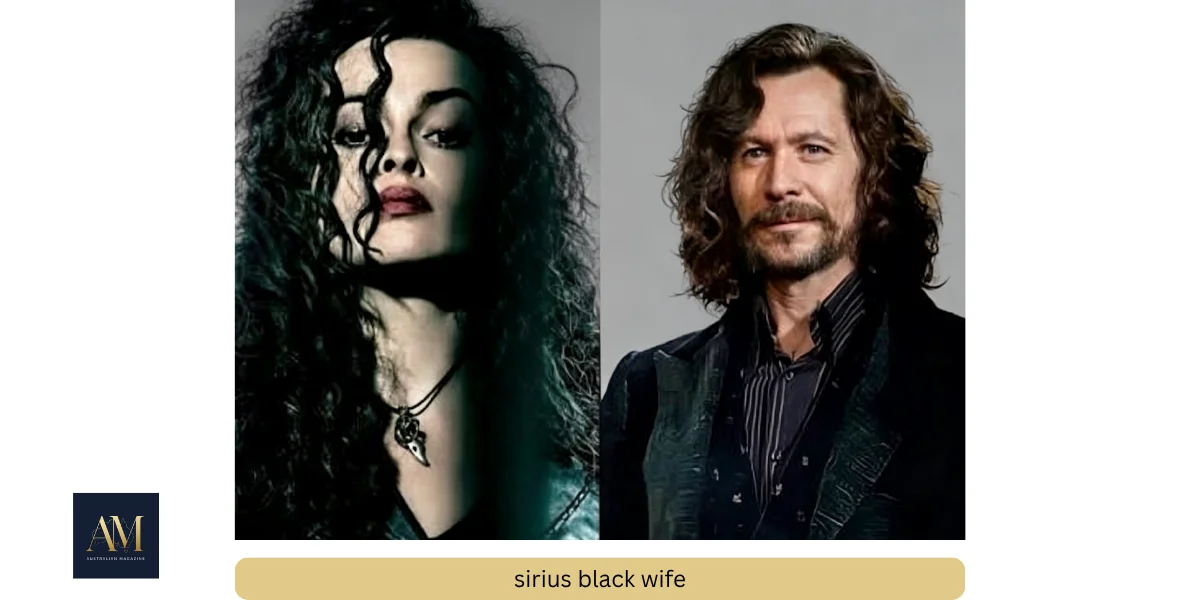
The Enigma of Sirius Black: Exploring the Canonical Truth and the Quest for a Wife
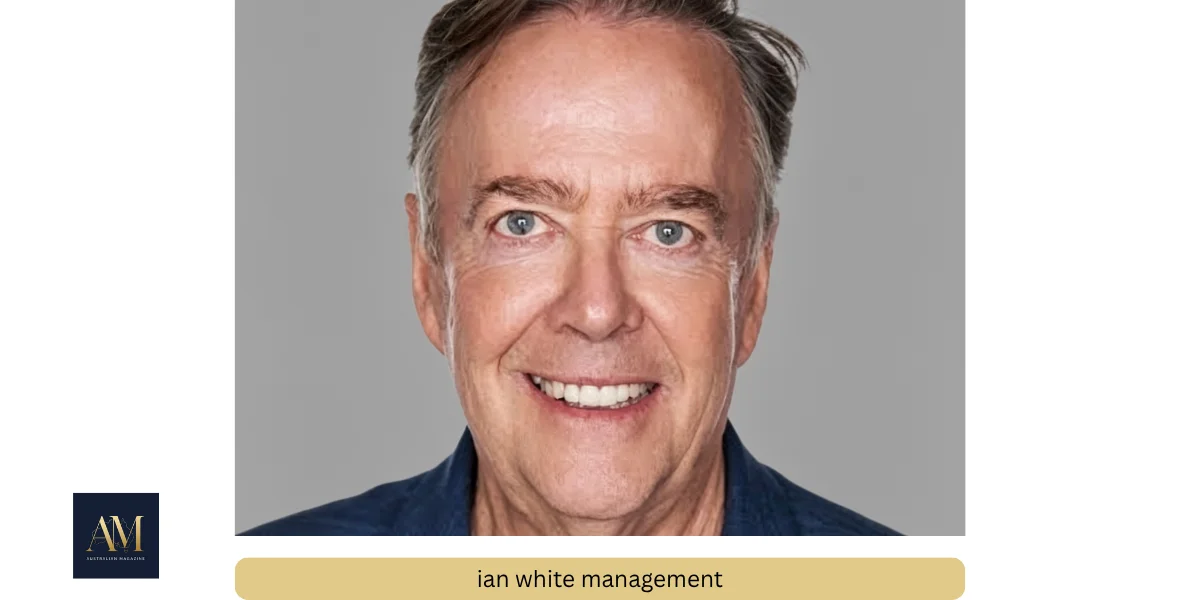
Ian White Management: Guiding Athletes to Success
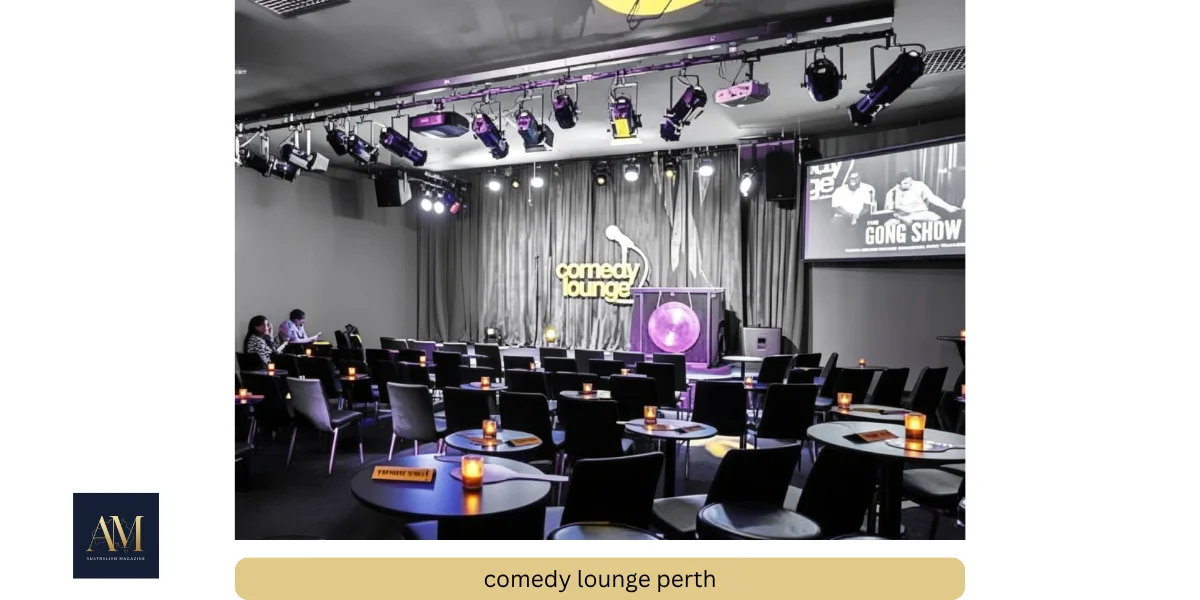
Comedy Lounge Perth: Where Laughter Comes to Life
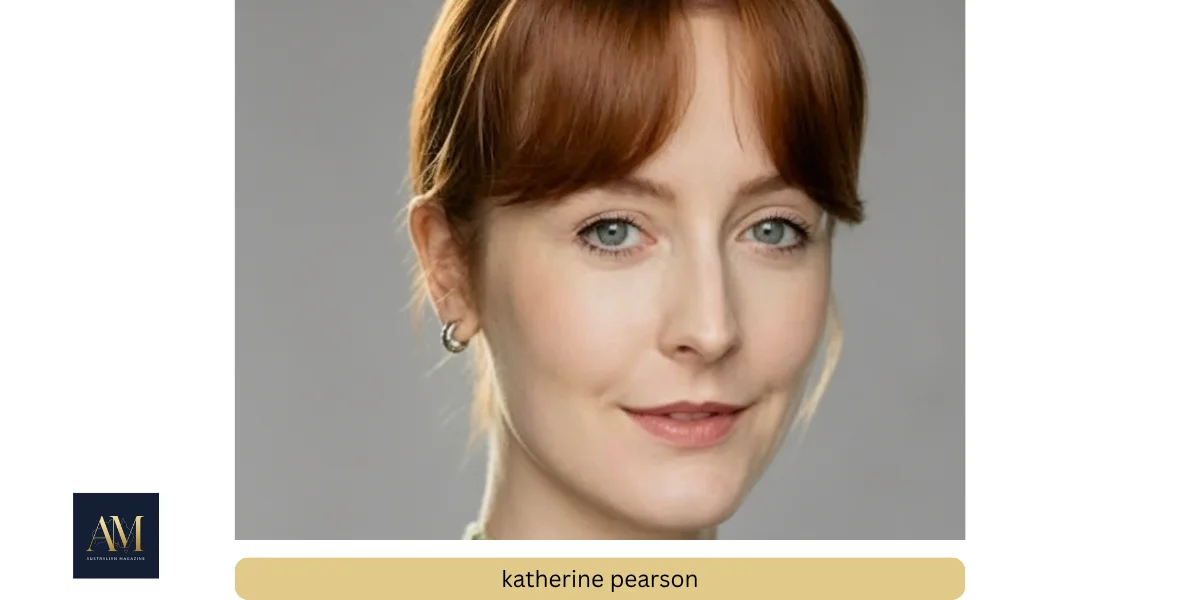
Katherine Pearson: Strength, Resilience and Life Beyond the Headlines
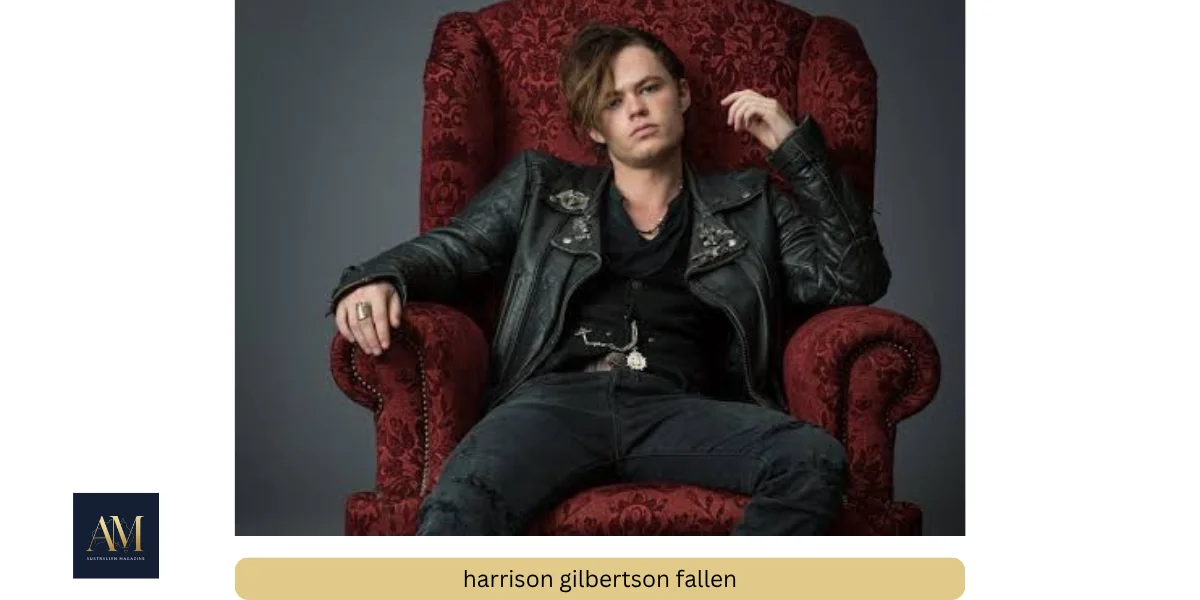
Harrison Gilbertson in Fallen: Bringing a Fallen Angel to Life
-
 Celebrity11 months ago
Richard Zachariah – The Story of a Gentleman Journalist
-
 Lifestyle5 months ago
Top Fashion Trends Australia 2026: What Australians Are Wearing Now
-
 Lifestyle5 months ago
Spring 2026 Fashion Trends: The Complete Style Guide
-
 Lifestyle12 months ago
Matt Moran Liberal-From Service to Leadership in Western Australia
-
 News10 months ago
Beau Lamarre-Condon – Inside the Case, the Charges, and the Court Timeline
-
 News11 months ago
Samuel William Davidson – The Oatlands Tragedy, Sentence & the Power of Forgiveness
-
 Entertainment12 months ago
The Unstoppable Rhea Ripley-WWE’s Australian Phenomenon
-
 Entertainment5 months ago
How Australian Players Are Choosing Their Online Casino in 2026
Pingback: NRL Grand Final 2025-Storm vs Broncos Ignite Sydney in an Epic Showdown