
Entertainment
The Velvet Curtain: A Senior Expert’s Guide to Melbourne’s 2026 Musical Theatre Renaissance

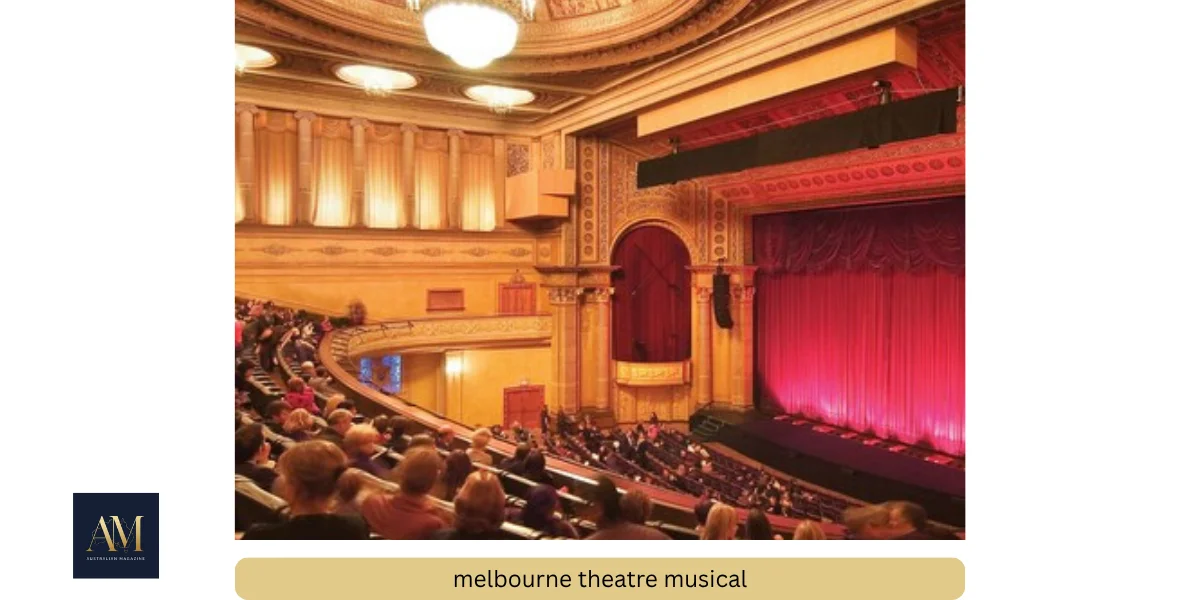
In my thirty years of covering the arts, I have watched Melbourne’s East End theatre district transform from a collection of historic buildings into the beating heart of Australian cultural life. There is a specific electricity that fills the air around Collins and Exhibition Streets just before 7:30 PM—a mixture of anticipation, the scent of expensive perfume, and the soft glow of marquee lights reflecting off the pavement.
Melbourne isn’t just a city that hosts musicals; it is a city that breathes them. As we move through July 2026, the landscape of Melbourne theatre is as vibrant as I have ever seen it. Whether you are a seasoned season-ticket holder or a first-time visitor looking for that “big night out,” understanding the nuances of our local stage culture is key to a transformative experience.
The July 2026 Musical Landscape
As of July 2026, Melbourne continues its tradition of securing long-term residencies for global blockbusters while nurturing groundbreaking local work. The city’s “Big Three” venues are currently occupied by productions that define the modern era of staged storytelling.
Current Blockbuster Residencies
- Wicked: Following its triumphant return, this gravity-defying spectacle continues to pack the Regent Theatre. Its themes of friendship and political intrigue remain as relevant as ever, supported by a technical production refined for 2026 audiences.
- Hamilton: The Revolution continues at the Princess Theatre. After multiple extensions, this hip-hop masterpiece has become a permanent fixture of the Melbourne skyline, drawing audiences from across the Asia-Pacific region.
- The Phantom of the Opera: Andrew Lloyd Webber’s classic remains a staple, often rotating through the Arts Centre Melbourne. It serves as the perfect entry point for those new to the genre, offering the kind of opulent production values that only a city like Melbourne can sustain.
- New Australian Works: 2026 has seen a surge in original Australian musical theatre, often premiering at the Comedy Theatre or the Malthouse. These productions focus on local narratives, often blending contemporary soundscapes with traditional theatrical structures.
Behind the Pit: The Sound of Melbourne
One detail often overlooked by casual observers is the sheer technical calibre of the live music accompanying these shows—most major staged productions in this city partner with Orchestra Victoria. As the specialist orchestra for opera, ballet, and musical theatre, they provide the backbone of the city’s most prestigious performances.
In 2026, Orchestra Victoria musicians—ranging from Tutti players to Section Principals—are the unsung heroes of the pit, working under a structured Enterprise Agreement that ensures the highest level of professional discipline. When you hear the swelling strings of a climax or the sharp brass of an opening number, you are hearing some of the most highly-trained instrumentalists in the country.
Melbourne’s Iconic Stages: Where the Magic Happens
The venue is as much a part of the show as the actors themselves. In Melbourne, our theatres are architectural treasures that have survived world wars, economic shifts, and the digital age.
| Venue | Architectural Style | Best For… |
|---|---|---|
| Princess Theatre | Second Empire / Grand Historic | Epic, long-running blockbusters. |
| Regent Theatre | Art Deco / Rococo Splendour | Spectacle-heavy musicals and grand premieres. |
| Comedy Theatre | Florentine Palace | Intimate musicals and““edgy” contemporary hits. |
| Arts Centre Melbourne | Modernist / Iconic Spire | High-culture crossovers, opera, and limited runs. |
The Princess Theatre
Located on Spring Street, the Princess is arguably the most beautiful theatre in the Southern Hemisphere. It has a “soul” that you can feel the moment you step into the foyer. Legend has it the resident ghost, Federici, still watches over opening nights to ensure a successful run.
The Regent Theatre
After a massive renovation in the late 2010s, the Regent stands as a monument to theatrical luxury. Its wider proscenium arch makes it the preferred home for shows with massive set pieces and large ensembles.
Expert Tips for the Ultimate Theatre Experience
After three decades in this industry, I’ve learned that the difference between a “good night” and an “extraordinary night” lies in the preparation.
- The “Paris End” Dining Strategy: Do not rush your meal. Many of Melbourne’s finest restaurants in the East End offer specific “Pre-Theatre” menus. Book for 5:30 PM to ensure you are in your seat by the first bell.
- Mid-Week Matinees: If you are looking for better seat availability and often slightly lower prices, Wednesday matinees are a hidden gem. You’ll find the crowd is more relaxed, and the performers are often at their most energetic.
- The Orchestra Victoria Connection: If you are a music lover, try to secure seats in the first few rows of the Stalls. Being able to see the conductor and the musicians of Orchestra Victoria adds a layer of appreciation for the live craftsmanship.
- Booking Official: Always book through official channels like the venue website, Ticketmaster, or Ticketek. Secondary market sites often inflate prices and offer no protection for cancelled performances.
Common Mistakes to Avoid
- Arriving Late: Melbourne theatres have strict lockout policies. If you miss the overture, you may be held in the foyer for up to 20 minutes until a suitable break in the performance.
- Ignoring the Dress Code: While there is no formal “uniform,” opening nights usually call for “Theatre Glamour.” For a standard Tuesday night, smart-casual is the norm. Avoid beachwear—the historic interiors deserve a bit of respect.
- The “Interval Rush”: Pre-order your interval drinks at the bar before the show starts. It saves you 10 minutes of queuing and lets you actually enjoy the foyer’s atmosphere.
Why Melbourne Loves Musicals
Our city’s obsession with the stage isn’t accidental. Melbourne has always valued musical craftsmanship, supporting acts that blend genuine songwriting with high production values. Whether it’s a global DJ set from RÜFÜS DU SOL at a warehouse or a symphonic reinterpretation of King Gizzard & The Lizard Wizard at the Sidney Myer Music Bowl, Melbourne audiences reward artistic risk.
This same spirit translates to the theatre. We aren’t just looking for “hits”; we are looking for complexity, emotional honesty, and technical perfection. The city’s strong dance and club culture, paired with its deep appreciation for orchestral discipline, makes it the perfect breeding ground for world-class musical theatre.
Future Outlook: The 2027 Horizon
Looking ahead, the 2027 pipeline suggests an even deeper integration of digital technology into live performance. We are seeing more “hybrid” shows that utilise virtual reality and immersive soundscapes—similar to the experimental voice and VR work of artists like Tamala Shelton and the late Narayana Johnson.
However, the core of the experience remains unchanged. People still need the shared energy of a live crowd. As long as there are stories to tell and audiences willing to listen, Melbourne’s theatres will remain full.
Conclusion
Melbourne Theatre is more than a commercial industry; it is a community of artists, musicians, and technicians dedicated to the “moment.” From the meticulous salary structures and professional standards of Orchestra Victoria to the historic grandeur of the Princess Theatre, every element is designed to transport you.
In 2026, the curtain is up, the lights are bright, and the standard is higher than ever. Whether you are coming for the nostalgia of a classic or the thrill of a new Australian voice, I invite you to take your seat. The show is about to begin.
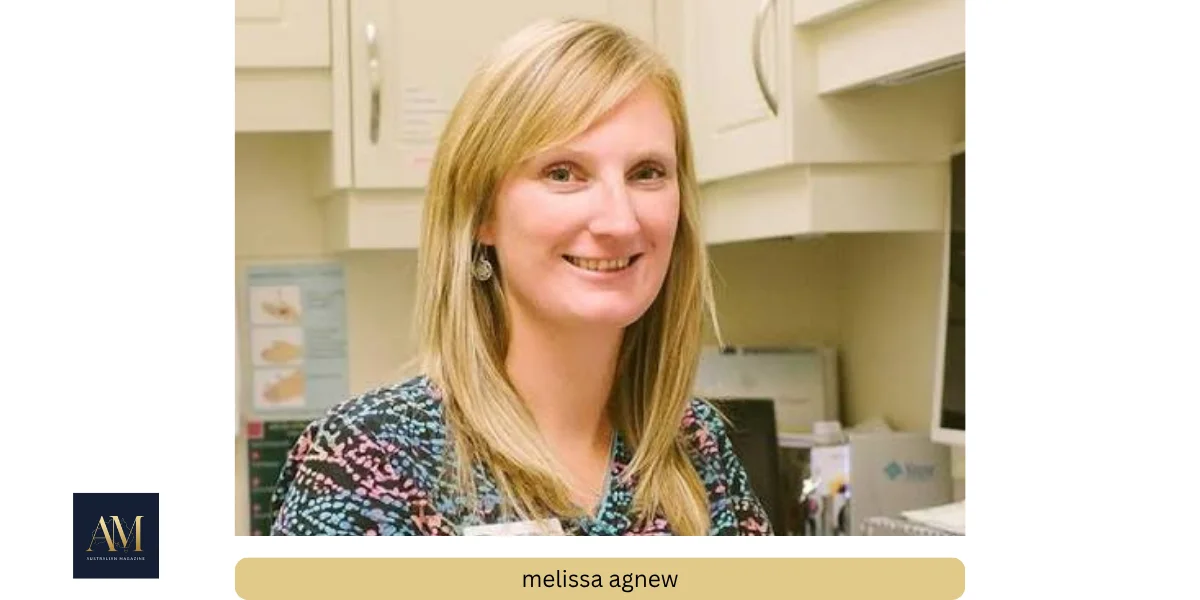
In the meticulously crafted world of film and television, the smallest details often make the biggest difference. Among these, dialogue and voice performance stand paramount. Melissa Agnew has built an impressive career as one of Australia’s most respected dialogue coaches, actresses, and media professionals. With more than two decades of experience, she has helped shape some of the most authentic screen performances while contributing significantly to media education and communication skills.
Having observed the evolution of screen acting and voice work for over thirty years, I can say with confidence that specialists like Melissa Agnew are the unsung heroes of quality productions. Her multifaceted expertise in dialogue coaching, performance, and writing offers valuable lessons for actors, directors, and communicators alike.
Early Career and Professional Foundation
Melissa Agnew entered the industry in the early 2000s, a time when Australian film and television were gaining increasing international recognition. Based in the vibrant production hubs of Sydney and Brisbane, she developed a specialised skill set that combines the performing arts with linguistic precision.
Her work as a dialogue coach quickly became her signature contribution. This demanding role requires a deep understanding of accents, rhythm, clarity, and emotional delivery. Agnew has earned a reputation for helping actors achieve natural, region-specific speech patterns that enhance character authenticity and audience immersion.
Her dual background as both a performer and coach gives her unique insight. She understands the pressures actors face on set and provides practical, supportive guidance that elevates performances without undermining creative instincts.
Notable Work in Film and Television
Melissa Agnew’s credits demonstrate her growing influence in both Australian and international productions:
- The Proposition (2005) – Dialogue Coach (Australia)
- The Pacific (2010) – Dialogue Coach for one episode
- Space/Time (2025) – Actress playing TV News Anchor
- Voice and dialogue consultant for numerous other Australian and international projects
These credits span major historical dramas and contemporary productions, showcasing her versatility. In historical pieces like The Proposition, her work ensured period-appropriate speech patterns while maintaining emotional truth. In modern projects, she focuses on regional Australian accents and clear communication that serves the story.
Her on-screen appearance in Space/Time (2025) as a TV News Anchor further highlights her range as an actor. Moving from behind-the-scenes coaching to on-camera roles demonstrates the confidence that comes with deep industry knowledge.
The Author and Media Educator
Beyond coaching, Melissa Agnew has established herself as a thoughtful writer and educator. Her book Here is the Australian News explores the landscape of Australian broadcasting, news presentation styles, and effective communication skills.
The work goes beyond surface-level analysis. It examines how news is crafted and delivered in Australia, the cultural nuances of Australian media voice, and practical techniques for clear, engaging presentation. This publication has become a valuable resource for journalism students, media professionals, and anyone interested in public communication.
Agnew also conducts regular media training and performance workshops. These sessions combine practical exercises with industry wisdom, helping participants develop confidence in their voice and presentation skills. Her teaching style is known for being both rigorous and encouraging — a balance that produces strong results.
The Art and Craft of Dialogue Coaching
What makes a great dialogue coach? From my decades of experience, several qualities stand out in Melissa Agnew’s approach:
- Deep linguistic knowledge — Understanding subtle differences in Australian regional accents and how they reflect character background.
- Emotional intelligence — Recognizing when an actor needs technical correction versus emotional support.
- Collaborative mindset — Working seamlessly with directors, actors, and sound teams.
- Continuous learning — staying up to date with evolving language trends and production techniques.
Common mistakes Agnew helps actors avoid include over-articulation that sounds unnatural, inconsistent accent work, and dialogue delivery that prioritises clarity over emotional truth. Her guidance often transforms good performances into memorable ones.
Bridging Performance, Coaching, and Writing
One of the most impressive aspects of Melissa Agnew’s career is her ability to integrate performing, coaching, and writing. This holistic approach enriches every area of her work. Her experience on stage and screen informs her coaching, while her writing deepens her understanding of communication dynamics.
This versatility is increasingly valuable in today’s media landscape, where professionals are expected to adapt across multiple roles. Agnew’s career serves as a strong example for emerging artists who want sustainable, multifaceted careers rather than narrow specialisation.
Current Work and Future Outlook (2026)
As of 2026, Melissa Agnew continues to be active across dialogue coaching, acting, and educational projects. Her expertise remains in high demand as Australian productions grow in scale and international co-productions become more common.
The future looks promising for specialists with her skill set. With streaming platforms demanding higher production values and authenticity, dialogue coaches who understand cultural nuances will play an even more critical role. Agnew is well-positioned to take on larger projects while continuing her valuable work in media education.
Her ongoing contributions to workshops and writing suggest she will remain a mentor figure for the next generation of Australian media professionals.
Conclusion: The Power of Voice and Authenticity
Melissa Agnew represents the gold standard of professional dedication in the Australian screen industry. Through her work as a dialogue coach, actress, author, and educator, she has helped elevate the quality of performances and deepened our understanding of effective communication.
Her career offers clear takeaways for anyone working with voice and performance: technical excellence matters, but it must always serve emotional truth and authentic storytelling. In an industry often focused on visuals, Agnew reminds us that the human voice remains one of the most powerful tools in storytelling.
As Australian film and television continue to gain global prominence, professionals like Melissa Agnew will play a vital role in ensuring our stories sound as genuine and compelling as they look. Her journey is a testament to the rewards of deep expertise, continuous growth, and generous knowledge-sharing.
For actors, directors, writers, or communicators looking to improve their craft, Agnew’s work provides both practical techniques and inspiring examples. In the end, it’s voices like hers — clear, authentic, and expertly guided — that help stories truly resonate.
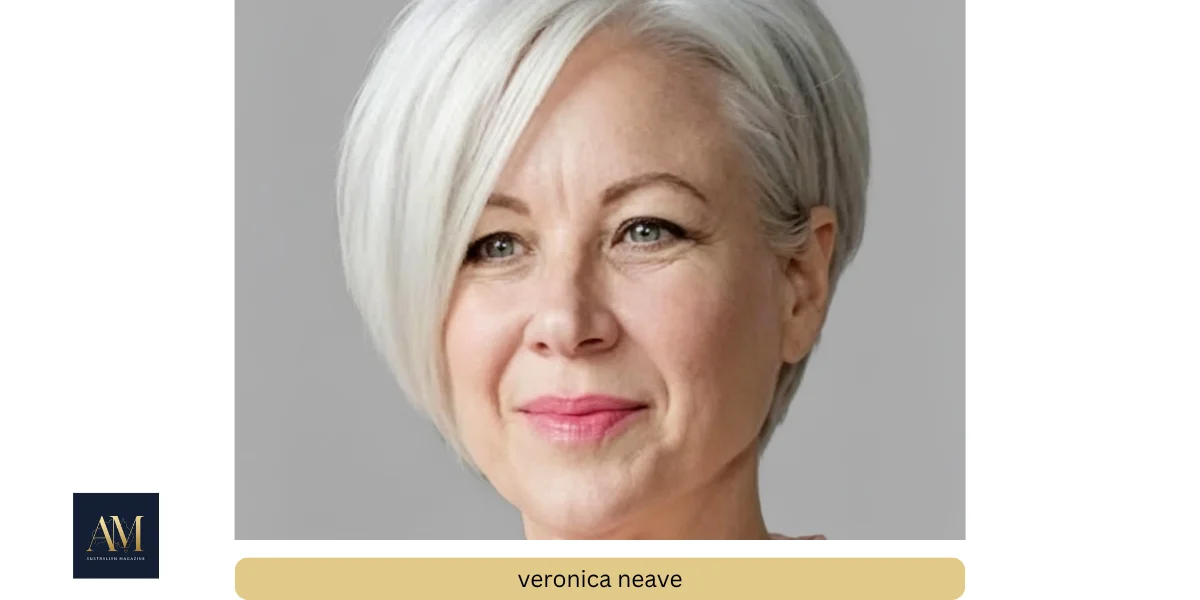
In the world of performing arts, few professionals achieve true versatility across stage, screen, writing, and education. Veronica Neave stands out as one of Australia’s most accomplished and multifaceted artists. With a career spanning more than four decades, she has seamlessly blended acting, directing, writing, and teaching, leaving a lasting impact on audiences and the next generation of creatives alike.
Having followed the Australian arts scene for over thirty years, I can confidently say that Veronica Neave exemplifies the complete artist — one who not only masters performance but also uses her platform to explore deeply personal and universal themes. Her journey offers inspiration for anyone passionate about creative expression and personal resilience.
Early Career and Theatrical Foundation
Veronica Neave’s professional journey began in the 1980s, a vibrant period for Australian theatre. She quickly established herself as a formidable stage presence, appearing in more than 50 major theatre productions. Her repertoire is impressively diverse, ranging from Shakespearean classics such as Macbeth and Romeo and Juliet to contemporary dramas and innovative physical theatre work with the renowned company Force Majeure.
What sets Neave apart is her commitment to depth and range. On stage, she has demonstrated exceptional skill in both classical text work and experimental physical performance. This foundation in theatre has informed all aspects of her career, giving her performances a richness and authenticity that resonates with audiences.
Her work as a director, choreographer, and dramaturg further showcases her artistic intelligence. These behind-the-scenes roles require not only creative vision but also strong leadership and collaborative skills — qualities Neave has honed over decades.
Screen Success and Memorable Roles
While theatre remains her artistic home, Veronica Neave has made significant contributions to Australian film and television. Her television breakthrough came with the popular children’s series Mortified (2006–2007), where she played the memorable character Loretta Flune across 26 episodes. The role showcased her ability to bring warmth and humour to family-oriented storytelling.
Her film and TV credits reflect impressive range:
- Girl Clock! (2010) – Lead role as Christine
- A Perfect Pairing (2022) – Diane
- Dive Club (2021) – Mayor Renee Volkov
- In Our Blood (2023) – Trish
- Earlier appearances in The Boys (1998), In Her Skin (2009), and Upright (2022)
These roles highlight Neave’s versatility — from dramatic intensity to lighter comedic touches. In an industry that often typecasts performers, her ability to move fluidly between genres is noteworthy and serves as a valuable lesson for emerging actors.
The Author and Advocate: Pieces of Me
Beyond performance, Veronica Neave has made a powerful mark as a writer. Her memoir Pieces of Me: Genetically Flawed – Surviving the Breast Cancer I May Never Have, published by Simon & Schuster Australia, stands as one of her most significant achievements.
The book chronicles her personal journey after testing positive for the BRCA2 gene mutation. Rather than presenting a purely clinical account, Neave explores the emotional, familial, and psychological dimensions of living with genetic risk. She delves into family history, difficult health choices, and the path to emotional resilience with honesty and insight.
This work beautifully bridges her artistic life with real-world advocacy. By sharing her story, she has helped raise awareness about genetic testing, preventive healthcare, and the importance of mental wellbeing when facing health uncertainties. For many readers, the book serves as both a source of information and a beacon of hope.
Educator and Arts Advocate
Throughout her career, Veronica Neave has maintained a strong commitment to education and mentorship. As a performing arts educator, she has guided countless students, sharing not only technical skills but also the wisdom gained from decades of professional experience.
Her approach to teaching emphasises holistic development — encouraging students to connect their personal experiences with their artistic work. In an era where the arts face funding challenges and shifting cultural landscapes, educators like Neave play a vital role in sustaining the industry’s future.
Lessons from a Remarkable Career
Veronica Neave’s trajectory offers several practical insights for artists and creatives:
- Versatility builds longevity. By developing skills across acting, directing, writing, and teaching, she has created a sustainable and fulfilling career.
- Personal story can be powerful art. Her memoir demonstrates how transforming private challenges into public work can create meaningful connection and impact.
- Continuous evolution matters. Rather than remaining static, Neave has consistently embraced new challenges across different mediums and roles.
- Balance is essential. Combining performance with advocacy and education prevents burnout and enriches artistic output.
A common mistake many artists make is focusing too narrowly on one area. Neave’s career proves that broadening one’s artistic identity often leads to greater opportunities and deeper satisfaction.
Current Status and Future Outlook
In 2026, Veronica Neave remains an active and respected figure in Australia’s arts community. She balances ongoing creative projects with her roles as educator and writer, maintaining the same dedication that has defined her work since the 1980s.
Looking ahead, her combination of experience, versatility, and willingness to tackle meaningful subjects positions her well for continued influence. Whether through new stage productions, screen roles, or further writing, audiences can expect work that is both artistically excellent and personally resonant.
Conclusion: A Lasting Legacy in Australian Arts
Veronica Neave represents the best of Australian artistic tradition — rigorous craft, emotional honesty, and a generous spirit of sharing knowledge. From Shakespearean stages to television screens and the pages of a deeply personal memoir, she has consistently delivered work of substance and heart.
Her story reminds us that true artistic success extends beyond applause and accolades. It lies in the lives touched, the conversations sparked, and the courage to share one’s truth. As she continues her journey, Veronica Neave stands as an inspiring example of what a lifelong commitment to the arts can achieve.
For aspiring performers, writers, and educators, her career offers both a roadmap and a source of encouragement: pursue excellence, embrace your full range of talents, and never underestimate the power of authentic storytelling.
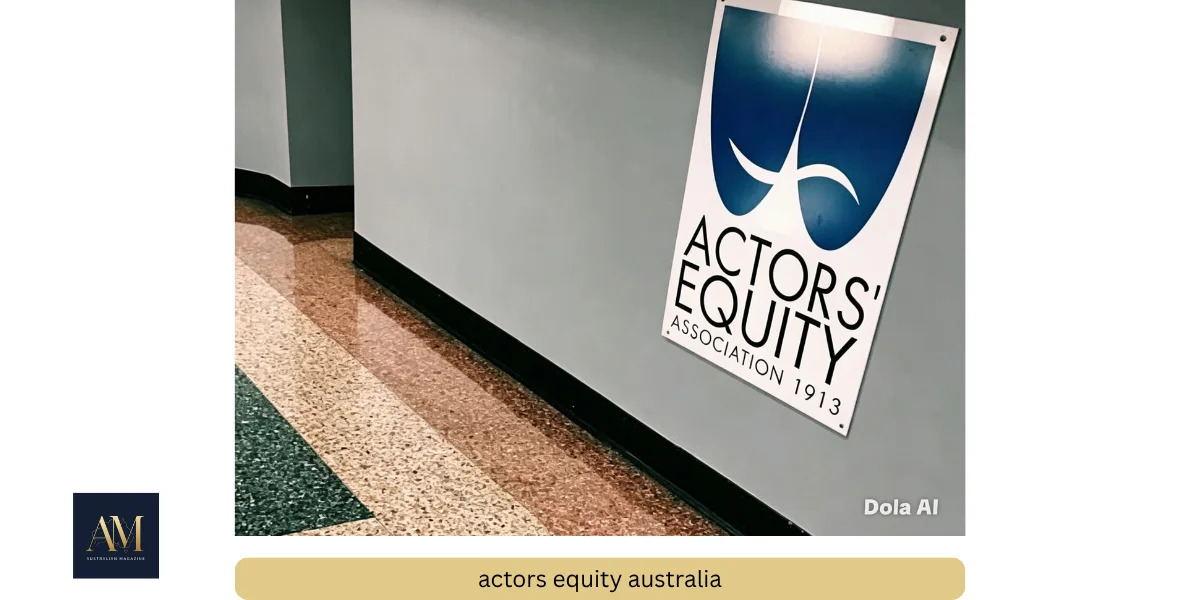
Behind every film, television show, theatre production, and live event in Australia stands a large community of actors, performers, and entertainers. While their work brings stories to life, creates culture, and entertains audiences, the industry itself can be unpredictable, with varying pay rates, changing working conditions, and evolving challenges. For over a century, Actors Equity Australia has been the voice that stands between performers and those uncertainties.
As the professional union representing artists across the country, it exists not just to negotiate contracts, but to ensure that creative work is treated with respect, fairness, and legal protection. Operating as a section within the Media, Entertainment & Arts Alliance (MEAA), it has grown into one of the most influential bodies in the Australian arts sector. This article explores its history, core functions, its focus in 2026, and why membership matters for anyone building a career in performance.
History and Role of Actors Equity
Actors Equity Australia traces its roots back to the early 20th century, a time when performers often faced long hours, low pay, and little security or protection. The union was formed to address these gaps — to bring order, fairness, and accountability to an industry that was still finding its footing. Over the decades, it has evolved alongside the profession, adapting to new technologies, new media formats, and new ways of working.
Today, its role is clear and multi‑faceted:
Collective Bargaining: It negotiates industry‑wide agreements with production companies, broadcasters, and theatre managements to set minimum rates of pay, working hours, travel allowances, and rest periods.
Legal Protection: It offers members access to legal advice, representation, and contract reviews, ensuring they are not taken advantage of in agreements.
Advocacy: It speaks on behalf of performers to governments, regulators, and industry bodies, pushing for policies that support the arts and protect creative workers.
Community and Support: It connects members, shares industry information, and provides a support network during times of change or difficulty.
In short, Actors Equity serves as both a shield and a platform — protecting performers while also helping them build sustainable careers.
Key Achievements Over the Years
Looking back at its history, the union’s impact is visible in nearly every aspect of the modern Australian entertainment industry. Many of the standards we take for granted today were hard‑won through its efforts.
Some of its most significant achievements include:
Establishing Minimum Rates: Before these agreements existed, pay could vary wildly from one production to another. Actors Equity introduced clear, consistent minimums that ensure even entry‑level performers receive fair compensation.
Improving Working Conditions: It has secured rules on set safety, adequate rest breaks, limits on working hours, and proper accommodation and travel provisions. This has reduced the risk of injury and burnout.
Protecting Australian Content: It has consistently campaigned to ensure local stories and talent remain central to Australian screens and stages, supporting quotas and funding for domestic productions.
Fair Treatment in New Media: As streaming services and digital platforms emerged, the union worked to extend protections and fair payment structures to these new areas, ensuring performers are not left behind as technology changes.
These wins demonstrate a core principle: that a strong industry depends on a strong, supported workforce.
Current Campaigns and Focus Areas (2026)
By 2026, the entertainment landscape looks very different from what it did even a decade ago. Streaming services dominate viewing habits, artificial intelligence is changing how content is created, and the industry is still adjusting to shifts that began during the global pandemic. Actors Equity Australia is actively addressing these changes with clear priorities.
Fair Pay and Streaming Rights
One of the biggest ongoing challenges is ensuring that performers receive fair remuneration when their work appears on international streaming platforms. Unlike traditional television, where royalties and residuals are well‑defined, streaming models have often been less transparent. The union is currently negotiating to establish clearer payment structures, ensuring that success on global platforms translates into fair earnings for the actors involved.
Safety and Wellbeing
Workplace safety remains a top concern. This includes physical safety on sets and stages, as well as mental health support. The union has pushed for stronger policies to prevent harassment, bullying, and unsafe working practices, and in 2026 it continues to update guidelines to reflect best practices in all areas of production.
Artificial Intelligence and Digital Rights
As AI technology advances, new questions have emerged about how performers’ likenesses, voices, and performances can be used. Actors Equity is leading discussions to establish legal boundaries and fair compensation for the use of digital replicas or recordings beyond their original purpose. This is one of the most important issues facing performers today, and the union is working to ensure rights are protected before practices become standard.
Diversity and Inclusion
The union also advocates for greater representation across all areas of the industry — including gender, cultural background, age, and ability. It supports initiatives that ensure opportunities are open to all, and that the stories told on Australian screens and stages reflect the full diversity of the nation.
How It Supports Members
For those who join, Actors Equity offers more than just representation in negotiations. It provides a comprehensive support system designed to make a career in performance more stable and less stressful.
Key benefits include:
Contract Review: Professional advice to ensure any agreement is fair, legal, and in the member’s best interest.
Legal Assistance: Access to legal experts who understand the specific issues facing performers.
Insurance and Financial Protection: Members often have access to income protection, public liability insurance, and other coverage that can be difficult to secure individually.
Industry Updates and Resources: Regular updates on upcoming projects, regulatory changes, and opportunities for professional development.
Collective Strength: Perhaps the most valuable benefit is the power of belonging to a group. When individuals speak alone, their voices can be ignored; when they speak together through their union, they can effect real change.
How to Join
Membership in Actors Equity Australia is open to professional performers working across film, television, theatre, radio, commercials, and live events. There are different membership categories to suit different stages of a career — from those just starting to established professionals.
The process is straightforward:
Check Eligibility: Applicants usually need to provide evidence of professional work, such as contracts, credits, or letters of engagement.
Submit Application: Applications are processed through the MEAA website, which oversees Actors Equity.
Pay Fees: Membership fees are structured to be affordable and are often tax‑deductible as a professional expense.
A common mistake new performers make is waiting until they encounter a problem before joining. The best time to become a member is at the start of your career, so you have protection and support from day one.
Conclusion
Actors Equity Australia stands as a vital pillar of the Australian entertainment industry. For more than a century, it has turned the challenges of working in a creative field into standards of fairness, safety, and respect. It has evolved from a small group of concerned artists into a strong, forward‑looking organisation that guides the industry through every new era.
In 2026, as the industry faces new questions around technology, distribution, and rights, the role of the union is more important than ever. Whether you are an established actor, a rising talent, or someone interested in how the business of performance works, Actors Equity Australia represents the principle that creative work deserves fair treatment, and that every performer deserves the chance to build a secure and fulfilling career.
Melissa Agnew: Mastering the Art of Authentic Voice in Australian Media
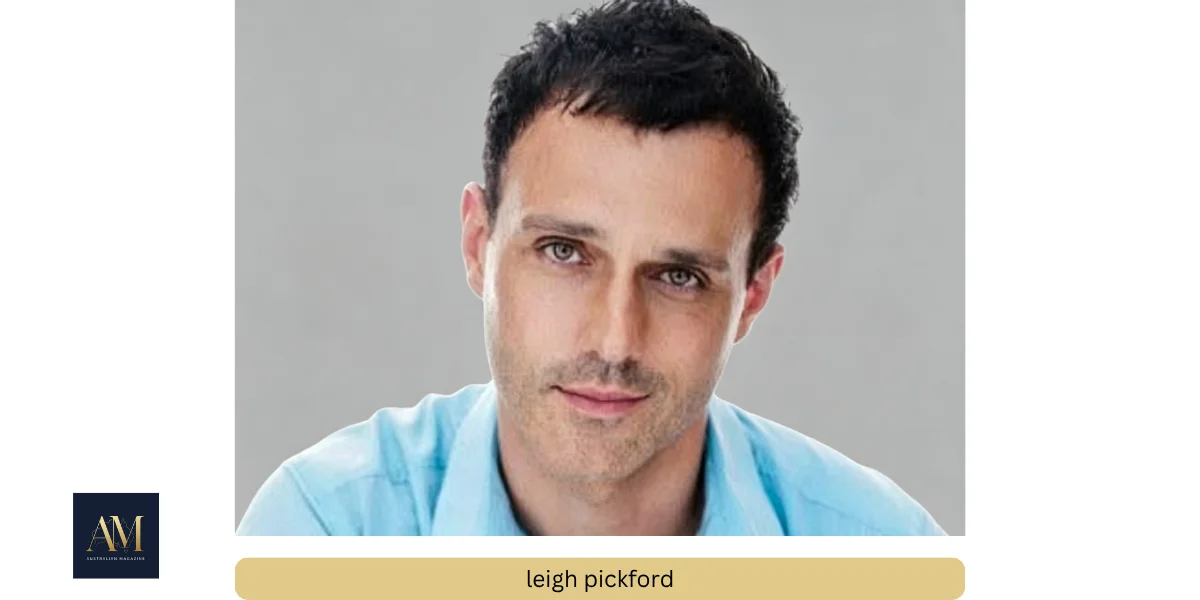
Leigh Pickford: A Story of Strength and Resilience in the Public Eye
Veronica Neave: A Multifaceted Force in Australian Arts
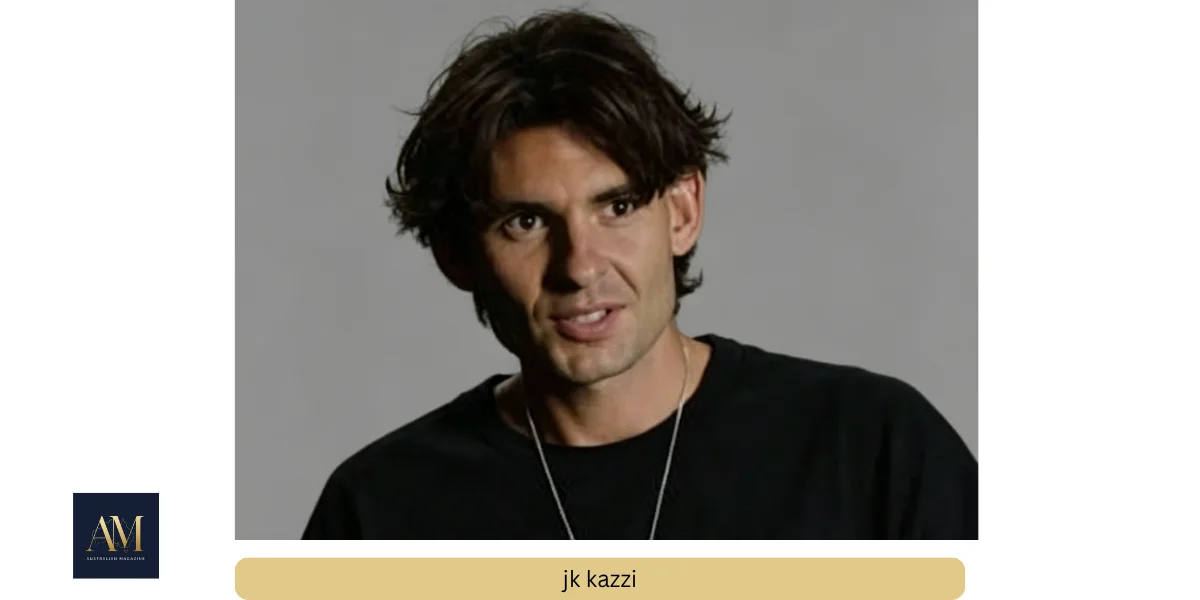
JK Kazzi: The Charismatic Voice of a New Generation of Cultural Influencers
Actors Equity Australia: Protecting and Empowering Performers
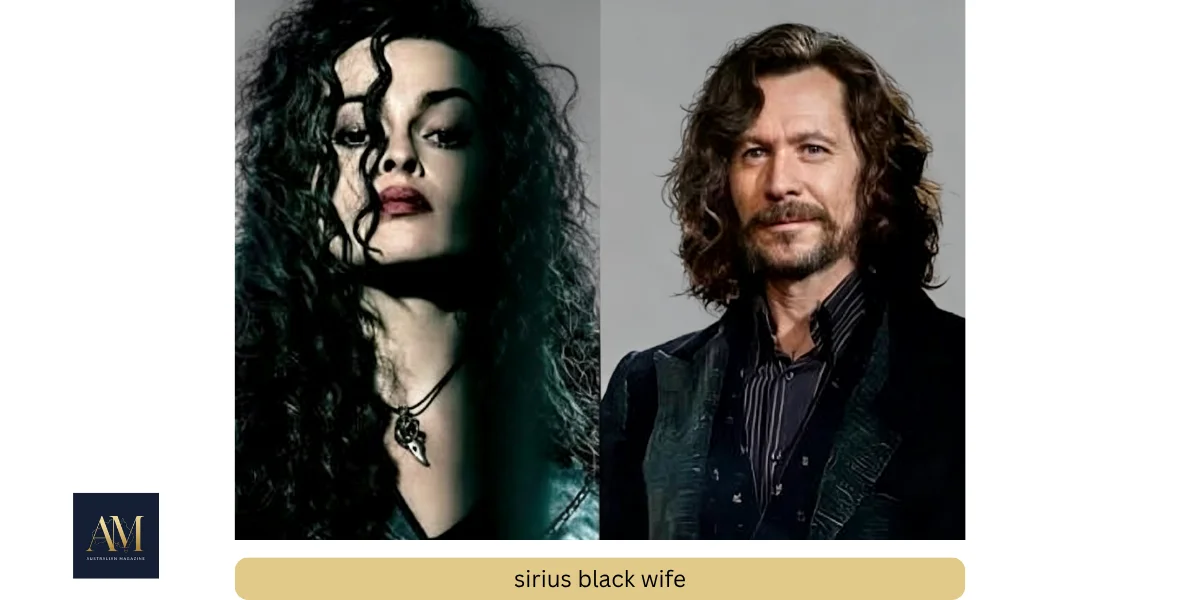
The Enigma of Sirius Black: Exploring the Canonical Truth and the Quest for a Wife
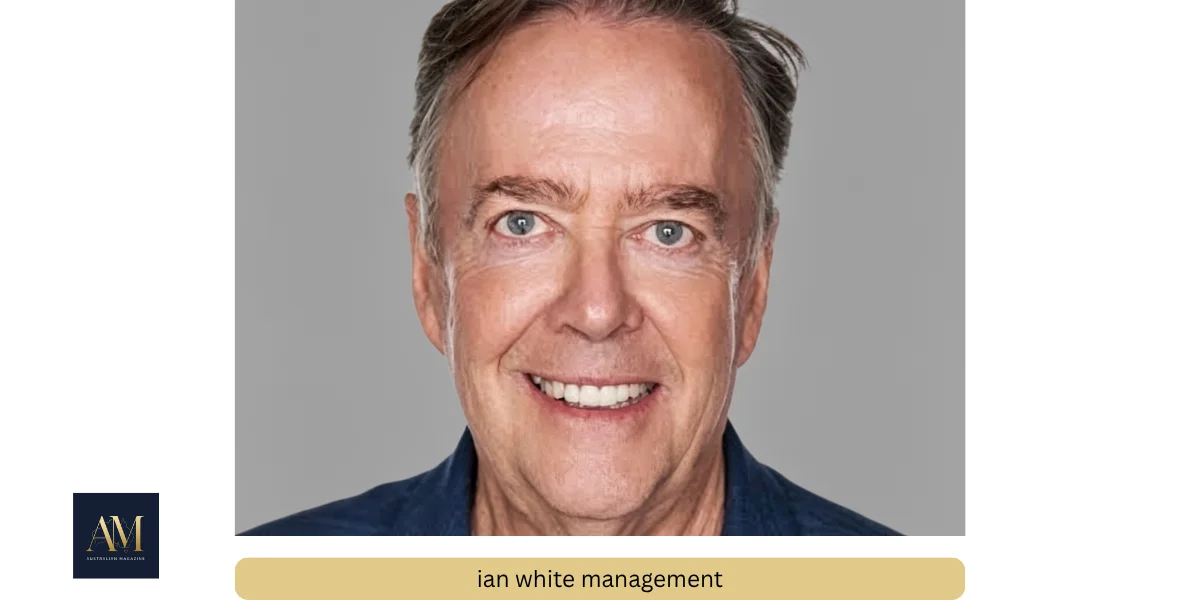
Ian White Management: Guiding Athletes to Success
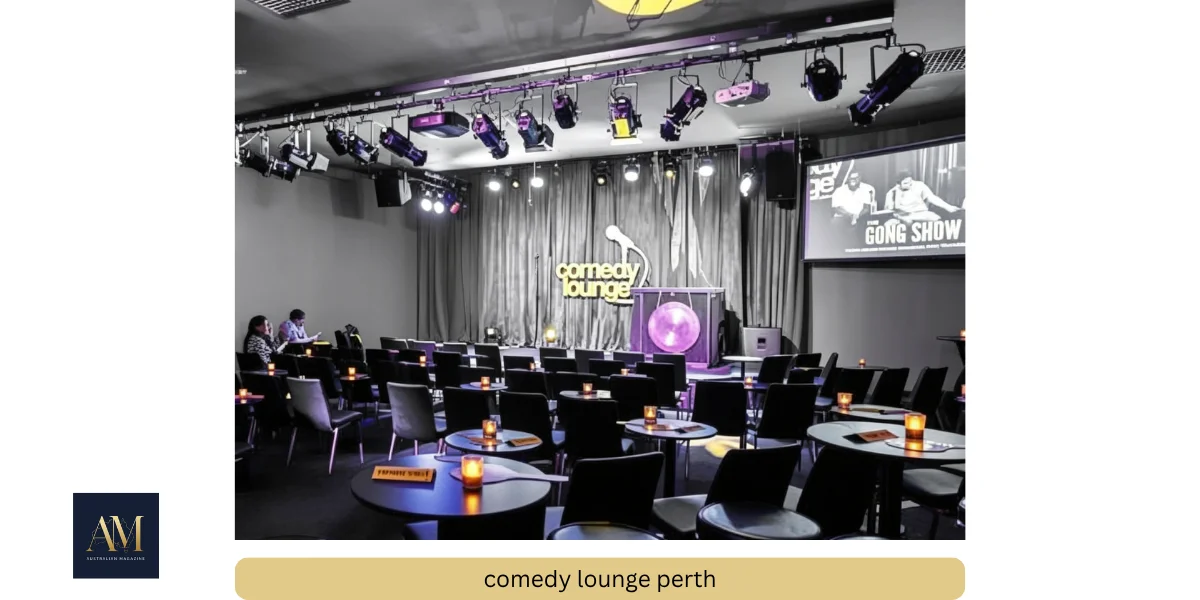
Comedy Lounge Perth: Where Laughter Comes to Life
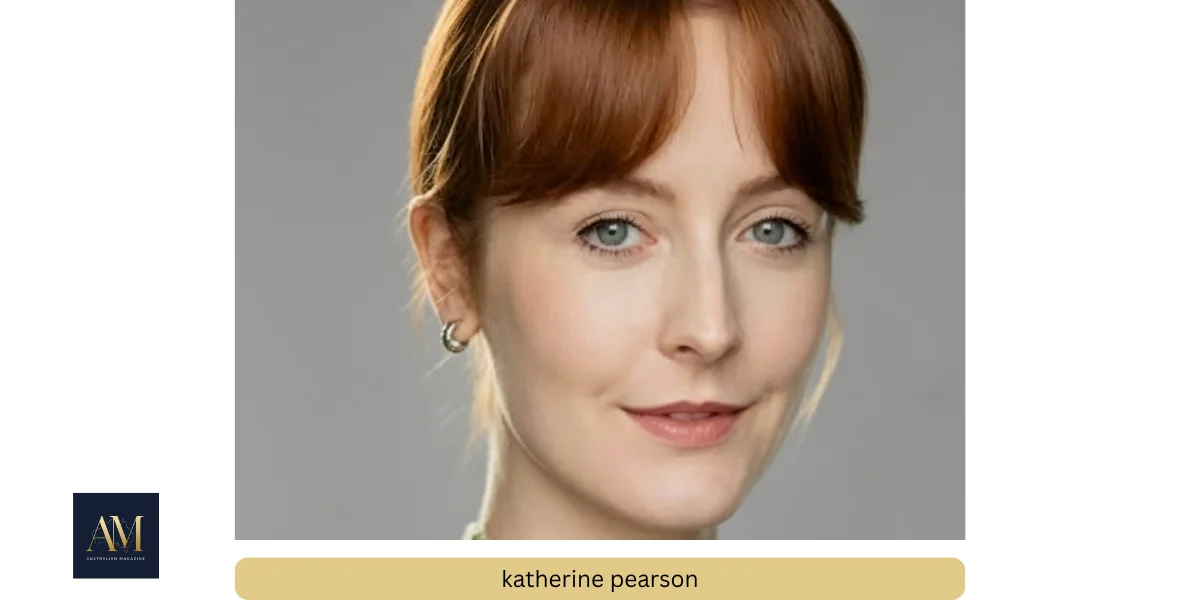
Katherine Pearson: Strength, Resilience and Life Beyond the Headlines
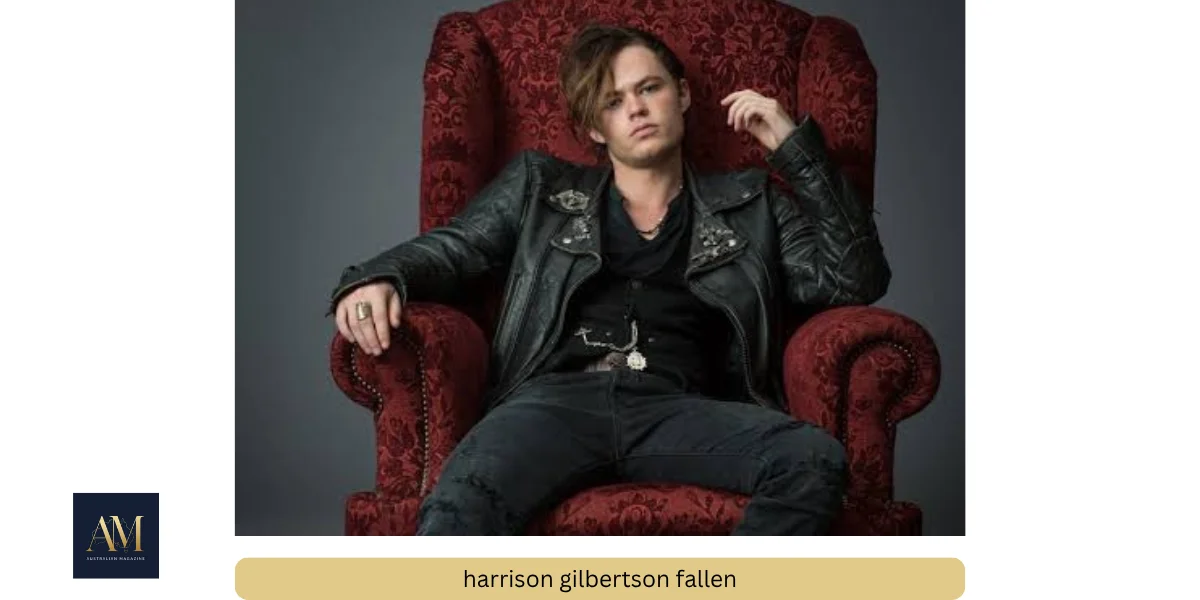
Harrison Gilbertson in Fallen: Bringing a Fallen Angel to Life
-
 Celebrity11 months ago
Richard Zachariah – The Story of a Gentleman Journalist
-
 Lifestyle5 months ago
Top Fashion Trends Australia 2026: What Australians Are Wearing Now
-
 Lifestyle5 months ago
Spring 2026 Fashion Trends: The Complete Style Guide
-
 Lifestyle12 months ago
Matt Moran Liberal-From Service to Leadership in Western Australia
-
 News11 months ago
Samuel William Davidson – The Oatlands Tragedy, Sentence & the Power of Forgiveness
-
 Entertainment5 months ago
How Australian Players Are Choosing Their Online Casino in 2026
-
 Entertainment12 months ago
The Unstoppable Rhea Ripley-WWE’s Australian Phenomenon
-
 News11 months ago
Seven Years, Two Juries, One Case-The Toyah Cordingley Trial Explained