
Entertainment
Top 10 Shootout Bathurst 2025 – Kostecki’s Record Lap

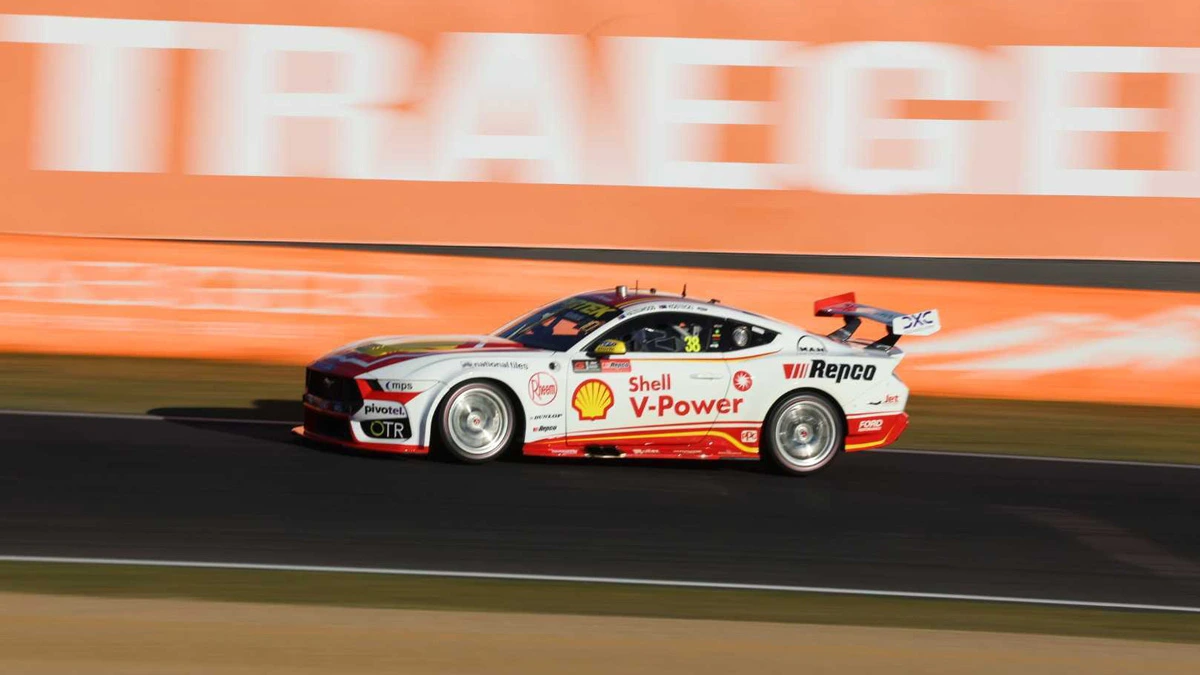
Top 10 Shootout Bathurst 2025 had the fastest speeds ever, fierce rivalries, and pure Mount Panorama drama. With a lap time of 2:04.0307s, Brodie Kostecki took provisional pole, beating Broc Feeney by just 0.006s. Ryan Wood stood out as the only Kiwi in the Shootout, and the practice chaos, parity debate, and safety rule changes made the show even better. The 2025 Bathurst 1000 will be an amazing race because the weather is unpredictable and there is a lot of tension between Ford and Camaro.
The 2025 Repco Bathurst 1000 at Mount Panorama had everything fans could want: amazing speed, fierce rivalries, and weather that changed all the time. This year’s Great Race has become a part of Supercars history, from the rule changes on Thursday to Brodie Kostecki’s record-breaking run in the Top 10 Shootout Bathurst.
Thursday – A Clearer Safety Car Rule and a Wet Start on the Mountain
The Bathurst action started early on Thursday, October 9, with support races starting at 6:25 am in the middle of heavy rain and low clouds over Mount Panorama.
After hearing from drivers at the Thursday briefing, officials quickly made things clearer about how the Safety Car works.
FOR INFO CLICK HERE
Drivers must now do the following:
- At the first double-waved yellow flag post, turn on the 80 km/h Safety Car limiter.
- Keep it going until they get to the next single yellow flag post, and
- When the light is yellow, slow down, don’t pass, and be ready to turn.
The explanation, which came from Supercars Operations Manual Div B, Schedule B3 “Signalling” – Rule 4.2, came after “consultation after concerns were raised in Thursday’s driver briefing.” Officials said that it would be enforced in the same way as single yellows were at Tailem Bend, making sure that the rules were always followed.
With a 95% chance of rain and up to 10mm of rain expected, teams limited their mileage in the dangerous conditions, knowing that the weekend would require strategic precision.
Friday – The Toyota GR Cup Crash Chaos and the Bathurst 1000 Qualifying Results 2025 that broke records
The Toyota GR Cup race in the morning had shocking scenes at Turn 1.
Five cars were involved in a violent crash that sent debris flying across Mountain Straight. Harrison Blanchard, Clay Richards, and Brock Stinson were three of them.
As soon as the marshals red-flagged the session, glass from Richards’ broken rear window littered the track.
- Chad Neylon, a commentator, said it was “absolutely smashed to pieces,” and Alice Buckley said, “I’ve never seen anything like that.”
Richards, the son of Bathurst legend Steven Richards, was taken to the hospital for back pain but was said to be awake and aware. The race was called off because cleanup crews had to spend almost 20 minutes picking up glass and debris.
That afternoon, the Bathurst 1000 qualifying race brought the mountain to life.
With a lap time of 2:04.0307s in the #38 Shell V-Power Ford Mustang, Brodie Kostecki and co-driver Todd Hazelwood took provisional pole. This broke Kostecki’s own Gen3 record of 2:04.2719.
Broc Feeney’s (#88 Red Bull Ampol Camaro) time was only 0.0064 seconds behind, and Ryan Wood’s (#2 WAU Mustang) time of 2:04.0867 seconds rounded out the top three.
Anton De Pasquale (2:04.1966) and rookie Cooper Murray (2:04.0936) were very close behind in the tightest Bathurst qualifying ever. The top 10 were only two-tenths of a second apart, and they all broke the previous record.
- Kostecki said, “That was probably one of the best laps of my career.”
- “We’re doing the best we can with what we have.”
Mark Skaife said it best: “Two-tenths of a second across the top 10—amazing.”
Kostecki would be the last car out for Saturday’s Top 10 Shootout Bathurst because he was the fastest driver. This would give him an edge on the changing Mount Panorama surface.
The top ten qualifiers were:
- 1. Kostecki (DJR Ford Mustang #38)
- 2. Feeney (Red Bull Camaro #88)
- 3. Wood (the #2 WAU Mustang)
- 4. De Pasquale (#20 Team 18 Camaro)
- 5. Murray (Erebus Camaro #999)
- 6. Mostert (#25 WAU Mustang)
- 7. Waters (#6 Tickford Mustang)
- 8. Hill (MSR Camaro #35)
- 9. Percat (#19 MSR Camaro) 10. Randle (#55 Tickford Mustang)
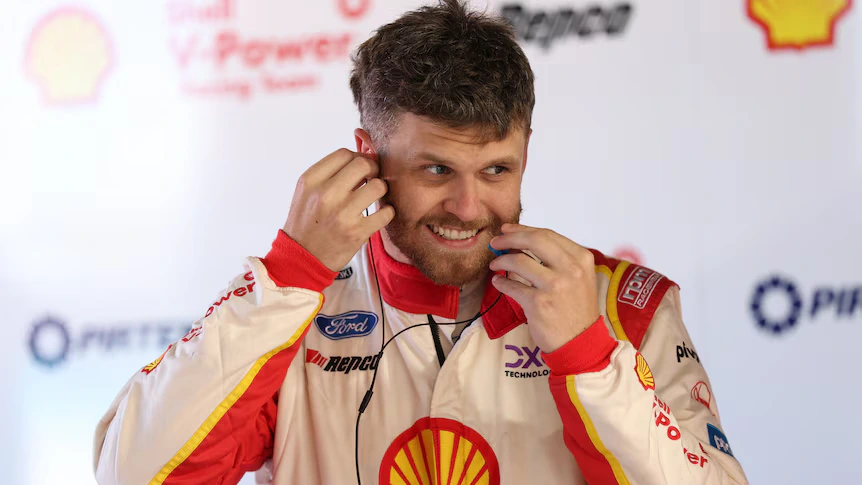
Saturday – Feeney was the fastest, Brown had a wild spin, and Randle had a fight in the pit lane
The day started with Practice 5 for co-drivers at 10:05 am, and Practice 6 at 1:10 pm brought one of Bathurst’s most exciting moments.
Broc Feeney had the fastest lap of the session, at 2:04.9698s, just ahead of Chaz Mostert, who had a time of 2:05.1161s.
Will Brown was pushing hard into Murray’s Corner when he suddenly ran into trouble as he got close to Mostert and Thomas Randle fighting for space. Mostert moved off-line to get away from Randle, but he accidentally crossed Brown’s path.
Brown slammed on the brakes, spun onto the grass, and just barely missed hitting something.
- He told the team radio, “I just pooped in my pants.”
- Neil Crompton, the commentator, said, “That was so close to being a huge shunt.”
- Mark Skaife said, “He stepped on the brake so hard that these cars don’t have ABS.” That could have ruined both of those cars.
Mostert confronted Randle in the pit lane after the session and said, “Sort it out there, mate.” Then he apologized to Brown, who said, “Nah, all good,” in a show of sportsmanship.
Later, Mostert told the press:
- “I think I got Randled at the start of my lap. He’s not thinking about anyone else, which is too bad for Will because it puts him in a big shunt.”
James Golding hit the Forrest’s Elbow exit wall, Craig Lowndes ran off at The Chase, and a red flag was raised when Kai Allen’s Penrite Ford left pit-lane equipment on the track.
Mostert stopped a flying lap after his best first sector time to save his tires for the Shootout.
Top 10 Shootout Bathurst 2025 – Stress, Accuracy, and Fairness
At 5:05 PM AEDT, everyone looked to the mountain for the Top 10 Shootout Bathurst 2025. It was a one-lap race with ten cars, five Mustangs, and five Camaros.
- 1. The first person to run was Thomas Randle.
- 2. Nick Percat
- 3. Cam Hill
- 4. Cam Waters
- 5. Chaz Mostert
- 6. Cooper Murray
- 7 Anton De Pasquale
- 8. Ryan Wood
- 9. Broc Feeney 10. Brodie Kostecki (last out as provisional pole-sitter)
Ryan Wood, the only main Kiwi driver to make the Shootout, said:
- “We don’t think we’re underdogs; we’ll go out there and prove people wrong.”
Matt Payne (18th), Andre Heimgartner (19th), Richie Stanaway (23rd), and Jaxon Evans (24th) were all Kiwis who didn’t make it. This is a rare case of Kiwis not being well represented at Bathurst.
The Shootout field was only 0.2 seconds apart, which is the closest it’s ever been. This promised an exciting final session.
The Parity Debate Is Getting More Heated
Brodie Kostecki’s Bathurst pole came with frustration, even though he won the qualifying round.
- “We need to get our upgrade to fix the deficit to the Camaros; it’s just crap,” he said.
- “It’s like a footy grand final: you have to ask the other team to miss their free kick to win. Everyone on the Ford side is disappointed.”
Broc Feeney, who is in charge of the championship, gave some perspective:
- “Everyone is doing such a great job out there; we just missed the top ten.”
The rivalry between Ford and Chevrolet is still a big part of the 2025 Supercars season, which means that Sunday’s race will be both tactical and emotional.
Super2 Series – Gray Keeps His Lead Despite Early Problems
There was drama in the Super2 Series when Rylan Gray won after a chaotic start.
A crash on the first lap at Hell Corner involved Zach Bates, Bailey Sweeny, Cody Burcher, Cody Gillis, Jackson Walls, Jarrod Hughes, Ayrton Hodson, and Max Geoghegan. The Safety Car had to come out.
Gray passed his teammate Nash Morris, who had a problem at The Chase, to win by 1.3 seconds. This gave him a 147-point lead in the series and made Tickford Racing the most successful Super2 team in history.
The weather forecast for the Bathurst 1000 in 2025 and the full race schedule
Thursday: 95% chance of rain (3 to 10 mm) – 4 to 16 degrees Celsius
Friday: Mostly sunny (10%) with temperatures between 8 and 21 degrees Celsius.
Saturday: No clouds in the sky (0%) – 7–22°C
Sunday (Race Day): 60% chance of light rain; 4–22°C
Times for the start of the race:
- 10:45 a.m. AEDT (ACT, NSW, VIC, and TAS)
- 9:45 am in Queensland, 10:15 am in South Australia, 9:15 am in Northern Territory, and 7:45 am in Western Australia
Here are the most important parts of the Saturday Support Schedule:
- 8:25 am—Race 2 of the SuperUtes
- Dunlop Super2 Qualifying at 9:05 am
- 9:30 a.m. — Test Laps for the GR Supra
- Race 3 of the Touring Car Masters at 11:20 am
- Entertainment on the track at 12:40 pm
- 1:10 p.m. – Practice 6 for supercars
- Porsche Carrera Cup Race 2 at 3:25 PM
- 4:05 PM—Dunlop Super2 Race 10
- 5:05 pm—Bathurst Top 10 Shootout
Live on Channel 7, Kayo Sports, Foxtel, and ABC Sport (with a live blog starting at 9 am).
The 6.213 km circuit at Mount Panorama goes up 174 meters from pit straight to Skyline, making it one of the hardest challenges in motorsport.
Bathurst 1000 – A Look Back at Its History, Records, and Championship
Bathurst is the most unpredictable race in the world because of the way Mount Panorama is set up.
Records:
- Chaz Mostert set the lap record in 2021 with a time of 2:03.3736.
- Shane van Gisbergen’s top speed was 300.5 km/h in 2023.
- Mostert’s fastest race lap was 2:04.7602 in 2019.
Brodie Kostecki and Todd Hazelwood won the Bathurst race for Erebus Motorsport in 5 hours, 58 minutes, and 3 seconds, which was the fastest Bathurst ever. They averaged 163.48 km/h with only one Safety Car.
The top 14 finishers all finished within a minute of each other, and all of the top 20 cars finished on the lead lap. This was an amazing show of speed and stamina.
Winners from the past:
- Kostecki and Hazelwood (Chevrolet) in 2024
- 2023: Stanaway and van Gisbergen (Chevrolet)
- 2022: Tander and van Gisbergen (Holden)
- Mostert and Holdsworth (Holden) in 2021
- McLaughlin and Prémat (Ford) in 2019
Ford wants to win the Bathurst 1000 for the first time since 2019, while Chevrolet has won the last two.
Before Bathurst, the 2025 Championship Standings were as follows:
1️⃣ Broc Feeney (#88 Camaro) with 12 wins and 14 poles
2️⃣ Matthew Payne in the #19 Mustang
3️⃣ Will Brown in the #1 Camaro
4️⃣ Cam Waters, who drives the #6 Mustang
All four drivers are still looking for their first win at Bathurst.
The Last Word – The Spirit of Mount Panorama
The 2025 Bathurst 1000 showed once again why it’s Australia’s best race, with broken glass, spinning cars, record laps, and high-stakes parity politics.
The Top 10 Shootout Bathurst 2025 wasn’t just about getting to the front; it was also about accuracy, stress, and the never-ending quest for perfection.
No matter if it’s Kostecki’s pole heroics, Feeney’s championship dominance, or Ryan Wood’s Kiwi resilience, one thing is true: the Mountain never forgives and never forgets.
FOR MORE INFO VISIT US AT AUSTRALIANMAGAZINE

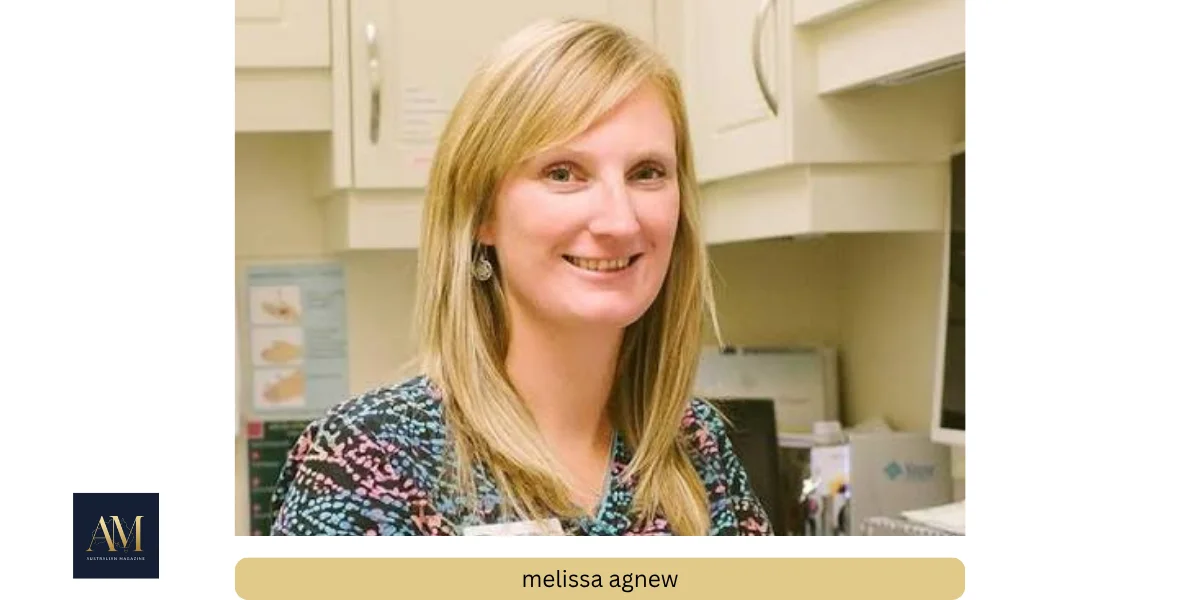
In the meticulously crafted world of film and television, the smallest details often make the biggest difference. Among these, dialogue and voice performance stand paramount. Melissa Agnew has built an impressive career as one of Australia’s most respected dialogue coaches, actresses, and media professionals. With more than two decades of experience, she has helped shape some of the most authentic screen performances while contributing significantly to media education and communication skills.
Having observed the evolution of screen acting and voice work for over thirty years, I can say with confidence that specialists like Melissa Agnew are the unsung heroes of quality productions. Her multifaceted expertise in dialogue coaching, performance, and writing offers valuable lessons for actors, directors, and communicators alike.
Early Career and Professional Foundation
Melissa Agnew entered the industry in the early 2000s, a time when Australian film and television were gaining increasing international recognition. Based in the vibrant production hubs of Sydney and Brisbane, she developed a specialised skill set that combines the performing arts with linguistic precision.
Her work as a dialogue coach quickly became her signature contribution. This demanding role requires a deep understanding of accents, rhythm, clarity, and emotional delivery. Agnew has earned a reputation for helping actors achieve natural, region-specific speech patterns that enhance character authenticity and audience immersion.
Her dual background as both a performer and coach gives her unique insight. She understands the pressures actors face on set and provides practical, supportive guidance that elevates performances without undermining creative instincts.
Notable Work in Film and Television
Melissa Agnew’s credits demonstrate her growing influence in both Australian and international productions:
- The Proposition (2005) – Dialogue Coach (Australia)
- The Pacific (2010) – Dialogue Coach for one episode
- Space/Time (2025) – Actress playing TV News Anchor
- Voice and dialogue consultant for numerous other Australian and international projects
These credits span major historical dramas and contemporary productions, showcasing her versatility. In historical pieces like The Proposition, her work ensured period-appropriate speech patterns while maintaining emotional truth. In modern projects, she focuses on regional Australian accents and clear communication that serves the story.
Her on-screen appearance in Space/Time (2025) as a TV News Anchor further highlights her range as an actor. Moving from behind-the-scenes coaching to on-camera roles demonstrates the confidence that comes with deep industry knowledge.
The Author and Media Educator
Beyond coaching, Melissa Agnew has established herself as a thoughtful writer and educator. Her book Here is the Australian News explores the landscape of Australian broadcasting, news presentation styles, and effective communication skills.
The work goes beyond surface-level analysis. It examines how news is crafted and delivered in Australia, the cultural nuances of Australian media voice, and practical techniques for clear, engaging presentation. This publication has become a valuable resource for journalism students, media professionals, and anyone interested in public communication.
Agnew also conducts regular media training and performance workshops. These sessions combine practical exercises with industry wisdom, helping participants develop confidence in their voice and presentation skills. Her teaching style is known for being both rigorous and encouraging — a balance that produces strong results.
The Art and Craft of Dialogue Coaching
What makes a great dialogue coach? From my decades of experience, several qualities stand out in Melissa Agnew’s approach:
- Deep linguistic knowledge — Understanding subtle differences in Australian regional accents and how they reflect character background.
- Emotional intelligence — Recognizing when an actor needs technical correction versus emotional support.
- Collaborative mindset — Working seamlessly with directors, actors, and sound teams.
- Continuous learning — staying up to date with evolving language trends and production techniques.
Common mistakes Agnew helps actors avoid include over-articulation that sounds unnatural, inconsistent accent work, and dialogue delivery that prioritises clarity over emotional truth. Her guidance often transforms good performances into memorable ones.
Bridging Performance, Coaching, and Writing
One of the most impressive aspects of Melissa Agnew’s career is her ability to integrate performing, coaching, and writing. This holistic approach enriches every area of her work. Her experience on stage and screen informs her coaching, while her writing deepens her understanding of communication dynamics.
This versatility is increasingly valuable in today’s media landscape, where professionals are expected to adapt across multiple roles. Agnew’s career serves as a strong example for emerging artists who want sustainable, multifaceted careers rather than narrow specialisation.
Current Work and Future Outlook (2026)
As of 2026, Melissa Agnew continues to be active across dialogue coaching, acting, and educational projects. Her expertise remains in high demand as Australian productions grow in scale and international co-productions become more common.
The future looks promising for specialists with her skill set. With streaming platforms demanding higher production values and authenticity, dialogue coaches who understand cultural nuances will play an even more critical role. Agnew is well-positioned to take on larger projects while continuing her valuable work in media education.
Her ongoing contributions to workshops and writing suggest she will remain a mentor figure for the next generation of Australian media professionals.
Conclusion: The Power of Voice and Authenticity
Melissa Agnew represents the gold standard of professional dedication in the Australian screen industry. Through her work as a dialogue coach, actress, author, and educator, she has helped elevate the quality of performances and deepened our understanding of effective communication.
Her career offers clear takeaways for anyone working with voice and performance: technical excellence matters, but it must always serve emotional truth and authentic storytelling. In an industry often focused on visuals, Agnew reminds us that the human voice remains one of the most powerful tools in storytelling.
As Australian film and television continue to gain global prominence, professionals like Melissa Agnew will play a vital role in ensuring our stories sound as genuine and compelling as they look. Her journey is a testament to the rewards of deep expertise, continuous growth, and generous knowledge-sharing.
For actors, directors, writers, or communicators looking to improve their craft, Agnew’s work provides both practical techniques and inspiring examples. In the end, it’s voices like hers — clear, authentic, and expertly guided — that help stories truly resonate.
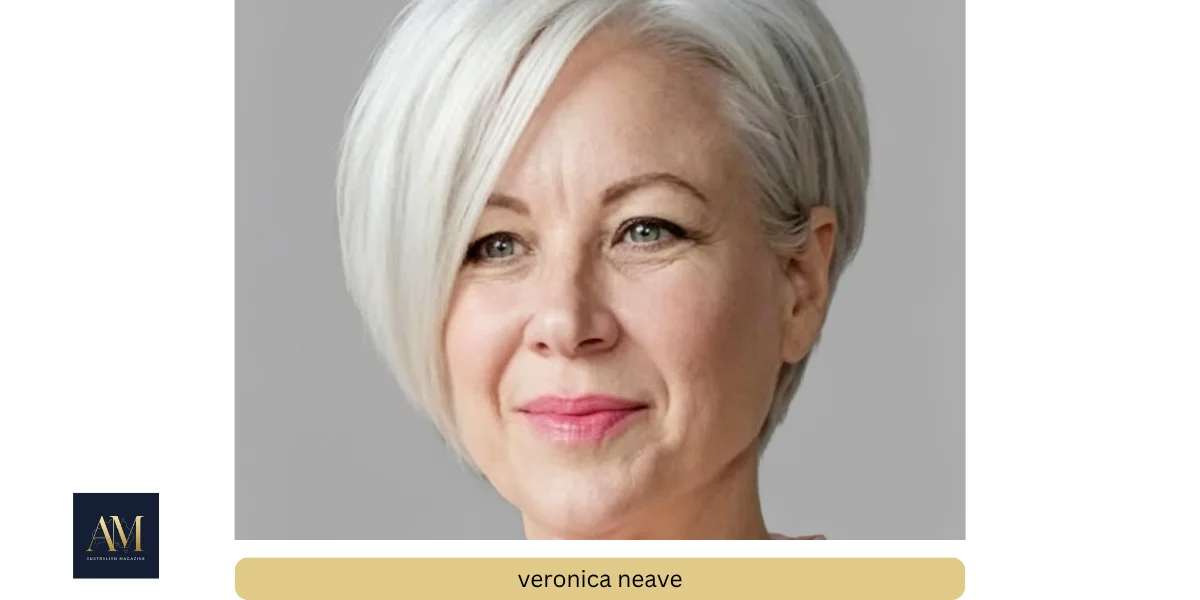
In the world of performing arts, few professionals achieve true versatility across stage, screen, writing, and education. Veronica Neave stands out as one of Australia’s most accomplished and multifaceted artists. With a career spanning more than four decades, she has seamlessly blended acting, directing, writing, and teaching, leaving a lasting impact on audiences and the next generation of creatives alike.
Having followed the Australian arts scene for over thirty years, I can confidently say that Veronica Neave exemplifies the complete artist — one who not only masters performance but also uses her platform to explore deeply personal and universal themes. Her journey offers inspiration for anyone passionate about creative expression and personal resilience.
Early Career and Theatrical Foundation
Veronica Neave’s professional journey began in the 1980s, a vibrant period for Australian theatre. She quickly established herself as a formidable stage presence, appearing in more than 50 major theatre productions. Her repertoire is impressively diverse, ranging from Shakespearean classics such as Macbeth and Romeo and Juliet to contemporary dramas and innovative physical theatre work with the renowned company Force Majeure.
What sets Neave apart is her commitment to depth and range. On stage, she has demonstrated exceptional skill in both classical text work and experimental physical performance. This foundation in theatre has informed all aspects of her career, giving her performances a richness and authenticity that resonates with audiences.
Her work as a director, choreographer, and dramaturg further showcases her artistic intelligence. These behind-the-scenes roles require not only creative vision but also strong leadership and collaborative skills — qualities Neave has honed over decades.
Screen Success and Memorable Roles
While theatre remains her artistic home, Veronica Neave has made significant contributions to Australian film and television. Her television breakthrough came with the popular children’s series Mortified (2006–2007), where she played the memorable character Loretta Flune across 26 episodes. The role showcased her ability to bring warmth and humour to family-oriented storytelling.
Her film and TV credits reflect impressive range:
- Girl Clock! (2010) – Lead role as Christine
- A Perfect Pairing (2022) – Diane
- Dive Club (2021) – Mayor Renee Volkov
- In Our Blood (2023) – Trish
- Earlier appearances in The Boys (1998), In Her Skin (2009), and Upright (2022)
These roles highlight Neave’s versatility — from dramatic intensity to lighter comedic touches. In an industry that often typecasts performers, her ability to move fluidly between genres is noteworthy and serves as a valuable lesson for emerging actors.
The Author and Advocate: Pieces of Me
Beyond performance, Veronica Neave has made a powerful mark as a writer. Her memoir Pieces of Me: Genetically Flawed – Surviving the Breast Cancer I May Never Have, published by Simon & Schuster Australia, stands as one of her most significant achievements.
The book chronicles her personal journey after testing positive for the BRCA2 gene mutation. Rather than presenting a purely clinical account, Neave explores the emotional, familial, and psychological dimensions of living with genetic risk. She delves into family history, difficult health choices, and the path to emotional resilience with honesty and insight.
This work beautifully bridges her artistic life with real-world advocacy. By sharing her story, she has helped raise awareness about genetic testing, preventive healthcare, and the importance of mental wellbeing when facing health uncertainties. For many readers, the book serves as both a source of information and a beacon of hope.
Educator and Arts Advocate
Throughout her career, Veronica Neave has maintained a strong commitment to education and mentorship. As a performing arts educator, she has guided countless students, sharing not only technical skills but also the wisdom gained from decades of professional experience.
Her approach to teaching emphasises holistic development — encouraging students to connect their personal experiences with their artistic work. In an era where the arts face funding challenges and shifting cultural landscapes, educators like Neave play a vital role in sustaining the industry’s future.
Lessons from a Remarkable Career
Veronica Neave’s trajectory offers several practical insights for artists and creatives:
- Versatility builds longevity. By developing skills across acting, directing, writing, and teaching, she has created a sustainable and fulfilling career.
- Personal story can be powerful art. Her memoir demonstrates how transforming private challenges into public work can create meaningful connection and impact.
- Continuous evolution matters. Rather than remaining static, Neave has consistently embraced new challenges across different mediums and roles.
- Balance is essential. Combining performance with advocacy and education prevents burnout and enriches artistic output.
A common mistake many artists make is focusing too narrowly on one area. Neave’s career proves that broadening one’s artistic identity often leads to greater opportunities and deeper satisfaction.
Current Status and Future Outlook
In 2026, Veronica Neave remains an active and respected figure in Australia’s arts community. She balances ongoing creative projects with her roles as educator and writer, maintaining the same dedication that has defined her work since the 1980s.
Looking ahead, her combination of experience, versatility, and willingness to tackle meaningful subjects positions her well for continued influence. Whether through new stage productions, screen roles, or further writing, audiences can expect work that is both artistically excellent and personally resonant.
Conclusion: A Lasting Legacy in Australian Arts
Veronica Neave represents the best of Australian artistic tradition — rigorous craft, emotional honesty, and a generous spirit of sharing knowledge. From Shakespearean stages to television screens and the pages of a deeply personal memoir, she has consistently delivered work of substance and heart.
Her story reminds us that true artistic success extends beyond applause and accolades. It lies in the lives touched, the conversations sparked, and the courage to share one’s truth. As she continues her journey, Veronica Neave stands as an inspiring example of what a lifelong commitment to the arts can achieve.
For aspiring performers, writers, and educators, her career offers both a roadmap and a source of encouragement: pursue excellence, embrace your full range of talents, and never underestimate the power of authentic storytelling.
Behind every film, television show, theatre production, and live event in Australia stands a large community of actors, performers, and entertainers. While their work brings stories to life, creates culture, and entertains audiences, the industry itself can be unpredictable, with varying pay rates, changing working conditions, and evolving challenges. For over a century, Actors Equity Australia has been the voice that stands between performers and those uncertainties.
As the professional union representing artists across the country, it exists not just to negotiate contracts, but to ensure that creative work is treated with respect, fairness, and legal protection. Operating as a section within the Media, Entertainment & Arts Alliance (MEAA), it has grown into one of the most influential bodies in the Australian arts sector. This article explores its history, core functions, its focus in 2026, and why membership matters for anyone building a career in performance.
History and Role of Actors Equity
Actors Equity Australia traces its roots back to the early 20th century, a time when performers often faced long hours, low pay, and little security or protection. The union was formed to address these gaps — to bring order, fairness, and accountability to an industry that was still finding its footing. Over the decades, it has evolved alongside the profession, adapting to new technologies, new media formats, and new ways of working.
Today, its role is clear and multi‑faceted:
Collective Bargaining: It negotiates industry‑wide agreements with production companies, broadcasters, and theatre managements to set minimum rates of pay, working hours, travel allowances, and rest periods.
Legal Protection: It offers members access to legal advice, representation, and contract reviews, ensuring they are not taken advantage of in agreements.
Advocacy: It speaks on behalf of performers to governments, regulators, and industry bodies, pushing for policies that support the arts and protect creative workers.
Community and Support: It connects members, shares industry information, and provides a support network during times of change or difficulty.
In short, Actors Equity serves as both a shield and a platform — protecting performers while also helping them build sustainable careers.
Key Achievements Over the Years
Looking back at its history, the union’s impact is visible in nearly every aspect of the modern Australian entertainment industry. Many of the standards we take for granted today were hard‑won through its efforts.
Some of its most significant achievements include:
Establishing Minimum Rates: Before these agreements existed, pay could vary wildly from one production to another. Actors Equity introduced clear, consistent minimums that ensure even entry‑level performers receive fair compensation.
Improving Working Conditions: It has secured rules on set safety, adequate rest breaks, limits on working hours, and proper accommodation and travel provisions. This has reduced the risk of injury and burnout.
Protecting Australian Content: It has consistently campaigned to ensure local stories and talent remain central to Australian screens and stages, supporting quotas and funding for domestic productions.
Fair Treatment in New Media: As streaming services and digital platforms emerged, the union worked to extend protections and fair payment structures to these new areas, ensuring performers are not left behind as technology changes.
These wins demonstrate a core principle: that a strong industry depends on a strong, supported workforce.
Current Campaigns and Focus Areas (2026)
By 2026, the entertainment landscape looks very different from what it did even a decade ago. Streaming services dominate viewing habits, artificial intelligence is changing how content is created, and the industry is still adjusting to shifts that began during the global pandemic. Actors Equity Australia is actively addressing these changes with clear priorities.
Fair Pay and Streaming Rights
One of the biggest ongoing challenges is ensuring that performers receive fair remuneration when their work appears on international streaming platforms. Unlike traditional television, where royalties and residuals are well‑defined, streaming models have often been less transparent. The union is currently negotiating to establish clearer payment structures, ensuring that success on global platforms translates into fair earnings for the actors involved.
Safety and Wellbeing
Workplace safety remains a top concern. This includes physical safety on sets and stages, as well as mental health support. The union has pushed for stronger policies to prevent harassment, bullying, and unsafe working practices, and in 2026 it continues to update guidelines to reflect best practices in all areas of production.
Artificial Intelligence and Digital Rights
As AI technology advances, new questions have emerged about how performers’ likenesses, voices, and performances can be used. Actors Equity is leading discussions to establish legal boundaries and fair compensation for the use of digital replicas or recordings beyond their original purpose. This is one of the most important issues facing performers today, and the union is working to ensure rights are protected before practices become standard.
Diversity and Inclusion
The union also advocates for greater representation across all areas of the industry — including gender, cultural background, age, and ability. It supports initiatives that ensure opportunities are open to all, and that the stories told on Australian screens and stages reflect the full diversity of the nation.
How It Supports Members
For those who join, Actors Equity offers more than just representation in negotiations. It provides a comprehensive support system designed to make a career in performance more stable and less stressful.
Key benefits include:
Contract Review: Professional advice to ensure any agreement is fair, legal, and in the member’s best interest.
Legal Assistance: Access to legal experts who understand the specific issues facing performers.
Insurance and Financial Protection: Members often have access to income protection, public liability insurance, and other coverage that can be difficult to secure individually.
Industry Updates and Resources: Regular updates on upcoming projects, regulatory changes, and opportunities for professional development.
Collective Strength: Perhaps the most valuable benefit is the power of belonging to a group. When individuals speak alone, their voices can be ignored; when they speak together through their union, they can effect real change.
How to Join
Membership in Actors Equity Australia is open to professional performers working across film, television, theatre, radio, commercials, and live events. There are different membership categories to suit different stages of a career — from those just starting to established professionals.
The process is straightforward:
Check Eligibility: Applicants usually need to provide evidence of professional work, such as contracts, credits, or letters of engagement.
Submit Application: Applications are processed through the MEAA website, which oversees Actors Equity.
Pay Fees: Membership fees are structured to be affordable and are often tax‑deductible as a professional expense.
A common mistake new performers make is waiting until they encounter a problem before joining. The best time to become a member is at the start of your career, so you have protection and support from day one.
Conclusion
Actors Equity Australia stands as a vital pillar of the Australian entertainment industry. For more than a century, it has turned the challenges of working in a creative field into standards of fairness, safety, and respect. It has evolved from a small group of concerned artists into a strong, forward‑looking organisation that guides the industry through every new era.
In 2026, as the industry faces new questions around technology, distribution, and rights, the role of the union is more important than ever. Whether you are an established actor, a rising talent, or someone interested in how the business of performance works, Actors Equity Australia represents the principle that creative work deserves fair treatment, and that every performer deserves the chance to build a secure and fulfilling career.
Melissa Agnew: Mastering the Art of Authentic Voice in Australian Media
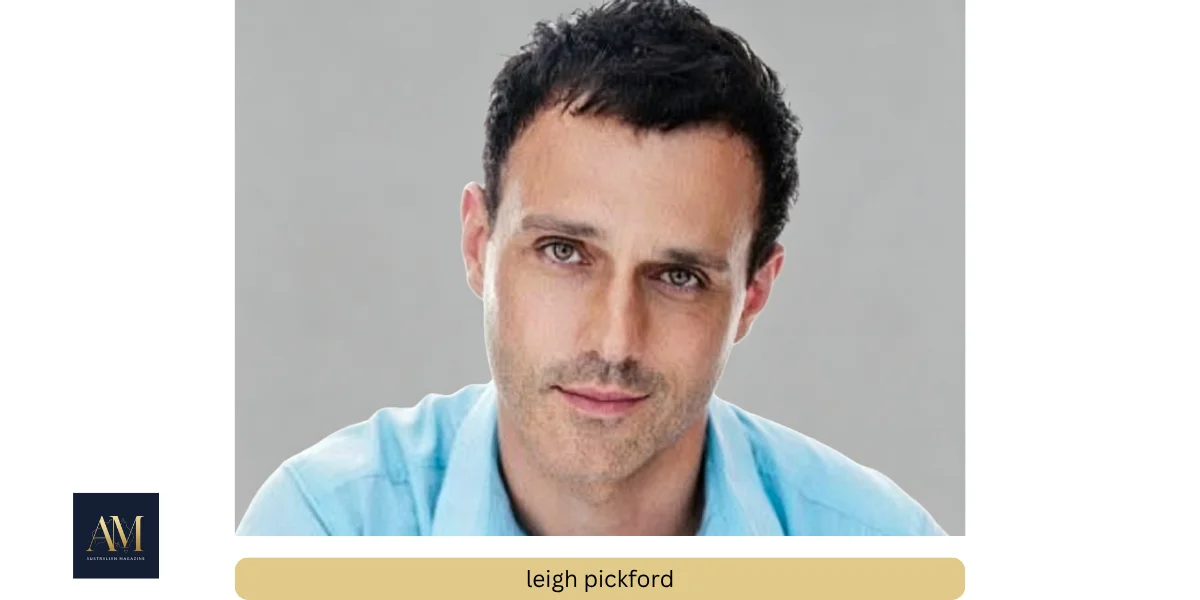
Leigh Pickford: A Story of Strength and Resilience in the Public Eye
Veronica Neave: A Multifaceted Force in Australian Arts
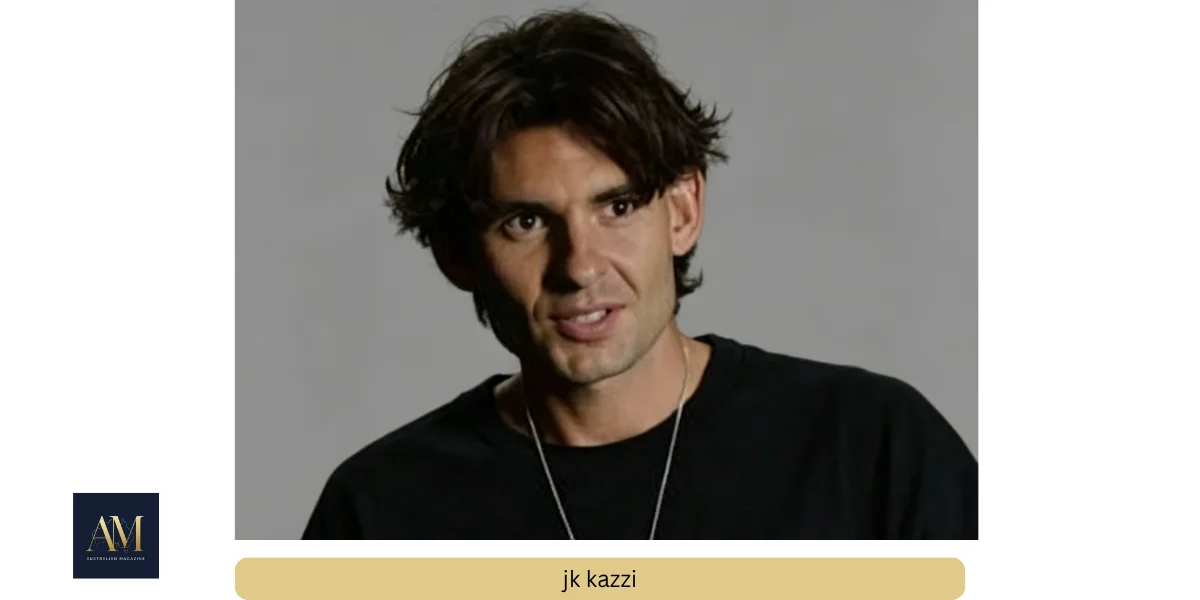
JK Kazzi: The Charismatic Voice of a New Generation of Cultural Influencers
Actors Equity Australia: Protecting and Empowering Performers
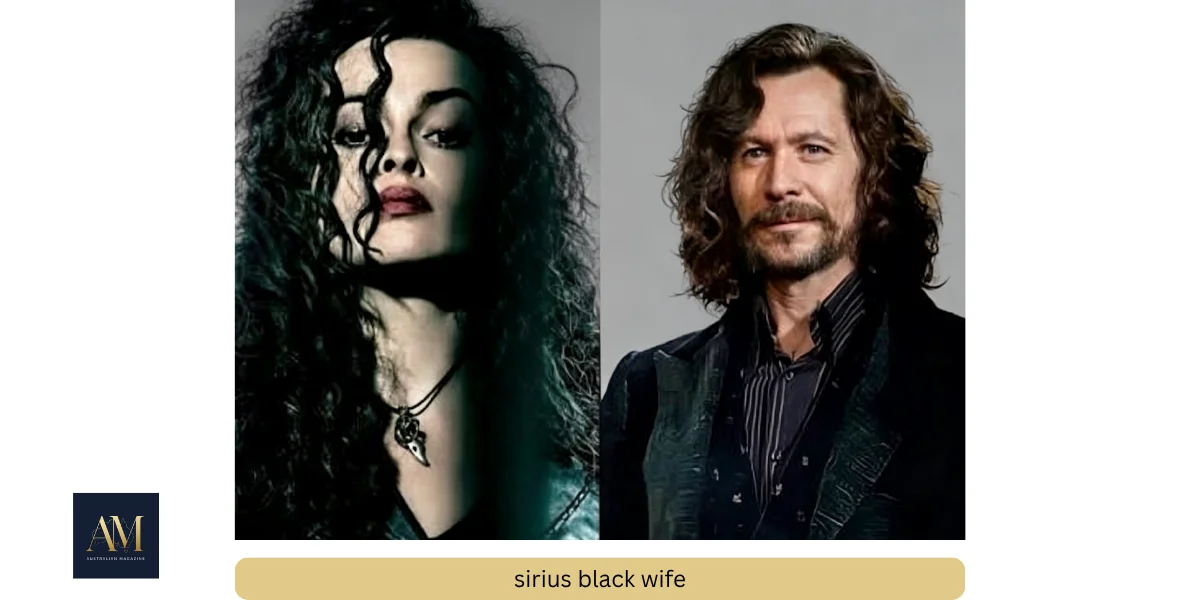
The Enigma of Sirius Black: Exploring the Canonical Truth and the Quest for a Wife
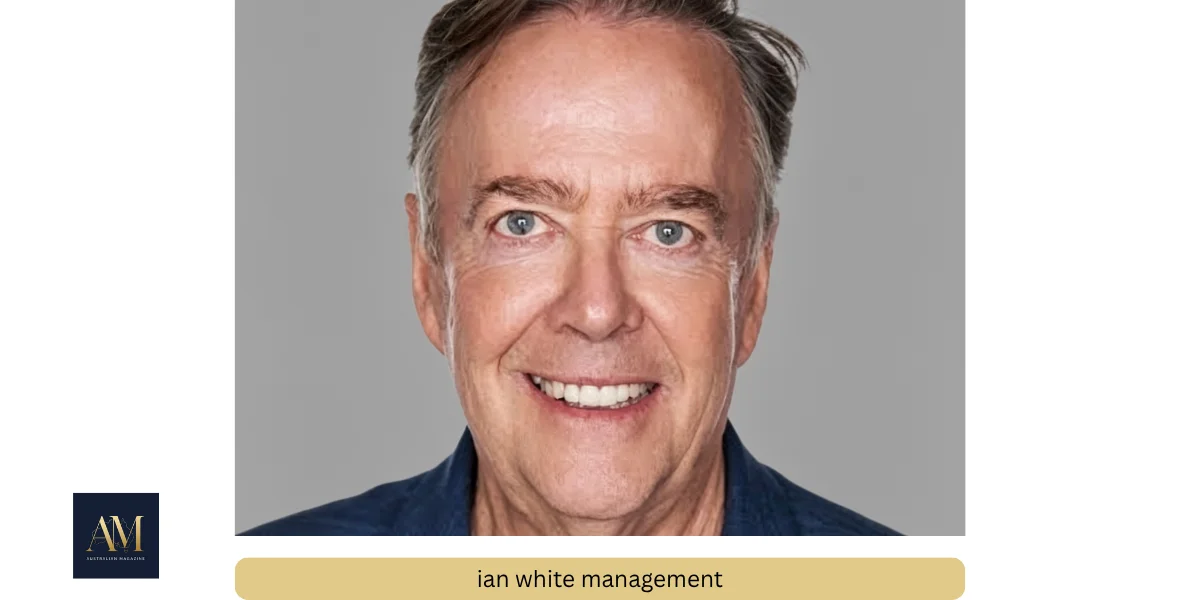
Ian White Management: Guiding Athletes to Success
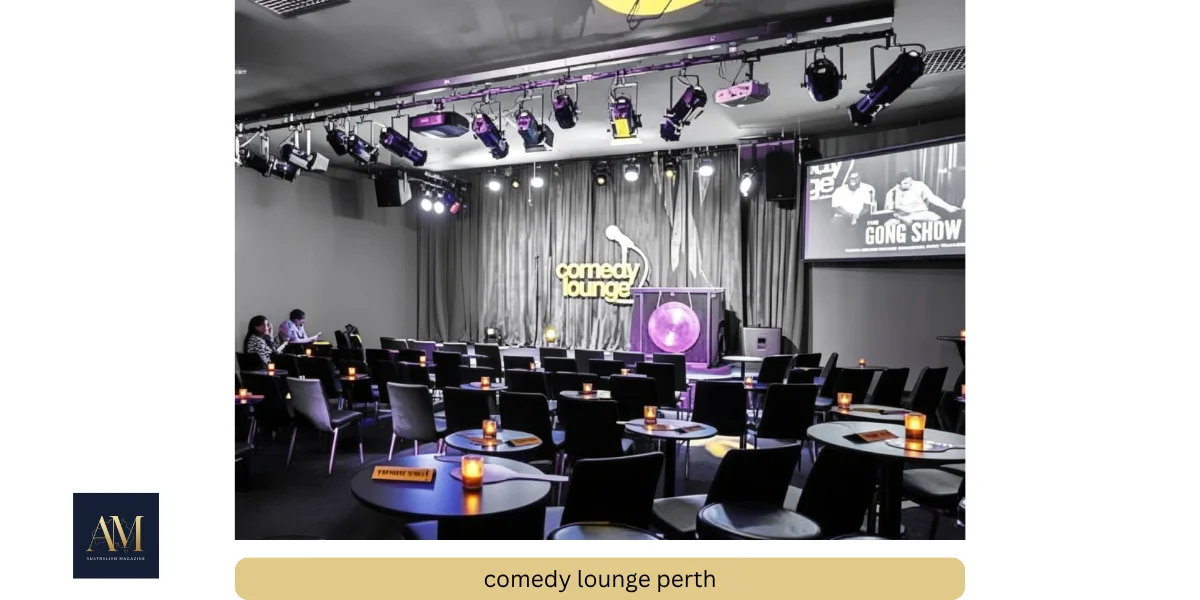
Comedy Lounge Perth: Where Laughter Comes to Life
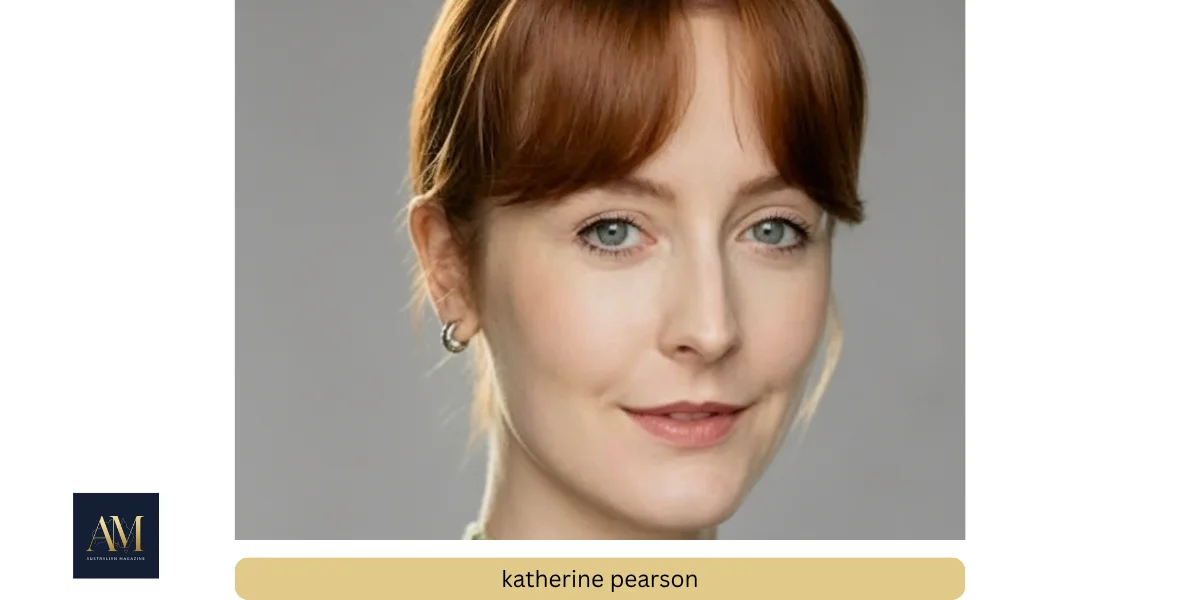
Katherine Pearson: Strength, Resilience and Life Beyond the Headlines
Harrison Gilbertson in Fallen: Bringing a Fallen Angel to Life
-
 Celebrity11 months ago
Richard Zachariah – The Story of a Gentleman Journalist
-
 Lifestyle5 months ago
Top Fashion Trends Australia 2026: What Australians Are Wearing Now
-
 Lifestyle5 months ago
Spring 2026 Fashion Trends: The Complete Style Guide
-
 Lifestyle12 months ago
Matt Moran Liberal-From Service to Leadership in Western Australia
-
 News10 months ago
Beau Lamarre-Condon – Inside the Case, the Charges, and the Court Timeline
-
 News11 months ago
Samuel William Davidson – The Oatlands Tragedy, Sentence & the Power of Forgiveness
-
 Entertainment12 months ago
The Unstoppable Rhea Ripley-WWE’s Australian Phenomenon
-
 Entertainment5 months ago
How Australian Players Are Choosing Their Online Casino in 2026