
Lifestyle
George Pell Net Worth and Life Story From Melbourne to the Vatican


George Pell was one of the most well-known and controversial Catholic figures in Australia. He grew up in a working-class family in Victoria and worked his way up to become a cardinal and a high-ranking official in the Vatican. He was known for his strong presence and conservative views. He held important leadership positions in Melbourne, Sydney, and Rome, where he was responsible for financial reform at the Vatican. His life drew a lot of public attention because he was a powerful figure in the Church, spoke out about social and economic issues, and had a long legal battle that affected his last years.
You can find out how much George Pell is worth by following his life from his early years and education to his time as a senior leader in Australia and the Vatican. It tells us what is publicly known about his personal wealth, will, and sources of income, and it makes sure to separate these from the Church’s wealth. The article also talks about why exact net worth numbers are still unclear and how his legacy continues to shape public debate.
George Pell: Early Life and Childhood in Melbourne
George Pell was born on June 8, 1941, in Ballarat, Victoria, and spent his childhood in Melbourne after the war. Discipline, education, and sports were important parts of his childhood that would later shape both his public image and his style of leadership.
People knew Pell as a kid for being strong and smart. He went to Catholic schools, where he learned about the Church’s rituals and authority structures at a young age. His childhood was stable and structured, and it was heavily influenced by Catholic values, which later became a big part of who he was.
George Pell: Parents and Family Background
George Pell came from a working-class family of Irish Catholic heritage.
- Father: George Pell Sr., a former professional boxer who later worked in hospitality
- Mother: Margaret Pell, who worked as a homemaker
His father’s background in boxing is often cited as an influence on Pell’s resilience and imposing physical presence. Family life emphasised discipline, loyalty, and faith, values Pell carried into adulthood.
Pell never married and had no children. His closest family relationships remained with extended relatives, fellow clergy, and long-standing personal associates.
George Pell Education: From Melbourne to Oxford
Education played a defining role in Pell’s rise.
He attended:
- St Patrick’s College, Ballarat
- Corpus Christi College, Melbourne
- University of Oxford, where he earned a doctorate in Church history.
His time at Oxford placed him among global academic elites and strengthened his conservative theological views. This academic grounding later contributed to his authority within Vatican governance and church administration.
George Pell’s Career journey—Rising Through the Catholic Church
George Pell’s clerical career advanced steadily and decisively.
Early Church Roles
After ordination in 1966, Pell served in parish roles and educational institutions before moving into church administration.
Archbishop of Melbourne
In 1996, he became Archbishop of Melbourne, overseeing one of Australia’s largest Catholic dioceses.
Archbishop of Sydney
In 2001, Pell was appointed Archbishop of Sydney, putting him at the centre of Australian Catholic leadership.
Cardinal Appointment
Later that year, he was made a Cardinal, becoming Australia’s most senior Catholic cleric.
Throughout these roles, Pell developed a reputation for firm leadership, outspoken conservatism, and an unyielding approach to church governance.

George Pell Net Worth – Vatican Role and Global Influence
One of the most misunderstood aspects of George Pell Net Worth relates to his Vatican appointment.
From 2014 to 2019, Pell served as Prefect of the Secretariat for the Economy, effectively acting as a chief financial overseer for the Vatican. This role involved:
- Budget oversight
- Financial reform
- Accountability systems
Importantly, this position gave Pell authority, not ownership. Vatican assets, real estate, and funds were institutional, not personal. His influence over large sums did not translate into private wealth.
George Pell Net Worth – What Is Known About His Personal Estate
The clearest publicly reported information about Pell’s personal finances comes from his estate, and he will report it after his death.
Documents disclosed that Pell left at least $255,000 in cash and shares, distributed among:
- Fellow priests
- Friends
- Family members
- Religious recipients
A separate bequest of $5,000 was also reported to have been left to Monsignor Charles Portelli.
These figures confirm that Pell held personal assets, including investments, but they do not represent a complete accounting of his estate.
George Pell: Why a Single Figure Remains Elusive
There are several reasons why no definitive number can be responsibly attached to George Pell’s net worth.
Church Roles Do Not Equal Private Ownership
Residences, vehicles, and travel associated with senior clergy often belong to the Church, not the individual.
Bequests Are Not Full Balance Sheets
A will lists distributions, not necessarily total assets, liabilities, or administrative costs.
International Life Adds Complexity
Pell’s life spanned Australia and Rome, making estate disclosure subject to multiple legal systems.
As a result, claims of multi-million-dollar net worths circulating online lack substantiation.
George Pell Relationships, Marriage, and Personal Life
George Pell never married and did not have romantic relationships or affairs publicly recorded. As a Catholic priest bound by vows of celibacy, his personal life remained private and structured around religious commitment.
His closest relationships were:
- Clergy colleagues
- Academic peers
- Long-term friends within church circles
Unlike many public figures, Pell’s personal life did not involve spouses, partners, or family disputes that often influence estate outcomes.
George Pell’s Income Sources Over His Lifetime
Although not wealthy by celebrity standards, Pell likely accumulated personal assets through:
Church Stipends and Allowances
Senior clergy receive living allowances rather than commercial salaries.
Writing and Publications
Pell authored books and essays, which may have generated royalties.
Investments and Savings
His will confirms ownership of shares and cash holdings.
These income streams were steady but restrained compared to executives or politicians.
George Pell: Legal History and Financial Scrutiny
Public scrutiny of Pell intensified following his criminal convictions in 2018, which were later overturned unanimously by the High Court in 2020.
This period likely involved:
- Significant legal expenses
- Heightened examination of financial support networks
- Ongoing public interest in his assets
Even after his death in 2023, legal and compensation-related discussions continued to keep his finances under observation.
George Pell Net Worth – Public Views on Money and Ethics
Pell was very open about being responsible with money.
He said that markets needed moral leadership and that ethical behaviour was necessary for economic systems to work. He also talked openly about how institutions, like the Vatican, handle money poorly.
These opinions made people think even more that Pell was a man who was very interested in money, if not personally.
George Pell Net Worth: Legacy Beyond the Numbers
Reducing George Pell’s life to a dollar figure misses the broader picture.
His influence stemmed from:
- Authority, not affluence
- Position, not possessions
- Power within institutions, not personal riches
In Australia, his legacy remains deeply divided, marked by leadership, controversy, legal battles, and unresolved public debate.
Conclusion – What George Pell’s Net Worth Really Represents
When examined carefully, George Pell Net Worth is less about wealth and more about misunderstanding.
What can be stated responsibly is this:
- Pell held personal assets, including cash and shares, valued at at least a quarter of a million dollars
- His most powerful roles involved oversight, not ownership
- Publicly available estate details do not support claims of vast personal wealth.
Ultimately, George Pell left behind influence, controversy, and unanswered questions—but not evidence of extraordinary personal riches.
FOR MORE RELATED ARTICLES VISIT US AUSTRALIANMAGAZINE.COM.AU
Lifestyle
Maggie Beer Products: A Gourmet Australian Range Built on Flavour, Simplicity, and Quality

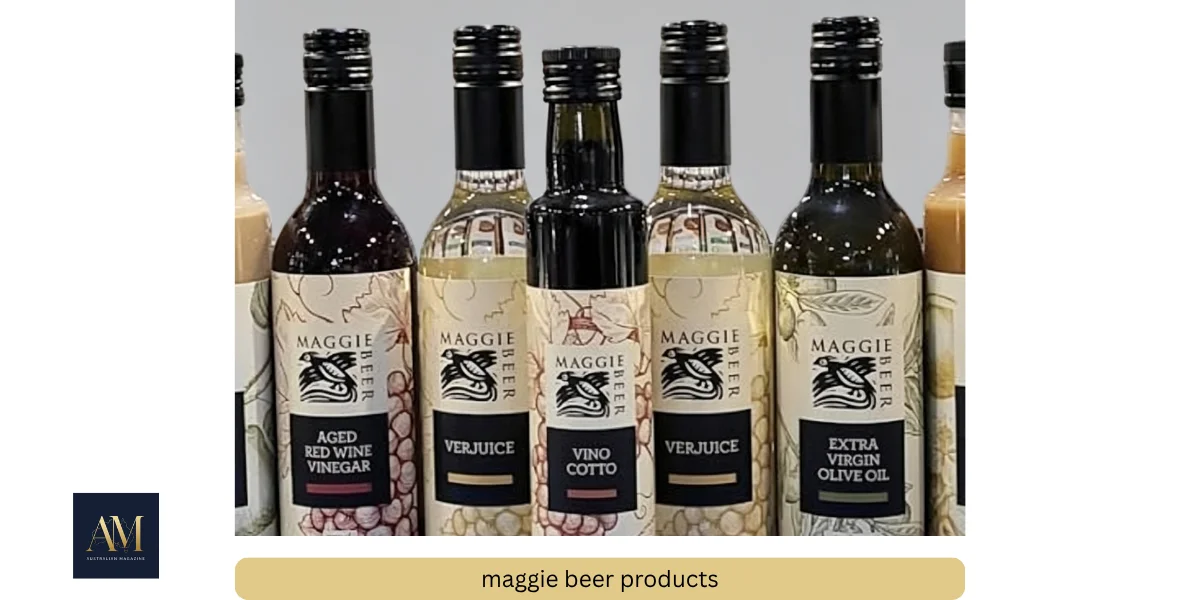
Maggie Beer products have earned a special place in Australian kitchens because they do something many food brands struggle to achieve: they feel both Premium and practical. Inspired by the Barossa Valley and made with a strong emphasis on natural ingredients, the range is designed for people who want flavour without fuss. From verjuice and fruit pastes to stocks, cheeses, preserves, and gift hampers, Maggie Beer’s products are built around one clear idea — good food starts with good ingredients.
What makes the range stand out is not just its reputation, but its consistency. These are products that home cooks can use every day, while still feeling worthy of a dinner party table. That balance is the real strength of the brand.
The Signature of the Range: Verjuice
If there is one product that best represents Maggie Beer’s philosophy, it is verjuice. This unfermented juice made from unripe grapes is one of the most distinctive pantry staples in Australian cooking. It is sharp, fresh, and gently acidic, making it incredibly useful in both savoury and sweet applications.
Verjuice is commonly used to:
- deglaze a pan after cooking meat
- brighten sauces and dressings
- balance richer flavours
- add acidity without the harshness of vinegar or lemon
For example, a splash of verjuice in a pan after searing chicken or lamb can lift the entire dish. It adds complexity without overpowering the main ingredients. That is exactly why it has remained one of the brand’s flagship products.
Fruit Pastes, Vinegars, and Oils: Small Products, Big Impact
Maggie Beer’s fruit pastes are another strong example of thoughtful food design. Varieties such as:
- Quince & Champagne
- Plum & Shiraz
- Fig & Brandy
- Pear & Vanilla
are particularly popular for being versatile and elegant. They pair beautifully with cheese boards, roasted meats, and desserts. A little goes a long way, which is often what consumers want from a Premium pantry item.
The same applies to the range of vinegars and oils. Products like Aged Red Wine Vinegar, Vino Cotto, Extra Virgin Olive Oil, and Verjuice Vinegar are the kind of ingredients that help cooks build flavour from the ground up.
Expert tip
When using Premium vinegars or fruit pastes, less is usually more. Start with a small amount, taste, and build gradually. These products are designed to enhance, not dominate.
Stocks, Sauces, and Dressings for Everyday Cooking
One of the strengths of Maggie Beer products is that they are not limited to special occasions. The stocks and sauces are a good example of that practicality.
Popular items include:
- Natural Beef Stock
- Chicken Stock
- Vegetable Stock
- Red Wine Finishing Sauce
- Lemon & Verjuice Dressing
These products save time and help home cooks achieve a more refined result. A good stock can transform a soup, risotto, or casserole. A finishing sauce can give a roast dinner the depth it needs. A well-made dressing can turn simple greens into something memorable.
For busy households, this matters. The brand offers convenience without the shortcuts that often weaken flavour.
Pâtés, Terrines, and Cheese Selection
Maggie Beer has also built a strong reputation in the Premium entertaining space. Her pâtés and terrines include favourites such as:
- Classic Pheasant Farm Pâté
- Duck Pâté
- Chicken Liver Pâté
These products suit grazing platters, starters, and elegant casual entertaining. They work especially well when paired with good crackers, fruit paste, and cheese.
The cheese range includes classics and indulgent options such as:
- Camembert
- Brie
- Truffle Brie
- Triple Cream Brie
- Vintage Cheddar
- Caramelised Onion Cheddar
The appeal here is obvious: these are foods that invite sharing. They are easy to serve, but they still feel special.
Common mistake
A common mistake with cheese boards is overloading them with too many competing flavours. Maggie Beer products work best when they are allowed to shine. Choose one or two cheeses, one fruit paste, a cracker, and a savoury spread. Simplicity usually tastes better.
Crackers, Wafers, and the Art of Pairing
No gourmet range is complete without supporting products, and Maggie Beer’s crackers and wafers do exactly that. Artisan crackers and fig & nut wafers provide texture and balance, especially when used with cheese, pâté, or preserves.
A good cracker should not just fill space on a board. It should support the other elements. That is where these products excel. They are sturdy enough to hold toppings, but delicate enough not to overwhelm them.
Drinks, Jams, and Dessert Sauces
The sweeter side of the range is just as appealing. Maggie Beer products include:
- Sparkling Chardonnay
- Sparkling Ruby Cabernet
- Quince Jelly
- Plum Jam
- Fig Jam
- Lemon Butter
- Caramel Sauce
- Chocolate Sauce
- Verjuice Syrup
These items are useful because they move easily between everyday use and entertaining. A spoonful of jam on toast, a drizzle of caramel on dessert, or a glass of non-alcoholic sparkling with a meal — each product has a clear purpose.
This is one of the reasons the brand works so well. It covers a broad range of occasions without losing its identity.
Hampers, Gifts, Cookbooks, and Homewares
Maggie Beer products are not limited to food alone. The brand also extends into gifting and lifestyle, with ready-made hampers such as:
- Absolute Essentials
- Cheese & Wine
- Grazing Hamper
- Sweet Treats
These are practical gifts because they take the guesswork out of Premium entertaining. They also reflect the brand’s strongest selling point: an easy way to give something that feels thoughtful.
The broader product universe includes:
- cookbooks such as Maggie’s Table, Recipe for Life, and Maggie’s Kitchen
- homewares like cheeseboards, aprons, rolling pins, and tea towels
This makes the brand feel complete. It is not only a food range; it is a full gourmet lifestyle experience.
Where to Buy Maggie Beer Products
In Australia, Maggie Beer products are widely available through:
- Coles
- Woolworths
- independent delis
- the official website
- the Barossa Farm Shop
Internationally, availability is more limited and usually depends on gourmet importers.
For consumers, this distribution model matters. It means the products are both accessible and special. You do not have to hunt them down in a niche store, but they still have the feel of a Premium find.
How to Use the Range Well
For best results, think of Maggie Beer products as building blocks rather than one-off purchases.
Here are a few practical combinations:
- Cheese board upgrade
Camembert, fig paste, fig & nut wafers, and sparkling non-alcoholic wine. - Easy roast dinner enhancement
Chicken stock, red wine finishing sauce, and verjuice for balance. - Elegant dessert plate
Lemon butter, caramel sauce, and fresh fruit. - Quick entertaining platter
Duck pâté, artisan crackers, quince jelly, and cheddar.
These combinations work because they follow a simple principle: balance richness, acidity, sweetness, and texture.
Future Outlook
The future of Maggie Beer products looks strong because the brand is aligned with where food culture is heading. Consumers increasingly want:
- natural ingredients
- transparent sourcing
- Premium pantry staples
- convenient entertaining options
- foods that feel both local and authentic
That gives the range long-term relevance. In a market full of short-lived food trends, Maggie Beer products continue to stand out because they are rooted in taste, not hype.
Conclusion
Maggie Beer products have become iconic for good reason. They combine Barossa-inspired character, natural ingredients, and practical use in a way that few gourmet brands manage. Whether it is verjuice, fruit paste, stock, cheese, preserves, or a thoughtfully assembled hamper, each product reflects a clear and confident food philosophy.
For home cooks, the range offers reliable ways to improve everyday meals. For entertainers, it brings polish and ease. And for gift buyers, it provides something genuinely worthwhile. That combination of quality, versatility, and authenticity is what keeps Maggie Beer products at the top of Australia’s gourmet food conversation.

Saskia Beer was more than a food producer or farmer. She was a quiet force in Australian food culture — a woman who combined practical farming knowledge, culinary skill, and a deep respect for natural produce into a career that changed the way many people thought about ethical food. Her story is not only one of family heritage, but of innovation, determination, and a belief that good food should be grown with patience and care.
Born in the Barossa Valley in the early 1970s, Saskia Beer grew up surrounded by one of Australia’s best-known food families. As the eldest daughter of celebrated chef and food educator Maggie Beer and Colin Beer, she was raised in an environment where cooking, farming, and hospitality were part of everyday life. That background shaped her values early on, but Saskia did not simply follow a familiar path. She built something of her own.
Early Life in the Barossa Valley
Saskia Beer’s childhood on Pheasant Farm in the Barossa Valley gave her a hands-on education that few people ever receive. She learned the rhythm of farm life from an early age — how food is raised, how seasons shape production, and why quality begins long before something reaches the kitchen.
That upbringing mattered. It grounded her in the realities of farming and helped form the philosophy that would guide her adult work: food should be real, thoughtful, and grown with respect for both the land and the animals.
Unlike many people who enter the food world from the restaurant side alone, Saskia understood production at its source. She knew what it took to raise animals responsibly, manage a farm sustainably, and create products that chefs and home cooks could trust.
Building Saskia Beer Farm Produce
In 1997, Saskia Beer founded what became known as Saskia Beer Farm Produce, originally operating under names such as Barossa Chooks and Saskia’s Chooks. This was not just a business; it was a statement of values.
At a time when conversations about ethical farming and sustainable food were still less mainstream than they are today, Saskia was already focused on:
- free-range poultry
- slow-grown meat
- chemical-free production methods
- speciality foods made with integrity
- natural, vegetarian feed formulas
These were not marketing slogans. They were the foundation of her work.
Her approach reflected a long-term vision: produce food that tasted better because it was raised better. That idea now sounds obvious to many consumers, but Saskia was working in that space before it became widely celebrated. She understood that good farming is not about speed or volume alone. It is about patience, animal welfare, and consistency.
A Pioneer in Sustainable Food
Saskia Beer earned respect because she did something that is still difficult: she balanced commercial success with principle. She did not treat sustainability as an accessory. It was central to the way she worked.
Her focus on natural feed formulas and chemical-free methods helped position her as an early leader in Australia’s sustainable food movement. She became known for proving that ethical farming and quality products could go hand in hand.
That kind of leadership matters because it changes expectations. Farmers, chefs, and consumers begin to see that better standards are possible. In Saskia’s case, her work helped normalise ideas that are now central to modern food conversations.
What made her approach stand out
- She prioritised animal welfare over convenience.
- She built trust through consistent quality.
- She showed that Premium food starts at the farm.
- She treated farming as a craft, not just a business.
The Beer Girls and a Family Tradition of Hospitality
Saskia also co-founded a catering business with her sister Elli, known as The Beer Girls. This venture extended her food philosophy into events and hospitality, bringing the family’s culinary heritage to a wider audience across South Australia.
The Beer Girls reflected another important aspect of Saskia’s personality: collaboration. She was not just a producer working behind the scenes. She understood presentation, service, and the role of food in bringing people together.
That combination — producer, caterer, innovator — gave her work unusual breadth. She could think about food from the soil to the plate, which is one reason her influence was so widely felt.
Television Appearances and Public Recognition
Saskia Beer’s expertise also reached television audiences. She appeared on The Cook and the Chef between 2006 and 2008, and later featured on MasterChef Australia in 2013.
These appearances helped introduce her work to a broader public, but they also confirmed something that those in the food world already knew: she had genuine authority. She spoke with the confidence of someone who had lived the work, not simply studied it.
In television settings, authentic specialists stand out quickly. Saskia did because her knowledge came from experience. She understood ingredients, farming systems, and culinary use with equal fluency.
Philosophy and Legacy
Saskia Beer’s guiding philosophy is often captured in the phrase:
“Real food, grown slowly, prepared with love.”
That line is powerful because it distils her entire approach. It speaks to patience, craft, and care. It also reflects a worldview that has become increasingly relevant as people look for food systems that are healthier, more transparent, and more sustainable.
Her products reached respected restaurants and markets, demonstrating real demand for the kind of food she championed. But perhaps her greater legacy lies in how she influenced attitudes. She showed that farming could be ethical without sacrificing excellence.
After her passing, her name continued to carry meaning through tributes, family remembrance, and the creation of the Saskia Beer Churchill Fellowship, established in her honour to support young farmers and food innovators. That kind of recognition suggests a legacy that goes beyond personal success. It points to a life that inspired others to think bigger and better about food.
Personal Life and Passing
In April 2019, Saskia Beer married Petar Jercic. He and their three children survived her. Her death on February 14, 2020, at the age of 46, came as a shock to many who knew her work and admired her contribution to Australia’s food landscape.
She passed away peacefully in her sleep, and the response to her death reflected the depth of her impact. People remembered not only what she built, but how she built it: with generosity, discipline, and a clear moral compass.
Lessons from Saskia Beer’s Life
There are several practical lessons that food professionals, farmers, and entrepreneurs can take from Saskia Beer’s career:
- Start with the product, not the branding.
Saskia’s reputation came from quality and consistency. - Respect the process.
Slow-grown, chemical-free production requires patience, but it builds trust. - Know your market, but stay true to your values.
She proved that principle and commercial viability do not have to conflict. - Build across the whole food chain.
Farming, production, catering, and education all reinforced one another in her work. - Let your work speak for itself.
Saskia was not known for hype. She was known for substance.
Common Mistakes Her Career Helps Us Avoid
Her story also highlights mistakes that many food businesses still make:
- Chasing speed at the expense of quality
- Treating sustainability as a trend rather than a principle
- Ignoring the connection between production and taste
- Failing to educate consumers about how food is raised
- Building a brand without a clear identity or values
Saskia Beer’s career shows the opposite approach: define your standards, stick to them, and let the results build your reputation.
Looking Ahead: Why Her Legacy Still Matters
Saskia Beer’s influence remains relevant because the food world is still moving toward many of the ideas she embraced early. Consumers want traceability, ethical sourcing, and better animal welfare. Young producers want models that prove sustainability can be practical, not just aspirational.
Her legacy sits at the intersection of all those trends. She was ahead of her time in some ways, but her values now feel increasingly current.
Conclusion
Saskia Beer’s life was short, but her impact was deep. She brought together family tradition, farming knowledge, entrepreneurial spirit, and a genuine respect for good food. Through Saskia Beer Farm Produce, The Beer Girls, and her broader influence on Australian food culture, she helped shape a more thoughtful approach to producing and enjoying food.
What stands out most is not only what she achieved, but how she achieved it. She believed in doing things properly, even when that meant taking the slower route. That is why her name still matters. Saskia Beer left behind more than a business legacy — she left a standard for integrity in food, and that is something worth remembering.

In Australian food history, some names are remembered because they appear on television or in cookbooks. Others are remembered for building something lasting, practical, and influential behind the scenes. Colin Beer belongs firmly in the second group.
Best known as the co-founder of Pheasant Farm in South Australia’s Barossa Valley, Colin Beer helped shape one of the country’s most distinctive gourmet food businesses. Working alongside his wife, Maggie Beer AO, he played a central role in turning farming, retail, tourism, and artisanal production into a model that would influence Australia’s speciality food sector for decades.
What makes his story compelling is that it is not just about business success. It is about vision: seeing value in quality produce, understanding how to connect farm and table, and building a brand around authenticity long before “farm-to-table” became a marketing cliché.
Who Is Colin Beer?
Colin Beer is an Australian businessman, farmer, and food industry pioneer. He has been active since the 1970s and is widely recognised for his contribution to the development of Premium Australian food products, particularly through the Barossa Valley enterprise he helped establish with Maggie Beer.
He is also known as the husband of celebrity chef, author, and food entrepreneur Maggie Beer. But reducing him to that role alone would miss the point. Colin Beer was not simply a supportive partner; he was a hands-on builder of a business that helped put the Barossa Valley on the gourmet map.
The Beginning of a Food Legacy
The foundation of Colin Beer’s influence was laid in the 1970s. At that time, Australian food culture was very different from what it is today. There was far less emphasis on artisanal production, regional provenance, or speciality retail. Much of the modern appetite for quality local produce had yet to emerge.
That is why the Beer family’s early work mattered so much.
A major turning point came with Colin Beer’s Churchill Fellowship in 1978. During this study trip, he examined commercial game bird farming in Europe and the United States. That experience helped inspire the business model that followed. It was not just a research trip; it was a blueprint for a new way of thinking about farming and food production.
Why the Fellowship Mattered
The fellowship helped shape several important business ideas:
- Farming could be more than commodity production; speciality food products could create stronger value than raw outputs alone;
- visitors would be interested in the story behind the food;
- quality and originality could become competitive advantages.
These ideas may sound obvious now, but at the time they were forward-thinking.
Pheasant Farm and the Barossa Valley Breakthrough
In 1979, Colin Beer and Maggie Beer opened their first farm shop through Pheasant Farm in the Barossa Valley. What began as a small-scale operation eventually became one of Australia’s best-known gourmet food brands.
The business did not rely on one revenue stream. Instead, it combined several elements:
- farming;
- tourism;
- retail;
- specialty food production.
That mix was one of its strengths. Visitors were not only buying food; they were buying an experience. They could see the environment, understand the product, and connect emotionally with the brand.
Products That Built the Reputation
Pheasant Farm became known for Premium items such as:
- pâté;
- verjuice;
- speciality foods focused on natural quality.
These products helped establish a reputation for craftsmanship and integrity. In an industry where shortcuts can be tempting, the Beer business stood out by leaning into authenticity and careful production.
Colin Beer’s Role in a Changing Food Culture
Colin Beer’s contribution goes beyond the success of a single business. He helped demonstrate a broader model for rural entrepreneurship in Australia.
His work showed that a farm could be:
- a production site,
- a destination,
- a retail brand,
- and a cultural asset.
That approach influenced how many later producers thought about building food businesses. Instead of selling only ingredients, they began selling identity, story, and trust.
A Practical Business Lesson
One of the most valuable lessons from Colin Beer’s career is that niche products can outperform generic ones when they are supported by strong branding and consistent quality. That lesson still applies today.
For example, a producer of artisanal preserves, cheeses, or condiments may not compete on volume, but can succeed through:
- clear origin stories;
- distinctive packaging;
- direct customer relationships;
- and a reputation for excellence.
Colin Beer understood this early.
The Partnership with Maggie Beer
Any account of Colin Beer would be incomplete without acknowledging the partnership that defined much of his public legacy. His relationship with Maggie Beer became one of the most recognisable collaborations in Australian food.
Their work together mattered because it fused complementary strengths: farming, product development, public-facing communication, and brand-building. Maggie Beer went on to become a household name through cookbooks, media, and advocacy. At the same time, Colin Beer remained closely associated with the practical and entrepreneurial foundations that made that success possible.
Their partnership is often remembered as a landmark in Australian food history because it represented a new kind of success story: regional, family-based, quality-driven, and deeply tied to place.
Television and Public Recognition
Colin Beer also appeared on television. He featured in 21 episodes of the ABC series The Cook and the Chef from 2006 to 2009, appearing as himself and supporting Maggie Beer on screen.
This mattered for more than visibility. It helped bring the behind-the-scenes reality of food production to a wider audience. Viewers could see that great food does not begin in a studio kitchen. It begins on farms, in workshops, and in working relationships built over years.
What Sets Colin Beer Apart?
Many people contribute to a successful business. Fewer help create a model that lasts. Colin Beer stands out because his work combined several qualities that are often missing when businesses are built too quickly.
His strengths included:
- long-term thinking rather than short-term sales;
- respect for product quality;
- willingness to innovate from research and travel;
- understanding the value of place-based branding;
- ability to integrate agriculture and hospitality into a single ecosystem.
These are not glamorous traits, but they are the traits that build durable enterprises.
Common Mistakes He Avoided
There are also useful lessons in what Colin Beer did not do.
1. He did not chase mass-market sameness
Instead of trying to be everything to everyone, the Beer business stayed focused on distinctive, Premium products.
2. He did not separate production from experience
The business was not only about making food. It was about telling the story of the food.
3. He did not ignore the value of tourism
Many producers treat tourism as an afterthought. Beer recognised it as part of the business model.
4. He did not rely on branding alone
The brand worked because the product quality supported it.
Legacy and Future Outlook
Colin Beer’s legacy remains important because the food industry now values many of the things he helped champion decades ago: traceability, provenance, local identity, artisanal quality, and customer experience.
Today’s consumers increasingly want to know:
- where food comes from;
- how it is made;
- who made it;
- and why it matters.
That is exactly the kind of thinking Colin Beer helped normalise.
His story also has future relevance for small producers and regional entrepreneurs. As markets become more crowded, businesses that can combine authenticity, quality, and a clear point of view are more likely to endure. In that sense, the Beer model still feels modern.
Final Thoughts
Colin Beer may not be as publicly famous as some food personalities, but his contribution is substantial. He helped build a business that changed the way Australians think about regional food, farming, and gourmet retail.
From the Churchill Fellowship in 1978 to the launch of Pheasant Farm in 1979 and beyond, his career reflects the power of curiosity, discipline, and long-term vision. Together with Maggie Beer, he helped transform a Barossa Valley farm into an enduring symbol of Australian food excellence.
For anyone interested in food entrepreneurship, rural innovation, or the history of Australian gourmet culture, Colin Beer is a name worth remembering.
Maggie Beer Products: A Gourmet Australian Range Built on Flavour, Simplicity, and Quality

Human-in-the-loop customer service: how NeonNow IQ divides contact centre work between AI and people
Saskia Beer: The Life, Work, and Lasting Legacy of an Australian Food Innovator

Love Island Australia 2026: Why Fans Chasing Fiji Villa Gossip Online Need to Slow Down Before They Click
Colin Beer: The Quiet Architect Behind a Gourmet Food Legacy

Katherine Pearson: Strength, Resilience and Life Beyond the Headlines

Harrison Gilbertson in Fallen: Bringing a Fallen Angel to Life

Actors Equity Australia: Protecting and Empowering Performers

JK Kazzi: The Charismatic Voice of a New Generation of Cultural Influencers

Leigh Pickford: A Story of Strength and Resilience in the Public Eye
-
 Celebrity12 months ago
Richard Zachariah – The Story of a Gentleman Journalist
-
 Lifestyle12 months ago
Matt Moran Liberal-From Service to Leadership in Western Australia
-
 Lifestyle5 months ago
Top Fashion Trends Australia 2026: What Australians Are Wearing Now
-
 Lifestyle5 months ago
Spring 2026 Fashion Trends: The Complete Style Guide
-
 News10 months ago
Beau Lamarre-Condon – Inside the Case, the Charges, and the Court Timeline
-
 News12 months ago
Samuel William Davidson – The Oatlands Tragedy, Sentence & the Power of Forgiveness
-
 Entertainment5 months ago
How Australian Players Are Choosing Their Online Casino in 2026
-
 Entertainment1 year ago
The Unstoppable Rhea Ripley-WWE’s Australian Phenomenon