
Lifestyle
Katrina Dawson-A Legacy of Courage, Compassion & Change


Katrina Dawson, a brilliant Sydney barrister and mother of three, was killed while protecting a colleague during the 2014 Lindt Café siege. Ten years on, her courage endures through the Katrina Dawson Foundation, empowering young women in education and leadership. Her story remains a lasting symbol of compassion, bravery, and national resilience.
Few Australians embody courage and grace in tragedy quite like Katrina Dawson.
The brilliant Sydney barrister, wife and mother of three lost her life in the Lindt Café siege on 15 December 2014. Ten years on, her story continues to shape how a nation remembers, reforms, and rebuilds.
Early Life & Education of Katrina Dawson
Born and raised in Sydney, Katrina Dawson stood out early for her intellect and humility.
A graduate of Ascham School, she topped the state in the HSC with a TER 100, earning the affectionate nickname “Tree” – a symbol of strength and nurture that would later inspire her foundation’s logo.
At the University of Sydney, Katrina joined The Women’s College, where she served as Senior Student in 1998 and forged lifelong friendships across disciplines and backgrounds.
She later completed a Master of Laws at UNSW, combining sharp legal insight with a deep sense of social responsibility.
A Legal Career Marked by Purpose
Katrina’s legal career reflected not ambition but contribution.
Before being called to the Bar in 2005, she volunteered at the Redfern Legal Centre, worked in the District Court Duty Solicitor Scheme, and helped launch the Ask! Legal Service for Kids through the Ted Noffs Foundation.
She was a Wishgranter for the Starlight Children’s Foundation, a pro bono advocate, and a mentor to junior lawyers.
At Eighth Floor Selborne Chambers, she quickly earned a reputation for fairness and precision – traits that defined her approach to every case.
At home, she was equally devoted – married to Paul Smith, a partner at King & Wood Mallesons, and mother to Chloe, Oliver and Sasha. Colleagues recalled her saying that success meant “doing work that matters and still being home for bedtime.”
The Lindt Café Siege-The Day Sydney Stood Still
On the morning of 15 December 2014, Sydney bustled with pre-Christmas energy. Inside the Lindt Café at Martin Place, Katrina met colleagues Julie Taylor and Stefan Balafoutis.
Moments later, Man Haron Monis, carrying a sawn-off shotgun, ordered tea and chocolate cake before declaring:
“This is an attack. I have a bomb.”
Monis forced manager Tori Johnson to lock the doors and demanded attention from national media. He falsely claimed to have explosives around the city.
Minutes in, he told Katrina and Julie they could leave. True to form, Katrina refused to abandon a colleague:
“Can he come with us?” she asked, pointing to Stefan.
Monis appeared to agree, but the escape never happened. Hours later, Stefan Balafoutis and John O’Brien seized a chance to flee – but for Katrina, freedom slipped away.

Inside the Siege – Human Courage Under Threat
For sixteen and a half hours, eighteen people endured terror, exhaustion and fear.
Former employee Fiona Ma recalled stacking boxes under Monis’s orders when she heard glass shatter as others escaped:
“He fired the gun and then he was reloading. I thought if he’s reloading, I can run out now.”
Louisa Hope and her mother Robin were also trapped. Louisa later told investigators she had a “15-to-60-second gap” in memory, still hoping to fill it:
“The fact of the matter is, Tori and Katrina are with me every day. I carry grief about them all the time.”
Robin never fully recovered from her injuries.
Yet Louisa transformed trauma into purpose, establishing the Louisa Hope Fund for Nurses and co-founding Victims of Terrorism Australia (VOTA) – a lifeline for others navigating invisible wounds.
The Final Moments – Katrina Dawson’s Last Act of Bravery
At 2:00 am on 16 December, Monis executed café manager Tori Johnson.
Minutes later, at 2:13 am, Tactical Operations Unit officers stormed the café.
The first two – Officer A and Officer B – fired 22 rounds in a rapid exchange that killed Monis but also unleashed deadly ricochets.
Katrina was struck by seven fragments to her shoulders, back and neck, later confirmed as copper-jacketed police bullets. She was found alive, shielding her pregnant colleague Julie Taylor beneath overturned tables, but died from blood loss when a fragment severed a major artery.
Her final gesture was one of instinctive protection – the ultimate expression of who she was.
The Inquest – Truth, Accountability & Lessons
The coronial inquest revealed how chaos, miscommunication and hesitation shaped the tragedy.
Ballistic evidence and 3D reconstructions showed that police fired 22 bullets, ten of which struck a chair behind Monis before fragmenting toward Katrina.
Snipers positioned in the Westpac Building could partially see Tori Johnson kneeling but not Monis, obscured between window frames.
The coroner sought to determine how Katrina and Tori died, whether the siege response was adequate, and why Monis – on bail for dozens of sexual assault charges and accessory to murder – was free.
The Dawson family submitted that two senior police officers should face adverse findings for setting an “unacceptably high threshold” for action – a policy that required a death before intervention.
Coroner Michael Barnes concluded:
“Rarely have such horrifying events unfolded so publicly.”
He made 45 recommendations, leading to major counter-terrorism reform and replacing the “contain and negotiate” strategy with a more decisive-action model.
Outside court, survivor John O’Brien summed up the shared grief:
“It’s been very upsetting for Tori Johnson’s family.”
Psychological Aftermath – Invisible Scars
The siege left deep psychological wounds on survivors and first responders alike.
TOU officer Ben Besant, who killed Monis, later revealed his battle with PTSD and now campaigns for a national trauma inquiry to better support emergency personnel.
He has spoken publicly about finding purpose through helping others manage their own trauma.
The experience also reshaped the media’s ethics. Journalist Gemma Bath, who read the news live on radio during the siege, recalled:
“It taught me the power of omission – how not saying something could save lives.”
Her reflection echoed a broader realisation that responsible reporting can mean the difference between safety and tragedy.
The Katrina Dawson Foundation – Turning Grief into Opportunity
Days after the siege, Katrina’s family and former Governor-General Quentin Bryce launched the Katrina Dawson Foundation. Its mission: find, fund and mentor inspiring young women.
Three inaugural scholarships were awarded in 2015 to University of Sydney undergraduates at The Women’s College – a place Katrina cherished.
Partnerships with the Aurora Education Foundation and the Roberta Sykes Indigenous Education Foundation soon followed, offering fellowships and international study tours.
One recipient, Teina Te Hamara, a Yindjibarndi woman from Western Australia, described the impact:
“The study tour opened doors I had no idea about. Now I see no limits.”
Paul Smith, Katrina’s husband and the foundation’s chair, said:
“We want to remove barriers and create opportunities for exceptional young women to fulfil their potential.”
He added:
“In 10 years’ time, we hope for a network of Katrina Dawson Scholars who, individually and collectively, make the world a better place.”
By 2024, more than 30 women had benefited from the foundation’s scholarships and mentoring programmes – a living legacy of empowerment.
Family Strength & Sandy Dawson’s Enduring Influence
Katrina’s brother Sandy Dawson SC, a leading defamation barrister and co-founder of Banco Chambers, became the family’s public voice throughout the inquest.
He embodied the same integrity as his sister, mentoring young lawyers and defending media freedoms.
In 2022, Sandy Dawson died aged 50 from brain cancer, nearly eight years after losing Katrina.
His father Alexander (Sandy) Dawson Sr., mother Jane, and sister-in-law Nikki continue to serve on the foundation board.
At Sandy’s funeral, the family requested no flowers, encouraging donations to the Cure Brain Cancer Foundation – a reflection of their commitment to transforming loss into progress.
A Nation Remembers – Ten Years Since the Siege
On 15 December 2024, Australia marked a decade since the siege that changed its sense of safety.
Prime Minister Anthony Albanese laid hydrangeas and sunflowers – Katrina and Tori’s favourite flowers – at Martin Place, saying:
“We hold the memory of Katrina Dawson and Tori Johnson who never went home again.”
Former NSW Deputy Premier Troy Grant reflected:
“The siege profoundly changed the city’s innocence, but the sea of flowers that followed proved Australians would not be intimidated.”
The 60 Minutes special “17 Hours of Terror” revisited the ordeal through survivors, police and leaders, reminding viewers of the bravery and the painful lessons learned.
Cultural Resilience & Collective Healing
The aftermath of the siege revealed more than sorrow – it showcased resilience.
The sea of flowers that blanketed Martin Place became an emblem of unity. Strangers embraced, children laid cards, and Sydney reaffirmed its commitment to compassion over fear.
Commemorations now occur every December, and the Katrina Dawson Foundation Concert at The Women’s College gathers scholars, alumni, and family to celebrate the women carrying her name forward.
The Foundation’s reach now extends beyond education – mentoring women in law, medicine, engineering, and community leadership, echoing Katrina’s belief that privilege must serve purpose.
Tributes & Friendship
Friend Molly Hutcherson remembered their first day at Ascham:
“Katrina bounced over and said, ‘Hi Molly, you live in Randwick too? That’s fantastic. We can catch the bus together every day.’”
She wrote after the siege:
“She did not just survive – she thrived. She showed that motherhood and professional success could co-exist. She was loyal, honest and kind.”
Their shared love of Shakespeare lives on in a line she quoted at Katrina’s farewell:
“Why should a dog, a horse, a rat have life, and thou no breath at all?”

The Enduring Meaning of Katrina Dawson
Ten years later, Katrina Dawson remains a symbol of bravery, intellect and humanity.
Her final act of protecting a friend reflected a lifetime of compassion.
Through every scholarship, fellowship and act of mentorship, her values live on – reminding Australians that courage and kindness can outlast even the darkest hours.
“In remembering Katrina, we remember what is best in us.”
FOR RELATED ARTICLES VISIT US AT AUSTRALIANMAGAZINE.COM.AU

“Pretty girls” is a phrase people use casually, but it carries far more weight than it first appears. On the surface, it simply refers to women or girls seen as physically attractive. In reality, it opens the door to a much larger conversation about beauty standards, social perception, psychology, privilege, and self-worth.
For generations, attractiveness has shaped how people are treated. It influences first impressions, relationships, hiring decisions, friendships, and even confidence. Yet beauty is never just about appearance. It is also about culture, timing, personality, and the meaning society attaches to looks. That is why the topic of pretty girls is not just about fashion or aesthetics — it is about how people are valued, judged, and understood.
What Does “Pretty Girls” Really Mean?
At its simplest, the phrase refers to girls or women perceived as physically attractive. But beauty is not fixed. What one culture, era, or community considers pretty may differ completely from what another does.
For example:
- In one setting, soft features may be admired.
- In another, strong features or bold style may be preferred.
- In one decade, slimness may be idealised.
- In another, curves, natural texture, or individuality may be celebrated.
This is why beauty should never be treated as universal or permanent. It is a moving target shaped by media, fashion, social norms, and personal taste.
The Power of Beauty Standards
Beauty standards are one of the most influential forces behind the idea of pretty girls. They shape who gets praised, who gets noticed, and who is overlooked.
Where beauty standards come from
Beauty standards are often formed by:
- movies and television
- social media and influencers
- advertising and fashion industries
- local traditions and cultural expectations
- peer pressure and family influence
When certain images are repeated often enough, people begin to believe they represent the “ideal.” That creates pressure, especially for young girls, who may feel they must look a certain way to be accepted.
The problem with narrow ideals
The danger is not beauty itself, but narrowness. When only one type of face, body, skin tone, or style is celebrated, many people feel invisible. That can lead to insecurity, comparison, and low self-esteem.
A healthier view of beauty recognises variety. Pretty can mean elegant, natural, bold, unique, radiant, or unconventional. It does not belong to one look.
Pretty Privilege: The Advantage People Rarely Admit
One of the most important ideas tied to attractiveness is pretty privilege. This refers to the unearned advantages attractive people may receive simply because others respond positively to their appearance.
This is closely linked to the psychological concept known as the halo effect. When someone is seen as attractive, people often assume they are also:
- kinder
- smarter
- more trustworthy
- more capable
- more successful
That assumption is not always conscious, but it is powerful.
Real-world examples of pretty privilege
Pretty privilege can show up in everyday life:
- a person may receive friendlier treatment in shops or restaurants
- attractive applicants may be viewed more favourably in interviews
- students may be given the benefit of the doubt more often
- social media users with attractive photos may gain followers faster
This does not mean attractive people have no problems. It means they may start with social advantages that others do not receive.
The Hidden Pressure of Being Seen as Pretty
Many people imagine that being called pretty is only a compliment. But for some women and girls, it can become a burden.
Constant appearance pressure
If someone is known mainly for being attractive, they may feel forced to maintain that image at all times. That can mean:
- anxiety about ageing
- fear of weight gain or skin changes
- pressure to wear makeup or dress a certain way
- stress when they do not “look good enough”
Being reduced to appearance
Another common struggle is being valued only for looks. A pretty girl may feel that people:
- ignore her opinions
- underestimate her intelligence
- assume she has an easy life
- dismiss her achievements as appearance-based
That creates a frustrating contradiction: beauty can open doors, but it can also shut down deeper recognition.
Stereotypes and unfair assumptions
One of the oldest stereotypes is that attractive women are somehow less intelligent or less serious. This is not only unfair; it is also lazy thinking. Appearance and intelligence have no direct connection. Yet stereotypes persist because people often confuse surface impressions with truth.
True Beauty Goes Deeper
A meaningful conversation about pretty girls must move beyond appearance. Real beauty is not just facial symmetry, smooth skin, or fashionable clothing. It is also character.
Qualities that create lasting beauty
- confidence without arrogance
- kindness in how someone treats others
- intelligence and curiosity
- emotional maturity
- integrity and self-respect
- a warm, authentic personality
These traits often make someone more attractive over time because they shape how a person feels about being around them. Physical beauty may catch attention quickly, but inner qualities build respect and lasting admiration.
A practical example
Two people may both be considered attractive. But the one who listens well, speaks with kindness, and carries herself with confidence often leaves a stronger impression. That is because people remember how someone makes them feel, not just how they look.
What Psychology Tells Us About Attraction
Research consistently shows that attractiveness affects human judgment. People are more likely to respond positively to someone they find physically appealing, even when they know very little about that person.
This happens because the brain relies on shortcuts. Appearance becomes a signal, and the mind fills in the gaps. The problem is that these shortcuts can distort fairness.
Common psychological biases tied to attractiveness
- assuming attractive people are more competent
- assuming they are more sociable
- assuming they are more successful
- overlooking flaws because of positive first impressions
The good news is that awareness helps. Once people understand these biases, they can begin to question them rather than follow them automatically.
Common Mistakes People Make When Talking About Pretty Girls
This topic is often discussed carelessly. That creates confusion and harm.
1. Treating beauty as the main measure of worth
A person is much more than appearance. Reducing someone to looks strips away individuality.
2. Assuming beauty equals happiness
Attractive people may still struggle with insecurity, loneliness, pressure, or emotional pain.
3. Using beauty to excuse bad behaviour
Being pretty does not make someone more valuable than others, nor does it cancel out poor character.
4. Ignoring diversity
There is no single “pretty girl” type. Beauty exists across skin tones, body types, ages, facial features, and styles.
5. Confusing attention with respect
Being noticed is not the same as being understood, valued, or respected.
Expert Tips for a Healthier View of Beauty
If we want a better culture around beauty, we need better habits.
For individuals
- value character as much as appearance
- avoid comparing yourself to filtered images
- notice beauty in diversity, not just one ideal
- build confidence through skills, purpose, and self-respect
- remember that attraction changes across time and context
For parents and educators
- praise effort, kindness, and intelligence, not just looks
- avoid teaching girls that appearance is their main asset
- encourage media literacy so beauty standards are questioned, not absorbed unquestioningly
For society
- promote broader representation in media and advertising
- celebrate different styles of beauty
- challenge comments that reduce women to appearance alone
The Future of Beauty: More Inclusive, More Human
The modern view of beauty is slowly changing. Social media has had mixed effects, but it has also helped widen the definition of attractive. More people now see beauty in:
- natural hair and textures
- different body shapes
- darker skin tones
- mature faces
- unconventional features
- personal style and self-expression
This shift matters. It moves the conversation from perfection to authenticity. And authenticity is far more sustainable than chasing a single ideal that keeps changing.
The future of beauty is likely to be more inclusive, more personal, and less rigid. That is a healthier direction for everyone.
Conclusion
The phrase “pretty girls” may sound simple, but it sits at the intersection of beauty, psychology, and social power. Yes, attractiveness can bring advantages. But it can also bring pressure, stereotypes, and unrealistic expectations.
The most valuable lesson is this: beauty matters, but it should never be the whole story. Confidence, kindness, intelligence, and character create a deeper kind of appeal — one that lasts far longer than any trend.
In the end, the healthiest definition of pretty is not about fitting an image. It is about expressing a full, real, and confident self.
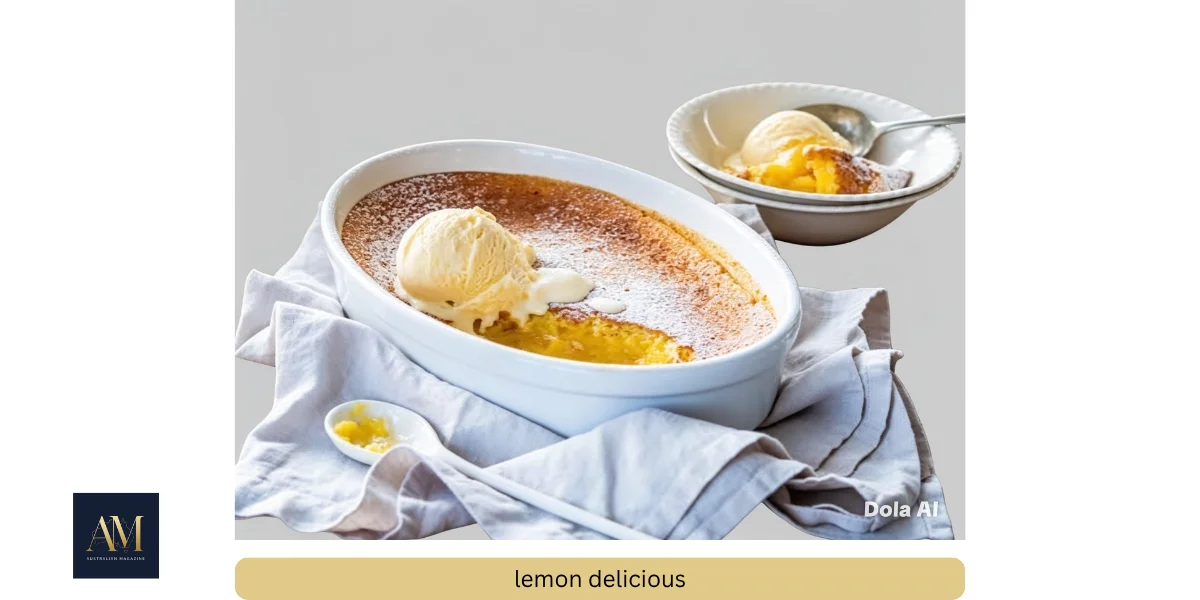
Lemon Delicious is one of those desserts that feels timeless the moment you taste it. Soft, warm, and gently tangy, it delivers the kind of comfort that only a true home-style pudding can provide. At first glance, it looks simple, but when bake,d it performs its famous little trick: a light sponge forms on top while a silky lemon custard settles underneath. That two-layer transformation is part of its charm, and it is exactly why the dessert has remained a favourite in Australian kitchens for generations.
What makes Lemon Delicious especially appealing is its balance. It is sweet without being heavy, sharp without being sour, and comforting without feeling dull. That is a difficult combination to get right, which is why well-made versions stand out. Maggie Beer’s take on the dish adds another layer of depth by using fresh lemons and a touch of Seville marmalade, giving the pudding a richer citrus profile and a more rounded finish.
Why Lemon Delicious Has Lasting Appeal
There is a reason this dessert continues to survive changing food trends. It is practical, affordable, and deeply satisfying. It also relies on ingredients most home cooks already have on hand.
Lemon Delicious works so well because it offers:
- bright citrus flavour
- a soft, custardy texture
- an appealing contrast between sponge and sauce
- a warm, nostalgic feel
- simple ingredients with impressive results
That combination makes it ideal for family meals, casual entertaining, and cool-weather desserts. It is the sort of dish that feels familiar even when served for the first time.
Maggie Beer’s Version: A Thoughtful Twist on a Classic
Maggie Beer’s Lemon Delicious recipe respects the traditional dessert while enhancing it in a very sensible way. The addition of Seville marmalade is particularly smart. Seville oranges have a naturally intense, slightly bitter citrus character, and when used careful,ly they deepen the pudding’s flavour without overwhelming it.
Her version includes:
- unsalted butter
- caster sugar
- lemon zest and juice
- Seville marmalade
- separated eggs
- self-raising flour
- full-cream milk
This is a classic ingredient list, but the method and citrus layering give the dessert a more polished result. It tastes like a homely pudding that has been refined by experience.
How the Magic Happens
The “magic” of Lemon Delicious lies in its structure. During baking, the batter separates into two distinct layers:
- The top rises and becomes light and sponge-like.
- The bottom stays softer and transforms into a creamy lemon custard.
This happens because of the way the egg whites are folded into the mixture and how the pudding bakes gently in a water bath. The bain-marie helps regulate heat, preventing the custard from becoming rubbery or overcooked.
That is the secret: not mystery, but temperature control and a well-balanced batter.
Step-by-Step Method Explained
Maggie Beer’s method is straightforward, but a few details matter.
1. Prepare the baking dish
Grease a 1.5-litre baking dish or four ramekins, then place them inside a deep roasting pan. This setup allows you to create a water bath later. It is an important step, not a decorative one.
2. Cream butter and sugar
Cream the softened butter and caster sugar until pale and fluffy. This helps create the right texture in the top layer.
3. Add citrus flavour
Stir in the lemon zest and marmalade. This is where the pudding starts to develop real character. The zest gives freshness, while the marmalade adds depth.
4. Beat in the egg yolks
Add the yolks one at a time. This builds richness and helps bind the mixture.
5. Fold in the flour and milk
Add the self-raising flour, then the milk, then the lemon juice. The batter will look thin. That is correct. Many home cooks panic at this stage and think they have done something wrong.
6. Whisk and fold the egg whites
Whisk the whites to soft peaks, then fold in one-third first before gently incorporating the rest. This is what gives the pudding lift.
7. Bake in a water bath
Pour the mixture into the dish, fill the roasting pan halfway with hot water, and bake at 160°C fan 150°C for 35–40 minutes until golden and set.
8. Serve warm
Dust with icing sugar and serve while still warm.
Expert Tips for Better Results
Even a simple dessert benefits from careful technique. Here are a few practical tips:
- Use fresh lemons. Bottled juice will not give the same brightness.
- Zest before juicing. It is much easier that way.
- Do not overwhisk the egg whites. Soft peaks are enough.
- Fold gently. Overmixing will knock out the air and reduce the sponge effect.
- Keep the water bath steady. Hot water should come halfway up the dish, not higher.
- Serve promptly. Lemon Delicious is at its best warm and freshly baked.
These small details make a large difference in the final texture.
Common Mistakes to Avoid
Lemon Delicious is forgiving, but several common mistakes can undermine it.
Using too much lemon juice
The dessert should taste bright and balanced, not aggressively sharp. Too much acidity can weaken the structure and throw off the sweetness.
Skipping the water bath
Without it, the custard can bake too quickly and lose its silky texture.
Overbaking
The top should be golden and set, but the base should remain creamy. If baked too long, the custard can become dry or curdled.
Folding too roughly
The pudding depends on air in the egg whites. Rough handling flattens the texture.
Serving it cold
This dessert is designed to be eaten warm. Cold Lemon Delicious loses much of its appeal.
How to Serve Lemon Delicious
This pudding is versatile enough to suit both simple family meals and more polished dinners. The classic accompaniments are:
- lightly whipped cream
- vanilla ice cream
- crème fraîche
- extra lemon zest
- a small spoonful of marmalade on the side
For a more elegant presentation, serve it in individual ramekins with a dusting of icing sugar and a few curls of lemon zest. For a home-style feel, bring the whole dish to the table and let everyone serve themselves.
Why Maggie Beer’s Twist Works So Well
Maggie Beer has always understood how to deepen a classic without overcomplicating it. In this dessert, the Seville marmalade adds a layered citrus note that complements the lemon rather than competing with it. It is subtle, but that subtlety is exactly what makes it effective.
The result is a dessert with more character, more complexity, and a slightly fuller flavour than a standard version. It still feels familiar, but it has more personality.
Future Outlook: Why This Dessert Still Matters
In a food world often dominated by elaborate trends, Lemon Delicious has staying power because it delivers real value. It is inexpensive, uses everyday ingredients, and rewards good technique. That matters more than ever.
As more people return to comfort baking and simple desserts with proper flavour, dishes like this remain relevant. They remind us that excellent food does not need to be complicated. It needs to be well made.
That is why Lemon Delicious still deserves a place on the table. It is heritage cooking at its best: humble, smart, and deeply satisfying.
Conclusion
Lemon Delicious is more than a nostalgic dessert. It is a beautifully balanced Australian classic that continues to earn its place because it simply works. The contrast between the soft sponge and the lemon custard gives it a unique appeal, while Maggie Beer’s version adds a refined citrus depth through fresh lemons and Seville marmalade.
For home cooks, it offers a reliable dessert with a touch of theatre. For diners, it delivers warmth, comfort, and brightness in one bowl. And for anyone who values timeless cooking, it remains a reminder that the best recipes are often the ones that combine simplicity with care.
Lifestyle
Maggie Beer Products: A Gourmet Australian Range Built on Flavour, Simplicity, and Quality

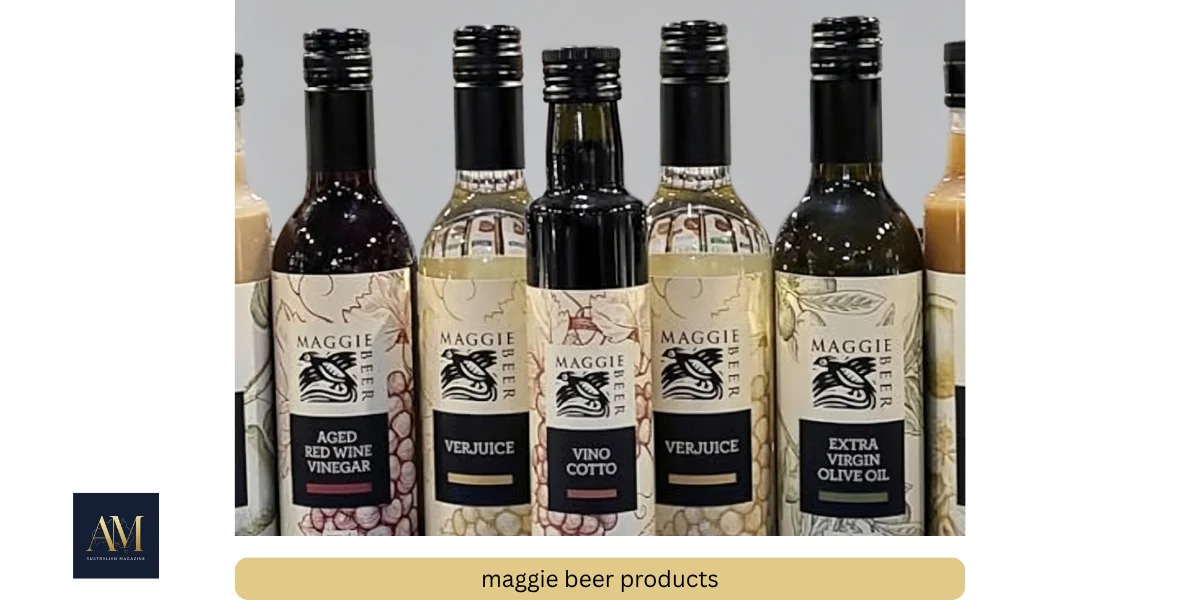
Maggie Beer products have earned a special place in Australian kitchens because they do something many food brands struggle to achieve: they feel both Premium and practical. Inspired by the Barossa Valley and made with a strong emphasis on natural ingredients, the range is designed for people who want flavour without fuss. From verjuice and fruit pastes to stocks, cheeses, preserves, and gift hampers, Maggie Beer’s products are built around one clear idea — good food starts with good ingredients.
What makes the range stand out is not just its reputation, but its consistency. These are products that home cooks can use every day, while still feeling worthy of a dinner party table. That balance is the real strength of the brand.
The Signature of the Range: Verjuice
If there is one product that best represents Maggie Beer’s philosophy, it is verjuice. This unfermented juice made from unripe grapes is one of the most distinctive pantry staples in Australian cooking. It is sharp, fresh, and gently acidic, making it incredibly useful in both savoury and sweet applications.
Verjuice is commonly used to:
- deglaze a pan after cooking meat
- brighten sauces and dressings
- balance richer flavours
- add acidity without the harshness of vinegar or lemon
For example, a splash of verjuice in a pan after searing chicken or lamb can lift the entire dish. It adds complexity without overpowering the main ingredients. That is exactly why it has remained one of the brand’s flagship products.
Fruit Pastes, Vinegars, and Oils: Small Products, Big Impact
Maggie Beer’s fruit pastes are another strong example of thoughtful food design. Varieties such as:
- Quince & Champagne
- Plum & Shiraz
- Fig & Brandy
- Pear & Vanilla
are particularly popular for being versatile and elegant. They pair beautifully with cheese boards, roasted meats, and desserts. A little goes a long way, which is often what consumers want from a Premium pantry item.
The same applies to the range of vinegars and oils. Products like Aged Red Wine Vinegar, Vino Cotto, Extra Virgin Olive Oil, and Verjuice Vinegar are the kind of ingredients that help cooks build flavour from the ground up.
Expert tip
When using Premium vinegars or fruit pastes, less is usually more. Start with a small amount, taste, and build gradually. These products are designed to enhance, not dominate.
Stocks, Sauces, and Dressings for Everyday Cooking
One of the strengths of Maggie Beer products is that they are not limited to special occasions. The stocks and sauces are a good example of that practicality.
Popular items include:
- Natural Beef Stock
- Chicken Stock
- Vegetable Stock
- Red Wine Finishing Sauce
- Lemon & Verjuice Dressing
These products save time and help home cooks achieve a more refined result. A good stock can transform a soup, risotto, or casserole. A finishing sauce can give a roast dinner the depth it needs. A well-made dressing can turn simple greens into something memorable.
For busy households, this matters. The brand offers convenience without the shortcuts that often weaken flavour.
Pâtés, Terrines, and Cheese Selection
Maggie Beer has also built a strong reputation in the Premium entertaining space. Her pâtés and terrines include favourites such as:
- Classic Pheasant Farm Pâté
- Duck Pâté
- Chicken Liver Pâté
These products suit grazing platters, starters, and elegant casual entertaining. They work especially well when paired with good crackers, fruit paste, and cheese.
The cheese range includes classics and indulgent options such as:
- Camembert
- Brie
- Truffle Brie
- Triple Cream Brie
- Vintage Cheddar
- Caramelised Onion Cheddar
The appeal here is obvious: these are foods that invite sharing. They are easy to serve, but they still feel special.
Common mistake
A common mistake with cheese boards is overloading them with too many competing flavours. Maggie Beer products work best when they are allowed to shine. Choose one or two cheeses, one fruit paste, a cracker, and a savoury spread. Simplicity usually tastes better.
Crackers, Wafers, and the Art of Pairing
No gourmet range is complete without supporting products, and Maggie Beer’s crackers and wafers do exactly that. Artisan crackers and fig & nut wafers provide texture and balance, especially when used with cheese, pâté, or preserves.
A good cracker should not just fill space on a board. It should support the other elements. That is where these products excel. They are sturdy enough to hold toppings, but delicate enough not to overwhelm them.
Drinks, Jams, and Dessert Sauces
The sweeter side of the range is just as appealing. Maggie Beer products include:
- Sparkling Chardonnay
- Sparkling Ruby Cabernet
- Quince Jelly
- Plum Jam
- Fig Jam
- Lemon Butter
- Caramel Sauce
- Chocolate Sauce
- Verjuice Syrup
These items are useful because they move easily between everyday use and entertaining. A spoonful of jam on toast, a drizzle of caramel on dessert, or a glass of non-alcoholic sparkling with a meal — each product has a clear purpose.
This is one of the reasons the brand works so well. It covers a broad range of occasions without losing its identity.
Hampers, Gifts, Cookbooks, and Homewares
Maggie Beer products are not limited to food alone. The brand also extends into gifting and lifestyle, with ready-made hampers such as:
- Absolute Essentials
- Cheese & Wine
- Grazing Hamper
- Sweet Treats
These are practical gifts because they take the guesswork out of Premium entertaining. They also reflect the brand’s strongest selling point: an easy way to give something that feels thoughtful.
The broader product universe includes:
- cookbooks such as Maggie’s Table, Recipe for Life, and Maggie’s Kitchen
- homewares like cheeseboards, aprons, rolling pins, and tea towels
This makes the brand feel complete. It is not only a food range; it is a full gourmet lifestyle experience.
Where to Buy Maggie Beer Products
In Australia, Maggie Beer products are widely available through:
- Coles
- Woolworths
- independent delis
- the official website
- the Barossa Farm Shop
Internationally, availability is more limited and usually depends on gourmet importers.
For consumers, this distribution model matters. It means the products are both accessible and special. You do not have to hunt them down in a niche store, but they still have the feel of a Premium find.
How to Use the Range Well
For best results, think of Maggie Beer products as building blocks rather than one-off purchases.
Here are a few practical combinations:
- Cheese board upgrade
Camembert, fig paste, fig & nut wafers, and sparkling non-alcoholic wine. - Easy roast dinner enhancement
Chicken stock, red wine finishing sauce, and verjuice for balance. - Elegant dessert plate
Lemon butter, caramel sauce, and fresh fruit. - Quick entertaining platter
Duck pâté, artisan crackers, quince jelly, and cheddar.
These combinations work because they follow a simple principle: balance richness, acidity, sweetness, and texture.
Future Outlook
The future of Maggie Beer products looks strong because the brand is aligned with where food culture is heading. Consumers increasingly want:
- natural ingredients
- transparent sourcing
- Premium pantry staples
- convenient entertaining options
- foods that feel both local and authentic
That gives the range long-term relevance. In a market full of short-lived food trends, Maggie Beer products continue to stand out because they are rooted in taste, not hype.
Conclusion
Maggie Beer products have become iconic for good reason. They combine Barossa-inspired character, natural ingredients, and practical use in a way that few gourmet brands manage. Whether it is verjuice, fruit paste, stock, cheese, preserves, or a thoughtfully assembled hamper, each product reflects a clear and confident food philosophy.
For home cooks, the range offers reliable ways to improve everyday meals. For entertainers, it brings polish and ease. And for gift buyers, it provides something genuinely worthwhile. That combination of quality, versatility, and authenticity is what keeps Maggie Beer products at the top of Australia’s gourmet food conversation.
Pretty Girls: Beauty, Bias, and the Bigger Picture

Big Sky Publishing: An Australian Publisher with a Distinctive Voice
Lemon Delicious: The Classic Australian Dessert That Never Goes Out of Style
Maggie Beer Products: A Gourmet Australian Range Built on Flavour, Simplicity, and Quality

Human-in-the-loop customer service: how NeonNow IQ divides contact centre work between AI and people
-
 Celebrity1 year ago
Richard Zachariah – The Story of a Gentleman Journalist
-
 Lifestyle1 year ago
Matt Moran Liberal-From Service to Leadership in Western Australia
-
 Lifestyle6 months ago
Top Fashion Trends Australia 2026: What Australians Are Wearing Now
-
 Lifestyle6 months ago
Spring 2026 Fashion Trends: The Complete Style Guide
-
 News10 months ago
Margaret Beazley- From Federal Court Judge to NSW Governor
-
 News11 months ago
Beau Lamarre-Condon – Inside the Case, the Charges, and the Court Timeline
-
 Celebrity12 months ago
Why the Neil Patrick Harris Amy Winehouse Cake Went Viral Again
-
 News1 year ago
Jamie Kah Latest News-Triumph, Turmoil & the Turning Point of a Racing Icon