
Lifestyle
Mark Dreyfus Wife-The Life & Legacy of Deborah Chemke


Behind every public figure stands a private pillar-someone whose steadiness, humour & courage sustain a life lived under public scrutiny.
For Attorney-General Mark Dreyfus, that person was his late wife, Deborah Chemke.
Her story is one of migration, resilience, partnership & love that endured nearly five decades.
This is the journey of a woman who shaped one of Australia’s most respected political figures without ever seeking the spotlight herself.
Early Roots-The Formative Years of Mark Dreyfus Wife
Born in Santiago, Chile, Deborah Chemke grew up in a close-knit Jewish household that valued education & moral conviction.
Chile in the 1960s was vibrant yet volatile, and Deborah’s upbringing taught her adaptability – a quality that would later define her adult life.
In 1972, amid growing political uncertainty, her family made the life-changing decision to migrate to Australia.
They settled along Sydney’s northern beaches, a world away from Santiago’s bustle, yet Deborah quickly found her footing, embracing the easygoing rhythm of coastal life.
She was known among friends for her curiosity and optimism.
She loved the ocean, read voraciously & carried herself with quiet confidence.
Even then, few could have predicted that her journey from South America to Australia would eventually intertwine with national politics.
Whale Beach 1978-The Moment That Changed Everything
Fate intervened on a summer’s day in January 1978 at Whale Beach, north of Sydney.
There, a young Mark Dreyfus, then a law graduate from Melbourne, met the woman who would change his life forever.
He later described the moment vividly:
“She had on a multicoloured crochet bikini, and I’d never seen anyone like her.”
That single meeting set the course of their shared future.
Separated by states-Mark in Melbourne pursuing his legal career, Deborah in Sydney – they refused to let distance win.
Mark often caught overnight trains to visit her, spending long weekends walking beaches, sharing books & talking politics late into the night.
Their bond grew stronger with every visit, anchored in shared values: compassion, intellectual honesty & humour.
Marriage & Building a Life Together
After five years of long distance love, Deborah Chemke married Mark Dreyfus in 1983.
The ceremony, intimate & heartfelt, reflected their personalities – simple, sincere, and deeply meaningful.
They settled in Melbourne, where Mark began carving out a name as a barrister while Deborah nurtured their home life.
Over the next decade, they welcomed three children – Joe, Tom & Laura.
Those who knew the family often describe Deborah as the glue that held them together.
She managed the home, raised the children & offered unwavering emotional support as Mark’s career transitioned from law to public service.
Friends recall her warmth at community events & her laughter at school functions.
She was never one for grand gestures, preferring instead small acts of kindness – remembering birthdays, checking on neighbours, helping quietly where needed.
Though her husband’s career demanded long hours & travel, Deborah kept family life grounded, ensuring their children grew up with balance and humility.

Faith & Identity-The Moral Compass Behind Mark Dreyfus Wife
Deborah’s Jewish faith remained an important part of her identity.
While not outwardly religious, she upheld values central to her tradition – compassion, justice, learning & service.
Those ideals were mirrored in her husband’s later work as Attorney-General, particularly his advocacy for equality before the law & human rights.
Family friends often said Deborah’s quiet spirituality gave Mark his moral compass.
She was also proud of her Chilean heritage, blending South American warmth with Australian directness.
Her home was filled with colour, music & the aroma of traditional dishes alongside Australian staples-a symbol of the life she had built between two worlds.
The Early Years of Public Life
By the late 1990s, Mark Dreyfus had moved into politics.
Deborah became his most trusted sounding board.
She read his speeches, offered candid feedback, and kept him grounded amid the pressures of Canberra.
In public, she was discreet; in private, she was fiercely protective of her family’s privacy.
During election campaigns, Deborah balanced political commitments with home life, often fielding media calls while ensuring dinner was on the table for their children.
Colleagues admired her grace under pressure – she possessed the ability to navigate the rough edges of politics without ever losing her empathy.
Diagnosis & Resilience-Mark Dreyfus Wife’s Battle with Cancer
In late 2005, the Dreyfus family’s world shifted dramatically.
Deborah was diagnosed with mouth cancer, an illness that would define the next eighteen years of her life.
The prognosis was daunting, involving surgeries, radiation & extensive recovery.
Yet from the beginning, she approached it with courage and realism.
She never allowed her illness to define her.
Mark often said she was the strongest person he knew.
During one of her treatment periods, Mark confided in an interview that Deborah remained “the calm centre in the storm.”
In 2013, she reflected candidly on her husband’s political calling:
“It’s Mark’s dream, doing this. I’ve known from probably day one that this is what he wanted to do. If I die, at least he’s got politics. If I don’t die, that’s great — he’s got his dream job and I’m going to be there to support him.”
Those words encapsulated her mix of practicality and love.
She wanted him to live fully even if her time was cut short.
Over nearly two decades, Deborah endured countless hospital visits & treatments but continued to appear at family events & milestones.
Her children later said that her optimism never faded; she found purpose in small joys – watching birds, gardening, reading & staying involved in her community.
A Shared Journey-Courage Within the Family
For the Dreyfus family, Deborah’s illness became not a tragedy but a collective lesson in resilience.
Mark’s colleagues noticed his growing humility & empathy – traits shaped by the experience of caring for his wife.
He often travelled home from Canberra mid-week to accompany her to appointments or simply share an evening meal.
The family shielded her condition from public attention, valuing privacy above sympathy.
Inside their Melbourne home, the rhythm of life continued with laughter, arguments & the ordinary moments that define a family.
To outsiders, Mark’s composure during high-pressure political moments was impressive; those who knew him understood that his calmness came from living with uncertainty for years.
The Final Years & Mark Dreyfus Wife’s Passing
By 2022, Deborah’s health began to decline sharply.
Despite the physical toll, she maintained her warmth and curiosity, asking about her children’s lives and Mark’s work even from her hospital bed.
Friends visited often, recalling her quick wit and her ability to make others comfortable, even while she battled pain.
In the final months of her life, Mark reduced his public appearances, focusing on family.
On the evening of 31 October 2023, Deborah Chemke passed away peacefully at home in Melbourne, surrounded by Mark and their three children.
She was 68 years old.
Her family described her final moments as gentle-a reflection of how she had lived.
The next morning, Prime Minister Anthony Albanese publicly announced her death, acknowledging her courage and expressing condolences on behalf of the government.
He described her as having shown “enormous courage and fight for a considerable period of time” & called her passing “a very sad loss after a very long and difficult illness.”
Mark Dreyfus took a leave of absence from Parliament to grieve privately with his family.
Out of respect, political colleagues from all parties refrained from commentary, honouring the family’s wish for quiet reflection.

Tributes & Media Reactions
Across Australia, tributes poured in.
Members of Parliament, journalists, and community leaders praised Deborah’s resilience & her quiet contribution to public life.
Editorials noted that while she rarely appeared in headlines, her influence could be felt in the calm & integrity that marked Mark Dreyfus’s career & courage.”
Neighbours in Melbourne remembered her as approachable & genuine – someone who never mentioned politics unless asked but spoke passionately about fairness, family & education.
Faith, Family & Farewell
Following her passing, a private memorial service was held in Melbourne.
Close friends, extended family & colleagues attended to celebrate her life.
There were no cameras, no speeches for broadcast – only tears, laughter & stories shared among those who loved her.
A rabbi who had known the family for decades spoke about Deborah’s “quiet faith & fierce love for life.”
Mark Dreyfus and his children offered short tributes, focusing on her humour & steadiness rather than her illness.
She was laid to rest in accordance with Jewish tradition, her life honoured not through ceremony but through remembrance.
Her Influence on Mark Dreyfus’s Career
In the months after Deborah’s death, colleagues observed a softer tone in Mark’s public life.
Known for his sharp intellect & precision as Attorney-General, he began to speak more openly about empathy, loss & the human side of justice.
Those who worked closely with him said his wife’s long illness taught him endurance & humility – lessons that translated into his work on legal reform & social equity.
When political pressure mounted, he often invoked principles Deborah had lived by:
“Be kind, be honest & do what is right, not what is easy.”
That ethos, friends say, remains her lasting gift to him.
The Funeral of Mark Dreyfus Wife – A Private Farewell for Deborah Chemke
In the days following Deborah Chemke’s passing on 31 October 2023, the Dreyfus family held a private funeral in Melbourne. The service reflected the quiet dignity & warmth that had defined her life. Only close family members, lifelong friends & a handful of colleagues attended, ensuring that the farewell remained intimate and deeply personal.
The ceremony followed Jewish traditions, honouring Deborah’s faith & heritage. A rabbi who had known the family for many years led the service, speaking about her strength, kindness & devotion to her husband & children. There were no political speeches or media presence—only heartfelt memories shared by those who loved her most.
Each of her children — Joe, Tom & Laura — spoke briefly about their mother’s humour, resilience & unwavering love. Mark Dreyfus, visibly moved, thanked those who had supported the family during her long illness & described Deborah as “the heart of our home, the light of our lives.”
After the ceremony, family & friends gathered quietly to share food and stories, celebrating the woman who had been a constant source of love & stability. Her resting place in Melbourne remains a private sanctuary — a space for her family to remember her in peace.
Deborah’s funeral was not a public event but a moment of stillness — a final reflection of the grace with which she had lived.

A Legacy of Quiet Strength
The story of Mark Dreyfus wife Deborah Chemke is not one of fame but of quiet greatness.
Her life spanned continents & cultures, hardship and hope.
She balanced the demands of being a political spouse with the authenticity of an ordinary Australian woman who valued family above all.
From Chilean roots to a life in Melbourne’s suburbs, she built a home defined by laughter, learning & love.
Her courage through illness inspired countless people who followed her story.
To many, she represents the unseen strength behind public figures-the partners who sacrifice recognition to support purpose.
Lessons from Her Life
Deborah Chemke’s journey offers lessons that reach beyond politics or illness. She reminds us that love can endure through distance & time; that strength is not about defiance but grace; & that true success lies in the kindness we give to others.
Her life teaches that behind every achievement, there is often an unseen partner-someone whose belief makes it possible. For Mark Dreyfus, that person was Deborah, the constant presence who gave meaning to his purpose & light to his path.
Why Her Story Matters
In an era when public figures are defined by headlines, the story of Mark Dreyfus wife reminds us that private courage often carries the greatest power. Deborah’s life, though largely unseen, shaped one of the most important legal & political minds in Australia.
She migrated across the world, built a family from love, faced illness without bitterness & left behind a legacy of decency & devotion. For Australians who watched her husband’s journey, she remains a symbol of quiet endurance-a reminder that real strength rarely seeks attention.
Final Reflection
When the nation learned of Deborah Chemke’s passing, many saw only the public statement. But behind those few lines was a lifetime of love-a woman who stood beside her husband through triumph & trial, who raised a family with warmth & who faced death with serenity.
Her story is one of faith, courage and humanity. She will be remembered not just as the wife of Mark Dreyfus, but as a woman who lived with purpose, who gave generously & who showed Australia that the greatest legacies are often written not in headlines, but in hearts.
FAQ’S
What religion is Mark Dreyfus?
Mark Dreyfus is Jewish.
Who is George Dreyfus’s wife?
George Dreyfus’s wife was Sophie Dreyfus.
How did the Dreyfus family make their money?
The Dreyfus family earned their wealth through professional careers in law, music, and public service, not inherited business or family fortune.
Who is Dreyfus’ son?
Mark Dreyfus’s sons are Joe Dreyfus and Tom Dreyfus.
Did Dreyfus believe in strong AI?
No, Mark Dreyfus has not expressed support for strong AI; his focus has been on legal, ethical, and privacy frameworks around technology, not artificial intelligence advocacy.


Every leader remembers the moment the ground shifted beneath them — the day they stopped managing a single team and started leading other leaders. It’s a transition that looks straightforward on an org chart and feels anything but in real life. Few people have spent as much time studying that exact moment of change as Ian Lees, an Australian leadership coach and author whose work has quietly shaped how a generation of senior leaders think about growth, identity, and influence.
This article looks at who Ian Lees is, what he has built, and why his approach to leadership development continues to resonate with executives across the private, public, and not-for-profit sectors.
Early Career and the Making of a Coach
Long before Ian Lees became known as an author, he built his reputation the way most respected coaches do: in the room, working directly with leaders wrestling with real decisions. His coaching practice grew out of a simple observation, repeated across dozens of organisations — the skills that make someone an excellent individual contributor or team leader are rarely the same skills needed to lead other leaders.
Rather than treating leadership development as a checklist of competencies, Lees approached it as a question of identity: how leaders see themselves, how that self-image shapes their decisions, and how it either expands or limits the impact they can have. That grounding in what’s often called an “ontological” view of leadership — focused on a person’s way of being, not just their behaviours — became the foundation of everything he later built.
Key Contributions: Optimal Future and “Becoming a Leader of Leaders”
Today, Ian Lees is best known as the lead coach at Optimal Future, a specialist coaching practice built around a straightforward mission: helping leaders create the best possible future for themselves, their teams, and their organisations. Through Optimal Future, he works with senior, emerging, and high-potential leaders who are stepping into bigger, more complex roles and need to lead with clarity rather than simply survive the transition.
His most visible contribution to the field is his book, Becoming a Leader of Leaders: How to Succeed in Bigger Jobs and Still Have a Life. The book distils years of coaching conversations into a practical guide for one of the most demanding transitions in any career — moving from leading a team to leading other leaders. Rather than offering generic management theory, it walks readers through recognisable, relatable scenarios: the newly promoted manager drowning in two ringing phones, the brilliant engineer suddenly responsible for sixty people, the team lead who has the new title but hasn’t yet given herself permission, mentally, to own the bigger role.
A few of the ideas at the heart of the book include:
- Managing yourself in the moment so that decisions come from clarity rather than reactivity.
- Giving yourself the promotion in your own head before the organisation fully catches up with it.
- Creating space for the leaders who report to you so they can actually lead, rather than waiting to be told what to do.
- Integrating your team’s work with the wider organisation, so both stay relevant as circumstances change.
The book has drawn praise from senior figures in leadership development and academia, including a Deputy Vice-Chancellor at the University of Wollongong, who described it as a practical, self-reflective guide to one of the toughest transitions leaders face. Coaching and organisational development professionals at large government agencies and international banks have echoed that view, praising the book’s combination of real-world examples with deeper theory.
Public Profile: A Coach Known for Substance Over Style
Ian Lees has built his public profile the old-fashioned way — through the quality of his work rather than self-promotion. His writing on the Optimal Future leadership blog covers themes that go well beyond generic management advice: the psychological weight of leadership transitions, the fear many leaders feel presenting to senior executives, the discipline required to stay calm and effective in the moment, and the often-overlooked emotional toll of scaling a role from a handful of direct reports to dozens.
He has also lent his experience to other coaching organisations, including as the lead voice behind coaching methodologies built on ontological principles — approaches that treat personal growth and professional development as two sides of the same coin, rather than separate tracks. This reputation for depth, rather than quick fixes, has made him a trusted voice for organisations trying to prepare their next generation of senior leaders for genuinely bigger jobs, not just bigger titles.
Common Mistakes Leaders Make (In Lees’s View)
Drawing on the patterns highlighted throughout his coaching work and writing, a few recurring mistakes stand out:
- Continuing to solve problems directly instead of building the judgement of the leaders who now report to you.
- Waiting for a new title to feel earned rather than actively stepping into the identity of the bigger role.
- Underestimating the emotional difficulty of the transition, treating it as purely technical or logistical.
- Failing to integrate the team’s work with the broader organisation, which leaves both increasingly disconnected over time.
Current Activities (2026)
As of 2026, Ian Lees continues to lead coaching engagements through Optimal Future, working with leaders across complex organisations who are navigating exactly the kind of transition his book addresses. His coaching philosophy — rooted in self-awareness, sustainable performance, and genuine influence rather than control — remains just as relevant in a workplace still adjusting to hybrid work, generational change, and rising expectations of senior leaders. New coaching clients continue to receive his book as a companion to their sessions, reflecting how closely his writing and his day-to-day coaching practice are intertwined.
Looking Ahead
The demand for thoughtful, identity-based leadership coaching shows no sign of slowing down. As organisations flatten their structures and push accountability further down the chain, more professionals will find themselves thrust into “leader of leaders” roles earlier in their careers — often with less preparation than the moment deserves. Coaches like Ian Lees, who focus on the internal shift required alongside the external skills, are likely to remain in demand precisely because that gap between title and readiness isn’t closing anytime soon.
Conclusion
Ian Lees represents a particular kind of leadership expert — one who has resisted the temptation to reduce leadership development to slogans or quick frameworks. Through his coaching practice at Optimal Future and his book Becoming a Leader of Leaders, he has offered a grounded, human alternative: help people become who they need to be, and the skills tend to follow. For anyone standing at the edge of a bigger job and wondering if they’re ready, his work offers a reassuring message — readiness isn’t something you wait for. It’s something you build, deliberately, one honest conversation at a time.
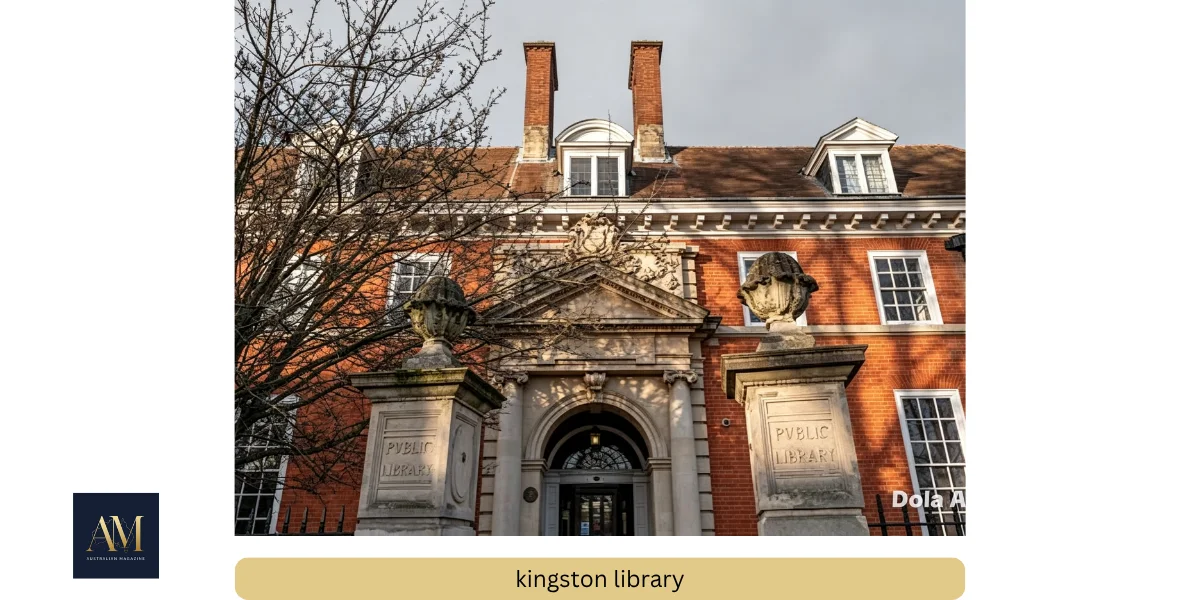
Kingston Library is one of Canberra’s most welcoming local library branches. Situated in the inner-south suburb of Kingston, it forms part of the Libraries ACT network. It serves residents, families, students, workers and older community members who want more than a quiet place to borrow books.
A good public library is never just a building with shelves. It is a civic space. It is where children first discover stories, where students find a desk, where older residents stay connected, where job seekers use computers, where new arrivals practice language, and where lifelong readers follow their curiosity wherever it leads.
Kingston Library carries that role with a distinctly local feel. It sits in one of Canberra’s historic neighborhoods, close to shops, cafés, apartments, offices and public transport routes. For many people in the area, it is not only a place to visit occasionally. It is part of the rhythm of daily life.
What Is Kingston Library?
Kingston Library is a public library branch operated by Libraries ACT. It is located at 54 Giles Street in Kingston, Canberra, and is part of the wider ACT public library system.
Because it is part of Libraries ACT, membership is not limited to Kingston residents. Library members can use services across the ACT branch network and access digital resources online. That networked model is one of the great strengths of modern public libraries. A local branch offers neighborhood convenience, while the wider system provides access to a much larger shared collection.
Kingston Library is especially useful for people living or working in Kingston, Barton, Griffith, Manuka, Narrabundah, Fyshwick, Russell and nearby inner-south areas.
Kingston’s Local Setting
Kingston is one of Canberra’s oldest suburbs, with a history tied to the early development of the national capital. The surrounding shopping precinct has long served as a local gathering point, and the library fits naturally into that pattern.
A library in a place like Kingston does more than provide books. It supports the suburb’s social fabric. People may visit before shopping, after school, during lunch breaks or while meeting friends nearby.
This neighborhood setting gives Kingston Library a practical advantage. It is accessible, familiar, and connected to everyday errands. The best local libraries often work this way: they are easy to incorporate into everyday life.
Facilities and Resources
Kingston Library offers the core resources people expect from a public library, including print collections, digital access and spaces for reading or studying.
Typical library resources include:
- fiction and non-fiction books;
- children’s books;
- young adult titles;
- magazines and newspapers;
- audiobooks;
- DVDs or media items where available;
- computers;
- Wi-Fi access;
- printing and scanning services;
- study and reading spaces;
- catalog access;
- self-service borrowing and returns.
The exact availability of facilities can change, especially as Libraries ACT updates systems and branch equipment, so visitors should check current details before relying on a specific service.
Still, the purpose is clear: Kingston Library offers a practical mix of reading, technology and community support.
Borrowing Books and Library Materials
Borrowing remains the heart of the library experience. Whether someone wants a crime novel, a children’s picture book, a biography, a cookbook, a gardening title or a study guide, the library provides access without the cost of buying each item individually.
Libraries ACT membership allows users to borrow items and place holds through the catalog. This is especially useful if a book is held at another branch. Rather than traveling across Canberra, readers can often request items and collect them from a convenient location.
For families, this is a major saving. Children move through reading levels quickly, and buying every book can become expensive. A library card gives them room to explore without financial pressure.
Digital Resources
Modern libraries are no longer limited to physical shelves. Libraries ACT provides digital resources that allow members to read, learn and research from home.
Digital services may include:
- eBooks;
- eAudiobooks;
- online magazines;
- research databases;
- digital learning tools;
- catalog holds;
- account management;
- library app services;
- online event information.
This is especially valuable for people who cannot visit regularly. A busy parent, shift worker, student or older resident can still access library materials digitally.
The digital side of Kingston Library is, in fact, the digital side of Libraries ACT. Your local branch may be Kingston, but your online library is much larger.
Children’s Programs and Early Literacy
One of the most important roles of Kingston Library is supporting early literacy. Public libraries help children build confidence with books long before formal schooling begins.
Children’s programs may include storytime, rhyme sessions, school holiday activities, craft events, a nd family-friendly reading initiatives. These programs are not simply entertainment. They help children hear language, practice listening, recognize rhythm, build attention and associate books with warmth.
For parents and carers, children’s library sessions also provide social connection. A storytime session can become a weekly anchor, especially for new parents or families new to the area.
Community Events and Workshops
Libraries ACT branches regularly host programs and events that extend beyond reading. Depending on the calendar, these may include author talks, workshops, information sessions, community programs, cultural activities and skills-based events.
The strongest library events usually do one of three things:
- They help people learn something useful.
- They bring people together.
- They make culture more accessible.
Kingston Library’s value lies in its role within that broader public-service mission. It is a place where information and community meet.
Support for Older Residents
Libraries are especially important for older adults. They provide access to books, technology help, social activities, a nd community connection.
For older residents in and around Kingston, the library can help reduce isolation. Visiting a library gives structure to the week. Joining a book club or attending a session creates opportunities for conversation. Using library computers or digital help services can build confidence with technology.
A good local library quietly supports independence.
Study and Work Space
Kingston Library can also serve students, remote workers and people who need a calm place to concentrate. In an age of crowded homes, expensive cafés and constant noise, free public study space is valuable.
A library study session works best when visitors come prepared:
- bring headphones;
- charge devices in advance;
- check Wi-Fi access;
- arrive early during busy periods;
- respect quiet zones;
- keep phone calls outside study areas.
For students preparing for assignments or exams, even a short, focused library visit can be more productive than working at home.
Why Kingston Library Matters
The importance of Kingston Library is not measured only by loans and visitor numbers. It matters because it provides public access to knowledge, space and culture.
In practical terms, it supports:
- literacy;
- education;
- digital inclusion;
- family learning;
- social connection;
- community resilience;
- cultural participation;
- lifelong learning.
Public libraries are among the few indoor civic spaces where people are welcome without needing to buy anything. That is increasingly rare and increasingly important.
Common Mistakes Visitors Make
One common mistake is assuming libraries are only for borrowing novels. Kingston Library offers much more, including digital access, programs and community services.
Another mistake is not checking opening hours before visiting. Libraries ACT announced changes to branch hours in 2026, so current hours should be confirmed online.
A third mistake is overlooking online resources. Many people use only the physical branch and miss out on Books, audiobooks and databases.
A fourth mistake is waiting until children are older to visit. Babies and toddlers benefit from early exposure to books and language.
A fifth mistake is thinking librarians only stamp books. Modern library staff helps with searching, technology, programs, community information, and reader guidance.
Expert Tips for Getting the Most From Kingston Library
Join the library even if you only visit occasionally. A membership gives access to both branch and online services.
Use the catalog before visiting. If a book is not at Kingston, place a hold and collect it when ready.
Follow Libraries ACT updates for event listings, school holiday programs, a nd service changes.
Ask staff for recommendations. Librarians often know new releases, hidden gems and useful resources better than any algorithm.
Make the library part of a weekly routine. Regular visits build reading habits, especially for children.
Current Offerings in 2026
In 2026, Kingston Library continues to operate as part of the Libraries ACT network, with public access to collections, services, digital tools and programs. Libraries ACT has also been updating services, including catalog improvements, self-service equipment and accessibility initiatives across the network.
For visitors, the key advice is to check the official Libraries ACT website before attending. Opening hours, programs and service availability can change across seasons, holidays and system updates.
Kingston Library remains a valued neighborhood branch, but the most accurate details will always be the current official listing.
Future Outlook
The future of Kingston Library will likely reflect the future of libraries everywhere: more digital access, more inclusive programming, more flexible community use and continued support for literacy.
Public libraries are adapting, but their core purpose remains strong. People still need trusted information, quiet space, free access and human help.
In a world full of paid platforms and noisy feeds, the library’s promise is simple and powerful: knowledge belongs to everyone.
Conclusion
Kingston Library is a vital part of Canberra’s inner-south community. Located at 54 Giles Street and operated by Libraries ACT, it offers books, digital resources, study space, children’s programs, and community services within a welcoming neighborhood setting.
Its value goes far beyond borrowing. It supports learning, family life, inclusion, digital access and connection across generations.
For residents, students, parents, workers and lifelong readers, Kingston Library remains one of those quiet public places that makes a suburb stronger.
In 2026, as library services continue to evolve, Kingston Library’s role remains beautifully simple: helping people read, learn, meet, think, a nd belong.

Bahama Gold sounds like a tropical wine label at first glance. The name suggests sunshine, relaxed drinking, bright fruit and easy summer energy. But if you are searching for “Bahama Gold wine,” the most accurate result is not a supermarket wine brand with a fixed Chardonnay, Sauvignon Blanc and Shiraz range. It is Bahama Gold Public Bar & Wine Shop, a Brunswick East venue in Melbourne that has built its reputation around approachable, interesting and often minimal-intervention wines.
Located at 135 Lygon Street, Bahama Gold is part wine bar, part bottle shop and part neighborhood hangout. It sells a changing range of wines rather than a single house-branded commercial line. That makes it especially appealing to people who enjoy discovering bottles beyond the usual mainstream shelves.
Its appeal is simple: good wine without unnecessary stiffness. Bahama Gold feels relaxed, local and curious — the kind of place where you might stop for one glass and leave with a bottle you had never heard of before.
What Is Bahama Gold Wine?
“Bahama Gold wine” is best understood as the wine offering connected to Bahama Gold Public Bar & Wine Shop. The venue stocks and sells a range of reds, whites, orange wines, sparkling wines, rosé and everyday bottles.
The focus appears to be on carefully selected wines rather than mass-market labels. Its online shop highlights minimal-intervention wines from Australia and overseas, with categories that include local bottles, new arrivals, fizz, chilled reds, orange wines, rosé and everyday wines.
This means Bahama Gold is not offering one fixed “Bahama Gold Chardonnay” or “Bahama Gold Shiraz” in the conventional brand sense. Instead, it curates wines from different producers, regions and styles.
That is an important distinction for readers. If you are looking for a specific branded bottle called Bahama Gold, you may not find a standard national range. If you are looking for wine from Bahama Gold, you are looking at a Melbourne wine shop and bar with its own personality.
The Brand Story: Local, Casual and Wine-Focused
Bahama Gold launched as a Brunswick East drinking and bottle-shop destination with a strong local identity. It grew during a period when Melbourne’s hospitality scene was adapting to changing customer habits, including takeaway, delivery and more flexible drinking experiences.
Its concept is very Melbourne: small, casual, music-conscious, wine-literate and neighborhood-friendly. It is not designed like a formal restaurant cellar or luxury wine lounge. It feels more like a public bar with a serious wine brain.
The venue’s own description positions it as a local public bar and bottle shop. That combination matters. Customers can drink on-site, buy bottles to take away, order online or use delivery options. It suits modern wine drinkers who want flexibility.
Wine Style: Minimal Intervention and Everyday Drinking
Bahama Gold’s wine range leans toward minimal-intervention and contemporary drinking styles. Minimal-intervention wine is a broad term, but it usually refers to wines made with fewer additions and a lighter hand in the cellar.
This may include wines that are:
- organically or biodynamically farmed;
- fermented with native yeasts;
- lower in added sulfur;
- unfined or unfiltered;
- textural, ssavoryor slightly cloudy;
- expressive of place and producer style.
Not every bottle will taste unusual, but the category often attracts drinkers who enjoy freshness, personality and less predictable flavors.
Bahama Gold also has an “everyday wines” section, which suggests the venue understands that wine does not always need to be rare or expensive. Sometimes people simply want a good bottle for dinner, a picnic, a party or a relaxed evening at home.
Popular Wine Categories at Bahama Gold
Because the selection changes, it is better to think in categories rather than fixed labels.
White Wines
White wines at Bahama Gold may include familiar grapes such as Chardonnay, Riesling, Sauvignon Blanc, Vermentino and Chenin Blanc, alongside less familiar European or local varieties.
Expect styles ranging from crisp and mineral to textured and rounded. A modern Chardonnay might show citrus, stone fruit and gentle structure, while a Riesling may be bright, dry and refreshing.
Red Wines
The red range may include lighter chilled reds, juicy everyday reds and more structured bottles. In contemporary wine bars, chilled red has become especially popular because it suits casual drinking and warmer weather.
These wines often pair well with charcuterie, roast chicken, pasta, pizza, barbecue vegetables and shared plates.
Orange Wines
Orange wine is made from white grapes fermented with skin contact, giving color, texture and tannin. It can taste floral, savory, spicy, tea-like,e or dried-fruit driven.
For beginners, orange wine is best approached with food. It can pair beautifully with cheese, fried dishes, spiced food and roasted vegetables.
Fizz and Sparkling
Fizz is a broad and friendly category. It may include pét-nat, sparkling rosé, traditional-method sparkling or casual bubbles designed for easy drinking.
This is ideal for parties, summer gatherings and celebratory meals without the formality of Champagne.
Rosé
Rosé remains a natural fit for Australian drinking culture. Good rosé can be dry, savory, fruity or textured. It works well with seafood, salads, grilled chicken, mezze and picnic food.
Food Pairing Recommendations
The best way to enjoy wine from a place like Bahama Gold is to match mood, food and weather.
For seafood, choose crisp white wine, dry rosé or light sparkling. Think oysters, prawns, grilled fish, calamari or fresh salads.
For chicken, choose Chardonnay, skin-contact white, rosé or a lighter red depending on preparation. Roast chicken loves textured white wine.
For spicy food, look for aromatic whites, orange wines or chilled reds with freshness.
For cheese, sparkling wine, orange wine and lighter reds can all work well.
For casual entertaining, choose two bottles: one bright white or fizz, and one soft red. That covers most guests without overcomplicating the table.
Why Bahama Gold Is Popular in Melbourne
Bahama Gold works because it understands the modern wine drinker. Many people want quality, but they do not want intimidation. They want advice, but not a lecture. They want discovery, but not confusion.
The venue’s strengths include:
- a relaxed neighborhood feel;
- broad wine selection;
- bottle shop convenience;
- public bar atmosphere;
- local delivery options;
- minimal-intervention focus;
- approachable everyday bottles;
- Melbourne-style personality.
It also benefits from its Brunswick East location. Lygon Street has long been tied to food and drink culture, and Brunswick East brings a creative, casual and slightly independent edge to that tradition.
Availability and Delivery
Bahama Gold sells wine through its physical venue and online shop. Its delivery model includes local fast delivery within a radius of Brunswick East, same-day options and Australia-wide shipping under certain conditions.
This makes it more than a bar. It functions as a modern bottle shop for customers who want curated wine without needing to browse large retail chains.
Before ordering, customers should always check current availability, delivery rules, age requirements, and shipping terms. Wine stock changes quickly, especially in shops that focus on smaller producers.
Common Mistakes About Bahama Gold Wine
One common mistake is assuming Bahama Gold is a mass-market wine brand. The verified public information points more strongly to a wine bar and bottle shop.
Another mistake is expecting a permanent range of Bahama Gold Chardonnay, Sauvignon Blanc, Shiraz and sparkling wine. The venue sells many wine styles, but not necessarily as a fixed Bahama Gold-branded range.
A third mistake is thinking minimal-intervention wine always tastes strange. Many bottles are fresh, clean and easy-drinking.
A fourth mistake is buying wine only by grape variety. Producer, region, vintage and style matter too.
A fifth mistake is serving every wine at room temperature. Many lighter reds and orange wines taste better slightly chilled.
Expert Tip: How to Choose Wine From Bahama Gold
If you are unsure what to buy, choose by occasion first.
For a beach picnic, pick fizz, rosé or a light chilled red.
For seafood, choose crisp white or dry rosé.
For a dinner party, select one textural white and one medium-bodied red.
For someone who likes classic wine, choose Chardonnay, Pinot Noir or Shiraz from a reliable producer.
For adventurous drinkers, try orange wine, pét-nat or a less familiar European variety.
The best bottle is not always the most expensive. It is the one that suits the food, the people and the moment.
Responsible Enjoyment
Wine is part of hospitality, culture and celebration, but it should be enjoyed responsibly. Drinkers should be mindful of alcohol limits, avoid drinking before driving, and respect local laws around age and alcohol consumption.
Good wine culture is not about excess. It is about taste, conversation, food, moderation and shared experience.
Conclusion
Bahama Gold wine is best understood through Bahama Gold Public Bar & Wine Shop in Brunswick East, Melbourne. It is not clearly verified as a national wine brand with a standard range of Chardonnay, Sauvignon Blanc, Shiraz and sparkling bottles. Instead, it is a local wine destination offering a curated selection of minimal-intervention and everyday wines across reds, whites, fizz, rosé and orange styles.
Its charm lies in its relaxed approach. Bahama Gold makes wine feel social, interesting and accessible without losing quality. Whether you visit the bar, buy a takeaway bottle or order delivery, the experience is built around discovery.
For Melbourne wine lovers, Bahama Gold represents a very current style of drinking: local, informal, carefully chosen and full of personality. It is less about a tropical label and more about a neighborhood wine culture that knows exactly how to make good bottles feel easy to enjoy.
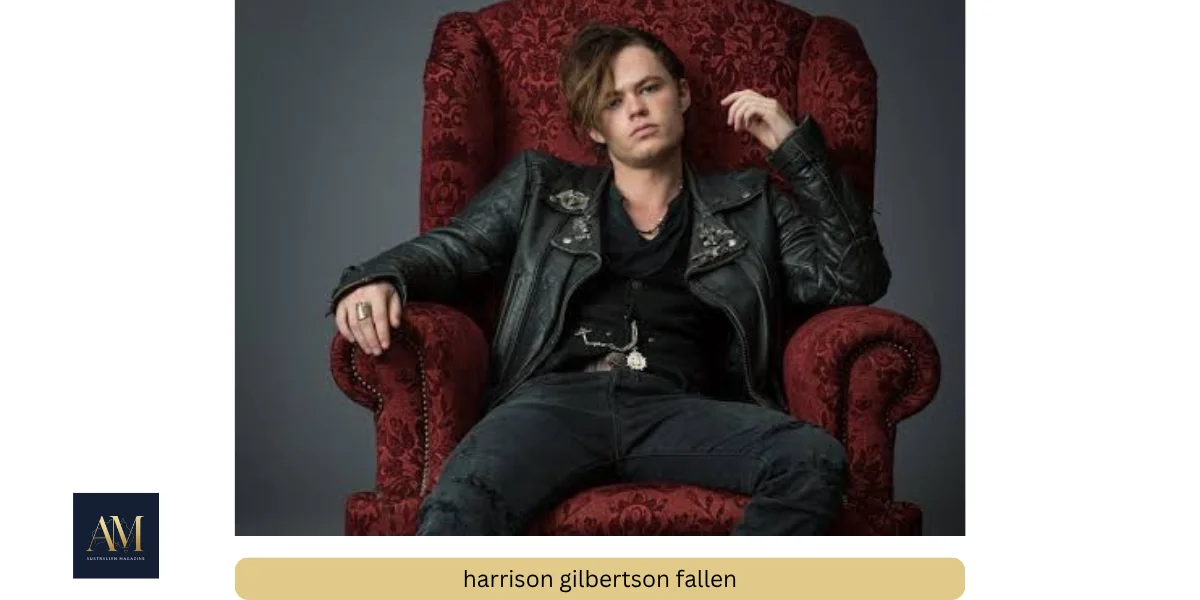
Harrison Gilbertson in Fallen: Bringing a Fallen Angel to Life

Ian White Management: Guiding Athletes to Success

Comedy Lounge Perth: Where Laughter Comes to Life

The Enigma of Sirius Black: Exploring the Canonical Truth and the Quest for a Wife
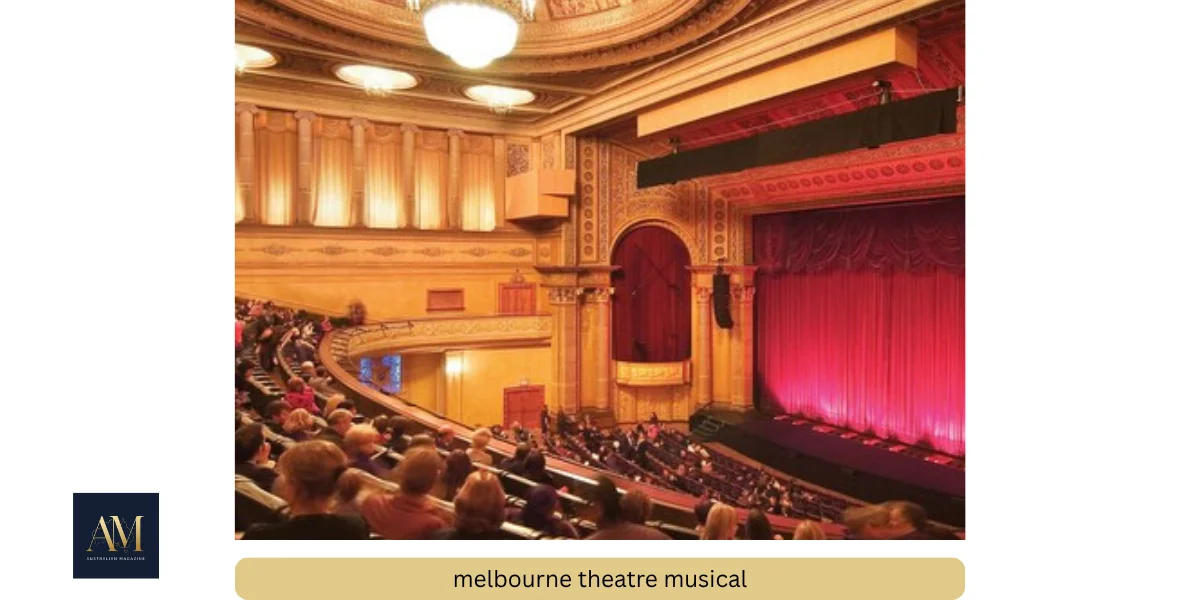
The Velvet Curtain: A Senior Expert’s Guide to Melbourne’s 2026 Musical Theatre Renaissance
The Enigma of Sirius Black: Exploring the Canonical Truth and the Quest for a Wife

Darci McDonald: Resilience, Public Attention, and Life in 2026

Luca Sardelis: Talent, Versatility and Rising Career in Australian Screen

Mumford & Sons Brisbane: A Folk-Rock Connection Built on Energy, Emotion, and Sing-Alongs
The Velvet Curtain: A Senior Expert’s Guide to Melbourne’s 2026 Musical Theatre Renaissance
-
 Celebrity11 months ago
Richard Zachariah – The Story of a Gentleman Journalist
-
 Lifestyle4 months ago
Top Fashion Trends Australia 2026: What Australians Are Wearing Now
-
 News11 months ago
Greg Lynn Appeal-Full Timeline of the High Country Murder Case
-
 Lifestyle4 months ago
Spring 2026 Fashion Trends: The Complete Style Guide
-
 Celebrity10 months ago
Why the Neil Patrick Harris Amy Winehouse Cake Went Viral Again
-
 News11 months ago
Samuel William Davidson – The Oatlands Tragedy, Sentence & the Power of Forgiveness
-
 Entertainment12 months ago
The Unstoppable Rhea Ripley-WWE’s Australian Phenomenon
-
 Lifestyle10 months ago
Tina Arena Husband-Marriage, Long-Term Partner & Where Things Stand Now