
Lifestyle
Tina Arena Husband-Marriage, Long-Term Partner & Where Things Stand Now


When fans search for “Tina Arena husband”, they’re often surprised to find more than one name linked to her story. Over five decades in the spotlight, Tina Arena has not only built a remarkable musical career, but also lived through a deeply human journey of love, marriage, heartbreak, motherhood and independence. Her personal life has been shaped by a difficult first marriage, a long-term partner she once described as the love of her life, the birth of her son, and a recent chapter marked by quiet transformation.
This detailed guide explores everything known about Tina Arena husband — both past and present — from her marriage to Ralph Carr, her long-term relationship with Vincent Mancini, the arrival of her son Gabriel, and the truth about her current relationship status.
Who Is Tina Arena? Before Discussing Tina Arena Husband
Before diving into the relationships that shaped her life, it’s important to recognise who Tina is and why her personal journey draws so much attention.
Born Filippina Lydia Arena in Melbourne on 1 November 1967 to Italian parents, Tina grew up in a lively, close-knit household. She became a household name at a young age through Young Talent Time in the 1970s before reinventing herself as a powerful adult vocalist. Her hits Chains, Burn and Sorrento Moon turned her into one of Australia’s most successful artists, and she later gained a devoted following across Europe, especially in France.
Fans have watched her grow from child star to international performer, and with that level of familiarity, interest in Tina Arena husband and her relationships is natural. Tina has always been selective about sharing personal details, especially regarding painful experiences, which makes the glimpses she does reveal all the more compelling.
Tina Arena Husband Ralph Carr-Early Romance, Doubts & Marriage
The first man who can officially be called Tina Arena husband is Ralph Carr, her former manager.
The pair worked closely together throughout the late 1980s and early 1990s as Tina transitioned from teenage fame into adult stardom. Their professional partnership eventually became romantic, and in 1995 they married.
At the time, it appeared to be a classic showbusiness match: a rising artist and the manager who guided her career. However, Tina later admitted she had deep doubts even before the wedding. She revealed that loved ones encouraged her not to go through with it, sensing instability beneath the surface.
In interviews and her memoir, she reflected that the marriage did not feel safe or nurturing. She said she was “never sure” about the relationship and that even her wedding day was overshadowed by tension rather than joy.
For anyone asking “who was Tina Arena husband first?”, the answer is clear: Ralph Carr, the husband whose impact lingered long after the marriage ended.
Inside the Divorce-Why Tina Arena Left Her First Husband
The marriage between Tina Arena and Ralph Carr ended before the decade was over. By 1999, their divorce was finalised.
What makes this chapter stand out in any discussion of Tina Arena husband is Tina’s candid reflection on the experience. She has described the divorce as “brutal”, both emotionally and financially. The drawn-out legal battle left her exhausted and disillusioned with the legal framework surrounding marriage.
She has spoken openly about her belief that the legal system profits from relationship breakdowns, a perspective that dramatically shaped her future views on marriage.
During this same period, she endured professional struggles and chose to relocate overseas, spending years in London and later Paris. That move set the stage for the next major figure connected to the search term Tina Arena husband — though he was never a husband in the legal sense.

Life After Divorce-Meeting Long-Term Partner Vincent Mancini
After her divorce, Tina found a fresh start in Europe. Away from Australian industry politics, she rebuilt her personal and creative life.
In 2000, she met Vincent Mancini, a French artist and actor known for his creative and introspective nature. Tina was instantly drawn to his authenticity and the emotional stability he brought into her life.
In a well-known feature interview, she called Vincent “the greatest love of my life” — a powerful contrast to her description of her first marriage. She also joked that real intimacy only blossomed for her in her early thirties, calling herself a “late bloomer” and crediting Vince for helping her discover a new confidence.
Together, the pair built a home in France where Tina also achieved major success in the French music industry, including roles in productions like Notre-Dame de Paris. They continued to split their time between France and Australia.
Although never officially married, Vincent became the man most people referred to when searching “Tina Arena husband now”.
Is Vincent Mancini Tina Arena Husband? The Truth About Their Status
One of the biggest sources of confusion is whether Vincent Mancini was ever truly Tina Arena husband.
The answer is no — not legally.
Over the years, various media outlets casually referred to Vincent as her husband, especially when discussing personal topics like the miscarriages she experienced after the birth of her son. That created widespread public confusion.
However:
- Tina and Vincent were never legally married.
- They lived together as de facto partners for nearly two decades.
- In daily life, he functioned as a husband — but they never held a formal wedding.
Tina has said that after the trauma of her divorce, she had little interest in legally marrying again, even though she valued the emotional bond she shared with Vince.
In many interviews, she described him as both her partner and artistic supporter. She often said he pushed her creatively, encouraging her to trust her instincts and challenge herself.
For all practical purposes, he was her life partner — but not her husband.
Motherhood With Vincent Mancini-Their Son Gabriel
The most profound part of Tina’s relationship with Vincent Mancini is their son, Gabriel, born in 2005.
Becoming a mother in her late thirties transformed her life. Tina has repeatedly spoken about how grateful she is to have her son, especially after suffering multiple miscarriages following his birth. She once described that period as one where she “fell apart” emotionally, believing her body had “broken down”. Despite the pain, she said she felt blessed that life gave her “one magnificent little gremlin.”
The family lived between France and Australia for many years. Public appearances often showed them as a warm, close-knit trio.
However, the pandemic brought major challenges. Victoria’s long lockdowns took a toll on Gabriel as a teenager, and he eventually chose to return to Paris, where he now lives. Tina has admitted it was heartbreaking to let him go, but she prioritised his wellbeing above all else.
This motherhood journey heavily influences how she thinks about relationships and the sacrifices she is willing to make. It also explains why fans continue to search for updates on Tina Arena husband and family life.
Did Tina Arena Marry Again? Her Current Relationship Status
For years, most people assumed Tina Arena husband referred to Vincent Mancini. But in 2024, Tina revealed a major truth:
She and Vincent had actually separated almost five years earlier, around 2019.
She described the breakup as “brutal”, saying the family temporarily “fell apart”. However, she also said they have now reached a more stable and peaceful place.
This means:
- Tina Arena’s only legal husband has ever been Ralph Carr.
- Vincent Mancini was her long-term de facto partner, but never her husband.
- Tina Arena is currently single, focusing on music, family and personal reinvention.
Some recent reports have described her as “happily partnered” with her independence and career rather than a new romantic partner.
For SEO purposes, this answers the searches:
“Is Tina Arena married?”, “Who is Tina Arena husband now?”, “Tina Arena new partner”.
She is not married — and has not publicly confirmed a new relationship.
What Tina Arena Has Said About Marriage Today
To fully understand the ongoing interest in Tina Arena husband, it helps to look at how Tina herself views marriage.
Her first marriage left a lasting emotional and financial scar. She has spoken openly about feeling drained by the legal system and about losing trust in the legal structure of marriage, even though she still appreciates the emotional and symbolic side of it.
She has said she finds the idea of marriage beautiful, but the legal aspect deeply flawed.
With Vincent Mancini, she embraced commitment without the legal paperwork. At one point, she even hinted that she might consider a wedding if he wanted it — but it was never a priority for her.
In more recent interviews, Tina has spoken about boundaries, self-respect and refusing to silence herself for anyone else’s comfort. This new phase reflects a woman who has lived a complex emotional life and emerged more confident than ever.
Media Myths & Common Questions About Tina Arena Husband
Because her relationships span decades and two continents, misinformation is common. Here are some of the most frequent questions:
Was Tina Arena husband always her manager?
Only her first husband, Ralph Carr, was also her manager.
Is Vincent Mancini legally Tina Arena husband?
No. They shared a long de facto partnership but did not marry.
Are Tina Arena and Vincent Mancini still together?
No. Their relationship ended several years ago.
Does Tina Arena have children with her husband?
No. Her son Gabriel is from her relationship with Vincent Mancini, not her ex-husband.
Will Tina Arena marry again?
She hasn’t ruled it out, but she has expressed that her first divorce left her cautious about the legal side of marriage.
How Relationships Influenced Tina Arena’s Music & Identity
Tina’s personal life and her music have always been intertwined.
Her early albums reflected independence and longing, while the years following her divorce marked a period of deep emotional expression and artistic reinvention. Her relationship with Vincent brought warmth, sensuality and a sense of emotional safety that influenced many of her performances.
More recently, her music and interviews reflect resilience, introspection and a renewed sense of strength — shaped by the end of a long-term partnership and her son’s move to Paris.
This evolution explains why searches such as “Tina Arena husband”, “Tina Arena divorce”, “Tina Arena partner” and “Is Tina Arena married?” remain highly popular.

Why the Story of Tina Arena Husband Still Matters
The ongoing public interest in Tina Arena husband is more than curiosity. Tina is a generational icon — Australians have grown up with her. Watching her navigate marriage, heartbreak, reinvention and motherhood feels personal to many fans.
She has also become a powerful voice on sexism, ageism and creative independence. Her refusal to present a picture-perfect romantic life challenges the glossy narratives often attached to women in entertainment.
Instead, her journey shows growth, pain, love, courage and self-discovery.
The Real Story Behind Tina Arena Husband
Here is the truth, free from confusion:
- Ralph Carr is the only man Tina Arena has ever legally married.
- The marriage ended painfully, shaping her views on marriage forever.
- Vincent Mancini was her long-term partner for nearly two decades and the father of her son Gabriel, but never legally her husband.
- Tina is now single, grounded and focusing on her craft, her son and her own identity.
The story of Tina Arena husband is ultimately a story of resilience — of a woman who rebuilt her life after a difficult marriage, embraced profound love without needing a wedding ring, and walked away when a long-term relationship no longer aligned with her happiness.
It is a reminder that even icons live complex, deeply human lives — and that personal strength often grows from the most painful chapters.
FOR MORE RELATED ARTICLES VISIT US AT AUSTRALIANMAGAZINE.COM.AU

“Pretty girls” is a phrase people use casually, but it carries far more weight than it first appears. On the surface, it simply refers to women or girls seen as physically attractive. In reality, it opens the door to a much larger conversation about beauty standards, social perception, psychology, privilege, and self-worth.
For generations, attractiveness has shaped how people are treated. It influences first impressions, relationships, hiring decisions, friendships, and even confidence. Yet beauty is never just about appearance. It is also about culture, timing, personality, and the meaning society attaches to looks. That is why the topic of pretty girls is not just about fashion or aesthetics — it is about how people are valued, judged, and understood.
What Does “Pretty Girls” Really Mean?
At its simplest, the phrase refers to girls or women perceived as physically attractive. But beauty is not fixed. What one culture, era, or community considers pretty may differ completely from what another does.
For example:
- In one setting, soft features may be admired.
- In another, strong features or bold style may be preferred.
- In one decade, slimness may be idealised.
- In another, curves, natural texture, or individuality may be celebrated.
This is why beauty should never be treated as universal or permanent. It is a moving target shaped by media, fashion, social norms, and personal taste.
The Power of Beauty Standards
Beauty standards are one of the most influential forces behind the idea of pretty girls. They shape who gets praised, who gets noticed, and who is overlooked.
Where beauty standards come from
Beauty standards are often formed by:
- movies and television
- social media and influencers
- advertising and fashion industries
- local traditions and cultural expectations
- peer pressure and family influence
When certain images are repeated often enough, people begin to believe they represent the “ideal.” That creates pressure, especially for young girls, who may feel they must look a certain way to be accepted.
The problem with narrow ideals
The danger is not beauty itself, but narrowness. When only one type of face, body, skin tone, or style is celebrated, many people feel invisible. That can lead to insecurity, comparison, and low self-esteem.
A healthier view of beauty recognises variety. Pretty can mean elegant, natural, bold, unique, radiant, or unconventional. It does not belong to one look.
Pretty Privilege: The Advantage People Rarely Admit
One of the most important ideas tied to attractiveness is pretty privilege. This refers to the unearned advantages attractive people may receive simply because others respond positively to their appearance.
This is closely linked to the psychological concept known as the halo effect. When someone is seen as attractive, people often assume they are also:
- kinder
- smarter
- more trustworthy
- more capable
- more successful
That assumption is not always conscious, but it is powerful.
Real-world examples of pretty privilege
Pretty privilege can show up in everyday life:
- a person may receive friendlier treatment in shops or restaurants
- attractive applicants may be viewed more favourably in interviews
- students may be given the benefit of the doubt more often
- social media users with attractive photos may gain followers faster
This does not mean attractive people have no problems. It means they may start with social advantages that others do not receive.
The Hidden Pressure of Being Seen as Pretty
Many people imagine that being called pretty is only a compliment. But for some women and girls, it can become a burden.
Constant appearance pressure
If someone is known mainly for being attractive, they may feel forced to maintain that image at all times. That can mean:
- anxiety about ageing
- fear of weight gain or skin changes
- pressure to wear makeup or dress a certain way
- stress when they do not “look good enough”
Being reduced to appearance
Another common struggle is being valued only for looks. A pretty girl may feel that people:
- ignore her opinions
- underestimate her intelligence
- assume she has an easy life
- dismiss her achievements as appearance-based
That creates a frustrating contradiction: beauty can open doors, but it can also shut down deeper recognition.
Stereotypes and unfair assumptions
One of the oldest stereotypes is that attractive women are somehow less intelligent or less serious. This is not only unfair; it is also lazy thinking. Appearance and intelligence have no direct connection. Yet stereotypes persist because people often confuse surface impressions with truth.
True Beauty Goes Deeper
A meaningful conversation about pretty girls must move beyond appearance. Real beauty is not just facial symmetry, smooth skin, or fashionable clothing. It is also character.
Qualities that create lasting beauty
- confidence without arrogance
- kindness in how someone treats others
- intelligence and curiosity
- emotional maturity
- integrity and self-respect
- a warm, authentic personality
These traits often make someone more attractive over time because they shape how a person feels about being around them. Physical beauty may catch attention quickly, but inner qualities build respect and lasting admiration.
A practical example
Two people may both be considered attractive. But the one who listens well, speaks with kindness, and carries herself with confidence often leaves a stronger impression. That is because people remember how someone makes them feel, not just how they look.
What Psychology Tells Us About Attraction
Research consistently shows that attractiveness affects human judgment. People are more likely to respond positively to someone they find physically appealing, even when they know very little about that person.
This happens because the brain relies on shortcuts. Appearance becomes a signal, and the mind fills in the gaps. The problem is that these shortcuts can distort fairness.
Common psychological biases tied to attractiveness
- assuming attractive people are more competent
- assuming they are more sociable
- assuming they are more successful
- overlooking flaws because of positive first impressions
The good news is that awareness helps. Once people understand these biases, they can begin to question them rather than follow them automatically.
Common Mistakes People Make When Talking About Pretty Girls
This topic is often discussed carelessly. That creates confusion and harm.
1. Treating beauty as the main measure of worth
A person is much more than appearance. Reducing someone to looks strips away individuality.
2. Assuming beauty equals happiness
Attractive people may still struggle with insecurity, loneliness, pressure, or emotional pain.
3. Using beauty to excuse bad behaviour
Being pretty does not make someone more valuable than others, nor does it cancel out poor character.
4. Ignoring diversity
There is no single “pretty girl” type. Beauty exists across skin tones, body types, ages, facial features, and styles.
5. Confusing attention with respect
Being noticed is not the same as being understood, valued, or respected.
Expert Tips for a Healthier View of Beauty
If we want a better culture around beauty, we need better habits.
For individuals
- value character as much as appearance
- avoid comparing yourself to filtered images
- notice beauty in diversity, not just one ideal
- build confidence through skills, purpose, and self-respect
- remember that attraction changes across time and context
For parents and educators
- praise effort, kindness, and intelligence, not just looks
- avoid teaching girls that appearance is their main asset
- encourage media literacy so beauty standards are questioned, not absorbed unquestioningly
For society
- promote broader representation in media and advertising
- celebrate different styles of beauty
- challenge comments that reduce women to appearance alone
The Future of Beauty: More Inclusive, More Human
The modern view of beauty is slowly changing. Social media has had mixed effects, but it has also helped widen the definition of attractive. More people now see beauty in:
- natural hair and textures
- different body shapes
- darker skin tones
- mature faces
- unconventional features
- personal style and self-expression
This shift matters. It moves the conversation from perfection to authenticity. And authenticity is far more sustainable than chasing a single ideal that keeps changing.
The future of beauty is likely to be more inclusive, more personal, and less rigid. That is a healthier direction for everyone.
Conclusion
The phrase “pretty girls” may sound simple, but it sits at the intersection of beauty, psychology, and social power. Yes, attractiveness can bring advantages. But it can also bring pressure, stereotypes, and unrealistic expectations.
The most valuable lesson is this: beauty matters, but it should never be the whole story. Confidence, kindness, intelligence, and character create a deeper kind of appeal — one that lasts far longer than any trend.
In the end, the healthiest definition of pretty is not about fitting an image. It is about expressing a full, real, and confident self.
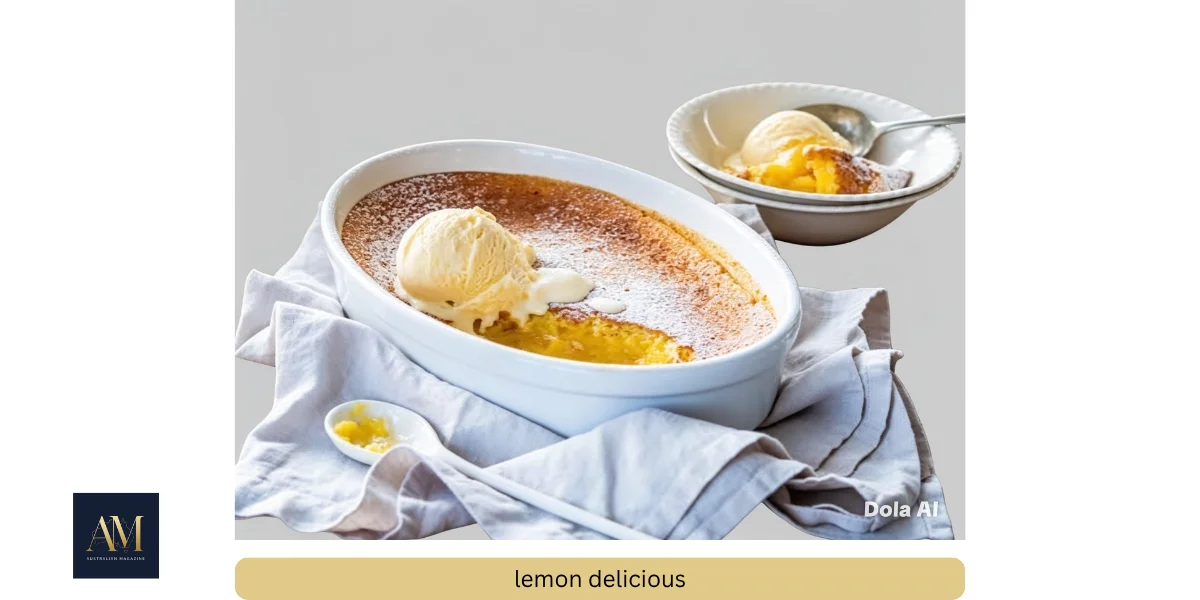
Lemon Delicious is one of those desserts that feels timeless the moment you taste it. Soft, warm, and gently tangy, it delivers the kind of comfort that only a true home-style pudding can provide. At first glance, it looks simple, but when bake,d it performs its famous little trick: a light sponge forms on top while a silky lemon custard settles underneath. That two-layer transformation is part of its charm, and it is exactly why the dessert has remained a favourite in Australian kitchens for generations.
What makes Lemon Delicious especially appealing is its balance. It is sweet without being heavy, sharp without being sour, and comforting without feeling dull. That is a difficult combination to get right, which is why well-made versions stand out. Maggie Beer’s take on the dish adds another layer of depth by using fresh lemons and a touch of Seville marmalade, giving the pudding a richer citrus profile and a more rounded finish.
Why Lemon Delicious Has Lasting Appeal
There is a reason this dessert continues to survive changing food trends. It is practical, affordable, and deeply satisfying. It also relies on ingredients most home cooks already have on hand.
Lemon Delicious works so well because it offers:
- bright citrus flavour
- a soft, custardy texture
- an appealing contrast between sponge and sauce
- a warm, nostalgic feel
- simple ingredients with impressive results
That combination makes it ideal for family meals, casual entertaining, and cool-weather desserts. It is the sort of dish that feels familiar even when served for the first time.
Maggie Beer’s Version: A Thoughtful Twist on a Classic
Maggie Beer’s Lemon Delicious recipe respects the traditional dessert while enhancing it in a very sensible way. The addition of Seville marmalade is particularly smart. Seville oranges have a naturally intense, slightly bitter citrus character, and when used careful,ly they deepen the pudding’s flavour without overwhelming it.
Her version includes:
- unsalted butter
- caster sugar
- lemon zest and juice
- Seville marmalade
- separated eggs
- self-raising flour
- full-cream milk
This is a classic ingredient list, but the method and citrus layering give the dessert a more polished result. It tastes like a homely pudding that has been refined by experience.
How the Magic Happens
The “magic” of Lemon Delicious lies in its structure. During baking, the batter separates into two distinct layers:
- The top rises and becomes light and sponge-like.
- The bottom stays softer and transforms into a creamy lemon custard.
This happens because of the way the egg whites are folded into the mixture and how the pudding bakes gently in a water bath. The bain-marie helps regulate heat, preventing the custard from becoming rubbery or overcooked.
That is the secret: not mystery, but temperature control and a well-balanced batter.
Step-by-Step Method Explained
Maggie Beer’s method is straightforward, but a few details matter.
1. Prepare the baking dish
Grease a 1.5-litre baking dish or four ramekins, then place them inside a deep roasting pan. This setup allows you to create a water bath later. It is an important step, not a decorative one.
2. Cream butter and sugar
Cream the softened butter and caster sugar until pale and fluffy. This helps create the right texture in the top layer.
3. Add citrus flavour
Stir in the lemon zest and marmalade. This is where the pudding starts to develop real character. The zest gives freshness, while the marmalade adds depth.
4. Beat in the egg yolks
Add the yolks one at a time. This builds richness and helps bind the mixture.
5. Fold in the flour and milk
Add the self-raising flour, then the milk, then the lemon juice. The batter will look thin. That is correct. Many home cooks panic at this stage and think they have done something wrong.
6. Whisk and fold the egg whites
Whisk the whites to soft peaks, then fold in one-third first before gently incorporating the rest. This is what gives the pudding lift.
7. Bake in a water bath
Pour the mixture into the dish, fill the roasting pan halfway with hot water, and bake at 160°C fan 150°C for 35–40 minutes until golden and set.
8. Serve warm
Dust with icing sugar and serve while still warm.
Expert Tips for Better Results
Even a simple dessert benefits from careful technique. Here are a few practical tips:
- Use fresh lemons. Bottled juice will not give the same brightness.
- Zest before juicing. It is much easier that way.
- Do not overwhisk the egg whites. Soft peaks are enough.
- Fold gently. Overmixing will knock out the air and reduce the sponge effect.
- Keep the water bath steady. Hot water should come halfway up the dish, not higher.
- Serve promptly. Lemon Delicious is at its best warm and freshly baked.
These small details make a large difference in the final texture.
Common Mistakes to Avoid
Lemon Delicious is forgiving, but several common mistakes can undermine it.
Using too much lemon juice
The dessert should taste bright and balanced, not aggressively sharp. Too much acidity can weaken the structure and throw off the sweetness.
Skipping the water bath
Without it, the custard can bake too quickly and lose its silky texture.
Overbaking
The top should be golden and set, but the base should remain creamy. If baked too long, the custard can become dry or curdled.
Folding too roughly
The pudding depends on air in the egg whites. Rough handling flattens the texture.
Serving it cold
This dessert is designed to be eaten warm. Cold Lemon Delicious loses much of its appeal.
How to Serve Lemon Delicious
This pudding is versatile enough to suit both simple family meals and more polished dinners. The classic accompaniments are:
- lightly whipped cream
- vanilla ice cream
- crème fraîche
- extra lemon zest
- a small spoonful of marmalade on the side
For a more elegant presentation, serve it in individual ramekins with a dusting of icing sugar and a few curls of lemon zest. For a home-style feel, bring the whole dish to the table and let everyone serve themselves.
Why Maggie Beer’s Twist Works So Well
Maggie Beer has always understood how to deepen a classic without overcomplicating it. In this dessert, the Seville marmalade adds a layered citrus note that complements the lemon rather than competing with it. It is subtle, but that subtlety is exactly what makes it effective.
The result is a dessert with more character, more complexity, and a slightly fuller flavour than a standard version. It still feels familiar, but it has more personality.
Future Outlook: Why This Dessert Still Matters
In a food world often dominated by elaborate trends, Lemon Delicious has staying power because it delivers real value. It is inexpensive, uses everyday ingredients, and rewards good technique. That matters more than ever.
As more people return to comfort baking and simple desserts with proper flavour, dishes like this remain relevant. They remind us that excellent food does not need to be complicated. It needs to be well made.
That is why Lemon Delicious still deserves a place on the table. It is heritage cooking at its best: humble, smart, and deeply satisfying.
Conclusion
Lemon Delicious is more than a nostalgic dessert. It is a beautifully balanced Australian classic that continues to earn its place because it simply works. The contrast between the soft sponge and the lemon custard gives it a unique appeal, while Maggie Beer’s version adds a refined citrus depth through fresh lemons and Seville marmalade.
For home cooks, it offers a reliable dessert with a touch of theatre. For diners, it delivers warmth, comfort, and brightness in one bowl. And for anyone who values timeless cooking, it remains a reminder that the best recipes are often the ones that combine simplicity with care.
Lifestyle
Maggie Beer Products: A Gourmet Australian Range Built on Flavour, Simplicity, and Quality

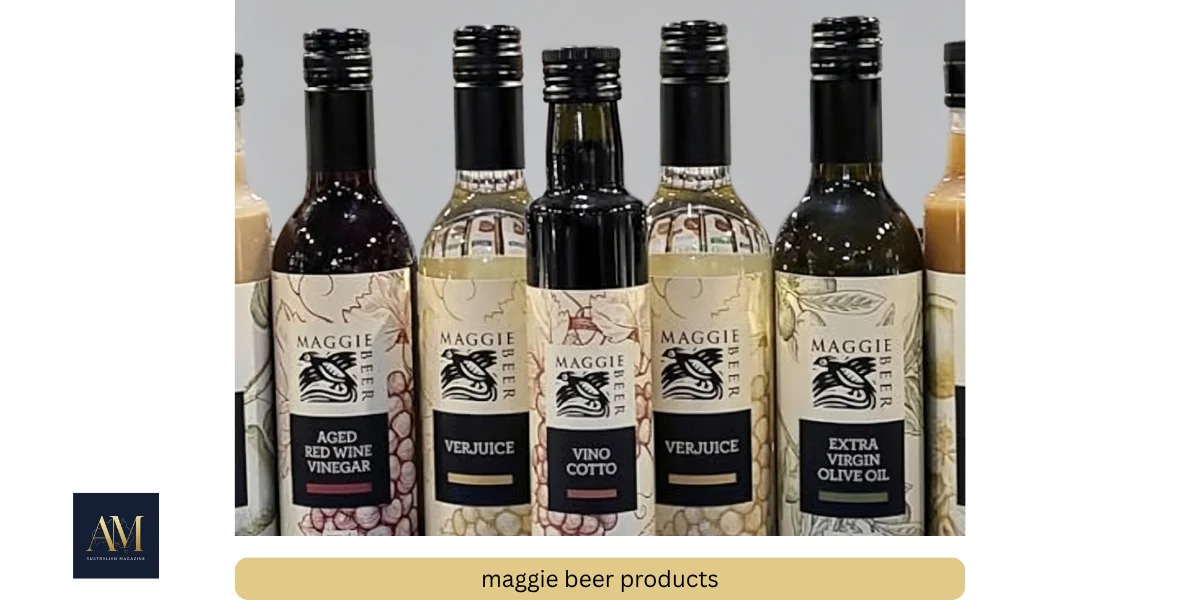
Maggie Beer products have earned a special place in Australian kitchens because they do something many food brands struggle to achieve: they feel both Premium and practical. Inspired by the Barossa Valley and made with a strong emphasis on natural ingredients, the range is designed for people who want flavour without fuss. From verjuice and fruit pastes to stocks, cheeses, preserves, and gift hampers, Maggie Beer’s products are built around one clear idea — good food starts with good ingredients.
What makes the range stand out is not just its reputation, but its consistency. These are products that home cooks can use every day, while still feeling worthy of a dinner party table. That balance is the real strength of the brand.
The Signature of the Range: Verjuice
If there is one product that best represents Maggie Beer’s philosophy, it is verjuice. This unfermented juice made from unripe grapes is one of the most distinctive pantry staples in Australian cooking. It is sharp, fresh, and gently acidic, making it incredibly useful in both savoury and sweet applications.
Verjuice is commonly used to:
- deglaze a pan after cooking meat
- brighten sauces and dressings
- balance richer flavours
- add acidity without the harshness of vinegar or lemon
For example, a splash of verjuice in a pan after searing chicken or lamb can lift the entire dish. It adds complexity without overpowering the main ingredients. That is exactly why it has remained one of the brand’s flagship products.
Fruit Pastes, Vinegars, and Oils: Small Products, Big Impact
Maggie Beer’s fruit pastes are another strong example of thoughtful food design. Varieties such as:
- Quince & Champagne
- Plum & Shiraz
- Fig & Brandy
- Pear & Vanilla
are particularly popular for being versatile and elegant. They pair beautifully with cheese boards, roasted meats, and desserts. A little goes a long way, which is often what consumers want from a Premium pantry item.
The same applies to the range of vinegars and oils. Products like Aged Red Wine Vinegar, Vino Cotto, Extra Virgin Olive Oil, and Verjuice Vinegar are the kind of ingredients that help cooks build flavour from the ground up.
Expert tip
When using Premium vinegars or fruit pastes, less is usually more. Start with a small amount, taste, and build gradually. These products are designed to enhance, not dominate.
Stocks, Sauces, and Dressings for Everyday Cooking
One of the strengths of Maggie Beer products is that they are not limited to special occasions. The stocks and sauces are a good example of that practicality.
Popular items include:
- Natural Beef Stock
- Chicken Stock
- Vegetable Stock
- Red Wine Finishing Sauce
- Lemon & Verjuice Dressing
These products save time and help home cooks achieve a more refined result. A good stock can transform a soup, risotto, or casserole. A finishing sauce can give a roast dinner the depth it needs. A well-made dressing can turn simple greens into something memorable.
For busy households, this matters. The brand offers convenience without the shortcuts that often weaken flavour.
Pâtés, Terrines, and Cheese Selection
Maggie Beer has also built a strong reputation in the Premium entertaining space. Her pâtés and terrines include favourites such as:
- Classic Pheasant Farm Pâté
- Duck Pâté
- Chicken Liver Pâté
These products suit grazing platters, starters, and elegant casual entertaining. They work especially well when paired with good crackers, fruit paste, and cheese.
The cheese range includes classics and indulgent options such as:
- Camembert
- Brie
- Truffle Brie
- Triple Cream Brie
- Vintage Cheddar
- Caramelised Onion Cheddar
The appeal here is obvious: these are foods that invite sharing. They are easy to serve, but they still feel special.
Common mistake
A common mistake with cheese boards is overloading them with too many competing flavours. Maggie Beer products work best when they are allowed to shine. Choose one or two cheeses, one fruit paste, a cracker, and a savoury spread. Simplicity usually tastes better.
Crackers, Wafers, and the Art of Pairing
No gourmet range is complete without supporting products, and Maggie Beer’s crackers and wafers do exactly that. Artisan crackers and fig & nut wafers provide texture and balance, especially when used with cheese, pâté, or preserves.
A good cracker should not just fill space on a board. It should support the other elements. That is where these products excel. They are sturdy enough to hold toppings, but delicate enough not to overwhelm them.
Drinks, Jams, and Dessert Sauces
The sweeter side of the range is just as appealing. Maggie Beer products include:
- Sparkling Chardonnay
- Sparkling Ruby Cabernet
- Quince Jelly
- Plum Jam
- Fig Jam
- Lemon Butter
- Caramel Sauce
- Chocolate Sauce
- Verjuice Syrup
These items are useful because they move easily between everyday use and entertaining. A spoonful of jam on toast, a drizzle of caramel on dessert, or a glass of non-alcoholic sparkling with a meal — each product has a clear purpose.
This is one of the reasons the brand works so well. It covers a broad range of occasions without losing its identity.
Hampers, Gifts, Cookbooks, and Homewares
Maggie Beer products are not limited to food alone. The brand also extends into gifting and lifestyle, with ready-made hampers such as:
- Absolute Essentials
- Cheese & Wine
- Grazing Hamper
- Sweet Treats
These are practical gifts because they take the guesswork out of Premium entertaining. They also reflect the brand’s strongest selling point: an easy way to give something that feels thoughtful.
The broader product universe includes:
- cookbooks such as Maggie’s Table, Recipe for Life, and Maggie’s Kitchen
- homewares like cheeseboards, aprons, rolling pins, and tea towels
This makes the brand feel complete. It is not only a food range; it is a full gourmet lifestyle experience.
Where to Buy Maggie Beer Products
In Australia, Maggie Beer products are widely available through:
- Coles
- Woolworths
- independent delis
- the official website
- the Barossa Farm Shop
Internationally, availability is more limited and usually depends on gourmet importers.
For consumers, this distribution model matters. It means the products are both accessible and special. You do not have to hunt them down in a niche store, but they still have the feel of a Premium find.
How to Use the Range Well
For best results, think of Maggie Beer products as building blocks rather than one-off purchases.
Here are a few practical combinations:
- Cheese board upgrade
Camembert, fig paste, fig & nut wafers, and sparkling non-alcoholic wine. - Easy roast dinner enhancement
Chicken stock, red wine finishing sauce, and verjuice for balance. - Elegant dessert plate
Lemon butter, caramel sauce, and fresh fruit. - Quick entertaining platter
Duck pâté, artisan crackers, quince jelly, and cheddar.
These combinations work because they follow a simple principle: balance richness, acidity, sweetness, and texture.
Future Outlook
The future of Maggie Beer products looks strong because the brand is aligned with where food culture is heading. Consumers increasingly want:
- natural ingredients
- transparent sourcing
- Premium pantry staples
- convenient entertaining options
- foods that feel both local and authentic
That gives the range long-term relevance. In a market full of short-lived food trends, Maggie Beer products continue to stand out because they are rooted in taste, not hype.
Conclusion
Maggie Beer products have become iconic for good reason. They combine Barossa-inspired character, natural ingredients, and practical use in a way that few gourmet brands manage. Whether it is verjuice, fruit paste, stock, cheese, preserves, or a thoughtfully assembled hamper, each product reflects a clear and confident food philosophy.
For home cooks, the range offers reliable ways to improve everyday meals. For entertainers, it brings polish and ease. And for gift buyers, it provides something genuinely worthwhile. That combination of quality, versatility, and authenticity is what keeps Maggie Beer products at the top of Australia’s gourmet food conversation.
Pretty Girls: Beauty, Bias, and the Bigger Picture

Big Sky Publishing: An Australian Publisher with a Distinctive Voice
Lemon Delicious: The Classic Australian Dessert That Never Goes Out of Style
Maggie Beer Products: A Gourmet Australian Range Built on Flavour, Simplicity, and Quality

Human-in-the-loop customer service: how NeonNow IQ divides contact centre work between AI and people

JK Kazzi: The Charismatic Voice of a New Generation of Cultural Influencers

Leigh Pickford: A Story of Strength and Resilience in the Public Eye

Veronica Neave: A Multifaceted Force in Australian Arts

Melissa Agnew: Mastering the Art of Authentic Voice in Australian Media

Love Island Australia 2026: Why Fans Chasing Fiji Villa Gossip Online Need to Slow Down Before They Click
-
 Celebrity12 months ago
Richard Zachariah – The Story of a Gentleman Journalist
-
 Lifestyle12 months ago
Matt Moran Liberal-From Service to Leadership in Western Australia
-
 Lifestyle5 months ago
Top Fashion Trends Australia 2026: What Australians Are Wearing Now
-
 Lifestyle5 months ago
Spring 2026 Fashion Trends: The Complete Style Guide
-
 News10 months ago
Beau Lamarre-Condon – Inside the Case, the Charges, and the Court Timeline
-
 News9 months ago
Margaret Beazley- From Federal Court Judge to NSW Governor
-
 Celebrity11 months ago
Why the Neil Patrick Harris Amy Winehouse Cake Went Viral Again
-
 News12 months ago
Samuel William Davidson – The Oatlands Tragedy, Sentence & the Power of Forgiveness