
News
Jimmy Sullivan MP – A Full-Length Profile of Service, Struggle and Public Life

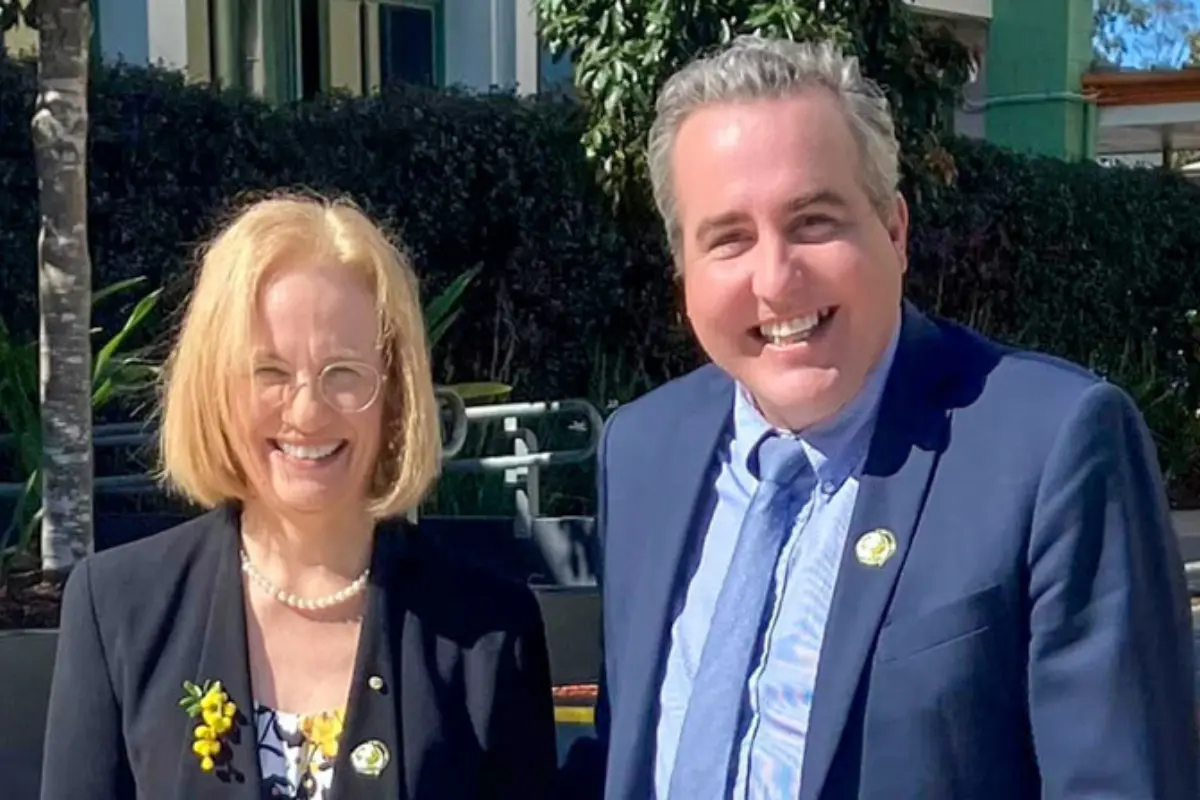
Introduction – Who Is Jimmy Sullivan, MP?
Since 2020, Jimmy Sullivan MP has been the representative for Stafford in the Queensland Legislative Assembly. He is an Australian politician. Sullivan is known for his legal background, experience in government, and long-standing ties to Brisbane’s northern suburbs. His public career shows both traditional political service and the modern pressures that elected officials face.
During his time in parliament, Jimmy Sullivan MP has served as a backbench representative, a minister, and later as an independent member of the crossbench. Throughout his journey, he has encountered moments of professional recognition, personal challenges, and increased public scrutiny. He has stayed a well-known figure in Queensland politics through it all, serving his constituents while dealing with a complicated and changing political landscape.
Early Background and Childhood Years
James Anthony Sullivan was born on January 5, 1982, in Stafford, Queensland. He grew up in Brisbane’s north, where public service, education, and civic duty were all part of everyday life. His early years were shaped by strong ties to his family and the people in his neighbourhood. These experiences later influenced his decision to pursue a career in public service.
Sullivan grew up in Stafford, which gave him direct experience with the problems that families in suburban Queensland face, such as getting an education, finding work, and getting help from the community. These early experiences helped him understand how government choices affect people in his area.
Parents, Family, and Political Lineage
Jimmy Sullivan MP’s family has been involved in politics in Queensland for a long time. From 2001 to 2006, his father, Terry Sullivan, was the Member for Stafford in the Queensland Legislative Assembly. Terry Sullivan became known as a representative who cared about his community during that time. This experience would later affect his son’s political views.
Education and public service, along with politics, are closely associated with Sullivan’s family background. Both of their parents were teachers, which taught them the value of learning, discipline, and giving back to the community from a young age. Jimmy Sullivan has mostly kept his family’s private life private, but the way he was raised is clear in the way he has focused on education, working, and getting involved in the community throughout his career.
Education and Academic Pathway
Jimmy Sullivan MP went to Our Lady of the Angels in Wavell Heights for his early schooling before going to Padua College in Kedron. He showed leadership skills while at Padua and was named college captain, which indicated that he was involved in school governance and student representation from an early age.
After finishing high school, Sullivan went on to study law, politics, and international relations at a higher level. His academic path set him up for a career that combined legal knowledge with policy development. The skills he learned there would later be very important in his work in government and parliament.
Legal Career and Professional Foundations
Jimmy Sullivan was a lawyer before he got into politics. After becoming a lawyer, he worked as a Judge’s Associate in the District Court of Queensland. This gave him hands-on experience with the court system, sentencing, and legal administration.
His career took him beyond Queensland, where he worked in professional roles in Canberra and Washington, D.C. Sullivan worked in the office of Senator Ron Wyden while he was in the United States. There, he learned about how laws are made in other countries and gained a better understanding of how policies are made, how governments work, and how international politics work.
Sullivan’s work in both domestic and international law shaped his views on law reform and public administration, making him more focused on accountability, openness, and evidence-based policy.
Entry Into Government and Policy Work
Jimmy Sullivan served as a senior advisor in the Queensland state government prior to his election as an MP. Most importantly, he was the Attorney-General’s Chief of Staff, which put him in charge of making legal and policy decisions.
As part of this job, Sullivan helped create and carry out changes in the areas of justice, education, and getting people to work. He worked on projects that aimed to make training more accessible, fight crime, and hold institutions more accountable.
One thing that was important during this time was helping people find work and improve their skills. This included supporting programmes that help people in Queensland gain practical skills and get jobs that last. This experience with policy would later help him set his priorities in Parliament.

Political Career and Election to Parliament
Jimmy Sullivan MP won the Stafford seat in the 2020 Queensland state election, which was his first time running for office. His election brought the Sullivan name back to the area, almost twenty years after his father last represented it.
As the Member for Stafford, Sullivan was in charge of representing suburbs like Stafford, Kedron, Grange, and the areas around them. He had to balance advocating for local issues with taking part in statewide legislative processes. These issues included infrastructure, education, justice reform, and community safety.
As a representative from the beginning, Sullivan made it clear that he was focused on his home district. He regularly maintained contact with constituents and community groups, actively participating in parliamentary debates.
Progression Through Parliament and Ministerial Responsibility
Jimmy Sullivan MP’s career in Parliament progressed smoothly after his election. He was made Assistant Minister for Justice and Veterans’ Affairs in December 2023. His legal background and past work in the Attorney-General’s office led to his appointment.
As part of this job, Sullivan worked on issues related to the court system, legal administration, and services for veterans. Even though his time in the role ended in October 2024, the appointment was a big step forward in his political career and made him more well-known in Queensland politics.
A Career Marked by Public Service and challenges
Jimmy Sullivan’s career as an MP has been a steady commitment to public service, whether it was as a lawyer, a government advisor, or an elected official. His journey has included policy work, representing the community, and being a leader, as well as times when he had personal problems that later became part of the public conversation.
His professional experience and personal strength continue to shape his role in parliament and how he represents the people of Stafford.
Recent Parliamentary Statements and Media Coverage
In 2025, both national and Queensland media widely covered Jimmy Sullivan MP’s parliamentary statements, which once again made headlines. Sullivan gave an emotional speech in the Legislative Assembly that put recent events in the context of personal loss, mental health, and public accountability.
Addressing colleagues, he said:
“I have never sought to excuse my conduct. I have acknowledged mistakes and taken responsibility for them.”
He went on to describe the ongoing impact of the stillbirth of his daughter in 2019, explaining that grief and unresolved trauma had influenced his wellbeing during periods of intense public pressure.
“Grief doesn’t operate on a timetable. It doesn’t disappear because your job title changes.”
The speech was notable not only for its tone but also for its departure from standard political messaging, drawing attention to the human cost of public life and prompting broader discussion about mental health support for elected officials.
Shift to the Crossbench and Independent Status
After being kicked out of the Queensland Labour caucus in May 2025, Jimmy Sullivan MP officially asked to be an Independent member of parliament. The change moved him from making decisions based on party affiliation to a crossbench role focused on advocating for his constituents.
Responding to the caucus decision, Sullivan stated publicly:
“I complied with every requirement placed on me — and more. I was clear, transparent, and cooperative at every step.”
Sullivan has continued to represent Stafford as an Independent MP, keeping his voting rights, speaking rights, and responsibilities to his constituents. His place on the crossbench puts him in a small but powerful group of MPs whose support can change the outcome of votes in Parliament, especially when the votes are very close.
Public Debate Around Accountability and Due Process
Sullivan’s case has sparked a bigger public discussion about how parties run themselves, how fair their procedures are, and how political institutions deal with personal crises involving elected officials.
Political analysts and commentators have said that even though there were no criminal charges filed after the reported domestic incident, the political fallout was big. The media has looked at how to keep people’s trust while also making sure that party structures respond in a fair way.
While looking into the case, it was noted that Sullivan’s expulsion raised questions about whether internal disciplinary processes are open and fair when personal behaviour becomes politically sensitive.
Current Role and Day-to-Day Parliamentary Work
Even though there has been a lot of talk about it, Jimmy Sullivan MP has kept going to parliament, taking part in debates, and running his office in Stafford. His work in Parliament over the past few months has mostly been about:
- justice and court administration
- veterans’ services
- workforce participation and training
- cost-of-living pressures affecting Brisbane suburbs
He has continued meeting with constituents, schools, sporting clubs, and local organisations, emphasising that his role as Member for Stafford remains unchanged regardless of party affiliation.
“The people of Stafford elected me to represent them — and that responsibility doesn’t disappear because of internal party decisions.”
Community Response and Local Sentiment
People in the Stafford electorate have had mixed but engaged reactions. Some people in Sullivan’s district have said they are worried about the events that led to his leaving the Labour Party, while others have publicly backed his choice to stay in parliament and keep representing the area.
Local community forums and media commentary have pointed out that Sullivan’s strong family ties to Stafford, which have lasted for two generations of parliamentary representation, still affect how people see him in Stafford.
His office in the electorate is still open and helping people with state-related issues like housing, transportation, access to education, and government services.
Political Identity Beyond Party Labels
The career of Jimmy Sullivan MP is a good example of a larger trend in Australian politics: voters are starting to separate party identity from local representation. His move from being a backbencher in the government to being an Assistant Minister and now an Independent MP puts him in a group of politicians who are figuring out how to have a career after leaving their party.
This change has let Sullivan focus less on party loyalty and more on advocating for his constituents, which appeals to some voters who are wary of party politics.
Future Outlook – What Comes Next for Jimmy Sullivan MP
The future of Jimmy Sullivan MP is still uncertain, but there are a few key options that stand out. As an Independent, he may keep his seat for the rest of the parliamentary term and make decisions about laws on a case-by-case basis.
Political experts say that crossbench MPs often have more power in parliaments that are either very small or very evenly split, which lets them negotiate outcomes for their constituents. Sullivan hasn’t said for sure whether he would run for re-election or run as an Independent in future elections, or if he would seek party re-endorsement.
“My focus is on doing the job I was elected to do. Anything beyond that is a matter for the future.”
Public sentiment in Stafford, ongoing media scrutiny, and broader shifts within Queensland politics are likely to influence his next steps.
Public Image and Long-Term Legacy
Jimmy Sullivan MP’s public life shows how complicated modern political careers can be, with a mix of policy work, personal vulnerability, and pressure from institutions. His journey shows that political stories are shaped not just by laws and elections but also by how leaders deal with problems in public.
Sullivan’s story is still an important case study in modern Australian public life, whether you look at it through the lens of legal reform, community service, or political controversy.
Jimmy Sullivan MP and the Realities of Public Life
Jimmy Sullivan MP’s public life shows how complicated modern political service is in Australia. His path to parliament was built on experience, not a sudden chance. He grew up in a family that worked in public service and then went on to a legal career based on justice and policy. As the Member for Stafford, his work has always focused on representing the people of Stafford, making laws, and getting involved with issues that matter to people in Brisbane’s northern suburbs.
Sullivan has worked in government, been a minister, and then moved to the crossbench as an Independent MP during his time in Parliament. Every step of that journey has had its problems and expectations, showing how hard it is for elected officials to work under constant public scrutiny.
Jimmy Sullivan MP has continued to serve his constituents despite political turmoil and personal challenges. He has stayed involved in parliament and with his constituents. His career shows how political identities change over time, not just because of the results of policies, but also because of resilience, accountability, and public trust.
As the political scene in Queensland changes, Jimmy Sullivan MP’s next chapter will depend on how well he balances his independence, his role as a representative, and his duties as a public official. What is clear is that his story is now part of the larger discussion in Australia about leadership, openness, and the human side of politics.


In today’s media landscape, certain individuals find themselves thrust into the spotlight not by choice, but through circumstances that test their character. Leigh Pickford is one such person. An Australian woman whose life has drawn public attention due to deeply personal and legal matters, she has come to represent quiet strength and the human capacity to endure hardship while maintaining dignity.
Having followed public stories involving ordinary people facing extraordinary challenges for over thirty years, I’ve learned that these narratives often reveal more about society’s values than about the individuals themselves. Leigh Pickford’s journey offers powerful insights into resilience, privacy, and the complexities of living life under scrutiny.
Background
Leigh Pickford is based in Australia, where she has navigated life away from the limelight for much of her earlier years. Like many Australians, her story is rooted in everyday realities — family, community, and personal aspirations. However, specific events brought her into the public consciousness, turning private struggles into matters of broader interest.
What stands out in her background is the ordinary foundation from which her story unfolded. This relatability is perhaps why her experiences have resonated with so many. She represents countless individuals who face unexpected trials without the armour of fame or fortune.
Key Events
Leigh Pickford gained media coverage due to a series of personal and legal challenges that tested her resilience in profound ways. While the specifics of these events are complex and often deeply personal, they highlighted issues many face, but few discuss openly — matters involving justice, personal boundaries, and emotional endurance.
Throughout these difficult periods, Pickford demonstrated a level of composure that drew both sympathy and admiration. Public records and media reports portrayed her as someone determined to stand her ground and seek resolution through proper channels, even when the process was lengthy and emotionally draining.
In my experience covering similar stories, individuals like Leigh often become unintentional symbols. Their cases bring attention to systemic issues — whether in legal processes, support for those facing personal crises, or the role of media in shaping public perception.
Public Response
The public reaction to Leigh Pickford’s story has been mixed but notably compassionate in many circles. Many Australians followed her journey with interest, seeing in her experience reflections of their own vulnerabilities or those of their loved ones.
Social media played a significant role, with supporters offering messages of encouragement and calling for fairness. Others engaged in more critical discussions about privacy rights and the ethics of media coverage in personal legal matters.
This duality is common in high-profile personal stories. On the one hand, public attention can provide a sense of solidarity; on the other, it can intensify pressure on the individual at the centre. Leigh appears to have handled this delicate balance with notable grace, focusing on her own path rather than getting lost in the noise of public opinion.
Lessons on Resilience and Privacy
From an expert perspective shaped by decades of observing human stories, Leigh Pickford’s experience underscores several important truths:
- Strength is often quiet. True resilience doesn’t always look dramatic — it frequently appears as persistence, dignity, and the choice to keep moving forward.
- Privacy remains precious. In an age of constant sharing, protecting one’s personal boundaries becomes an act of self-preservation.
- Support systems matter. Family, legal counsel, and community networks play crucial roles in helping individuals weather storms.
- Media narratives evolve. Initial coverage may focus on drama, but deeper stories often reveal nuance and human complexity over time.
For anyone facing similar challenges, Leigh’s story serves as a reminder that seeking professional guidance, setting boundaries, and prioritising mental wellbeing are essential steps.
Current Life (2026)
As of 2026, Leigh Pickford continues to focus on her personal life and any ongoing matters related to her journey. Reports suggest she has maintained a relatively low public profile, concentrating on rebuilding stability and moving forward after years of intense attention.
This phase reflects a common pattern among those who have endured prolonged public scrutiny — a return to normalcy and private healing. While she may not seek the spotlight, her earlier experiences have left a lasting impression on those who followed her story.
Her current approach appears grounded and forward-looking, emphasising personal growth over continued public engagement. This choice deserves respect and highlights the importance of allowing individuals space to recover and redefine their lives on their own terms.
Conclusion: The Enduring Power of Human Resilience
Leigh Pickford’s story is ultimately one of human resilience in the face of adversity. While the details of her challenges are unique, the themes of strength, dignity, and perseverance are universal. In sharing aspects of her journey with the public, whether willingly or through circumstance, she has contributed to broader conversations about justice, privacy, and support for those navigating difficult times.
For readers, her experience offers valuable perspective: life can change unexpectedly, but the human spirit possesses remarkable capacity for recovery. As we move further into 2026 and beyond, stories like Leigh’s remind us to approach public narratives with empathy and to value the quiet strength that often goes unseen.
In a world quick to judge and even quicker to move on to the next headline, remembering the real people behind the stories — their struggles, their growth, and their right to privacy — remains as important as ever.

Many stories make their way into the public eye, but not all belong to people who sought that attention. Katherine Pearson is one such individual — an Australian woman whose life unexpectedly became a subject of media coverage and public discussion due to personal and legal circumstances. What began as private matters soon unfolded into a story that captured the nation’s curiosity, offering a clear example of how quickly life can change when circumstances bring you into the public eye.
Over time, Katherine Pearson has become known not just for the events that brought her into the news, but for the way she navigated those challenges. Her journey is defined by resilience, a commitment to privacy, and the determination to move forward despite scrutiny. This article explores her background, the key events that shaped her public profile, how people responded to her story, and where she is focusing her life as of 2026.
Background
Katherine Pearson is based in Australia, where she spent the majority of her early years living a quiet, private life. Before the events that brought her into the spotlight, there was little public information about her — she was focused on her personal responsibilities, family, and daily life, just like millions of others.
Her entry into public awareness was not a choice or a career move. It came when her personal circumstances intersected with legal and public matters that attracted the interest of news outlets and observers. This shift from private citizen to someone regularly mentioned in the media was sudden and unplanned, requiring her to adapt to a reality most people never have to face.
Throughout this transition, one consistent quality became clear: her desire to protect her own dignity and the privacy of those close to her. She did not seek fame or publicity, and her actions over the years have reflected a preference for letting facts speak for themselves rather than seeking attention or sympathy.
Key Events
The turning point in Katherine Pearson’s public profile came from a series of events that unfolded gradually, drawing increasing attention as details emerged. These events centred on complex personal and legal challenges that raised questions and sparked discussion across Australia.
While the specifics of these matters have been reported in various news sources, it is important to focus on the broader context of how they affected her life:
Initial Public Awareness: Coverage began when her situation became linked to formal proceedings and investigations. At this early stage, information was still limited, leading to a mix of accurate reporting and public speculation.
Growing Scrutiny
As the process continued, interest grew. Media outlets followed developments closely, and details — sometimes incomplete or taken out of context — began to circulate. This period brought significant pressure, as her personal life became open to interpretation and discussion by strangers.
Clarifying the Narrative
Over time, Katherine Pearson chose to share certain aspects of her experience. This was done not to gain attention, but to address misinformation, provide clarity, and ensure that her side of the story was understood. She spoke with measured care, focusing on facts rather than emotion.
Navigating Uncertainty: Every step of the journey required balancing legal obligations, personal boundaries, and the public’s interest. It was a complex path, and one that tested her patience and resolve at every stage.
One of the most important lessons from this period is the difference between verified facts and assumptions. As with many stories in the public domain, not everything reported was fully accurate, and distinguishing between the two required careful attention from readers and observers.
Public Response
When a private individual finds themselves in the news, reactions are almost always mixed — and Katherine Pearson’s case was no exception. The public response reflected a wide range of perspectives, offering insight into how society views people caught in difficult circumstances.
Support and Empathy
A large portion of the public responded with understanding and respect. Many recognised that being under constant media observation during a difficult time adds a heavy burden that no one should have to carry. People expressed sympathy for the stress and disruption she faced, and emphasised that everyone deserves the space to work through personal challenges without constant oversight.
Curiosity and Debate
Naturally, the story also sparked curiosity. People wanted to understand the context, the legal process, and how such situations unfold. This led to broader conversations about media responsibility, the line between public interest and private life, and how individuals are treated once they enter the public eye. These discussions highlighted important questions about privacy and fairness in the modern media landscape.
Key Takeaways for Readers
From Katherine Pearson’s experience, there are valuable lessons that apply to how we consume and respond to news stories:
Look for verified information: It is easy to form opinions based on headlines or incomplete reports, but reliable understanding requires seeking out confirmed facts.
Respect personal boundaries: Even when information is available, there is a difference between being informed and invading someone’s private life.
Recognise strength in quiet persistence: Facing public attention while dealing with personal challenges requires great inner strength, and moving forward without giving in to pressure is a notable achievement.
Current Life (2026)
As of 2026, the intense period of media attention has settled significantly. Katherine Pearson has entered a new chapter, where her focus has returned to what matters most: her personal life, family, and future stability.
She continues to handle any remaining matters related to her past with the same careful, thoughtful approach she has shown from the beginning. There is no indication that she seeks further public attention; instead, her priority is to restore the sense of normalcy disrupted by events in previous years.
Those who follow her story will note that her current choices reflect a clear intention: to leave the spotlight behind and live life on her own terms. This decision is itself a sign of how far she has come — from someone caught in a situation beyond her control, to someone who has reclaimed ownership of her own path.
Conclusion
Katherine Pearson’s story is not one of fame, achievement, or public ambition. It is a story about what happens when ordinary life intersects with extraordinary circumstances, and how a person responds to pressure, scrutiny, and uncertainty.
From her quiet beginnings in Australia, through the challenges that brought her into the public eye, to her focus on stability and privacy in 2026, her journey highlights the importance of resilience and self‑determination. It reminds us that behind every headline, there is a real person with feelings, rights, and a life that goes far beyond the details reported in the news.
For readers, her experience offers a valuable perspective: to look beyond the surface of any story, to respect the humanity of those involved, and to recognise that strength is often found not in being in the spotlight, but in having the courage to move forward and rebuild when the attention fades.

In the landscape of public interest, some stories do not come from the worlds of film, music, or politics, but from ordinary individuals whose lives become part of the broader conversation. Darci McDonald is one such name. An Australian woman who stepped into the spotlight not by choice but through a series of personal and legal developments that captured national media attention offers a compelling look at resilience, privacy, and how to move forward under public scrutiny.
Over the years, Darci McDonald has navigated the difficult line between living her life and being the subject of news reports and public discussion. While her story has been told in various outlets, it is important to look beyond the headlines to understand the full picture—where she came from, what challenges she faced, how the public responded, and where she stands today in 2026.
Background
Darci McDonald is based in Australia, and her early life remained largely private before she became known to the wider public. Like many people, she spent her formative years away from cameras and media attention, focused on personal growth, family, and community life. This background of normalcy makes her later experience all the more notable: the shift from a private citizen to someone whose name appeared regularly in news reports.
Her entry into public awareness began when she became associated with specific events and legal matters that drew significant coverage. It is important to note that the focus of this attention was not on her career or public achievements, but on personal circumstances that unfolded in the public domain. This distinction is key—she was not a public figure seeking fame but an individual whose life circumstances brought her into the media’s view.
Throughout this period, one consistent trait emerged: her determination to maintain her dignity amid external scrutiny. Those who have followed her story recognize that she has always prioritized her well-being and the stability of her personal life, even in the face of intense scrutiny.
Key Events
The turning point in Darci McDonald’s public profile came from a series of events that unfolded over time, leading to widespread media coverage. These events centered on legal and personal challenges that raised questions, sparked discussion, and brought her name into homes across Australia.
While the details of these matters have been reported in various news sources, the core of the story lies in how she responded to them:
Initial Attention: The first reports emerged when her personal situation intersected with legal proceedings, prompting curiosity from the public and journalists alike.
Media Scrutiny: As the story developed, coverage increased, leading to both factual reporting and speculation. This period tested her ability to protect her privacy while the facts were being established.
Sharing Her Journey: In time, Darci McDonald chose to share certain aspects of her experience. This was not done to seek sympathy, but to offer clarity, address misinformation, and highlight the reality of living through such challenges.
Navigating Complexities: Every step of the process involved balancing legal requirements, personal boundaries, and the public’s right to information—a challenge that many people never have to face.
One important observation from her journey is the difference between verified facts and public speculation. As with many stories in the media, some reports were based on confirmed details, while others relied on assumptions. Darci McDonald’s approach remained consistent: to let the facts speak for themselves and focus on what mattered most to her future.
Public Response
When a private individual becomes a subject of news, the public reaction is almost always mixed—and Darci McDonald’s case was no exception.
Support and Empathy
A large portion of the public responded with understanding. Many recognized that being in the spotlight under difficult circumstances is a heavy burden, and expressed respect for her ability to keep moving forward. Comments from readers and viewers often highlighted the importance of privacy, noting that everyone deserves the chance to work through personal struggles without constant observation.
Curiosity and Debate
At the same time, the story sparked natural curiosity. People wanted to understand the background of the events, the legal context, and how such situations unfold. This led to discussions about media responsibility, the line between public interest and private life, and how individuals are treated once they are in the news.
Lessons for Readers
From a broader perspective, Darci McDonald’s story offers useful insights:
Respect Boundaries: Even when information is available, respecting the privacy of those involved is essential.
Seek Verified Information: Not everything reported in the media is fully accurate; looking for reliable sources helps avoid forming opinions based on speculation.
Strength in Adversity: Her ability to stay focused on her well-being serves as a reminder that challenges can be faced with resilience.
Current Life (2026)
As of 2026, Darci McDonald has entered a new chapter. The intense media attention that surrounded her in previous years has settled, allowing her to refocus on what matters most: her personal life, family, and future goals.
Recent updates make it clear that her priority is stability and normalcy. She continues to handle any remaining matters related to her past with the same measured approach she has always shown. There is no indication of seeking further public attention; instead, she appears committed to living life on her own terms, away from the constant gaze of the media.
Looking at her journey up to this point, it is evident that her experience has shaped her perspective. She has demonstrated that even when circumstances force you into the public eye, it is possible to retain your sense of self and move toward a more peaceful future.
Conclusion
Darci McDonald’s story is not one of fame or celebrity achievement, but of resilience. It is a reminder that life can change unexpectedly, and that facing challenges with composure and determination makes all the difference.
From a private life in Australia to becoming a subject of national attention, and finally to finding balance again in 2026, her journey shows that the most important progress is often quiet and personal. For readers, it offers a valuable lesson: look beyond headlines, respect the humanity behind every story, and recognize that strength often lies in the choice to keep moving forward.
As Darci McDonald continues to focus on her personal life, her story remains a testament to the fact that, no matter what challenges arise, the path forward is always possible with patience and resolve.

Maggie Beer Products: A Gourmet Australian Range Built on Flavour, Simplicity, and Quality

Human-in-the-loop customer service: how NeonNow IQ divides contact centre work between AI and people

Saskia Beer: The Life, Work, and Lasting Legacy of an Australian Food Innovator

Love Island Australia 2026: Why Fans Chasing Fiji Villa Gossip Online Need to Slow Down Before They Click

Colin Beer: The Quiet Architect Behind a Gourmet Food Legacy

Ian White Management: Guiding Athletes to Success
Katherine Pearson: Strength, Resilience and Life Beyond the Headlines

Harrison Gilbertson in Fallen: Bringing a Fallen Angel to Life

Actors Equity Australia: Protecting and Empowering Performers

JK Kazzi: The Charismatic Voice of a New Generation of Cultural Influencers
-
 Celebrity12 months ago
Richard Zachariah – The Story of a Gentleman Journalist
-
 Lifestyle12 months ago
Matt Moran Liberal-From Service to Leadership in Western Australia
-
 Lifestyle5 months ago
Top Fashion Trends Australia 2026: What Australians Are Wearing Now
-
 Lifestyle5 months ago
Spring 2026 Fashion Trends: The Complete Style Guide
-
 News10 months ago
Beau Lamarre-Condon – Inside the Case, the Charges, and the Court Timeline
-
 News12 months ago
Samuel William Davidson – The Oatlands Tragedy, Sentence & the Power of Forgiveness
-
 Entertainment5 months ago
How Australian Players Are Choosing Their Online Casino in 2026
-
 Entertainment1 year ago
The Unstoppable Rhea Ripley-WWE’s Australian Phenomenon