
News
Trout Lady Case-The Full Story Behind Tasmania’s Most Controversial Viral Video

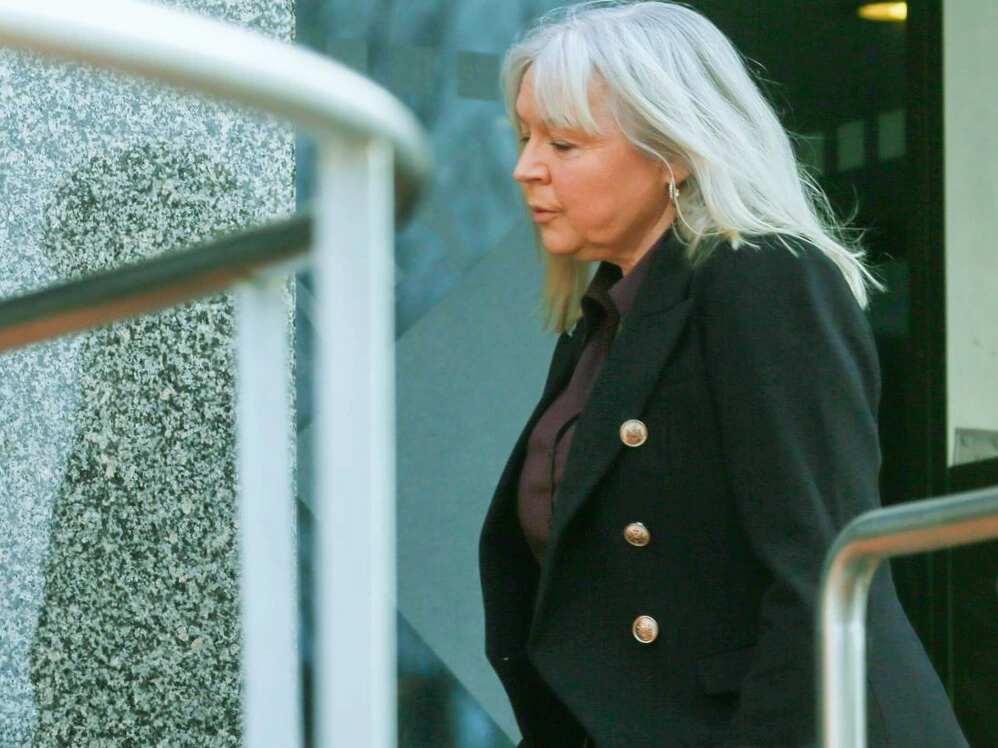
The Trout Lady case remains one of the most unsettling viral scandals to emerge from Australia in the past decade. What began as two privately recorded explicit videos eventually turned into a global spectacle, attracting millions of views, triggering police intervention, sparking public outrage & leading to a long-running legal process that brought Tasmania’s justice system, animal rights groups & online communities into the same conversation.
This expanded version brings together every key detail from all reporting, court appearances, police statements, community responses & legal outcomes. It also clarifies early inaccuracies, explains how the video spread so widely, revisits the personal fallout for those involved & documents the final sentencing that brought the scandal to a close.
Filming of the Trout Lady Videos Between 2022 & 2023
The two videos that later shocked the world were filmed between February 2022 & January 2023, featuring Catherine June Lee, a 58-year-old woman from southern Tasmania, & Ashley David Hallam, a 55-year-old fisherman from Dolphin Sands.
The first video shows Lee lying on a boat while Hallam uses a live brown trout to perform a sexual act on her. This occurred somewhere in southern Tasmania, with the footage recorded on the open water, giving investigators enough evidence to establish the approximate timeframe & the identities of the two people involved.
The second video, unrelated to the trout but filmed during the same period, shows Lee & Hallam engaging in sexual behaviour on the grave of artist David Hammond Chapman, whose work is known throughout Tasmania for its distinctive landscapes. The footage was recorded at St Mark’s Anglican Cemetery in Cressy, near Launceston, creating additional legal issues due to the sacred nature of the site.
These two videos, filmed privately, would eventually become the catalyst for one of the most publicised criminal investigations Tasmania has experienced in recent years.
The Viral Spread of the Trout Lady Video in 2023
In January 2023, the trout video unexpectedly leaked online & spread at extraordinary speed across social media. It rapidly circulated on TikTok, Facebook, Reddit, YouTube mirrors & messaging groups before anyone could intervene.
Initially, Hallam told the court he sent the video to “only six friends,” believing the situation would remain private. However, prosecutors later argued that the speed & scale of the viral spread indicated that the footage had been shared far beyond his direct circle, contributing to the severity of the charges.
The clip reached millions of viewers globally, with the graphic nature of the act sparking immediate backlash. People expressed disbelief, disgust & outrage, often referencing the video as one of the most disturbing pieces of viral content they had ever seen.
Social commentary included comparisons to:
- extreme shock humour
- notorious rock-band urban legends
- explicit comedy parodies
- infamous online viral scandals
The Trout Lady nickname began circulating almost immediately, attaching itself to Lee even before her identity was confirmed.
Police & RSPCA Warnings After the Video Surfaced
As the trout video gained traction, Tasmania Police issued a rare & firm public warning. They stated that possessing or distributing the video was illegal & urged viewers to delete the footage immediately. Police emphasised that the act involved a live animal & therefore met the legal definition of a bestiality product, which is prohibited under Australian law.
The RSPCA also issued a statement thanking the public for alerting them, describing the video as “acts of depravity” & confirming the matter had been escalated directly to police due to the seriousness of the alleged conduct.
This dual response from policing & animal welfare agencies helped establish the gravity of the situation & confirmed that charges were imminent.
The Identification of the Trout Lady & Her Former Workplace Statement
As speculation grew, online users attempted to identify the woman in the video. Eventually, attention turned to Catherine June Lee, who was quickly associated with the footage.
A Hobart veterinary clinic where she had once worked released a public statement confirming:
- she was a former employee, not currently associated with the practice
- the clinic condemned mistreatment of animals
- the situation had caused distress to clients & staff
- the workplace did not condone her behaviour
The clinic sought to distance itself clearly from the viral scandal, acknowledging how significant the public reaction had become.
Charges Laid Against the Pair in 2023
The couple was officially charged in February 2023, following the conclusion of early police enquiries. There was initial confusion in media reporting about who faced which offences, with some outlets initially stating both faced cemetery-related charges.
This was later corrected. The final legal breakdown is as follows:
Charges Against Catherine June Lee
- 1 count of possessing a bestiality product
- 2 counts of making or reproducing a bestiality product
- Total: three charges
- All laid under the Classification (Publications, Films & Computer Games) Enforcement Act
Charges Against Ashley David Hallam
- 3 counts of possessing a bestiality product
- 2 counts of making or reproducing a bestiality product
- 1 count relating to prohibited activities in a cemetery
- Also referenced: a past fishing-related offence, contributing to the court’s view of his character
Police noted that both videos formed part of the same investigative process.

Court Appearances Throughout 2024
The charges led to a long series of court dates across 2023 & 2024, marked by repeated adjournments.
May 2024
Hallam appeared but did not enter a plea.
August 2024
Lee appeared in Hobart Magistrates Court.
She requested an adjournment, which was granted.
October 2024
Both returned to court:
- Hallam requested another adjournment.
- He then entered a not guilty plea to bestiality-related charges.
- Lee appeared via phone while her lawyer sought additional time to respond to the production charge.
- The matter was moved to January 2025 for further management.
These hearings drew widespread media interest as the case continued to attract national & international attention.
Hallam’s Guilty Plea & Legal Turning Point in May 2025
The case shifted dramatically in May 2025, when Hallam changed his plea from not guilty to guilty on two central charges:
- producing a bestiality product
- possessing a bestiality product
His defence argued he was accepting responsibility & sparing both Lee & the court from additional embarrassment.
Prosecutors opposed this framing, stressing:
- the content was deliberate & prolonged
- a live animal was harmed
- the viral spread heightened the seriousness
- Hallam had previously ignored animal-protection laws
- “he does not come to court as a person of good character”
The guilty plea did not end the matter immediately but set the stage for sentencing.
Final Sentencing Delivered in September 2025
Hallam returned to court in September 2025, where Magistrate Marica Duvnjak delivered her ruling.
Final Sentence
- Five-month prison sentence, wholly suspended for 18 months
- 75 hours of community service
- 18-month community corrections order
The court described Hallam’s behaviour as “serious” & “depraved,” emphasising the breach of community standards & the distress caused by the viral spread. His explanation that the video was only intended for six friends was rejected.
Outcome for Catherine Lee
By early 2025, the charges against Lee had been withdrawn.
She did not enter a plea & was not convicted.
Despite avoiding legal penalties, her involvement in the videos continued to define her public image, & the Trout Lady nickname remained attached to her long after the court process ended.
The Long-Term Impact of the Trout Lady Scandal
The Trout Lady case has had a lasting cultural & legal impact in Australia.
For Hallam
His guilty plea left him with a permanent criminal record, a suspended sentence & significant public disgrace. The case also reignited discussions about wildlife protection, fishing ethics & the need for clearer public awareness regarding prohibited acts involving animals.
For Lee
Even without a conviction, the viral spread cemented her association with the scandal. Her identity became permanently intertwined with the Trout Lady label, shaping public perception & affecting her reputation long after the matter concluded.
For the community
The incident highlighted:
- the serious consequences of sharing illegal content
- the vulnerability of wildlife to exploitation
- the disrespect shown toward sacred cultural sites
- the dangers of viral media amplifying criminal behaviour
It also underscored how a private act can become a global spectacle, altering lives permanently.
The Trout Lady case, in its entirety, stands as a reminder of how quickly digital content can escalate, how damaging viral exposure can be & how the justice system responds when disturbing material spreads beyond control.
FOR MORE RELATED ARTICLES VISIT US AT AUSTRALIANMAGAZINE.COM.AU


In today’s media landscape, certain individuals find themselves thrust into the spotlight not by choice, but through circumstances that test their character. Leigh Pickford is one such person. An Australian woman whose life has drawn public attention due to deeply personal and legal matters, she has come to represent quiet strength and the human capacity to endure hardship while maintaining dignity.
Having followed public stories involving ordinary people facing extraordinary challenges for over thirty years, I’ve learned that these narratives often reveal more about society’s values than about the individuals themselves. Leigh Pickford’s journey offers powerful insights into resilience, privacy, and the complexities of living life under scrutiny.
Background
Leigh Pickford is based in Australia, where she has navigated life away from the limelight for much of her earlier years. Like many Australians, her story is rooted in everyday realities — family, community, and personal aspirations. However, specific events brought her into the public consciousness, turning private struggles into matters of broader interest.
What stands out in her background is the ordinary foundation from which her story unfolded. This relatability is perhaps why her experiences have resonated with so many. She represents countless individuals who face unexpected trials without the armour of fame or fortune.
Key Events
Leigh Pickford gained media coverage due to a series of personal and legal challenges that tested her resilience in profound ways. While the specifics of these events are complex and often deeply personal, they highlighted issues many face, but few discuss openly — matters involving justice, personal boundaries, and emotional endurance.
Throughout these difficult periods, Pickford demonstrated a level of composure that drew both sympathy and admiration. Public records and media reports portrayed her as someone determined to stand her ground and seek resolution through proper channels, even when the process was lengthy and emotionally draining.
In my experience covering similar stories, individuals like Leigh often become unintentional symbols. Their cases bring attention to systemic issues — whether in legal processes, support for those facing personal crises, or the role of media in shaping public perception.
Public Response
The public reaction to Leigh Pickford’s story has been mixed but notably compassionate in many circles. Many Australians followed her journey with interest, seeing in her experience reflections of their own vulnerabilities or those of their loved ones.
Social media played a significant role, with supporters offering messages of encouragement and calling for fairness. Others engaged in more critical discussions about privacy rights and the ethics of media coverage in personal legal matters.
This duality is common in high-profile personal stories. On the one hand, public attention can provide a sense of solidarity; on the other, it can intensify pressure on the individual at the centre. Leigh appears to have handled this delicate balance with notable grace, focusing on her own path rather than getting lost in the noise of public opinion.
Lessons on Resilience and Privacy
From an expert perspective shaped by decades of observing human stories, Leigh Pickford’s experience underscores several important truths:
- Strength is often quiet. True resilience doesn’t always look dramatic — it frequently appears as persistence, dignity, and the choice to keep moving forward.
- Privacy remains precious. In an age of constant sharing, protecting one’s personal boundaries becomes an act of self-preservation.
- Support systems matter. Family, legal counsel, and community networks play crucial roles in helping individuals weather storms.
- Media narratives evolve. Initial coverage may focus on drama, but deeper stories often reveal nuance and human complexity over time.
For anyone facing similar challenges, Leigh’s story serves as a reminder that seeking professional guidance, setting boundaries, and prioritising mental wellbeing are essential steps.
Current Life (2026)
As of 2026, Leigh Pickford continues to focus on her personal life and any ongoing matters related to her journey. Reports suggest she has maintained a relatively low public profile, concentrating on rebuilding stability and moving forward after years of intense attention.
This phase reflects a common pattern among those who have endured prolonged public scrutiny — a return to normalcy and private healing. While she may not seek the spotlight, her earlier experiences have left a lasting impression on those who followed her story.
Her current approach appears grounded and forward-looking, emphasising personal growth over continued public engagement. This choice deserves respect and highlights the importance of allowing individuals space to recover and redefine their lives on their own terms.
Conclusion: The Enduring Power of Human Resilience
Leigh Pickford’s story is ultimately one of human resilience in the face of adversity. While the details of her challenges are unique, the themes of strength, dignity, and perseverance are universal. In sharing aspects of her journey with the public, whether willingly or through circumstance, she has contributed to broader conversations about justice, privacy, and support for those navigating difficult times.
For readers, her experience offers valuable perspective: life can change unexpectedly, but the human spirit possesses remarkable capacity for recovery. As we move further into 2026 and beyond, stories like Leigh’s remind us to approach public narratives with empathy and to value the quiet strength that often goes unseen.
In a world quick to judge and even quicker to move on to the next headline, remembering the real people behind the stories — their struggles, their growth, and their right to privacy — remains as important as ever.

Many stories make their way into the public eye, but not all belong to people who sought that attention. Katherine Pearson is one such individual — an Australian woman whose life unexpectedly became a subject of media coverage and public discussion due to personal and legal circumstances. What began as private matters soon unfolded into a story that captured the nation’s curiosity, offering a clear example of how quickly life can change when circumstances bring you into the public eye.
Over time, Katherine Pearson has become known not just for the events that brought her into the news, but for the way she navigated those challenges. Her journey is defined by resilience, a commitment to privacy, and the determination to move forward despite scrutiny. This article explores her background, the key events that shaped her public profile, how people responded to her story, and where she is focusing her life as of 2026.
Background
Katherine Pearson is based in Australia, where she spent the majority of her early years living a quiet, private life. Before the events that brought her into the spotlight, there was little public information about her — she was focused on her personal responsibilities, family, and daily life, just like millions of others.
Her entry into public awareness was not a choice or a career move. It came when her personal circumstances intersected with legal and public matters that attracted the interest of news outlets and observers. This shift from private citizen to someone regularly mentioned in the media was sudden and unplanned, requiring her to adapt to a reality most people never have to face.
Throughout this transition, one consistent quality became clear: her desire to protect her own dignity and the privacy of those close to her. She did not seek fame or publicity, and her actions over the years have reflected a preference for letting facts speak for themselves rather than seeking attention or sympathy.
Key Events
The turning point in Katherine Pearson’s public profile came from a series of events that unfolded gradually, drawing increasing attention as details emerged. These events centred on complex personal and legal challenges that raised questions and sparked discussion across Australia.
While the specifics of these matters have been reported in various news sources, it is important to focus on the broader context of how they affected her life:
Initial Public Awareness: Coverage began when her situation became linked to formal proceedings and investigations. At this early stage, information was still limited, leading to a mix of accurate reporting and public speculation.
Growing Scrutiny
As the process continued, interest grew. Media outlets followed developments closely, and details — sometimes incomplete or taken out of context — began to circulate. This period brought significant pressure, as her personal life became open to interpretation and discussion by strangers.
Clarifying the Narrative
Over time, Katherine Pearson chose to share certain aspects of her experience. This was done not to gain attention, but to address misinformation, provide clarity, and ensure that her side of the story was understood. She spoke with measured care, focusing on facts rather than emotion.
Navigating Uncertainty: Every step of the journey required balancing legal obligations, personal boundaries, and the public’s interest. It was a complex path, and one that tested her patience and resolve at every stage.
One of the most important lessons from this period is the difference between verified facts and assumptions. As with many stories in the public domain, not everything reported was fully accurate, and distinguishing between the two required careful attention from readers and observers.
Public Response
When a private individual finds themselves in the news, reactions are almost always mixed — and Katherine Pearson’s case was no exception. The public response reflected a wide range of perspectives, offering insight into how society views people caught in difficult circumstances.
Support and Empathy
A large portion of the public responded with understanding and respect. Many recognised that being under constant media observation during a difficult time adds a heavy burden that no one should have to carry. People expressed sympathy for the stress and disruption she faced, and emphasised that everyone deserves the space to work through personal challenges without constant oversight.
Curiosity and Debate
Naturally, the story also sparked curiosity. People wanted to understand the context, the legal process, and how such situations unfold. This led to broader conversations about media responsibility, the line between public interest and private life, and how individuals are treated once they enter the public eye. These discussions highlighted important questions about privacy and fairness in the modern media landscape.
Key Takeaways for Readers
From Katherine Pearson’s experience, there are valuable lessons that apply to how we consume and respond to news stories:
Look for verified information: It is easy to form opinions based on headlines or incomplete reports, but reliable understanding requires seeking out confirmed facts.
Respect personal boundaries: Even when information is available, there is a difference between being informed and invading someone’s private life.
Recognise strength in quiet persistence: Facing public attention while dealing with personal challenges requires great inner strength, and moving forward without giving in to pressure is a notable achievement.
Current Life (2026)
As of 2026, the intense period of media attention has settled significantly. Katherine Pearson has entered a new chapter, where her focus has returned to what matters most: her personal life, family, and future stability.
She continues to handle any remaining matters related to her past with the same careful, thoughtful approach she has shown from the beginning. There is no indication that she seeks further public attention; instead, her priority is to restore the sense of normalcy disrupted by events in previous years.
Those who follow her story will note that her current choices reflect a clear intention: to leave the spotlight behind and live life on her own terms. This decision is itself a sign of how far she has come — from someone caught in a situation beyond her control, to someone who has reclaimed ownership of her own path.
Conclusion
Katherine Pearson’s story is not one of fame, achievement, or public ambition. It is a story about what happens when ordinary life intersects with extraordinary circumstances, and how a person responds to pressure, scrutiny, and uncertainty.
From her quiet beginnings in Australia, through the challenges that brought her into the public eye, to her focus on stability and privacy in 2026, her journey highlights the importance of resilience and self‑determination. It reminds us that behind every headline, there is a real person with feelings, rights, and a life that goes far beyond the details reported in the news.
For readers, her experience offers a valuable perspective: to look beyond the surface of any story, to respect the humanity of those involved, and to recognise that strength is often found not in being in the spotlight, but in having the courage to move forward and rebuild when the attention fades.

In the landscape of public interest, some stories do not come from the worlds of film, music, or politics, but from ordinary individuals whose lives become part of the broader conversation. Darci McDonald is one such name. An Australian woman who stepped into the spotlight not by choice but through a series of personal and legal developments that captured national media attention offers a compelling look at resilience, privacy, and how to move forward under public scrutiny.
Over the years, Darci McDonald has navigated the difficult line between living her life and being the subject of news reports and public discussion. While her story has been told in various outlets, it is important to look beyond the headlines to understand the full picture—where she came from, what challenges she faced, how the public responded, and where she stands today in 2026.
Background
Darci McDonald is based in Australia, and her early life remained largely private before she became known to the wider public. Like many people, she spent her formative years away from cameras and media attention, focused on personal growth, family, and community life. This background of normalcy makes her later experience all the more notable: the shift from a private citizen to someone whose name appeared regularly in news reports.
Her entry into public awareness began when she became associated with specific events and legal matters that drew significant coverage. It is important to note that the focus of this attention was not on her career or public achievements, but on personal circumstances that unfolded in the public domain. This distinction is key—she was not a public figure seeking fame but an individual whose life circumstances brought her into the media’s view.
Throughout this period, one consistent trait emerged: her determination to maintain her dignity amid external scrutiny. Those who have followed her story recognize that she has always prioritized her well-being and the stability of her personal life, even in the face of intense scrutiny.
Key Events
The turning point in Darci McDonald’s public profile came from a series of events that unfolded over time, leading to widespread media coverage. These events centered on legal and personal challenges that raised questions, sparked discussion, and brought her name into homes across Australia.
While the details of these matters have been reported in various news sources, the core of the story lies in how she responded to them:
Initial Attention: The first reports emerged when her personal situation intersected with legal proceedings, prompting curiosity from the public and journalists alike.
Media Scrutiny: As the story developed, coverage increased, leading to both factual reporting and speculation. This period tested her ability to protect her privacy while the facts were being established.
Sharing Her Journey: In time, Darci McDonald chose to share certain aspects of her experience. This was not done to seek sympathy, but to offer clarity, address misinformation, and highlight the reality of living through such challenges.
Navigating Complexities: Every step of the process involved balancing legal requirements, personal boundaries, and the public’s right to information—a challenge that many people never have to face.
One important observation from her journey is the difference between verified facts and public speculation. As with many stories in the media, some reports were based on confirmed details, while others relied on assumptions. Darci McDonald’s approach remained consistent: to let the facts speak for themselves and focus on what mattered most to her future.
Public Response
When a private individual becomes a subject of news, the public reaction is almost always mixed—and Darci McDonald’s case was no exception.
Support and Empathy
A large portion of the public responded with understanding. Many recognized that being in the spotlight under difficult circumstances is a heavy burden, and expressed respect for her ability to keep moving forward. Comments from readers and viewers often highlighted the importance of privacy, noting that everyone deserves the chance to work through personal struggles without constant observation.
Curiosity and Debate
At the same time, the story sparked natural curiosity. People wanted to understand the background of the events, the legal context, and how such situations unfold. This led to discussions about media responsibility, the line between public interest and private life, and how individuals are treated once they are in the news.
Lessons for Readers
From a broader perspective, Darci McDonald’s story offers useful insights:
Respect Boundaries: Even when information is available, respecting the privacy of those involved is essential.
Seek Verified Information: Not everything reported in the media is fully accurate; looking for reliable sources helps avoid forming opinions based on speculation.
Strength in Adversity: Her ability to stay focused on her well-being serves as a reminder that challenges can be faced with resilience.
Current Life (2026)
As of 2026, Darci McDonald has entered a new chapter. The intense media attention that surrounded her in previous years has settled, allowing her to refocus on what matters most: her personal life, family, and future goals.
Recent updates make it clear that her priority is stability and normalcy. She continues to handle any remaining matters related to her past with the same measured approach she has always shown. There is no indication of seeking further public attention; instead, she appears committed to living life on her own terms, away from the constant gaze of the media.
Looking at her journey up to this point, it is evident that her experience has shaped her perspective. She has demonstrated that even when circumstances force you into the public eye, it is possible to retain your sense of self and move toward a more peaceful future.
Conclusion
Darci McDonald’s story is not one of fame or celebrity achievement, but of resilience. It is a reminder that life can change unexpectedly, and that facing challenges with composure and determination makes all the difference.
From a private life in Australia to becoming a subject of national attention, and finally to finding balance again in 2026, her journey shows that the most important progress is often quiet and personal. For readers, it offers a valuable lesson: look beyond headlines, respect the humanity behind every story, and recognize that strength often lies in the choice to keep moving forward.
As Darci McDonald continues to focus on her personal life, her story remains a testament to the fact that, no matter what challenges arise, the path forward is always possible with patience and resolve.

Human-in-the-loop customer service: how NeonNow IQ divides contact centre work between AI and people

Saskia Beer: The Life, Work, and Lasting Legacy of an Australian Food Innovator

Love Island Australia 2026: Why Fans Chasing Fiji Villa Gossip Online Need to Slow Down Before They Click

Colin Beer: The Quiet Architect Behind a Gourmet Food Legacy

Melissa Agnew: Mastering the Art of Authentic Voice in Australian Media

Ian White Management: Guiding Athletes to Success
Katherine Pearson: Strength, Resilience and Life Beyond the Headlines

Harrison Gilbertson in Fallen: Bringing a Fallen Angel to Life

Actors Equity Australia: Protecting and Empowering Performers

JK Kazzi: The Charismatic Voice of a New Generation of Cultural Influencers
-
 Celebrity12 months ago
Richard Zachariah – The Story of a Gentleman Journalist
-
 Lifestyle5 months ago
Top Fashion Trends Australia 2026: What Australians Are Wearing Now
-
 Lifestyle12 months ago
Matt Moran Liberal-From Service to Leadership in Western Australia
-
 Lifestyle5 months ago
Spring 2026 Fashion Trends: The Complete Style Guide
-
 News10 months ago
Beau Lamarre-Condon – Inside the Case, the Charges, and the Court Timeline
-
 News12 months ago
Samuel William Davidson – The Oatlands Tragedy, Sentence & the Power of Forgiveness
-
 Entertainment1 year ago
The Unstoppable Rhea Ripley-WWE’s Australian Phenomenon
-
 Entertainment5 months ago
How Australian Players Are Choosing Their Online Casino in 2026