
Uncategorized
Bader Shammas Lebanese: Background, Family and What Is Really Known


Bader Shammas is best known publicly as the husband of actress Lindsay Lohan, but he has never lived like a typical celebrity spouse. Unlike many people connected to Hollywood stars, Shammas keeps a very low profile. He rarely gives interviews, avoids constant public appearances and appears to prefer a quiet family life in Dubai.
That privacy has created curiosity. Many people search for details about his nationality, family background and cultural roots, especially using phrases such as “Bader Shammas Lebanese.” The question is understandable, but the answer requires care.
The most reliable public information identifies Bader Shammas as a Kuwaiti financier based in Dubai. Some online sources mention possible Lebanese family connections, including claims that he may have Lebanese roots through his mother, but this is not as consistently verified in mainstream reporting. Therefore, it is better to describe him carefully rather than repeat uncertain claims as fact.
What is clear is that Shammas has become part of a much-watched celebrity family through his marriage to Lindsay Lohan, while still maintaining a private, professional identity of his own.
Who Is Bader Shammas?
Bader Shammas is a finance professional and businessman who became widely known after his relationship with Lindsay Lohan became public. He has worked in the financial sector and has been associated with Dubai, where Lohan has lived for many years.
His public image is unusual because he is connected to a major Hollywood name but does not behave like someone seeking fame. He is not a reality star, influencer or entertainment personality. He appears to be a private professional whose fame came through marriage rather than personal publicity.
That makes him different from many celebrity partners. Shammas’ appeal, at least in public coverage, comes partly from his discretion. He represents stability, privacy and distance from the Hollywood chaos that surrounded parts of Lohan’s earlier career.
Is Bader Shammas Lebanese?
The phrase “Bader Shammas Lebanese” appears frequently in searches, but the verified answer is not simple.
Mainstream entertainment and regional sources most often describe him as Kuwaiti or Kuwait-born. He is also widely linked to Dubai because of his professional and family life there. Claims about Lebanese heritage do appear online, but they are not consistently supported by major reliable sources.
A careful way to explain it is this:
- Bader Shammas is publicly identified most often as Kuwaiti.
- He lives and works in Dubai.
- Some sources claim Lebanese family roots, but those claims should be treated cautiously unless confirmed by strong reporting or by Shammas himself.
- He has not built a public identity around interviews discussing Lebanese heritage.
This does not mean Lebanese roots are impossible. It simply means responsible writing should separate verified facts from speculation.
Connection to Lindsay Lohan
Bader Shammas is married to Lindsay Lohan, not Lynda Lopez. This is one of the most common errors in some brief online summaries. Lynda Lopez is Jennifer Lopez’s sister and is not connected to Shammas in this context.
Lindsay Lohan and Bader Shammas reportedly met after Lohan settled in Dubai. Their relationship became public in a relatively quiet way compared with the intense media attention that once followed Lohan’s life.
They announced their engagement in 2021 and married privately in 2022. In July 2023, they welcomed their son, Luai.
Their relationship has often been described as grounding for Lohan. After years of public scrutiny, Dubai offered her a more private life, and Shammas became part of that calmer chapter.
Family Life With Lindsay Lohan
Lindsay Lohan and Bader Shammas have one son, Luai. The couple has been careful about protecting their child’s privacy, sharing only limited glimpses of family life.
That choice is important. Lohan understands public attention better than most people. She grew up in entertainment, experienced intense media pressure and knows how quickly celebrity interest can become invasive.
By keeping Luai mostly private, she and Shammas appear to be creating a different kind of family environment — one less dominated by paparazzi and public commentary.
Their family life seems centred around Dubai, privacy, travel, work and selected public appearances. When Lohan posts about Shammas, the tone is usually affectionate and family-focused. She has praised him as a husband and father, reinforcing the image of a stable partnership.
Bader Shammas’ Career
Bader Shammas works in finance. Public professional profiles and entertainment reporting have connected him to banking and investment roles, including work associated with major financial institutions in the Gulf region.
Unlike Lohan, Shammas is not famous for creative work. His career belongs to the business world, not Hollywood.
This difference may be one reason their relationship attracts attention. Lohan comes from film, music, fashion and celebrity culture. Shammas comes from finance and a more private professional environment. Together, they represent two very different public worlds.
His career background also helps explain why he avoids excessive publicity. Finance professionals often value discretion, reputation and privacy. Constant celebrity exposure can conflict with that world.
Life in Dubai
Dubai plays a major role in the Bader Shammas story. Lindsay Lohan has lived there for many years and has spoken positively about the privacy and peace it offers compared with Los Angeles.
For Shammas, Dubai is also an important professional base. The city is a global finance, business and luxury hub, attracting professionals from across the Middle East, South Asia, Europe and beyond.
Dubai’s multicultural nature may also explain why questions about Shammas’ exact background are common. Many families in the Gulf have mixed regional connections, and surnames can carry cultural associations that invite speculation.
Still, the safest public description remains: a Kuwaiti financier based in Dubai.
Cultural Identity and Public Curiosity
Interest in Bader Shammas’ cultural background reflects a wider pattern. When a celebrity marries someone outside the entertainment industry, fans often want to know everything: nationality, religion, family, career, net worth and heritage.
In Shammas’ case, curiosity is amplified because he is private. The less he shares, the more people speculate.
Cultural identity should be handled respectfully. It is not wrong for people to be curious about whether someone has Lebanese roots, Kuwaiti background or wider Arab heritage. But it is wrong to present uncertain claims as confirmed facts.
A person’s background is not a guessing game. Unless Shammas publicly confirms details, writers should avoid overstatement.
Common Mistakes About Bader Shammas
One common mistake is saying he is married to Lynda Lopez. He is married to Lindsay Lohan.
Another mistake is stating as fact that he is Lebanese. The stronger public record identifies him as Kuwaiti, while Lebanese heritage claims remain less firmly verified.
A third mistake is describing him as a celebrity businessman who seeks attention. In reality, he appears to keep a low public profile.
A fourth mistake is exaggerating his net worth. Many figures online are estimates and should not be treated as confirmed.
A fifth mistake is assuming his privacy means mystery or scandal. Some people simply prefer not to live publicly.
Expert Tip: How to Read Celebrity Background Claims
When reading about the spouse of a celebrity, pay close attention to wording.
There is a big difference between:
- “is Kuwaiti”;
- “is believed to be Lebanese”;
- “has Lebanese roots”;
- “is based in Dubai”;
- “was born in Kuwait”;
- “has family from Lebanon.”
Those phrases are not interchangeable. A responsible article should use the strongest verified wording and explain uncertainty where it exists.
For Bader Shammas, the most responsible wording is: he is widely described as a Kuwaiti financier based in Dubai, while claims about Lebanese heritage are not consistently verified by major sources.
Why His Privacy Matters
Bader Shammas’ privacy is part of his public identity. He is married to a globally recognised actress, but he has not turned that relationship into a personal brand.
That restraint may be one reason Lohan’s current life feels calmer to many fans. Their relationship appears built around family and stability rather than publicity.
In celebrity culture, privacy can be powerful. It allows people to protect their marriage, raise children with more normality and avoid unnecessary public pressure.
Current Status in 2026
As of 2026, Bader Shammas remains married to Lindsay Lohan. The couple continues to raise their son, Luai, while maintaining a relatively private family life.
Lohan has returned strongly to film and public appearances in recent years, but Shammas still appears only selectively. When he does appear publicly, it is usually in the context of family milestones, red-carpet support or Lohan’s social media tributes.
His life remains centred on business, family and privacy rather than entertainment fame.
Conclusion
Bader Shammas is best known as Lindsay Lohan’s husband, a Kuwaiti financier based in Dubai and the father of their son, Luai. Although many people search for “Bader Shammas Lebanese,” reliable public information does not consistently confirm him as Lebanese. Some sources mention possible Lebanese roots, but the stronger and safer description is that he is Kuwaiti and Dubai-based.
The confusion around his background shows how easily celebrity curiosity can turn into misinformation. It is important to correct the record: he is not married to Lynda Lopez, he is not a public entertainment figure, and his exact heritage should not be overstated without confirmation.
What we do know is enough. Bader Shammas is a private businessman, a husband, a father and a steady presence in Lindsay Lohan’s more grounded chapter of life. His story is not one of fame-seeking. It is one of privacy beside fame — and that may be exactly why people remain so curious about him.
Uncategorized
Love Island Australia 2026: Why Fans Chasing Fiji Villa Gossip Online Need to Slow Down Before They Click

Sophie Monk is back behind the microphone, the Fiji villa is locked and loaded, and the Love Island Australia 2026 cast dropped this morning to the kind of group chat chaos only a new season can cause. Within hours, fans had already picked their favourites, screenshotted bios, and started hunting for every Islander’s Instagram before the premiere even airs on October 26.
That hunger for early intel is exactly what makes this season different from past ones. Where Love Island fandom used to live entirely on official recap accounts and the show’s own app, it now sprawls across fan-run polls, prediction threads, group betting pools with mates, and dozens of accounts claiming to post “leaked” villa updates before they’re official. Most of it is harmless fun. Some of it is not, and the gap between the two is getting harder to spot.
This isn’t really a story about reality TV. It’s a story about what happens when a fandom moves faster than the platforms built to protect it.
The Fan Economy Around a Reality Show Moves Faster Than the Show Itself
By the time contestants walk into the villa, there’s already a parallel universe running alongside the broadcast. Fans build spreadsheets ranking couples by “will they last.” Group chats run informal prediction pools for who gets dumped first. Instagram accounts spring up overnight promising “exclusive” cast interviews that never actually existed.
None of that is new, exactly. What’s changed is the scale and the sophistication of the accounts exploiting it. The Federal Trade Commission has documented how scammers impersonate public figures on social media specifically to extract money or personal details from fans who think they’re interacting with the real person or a legitimate fan project. Love Island Islanders, mid-season, are exactly the kind of fast-rising, low-security-awareness targets that pattern describes. A contestant goes from unknown to recognisable in about 72 hours. Their real accounts are brand new or barely verified. Fake ones multiply before the villa doors even open.
Add in the side culture of informal mate-to-mate wagering that follows every reality season (who gets eliminated first, who cracks a showmance by week two) and you’ve got fans typing card details into apps and sites they found through a group chat link, not through any search they’d normally trust.
Where the Actual Risk Sits, and How Aussies Are Working Around It
Here’s the part that doesn’t get said enough: the scam risk isn’t really about Love Island. It’s about the unofficial layer of apps, prediction sites, and “watch party” portals that spring up around any big cultural moment and disappear just as fast.
Take streaming. Plenty of fans who miss a live episode go looking for a free stream rather than waiting for the catch-up. A 2025 analysis from Help Net Security found illegal IPTV and streaming operations had grown into an organised, genuinely profitable criminal industry, one that routinely bundles malware or payment-skimming scripts into the same sites fans use to catch a missed episode. It’s not a fringe problem. ChannelLife Australia reported that Australians using illegal streaming sources face roughly triple the cybercrime exposure of those sticking to licensed platforms.
The same instinct, chase convenience first, ask questions never, is exactly what drags fans into dodgy corners when the fan activity around a show shifts from watching to playing along for money. Mates running a cheeky pool on who wins the season, or fans dabbling in real-money prediction games tied to the show, often land on the first site a group chat link points them to. That’s backwards. The sites worth using are licensed, transparent about terms, and don’t bury their payout rules in the fine print, and working out how Australians pick a safe site to play real money games really just comes down to checking licensing, reading withdrawal terms before depositing, and never trusting a platform because a group chat vouched for it. Australia’s regulatory settings have actually tightened around this exact problem this year, with the Interactive Gambling Amendment (Gambling Reform) Act 2026 becoming law in August, bringing stricter ad rules and more enforcement muscle against illegal operators. Worth keeping that one sentence in your back pocket too: if you ever feel like tracking a show has tipped into something you can’t put down, BeGambleAware.org and similar services exist for exactly that reason.
Fake Fan Accounts Are the Bigger Everyday Risk
Scams tied to reality TV rarely announce themselves as scams. They show up as a DM from “Sophie Monk’s team” offering an early cast interview. A comment thread promising a giveaway if you click a link and enter your details. AARP’s reporting on celebrity impersonation notes that AI-generated voice and video are making these impersonations convincing enough to fool people who’d normally spot a scam in two seconds. A grainy voice note that sounds vaguely like a contestant is no longer a reliable tell.
What actually helps: checking whether an account was created this year or has a verification badge that matches the platform’s actual system, not a fake badge pasted into a profile picture. Reverse-searching a profile photo takes ten seconds and kills most fakes instantly. And treating any request for payment information, gift cards, or “verification deposits” from a fan account as an automatic red flag, full stop.
Group Chat Pools Are Fun. Unverified Links Are Not.
Nearly every Love Island season produces at least one group chat running an informal pool on outcomes. Someone sets up a shared spreadsheet, someone else finds an app that lets people vote and track “odds” for fun. Mostly fine. Where it goes wrong is when one person in the chat shares a link to a site nobody actually checked first, and five mates deposit money into it because a friend sent it.
That single habit, trusting a link because a friend trusts it, is the common thread running through almost every story about fans losing money around a cultural moment like this one. It was true during the Bachelor seasons. It’ll be true again before this Love Island season wraps in November.
FAQ: Following Love Island Australia 2026 Without Getting Burned
When does Love Island Australia 2026 premiere? The new season premieres Monday, October 26, with Sophie Monk returning as host. The Fiji villa cast was officially revealed today, October 9, giving fans several weeks to get familiar with contestants before the show airs.
How can I tell if a Love Island fan account is fake? Check the account creation date, look for a genuine platform verification badge rather than one pasted into the photo, and reverse-image search the profile picture. Fake accounts rarely hold up under either check.
Is it safe to stream Love Island from unofficial sites? Generally, no. Unofficial streaming sources carry meaningfully higher malware and payment-fraud risk than licensed platforms, according to recent Australian cybercrime data. Stick to the official broadcaster or its approved catch-up service.
Why are reality TV contestants common scam targets? They go from unknown to widely recognised within days, with little established online security or verified presence. Scammers exploit that gap before fans learn which accounts are genuine, often within the first week of a season.
What should I do if I think I’ve been scammed by a fake fan account? Stop all contact immediately, report the account to the platform, and if money or card details were shared, contact your bank straight away. Keep screenshots as evidence before the account gets deleted.
Love Island Australia’s new season is going to dominate group chats for the next six weeks regardless of any of this. That’s fine. Watch it, argue about the couples, run the mate’s pool if that’s your thing. Just slow down for the ten seconds it takes to check who’s actually on the other end of a link before you click it.
I first became interested in the Australian pub landscape while researching how a traditional publican could shape a modern hospitality model. The story of Arthur Laundy stands out because his work reflects a rare mix of instinct, patience, and long-term observation of customer behaviour. His 64-year career in the hospitality and hotel industry reflects steady growth built on real experience inside Sydney pubs, not theory or trend-chasing.
He entered the business through family hotels and gradually transformed that background into a powerful empire rooted in practical decisions. His journey began at the Crossroads Hotel in Casula in 1962, where he obtained a licence at age 21 and learned how daily operations connect directly with customer experience. Across generations, with Margaret supporting the foundation, his approach focused on renovations, cleanliness, quality beer, reliable service, and motivated staff who understood expectations.
Through sponsorships supporting 450 social clubs including cricket and football, he strengthened connections between community life and commercial success. He maintained high standards and carefully shaped atmosphere because reputation always followed visible behaviour and well-maintained facilities. As dining evolved and restaurants became central to competition, he embraced social media awareness while protecting long-term reputation through consistent service delivery.
Changes in the Pub Industry Over Time
When I examine historical shifts in hospitality, I see how early venues operated under strict closing laws that controlled morning and early evening operations. Hotels required cleaning periods before reopening, and that simple cycle defined daily rhythm. Over time, regulatory changes reshaped expectations and forced venues to adopt security systems while adjusting to extended trading.
Modern venues now operate as complete hospitality destinations rather than simple drinking venues. Entertainment, large screens, and sports transformed public spaces into social hubs where atmosphere influences loyalty. Government regulation and red tape continue to shape development by affecting costs, projects, and employment decisions that operators must plan carefully.
Industry change accelerated through licensing updates, random breath testing enforcement, and evolving trading hours that redefined responsibility for venue operators. Today, dining plays a central role in customer retention because visitors expect more than drinks. I have seen this shift personally while studying venue operations, where customer expectations now align closely with full-service hospitality experiences.
Acquisition of Nine Radio and Media Expansion
The acquisition of Nine Radio assets valued at 56 million marked a significant purchase that extended influence beyond hospitality. The deal included stations such as 2GB, 3AW, 4BC, 2UE, 6PR, Magic 1278, and 4BH under the Laundy Family Office from Nine Entertainment. This step demonstrated strategic awareness of how communication channels shape public conversation and business visibility.
Leadership within the organisation emphasised staff as a valuable asset and prioritised management stability during network integration. Growth strategies focused on aligning talkback radio audiences with hospitality customers because both environments depend on trust and engagement. This venture created a connection between media and service industries that strengthens brand recognition across multiple platforms.
Future expansion remains possible because stations operate as communication hubs that influence local communities. From my professional observation, media ownership allows a business to understand public sentiment faster and respond to customer needs more effectively. That connection between information flow and service delivery represents a strategic advantage rarely discussed openly.
Personal Influence, Mentorship and Sports Involvement
Business leadership often extends beyond profit into mentorship and social influence. The mentorship of Toby Greene in AFL during earlier career challenges demonstrates a commitment to personal development that reflects values beyond business outcomes. Support through sponsorship and engagement with NRL activities shows consistent involvement with sporting organisations that shape community identity.
These connections bridge sport, hospitality, and media industries through long-standing relationships built on trust rather than short-term publicity. I have noticed that leaders who invest time in people rather than transactions often build stronger business communities. Influence grows naturally when relationships develop through shared responsibility and long-term collaboration.
This integrated approach strengthens reputation because it reflects stability across multiple sectors. When influence extends through mentorship, sponsorship, and community engagement, the impact becomes visible beyond financial performance alone.
Business Philosophy and Leadership Approach
A consistent leadership philosophy drives operational stability in any service-based industry. Emphasis on staff value, customer service, and operational standards forms the foundation of long-term success. Daily decisions reflect attention to employee behaviour because customer satisfaction depends directly on staff performance.
Renovation and upkeep remain continuous responsibilities rather than occasional improvements. Partnerships and professional relationships support growth because collaboration creates stability across changing market conditions. I have observed that businesses maintaining consistent standards across time usually outperform those driven by short-term trends.
This leadership approach demonstrates how philosophy translates into practical outcomes. When operational standards remain clear and consistent, customers recognise reliability and return with confidence.
Perspective on Industry Regulation and Government Policy
Regulation and red tape remain significant factors affecting the hotel industry. Projects often face delays when compliance processes extend beyond practical timelines, increasing costs and limiting employment opportunities that would otherwise support local communities.
Support for modernisation reflects the need for hospitality laws that balance safety with operational efficiency. Government policy influences development decisions because business expansion depends on predictable regulatory frameworks. From my analysis, operators who understand policy direction adapt more effectively to changing requirements.
Clear regulation encourages investment while uncertainty discourages progress. This perspective highlights the direct connection between policy structure and industry growth.
Family and Business Background
The foundation of this business journey rests within a family business developed across multiple generations. Early operations expanded gradually into a larger hospitality group supported by children involved in daily operations. This continuity preserved core values while allowing strategic expansion into new markets.
Background plays a crucial role in shaping decision-making style. Experience passed across generations often produces stability that purely corporate structures struggle to replicate. The combination of tradition and adaptation creates resilience during economic shifts.
I have found that family-based enterprises often prioritise long-term sustainability over short-term profit, and that mindset influences operational discipline and customer relationships.
Industry Impact and Market Position
Within the broader Australian hospitality sector, influence extends beyond individual venues into market positioning and service expectations. Consistent operational standards encourage competitors to improve quality, raising the overall benchmark across the industry.
Market leadership develops through reputation rather than scale alone. When venues maintain cleanliness, service quality, and customer engagement, they establish trust that competitors must match to remain relevant. This competitive environment benefits customers while strengthening industry stability.
Observing these dynamics provides insight into how leadership decisions ripple outward through supply chains, employment structures, and community engagement patterns.
Customer Experience and Service Evolution
Customer expectations have evolved dramatically over time, shifting from functional service delivery to experience-based engagement. Modern visitors expect atmosphere, reliable service, and consistent quality across every interaction.
Service evolution requires continuous adaptation to feedback channels, particularly social media platforms that influence public perception rapidly. Reputation management now operates in real time, requiring proactive communication and operational discipline.
I have personally observed how small improvements in facilities and staff training produce measurable changes in customer satisfaction. Experience quality now defines competitive advantage more clearly than price alone.
Community Engagement and Social Responsibility
Community engagement remains a central element of long-term success in hospitality. Support for social clubs and sporting organisations strengthens connections between business operations and local identity.
Social responsibility initiatives reinforce trust by demonstrating commitment beyond commercial activity. When businesses invest in community development, they create mutual support networks that sustain growth during challenging periods.
This approach reflects an understanding that hospitality operates within social ecosystems rather than isolated commercial structures.
Future Outlook and Strategic Direction
Looking ahead, the hospitality and media combination presents opportunities for integrated customer engagement strategies. Cross-industry communication channels enable direct understanding of audience preferences and behavioural trends.
Future growth will likely depend on balancing operational standards with innovation that enhances customer experience without sacrificing reliability. Strategic expansion requires careful evaluation of regulatory conditions, market demand, and service quality benchmarks.
From my professional perspective, sustainable growth emerges when leadership maintains core values while adapting operational methods to evolving expectations.
FOR MORE ARTICLES VISIT US AT AUSTRALIANMAGAZINE.COM.AU
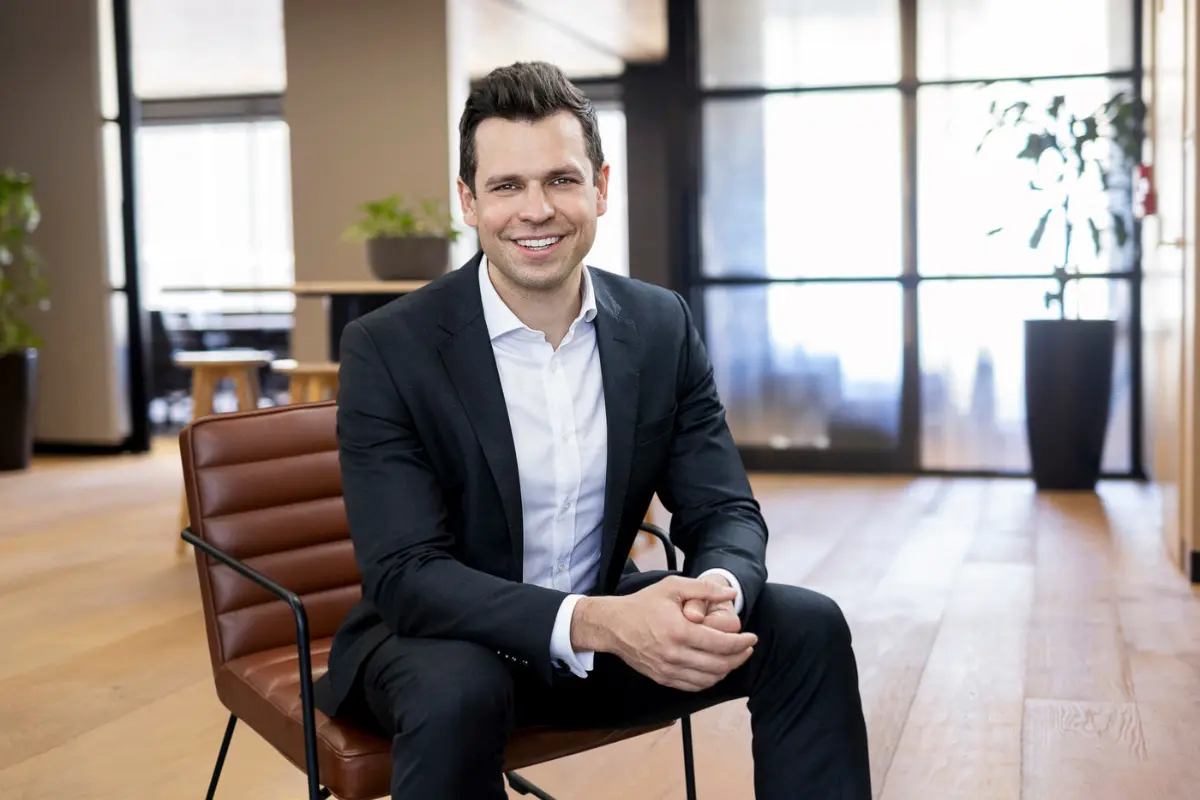
Simon Kuestenmacher did not arrive in Australia as a ready-made public commentator or a familiar media name. His journey began quietly, grounded in geography, data, and a long-standing curiosity about how people move, live, and shape places. Over time, that curiosity evolved into a career that now sits at the centre of Australia’s demographic conversation.
Today, Simon Kuestenmacher is recognised as a demographer, urban geographer, columnist, speaker, and data communicator, best known for explaining population change in ways that businesses, governments, and everyday Australians can understand. Based in Melbourne, he has built his reputation not through personal branding alone, but through years of applied research, consulting work, and public analysis.
His rise reflects a broader shift in how society values data literacy. As housing affordability, migration, workforce shortages, and generational change dominate national debate, Simon Kuestenmacher’s work has become increasingly relevant—because it focuses on why change is happening, not just that it is happening.
Simon Kuestenmacher Early Life, Background, And Childhood Influences
Simon Kuestenmacher was born and raised in Germany, where his early years were shaped by Europe’s dense urban environments, historical layers, and cross-border movement. While public sources do not detail his parents or family professions, verified biographies consistently point to one defining influence from his youth: an early fascination with maps, places, and how societies organise themselves.
Unlike many future consultants or commentators who begin with economics or politics, Simon Kuestenmacher’s foundation was geographical. His interest lay not in abstract theory, but in understanding how physical space, population patterns, and human behaviour intersect.
There is no public record of childhood celebrity ambitions or early media exposure. Instead, his path reflects a more traditional academic trajectory—one built slowly, through study, observation, and data analysis.
Education That Shaped A Demographer – Berlin, America, And Melbourne
Simon Kuestenmacher’s formal education played a decisive role in shaping his professional direction.
He began his university studies in Germany, enrolling in a four-year degree in Geography and Social Sciences at Humboldt University in Berlin. This period grounded him in spatial analysis, human geography, and social systems—skills that would later underpin his demographic work.
During his studies, he expanded his perspective internationally. Public biographies confirm that he:
- completed a semester at The University of Tulsa in the United States
- spent a year studying at the University of Melbourne
- participated in field trips across Europe and China
These experiences exposed him to contrasting urban forms, migration systems, and economic structures—differences that later became central themes in his commentary.
After returning to Australia, Simon Kuestenmacher completed a Master’s degree in Urban Geography at the University of Melbourne. During this period, he became engaged and chose to make Australia his permanent home, a decision that would shape the rest of his career.
Stepping Into The Real World – Data Work Before Recognition
Simon Kuestenmacher’s entry into professional life did not involve headlines or keynote stages. Instead, it began with data-heavy analytical work.
According to publicly available biographies, his early roles involved working as a data analyst, using Australian Census spatial data to model demand for employment and services. This phase was critical. It was here that he learned how raw data translates into real-world decisions—where errors matter, assumptions are tested, and clarity is essential.
This stage of his career also exposed one of the key challenges he would later address publicly: data exists everywhere, but understanding is scarce. Numbers alone do not change minds. Interpretation does.
Simon Kuestenmacher – From Maps – Learning The Language Of Business
Following his early analytical roles, Simon Kuestenmacher joined KPMG Australia, working as a consultant. This move marked a turning point.
At KPMG, he operated in an environment where demographic insight had to serve strategy. Population trends were not academic exercises—they influenced investment decisions, infrastructure planning, and long-term risk assessment.
This consulting period refined his ability to:
- communicate complex trends clearly
- connect data to commercial outcomes
- work with senior decision-makers under real constraints
It also highlighted a gap in the market: organisations needed demographic insight, but few specialists could explain it in accessible terms.
Building A Name From Scratch – The Demographics Group
In 2017, Simon Kuestenmacher co-founded The Demographics Group alongside Bernard Salt. The firm was established to focus specifically on demographic, consumer, and social trends, offering research and interpretation rather than generic forecasting.
This move represented a shift from consultancy to thought leadership.
At The Demographics Group, Simon Kuestenmacher’s work expanded across:
- demographic research
- scenario analysis
- client briefings
- public presentations
- written commentary
Rather than positioning himself as a traditional academic, he emerged as a translator of data—someone who could explain what population change means for housing markets, workforce planning, retail behaviour, and public policy.
Zero To Authority – The Challenges Along The Way
Simon Kuestenmacher’s rise was not instant. Demography is a niche field, and public recognition takes time.
Among the challenges he faced:
- translating technical analysis into plain language
- earning credibility outside academic circles
- competing for attention in a media environment dominated by politics and economics
- building an audience from scratch
His breakthrough came not from viral moments alone, but from consistency—publishing, speaking, visualising data, and responding to real-world events with evidence-based analysis.
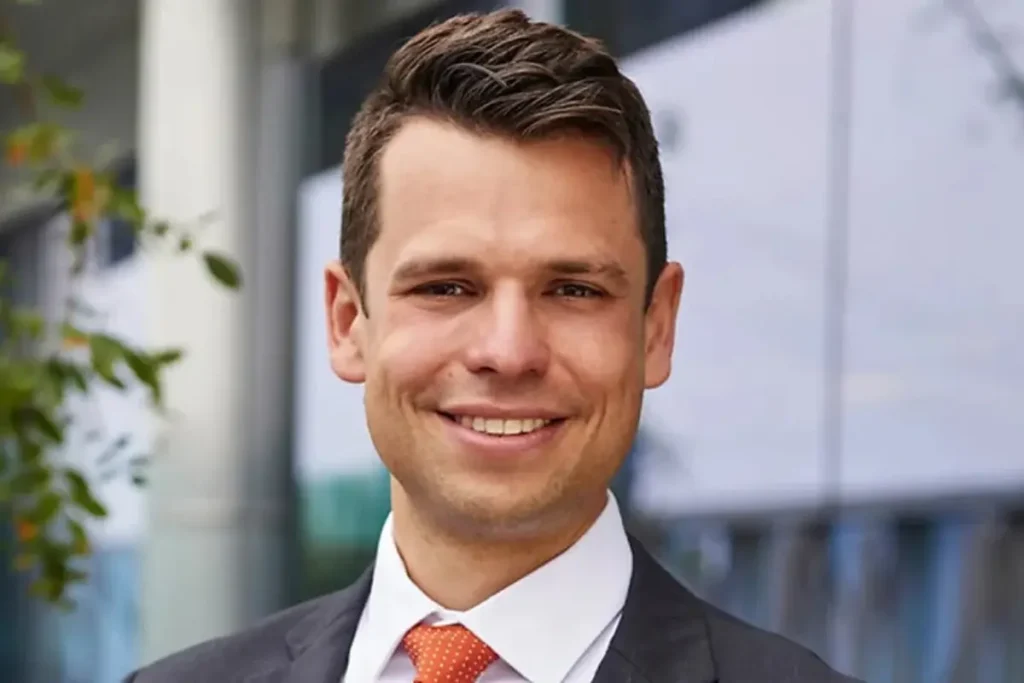
Media & Public Presence – Turning Data Into Public Conversation
Simon Kuestenmacher’s media presence grew steadily as his insights began appearing in national discussion.
He is publicly listed as:
- a columnist for The New Daily
- a regular contributor to The Australian
His commentary often appears during moments of national debate—migration intake, housing shortages, generational inequality, and workforce shifts—where demographic context is essential.
In his own words, he has described his work as:
“Using maps and data to understand how the world works.”
This focus on clarity has made him a familiar voice across conferences, industry events, and digital platforms.
Why Demographics Explain More Than Headlines – The Slow Forces That Shape Everything
News cycles move fast, but population change does not. One of Simon Kuestenmacher’s most consistent messages is that demographics operate quietly, steadily, and with far more certainty than political promises or short-term economic shocks. While headlines focus on quarterly figures or election-year debates, population structure continues to shape outcomes decades in advance.
School enrolments, housing demand, hospital capacity, retirement systems, and workforce size are not random variables. They are the result of birth rates from decades earlier, migration waves, and ageing patterns already locked into the system. Simon Kuestenmacher often stresses that by the time demographic pressure becomes visible in public debate, it has usually been forming for years.
As he has publicly stated when describing his approach:
“Using maps and data to understand how the world works.”
This philosophy underpins his belief that demographics explain the ‘why’ behind trends, not just the surface-level symptoms reported in daily news. In his work, population data acts as a long-range lens—revealing structural change that political cycles alone cannot explain.
Migration And Australia’s Growth Story – Beyond Politics To Population Reality
Migration sits at the centre of Australia’s economic and social growth, and Simon Kuestenmacher’s public analysis repeatedly reframes it as a structural necessity rather than a short-term policy lever.
Rather than treating migration as a binary debate—high versus low intake—his work places it within a demographic framework. Australia’s ageing population, slowing natural increase, and regional labour shortages all point to migration as a long-term stabilising force.
In public commentary and presentations, Simon Kuestenmacher often links migration directly to:
- housing demand and supply pressure
- labour market sustainability
- urban density and infrastructure use
- generational replacement in the workforce
His perspective moves the discussion away from ideology and towards population maths. Migration, in this view, is not simply about numbers arriving each year, but about who arrives, where they settle, and how they integrate into the economy.
This framing has made his insights particularly relevant during periods of intense public debate, where migration figures dominate headlines but demographic context is often missing.
Cities, Regions, And Urban Pressure – How Population Growth Reshapes Place
With formal training in urban geography, Simon Kuestenmacher consistently returns to one core idea: population growth does not spread evenly.
As Australia’s population expands, pressure concentrates in specific locations—CBDs, transport corridors, growth suburbs, and selected regional hubs. His work examines how these pressures emerge, shift, and sometimes surprise policymakers and planners.
Rather than viewing cities as static entities, Simon Kuestenmacher treats them as living demographic systems. Growth in one part of a city often creates strain elsewhere, from congestion and housing affordability to service access and commuting patterns.
In presentations and writing, he frequently uses maps to show:
- how density increases reshape suburbs
- why some regional centres grow while others stagnate
- how infrastructure lags behind population movement
This spatial perspective helps explain why urban challenges often feel sudden, even though their demographic drivers were visible years earlier.
Generational Change And Consumer Behaviour – Why Age Shapes Everything We Buy And Do
Few aspects of Simon Kuestenmacher’s work resonate more with business audiences than his analysis of generational structure.
From Baby Boomers to Gen Z, each cohort carries distinct experiences that shape spending habits, housing choices, work expectations, and lifestyle priorities. Simon Kuestenmacher’s public analysis links these differences directly to population size and age distribution—not stereotypes.
His work often highlights that:
- Baby Boomers still hold a disproportionate share of wealth
- Millennials dominate rental markets and urban living
- Gen Z is entering the workforce with different expectations around flexibility and purpose
By anchoring generational behaviour in demographic data rather than cultural assumptions, his insights provide businesses with a clearer way to interpret changing consumer patterns.
This is why his commentary is frequently sought in discussions about retail change, housing demand, and workforce engagement.
Data Visualisation As A Tool For Understanding – Why Maps Matter More Than Words
Simon Kuestenmacher is widely recognised for his use of maps, charts, and visual data to explain complex ideas. His public profiles repeatedly emphasise that visualisation is not decoration—it is interpretation.
In a world saturated with statistics, numbers alone often obscure meaning. Visual data allows patterns to emerge instantly, making long-term trends accessible to non-specialists.
As he has described in interviews about his work:
“I spend my days researching demographic trends… lots of data work, endless reading…”
The outcome of that work is not raw datasets, but clear visual stories—maps that show where people live, move, and age. This approach has helped his analysis reach audiences well beyond academia, including executives, planners, journalists, and the general public.
Workforce And The Future Of Jobs – Demography Behind Labour Shortages
Workforce planning is another pillar of Simon Kuestenmacher’s public work. His analysis consistently links labour shortages not just to skills gaps, but to population structure.
Australia’s workforce is shaped by three converging forces:
- ageing populations
- automation and technological change
- migration flows
Simon Kuestenmacher’s demographic lens shows how these forces interact over decades, not election cycles. An ageing workforce reduces labour supply, while technology changes the nature of work itself. Migration, in turn, becomes a key variable in maintaining workforce size and diversity.
In public speaking and writing, he often explains that workforce challenges are predictable outcomes of demographic change—not sudden failures of policy or planning.
Final Thoughts On Simon Kuestenmacher
Simon Kuestenmacher’s journey—from a geography student in Germany to a leading demographic voice in Australia—illustrates the power of data when paired with explanation. His work does not chase attention; it earns it through relevance, evidence, and persistence.
As demographic pressures continue to shape Australia’s future, his role as an interpreter of population change is likely to remain central
Love Island Australia 2026: Why Fans Chasing Fiji Villa Gossip Online Need to Slow Down Before They Click
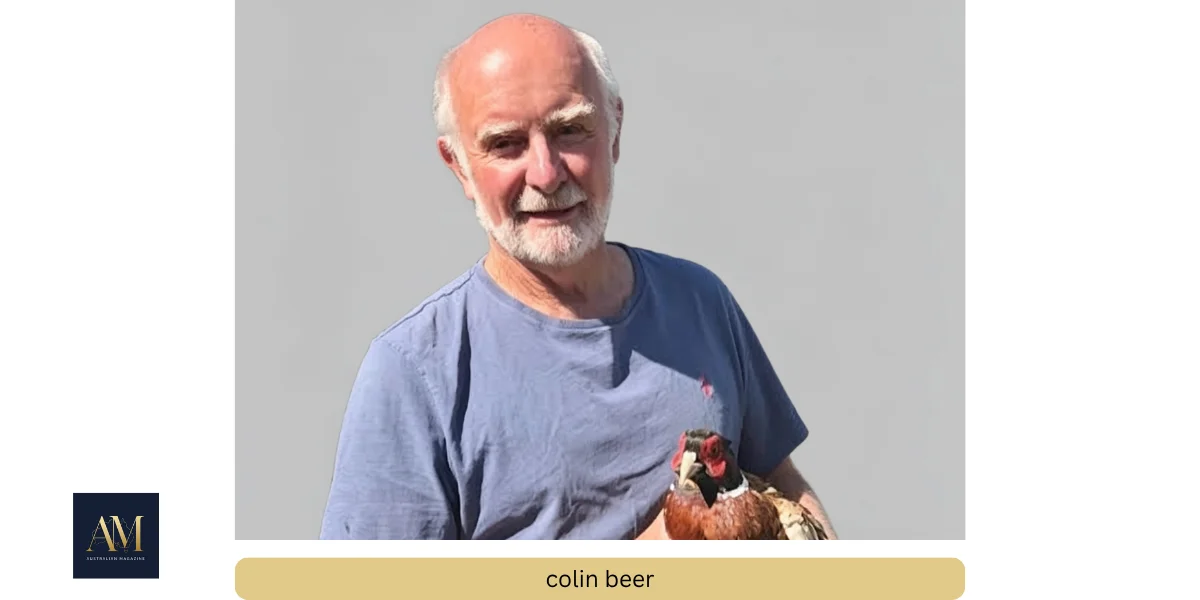
Colin Beer: The Quiet Architect Behind a Gourmet Food Legacy
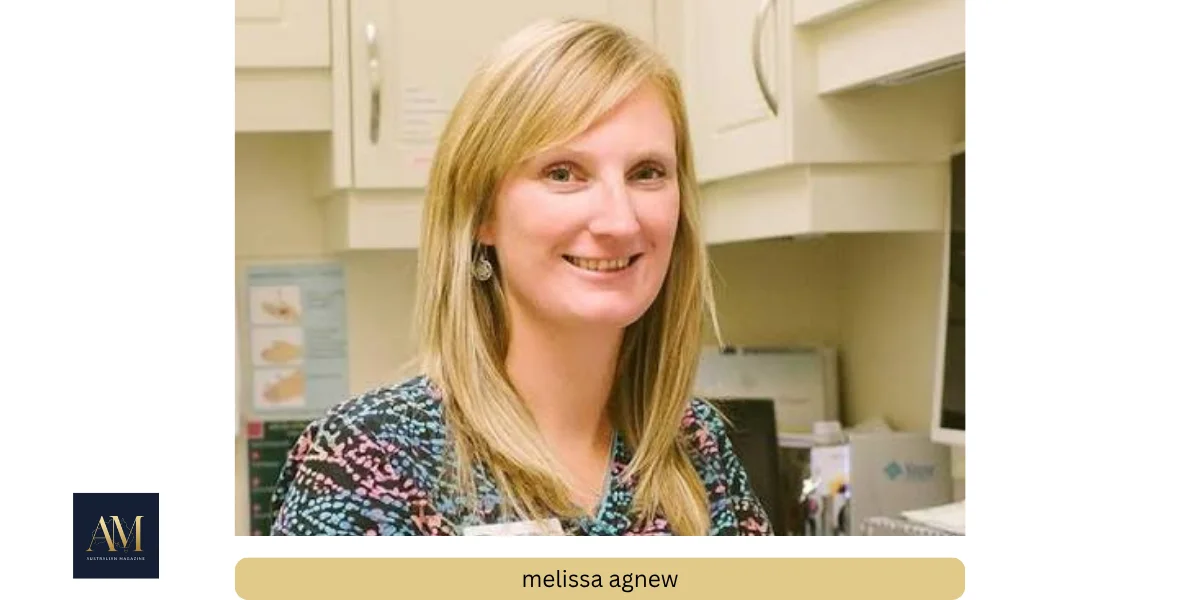
Melissa Agnew: Mastering the Art of Authentic Voice in Australian Media
Leigh Pickford: A Story of Strength and Resilience in the Public Eye
Veronica Neave: A Multifaceted Force in Australian Arts
Ian White Management: Guiding Athletes to Success

Comedy Lounge Perth: Where Laughter Comes to Life
Katherine Pearson: Strength, Resilience and Life Beyond the Headlines
Harrison Gilbertson in Fallen: Bringing a Fallen Angel to Life
Actors Equity Australia: Protecting and Empowering Performers
-
 Celebrity11 months ago
Richard Zachariah – The Story of a Gentleman Journalist
-
 Lifestyle5 months ago
Top Fashion Trends Australia 2026: What Australians Are Wearing Now
-
 Lifestyle5 months ago
Spring 2026 Fashion Trends: The Complete Style Guide
-
 Lifestyle12 months ago
Matt Moran Liberal-From Service to Leadership in Western Australia
-
 News10 months ago
Beau Lamarre-Condon – Inside the Case, the Charges, and the Court Timeline
-
 News11 months ago
Samuel William Davidson – The Oatlands Tragedy, Sentence & the Power of Forgiveness
-
 Entertainment12 months ago
The Unstoppable Rhea Ripley-WWE’s Australian Phenomenon
-
 Entertainment5 months ago
How Australian Players Are Choosing Their Online Casino in 2026