
Lifestyle
Maree Isaacs – The Quiet Architect Behind WiseTech’s Global Rise


Some business leaders build companies loudly. Others build them steadily, patiently, and away from the spotlight. Maree Isaacs belongs to the second group. While headlines often focus on drama, valuations, or personalities, her story reflects discipline, structure, and long-term thinking in one of Australia’s most successful technology companies.
As a co-founder, executive director, and early force behind WiseTech Global, she helped transform a modest idea into a technology company that now powers shipping logistics software across the world. Her role has never been flashy, but it has been essential, especially during moments of pressure, leadership change, and market uncertainty.
From Basement Beginnings to Global Ambition
Every major company starts with a simple idea, and WiseTech was no different. In the mid-1990s, Maree Isaacs helped establish the company alongside Richard White, focusing on practical solutions for freight and logistics problems that were often ignored by larger software firms.
They began building systems that supported the supply chain, connecting operations from origin to destination with accuracy and reliability. That early focus shaped what later became CargoWise, a platform now used globally. At the time, there was no talk of billion-dollar valuations or global dominance—just a clear goal and consistent execution.
Over 30 years, that early discipline paid off. WiseTech evolved from a local operation into an ASX-listed business with international reach, proving that strong foundations matter more than early hype.
The Role of Maree Isaacs in WiseTech’s DNA
Unlike many founders who step back once a company scales, Maree Isaacs remained deeply involved as an executive director. She focused on continuity, structure, and long-term decision-making rather than short-term market reactions.
Her leadership style reflected balance. She supported innovation while ensuring systems, governance, and internal accountability kept pace with growth. This approach became increasingly important as WiseTech expanded to 38 countries and grew its workforce to more than 3,500 employees.
From my experience watching founder-led companies scale, this kind of steady leadership often determines whether growth becomes sustainable—or chaotic. WiseTech’s ability to keep expanding while remaining product-led shows how influential that balance was.
Understanding the Importance of RealWise Holdings
Ownership structures matter, especially in founder-led companies. RealWise Holdings played a central role in WiseTech’s early and long-term ownership framework. It held a significant portion of WiseTech Global shares, representing the original alignment between the co-founders.
Through this structure, both founders maintained strategic control while allowing the company to operate independently as it scaled. Over time, however, personal, financial, and strategic priorities evolve—and ownership structures must adapt.
The decision by Maree Isaacs to adjust her stake through RealWise was not a retreat. It was a strategic move aligned with timing, valuation, and long-term planning.
The Share Sale That Redefined Ownership
The share sale marked a turning point, not just financially, but symbolically. Maree Isaacs sold 10.2 million shares to Richard White through a structured agreement that included an upfront payment of $285 million and quarterly instalment payments spread across seven years.
At the time of the deal, the shares were worth more than $1 billion, reflecting WiseTech’s strong valuation and market confidence. This wasn’t an exit—it was a recalibration.
Importantly, the transaction allowed her to access long-earned wealth while remaining committed to the company’s future. In founder-led businesses, this balance is rare and often misunderstood. Here, it showed maturity rather than disengagement.
Remaining an Executive Director After the Sale
Despite public assumptions, selling shares does not equal stepping away. Maree Isaacs did not leave WiseTech. She remains an executive director, continuing to influence leadership decisions and strategic direction.
She also retained her share rights connected to her executive role, ensuring continuity in governance and leadership alignment. During periods of board change and the departure of multiple independent directors, this stability mattered.
From a governance perspective, keeping a long-standing director involved during change helps maintain institutional memory—something many fast-growing companies lose too quickly.
Navigating Turmoil Without Losing Focus
WiseTech’s recent years have not been calm. The company faced turmoil following an investigation into Richard White, including issues involving a multimillion-dollar house, an employee, and claims of intimidation and bullying.
Additional scrutiny came from legal battles, questions around personal life, and reports of inappropriate language directed at female entrepreneurs. These issues triggered board resignations, including four independent directors, and raised concerns about governance.
During this period, Maree Isaacs maintained a low public profile. Yet her continued presence as an executive director provided quiet continuity when WiseTech needed it most.
Market Reaction and Investor Sentiment
Markets respond quickly to uncertainty. After leadership changes and governance updates, WiseTech shares plummeted, and the share price dropped 20% following board resignations. Investors questioned leadership uncertainty and demanded greater governance transparency.
However, the reaction did not last. As clarity returned, shares recovered 50%, rebounding from below $80 to levels near $129.50 and $128.10. This recovery reflected confidence in the company’s core business rather than short-term headlines.
In my experience, strong products often outlast noise—and WiseTech’s fundamentals proved resilient.
Richard White’s Evolving Role in the Company
After stepping down as CEO in October, Richard White transitioned into a full-time consulting role, later becoming executive chair. This placed him back at the center of operations, oversight, and strategic leadership.
He remains the largest shareholder, holding almost 40 per cent of shares, and committed to a 10-year consulting role focused on product development and business development, with a $1 million salary.
This leadership shift reinforced the importance of having experienced figures like Maree Isaacs still present to balance influence and governance.
Why WiseTech’s Business Model Still Matters
Beyond leadership stories, WiseTech’s success rests on its technology. WiseTech Global delivers shipping logistics software that simplifies complex global trade operations. Its flagship system, CargoWise, integrates data across borders, regulations, and transport modes.
As a technology company, WiseTech built tools that scale efficiently, supporting customers across 38 countries while maintaining consistency. That capability helped drive its $32 billion valuation and market leadership.
Founders who stay connected to the product—directly or indirectly—often protect long-term value better than those who step away entirely.

The Long View – Growth Without Noise
What stands out about Maree Isaacs is not public visibility, but restraint. She avoided unnecessary commentary while continuing to support future growth opportunities and global growth ambitions.
Her public statements reflected gratitude, professionalism, and confidence. She remained driven, excited, and focused on WiseTech’s long-term trajectory rather than short-term controversy.
In an era where many leaders chase attention, her approach feels increasingly rare—and effective.
Lessons From a Quiet Leadership Style
There is a lesson here for founders and executives alike. Not every impactful leader needs to dominate headlines. Sometimes, influence shows through structure, patience, and timing.
By managing ownership through RealWise Holdings, structuring a thoughtful share sale, and remaining active as an executive director, Maree Isaacs demonstrated how founders can evolve without abandoning responsibility.
This kind of leadership does not trend on social media—but it builds companies that last.
Final Thoughts on Maree Isaacs and WiseTech
The story of WiseTech cannot be told through one personality alone. It reflects years of consistent effort, difficult decisions, and strategic balance. Maree Isaacs represents that balance.
Her journey—from helping establish the company to navigating share sales, board changes, and global expansion—shows how quiet leadership can shape global success. As WiseTech continues to evolve, her influence remains embedded in its foundations.
And sometimes, that is the strongest legacy a founder can leave behind.
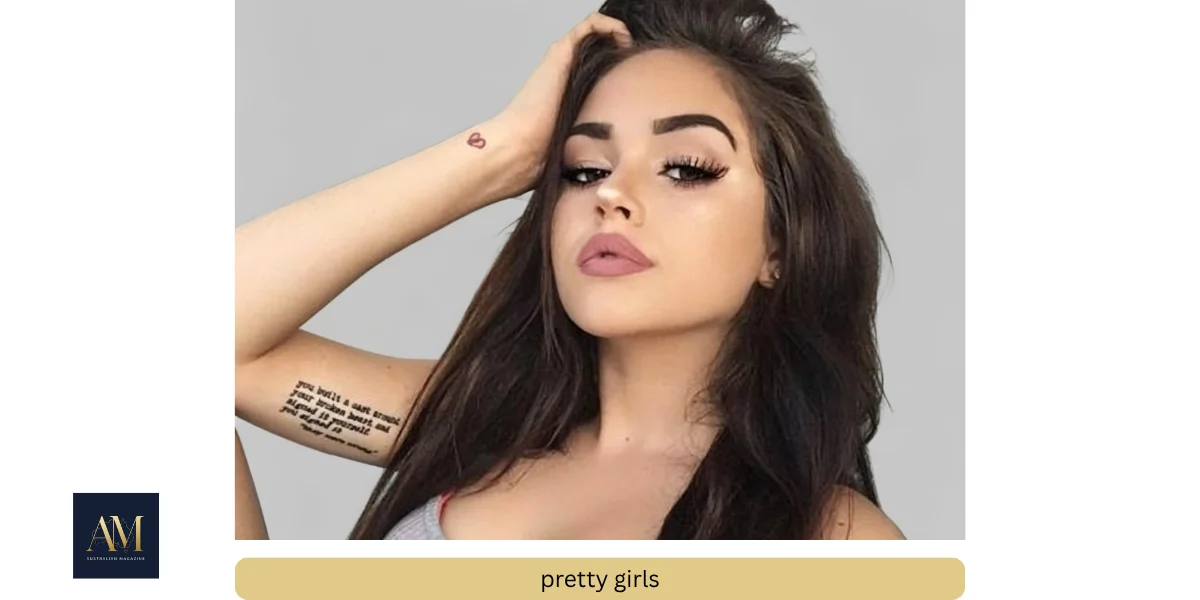
“Pretty girls” is a phrase people use casually, but it carries far more weight than it first appears. On the surface, it simply refers to women or girls seen as physically attractive. In reality, it opens the door to a much larger conversation about beauty standards, social perception, psychology, privilege, and self-worth.
For generations, attractiveness has shaped how people are treated. It influences first impressions, relationships, hiring decisions, friendships, and even confidence. Yet beauty is never just about appearance. It is also about culture, timing, personality, and the meaning society attaches to looks. That is why the topic of pretty girls is not just about fashion or aesthetics — it is about how people are valued, judged, and understood.
What Does “Pretty Girls” Really Mean?
At its simplest, the phrase refers to girls or women perceived as physically attractive. But beauty is not fixed. What one culture, era, or community considers pretty may differ completely from what another does.
For example:
- In one setting, soft features may be admired.
- In another, strong features or bold style may be preferred.
- In one decade, slimness may be idealised.
- In another, curves, natural texture, or individuality may be celebrated.
This is why beauty should never be treated as universal or permanent. It is a moving target shaped by media, fashion, social norms, and personal taste.
The Power of Beauty Standards
Beauty standards are one of the most influential forces behind the idea of pretty girls. They shape who gets praised, who gets noticed, and who is overlooked.
Where beauty standards come from
Beauty standards are often formed by:
- movies and television
- social media and influencers
- advertising and fashion industries
- local traditions and cultural expectations
- peer pressure and family influence
When certain images are repeated often enough, people begin to believe they represent the “ideal.” That creates pressure, especially for young girls, who may feel they must look a certain way to be accepted.
The problem with narrow ideals
The danger is not beauty itself, but narrowness. When only one type of face, body, skin tone, or style is celebrated, many people feel invisible. That can lead to insecurity, comparison, and low self-esteem.
A healthier view of beauty recognises variety. Pretty can mean elegant, natural, bold, unique, radiant, or unconventional. It does not belong to one look.
Pretty Privilege: The Advantage People Rarely Admit
One of the most important ideas tied to attractiveness is pretty privilege. This refers to the unearned advantages attractive people may receive simply because others respond positively to their appearance.
This is closely linked to the psychological concept known as the halo effect. When someone is seen as attractive, people often assume they are also:
- kinder
- smarter
- more trustworthy
- more capable
- more successful
That assumption is not always conscious, but it is powerful.
Real-world examples of pretty privilege
Pretty privilege can show up in everyday life:
- a person may receive friendlier treatment in shops or restaurants
- attractive applicants may be viewed more favourably in interviews
- students may be given the benefit of the doubt more often
- social media users with attractive photos may gain followers faster
This does not mean attractive people have no problems. It means they may start with social advantages that others do not receive.
The Hidden Pressure of Being Seen as Pretty
Many people imagine that being called pretty is only a compliment. But for some women and girls, it can become a burden.
Constant appearance pressure
If someone is known mainly for being attractive, they may feel forced to maintain that image at all times. That can mean:
- anxiety about ageing
- fear of weight gain or skin changes
- pressure to wear makeup or dress a certain way
- stress when they do not “look good enough”
Being reduced to appearance
Another common struggle is being valued only for looks. A pretty girl may feel that people:
- ignore her opinions
- underestimate her intelligence
- assume she has an easy life
- dismiss her achievements as appearance-based
That creates a frustrating contradiction: beauty can open doors, but it can also shut down deeper recognition.
Stereotypes and unfair assumptions
One of the oldest stereotypes is that attractive women are somehow less intelligent or less serious. This is not only unfair; it is also lazy thinking. Appearance and intelligence have no direct connection. Yet stereotypes persist because people often confuse surface impressions with truth.
True Beauty Goes Deeper
A meaningful conversation about pretty girls must move beyond appearance. Real beauty is not just facial symmetry, smooth skin, or fashionable clothing. It is also character.
Qualities that create lasting beauty
- confidence without arrogance
- kindness in how someone treats others
- intelligence and curiosity
- emotional maturity
- integrity and self-respect
- a warm, authentic personality
These traits often make someone more attractive over time because they shape how a person feels about being around them. Physical beauty may catch attention quickly, but inner qualities build respect and lasting admiration.
A practical example
Two people may both be considered attractive. But the one who listens well, speaks with kindness, and carries herself with confidence often leaves a stronger impression. That is because people remember how someone makes them feel, not just how they look.
What Psychology Tells Us About Attraction
Research consistently shows that attractiveness affects human judgment. People are more likely to respond positively to someone they find physically appealing, even when they know very little about that person.
This happens because the brain relies on shortcuts. Appearance becomes a signal, and the mind fills in the gaps. The problem is that these shortcuts can distort fairness.
Common psychological biases tied to attractiveness
- assuming attractive people are more competent
- assuming they are more sociable
- assuming they are more successful
- overlooking flaws because of positive first impressions
The good news is that awareness helps. Once people understand these biases, they can begin to question them rather than follow them automatically.
Common Mistakes People Make When Talking About Pretty Girls
This topic is often discussed carelessly. That creates confusion and harm.
1. Treating beauty as the main measure of worth
A person is much more than appearance. Reducing someone to looks strips away individuality.
2. Assuming beauty equals happiness
Attractive people may still struggle with insecurity, loneliness, pressure, or emotional pain.
3. Using beauty to excuse bad behaviour
Being pretty does not make someone more valuable than others, nor does it cancel out poor character.
4. Ignoring diversity
There is no single “pretty girl” type. Beauty exists across skin tones, body types, ages, facial features, and styles.
5. Confusing attention with respect
Being noticed is not the same as being understood, valued, or respected.
Expert Tips for a Healthier View of Beauty
If we want a better culture around beauty, we need better habits.
For individuals
- value character as much as appearance
- avoid comparing yourself to filtered images
- notice beauty in diversity, not just one ideal
- build confidence through skills, purpose, and self-respect
- remember that attraction changes across time and context
For parents and educators
- praise effort, kindness, and intelligence, not just looks
- avoid teaching girls that appearance is their main asset
- encourage media literacy so beauty standards are questioned, not absorbed unquestioningly
For society
- promote broader representation in media and advertising
- celebrate different styles of beauty
- challenge comments that reduce women to appearance alone
The Future of Beauty: More Inclusive, More Human
The modern view of beauty is slowly changing. Social media has had mixed effects, but it has also helped widen the definition of attractive. More people now see beauty in:
- natural hair and textures
- different body shapes
- darker skin tones
- mature faces
- unconventional features
- personal style and self-expression
This shift matters. It moves the conversation from perfection to authenticity. And authenticity is far more sustainable than chasing a single ideal that keeps changing.
The future of beauty is likely to be more inclusive, more personal, and less rigid. That is a healthier direction for everyone.
Conclusion
The phrase “pretty girls” may sound simple, but it sits at the intersection of beauty, psychology, and social power. Yes, attractiveness can bring advantages. But it can also bring pressure, stereotypes, and unrealistic expectations.
The most valuable lesson is this: beauty matters, but it should never be the whole story. Confidence, kindness, intelligence, and character create a deeper kind of appeal — one that lasts far longer than any trend.
In the end, the healthiest definition of pretty is not about fitting an image. It is about expressing a full, real, and confident self.
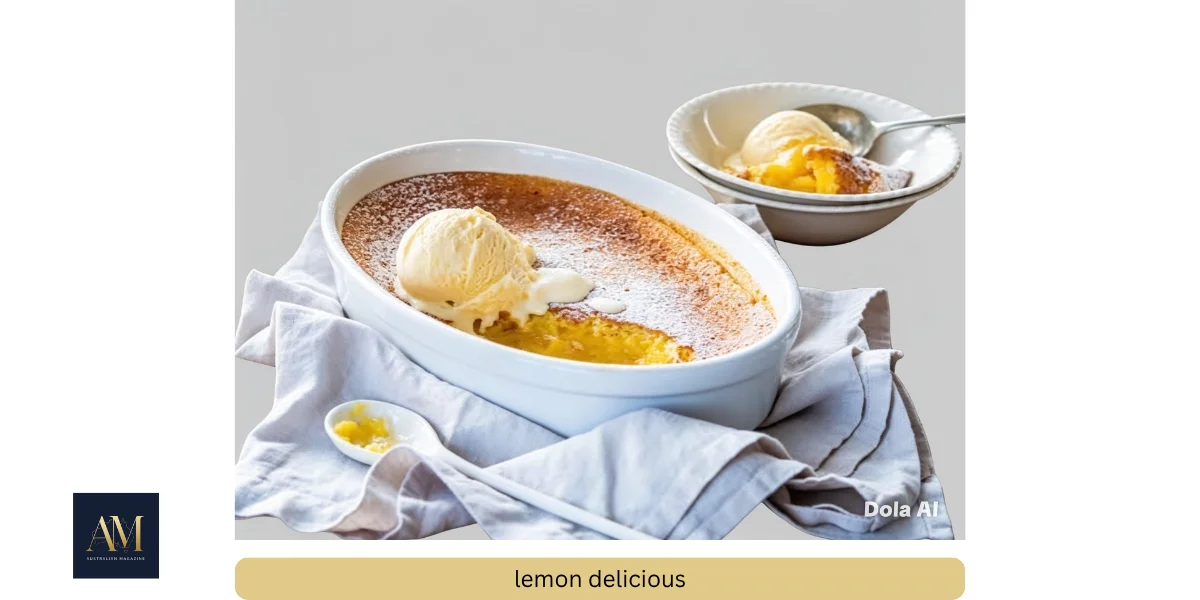
Lemon Delicious is one of those desserts that feels timeless the moment you taste it. Soft, warm, and gently tangy, it delivers the kind of comfort that only a true home-style pudding can provide. At first glance, it looks simple, but when bake,d it performs its famous little trick: a light sponge forms on top while a silky lemon custard settles underneath. That two-layer transformation is part of its charm, and it is exactly why the dessert has remained a favourite in Australian kitchens for generations.
What makes Lemon Delicious especially appealing is its balance. It is sweet without being heavy, sharp without being sour, and comforting without feeling dull. That is a difficult combination to get right, which is why well-made versions stand out. Maggie Beer’s take on the dish adds another layer of depth by using fresh lemons and a touch of Seville marmalade, giving the pudding a richer citrus profile and a more rounded finish.
Why Lemon Delicious Has Lasting Appeal
There is a reason this dessert continues to survive changing food trends. It is practical, affordable, and deeply satisfying. It also relies on ingredients most home cooks already have on hand.
Lemon Delicious works so well because it offers:
- bright citrus flavour
- a soft, custardy texture
- an appealing contrast between sponge and sauce
- a warm, nostalgic feel
- simple ingredients with impressive results
That combination makes it ideal for family meals, casual entertaining, and cool-weather desserts. It is the sort of dish that feels familiar even when served for the first time.
Maggie Beer’s Version: A Thoughtful Twist on a Classic
Maggie Beer’s Lemon Delicious recipe respects the traditional dessert while enhancing it in a very sensible way. The addition of Seville marmalade is particularly smart. Seville oranges have a naturally intense, slightly bitter citrus character, and when used careful,ly they deepen the pudding’s flavour without overwhelming it.
Her version includes:
- unsalted butter
- caster sugar
- lemon zest and juice
- Seville marmalade
- separated eggs
- self-raising flour
- full-cream milk
This is a classic ingredient list, but the method and citrus layering give the dessert a more polished result. It tastes like a homely pudding that has been refined by experience.
How the Magic Happens
The “magic” of Lemon Delicious lies in its structure. During baking, the batter separates into two distinct layers:
- The top rises and becomes light and sponge-like.
- The bottom stays softer and transforms into a creamy lemon custard.
This happens because of the way the egg whites are folded into the mixture and how the pudding bakes gently in a water bath. The bain-marie helps regulate heat, preventing the custard from becoming rubbery or overcooked.
That is the secret: not mystery, but temperature control and a well-balanced batter.
Step-by-Step Method Explained
Maggie Beer’s method is straightforward, but a few details matter.
1. Prepare the baking dish
Grease a 1.5-litre baking dish or four ramekins, then place them inside a deep roasting pan. This setup allows you to create a water bath later. It is an important step, not a decorative one.
2. Cream butter and sugar
Cream the softened butter and caster sugar until pale and fluffy. This helps create the right texture in the top layer.
3. Add citrus flavour
Stir in the lemon zest and marmalade. This is where the pudding starts to develop real character. The zest gives freshness, while the marmalade adds depth.
4. Beat in the egg yolks
Add the yolks one at a time. This builds richness and helps bind the mixture.
5. Fold in the flour and milk
Add the self-raising flour, then the milk, then the lemon juice. The batter will look thin. That is correct. Many home cooks panic at this stage and think they have done something wrong.
6. Whisk and fold the egg whites
Whisk the whites to soft peaks, then fold in one-third first before gently incorporating the rest. This is what gives the pudding lift.
7. Bake in a water bath
Pour the mixture into the dish, fill the roasting pan halfway with hot water, and bake at 160°C fan 150°C for 35–40 minutes until golden and set.
8. Serve warm
Dust with icing sugar and serve while still warm.
Expert Tips for Better Results
Even a simple dessert benefits from careful technique. Here are a few practical tips:
- Use fresh lemons. Bottled juice will not give the same brightness.
- Zest before juicing. It is much easier that way.
- Do not overwhisk the egg whites. Soft peaks are enough.
- Fold gently. Overmixing will knock out the air and reduce the sponge effect.
- Keep the water bath steady. Hot water should come halfway up the dish, not higher.
- Serve promptly. Lemon Delicious is at its best warm and freshly baked.
These small details make a large difference in the final texture.
Common Mistakes to Avoid
Lemon Delicious is forgiving, but several common mistakes can undermine it.
Using too much lemon juice
The dessert should taste bright and balanced, not aggressively sharp. Too much acidity can weaken the structure and throw off the sweetness.
Skipping the water bath
Without it, the custard can bake too quickly and lose its silky texture.
Overbaking
The top should be golden and set, but the base should remain creamy. If baked too long, the custard can become dry or curdled.
Folding too roughly
The pudding depends on air in the egg whites. Rough handling flattens the texture.
Serving it cold
This dessert is designed to be eaten warm. Cold Lemon Delicious loses much of its appeal.
How to Serve Lemon Delicious
This pudding is versatile enough to suit both simple family meals and more polished dinners. The classic accompaniments are:
- lightly whipped cream
- vanilla ice cream
- crème fraîche
- extra lemon zest
- a small spoonful of marmalade on the side
For a more elegant presentation, serve it in individual ramekins with a dusting of icing sugar and a few curls of lemon zest. For a home-style feel, bring the whole dish to the table and let everyone serve themselves.
Why Maggie Beer’s Twist Works So Well
Maggie Beer has always understood how to deepen a classic without overcomplicating it. In this dessert, the Seville marmalade adds a layered citrus note that complements the lemon rather than competing with it. It is subtle, but that subtlety is exactly what makes it effective.
The result is a dessert with more character, more complexity, and a slightly fuller flavour than a standard version. It still feels familiar, but it has more personality.
Future Outlook: Why This Dessert Still Matters
In a food world often dominated by elaborate trends, Lemon Delicious has staying power because it delivers real value. It is inexpensive, uses everyday ingredients, and rewards good technique. That matters more than ever.
As more people return to comfort baking and simple desserts with proper flavour, dishes like this remain relevant. They remind us that excellent food does not need to be complicated. It needs to be well made.
That is why Lemon Delicious still deserves a place on the table. It is heritage cooking at its best: humble, smart, and deeply satisfying.
Conclusion
Lemon Delicious is more than a nostalgic dessert. It is a beautifully balanced Australian classic that continues to earn its place because it simply works. The contrast between the soft sponge and the lemon custard gives it a unique appeal, while Maggie Beer’s version adds a refined citrus depth through fresh lemons and Seville marmalade.
For home cooks, it offers a reliable dessert with a touch of theatre. For diners, it delivers warmth, comfort, and brightness in one bowl. And for anyone who values timeless cooking, it remains a reminder that the best recipes are often the ones that combine simplicity with care.
Lifestyle
Maggie Beer Products: A Gourmet Australian Range Built on Flavour, Simplicity, and Quality

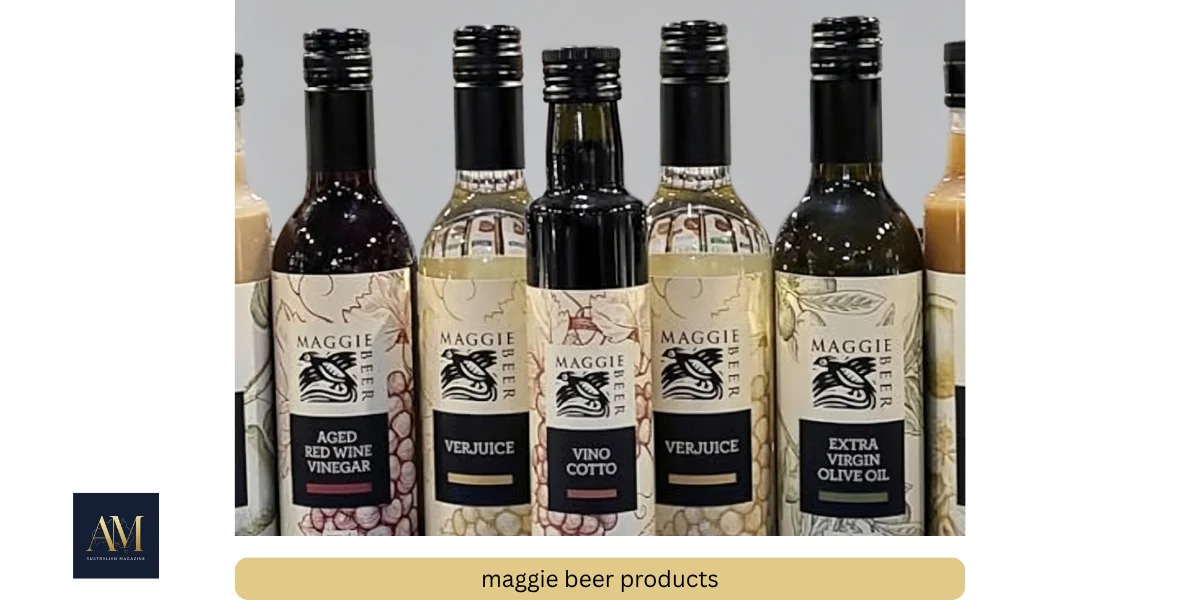
Maggie Beer products have earned a special place in Australian kitchens because they do something many food brands struggle to achieve: they feel both Premium and practical. Inspired by the Barossa Valley and made with a strong emphasis on natural ingredients, the range is designed for people who want flavour without fuss. From verjuice and fruit pastes to stocks, cheeses, preserves, and gift hampers, Maggie Beer’s products are built around one clear idea — good food starts with good ingredients.
What makes the range stand out is not just its reputation, but its consistency. These are products that home cooks can use every day, while still feeling worthy of a dinner party table. That balance is the real strength of the brand.
The Signature of the Range: Verjuice
If there is one product that best represents Maggie Beer’s philosophy, it is verjuice. This unfermented juice made from unripe grapes is one of the most distinctive pantry staples in Australian cooking. It is sharp, fresh, and gently acidic, making it incredibly useful in both savoury and sweet applications.
Verjuice is commonly used to:
- deglaze a pan after cooking meat
- brighten sauces and dressings
- balance richer flavours
- add acidity without the harshness of vinegar or lemon
For example, a splash of verjuice in a pan after searing chicken or lamb can lift the entire dish. It adds complexity without overpowering the main ingredients. That is exactly why it has remained one of the brand’s flagship products.
Fruit Pastes, Vinegars, and Oils: Small Products, Big Impact
Maggie Beer’s fruit pastes are another strong example of thoughtful food design. Varieties such as:
- Quince & Champagne
- Plum & Shiraz
- Fig & Brandy
- Pear & Vanilla
are particularly popular for being versatile and elegant. They pair beautifully with cheese boards, roasted meats, and desserts. A little goes a long way, which is often what consumers want from a Premium pantry item.
The same applies to the range of vinegars and oils. Products like Aged Red Wine Vinegar, Vino Cotto, Extra Virgin Olive Oil, and Verjuice Vinegar are the kind of ingredients that help cooks build flavour from the ground up.
Expert tip
When using Premium vinegars or fruit pastes, less is usually more. Start with a small amount, taste, and build gradually. These products are designed to enhance, not dominate.
Stocks, Sauces, and Dressings for Everyday Cooking
One of the strengths of Maggie Beer products is that they are not limited to special occasions. The stocks and sauces are a good example of that practicality.
Popular items include:
- Natural Beef Stock
- Chicken Stock
- Vegetable Stock
- Red Wine Finishing Sauce
- Lemon & Verjuice Dressing
These products save time and help home cooks achieve a more refined result. A good stock can transform a soup, risotto, or casserole. A finishing sauce can give a roast dinner the depth it needs. A well-made dressing can turn simple greens into something memorable.
For busy households, this matters. The brand offers convenience without the shortcuts that often weaken flavour.
Pâtés, Terrines, and Cheese Selection
Maggie Beer has also built a strong reputation in the Premium entertaining space. Her pâtés and terrines include favourites such as:
- Classic Pheasant Farm Pâté
- Duck Pâté
- Chicken Liver Pâté
These products suit grazing platters, starters, and elegant casual entertaining. They work especially well when paired with good crackers, fruit paste, and cheese.
The cheese range includes classics and indulgent options such as:
- Camembert
- Brie
- Truffle Brie
- Triple Cream Brie
- Vintage Cheddar
- Caramelised Onion Cheddar
The appeal here is obvious: these are foods that invite sharing. They are easy to serve, but they still feel special.
Common mistake
A common mistake with cheese boards is overloading them with too many competing flavours. Maggie Beer products work best when they are allowed to shine. Choose one or two cheeses, one fruit paste, a cracker, and a savoury spread. Simplicity usually tastes better.
Crackers, Wafers, and the Art of Pairing
No gourmet range is complete without supporting products, and Maggie Beer’s crackers and wafers do exactly that. Artisan crackers and fig & nut wafers provide texture and balance, especially when used with cheese, pâté, or preserves.
A good cracker should not just fill space on a board. It should support the other elements. That is where these products excel. They are sturdy enough to hold toppings, but delicate enough not to overwhelm them.
Drinks, Jams, and Dessert Sauces
The sweeter side of the range is just as appealing. Maggie Beer products include:
- Sparkling Chardonnay
- Sparkling Ruby Cabernet
- Quince Jelly
- Plum Jam
- Fig Jam
- Lemon Butter
- Caramel Sauce
- Chocolate Sauce
- Verjuice Syrup
These items are useful because they move easily between everyday use and entertaining. A spoonful of jam on toast, a drizzle of caramel on dessert, or a glass of non-alcoholic sparkling with a meal — each product has a clear purpose.
This is one of the reasons the brand works so well. It covers a broad range of occasions without losing its identity.
Hampers, Gifts, Cookbooks, and Homewares
Maggie Beer products are not limited to food alone. The brand also extends into gifting and lifestyle, with ready-made hampers such as:
- Absolute Essentials
- Cheese & Wine
- Grazing Hamper
- Sweet Treats
These are practical gifts because they take the guesswork out of Premium entertaining. They also reflect the brand’s strongest selling point: an easy way to give something that feels thoughtful.
The broader product universe includes:
- cookbooks such as Maggie’s Table, Recipe for Life, and Maggie’s Kitchen
- homewares like cheeseboards, aprons, rolling pins, and tea towels
This makes the brand feel complete. It is not only a food range; it is a full gourmet lifestyle experience.
Where to Buy Maggie Beer Products
In Australia, Maggie Beer products are widely available through:
- Coles
- Woolworths
- independent delis
- the official website
- the Barossa Farm Shop
Internationally, availability is more limited and usually depends on gourmet importers.
For consumers, this distribution model matters. It means the products are both accessible and special. You do not have to hunt them down in a niche store, but they still have the feel of a Premium find.
How to Use the Range Well
For best results, think of Maggie Beer products as building blocks rather than one-off purchases.
Here are a few practical combinations:
- Cheese board upgrade
Camembert, fig paste, fig & nut wafers, and sparkling non-alcoholic wine. - Easy roast dinner enhancement
Chicken stock, red wine finishing sauce, and verjuice for balance. - Elegant dessert plate
Lemon butter, caramel sauce, and fresh fruit. - Quick entertaining platter
Duck pâté, artisan crackers, quince jelly, and cheddar.
These combinations work because they follow a simple principle: balance richness, acidity, sweetness, and texture.
Future Outlook
The future of Maggie Beer products looks strong because the brand is aligned with where food culture is heading. Consumers increasingly want:
- natural ingredients
- transparent sourcing
- Premium pantry staples
- convenient entertaining options
- foods that feel both local and authentic
That gives the range long-term relevance. In a market full of short-lived food trends, Maggie Beer products continue to stand out because they are rooted in taste, not hype.
Conclusion
Maggie Beer products have become iconic for good reason. They combine Barossa-inspired character, natural ingredients, and practical use in a way that few gourmet brands manage. Whether it is verjuice, fruit paste, stock, cheese, preserves, or a thoughtfully assembled hamper, each product reflects a clear and confident food philosophy.
For home cooks, the range offers reliable ways to improve everyday meals. For entertainers, it brings polish and ease. And for gift buyers, it provides something genuinely worthwhile. That combination of quality, versatility, and authenticity is what keeps Maggie Beer products at the top of Australia’s gourmet food conversation.
Pretty Girls: Beauty, Bias, and the Bigger Picture

Big Sky Publishing: An Australian Publisher with a Distinctive Voice
Lemon Delicious: The Classic Australian Dessert That Never Goes Out of Style
Maggie Beer Products: A Gourmet Australian Range Built on Flavour, Simplicity, and Quality

Human-in-the-loop customer service: how NeonNow IQ divides contact centre work between AI and people

Melissa Agnew: Mastering the Art of Authentic Voice in Australian Media

Love Island Australia 2026: Why Fans Chasing Fiji Villa Gossip Online Need to Slow Down Before They Click

Colin Beer: The Quiet Architect Behind a Gourmet Food Legacy
Human-in-the-loop customer service: how NeonNow IQ divides contact centre work between AI and people

Saskia Beer: The Life, Work, and Lasting Legacy of an Australian Food Innovator
-
 Celebrity1 year ago
Richard Zachariah – The Story of a Gentleman Journalist
-
 Lifestyle1 year ago
Matt Moran Liberal-From Service to Leadership in Western Australia
-
 Lifestyle5 months ago
Top Fashion Trends Australia 2026: What Australians Are Wearing Now
-
 Lifestyle6 months ago
Spring 2026 Fashion Trends: The Complete Style Guide
-
 Celebrity11 months ago
Why the Neil Patrick Harris Amy Winehouse Cake Went Viral Again
-
 News9 months ago
Margaret Beazley- From Federal Court Judge to NSW Governor
-
 News11 months ago
Beau Lamarre-Condon – Inside the Case, the Charges, and the Court Timeline
-
 News1 year ago
Samuel William Davidson – The Oatlands Tragedy, Sentence & the Power of Forgiveness