
Lifestyle
Steph Brooke Art-Capturing the Spirit of Australia on Canvas

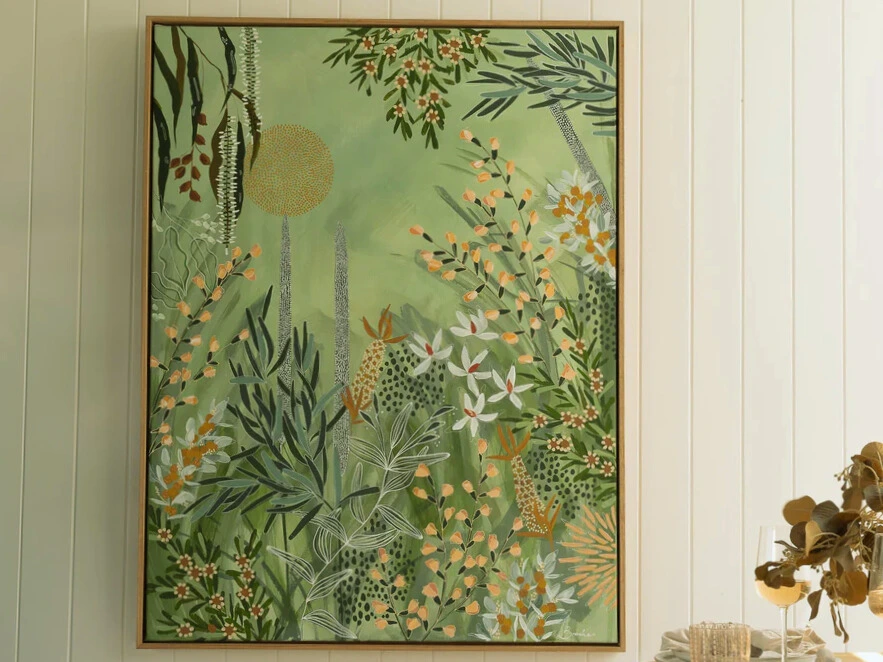
Art has a special way of connecting people to place & few artists express that connection quite like Steph Brooke. Her paintings celebrate Australia’s landscapes with earthy hues, flowing patterns & the quiet emotion of the bush. Through Steph Brooke Art, she invites viewers to see the natural world not as something distant, but as something deeply personal, familiar & grounding.
From the winding rivers of the Kimberley to the soft eucalyptus greens of Victoria’s hinterlands, every brushstroke tells a story of home, belonging & balance. Let’s explore how Steph Brooke has built one of Australia’s most recognisable contemporary art brands & why her works continue to transform living spaces across the country.
The Artist Behind Steph Brooke Art
Steph Brooke didn’t begin her career in the art world. She originally worked in investment management before realising that her creative side needed more room to grow. What started as a quiet hobby experimenting with paints on her kitchen table quickly became an obsession that reshaped her entire career path.
Her move to the Northern Territory marked the turning point. Living among native bushland & endless skies inspired a love for colour, texture, and detail. She began painting full time, exploring the natural rhythm of Australian landscapes — the dry creeks, the green canopies, and the dusty red earth.
Over the years, her practice evolved into Steph Brooke Studio, where she produces both original artworks and limited-edition prints. Today, her work adorns homes throughout Australia and abroad, earning recognition for its unique blend of modern design and natural storytelling.
The Philosophy Behind Steph Brooke Art
At the heart of Steph Brooke Art is connection — to land, to memory, and to the subtle beauty that exists in ordinary spaces. Her art is not about perfection; it’s about reflection.
Steph paints to capture stillness and emotion. Each layer of colour mirrors the way Australian landscapes shift with the light — from the deep rusts of outback sand to the silvery greens of gum leaves after rain. Her creative process is slow and intuitive, often taking weeks or months to complete a single piece.
Her philosophy rests on a few guiding principles:
- Nature first: Every brushstroke references native plants, water, and terrain.
- Emotion through colour: Her palettes balance vibrancy with calm — greens, teals, ochres, and rose tones that feel alive yet soothing.
- Organic flow: Rather than precise symmetry, her compositions mimic how foliage actually grows — wild, layered, and beautifully imperfect.
Through these values, Steph Brooke Art becomes more than decoration. It’s an expression of how Australians live with their environment — grounded, respectful, and ever-connected to the land.
Signature Style of Steph Brooke Art
Steph Brooke’s style is instantly recognisable. Her works fuse botanical elements with abstract layering, creating art that feels both detailed and free-flowing.
Colour & Mood
Her palettes shift between earthy and aquatic tones — eucalyptus green, coral pink, sandstone gold, and deep ocean blue. Each collection tells a different seasonal story, moving seamlessly between desert heat and coastal coolness.
Texture & Movement
Steph often uses repeated strokes and dots to create rhythmic movement. Layers of paint build subtle depth, giving the illusion of swaying grasses or rippling water.
Botanical Detail
Banksias, gum leaves, seed pods, and wildflowers appear throughout her work — not as scientific studies, but as emotional memories of place. Her brushwork captures the essence of the Australian bush without trying to replicate it perfectly.
Atmospheric Depth
Her paintings invite you in, as if standing in a forest clearing or watching sunlight dance on water. This immersive quality is what makes her art so popular in interior design — it changes the feeling of a room instantly.

Major Collections by Steph Brooke Art
Steph’s portfolio is divided into collections, each exploring a unique region or theme within Australia.
The Kimberleys Collection
Inspired by a road trip through Western Australia’s rugged Kimberley region, this series celebrates the raw energy of earth, fire, and water. Deep reds, ochres, and blues collide in layers that resemble riverbeds and cliffs carved by time. These works feel ancient and alive — a visual love letter to Australia’s northern wilderness.
The Heart of the Hinterland Collection
This series brings softer energy, focusing on rolling hills, valleys, and cool misty forests. Muted greens, pinks, and neutrals make it ideal for calm spaces such as bedrooms and living rooms. The collection reflects balance and serenity — a visual representation of quiet mornings and slow living.
The Desert Blooms Collection
Born from the vast stillness of Central Australia, Desert Blooms captures resilience and beauty in harsh conditions. Sparse brushwork meets bursts of warm colour, symbolising flowers blooming after rain. These pieces pair beautifully with minimalist interiors craving warmth and texture.
The Eucalyptus Collection
Perhaps her most iconic body of work, The Eucalyptus Collection focuses on native gum trees and blossoms. Painted in smoky greens and muted blushes, these artworks feel unmistakably Australian yet contemporary. Perfect for anyone wanting a subtle nod to nature without overpowering their décor.
The Coast Collection
Steph’s Coast series dives into the colours of the sea — deep teals, foamy whites, and sandy neutrals. Inspired by her time on Victoria’s Mornington Peninsula, these works bring oceanic calm to coastal homes and apartments alike.
Wildflowers of the Valley
One of her most celebrated pieces, Wildflowers of the Valley, is a symphony of colour and form. Dense vegetation fills the canvas, creating the feeling of standing among blooming fields. It represents growth, abundance, and gratitude — core themes in Steph’s evolving artistic journey.
Why Steph Brooke Art Resonates with Australians
Australians have a deep connection with their environment, and Steph’s work captures that perfectly. Here’s why her art continues to strike a chord:
- Authentically Australian: Every collection celebrates landscapes locals know and love — bush tracks, deserts, coastlines, and river valleys.
- Emotionally calming: The colour palettes evoke stillness, helping to create peaceful interiors that reflect natural beauty.
- Versatile décor fit: Whether your home is coastal, modern, or rustic, her art complements a wide range of spaces.
- Locally made: Every print and original comes from within Australia, crafted with quality materials and care.
Steph’s art isn’t just visually appealing; it’s emotionally grounding. It reminds people of the places they’ve visited, the journeys they’ve taken, and the peaceful silence found in nature.
How to Choose the Right Steph Brooke Art for Your Space
Selecting artwork is personal — it should feel right from the moment you see it. Here’s how to approach finding the perfect Steph Brooke Art piece for your home.
Decide on the atmosphere you want
For warmth, explore the Desert Blooms or Kimberleys collections. For tranquillity, try Heart of the Hinterland or Eucalyptus.
Consider your room’s colour scheme
Steph’s work naturally complements earthy tones, soft neutrals, and timber finishes. Use her palette as inspiration for cushions, rugs, or vases to tie everything together.
Think about scale
Large statement works transform living rooms and dining spaces, while smaller prints bring character to hallways or bedrooms.
Mix & match prints
If you love more than one piece, try creating a gallery wall using complementary colour themes. Steph’s collections are designed to sit harmoniously side by side.
Support the artist directly
Buying through Steph Brooke Studio ensures authenticity, quality, and direct support for the artist’s creative process.
Commissions & Custom Pieces
Steph occasionally accepts private commissions, allowing collectors to collaborate on colour direction, size, and overall mood. These one-of-a-kind creations are perfect for anyone wanting artwork that feels personal.
When requesting a commission:
- Share your preferred colours or reference pieces.
- Discuss the size & layout of your wall.
- Allow flexibility — the best results come when you let the artist interpret freely.
Every commission is a collaboration a meeting between your story & Steph’s artistic language.
Caring for Your Steph Brooke Art
Art can last a lifetime when properly cared for. Follow these simple tips to preserve the beauty of your Steph Brooke Art:
- Frame prints with UV-protective glass to prevent fading.
- Keep paintings away from direct sunlight and damp areas.
- Gently dust frames with a dry cloth; avoid cleaning sprays.
- Use quality hanging hooks to support weight evenly.
- Retain certificates of authenticity for future reference.
With minimal care, your artwork will continue to add texture and tranquillity to your home for decades.

The Growing Popularity of Steph Brooke Art
In just a few years, Steph Brooke Art has become a staple in modern Australian interiors. Her Instagram audience continues to grow rapidly, fuelled by behind-the-scenes videos, new release previews, and styling tips.
Collaborations with leading lifestyle brands — including homeware lines and print partnerships — have helped introduce her art to a wider audience. Publications in Australian design magazines have also spotlighted her distinctive aesthetic, positioning her as a fresh voice in nature-inspired art.
Collectors praise the accessibility of her work — high-quality prints make it possible for anyone to own a piece of Australian artistry without breaking the budget. Yet her originals remain sought after by art lovers who value texture, depth, and the emotion of the hand-painted canvas.
Investment & Value
Buying art is both emotional and practical. Steph Brooke Art offers long-term value for several reasons:
- Limited editions maintain rarity and authenticity.
- High production standards ensure lasting colour and material quality.
- Strong brand growth suggests ongoing recognition within Australia’s contemporary art scene.
- Timeless subject matter keeps her pieces relevant, regardless of interior trends.
Collectors often view her work as an accessible entry point into Australian art collecting — pieces that combine heart, story, and design harmony.
How to Buy Steph Brooke Art
You can purchase Steph Brooke Art directly through the official studio website, where you’ll find:
- Original artworks
- Limited edition prints
- Bundled sets and smaller works
- Updates on new collections and commission openings
For homeware lovers, Steph’s designs also feature in collaborations available through select Australian retailers. Each piece is crafted locally, using sustainable materials and fine-art printing processes for exceptional longevity.
How to Style Steph Brooke Art in Your Home
Living Rooms
Choose large landscape pieces like Wildflowers of the Valley to anchor your main seating area. Pair with soft furnishings in matching tones — eucalyptus green, blush pink, or sand beige.
Bedrooms
Go for serenity. The Heart of the Hinterland and Eucalyptus collections work beautifully above bedheads, complementing linen and rattan textures.
Dining Areas
Use warm, desert-inspired palettes from The Kimberleys or Desert Blooms to create depth and warmth against light walls.
Hallways or Offices
Smaller prints bring personality to tighter spaces. Combine two or three pieces vertically for a subtle gallery feel.
The beauty of Steph Brooke Art is its adaptability — no matter where it hangs, it brings calm, balance, and a sense of belonging.
FOR MORE ARTICLES VISIT US AT AUSTRALIANMAGAZINE.COM.AU


In Australian food history, some names are remembered because they appear on television or in cookbooks. Others are remembered for building something lasting, practical, and influential behind the scenes. Colin Beer belongs firmly in the second group.
Best known as the co-founder of Pheasant Farm in South Australia’s Barossa Valley, Colin Beer helped shape one of the country’s most distinctive gourmet food businesses. Working alongside his wife, Maggie Beer AO, he played a central role in turning farming, retail, tourism, and artisanal production into a model that would influence Australia’s speciality food sector for decades.
What makes his story compelling is that it is not just about business success. It is about vision: seeing value in quality produce, understanding how to connect farm and table, and building a brand around authenticity long before “farm-to-table” became a marketing cliché.
Who Is Colin Beer?
Colin Beer is an Australian businessman, farmer, and food industry pioneer. He has been active since the 1970s and is widely recognised for his contribution to the development of Premium Australian food products, particularly through the Barossa Valley enterprise he helped establish with Maggie Beer.
He is also known as the husband of celebrity chef, author, and food entrepreneur Maggie Beer. But reducing him to that role alone would miss the point. Colin Beer was not simply a supportive partner; he was a hands-on builder of a business that helped put the Barossa Valley on the gourmet map.
The Beginning of a Food Legacy
The foundation of Colin Beer’s influence was laid in the 1970s. At that time, Australian food culture was very different from what it is today. There was far less emphasis on artisanal production, regional provenance, or speciality retail. Much of the modern appetite for quality local produce had yet to emerge.
That is why the Beer family’s early work mattered so much.
A major turning point came with Colin Beer’s Churchill Fellowship in 1978. During this study trip, he examined commercial game bird farming in Europe and the United States. That experience helped inspire the business model that followed. It was not just a research trip; it was a blueprint for a new way of thinking about farming and food production.
Why the Fellowship Mattered
The fellowship helped shape several important business ideas:
- Farming could be more than commodity production; speciality food products could create stronger value than raw outputs alone;
- visitors would be interested in the story behind the food;
- quality and originality could become competitive advantages.
These ideas may sound obvious now, but at the time they were forward-thinking.
Pheasant Farm and the Barossa Valley Breakthrough
In 1979, Colin Beer and Maggie Beer opened their first farm shop through Pheasant Farm in the Barossa Valley. What began as a small-scale operation eventually became one of Australia’s best-known gourmet food brands.
The business did not rely on one revenue stream. Instead, it combined several elements:
- farming;
- tourism;
- retail;
- specialty food production.
That mix was one of its strengths. Visitors were not only buying food; they were buying an experience. They could see the environment, understand the product, and connect emotionally with the brand.
Products That Built the Reputation
Pheasant Farm became known for Premium items such as:
- pâté;
- verjuice;
- speciality foods focused on natural quality.
These products helped establish a reputation for craftsmanship and integrity. In an industry where shortcuts can be tempting, the Beer business stood out by leaning into authenticity and careful production.
Colin Beer’s Role in a Changing Food Culture
Colin Beer’s contribution goes beyond the success of a single business. He helped demonstrate a broader model for rural entrepreneurship in Australia.
His work showed that a farm could be:
- a production site,
- a destination,
- a retail brand,
- and a cultural asset.
That approach influenced how many later producers thought about building food businesses. Instead of selling only ingredients, they began selling identity, story, and trust.
A Practical Business Lesson
One of the most valuable lessons from Colin Beer’s career is that niche products can outperform generic ones when they are supported by strong branding and consistent quality. That lesson still applies today.
For example, a producer of artisanal preserves, cheeses, or condiments may not compete on volume, but can succeed through:
- clear origin stories;
- distinctive packaging;
- direct customer relationships;
- and a reputation for excellence.
Colin Beer understood this early.
The Partnership with Maggie Beer
Any account of Colin Beer would be incomplete without acknowledging the partnership that defined much of his public legacy. His relationship with Maggie Beer became one of the most recognisable collaborations in Australian food.
Their work together mattered because it fused complementary strengths: farming, product development, public-facing communication, and brand-building. Maggie Beer went on to become a household name through cookbooks, media, and advocacy. At the same time, Colin Beer remained closely associated with the practical and entrepreneurial foundations that made that success possible.
Their partnership is often remembered as a landmark in Australian food history because it represented a new kind of success story: regional, family-based, quality-driven, and deeply tied to place.
Television and Public Recognition
Colin Beer also appeared on television. He featured in 21 episodes of the ABC series The Cook and the Chef from 2006 to 2009, appearing as himself and supporting Maggie Beer on screen.
This mattered for more than visibility. It helped bring the behind-the-scenes reality of food production to a wider audience. Viewers could see that great food does not begin in a studio kitchen. It begins on farms, in workshops, and in working relationships built over years.
What Sets Colin Beer Apart?
Many people contribute to a successful business. Fewer help create a model that lasts. Colin Beer stands out because his work combined several qualities that are often missing when businesses are built too quickly.
His strengths included:
- long-term thinking rather than short-term sales;
- respect for product quality;
- willingness to innovate from research and travel;
- understanding the value of place-based branding;
- ability to integrate agriculture and hospitality into a single ecosystem.
These are not glamorous traits, but they are the traits that build durable enterprises.
Common Mistakes He Avoided
There are also useful lessons in what Colin Beer did not do.
1. He did not chase mass-market sameness
Instead of trying to be everything to everyone, the Beer business stayed focused on distinctive, Premium products.
2. He did not separate production from experience
The business was not only about making food. It was about telling the story of the food.
3. He did not ignore the value of tourism
Many producers treat tourism as an afterthought. Beer recognised it as part of the business model.
4. He did not rely on branding alone
The brand worked because the product quality supported it.
Legacy and Future Outlook
Colin Beer’s legacy remains important because the food industry now values many of the things he helped champion decades ago: traceability, provenance, local identity, artisanal quality, and customer experience.
Today’s consumers increasingly want to know:
- where food comes from;
- how it is made;
- who made it;
- and why it matters.
That is exactly the kind of thinking Colin Beer helped normalise.
His story also has future relevance for small producers and regional entrepreneurs. As markets become more crowded, businesses that can combine authenticity, quality, and a clear point of view are more likely to endure. In that sense, the Beer model still feels modern.
Final Thoughts
Colin Beer may not be as publicly famous as some food personalities, but his contribution is substantial. He helped build a business that changed the way Australians think about regional food, farming, and gourmet retail.
From the Churchill Fellowship in 1978 to the launch of Pheasant Farm in 1979 and beyond, his career reflects the power of curiosity, discipline, and long-term vision. Together with Maggie Beer, he helped transform a Barossa Valley farm into an enduring symbol of Australian food excellence.
For anyone interested in food entrepreneurship, rural innovation, or the history of Australian gourmet culture, Colin Beer is a name worth remembering.

Every leader remembers the moment the ground shifted beneath them — the day they stopped managing a single team and started leading other leaders. It’s a transition that looks straightforward on an org chart and feels anything but in real life. Few people have spent as much time studying that exact moment of change as Ian Lees, an Australian leadership coach and author whose work has quietly shaped how a generation of senior leaders think about growth, identity, and influence.
This article looks at who Ian Lees is, what he has built, and why his approach to leadership development continues to resonate with executives across the private, public, and not-for-profit sectors.
Early Career and the Making of a Coach
Long before Ian Lees became known as an author, he built his reputation the way most respected coaches do: in the room, working directly with leaders wrestling with real decisions. His coaching practice grew out of a simple observation, repeated across dozens of organisations — the skills that make someone an excellent individual contributor or team leader are rarely the same skills needed to lead other leaders.
Rather than treating leadership development as a checklist of competencies, Lees approached it as a question of identity: how leaders see themselves, how that self-image shapes their decisions, and how it either expands or limits the impact they can have. That grounding in what’s often called an “ontological” view of leadership — focused on a person’s way of being, not just their behaviours — became the foundation of everything he later built.
Key Contributions: Optimal Future and “Becoming a Leader of Leaders”
Today, Ian Lees is best known as the lead coach at Optimal Future, a specialist coaching practice built around a straightforward mission: helping leaders create the best possible future for themselves, their teams, and their organisations. Through Optimal Future, he works with senior, emerging, and high-potential leaders who are stepping into bigger, more complex roles and need to lead with clarity rather than simply survive the transition.
His most visible contribution to the field is his book, Becoming a Leader of Leaders: How to Succeed in Bigger Jobs and Still Have a Life. The book distils years of coaching conversations into a practical guide for one of the most demanding transitions in any career — moving from leading a team to leading other leaders. Rather than offering generic management theory, it walks readers through recognisable, relatable scenarios: the newly promoted manager drowning in two ringing phones, the brilliant engineer suddenly responsible for sixty people, the team lead who has the new title but hasn’t yet given herself permission, mentally, to own the bigger role.
A few of the ideas at the heart of the book include:
- Managing yourself in the moment so that decisions come from clarity rather than reactivity.
- Giving yourself the promotion in your own head before the organisation fully catches up with it.
- Creating space for the leaders who report to you so they can actually lead, rather than waiting to be told what to do.
- Integrating your team’s work with the wider organisation, so both stay relevant as circumstances change.
The book has drawn praise from senior figures in leadership development and academia, including a Deputy Vice-Chancellor at the University of Wollongong, who described it as a practical, self-reflective guide to one of the toughest transitions leaders face. Coaching and organisational development professionals at large government agencies and international banks have echoed that view, praising the book’s combination of real-world examples with deeper theory.
Public Profile: A Coach Known for Substance Over Style
Ian Lees has built his public profile the old-fashioned way — through the quality of his work rather than self-promotion. His writing on the Optimal Future leadership blog covers themes that go well beyond generic management advice: the psychological weight of leadership transitions, the fear many leaders feel presenting to senior executives, the discipline required to stay calm and effective in the moment, and the often-overlooked emotional toll of scaling a role from a handful of direct reports to dozens.
He has also lent his experience to other coaching organisations, including as the lead voice behind coaching methodologies built on ontological principles — approaches that treat personal growth and professional development as two sides of the same coin, rather than separate tracks. This reputation for depth, rather than quick fixes, has made him a trusted voice for organisations trying to prepare their next generation of senior leaders for genuinely bigger jobs, not just bigger titles.
Common Mistakes Leaders Make (In Lees’s View)
Drawing on the patterns highlighted throughout his coaching work and writing, a few recurring mistakes stand out:
- Continuing to solve problems directly instead of building the judgement of the leaders who now report to you.
- Waiting for a new title to feel earned rather than actively stepping into the identity of the bigger role.
- Underestimating the emotional difficulty of the transition, treating it as purely technical or logistical.
- Failing to integrate the team’s work with the broader organisation, which leaves both increasingly disconnected over time.
Current Activities (2026)
As of 2026, Ian Lees continues to lead coaching engagements through Optimal Future, working with leaders across complex organisations who are navigating exactly the kind of transition his book addresses. His coaching philosophy — rooted in self-awareness, sustainable performance, and genuine influence rather than control — remains just as relevant in a workplace still adjusting to hybrid work, generational change, and rising expectations of senior leaders. New coaching clients continue to receive his book as a companion to their sessions, reflecting how closely his writing and his day-to-day coaching practice are intertwined.
Looking Ahead
The demand for thoughtful, identity-based leadership coaching shows no sign of slowing down. As organisations flatten their structures and push accountability further down the chain, more professionals will find themselves thrust into “leader of leaders” roles earlier in their careers — often with less preparation than the moment deserves. Coaches like Ian Lees, who focus on the internal shift required alongside the external skills, are likely to remain in demand precisely because that gap between title and readiness isn’t closing anytime soon.
Conclusion
Ian Lees represents a particular kind of leadership expert — one who has resisted the temptation to reduce leadership development to slogans or quick frameworks. Through his coaching practice at Optimal Future and his book Becoming a Leader of Leaders, he has offered a grounded, human alternative: help people become who they need to be, and the skills tend to follow. For anyone standing at the edge of a bigger job and wondering if they’re ready, his work offers a reassuring message — readiness isn’t something you wait for. It’s something you build, deliberately, one honest conversation at a time.

Kingston Library is one of Canberra’s most welcoming local library branches. Situated in the inner-south suburb of Kingston, it forms part of the Libraries ACT network. It serves residents, families, students, workers and older community members who want more than a quiet place to borrow books.
A good public library is never just a building with shelves. It is a civic space. It is where children first discover stories, where students find a desk, where older residents stay connected, where job seekers use computers, where new arrivals practice language, and where lifelong readers follow their curiosity wherever it leads.
Kingston Library carries that role with a distinctly local feel. It sits in one of Canberra’s historic neighborhoods, close to shops, cafés, apartments, offices and public transport routes. For many people in the area, it is not only a place to visit occasionally. It is part of the rhythm of daily life.
What Is Kingston Library?
Kingston Library is a public library branch operated by Libraries ACT. It is located at 54 Giles Street in Kingston, Canberra, and is part of the wider ACT public library system.
Because it is part of Libraries ACT, membership is not limited to Kingston residents. Library members can use services across the ACT branch network and access digital resources online. That networked model is one of the great strengths of modern public libraries. A local branch offers neighborhood convenience, while the wider system provides access to a much larger shared collection.
Kingston Library is especially useful for people living or working in Kingston, Barton, Griffith, Manuka, Narrabundah, Fyshwick, Russell and nearby inner-south areas.
Kingston’s Local Setting
Kingston is one of Canberra’s oldest suburbs, with a history tied to the early development of the national capital. The surrounding shopping precinct has long served as a local gathering point, and the library fits naturally into that pattern.
A library in a place like Kingston does more than provide books. It supports the suburb’s social fabric. People may visit before shopping, after school, during lunch breaks or while meeting friends nearby.
This neighborhood setting gives Kingston Library a practical advantage. It is accessible, familiar, and connected to everyday errands. The best local libraries often work this way: they are easy to incorporate into everyday life.
Facilities and Resources
Kingston Library offers the core resources people expect from a public library, including print collections, digital access and spaces for reading or studying.
Typical library resources include:
- fiction and non-fiction books;
- children’s books;
- young adult titles;
- magazines and newspapers;
- audiobooks;
- DVDs or media items where available;
- computers;
- Wi-Fi access;
- printing and scanning services;
- study and reading spaces;
- catalog access;
- self-service borrowing and returns.
The exact availability of facilities can change, especially as Libraries ACT updates systems and branch equipment, so visitors should check current details before relying on a specific service.
Still, the purpose is clear: Kingston Library offers a practical mix of reading, technology and community support.
Borrowing Books and Library Materials
Borrowing remains the heart of the library experience. Whether someone wants a crime novel, a children’s picture book, a biography, a cookbook, a gardening title or a study guide, the library provides access without the cost of buying each item individually.
Libraries ACT membership allows users to borrow items and place holds through the catalog. This is especially useful if a book is held at another branch. Rather than traveling across Canberra, readers can often request items and collect them from a convenient location.
For families, this is a major saving. Children move through reading levels quickly, and buying every book can become expensive. A library card gives them room to explore without financial pressure.
Digital Resources
Modern libraries are no longer limited to physical shelves. Libraries ACT provides digital resources that allow members to read, learn and research from home.
Digital services may include:
- eBooks;
- eAudiobooks;
- online magazines;
- research databases;
- digital learning tools;
- catalog holds;
- account management;
- library app services;
- online event information.
This is especially valuable for people who cannot visit regularly. A busy parent, shift worker, student or older resident can still access library materials digitally.
The digital side of Kingston Library is, in fact, the digital side of Libraries ACT. Your local branch may be Kingston, but your online library is much larger.
Children’s Programs and Early Literacy
One of the most important roles of Kingston Library is supporting early literacy. Public libraries help children build confidence with books long before formal schooling begins.
Children’s programs may include storytime, rhyme sessions, school holiday activities, craft events, a nd family-friendly reading initiatives. These programs are not simply entertainment. They help children hear language, practice listening, recognize rhythm, build attention and associate books with warmth.
For parents and carers, children’s library sessions also provide social connection. A storytime session can become a weekly anchor, especially for new parents or families new to the area.
Community Events and Workshops
Libraries ACT branches regularly host programs and events that extend beyond reading. Depending on the calendar, these may include author talks, workshops, information sessions, community programs, cultural activities and skills-based events.
The strongest library events usually do one of three things:
- They help people learn something useful.
- They bring people together.
- They make culture more accessible.
Kingston Library’s value lies in its role within that broader public-service mission. It is a place where information and community meet.
Support for Older Residents
Libraries are especially important for older adults. They provide access to books, technology help, social activities, a nd community connection.
For older residents in and around Kingston, the library can help reduce isolation. Visiting a library gives structure to the week. Joining a book club or attending a session creates opportunities for conversation. Using library computers or digital help services can build confidence with technology.
A good local library quietly supports independence.
Study and Work Space
Kingston Library can also serve students, remote workers and people who need a calm place to concentrate. In an age of crowded homes, expensive cafés and constant noise, free public study space is valuable.
A library study session works best when visitors come prepared:
- bring headphones;
- charge devices in advance;
- check Wi-Fi access;
- arrive early during busy periods;
- respect quiet zones;
- keep phone calls outside study areas.
For students preparing for assignments or exams, even a short, focused library visit can be more productive than working at home.
Why Kingston Library Matters
The importance of Kingston Library is not measured only by loans and visitor numbers. It matters because it provides public access to knowledge, space and culture.
In practical terms, it supports:
- literacy;
- education;
- digital inclusion;
- family learning;
- social connection;
- community resilience;
- cultural participation;
- lifelong learning.
Public libraries are among the few indoor civic spaces where people are welcome without needing to buy anything. That is increasingly rare and increasingly important.
Common Mistakes Visitors Make
One common mistake is assuming libraries are only for borrowing novels. Kingston Library offers much more, including digital access, programs and community services.
Another mistake is not checking opening hours before visiting. Libraries ACT announced changes to branch hours in 2026, so current hours should be confirmed online.
A third mistake is overlooking online resources. Many people use only the physical branch and miss out on Books, audiobooks and databases.
A fourth mistake is waiting until children are older to visit. Babies and toddlers benefit from early exposure to books and language.
A fifth mistake is thinking librarians only stamp books. Modern library staff helps with searching, technology, programs, community information, and reader guidance.
Expert Tips for Getting the Most From Kingston Library
Join the library even if you only visit occasionally. A membership gives access to both branch and online services.
Use the catalog before visiting. If a book is not at Kingston, place a hold and collect it when ready.
Follow Libraries ACT updates for event listings, school holiday programs, a nd service changes.
Ask staff for recommendations. Librarians often know new releases, hidden gems and useful resources better than any algorithm.
Make the library part of a weekly routine. Regular visits build reading habits, especially for children.
Current Offerings in 2026
In 2026, Kingston Library continues to operate as part of the Libraries ACT network, with public access to collections, services, digital tools and programs. Libraries ACT has also been updating services, including catalog improvements, self-service equipment and accessibility initiatives across the network.
For visitors, the key advice is to check the official Libraries ACT website before attending. Opening hours, programs and service availability can change across seasons, holidays and system updates.
Kingston Library remains a valued neighborhood branch, but the most accurate details will always be the current official listing.
Future Outlook
The future of Kingston Library will likely reflect the future of libraries everywhere: more digital access, more inclusive programming, more flexible community use and continued support for literacy.
Public libraries are adapting, but their core purpose remains strong. People still need trusted information, quiet space, free access and human help.
In a world full of paid platforms and noisy feeds, the library’s promise is simple and powerful: knowledge belongs to everyone.
Conclusion
Kingston Library is a vital part of Canberra’s inner-south community. Located at 54 Giles Street and operated by Libraries ACT, it offers books, digital resources, study space, children’s programs, and community services within a welcoming neighborhood setting.
Its value goes far beyond borrowing. It supports learning, family life, inclusion, digital access and connection across generations.
For residents, students, parents, workers and lifelong readers, Kingston Library remains one of those quiet public places that makes a suburb stronger.
In 2026, as library services continue to evolve, Kingston Library’s role remains beautifully simple: helping people read, learn, meet, think, a nd belong.
Colin Beer: The Quiet Architect Behind a Gourmet Food Legacy

Melissa Agnew: Mastering the Art of Authentic Voice in Australian Media

Leigh Pickford: A Story of Strength and Resilience in the Public Eye

Veronica Neave: A Multifaceted Force in Australian Arts

JK Kazzi: The Charismatic Voice of a New Generation of Cultural Influencers

The Enigma of Sirius Black: Exploring the Canonical Truth and the Quest for a Wife

Ian White Management: Guiding Athletes to Success

Comedy Lounge Perth: Where Laughter Comes to Life

Katherine Pearson: Strength, Resilience and Life Beyond the Headlines

Harrison Gilbertson in Fallen: Bringing a Fallen Angel to Life
-
 Celebrity11 months ago
Richard Zachariah – The Story of a Gentleman Journalist
-
 Lifestyle5 months ago
Top Fashion Trends Australia 2026: What Australians Are Wearing Now
-
 Lifestyle5 months ago
Spring 2026 Fashion Trends: The Complete Style Guide
-
 Lifestyle12 months ago
Matt Moran Liberal-From Service to Leadership in Western Australia
-
 News11 months ago
Samuel William Davidson – The Oatlands Tragedy, Sentence & the Power of Forgiveness
-
 News10 months ago
Beau Lamarre-Condon – Inside the Case, the Charges, and the Court Timeline
-
 Entertainment12 months ago
The Unstoppable Rhea Ripley-WWE’s Australian Phenomenon
-
 Entertainment5 months ago
How Australian Players Are Choosing Their Online Casino in 2026