
Lifestyle
Tomaree Coastal Walk-A 27 Kilometre Coastal Journey Through Worimi Country

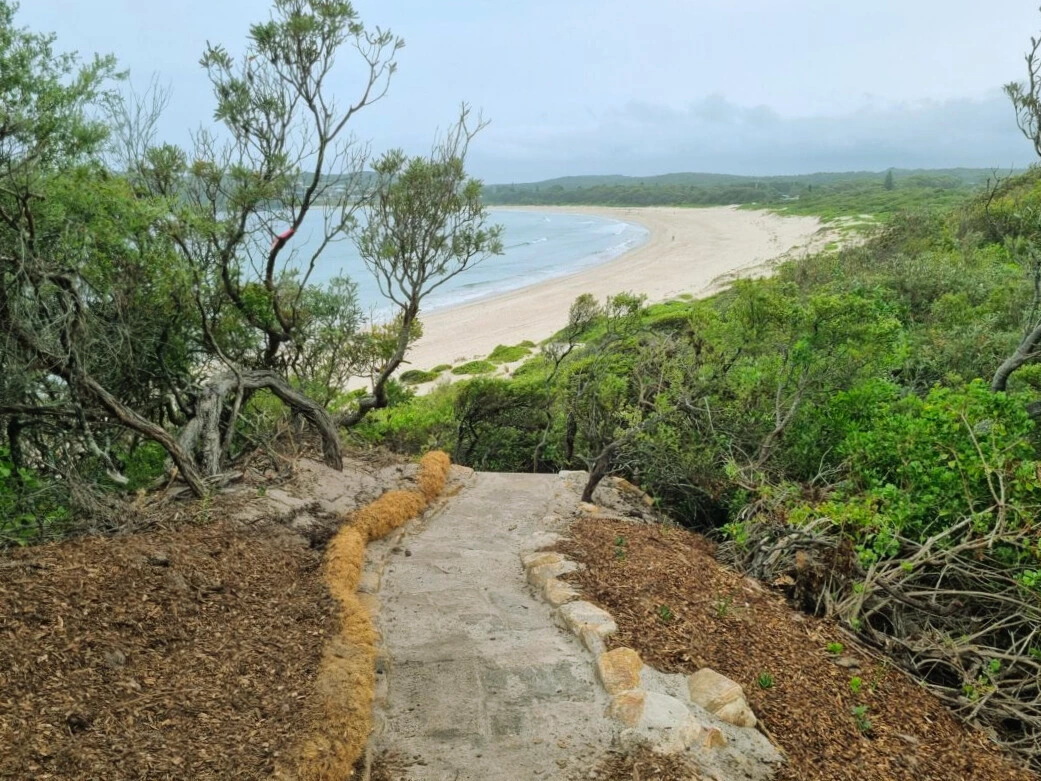
The Tomaree Coastal Walk is more than a track; it is a living connection between land & people — a 27-kilometre journey across Worimi Country that symbolises the best of coastal New South Wales. Whether you’re tackling the full two-day hike or exploring a short section, every step offers a reminder of how nature, culture & community can walk together in harmony.
The Tomaree Coastal Walk has quickly become one of New South Wales’ most celebrated natural experiences-a 27-kilometre journey across the spectacular headlands, beaches & forests of Port Stephens. Stretching from Tomaree Head at Shoal Bay to Birubi Point in Anna Bay, this coastal trail showcases the region’s diverse environment, rich Aboriginal heritage & growing role in sustainable tourism.
Designed to highlight the beauty of Worimi Country, the walk is part of the state’s flagship NSW Great Walks initiative — a program linking New South Wales’ most distinctive multi-day hikes from the Blue Mountains to the Snowy Alps. But beyond the government investment and trail markers, the Tomaree Coastal Walk represents something more profound: a collaborative commitment between community, culture & conservation.
Planning the Tomaree Coastal Walk – From Vision to Reality
The idea of creating a continuous coastal track through Tomaree National Park had been discussed for years before work began. Port Stephens had long attracted visitors to its beaches and headlands, yet the experience was fragmented — short local trails, lookout tracks & car-based sightseeing. The vision was to link these scattered points into one uninterrupted path, allowing walkers to explore the coastline’s full diversity at a natural pace.
Early planning started in 2022, supported by a $6.7 million NSW Government investment. The aim was to create a route that balanced tourism with environmental protection — improving access while reducing off-track erosion & visitor congestion at the region’s busiest lookouts.
Consultation with the Worimi Traditional Owners was central to the design process. The track alignment drew on ancient Worimi walking routes & stories associated with the coastline. Cultural advisors worked with the NSW National Parks and Wildlife Service (NPWS) to ensure interpretive signage, artwork & storyboards reflected authentic connections to Country.
The initial concept proposed a 20 kilometre route, later extended to 27 kilometres as additional sections were identified for safety and environmental improvement, including the Fingal Bay bypass & new lookouts at Barry Park & Zenith Beach.
Construction & Upgrades – Building a Safer, More Accessible Trail
By early 2023, major construction was underway across Tomaree National Park. The project involved several distinct zones: the Shoal Bay precinct, including the iconic Tomaree Head summit walk; the One Mile coastal section & the southern terminus at Birubi Point.
The Tomaree Head summit walk — one of Port Stephens’ most visited sites, attracting over 200,000 walkers each year — required significant safety upgrades. From February to June 2023, the summit walk was closed entirely while NPWS replaced an ageing steel stairway, widened the narrow ridgeline track & improved the WWII gun-emplacement loop trail.
To maintain limited access, NPWS temporarily opened the summit via a connection from the gun-emplacement path between 2 June and 30 June 2023. The headland carpark & viewing areas remained open during construction, ensuring visitors could still enjoy partial views of the coastline.
At the same time, crews began work on the Birubi Gateway precinct in Anna Bay. This included construction of new seating areas, viewing decks, accessible paths & art installations celebrating the cultural significance of Birubi Point Aboriginal Place. The shared pathway between Robinson Reserve & Pacific Avenue was intermittently closed during May 2023 to accommodate heavy machinery & surfacing work.
Environmental upgrades focused on stormwater management, re-vegetation with native species & rehabilitation of informal tracks to protect sensitive dune vegetation.
Official Opening – September 2023
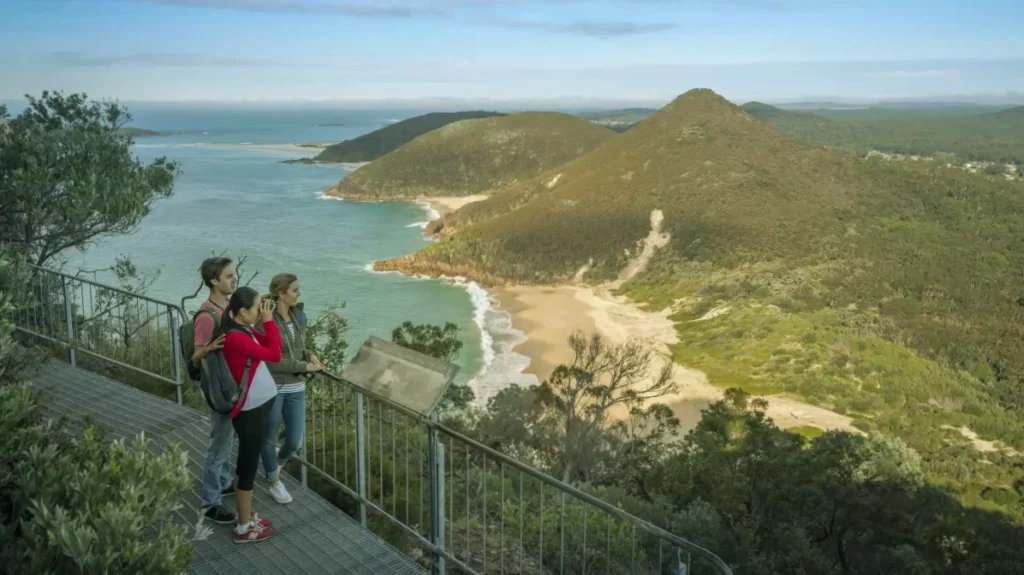
After nearly two years of work, the Tomaree Coastal Walk officially opened in September 2023. The finished product connected 27 kilometres of coastal landscapes — from the steep slopes of Tomaree Head to the sweeping sand dunes of Birubi Point — as a single, signed trail.
The opening was a milestone for both the NSW Great Walks program & Port Stephens’ local tourism economy. The new track allowed for multi-day itineraries that encouraged overnight stays rather than day trips, supporting cafes, restaurants, guesthouses & eco-lodges across Shoal Bay, Fingal Bay, One Mile & Anna Bay.
Officials described it as a “world-class coastal experience” & “a win-win for nature and tourism.” For the first time, walkers could traverse an entire national park coastline without leaving a managed path — moving from headlands to beaches to forest with interpretive stops along the way.
Safety & Final Additions-Fingal Bay Bypass & Barry Park Lookout
Although the walk opened in September, one final project remained. By December 2023, contractors completed the Fingal Bay bypass, a critical link designed to prevent walkers from attempting the dangerous Fingal Spit crossing — a sandbar notorious for strong tides & past accidents.
The new bypass leads hikers through a shaded corridor of blackbutt, melaleuca & eucalypt forest, across pedestrian bridges & out to a viewing platform offering 180-degree views toward Barry Park and the open ocean. This upgrade not only improved safety but also added one of the walk’s most scenic lookouts.
Additional features finalised during this stage included:
- Slot Canyon Lookout, giving elevated perspectives over Shoal Bay.
Zenith Beach boardwalk, providing accessible coastal views near the base of Tomaree Head. - New trailhead signage, carpark layouts and mobility-friendly paths for prams & wheelchairs at key entry points.
With these final touches, the Tomaree Coastal Walk reached full operational status at 27 kilometres — one of the longest and most accessible coastal trails in NSW.
Celebrating Culture & Accessibility on the Tomaree Coastal Walk
Cultural interpretation is woven throughout the tomaree coastal walk. The project honours the Worimi people, whose ancestors have walked this coastline for thousands of years. Storyboards & sculptures at Birubi Point Aboriginal Place explain local creation stories & the significance of the land & sea to the community.
Cultural artwork & signage are also found at Fingal Bay & Tomaree Head, highlighting traditional travel routes, fishing areas & gathering places. These elements encourage visitors to appreciate the walk not only as a scenic experience but as a journey through living heritage.
Accessibility was another priority. New infrastructure, including boardwalks, stabilised paths and rest areas, enables people of varied mobility levels to experience coastal nature. Interpretive nodes are spaced regularly so walkers can rest & absorb the landscape at their own rhythm.
Route Layout & Walking Options
The tomaree coastal walk can be undertaken in several ways:
Two-Day Full Hike
- Day 1: Tomaree Head Summit to One Mile Beach – approximately 18 km.
- Highlights: Zenith Beach, Fingal Bay, coastal forests, secluded coves.
- Accommodation available at Shoal Bay, Fingal Bay or One Mile.
- Day 2: One Mile Beach to Birubi Point – approximately 9 km.
- Features: forested dunes, cultural art at Birubi Point, ocean lookouts.
- Features: forested dunes, cultural art at Birubi Point, ocean lookouts.
Day-Hike Options
For shorter adventures, walkers can explore the trail in sections. A popular day-hike variant is the Birubi Point to One Mile Beach track — 7.5 km one way, taking around 4–4.5 hours. This segment offers wide ocean views and passes through small coastal communities, ideal for casual walkers seeking coffee stops or local ice-cream breaks.
Another highlight is the Tomaree Head Summit Walk, a 2.2 km return trail (Grade 5) that climbs 161 metres to panoramic views across the bay and offshore islands. Many visitors combine the summit climb with a shorter coastal stroll for a half-day outing.
The full trail is rated Grade 3, suitable for walkers with moderate fitness. The best seasons are spring through autumn, when weather is mild and wildflowers & wildlife are most active.
Tomaree Coastal Walk in the NSW Great Walks Network
Within the state’s Great Walks network, the tomaree coastal walk is the signature coastal journey. It stands alongside other celebrated multi-day hikes, including:
- Grand Cliff Top Walk (Blue Mountains)
- Murramarang South Coast Walk (Ulladulla to Batemans Bay)
- Light to Light Walk (Beowa National Park, Sapphire Coast)
- Snowies Alpine Walk (Kosciuszko National Park)
- Gidjuum Gulganyi Walk (Tweed-Byron Hinterland)
- Green Gully Track (Oxley Wild Rivers National Park)
Together, these trails showcase NSW’s varied landscapes — alpine summits, rainforests, river gorges and coastlines — while supporting sustainable tourism in regional areas. Tomaree’s inclusion recognises Port Stephens as the coastal gateway of the Great Walks initiative.
Community Conservation & Regeneration Efforts
The tomaree coastal walk’s success has sparked new community stewardship projects. Local volunteers have taken ownership of protecting and restoring the ecosystems that surround the track.
On 7 December, the Friends of Tomaree National Park hosted a regeneration day at the One Mile Headland entrance. Nearly twenty volunteers, supported by Escape Eco Adventures and the NSW Australian Climbing Association, gathered to remove invasive Bitou bush & plant native species suited to the coastal forest environment.
Coordinator Sue Olsson described the effort as part of a long-term goal to create a healthier, more resilient coastal forest. By encouraging native vegetation to reclaim disturbed areas, the group aims to make the site more resistant to reinvasion by exotic weeds & to provide stable habitat for local wildlife.
These activities form part of NPWS’s broader commitment to sustainable park management, ensuring that the natural and cultural values of Tomaree are maintained as visitor numbers increase.
Economic & Tourism Impact on Port Stephens
Since its completion, the tomaree coastal walk has had a measurable economic impact on the Port Stephens region. The trail encourages visitors to stay longer, supporting accommodation providers, local eateries and tour operators. Off-season visitation has grown, balancing the traditional summer surge with steady year-round demand.
Local businesses have responded with guided walking tours, e-bike hire, cultural interpretation services and eco-lodging. The influx of walkers has also inspired environmental education programs linking tourism with conservation awareness.
By 2025, Port Stephens was recognised as one of Australia’s top regional walking destinations, earning titles such as “Aussie Town of the Year.” The tomaree coastal walk is central to that reputation — a showcase of how thoughtful investment and community collaboration can transform a natural landscape into a sustainable tourism asset.
The Tomaree Coastal Walk Experience-Nature, Culture & Connection
Walking the tomaree coastal walk today is more than a recreational outing. It is an immersion into the layered character of Worimi Country — where ocean and forest meet, where ancient paths are re-traced, and where conservation and tourism coexist.
From sunrise over Shoal Bay to sunset at Birubi’s dunes, the trail offers a spectrum of experiences:
- The calls of black cockatoos above coastal banksia.
- The scent of eucalyptus on sea breezes.
- Whales breaching offshore in winter.
- Cultural markers that tell of thousands of years of continuity.
Each section reveals a new perspective on the Port Stephens coastline, and together they form a continuous narrative of land, people and place.

Legacy & Future of the Tomaree Coastal Walk
As part of the NSW Great Walks initiative, the tomaree coastal walk continues to evolve. NPWS conducts regular maintenance, erosion control & accessibility reviews to ensure the trail remains safe and sustainable. Community partners continue weed-control and planting programs, while tourism operators develop new experiences linking the walk with whale-watching, kayaking and Aboriginal cultural tours.
The project stands as a model for how regional NSW can develop world-class walking experiences that protect the environment and celebrate Indigenous heritage. Its combination of natural beauty, cultural depth and community stewardship ensures that future generations will continue to walk these same coastal paths with appreciation and respect.
The Tomaree Coastal Walk is more than a track; it is a living connection between land and people — a 27-kilometre journey across Worimi Country that symbolises the best of coastal New South Wales. Whether you’re tackling the full two-day hike or exploring a short section, every step offers a reminder of how nature, culture and community can walk together in harmony.
FOR MORE RELATED ARTICLES VISIT US AT AUSTRALIANMAGAZINE.COM.AU


Every leader remembers the moment the ground shifted beneath them — the day they stopped managing a single team and started leading other leaders. It’s a transition that looks straightforward on an org chart and feels anything but in real life. Few people have spent as much time studying that exact moment of change as Ian Lees, an Australian leadership coach and author whose work has quietly shaped how a generation of senior leaders think about growth, identity, and influence.
This article looks at who Ian Lees is, what he has built, and why his approach to leadership development continues to resonate with executives across the private, public, and not-for-profit sectors.
Early Career and the Making of a Coach
Long before Ian Lees became known as an author, he built his reputation the way most respected coaches do: in the room, working directly with leaders wrestling with real decisions. His coaching practice grew out of a simple observation, repeated across dozens of organisations — the skills that make someone an excellent individual contributor or team leader are rarely the same skills needed to lead other leaders.
Rather than treating leadership development as a checklist of competencies, Lees approached it as a question of identity: how leaders see themselves, how that self-image shapes their decisions, and how it either expands or limits the impact they can have. That grounding in what’s often called an “ontological” view of leadership — focused on a person’s way of being, not just their behaviours — became the foundation of everything he later built.
Key Contributions: Optimal Future and “Becoming a Leader of Leaders”
Today, Ian Lees is best known as the lead coach at Optimal Future, a specialist coaching practice built around a straightforward mission: helping leaders create the best possible future for themselves, their teams, and their organisations. Through Optimal Future, he works with senior, emerging, and high-potential leaders who are stepping into bigger, more complex roles and need to lead with clarity rather than simply survive the transition.
His most visible contribution to the field is his book, Becoming a Leader of Leaders: How to Succeed in Bigger Jobs and Still Have a Life. The book distils years of coaching conversations into a practical guide for one of the most demanding transitions in any career — moving from leading a team to leading other leaders. Rather than offering generic management theory, it walks readers through recognisable, relatable scenarios: the newly promoted manager drowning in two ringing phones, the brilliant engineer suddenly responsible for sixty people, the team lead who has the new title but hasn’t yet given herself permission, mentally, to own the bigger role.
A few of the ideas at the heart of the book include:
- Managing yourself in the moment so that decisions come from clarity rather than reactivity.
- Giving yourself the promotion in your own head before the organisation fully catches up with it.
- Creating space for the leaders who report to you so they can actually lead, rather than waiting to be told what to do.
- Integrating your team’s work with the wider organisation, so both stay relevant as circumstances change.
The book has drawn praise from senior figures in leadership development and academia, including a Deputy Vice-Chancellor at the University of Wollongong, who described it as a practical, self-reflective guide to one of the toughest transitions leaders face. Coaching and organisational development professionals at large government agencies and international banks have echoed that view, praising the book’s combination of real-world examples with deeper theory.
Public Profile: A Coach Known for Substance Over Style
Ian Lees has built his public profile the old-fashioned way — through the quality of his work rather than self-promotion. His writing on the Optimal Future leadership blog covers themes that go well beyond generic management advice: the psychological weight of leadership transitions, the fear many leaders feel presenting to senior executives, the discipline required to stay calm and effective in the moment, and the often-overlooked emotional toll of scaling a role from a handful of direct reports to dozens.
He has also lent his experience to other coaching organisations, including as the lead voice behind coaching methodologies built on ontological principles — approaches that treat personal growth and professional development as two sides of the same coin, rather than separate tracks. This reputation for depth, rather than quick fixes, has made him a trusted voice for organisations trying to prepare their next generation of senior leaders for genuinely bigger jobs, not just bigger titles.
Common Mistakes Leaders Make (In Lees’s View)
Drawing on the patterns highlighted throughout his coaching work and writing, a few recurring mistakes stand out:
- Continuing to solve problems directly instead of building the judgement of the leaders who now report to you.
- Waiting for a new title to feel earned rather than actively stepping into the identity of the bigger role.
- Underestimating the emotional difficulty of the transition, treating it as purely technical or logistical.
- Failing to integrate the team’s work with the broader organisation, which leaves both increasingly disconnected over time.
Current Activities (2026)
As of 2026, Ian Lees continues to lead coaching engagements through Optimal Future, working with leaders across complex organisations who are navigating exactly the kind of transition his book addresses. His coaching philosophy — rooted in self-awareness, sustainable performance, and genuine influence rather than control — remains just as relevant in a workplace still adjusting to hybrid work, generational change, and rising expectations of senior leaders. New coaching clients continue to receive his book as a companion to their sessions, reflecting how closely his writing and his day-to-day coaching practice are intertwined.
Looking Ahead
The demand for thoughtful, identity-based leadership coaching shows no sign of slowing down. As organisations flatten their structures and push accountability further down the chain, more professionals will find themselves thrust into “leader of leaders” roles earlier in their careers — often with less preparation than the moment deserves. Coaches like Ian Lees, who focus on the internal shift required alongside the external skills, are likely to remain in demand precisely because that gap between title and readiness isn’t closing anytime soon.
Conclusion
Ian Lees represents a particular kind of leadership expert — one who has resisted the temptation to reduce leadership development to slogans or quick frameworks. Through his coaching practice at Optimal Future and his book Becoming a Leader of Leaders, he has offered a grounded, human alternative: help people become who they need to be, and the skills tend to follow. For anyone standing at the edge of a bigger job and wondering if they’re ready, his work offers a reassuring message — readiness isn’t something you wait for. It’s something you build, deliberately, one honest conversation at a time.
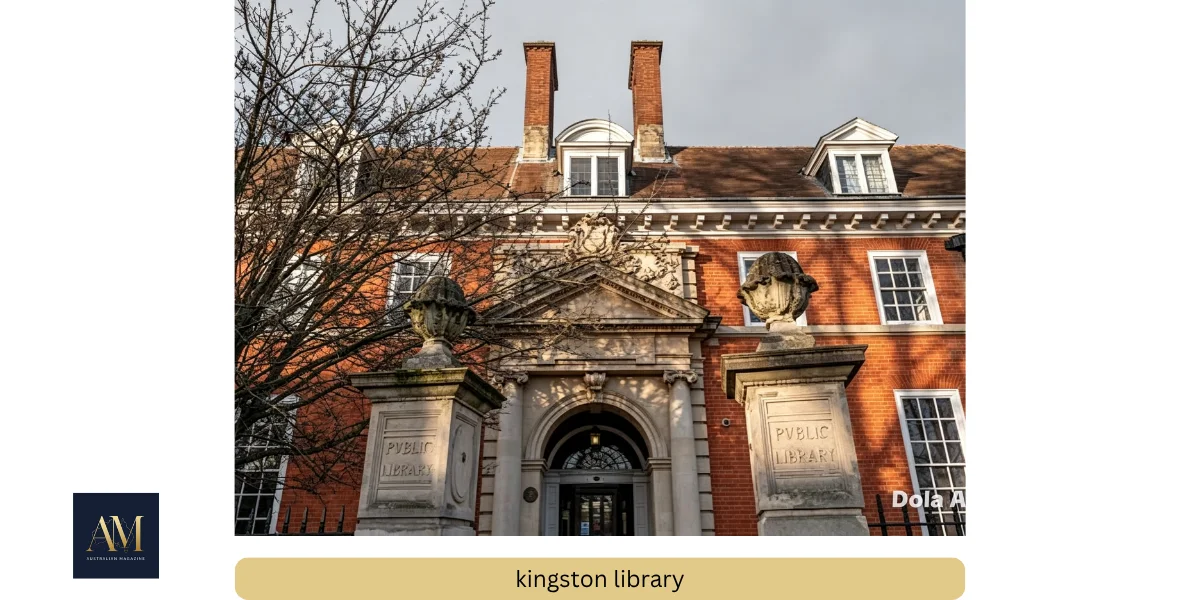
Kingston Library is one of Canberra’s most welcoming local library branches. Situated in the inner-south suburb of Kingston, it forms part of the Libraries ACT network. It serves residents, families, students, workers and older community members who want more than a quiet place to borrow books.
A good public library is never just a building with shelves. It is a civic space. It is where children first discover stories, where students find a desk, where older residents stay connected, where job seekers use computers, where new arrivals practice language, and where lifelong readers follow their curiosity wherever it leads.
Kingston Library carries that role with a distinctly local feel. It sits in one of Canberra’s historic neighborhoods, close to shops, cafés, apartments, offices and public transport routes. For many people in the area, it is not only a place to visit occasionally. It is part of the rhythm of daily life.
What Is Kingston Library?
Kingston Library is a public library branch operated by Libraries ACT. It is located at 54 Giles Street in Kingston, Canberra, and is part of the wider ACT public library system.
Because it is part of Libraries ACT, membership is not limited to Kingston residents. Library members can use services across the ACT branch network and access digital resources online. That networked model is one of the great strengths of modern public libraries. A local branch offers neighborhood convenience, while the wider system provides access to a much larger shared collection.
Kingston Library is especially useful for people living or working in Kingston, Barton, Griffith, Manuka, Narrabundah, Fyshwick, Russell and nearby inner-south areas.
Kingston’s Local Setting
Kingston is one of Canberra’s oldest suburbs, with a history tied to the early development of the national capital. The surrounding shopping precinct has long served as a local gathering point, and the library fits naturally into that pattern.
A library in a place like Kingston does more than provide books. It supports the suburb’s social fabric. People may visit before shopping, after school, during lunch breaks or while meeting friends nearby.
This neighborhood setting gives Kingston Library a practical advantage. It is accessible, familiar, and connected to everyday errands. The best local libraries often work this way: they are easy to incorporate into everyday life.
Facilities and Resources
Kingston Library offers the core resources people expect from a public library, including print collections, digital access and spaces for reading or studying.
Typical library resources include:
- fiction and non-fiction books;
- children’s books;
- young adult titles;
- magazines and newspapers;
- audiobooks;
- DVDs or media items where available;
- computers;
- Wi-Fi access;
- printing and scanning services;
- study and reading spaces;
- catalog access;
- self-service borrowing and returns.
The exact availability of facilities can change, especially as Libraries ACT updates systems and branch equipment, so visitors should check current details before relying on a specific service.
Still, the purpose is clear: Kingston Library offers a practical mix of reading, technology and community support.
Borrowing Books and Library Materials
Borrowing remains the heart of the library experience. Whether someone wants a crime novel, a children’s picture book, a biography, a cookbook, a gardening title or a study guide, the library provides access without the cost of buying each item individually.
Libraries ACT membership allows users to borrow items and place holds through the catalog. This is especially useful if a book is held at another branch. Rather than traveling across Canberra, readers can often request items and collect them from a convenient location.
For families, this is a major saving. Children move through reading levels quickly, and buying every book can become expensive. A library card gives them room to explore without financial pressure.
Digital Resources
Modern libraries are no longer limited to physical shelves. Libraries ACT provides digital resources that allow members to read, learn and research from home.
Digital services may include:
- eBooks;
- eAudiobooks;
- online magazines;
- research databases;
- digital learning tools;
- catalog holds;
- account management;
- library app services;
- online event information.
This is especially valuable for people who cannot visit regularly. A busy parent, shift worker, student or older resident can still access library materials digitally.
The digital side of Kingston Library is, in fact, the digital side of Libraries ACT. Your local branch may be Kingston, but your online library is much larger.
Children’s Programs and Early Literacy
One of the most important roles of Kingston Library is supporting early literacy. Public libraries help children build confidence with books long before formal schooling begins.
Children’s programs may include storytime, rhyme sessions, school holiday activities, craft events, a nd family-friendly reading initiatives. These programs are not simply entertainment. They help children hear language, practice listening, recognize rhythm, build attention and associate books with warmth.
For parents and carers, children’s library sessions also provide social connection. A storytime session can become a weekly anchor, especially for new parents or families new to the area.
Community Events and Workshops
Libraries ACT branches regularly host programs and events that extend beyond reading. Depending on the calendar, these may include author talks, workshops, information sessions, community programs, cultural activities and skills-based events.
The strongest library events usually do one of three things:
- They help people learn something useful.
- They bring people together.
- They make culture more accessible.
Kingston Library’s value lies in its role within that broader public-service mission. It is a place where information and community meet.
Support for Older Residents
Libraries are especially important for older adults. They provide access to books, technology help, social activities, a nd community connection.
For older residents in and around Kingston, the library can help reduce isolation. Visiting a library gives structure to the week. Joining a book club or attending a session creates opportunities for conversation. Using library computers or digital help services can build confidence with technology.
A good local library quietly supports independence.
Study and Work Space
Kingston Library can also serve students, remote workers and people who need a calm place to concentrate. In an age of crowded homes, expensive cafés and constant noise, free public study space is valuable.
A library study session works best when visitors come prepared:
- bring headphones;
- charge devices in advance;
- check Wi-Fi access;
- arrive early during busy periods;
- respect quiet zones;
- keep phone calls outside study areas.
For students preparing for assignments or exams, even a short, focused library visit can be more productive than working at home.
Why Kingston Library Matters
The importance of Kingston Library is not measured only by loans and visitor numbers. It matters because it provides public access to knowledge, space and culture.
In practical terms, it supports:
- literacy;
- education;
- digital inclusion;
- family learning;
- social connection;
- community resilience;
- cultural participation;
- lifelong learning.
Public libraries are among the few indoor civic spaces where people are welcome without needing to buy anything. That is increasingly rare and increasingly important.
Common Mistakes Visitors Make
One common mistake is assuming libraries are only for borrowing novels. Kingston Library offers much more, including digital access, programs and community services.
Another mistake is not checking opening hours before visiting. Libraries ACT announced changes to branch hours in 2026, so current hours should be confirmed online.
A third mistake is overlooking online resources. Many people use only the physical branch and miss out on Books, audiobooks and databases.
A fourth mistake is waiting until children are older to visit. Babies and toddlers benefit from early exposure to books and language.
A fifth mistake is thinking librarians only stamp books. Modern library staff helps with searching, technology, programs, community information, and reader guidance.
Expert Tips for Getting the Most From Kingston Library
Join the library even if you only visit occasionally. A membership gives access to both branch and online services.
Use the catalog before visiting. If a book is not at Kingston, place a hold and collect it when ready.
Follow Libraries ACT updates for event listings, school holiday programs, a nd service changes.
Ask staff for recommendations. Librarians often know new releases, hidden gems and useful resources better than any algorithm.
Make the library part of a weekly routine. Regular visits build reading habits, especially for children.
Current Offerings in 2026
In 2026, Kingston Library continues to operate as part of the Libraries ACT network, with public access to collections, services, digital tools and programs. Libraries ACT has also been updating services, including catalog improvements, self-service equipment and accessibility initiatives across the network.
For visitors, the key advice is to check the official Libraries ACT website before attending. Opening hours, programs and service availability can change across seasons, holidays and system updates.
Kingston Library remains a valued neighborhood branch, but the most accurate details will always be the current official listing.
Future Outlook
The future of Kingston Library will likely reflect the future of libraries everywhere: more digital access, more inclusive programming, more flexible community use and continued support for literacy.
Public libraries are adapting, but their core purpose remains strong. People still need trusted information, quiet space, free access and human help.
In a world full of paid platforms and noisy feeds, the library’s promise is simple and powerful: knowledge belongs to everyone.
Conclusion
Kingston Library is a vital part of Canberra’s inner-south community. Located at 54 Giles Street and operated by Libraries ACT, it offers books, digital resources, study space, children’s programs, and community services within a welcoming neighborhood setting.
Its value goes far beyond borrowing. It supports learning, family life, inclusion, digital access and connection across generations.
For residents, students, parents, workers and lifelong readers, Kingston Library remains one of those quiet public places that makes a suburb stronger.
In 2026, as library services continue to evolve, Kingston Library’s role remains beautifully simple: helping people read, learn, meet, think, a nd belong.

Bahama Gold sounds like a tropical wine label at first glance. The name suggests sunshine, relaxed drinking, bright fruit and easy summer energy. But if you are searching for “Bahama Gold wine,” the most accurate result is not a supermarket wine brand with a fixed Chardonnay, Sauvignon Blanc and Shiraz range. It is Bahama Gold Public Bar & Wine Shop, a Brunswick East venue in Melbourne that has built its reputation around approachable, interesting and often minimal-intervention wines.
Located at 135 Lygon Street, Bahama Gold is part wine bar, part bottle shop and part neighborhood hangout. It sells a changing range of wines rather than a single house-branded commercial line. That makes it especially appealing to people who enjoy discovering bottles beyond the usual mainstream shelves.
Its appeal is simple: good wine without unnecessary stiffness. Bahama Gold feels relaxed, local and curious — the kind of place where you might stop for one glass and leave with a bottle you had never heard of before.
What Is Bahama Gold Wine?
“Bahama Gold wine” is best understood as the wine offering connected to Bahama Gold Public Bar & Wine Shop. The venue stocks and sells a range of reds, whites, orange wines, sparkling wines, rosé and everyday bottles.
The focus appears to be on carefully selected wines rather than mass-market labels. Its online shop highlights minimal-intervention wines from Australia and overseas, with categories that include local bottles, new arrivals, fizz, chilled reds, orange wines, rosé and everyday wines.
This means Bahama Gold is not offering one fixed “Bahama Gold Chardonnay” or “Bahama Gold Shiraz” in the conventional brand sense. Instead, it curates wines from different producers, regions and styles.
That is an important distinction for readers. If you are looking for a specific branded bottle called Bahama Gold, you may not find a standard national range. If you are looking for wine from Bahama Gold, you are looking at a Melbourne wine shop and bar with its own personality.
The Brand Story: Local, Casual and Wine-Focused
Bahama Gold launched as a Brunswick East drinking and bottle-shop destination with a strong local identity. It grew during a period when Melbourne’s hospitality scene was adapting to changing customer habits, including takeaway, delivery and more flexible drinking experiences.
Its concept is very Melbourne: small, casual, music-conscious, wine-literate and neighborhood-friendly. It is not designed like a formal restaurant cellar or luxury wine lounge. It feels more like a public bar with a serious wine brain.
The venue’s own description positions it as a local public bar and bottle shop. That combination matters. Customers can drink on-site, buy bottles to take away, order online or use delivery options. It suits modern wine drinkers who want flexibility.
Wine Style: Minimal Intervention and Everyday Drinking
Bahama Gold’s wine range leans toward minimal-intervention and contemporary drinking styles. Minimal-intervention wine is a broad term, but it usually refers to wines made with fewer additions and a lighter hand in the cellar.
This may include wines that are:
- organically or biodynamically farmed;
- fermented with native yeasts;
- lower in added sulfur;
- unfined or unfiltered;
- textural, ssavoryor slightly cloudy;
- expressive of place and producer style.
Not every bottle will taste unusual, but the category often attracts drinkers who enjoy freshness, personality and less predictable flavors.
Bahama Gold also has an “everyday wines” section, which suggests the venue understands that wine does not always need to be rare or expensive. Sometimes people simply want a good bottle for dinner, a picnic, a party or a relaxed evening at home.
Popular Wine Categories at Bahama Gold
Because the selection changes, it is better to think in categories rather than fixed labels.
White Wines
White wines at Bahama Gold may include familiar grapes such as Chardonnay, Riesling, Sauvignon Blanc, Vermentino and Chenin Blanc, alongside less familiar European or local varieties.
Expect styles ranging from crisp and mineral to textured and rounded. A modern Chardonnay might show citrus, stone fruit and gentle structure, while a Riesling may be bright, dry and refreshing.
Red Wines
The red range may include lighter chilled reds, juicy everyday reds and more structured bottles. In contemporary wine bars, chilled red has become especially popular because it suits casual drinking and warmer weather.
These wines often pair well with charcuterie, roast chicken, pasta, pizza, barbecue vegetables and shared plates.
Orange Wines
Orange wine is made from white grapes fermented with skin contact, giving color, texture and tannin. It can taste floral, savory, spicy, tea-like,e or dried-fruit driven.
For beginners, orange wine is best approached with food. It can pair beautifully with cheese, fried dishes, spiced food and roasted vegetables.
Fizz and Sparkling
Fizz is a broad and friendly category. It may include pét-nat, sparkling rosé, traditional-method sparkling or casual bubbles designed for easy drinking.
This is ideal for parties, summer gatherings and celebratory meals without the formality of Champagne.
Rosé
Rosé remains a natural fit for Australian drinking culture. Good rosé can be dry, savory, fruity or textured. It works well with seafood, salads, grilled chicken, mezze and picnic food.
Food Pairing Recommendations
The best way to enjoy wine from a place like Bahama Gold is to match mood, food and weather.
For seafood, choose crisp white wine, dry rosé or light sparkling. Think oysters, prawns, grilled fish, calamari or fresh salads.
For chicken, choose Chardonnay, skin-contact white, rosé or a lighter red depending on preparation. Roast chicken loves textured white wine.
For spicy food, look for aromatic whites, orange wines or chilled reds with freshness.
For cheese, sparkling wine, orange wine and lighter reds can all work well.
For casual entertaining, choose two bottles: one bright white or fizz, and one soft red. That covers most guests without overcomplicating the table.
Why Bahama Gold Is Popular in Melbourne
Bahama Gold works because it understands the modern wine drinker. Many people want quality, but they do not want intimidation. They want advice, but not a lecture. They want discovery, but not confusion.
The venue’s strengths include:
- a relaxed neighborhood feel;
- broad wine selection;
- bottle shop convenience;
- public bar atmosphere;
- local delivery options;
- minimal-intervention focus;
- approachable everyday bottles;
- Melbourne-style personality.
It also benefits from its Brunswick East location. Lygon Street has long been tied to food and drink culture, and Brunswick East brings a creative, casual and slightly independent edge to that tradition.
Availability and Delivery
Bahama Gold sells wine through its physical venue and online shop. Its delivery model includes local fast delivery within a radius of Brunswick East, same-day options and Australia-wide shipping under certain conditions.
This makes it more than a bar. It functions as a modern bottle shop for customers who want curated wine without needing to browse large retail chains.
Before ordering, customers should always check current availability, delivery rules, age requirements, and shipping terms. Wine stock changes quickly, especially in shops that focus on smaller producers.
Common Mistakes About Bahama Gold Wine
One common mistake is assuming Bahama Gold is a mass-market wine brand. The verified public information points more strongly to a wine bar and bottle shop.
Another mistake is expecting a permanent range of Bahama Gold Chardonnay, Sauvignon Blanc, Shiraz and sparkling wine. The venue sells many wine styles, but not necessarily as a fixed Bahama Gold-branded range.
A third mistake is thinking minimal-intervention wine always tastes strange. Many bottles are fresh, clean and easy-drinking.
A fourth mistake is buying wine only by grape variety. Producer, region, vintage and style matter too.
A fifth mistake is serving every wine at room temperature. Many lighter reds and orange wines taste better slightly chilled.
Expert Tip: How to Choose Wine From Bahama Gold
If you are unsure what to buy, choose by occasion first.
For a beach picnic, pick fizz, rosé or a light chilled red.
For seafood, choose crisp white or dry rosé.
For a dinner party, select one textural white and one medium-bodied red.
For someone who likes classic wine, choose Chardonnay, Pinot Noir or Shiraz from a reliable producer.
For adventurous drinkers, try orange wine, pét-nat or a less familiar European variety.
The best bottle is not always the most expensive. It is the one that suits the food, the people and the moment.
Responsible Enjoyment
Wine is part of hospitality, culture and celebration, but it should be enjoyed responsibly. Drinkers should be mindful of alcohol limits, avoid drinking before driving, and respect local laws around age and alcohol consumption.
Good wine culture is not about excess. It is about taste, conversation, food, moderation and shared experience.
Conclusion
Bahama Gold wine is best understood through Bahama Gold Public Bar & Wine Shop in Brunswick East, Melbourne. It is not clearly verified as a national wine brand with a standard range of Chardonnay, Sauvignon Blanc, Shiraz and sparkling bottles. Instead, it is a local wine destination offering a curated selection of minimal-intervention and everyday wines across reds, whites, fizz, rosé and orange styles.
Its charm lies in its relaxed approach. Bahama Gold makes wine feel social, interesting and accessible without losing quality. Whether you visit the bar, buy a takeaway bottle or order delivery, the experience is built around discovery.
For Melbourne wine lovers, Bahama Gold represents a very current style of drinking: local, informal, carefully chosen and full of personality. It is less about a tropical label and more about a neighborhood wine culture that knows exactly how to make good bottles feel easy to enjoy.

Harrison Gilbertson in Fallen: Bringing a Fallen Angel to Life

Ian White Management: Guiding Athletes to Success

Comedy Lounge Perth: Where Laughter Comes to Life

The Enigma of Sirius Black: Exploring the Canonical Truth and the Quest for a Wife
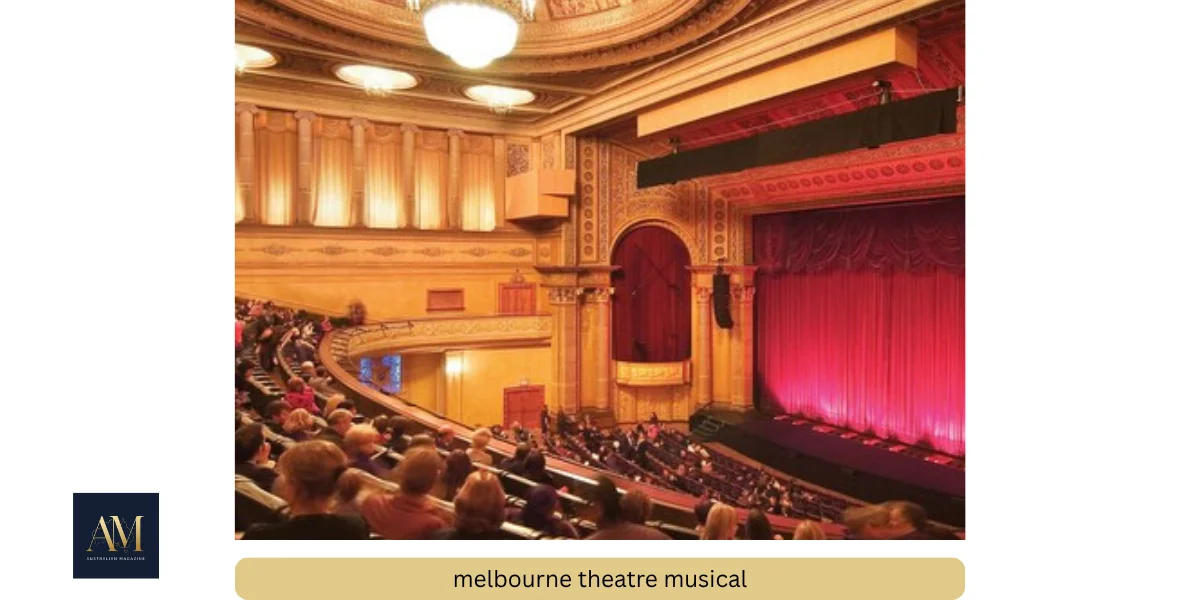
The Velvet Curtain: A Senior Expert’s Guide to Melbourne’s 2026 Musical Theatre Renaissance
The Enigma of Sirius Black: Exploring the Canonical Truth and the Quest for a Wife

Darci McDonald: Resilience, Public Attention, and Life in 2026

Luca Sardelis: Talent, Versatility and Rising Career in Australian Screen

Mumford & Sons Brisbane: A Folk-Rock Connection Built on Energy, Emotion, and Sing-Alongs
The Velvet Curtain: A Senior Expert’s Guide to Melbourne’s 2026 Musical Theatre Renaissance
-
 Celebrity11 months ago
Richard Zachariah – The Story of a Gentleman Journalist
-
 Lifestyle4 months ago
Top Fashion Trends Australia 2026: What Australians Are Wearing Now
-
 News11 months ago
Greg Lynn Appeal-Full Timeline of the High Country Murder Case
-
 Lifestyle4 months ago
Spring 2026 Fashion Trends: The Complete Style Guide
-
 Celebrity10 months ago
Why the Neil Patrick Harris Amy Winehouse Cake Went Viral Again
-
 News11 months ago
Samuel William Davidson – The Oatlands Tragedy, Sentence & the Power of Forgiveness
-
 Entertainment12 months ago
The Unstoppable Rhea Ripley-WWE’s Australian Phenomenon
-
 Lifestyle10 months ago
Tina Arena Husband-Marriage, Long-Term Partner & Where Things Stand Now