
News
Lisa Curry Daughter-A Story of Love, Loss & Strength

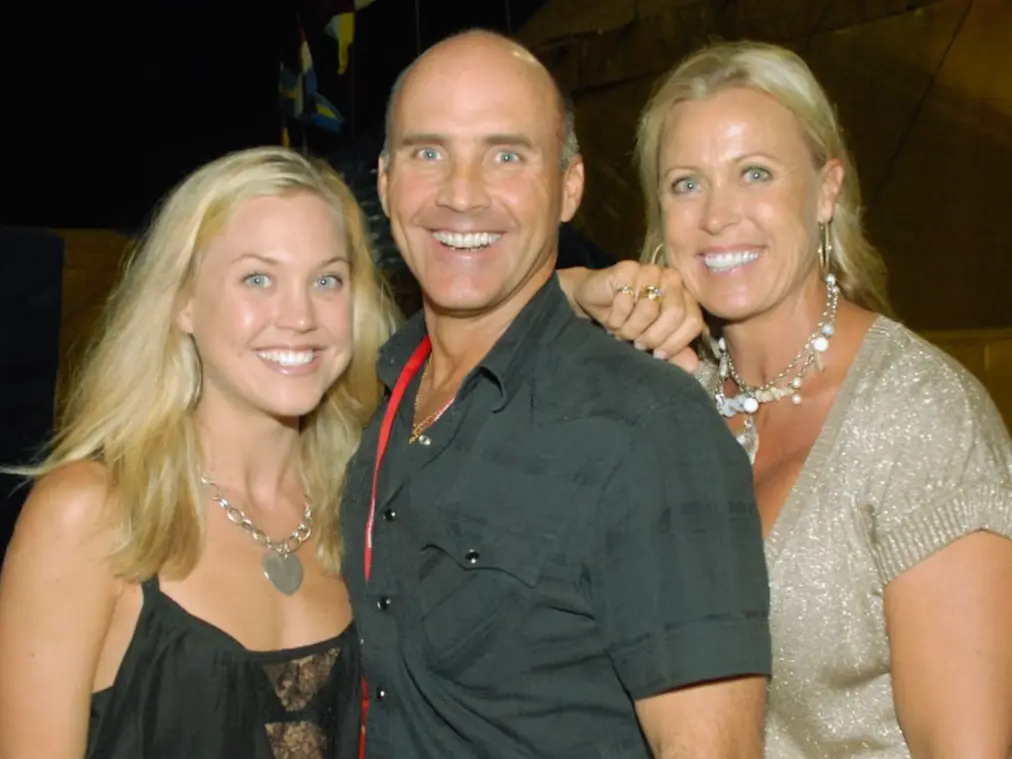
The story of Lisa Curry’s daughter, Jaimi Lee Kenny, continues to move Australians. Her life, quiet resilience and devastating battle with illness shaped her mother’s mission to find meaning in heartbreak. Five years after Jaimi’s passing, Lisa Curry has turned personal grief into public purpose—advocating for mental health awareness, scientific research, and hope for future generations.
Early Life of Lisa Curry’s Daughter, Jaimi Lee Kenny
Born into one of Australia’s best-known sporting families, Jaimi was the eldest daughter of Lisa Curry, a triple Olympian, and Grant Kenny, a national Ironman champion. She grew up alongside siblings Morgan and Jett, surrounded by love, laughter and athletic spirit.
Lisa and Grant, who married in 1984 and separated in 2009, made a conscious decision early on to always be present.
“My dad rarely saw me compete,” Lisa recalled. “So we decided we’d never be like that. We’d be at every sports day.”
That choice defined their parenting. Despite fame, they remained grounded, raising children who valued compassion and effort over medals.
Jaimi herself was remembered as a gentle, creative and kind-hearted young woman who adored “all things pretty and simple”. Flowers, sunlight, wrapping paper, and soft colours made her happy—small beauties that reflected her warm, introspective spirit.
The Long Battle Faced by Lisa Curry’s Daughter
Behind her quiet grace, Jaimi endured a harrowing 18-year struggle with anorexia nervosa, intertwined with mental health issues and alcohol dependency.
Lisa and Grant supported her through countless relapses, hospital stays, and fragile recoveries. Lisa recalled:
“She’d say, ‘Where did it come from? Why am I like this?’”
The emotional toll was immense.
“You just have to find the strength to get through the day,” Lisa said. “It’s sad, it’s tiring, it’s exhausting—but you still have to live your life.”
Lisa explained that addiction and eating disorders are slow destroyers:
“They don’t kill you straight away—they kill you over time.”
Through it all, Jaimi’s gentle nature never left her.
“Even though she kept smiling right to the end, we could see the sadness in her eyes,” Lisa said.

The Final Days & Heartbreaking Goodbye
In September 2020, Lisa and Grant were called urgently to the hospital. Jaimi’s body was failing after years of illness.
Lisa ran to her side, whispering:
“Jaimi, it’s Mum. Open your eyes, baby. Squeeze my hand if you can hear me.”
There was no response.
“She just sort of took a breath and then her hands went cold—that was it,” Lisa recalled. “Watching someone you love die is something you never forget. We held onto every last second we had with her.”
Doctors told them bluntly, “Jaimi will die tonight.”
Lisa sobbed:
“No, no, no—I’m not ready.”
Her heart broke as the machines fell silent. Jaimi was just 33.
“It feels like your heart’s been ripped out,” she said.
Living with Loss – Lisa Curry’s Grief & Recovery
The aftermath was unbearable. For months, Lisa felt paralysed by sadness.
“I was tired of crying,” she admitted during her memoir tour. “At every interview, I had to relive the worst day of my life.”
Still, she kept speaking because, in her words:
“If I can help even one person feel less alone, it’s worth it.”
Her husband Mark Tabone became her anchor. “When I’m down, I just need to see the grandkids or talk to Mark for an hour—it brings me back to life.”
Lisa revealed she was an emotional eater, often drinking too much coffee and not moving enough.
“My body felt stagnant. Today I’m having a green tea instead of coffee—that’s a step,” she joked.
She also shared her dream of one day travelling around Australia with Mark and their dog in a van:
“I feel stuck sometimes, but I know it’ll come. That’s what I want to do—take off with Mark and the dog.”
Lisa Curry Daughter – Remembering Jaimi’s Light
To keep her daughter close, Lisa created an Instagram tribute page filled with floral photos and painted portraits.
“Our beautiful Jaimi loved all things pretty,” she wrote. “I started this page so I can add the pretty photos there. It helps me feel close to her.”
Among the posts are pink roses taken in Olbia, Italy, and the words:
“Forever young, forever 33. 🕊️ We miss you and love you. Love Mumma.”
She later shared a photo montage of happy memories, adding:
“Take a breath and remember that in time, everything will be okay.”
Lisa Curry’s Memoir & Family Reflections
In 2022, Lisa released her memoir “Lisa: A Memoir – 60 Years of Life, Love & Loss.” She began writing it at 50, paused after her co-writer was diagnosed with cancer, and finished it after Jaimi’s death when she turned 60.
“At least my children and grandchildren will never have to wonder who Granny was,” she said.
That week, Lisa appeared on Australian Story, podcasts, and breakfast TV to promote the book.
“It’s been a long week,” she admitted. “I’ve been reliving the worst day of my life on repeat.”
Her eyes, she said, carried “bone-deep weariness.”
The book revealed hidden family trauma. Her mother Pat had endured domestic violence from Lisa’s father Roy. Lisa recorded her mother’s story while she was in aged care, describing it as “awful but necessary.”
“Mum was still seeing a psychologist at 86. She remembered everything. As people get older, memories replay like old videotapes,” Lisa said. “She probably hung on to that her whole life.”
Lisa also reflected on her father:
“Men of his generation weren’t taught to express their feelings. We never talked about how he felt when he and Mum split up.”
After Pat’s death, Lisa found bags of newspaper clippings her mother had saved—articles about Lisa’s swimming career, her kids, and her advocacy work.
“I’m yet to go through them all,” she smiled.

Moments of Joy, Humour & Humanity
Grief never erased Lisa’s sense of humour. Her husband Mark—an Elvis impersonator—once had dinner with Priscilla Presley and Joe Esposito, Elvis’s road manager.
“He called one of Elvis’ friends the other day, and I said, ‘Why do you have his number?’ He said, ‘I’ve got all their numbers!’”
Lisa laughed that during her own career she met Queen Elizabeth II, Princess Diana, and Nelson Mandela, but has no photos.
“We didn’t have mobile phones back then,” she said.
She also joked about her and Grant’s mountain of memorabilia:
“My poor kids—what do we do with it all? Memories can’t be valued like a diamond ring, but they sure take up more space.”
Lisa Curry Daughter – Jaimi’s Dream & Legacy
Before she died, Jaimi wanted to write a book to help others struggling with mental illness.
“It was too late,” Lisa said. “But I hope that by being honest—and knowing that Jaimi wanted to help others—we can help in some small way.”
After her passing, the family grew even closer.
“Everyone’s that little bit tighter now, because in the end, family is all you’ve got,” Lisa reflected.
Turning Pain into Purpose – Lisa’s Mental Health Advocacy
In 2022, Lisa made a plea that moved the nation:
“We put men on the moon, people live in space stations, build the tallest buildings—but we can’t work out how to fix mental health. Please make this a priority in your scientific mind. Please, please, help all the Jaimis in this world.”
That message became her rallying cry—transforming personal tragedy into a national movement for understanding.
Lisa Curry Daughter – The EDGI2 Genetics Study
In 2025, Lisa became the ambassador for the Eating Disorders Genetics Initiative 2 (EDGI2), a world-first study led by Queensland’s QIMR Berghofer Institute.
The study aims to uncover genetic links to eating disorders like anorexia, bulimia, binge-eating disorder and ARFID.
- 4,000 Australians and 100,000 volunteers globally are being recruited.
- Participants send saliva samples to map DNA patterns and identify hundreds of genetic markers.
- Scientists hope to develop a “polygenic risk score”—a tool that could detect vulnerability to eating disorders from birth or even before.
“I’m here to help tell her story,” Lisa said. “To help prevent another parent from losing a child.”
Professor Nick Martin, the lead researcher, explained:
“It’s not your fault—it’s the luck of the draw. By finding these genes, we can finally develop better treatments.”
One of the first Australians to sign up was clinical nutritionist Lexi Crouch, who battled anorexia for 15 years and endured over 25 hospitalisations.
“I didn’t feel seen at all,” Lexi said. “Lisa’s voice helps people like me feel heard.”
Family Unity & Healing
Lisa’s family remains her foundation. She asked Grant if he wanted to meet Mark before their introduction—he agreed. Now, both men get along, even building furniture together for the grandkids.
“I asked Grant if he wanted to meet Mark, and he was all for it,” Lisa said.
Lisa worries about Grant’s private grief.
“He’s a closed book emotionally, and I worry about him. He’s got mates and he’s got me, but it’s not the same.”
Her children Morgan and Jett remain her greatest comfort, always understanding when she needs space or closeness.
She dreams of the future with her grandchildren:
“I want the grandkids to love coming to the farm—to Granny’s place—because it’s a fun place to go. When I’m 90, I’ll be in my rocking chair, telling them all the stories.”
Lisa’s Health Challenges & Renewal
Lisa’s resilience has been tested physically as well as emotionally.
Seventeen years ago, she suffered myocarditis, 22,000 irregular heartbeats a day, mitral-valve prolapse, and endured a month in hospital on antibiotics.
In 2023, she fractured her hip in Canada while dog-sledding, leading to hip replacement surgery. It took months before she could return to exercise.
“Moving my body again has helped heal my mind,” she said.
In 2024, a heart scare in Fiji triggered her defibrillator when her pulse hit 270 bpm.
“It wasn’t a nice feeling. It made me give up alcohol for good,” Lisa said.
She now promotes heart awareness and tells followers:
“Always take symptoms seriously, even if they seem small.”
Lisa Curry Daughter-Fifth Anniversary Tribute
On 14 September 2025, Lisa shared a powerful post marking five years since Jaimi’s passing.
“The grief started before she was gone. Living with hope, living in fear—it was all-consuming. Even though we are still sad inside, we feel lighter, able to smile, laugh, and continue on. As long as we breathe, we will remember our beautiful Jaimi.”
Her husband Mark Tabone added:
“Jaimi’s legacy continues to help individuals and their families survive. Through her mother’s voice and experience, she has already helped many.”
Lisa closed her post with:
“We’re so sorry we couldn’t save you. Forever young and beautiful. We love you, Jaimi.”
Support Services & Continuing Mission
Lisa continues to raise awareness through her platform, encouraging open discussion about mental health and eating disorders.
If you or someone you know is struggling, support is available:
- Butterfly Foundation Helpline: 1800 33 4673
- Website: butterfly.org.au
“As long as we breathe, we will remember our beautiful Jaimi,” Lisa said. “We don’t know how strong we are until strong is all we’ve got.”
Lisa Curry Daughter-A Legacy That Lives On
Five years on, the story of Lisa Curry’s daughter has evolved into something greater than tragedy—it has become a message of love, resilience, and transformation.
Through her memoir, her partnership with EDGI2, and her unwavering public voice, Lisa continues to fulfil Jaimi’s unfinished dream: to help others live.
Her journey is one of courage through heartbreak, proof that even in loss, there can be light.
FOR MORE RELATED ARTICLES VISIT US AT AUSTRALIANMAGAZINE.COM.AU


In today’s media landscape, certain individuals find themselves thrust into the spotlight not by choice, but through circumstances that test their character. Leigh Pickford is one such person. An Australian woman whose life has drawn public attention due to deeply personal and legal matters, she has come to represent quiet strength and the human capacity to endure hardship while maintaining dignity.
Having followed public stories involving ordinary people facing extraordinary challenges for over thirty years, I’ve learned that these narratives often reveal more about society’s values than about the individuals themselves. Leigh Pickford’s journey offers powerful insights into resilience, privacy, and the complexities of living life under scrutiny.
Background
Leigh Pickford is based in Australia, where she has navigated life away from the limelight for much of her earlier years. Like many Australians, her story is rooted in everyday realities — family, community, and personal aspirations. However, specific events brought her into the public consciousness, turning private struggles into matters of broader interest.
What stands out in her background is the ordinary foundation from which her story unfolded. This relatability is perhaps why her experiences have resonated with so many. She represents countless individuals who face unexpected trials without the armour of fame or fortune.
Key Events
Leigh Pickford gained media coverage due to a series of personal and legal challenges that tested her resilience in profound ways. While the specifics of these events are complex and often deeply personal, they highlighted issues many face, but few discuss openly — matters involving justice, personal boundaries, and emotional endurance.
Throughout these difficult periods, Pickford demonstrated a level of composure that drew both sympathy and admiration. Public records and media reports portrayed her as someone determined to stand her ground and seek resolution through proper channels, even when the process was lengthy and emotionally draining.
In my experience covering similar stories, individuals like Leigh often become unintentional symbols. Their cases bring attention to systemic issues — whether in legal processes, support for those facing personal crises, or the role of media in shaping public perception.
Public Response
The public reaction to Leigh Pickford’s story has been mixed but notably compassionate in many circles. Many Australians followed her journey with interest, seeing in her experience reflections of their own vulnerabilities or those of their loved ones.
Social media played a significant role, with supporters offering messages of encouragement and calling for fairness. Others engaged in more critical discussions about privacy rights and the ethics of media coverage in personal legal matters.
This duality is common in high-profile personal stories. On the one hand, public attention can provide a sense of solidarity; on the other, it can intensify pressure on the individual at the centre. Leigh appears to have handled this delicate balance with notable grace, focusing on her own path rather than getting lost in the noise of public opinion.
Lessons on Resilience and Privacy
From an expert perspective shaped by decades of observing human stories, Leigh Pickford’s experience underscores several important truths:
- Strength is often quiet. True resilience doesn’t always look dramatic — it frequently appears as persistence, dignity, and the choice to keep moving forward.
- Privacy remains precious. In an age of constant sharing, protecting one’s personal boundaries becomes an act of self-preservation.
- Support systems matter. Family, legal counsel, and community networks play crucial roles in helping individuals weather storms.
- Media narratives evolve. Initial coverage may focus on drama, but deeper stories often reveal nuance and human complexity over time.
For anyone facing similar challenges, Leigh’s story serves as a reminder that seeking professional guidance, setting boundaries, and prioritising mental wellbeing are essential steps.
Current Life (2026)
As of 2026, Leigh Pickford continues to focus on her personal life and any ongoing matters related to her journey. Reports suggest she has maintained a relatively low public profile, concentrating on rebuilding stability and moving forward after years of intense attention.
This phase reflects a common pattern among those who have endured prolonged public scrutiny — a return to normalcy and private healing. While she may not seek the spotlight, her earlier experiences have left a lasting impression on those who followed her story.
Her current approach appears grounded and forward-looking, emphasising personal growth over continued public engagement. This choice deserves respect and highlights the importance of allowing individuals space to recover and redefine their lives on their own terms.
Conclusion: The Enduring Power of Human Resilience
Leigh Pickford’s story is ultimately one of human resilience in the face of adversity. While the details of her challenges are unique, the themes of strength, dignity, and perseverance are universal. In sharing aspects of her journey with the public, whether willingly or through circumstance, she has contributed to broader conversations about justice, privacy, and support for those navigating difficult times.
For readers, her experience offers valuable perspective: life can change unexpectedly, but the human spirit possesses remarkable capacity for recovery. As we move further into 2026 and beyond, stories like Leigh’s remind us to approach public narratives with empathy and to value the quiet strength that often goes unseen.
In a world quick to judge and even quicker to move on to the next headline, remembering the real people behind the stories — their struggles, their growth, and their right to privacy — remains as important as ever.

Many stories make their way into the public eye, but not all belong to people who sought that attention. Katherine Pearson is one such individual — an Australian woman whose life unexpectedly became a subject of media coverage and public discussion due to personal and legal circumstances. What began as private matters soon unfolded into a story that captured the nation’s curiosity, offering a clear example of how quickly life can change when circumstances bring you into the public eye.
Over time, Katherine Pearson has become known not just for the events that brought her into the news, but for the way she navigated those challenges. Her journey is defined by resilience, a commitment to privacy, and the determination to move forward despite scrutiny. This article explores her background, the key events that shaped her public profile, how people responded to her story, and where she is focusing her life as of 2026.
Background
Katherine Pearson is based in Australia, where she spent the majority of her early years living a quiet, private life. Before the events that brought her into the spotlight, there was little public information about her — she was focused on her personal responsibilities, family, and daily life, just like millions of others.
Her entry into public awareness was not a choice or a career move. It came when her personal circumstances intersected with legal and public matters that attracted the interest of news outlets and observers. This shift from private citizen to someone regularly mentioned in the media was sudden and unplanned, requiring her to adapt to a reality most people never have to face.
Throughout this transition, one consistent quality became clear: her desire to protect her own dignity and the privacy of those close to her. She did not seek fame or publicity, and her actions over the years have reflected a preference for letting facts speak for themselves rather than seeking attention or sympathy.
Key Events
The turning point in Katherine Pearson’s public profile came from a series of events that unfolded gradually, drawing increasing attention as details emerged. These events centred on complex personal and legal challenges that raised questions and sparked discussion across Australia.
While the specifics of these matters have been reported in various news sources, it is important to focus on the broader context of how they affected her life:
Initial Public Awareness: Coverage began when her situation became linked to formal proceedings and investigations. At this early stage, information was still limited, leading to a mix of accurate reporting and public speculation.
Growing Scrutiny
As the process continued, interest grew. Media outlets followed developments closely, and details — sometimes incomplete or taken out of context — began to circulate. This period brought significant pressure, as her personal life became open to interpretation and discussion by strangers.
Clarifying the Narrative
Over time, Katherine Pearson chose to share certain aspects of her experience. This was done not to gain attention, but to address misinformation, provide clarity, and ensure that her side of the story was understood. She spoke with measured care, focusing on facts rather than emotion.
Navigating Uncertainty: Every step of the journey required balancing legal obligations, personal boundaries, and the public’s interest. It was a complex path, and one that tested her patience and resolve at every stage.
One of the most important lessons from this period is the difference between verified facts and assumptions. As with many stories in the public domain, not everything reported was fully accurate, and distinguishing between the two required careful attention from readers and observers.
Public Response
When a private individual finds themselves in the news, reactions are almost always mixed — and Katherine Pearson’s case was no exception. The public response reflected a wide range of perspectives, offering insight into how society views people caught in difficult circumstances.
Support and Empathy
A large portion of the public responded with understanding and respect. Many recognised that being under constant media observation during a difficult time adds a heavy burden that no one should have to carry. People expressed sympathy for the stress and disruption she faced, and emphasised that everyone deserves the space to work through personal challenges without constant oversight.
Curiosity and Debate
Naturally, the story also sparked curiosity. People wanted to understand the context, the legal process, and how such situations unfold. This led to broader conversations about media responsibility, the line between public interest and private life, and how individuals are treated once they enter the public eye. These discussions highlighted important questions about privacy and fairness in the modern media landscape.
Key Takeaways for Readers
From Katherine Pearson’s experience, there are valuable lessons that apply to how we consume and respond to news stories:
Look for verified information: It is easy to form opinions based on headlines or incomplete reports, but reliable understanding requires seeking out confirmed facts.
Respect personal boundaries: Even when information is available, there is a difference between being informed and invading someone’s private life.
Recognise strength in quiet persistence: Facing public attention while dealing with personal challenges requires great inner strength, and moving forward without giving in to pressure is a notable achievement.
Current Life (2026)
As of 2026, the intense period of media attention has settled significantly. Katherine Pearson has entered a new chapter, where her focus has returned to what matters most: her personal life, family, and future stability.
She continues to handle any remaining matters related to her past with the same careful, thoughtful approach she has shown from the beginning. There is no indication that she seeks further public attention; instead, her priority is to restore the sense of normalcy disrupted by events in previous years.
Those who follow her story will note that her current choices reflect a clear intention: to leave the spotlight behind and live life on her own terms. This decision is itself a sign of how far she has come — from someone caught in a situation beyond her control, to someone who has reclaimed ownership of her own path.
Conclusion
Katherine Pearson’s story is not one of fame, achievement, or public ambition. It is a story about what happens when ordinary life intersects with extraordinary circumstances, and how a person responds to pressure, scrutiny, and uncertainty.
From her quiet beginnings in Australia, through the challenges that brought her into the public eye, to her focus on stability and privacy in 2026, her journey highlights the importance of resilience and self‑determination. It reminds us that behind every headline, there is a real person with feelings, rights, and a life that goes far beyond the details reported in the news.
For readers, her experience offers a valuable perspective: to look beyond the surface of any story, to respect the humanity of those involved, and to recognise that strength is often found not in being in the spotlight, but in having the courage to move forward and rebuild when the attention fades.

In the landscape of public interest, some stories do not come from the worlds of film, music, or politics, but from ordinary individuals whose lives become part of the broader conversation. Darci McDonald is one such name. An Australian woman who stepped into the spotlight not by choice but through a series of personal and legal developments that captured national media attention offers a compelling look at resilience, privacy, and how to move forward under public scrutiny.
Over the years, Darci McDonald has navigated the difficult line between living her life and being the subject of news reports and public discussion. While her story has been told in various outlets, it is important to look beyond the headlines to understand the full picture—where she came from, what challenges she faced, how the public responded, and where she stands today in 2026.
Background
Darci McDonald is based in Australia, and her early life remained largely private before she became known to the wider public. Like many people, she spent her formative years away from cameras and media attention, focused on personal growth, family, and community life. This background of normalcy makes her later experience all the more notable: the shift from a private citizen to someone whose name appeared regularly in news reports.
Her entry into public awareness began when she became associated with specific events and legal matters that drew significant coverage. It is important to note that the focus of this attention was not on her career or public achievements, but on personal circumstances that unfolded in the public domain. This distinction is key—she was not a public figure seeking fame but an individual whose life circumstances brought her into the media’s view.
Throughout this period, one consistent trait emerged: her determination to maintain her dignity amid external scrutiny. Those who have followed her story recognize that she has always prioritized her well-being and the stability of her personal life, even in the face of intense scrutiny.
Key Events
The turning point in Darci McDonald’s public profile came from a series of events that unfolded over time, leading to widespread media coverage. These events centered on legal and personal challenges that raised questions, sparked discussion, and brought her name into homes across Australia.
While the details of these matters have been reported in various news sources, the core of the story lies in how she responded to them:
Initial Attention: The first reports emerged when her personal situation intersected with legal proceedings, prompting curiosity from the public and journalists alike.
Media Scrutiny: As the story developed, coverage increased, leading to both factual reporting and speculation. This period tested her ability to protect her privacy while the facts were being established.
Sharing Her Journey: In time, Darci McDonald chose to share certain aspects of her experience. This was not done to seek sympathy, but to offer clarity, address misinformation, and highlight the reality of living through such challenges.
Navigating Complexities: Every step of the process involved balancing legal requirements, personal boundaries, and the public’s right to information—a challenge that many people never have to face.
One important observation from her journey is the difference between verified facts and public speculation. As with many stories in the media, some reports were based on confirmed details, while others relied on assumptions. Darci McDonald’s approach remained consistent: to let the facts speak for themselves and focus on what mattered most to her future.
Public Response
When a private individual becomes a subject of news, the public reaction is almost always mixed—and Darci McDonald’s case was no exception.
Support and Empathy
A large portion of the public responded with understanding. Many recognized that being in the spotlight under difficult circumstances is a heavy burden, and expressed respect for her ability to keep moving forward. Comments from readers and viewers often highlighted the importance of privacy, noting that everyone deserves the chance to work through personal struggles without constant observation.
Curiosity and Debate
At the same time, the story sparked natural curiosity. People wanted to understand the background of the events, the legal context, and how such situations unfold. This led to discussions about media responsibility, the line between public interest and private life, and how individuals are treated once they are in the news.
Lessons for Readers
From a broader perspective, Darci McDonald’s story offers useful insights:
Respect Boundaries: Even when information is available, respecting the privacy of those involved is essential.
Seek Verified Information: Not everything reported in the media is fully accurate; looking for reliable sources helps avoid forming opinions based on speculation.
Strength in Adversity: Her ability to stay focused on her well-being serves as a reminder that challenges can be faced with resilience.
Current Life (2026)
As of 2026, Darci McDonald has entered a new chapter. The intense media attention that surrounded her in previous years has settled, allowing her to refocus on what matters most: her personal life, family, and future goals.
Recent updates make it clear that her priority is stability and normalcy. She continues to handle any remaining matters related to her past with the same measured approach she has always shown. There is no indication of seeking further public attention; instead, she appears committed to living life on her own terms, away from the constant gaze of the media.
Looking at her journey up to this point, it is evident that her experience has shaped her perspective. She has demonstrated that even when circumstances force you into the public eye, it is possible to retain your sense of self and move toward a more peaceful future.
Conclusion
Darci McDonald’s story is not one of fame or celebrity achievement, but of resilience. It is a reminder that life can change unexpectedly, and that facing challenges with composure and determination makes all the difference.
From a private life in Australia to becoming a subject of national attention, and finally to finding balance again in 2026, her journey shows that the most important progress is often quiet and personal. For readers, it offers a valuable lesson: look beyond headlines, respect the humanity behind every story, and recognize that strength often lies in the choice to keep moving forward.
As Darci McDonald continues to focus on her personal life, her story remains a testament to the fact that, no matter what challenges arise, the path forward is always possible with patience and resolve.

Human-in-the-loop customer service: how NeonNow IQ divides contact centre work between AI and people

Saskia Beer: The Life, Work, and Lasting Legacy of an Australian Food Innovator

Love Island Australia 2026: Why Fans Chasing Fiji Villa Gossip Online Need to Slow Down Before They Click
Colin Beer: The Quiet Architect Behind a Gourmet Food Legacy

Melissa Agnew: Mastering the Art of Authentic Voice in Australian Media

Ian White Management: Guiding Athletes to Success
Katherine Pearson: Strength, Resilience and Life Beyond the Headlines

Harrison Gilbertson in Fallen: Bringing a Fallen Angel to Life

Actors Equity Australia: Protecting and Empowering Performers

JK Kazzi: The Charismatic Voice of a New Generation of Cultural Influencers
-
 Celebrity12 months ago
Richard Zachariah – The Story of a Gentleman Journalist
-
 Lifestyle5 months ago
Top Fashion Trends Australia 2026: What Australians Are Wearing Now
-
 Lifestyle12 months ago
Matt Moran Liberal-From Service to Leadership in Western Australia
-
 Lifestyle5 months ago
Spring 2026 Fashion Trends: The Complete Style Guide
-
 News10 months ago
Beau Lamarre-Condon – Inside the Case, the Charges, and the Court Timeline
-
 News12 months ago
Samuel William Davidson – The Oatlands Tragedy, Sentence & the Power of Forgiveness
-
 Entertainment5 months ago
How Australian Players Are Choosing Their Online Casino in 2026
-
 Entertainment1 year ago
The Unstoppable Rhea Ripley-WWE’s Australian Phenomenon