
News
Travis Scott Melbourne-The Rape Case That Haunted St Kilda for Decades

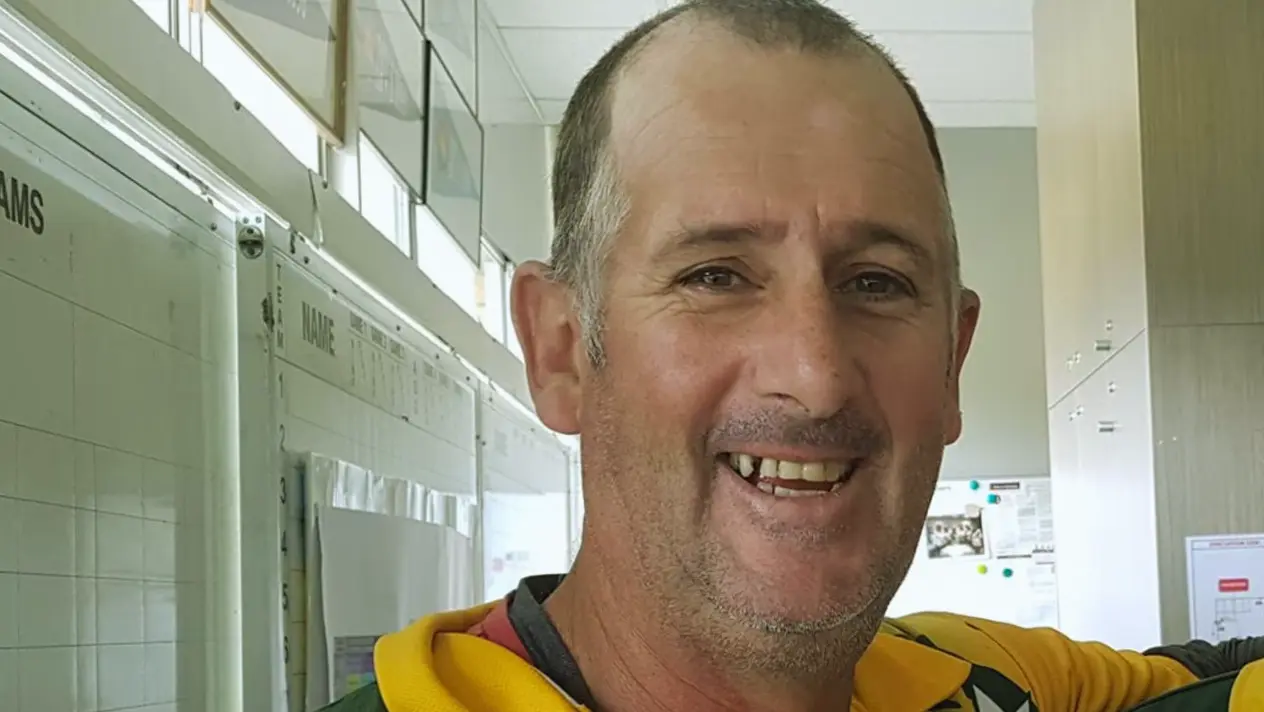
Important note: This article is about Travis Scott Rielly, an Australian man convicted over a 1988 rape in Melbourne. He is not related to the US rapper known professionally as Travis Scott.
The phrase “Travis Scott Melbourne” has become shorthand for one of Victoria’s most disturbing historical rape cases. In 1988, a 19-year-old woman walking home in St Kilda was abducted by three men, driven to Elwood Beach & raped. For almost four decades her attackers were unknown. That changed when DNA evidence finally led detectives to Travis Scott Rielly, who was living quietly in Queensland. (Turn 0search0)
In 2025, Rielly was sentenced in the Victorian County Court to nine years and nine months in prison, with a non-parole period of six and a half years, for aggravated rape. (Turn 0search0) The case often referred to online as the “Travis Scott Melbourne rape case” shows how forensic science can deliver justice decades later, while also highlighting the enormous toll sexual violence takes on survivors.
This blog looks at different aspects of Travis Scott Melbourne – who Rielly is, what happened on the night of the attack, how the case was solved, the court outcome, and what it means for survivors and the justice system today.
Travis Scott Melbourne-Who Is Travis Scott Rielly?
Before his arrest, Travis Scott Rielly was not widely known outside his local community. Reporting describes him as a Queensland man in his late fifties who had been seen as a relatively ordinary, even helpful, figure. He was involved in community activities and lawn bowls in Queensland and had built the image of a respectable middle-aged man. (Turn 0search3)
Behind that image was a secret that stretched back to the late 1980s. At the time of the crime, Rielly was a young man in his early twenties living in Victoria. After the attack, he eventually left the state, travelling around Australia and later settling in Queensland. For decades he went about his life while the woman he assaulted tried to rebuild hers. (Turn 0search6)
By the time police finally identified him as a suspect in the Travis Scott Melbourne rape case, he was 58 years old and had largely avoided serious trouble with the law, something the sentencing judge later acknowledged when assessing his background. (Turn 0search7)
Travis Scott Melbourne-The Night of the 1988 St Kilda Attack
The crime at the centre of the Travis Scott Melbourne case took place in the early hours of 23 January 1988. The victim, a 19-year-old woman, had spent the night out with friends at the Linden Tree, a late-night bar in St Kilda known for its music and nightlife. (Turn 0search6)
After the evening ended, she began walking home alone along Carlisle Street. As she walked, a car with three men inside was effectively hunting for a woman they could “find” and have sex with together – a plan that the judge later said turned into rape when they saw the victim on the street. (Turn 0search6)
According to agreed facts, the men:
- grabbed the woman from behind
- forced her into the back seat of the car
- covered her mouth when she screamed for help
- drove her to nearby Elwood Beach, a short distance from St Kilda
At the beach, two of the men – including Rielly – raped her while the third stayed outside the vehicle. (Turn 0search0)
After the attack, the men pushed the young woman out of the car and drove away, leaving her traumatised and alone. She managed to run to a friend’s house nearby and report what had happened. She also underwent a forensic medical examination, including the collection of samples that would become critical decades later. (Turn 0search6)
The judge later described the assault as “every woman walking alone in the street’s nightmare”, emphasising that the woman was targeted precisely because she was vulnerable and alone. (Turn 0search0)

Travis Scott Melbourne-An Unsolved Case That Lasted Nearly 40 Years
Despite the victim reporting the attack immediately and the collection of forensic evidence, investigators in 1988 were unable to identify the offenders. DNA technology at the time was either unavailable or in its infancy, and the samples taken from the examination did not lead to arrests. (Turn 0search5)
For the woman at the centre of the Travis Scott Melbourne case, this meant living with the knowledge that the men who attacked her had never been caught. In a victim-impact statement read to the court, she said her life changed that night for the worse and that the trauma had shaped everything that followed. (Turn 0search6)
She had been an aspiring artist who was about to begin an art course. After the rape, her ambitions were derailed. Over the years she developed post-traumatic stress disorder, depression and agoraphobia, and has struggled to maintain employment. (Turn 0search0)
For almost four decades, the case remained unsolved:
- The forensic material stayed in police custody.
- The victim went on with her life under the shadow of the attack.
- The offenders, including Rielly, were not identified or charged.
The “Travis Scott Melbourne rape case” became one of many historical crimes where the chances of justice seemed to shrink with each passing year.
Travis Scott Melbourne-The DNA Breakthrough That Changed Everything
The turning point in the Travis Scott Melbourne case came in 2021, far from the streets of St Kilda.
That year, police in Queensland dealt with Travis Scott Rielly over an unrelated dangerous driving or drink-driving matter. As part of that process, authorities obtained a sample of his DNA. When that sample was checked against the national database, it produced a match to the DNA taken from the 1988 assault. (Turn 0search0)
This match triggered a major development:
- The 1988 rape investigation in Victoria was reopened in 2021 after the DNA result. (Turn 0search8)
- Detectives reviewed the old St Kilda case with modern forensic tools and procedures. (Turn 0search6)
- Rielly, now in his late fifties and living in Queensland, became the key suspect.
- Police waited for Rielly to complete his Queensland sentence and then moved to extradite him to Victoria. (Turn 0search0)
This DNA breakthrough is why “Travis Scott Melbourne” now sits alongside other Australian cases where historical sexual offences have been solved years later thanks to improved forensic science.
Travis Scott Melbourne-Charges, Extradition & Court Proceedings
Once Victoria Police had the DNA link, the Travis Scott Melbourne rape case moved quickly into the courts.
Extradition and charges
In October 2024, after Rielly was released on parole in Queensland, he was extradited to Victoria to face charges over the 1988 attack. (Turn 0search8)
Initially, prosecutors laid multiple counts relating to the abduction and rape of the 19-year-old woman in St Kilda, including: aggravated rape, rape, abduction by force, kidnapping and false imprisonment. (Turn 0news12)
During early court appearances, the defence requested time to obtain further material and arrange independent DNA analysis. This is standard practice in serious historical cases where much rests on forensic evidence. (Turn 0news12)
Plea & pre-sentence hearing
Ultimately, Travis Scott Rielly pleaded guilty to aggravated rape in the Victorian County Court. (Turn 0search0)
At a pre-sentence hearing, the court heard:
- Rielly’s explanation that he met the other men on the night of the attack at a house party. (Turn 0news13)
- His claim that the group went out intending to find a woman with whom they would all have sex. (Turn 0news13)
- His statement that he did not remember much of the night and never saw the co-offenders again, leaving soon after on a backpacking trip. (Turn 0news13)
The victim’s impact statement was also read, describing how the attack had “ruined” her life and stripped away her dreams of becoming an artist. (Turn 0news13)
Sentencing outcome
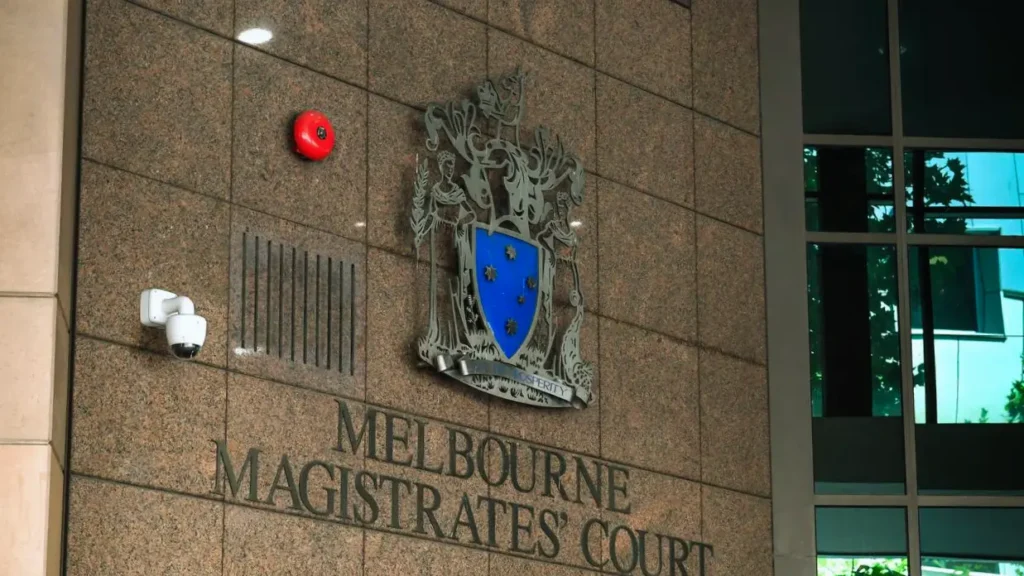
In September 2025, Judge Gerard Mullaly sentenced Rielly for the aggravated rape. The judge described the offence as a serious example of aggravated rape and said the court needed to denounce his conduct. (Turn 0search0)
Key points from the sentence in the Travis Scott Melbourne case:
- Total sentence: 9 years and 9 months in prison
- Non-parole period: 6 years and 6 months
- Sentencing had to follow 1988 laws, which capped the available penalty lower than modern legislation. (Turn 0news11)
Judge Mullaly accepted that Rielly had shown genuine remorse, supported by an apology letter and an early guilty plea, and that he had mostly stayed out of serious trouble in the years since the offence. But the judge emphasised that denunciation and deterrence were the most important factors, given the gravity of the attack. (Turn 0search0)
Travis Scott Melbourne-The Survivor’s Long Road
Although the Travis Scott Melbourne sentencing finally delivered a measure of justice, the court heard that the impact on the survivor has been lifelong.
In her statement, the woman described:
- feeling as though her life had been “ruined” by the attack
- losing her sense of safety and independence
- the collapse of her artistic ambitions and dreams
- decades of mental-health struggles including PTSD, depression and agoraphobia
- difficulty maintaining work and relationships because of the trauma (Turn 0search6)
She said the rape turned what was supposed to be a fun night out into a turning point that changed everything for the worse. The fact that her attackers were unknown for so long compounded the pain, leaving her to live with the thought that they were free in the community while she tried to survive day-to-day. (Turn 0search0)
The eventual conviction of Travis Scott Rielly did not erase the past, but it did bring recognition of the harm she suffered and a clear finding of legal responsibility. For many survivors, that acknowledgement is an important part of healing.
Travis Scott Melbourne-Life in Queensland Before the Arrest
One of the striking aspects of the Travis Scott Melbourne story is the contrast between Rielly’s secret past and the life he appeared to lead in later years.
Public reporting and social media coverage describe him as living in Queensland, involved in a local bowls club, and seen as a community volunteer. (Turn 0search3)
To people who knew him casually, he may have seemed like an ordinary man in middle age – someone who played sport, socialised and contributed to local events. The historic rape in Melbourne was not publicly known until the DNA match.
When police finally connected his DNA to the 1988 case and he was charged, that carefully built everyday image collapsed. The contrast underscores how offenders in historical sexual assault cases can live apparently typical lives for years while hiding serious crimes from their past.
Travis Scott Melbourne-Why the Case Matters for Historical Sexual Assault
The Travis Scott Melbourne rape case is part of a broader pattern in Australia, where advances in forensic technology and better data-sharing have allowed police to revisit unsolved sexual offences.
There are several reasons the case is significant:
- Power of DNA evidence – The match between Rielly’s DNA and the sample taken in 1988 is a textbook example of how stored forensic material and modern databases can solve crimes that once seemed unsolvable. (Turn 0search6)
- Recognition of long-term harm – The sentencing judge acknowledged the survivor’s decades of trauma and the way the attack ruined opportunities she would otherwise have had. This explicitly recognises that sexual violence is not a short-term injury but a lifelong burden. (Turn 0news11)
- Denunciation of predatory group behaviour – Judge Mullaly’s remarks stressed that three men hunting for a woman in the street, then abducting and raping her, represented a particularly serious form of predatory violence. That public denunciation sends a clear message about group offending and accountability. (Turn 0news11)
- Encouragement for other survivors – Seeing an old case like Travis Scott Melbourne finally reach a conviction can encourage other survivors of historical assaults to come forward, especially when they learn that evidence they provided decades ago may still be useful today.
- Limitations of older sentencing laws – Because the offence happened in 1988, the judge had to apply the laws that existed at the time, including lower maximum penalties. Even with a serious head sentence, this highlights the gap between community expectations today and the sentencing framework from earlier decades. (Turn 0news11)
Media Coverage & Public Discussion
Searches for “Travis Scott Melbourne” now return extensive coverage from Australian media outlets, including TV networks, digital news sites and commentary platforms. These stories typically focus on:
- the facts of the 1988 rape
- the DNA breakthrough in 2021
- the extradition from Queensland
- the victim’s statement and the emotional toll
- the final sentence handed down in 2025 (Turn 0news13)
Some reports also emphasise the chilling detail that the men went out with the explicit intention of finding a woman to share sexually, and that this plan turned directly into rape when they saw the victim walking home. (Turn 0search6)
At the same time, there is understandable concern about confusion between Travis Scott Rielly and the US rapper Travis Scott (Jacques Webster), especially when people search only for “Travis Scott Melbourne”. Clear reporting that uses Rielly’s full name and explains that he is a different person helps prevent misinformation and unfair association with unrelated public figures.
Support for Survivors & Community Impact
Cases like Travis Scott Melbourne can be distressing to read about, particularly for people who have experienced sexual assault themselves. That is why many articles and court reports include information about support services such as 1800RESPECT, the national sexual assault, domestic and family violence counselling service. (Turn 0search0)
From a community perspective, the case reinforces several important messages:
- Reporting matters, even when victims fear they may not be believed or the case will go nowhere. In this instance, the forensic samples taken in 1988 eventually became the key to solving the crime.
- Forensic evidence should be preserved, because technology continues to improve and can unlock answers years later.
- Survivors are not forgotten, even when cases go cold. The reopening of the St Kilda investigation after new DNA information came to light demonstrates ongoing commitment by police to unresolved serious offences. (Turn 0search8)
The Travis Scott Melbourne rape case also contributes to broader discussions about women’s safety in public spaces, the responsibility of men to challenge violent attitudes among peers, and the importance of a justice system that is willing to revisit historical wrongs.
What the Travis Scott Melbourne Case Tells Us About Justice & Time
The story now known as Travis Scott Melbourne spans almost forty years. In 1988, a young woman walking home from a night out was abducted and raped by three men, including Travis Scott Rielly. For decades, the case remained unsolved, even though she reported the crime and went through a forensic examination.
Only in 2021 did a DNA match finally connect Rielly to the attack, after he was dealt with in Queensland for an unrelated matter. His extradition to Victoria, guilty plea and eventual sentence of nine years and nine months’ jail show how forensic science and persistent policing can eventually catch up with offenders who once seemed beyond reach. (Turn 0news11)
For the survivor, justice arrived late, and it cannot restore the life she might have had. But the Travis Scott Melbourne rape case stands as a powerful reminder that serious sexual violence is not forgotten, and that even after many years, truth and accountability are still possible.
If you or someone you know is affected by sexual violence, contact 1800 RESPECT (1800 737 732) for free, confidential support.
FOR MORE RELATED ARTICLES VISIT US AT AUSTRALIANMAGAZINE.COM.AU


Big Sky Publishing is one of the clearest examples of what independent publishing can achieve when guided by purpose rather than scale alone. Based in Newport, New South Wales, this 100% Australian-owned publisher has built a strong identity around local stories, national memory, and books that speak directly to Australian readers. In a market crowded with global imprints and commercial churn, Big Sky has carved out a reputation for authenticity, editorial care, and subject matter that matters.
What makes the company especially interesting is not just what it publishes, but how it publishes. Big Sky combines the reach of traditional publishing with a sharp focus on Australian content, supported by wide distribution through Simon & Schuster Australia. That balance has helped it grow into a respected name across military history, biography, true stories, current affairs, lifestyle, Indigenous perspectives, and children’s publishing.
What Is Big Sky Publishing?
Big Sky Publishing is an independent Australian book publisher established to champion local stories and Australian voices. Its catalogue reflects a clear editorial mission: to preserve, explain, and celebrate the country’s history, culture, and lived experience.
Unlike many publishers that chase trends across every category, Big Sky has built depth in carefully chosen areas. That focus gives the brand consistency and credibility. Readers know what to expect: well-produced books, strong research, and a commitment to authenticity.
The Publishing Identity Behind Big Sky
A publisher’s identity is often defined by three things: the stories it chooses, the standards it keeps, and the audience it serves. Big Sky performs strongly in all three.
1. Local and independent
Being independently owned matters. It allows Big Sky to support Australian authors and projects that larger multinational houses might otherwise overlook. It also means editorial decisions can be made with local relevance in mind, rather than only global commercial appeal.
2. Traditional publishing model
Big Sky operates through the classic publishing process:
- manuscript development
- editing
- design and production
- marketing
- distribution
That is important because it signals a full-service approach. Authors are not just handed a logo and a stock template; they benefit from editorial support and market-facing production standards.
3. Strong distribution reach
Through distribution by Simon & Schuster Australia, Big Sky titles gain access to a much wider retail network than many small publishers can reach on their own. That helps its books appear in bookstores, online retailers, and direct sales channels with far greater visibility.
Core Genres and Publishing Strengths
Big Sky’s list is broad enough to attract different readers, but focused enough to remain coherent. Its strengths sit in areas where research, clarity, and credibility matter.
Military history and Australiana
This is one of Big Sky’s signature areas. The publisher is especially well known for books dealing with Australia’s wartime past, military heritage, and national identity. Its role as the official publisher for the Australian Army History Unit adds weight to this reputation.
These books appeal to:
- history readers
- veterans and defence communities
- families researching service records
- educators and institutions
- anyone interested in Australian identity
A strong military history title does more than recount battles. It places events in context, explains their significance, and preserves the human stories behind the record. Big Sky’s focus on accuracy makes it well suited to this kind of publishing.
Biography and true stories
Readers are drawn to real lives because they reveal larger truths. Big Sky publishes memoirs, personal journeys, and lived experiences that resonate with authenticity. This is a category where the publisher’s editorial restraint matters. Good biography is not about exaggeration; it is about clarity, honesty, and structure.
True crime and current affairs
In true crime and current affairs, trust is everything. Readers expect careful reporting, sound evidence, and a serious tone. Big Sky’s strength here is its reputation for well-researched, reliable content rather than sensationalism.
Health, lifestyle, and self-help
This category broadens the publisher’s audience and adds practical value. Well-made lifestyle books need to be accessible, useful, and clearly written. Big Sky’s experience with straightforward, reader-friendly nonfiction gives it an advantage here.
Indigenous culture
Publishing Indigenous histories and perspectives requires sensitivity, consultation, and editorial discipline. Big Sky’s inclusion of this area shows an awareness that Australian publishing should reflect the full breadth of the nation’s stories, not just its dominant narratives.
Children’s books
Branded as “little books with big messages,” Big Sky’s children’s titles are designed to be both entertaining and meaningful. Picture books, early readers, and educational stories serve an important role: they introduce values, language, and ideas in a format children can absorb easily.
Why Big Sky Publishing Stands Out
There are many publishers in Australia, but Big Sky has a few traits that make it distinctive.
It values authenticity
Readers can usually sense when a book has been treated carelessly. Big Sky has built a reputation for books that feel grounded, researched, and purposeful. That matters enormously in nonfiction, where trust is the product.
It supports Australian stories.
There is real value in a publisher that prioritises local material. Australian stories often need a champion because they may not fit the assumptions of larger international markets. Big Sky fills that role well.
It offers professional production standards.s
Independent does not mean amateur. Big Sky’s books are expected to meet the same editorial and design standards readers would associate with major trade publishers.
It reaches both niche and general readers.
Some publishers are too specialised to grow widely; others are so broad that they lose identity. Big Sky manages a useful middle ground. It can publish specialist military history and still appeal to general readers looking for engaging nonfiction or children’s titles.
Practical Examples of the Big Sky Approach
Consider what this model looks like in practice.
- A military history title may combine archival research, veteran testimony, maps, photographs, and narrative structure to create a book that is both educational and readable.
- A memoir may be edited not simply for grammar, but for pacing, emotional clarity, and narrative arc so the reader stays engaged from beginning to end.
- A children’s book may use simple language, strong visual rhythm, and a memorable message to deliver a story that parents, teachers, and children can all value.
This is where experienced publishing matters. A strong publisher does not merely print a manuscript; it shapes it for the reader.
Common Mistakes Publishers Avoid — and Big Sky Appears to Avoid Them
Many smaller publishers struggle in predictable ways. Big Sky’s reputation suggests it has learned to avoid several common traps.
Publishing too broadly
A scattered list can weaken brand identity. Big Sky’s focused catalogue gives it a clearer voice.
Neglecting editorial rigor
Poorly edited books quickly damage credibility, especially in nonfiction. Big Sky’s emphasis on accuracy helps protect its reputation.
Ignoring audience fit
Not every good manuscript is a good commercial fit. Big Sky’s genre choices suggest a disciplined understanding of its audience.
Treating distribution as an afterthought
A book that cannot be found will not be read. Strong distribution is a significant advantage, and Big Sky benefits from it through Simon & Schuster Australia.
Future Outlook for Big Sky Publishing
The future looks promising for publishers that can combine specialist credibility with broad reader appeal, and Big Sky is well positioned for that environment.
Several trends support its model:
- continued interest in Australian history and identity
- strong demand for authentic nonfiction
- growing appetite for real-life stories and memoir
- steady interest in children’s books with educational value
- increased attention to Indigenous voices and local perspectives
Digital discovery will continue to matter, but physical books still hold strong cultural and commercial value, especially in history, biography, and children’s publishing. A publisher like Big Sky, with a clear identity and dependable distribution, is well placed to benefit from both formats.
Final Thoughts
Big Sky Publishing has succeeded by staying true to a clear editorial purpose. It champions Australian stories, publishes across meaningful nonfiction and children’s categories, and maintains the professional standards readers expect from a serious publisher.
Its strength lies not in trying to be everything to everyone, but in being recognisable, trustworthy, and distinctly Australian. For readers, that means books with substance. For authors, it means a publisher that values quality and local relevance. For the wider publishing industry, Big Sky is a reminder that independent publishing can be both commercially practical and culturally important.

In today’s media landscape, certain individuals find themselves thrust into the spotlight not by choice, but through circumstances that test their character. Leigh Pickford is one such person. An Australian woman whose life has drawn public attention due to deeply personal and legal matters, she has come to represent quiet strength and the human capacity to endure hardship while maintaining dignity.
Having followed public stories involving ordinary people facing extraordinary challenges for over thirty years, I’ve learned that these narratives often reveal more about society’s values than about the individuals themselves. Leigh Pickford’s journey offers powerful insights into resilience, privacy, and the complexities of living life under scrutiny.
Background
Leigh Pickford is based in Australia, where she has navigated life away from the limelight for much of her earlier years. Like many Australians, her story is rooted in everyday realities — family, community, and personal aspirations. However, specific events brought her into the public consciousness, turning private struggles into matters of broader interest.
What stands out in her background is the ordinary foundation from which her story unfolded. This relatability is perhaps why her experiences have resonated with so many. She represents countless individuals who face unexpected trials without the armour of fame or fortune.
Key Events
Leigh Pickford gained media coverage due to a series of personal and legal challenges that tested her resilience in profound ways. While the specifics of these events are complex and often deeply personal, they highlighted issues many face, but few discuss openly — matters involving justice, personal boundaries, and emotional endurance.
Throughout these difficult periods, Pickford demonstrated a level of composure that drew both sympathy and admiration. Public records and media reports portrayed her as someone determined to stand her ground and seek resolution through proper channels, even when the process was lengthy and emotionally draining.
In my experience covering similar stories, individuals like Leigh often become unintentional symbols. Their cases bring attention to systemic issues — whether in legal processes, support for those facing personal crises, or the role of media in shaping public perception.
Public Response
The public reaction to Leigh Pickford’s story has been mixed but notably compassionate in many circles. Many Australians followed her journey with interest, seeing in her experience reflections of their own vulnerabilities or those of their loved ones.
Social media played a significant role, with supporters offering messages of encouragement and calling for fairness. Others engaged in more critical discussions about privacy rights and the ethics of media coverage in personal legal matters.
This duality is common in high-profile personal stories. On the one hand, public attention can provide a sense of solidarity; on the other, it can intensify pressure on the individual at the centre. Leigh appears to have handled this delicate balance with notable grace, focusing on her own path rather than getting lost in the noise of public opinion.
Lessons on Resilience and Privacy
From an expert perspective shaped by decades of observing human stories, Leigh Pickford’s experience underscores several important truths:
- Strength is often quiet. True resilience doesn’t always look dramatic — it frequently appears as persistence, dignity, and the choice to keep moving forward.
- Privacy remains precious. In an age of constant sharing, protecting one’s personal boundaries becomes an act of self-preservation.
- Support systems matter. Family, legal counsel, and community networks play crucial roles in helping individuals weather storms.
- Media narratives evolve. Initial coverage may focus on drama, but deeper stories often reveal nuance and human complexity over time.
For anyone facing similar challenges, Leigh’s story serves as a reminder that seeking professional guidance, setting boundaries, and prioritising mental wellbeing are essential steps.
Current Life (2026)
As of 2026, Leigh Pickford continues to focus on her personal life and any ongoing matters related to her journey. Reports suggest she has maintained a relatively low public profile, concentrating on rebuilding stability and moving forward after years of intense attention.
This phase reflects a common pattern among those who have endured prolonged public scrutiny — a return to normalcy and private healing. While she may not seek the spotlight, her earlier experiences have left a lasting impression on those who followed her story.
Her current approach appears grounded and forward-looking, emphasising personal growth over continued public engagement. This choice deserves respect and highlights the importance of allowing individuals space to recover and redefine their lives on their own terms.
Conclusion: The Enduring Power of Human Resilience
Leigh Pickford’s story is ultimately one of human resilience in the face of adversity. While the details of her challenges are unique, the themes of strength, dignity, and perseverance are universal. In sharing aspects of her journey with the public, whether willingly or through circumstance, she has contributed to broader conversations about justice, privacy, and support for those navigating difficult times.
For readers, her experience offers valuable perspective: life can change unexpectedly, but the human spirit possesses remarkable capacity for recovery. As we move further into 2026 and beyond, stories like Leigh’s remind us to approach public narratives with empathy and to value the quiet strength that often goes unseen.
In a world quick to judge and even quicker to move on to the next headline, remembering the real people behind the stories — their struggles, their growth, and their right to privacy — remains as important as ever.

Many stories make their way into the public eye, but not all belong to people who sought that attention. Katherine Pearson is one such individual — an Australian woman whose life unexpectedly became a subject of media coverage and public discussion due to personal and legal circumstances. What began as private matters soon unfolded into a story that captured the nation’s curiosity, offering a clear example of how quickly life can change when circumstances bring you into the public eye.
Over time, Katherine Pearson has become known not just for the events that brought her into the news, but for the way she navigated those challenges. Her journey is defined by resilience, a commitment to privacy, and the determination to move forward despite scrutiny. This article explores her background, the key events that shaped her public profile, how people responded to her story, and where she is focusing her life as of 2026.
Background
Katherine Pearson is based in Australia, where she spent the majority of her early years living a quiet, private life. Before the events that brought her into the spotlight, there was little public information about her — she was focused on her personal responsibilities, family, and daily life, just like millions of others.
Her entry into public awareness was not a choice or a career move. It came when her personal circumstances intersected with legal and public matters that attracted the interest of news outlets and observers. This shift from private citizen to someone regularly mentioned in the media was sudden and unplanned, requiring her to adapt to a reality most people never have to face.
Throughout this transition, one consistent quality became clear: her desire to protect her own dignity and the privacy of those close to her. She did not seek fame or publicity, and her actions over the years have reflected a preference for letting facts speak for themselves rather than seeking attention or sympathy.
Key Events
The turning point in Katherine Pearson’s public profile came from a series of events that unfolded gradually, drawing increasing attention as details emerged. These events centred on complex personal and legal challenges that raised questions and sparked discussion across Australia.
While the specifics of these matters have been reported in various news sources, it is important to focus on the broader context of how they affected her life:
Initial Public Awareness: Coverage began when her situation became linked to formal proceedings and investigations. At this early stage, information was still limited, leading to a mix of accurate reporting and public speculation.
Growing Scrutiny
As the process continued, interest grew. Media outlets followed developments closely, and details — sometimes incomplete or taken out of context — began to circulate. This period brought significant pressure, as her personal life became open to interpretation and discussion by strangers.
Clarifying the Narrative
Over time, Katherine Pearson chose to share certain aspects of her experience. This was done not to gain attention, but to address misinformation, provide clarity, and ensure that her side of the story was understood. She spoke with measured care, focusing on facts rather than emotion.
Navigating Uncertainty: Every step of the journey required balancing legal obligations, personal boundaries, and the public’s interest. It was a complex path, and one that tested her patience and resolve at every stage.
One of the most important lessons from this period is the difference between verified facts and assumptions. As with many stories in the public domain, not everything reported was fully accurate, and distinguishing between the two required careful attention from readers and observers.
Public Response
When a private individual finds themselves in the news, reactions are almost always mixed — and Katherine Pearson’s case was no exception. The public response reflected a wide range of perspectives, offering insight into how society views people caught in difficult circumstances.
Support and Empathy
A large portion of the public responded with understanding and respect. Many recognised that being under constant media observation during a difficult time adds a heavy burden that no one should have to carry. People expressed sympathy for the stress and disruption she faced, and emphasised that everyone deserves the space to work through personal challenges without constant oversight.
Curiosity and Debate
Naturally, the story also sparked curiosity. People wanted to understand the context, the legal process, and how such situations unfold. This led to broader conversations about media responsibility, the line between public interest and private life, and how individuals are treated once they enter the public eye. These discussions highlighted important questions about privacy and fairness in the modern media landscape.
Key Takeaways for Readers
From Katherine Pearson’s experience, there are valuable lessons that apply to how we consume and respond to news stories:
Look for verified information: It is easy to form opinions based on headlines or incomplete reports, but reliable understanding requires seeking out confirmed facts.
Respect personal boundaries: Even when information is available, there is a difference between being informed and invading someone’s private life.
Recognise strength in quiet persistence: Facing public attention while dealing with personal challenges requires great inner strength, and moving forward without giving in to pressure is a notable achievement.
Current Life (2026)
As of 2026, the intense period of media attention has settled significantly. Katherine Pearson has entered a new chapter, where her focus has returned to what matters most: her personal life, family, and future stability.
She continues to handle any remaining matters related to her past with the same careful, thoughtful approach she has shown from the beginning. There is no indication that she seeks further public attention; instead, her priority is to restore the sense of normalcy disrupted by events in previous years.
Those who follow her story will note that her current choices reflect a clear intention: to leave the spotlight behind and live life on her own terms. This decision is itself a sign of how far she has come — from someone caught in a situation beyond her control, to someone who has reclaimed ownership of her own path.
Conclusion
Katherine Pearson’s story is not one of fame, achievement, or public ambition. It is a story about what happens when ordinary life intersects with extraordinary circumstances, and how a person responds to pressure, scrutiny, and uncertainty.
From her quiet beginnings in Australia, through the challenges that brought her into the public eye, to her focus on stability and privacy in 2026, her journey highlights the importance of resilience and self‑determination. It reminds us that behind every headline, there is a real person with feelings, rights, and a life that goes far beyond the details reported in the news.
For readers, her experience offers a valuable perspective: to look beyond the surface of any story, to respect the humanity of those involved, and to recognise that strength is often found not in being in the spotlight, but in having the courage to move forward and rebuild when the attention fades.

Pretty Girls: Beauty, Bias, and the Bigger Picture
Big Sky Publishing: An Australian Publisher with a Distinctive Voice

Lemon Delicious: The Classic Australian Dessert That Never Goes Out of Style

Maggie Beer Products: A Gourmet Australian Range Built on Flavour, Simplicity, and Quality

Human-in-the-loop customer service: how NeonNow IQ divides contact centre work between AI and people
Maggie Beer Products: A Gourmet Australian Range Built on Flavour, Simplicity, and Quality
Big Sky Publishing: An Australian Publisher with a Distinctive Voice
Lemon Delicious: The Classic Australian Dessert That Never Goes Out of Style
Pretty Girls: Beauty, Bias, and the Bigger Picture
-
 Celebrity1 year ago
Richard Zachariah – The Story of a Gentleman Journalist
-
 Lifestyle1 year ago
Matt Moran Liberal-From Service to Leadership in Western Australia
-
 Lifestyle6 months ago
Top Fashion Trends Australia 2026: What Australians Are Wearing Now
-
 Lifestyle6 months ago
Spring 2026 Fashion Trends: The Complete Style Guide
-
 News10 months ago
Margaret Beazley- From Federal Court Judge to NSW Governor
-
 Celebrity11 months ago
Why the Neil Patrick Harris Amy Winehouse Cake Went Viral Again
-
 News11 months ago
Beau Lamarre-Condon – Inside the Case, the Charges, and the Court Timeline
-
 News1 year ago
Samuel William Davidson – The Oatlands Tragedy, Sentence & the Power of Forgiveness